Getting from Beijing airport to city center is one of the few logistics puzzles that arrives before any other Beijing decision. With two major airports — Beijing Capital International (PEK) in the northeast and the futuristic Beijing Daxing International (PKX) in the south — and at least four practical transfer options for each, the choice matters: pick wrong and you spend two hours in traffic with bags piled on your lap; pick right and you’re sipping tea in your hotel lobby thirty-five minutes after baggage claim. This guide compares every option for both airports, with 2026 fares, transit times, and the small details (luggage limits, stop locations, payment quirks) that travel blogs often skip.
Headline numbers (2026): PEK Airport Express to Dongzhimen — 30 min, ¥25, every 8–10 min, runs 6:35 AM–11 PM. Daxing Airport Express to Caoqiao — 22 min, ¥25, every 9.5 min during rush hour. Daxing’s Express runs at 160 km/h — the fastest subway service in China (vs PEK’s 90 km/h). A northern extension of the Daxing Express to Lize Business District is scheduled to complete in 2026, adding direct access to a more central city node.
First the bottom line: for solo travelers and couples with normal luggage, the Airport Express train is almost always the fastest and cheapest route from either Beijing airport to city center. For groups of three or four with bags, a metered taxi or pre-booked private transfer wins on door-to-door convenience. Shuttle buses are a niche pick — only useful if your hotel happens to be near a specific terminus. Below we go option by option.
Beijing’s Two Airports: Quick Orientation
Beijing Capital International Airport (IATA code PEK) sits 27 km northeast of central Beijing and handles most international flights from Europe, the Middle East, and the Americas, plus the bulk of Air China’s domestic network. It has three terminals: T1 (domestic, smaller), T2 (mixed), and T3 (the giant dragon-shaped terminal handling Air China’s international flights and most foreign carriers).
Beijing Daxing International Airport (PKX) opened in 2019 and sits 46 km south of the city. Designed by Zaha Hadid, it is now the main hub for SkyTeam carriers (Delta, Air France, KLM, China Eastern, China Southern) and an increasing share of international long-haul. It is farther from downtown than PEK, but the high-speed rail link ironically makes the journey nearly as fast in real terms. Check your flight ticket to confirm which airport you’ll arrive at — they are not interchangeable.
PEK to City Center: Transfer Options Compared
| Option | Time to Downtown | Cost (CNY) | Best For |
|---|---|---|---|
| Airport Express Train | 20–35 min | ¥25 | Solo / couples, no oversize bags |
| Taxi (metered) | 40–80 min | ¥130–180 | Groups of 2–4, late arrivals, lots of luggage |
| DiDi Premium / Express | 40–80 min | ¥150–220 | App users, English-speaking drivers |
| Airport Shuttle Bus | 60–110 min | ¥30–40 | Hotels near specific bus terminals only |
| Pre-booked private car | 40–80 min | ¥350–500 | First-timers, tight schedule, families |
| Subway Line 15 (longer) | 70–90 min | ¥7–10 | Budget travelers willing to transfer |
Option 1: PEK Airport Express Train
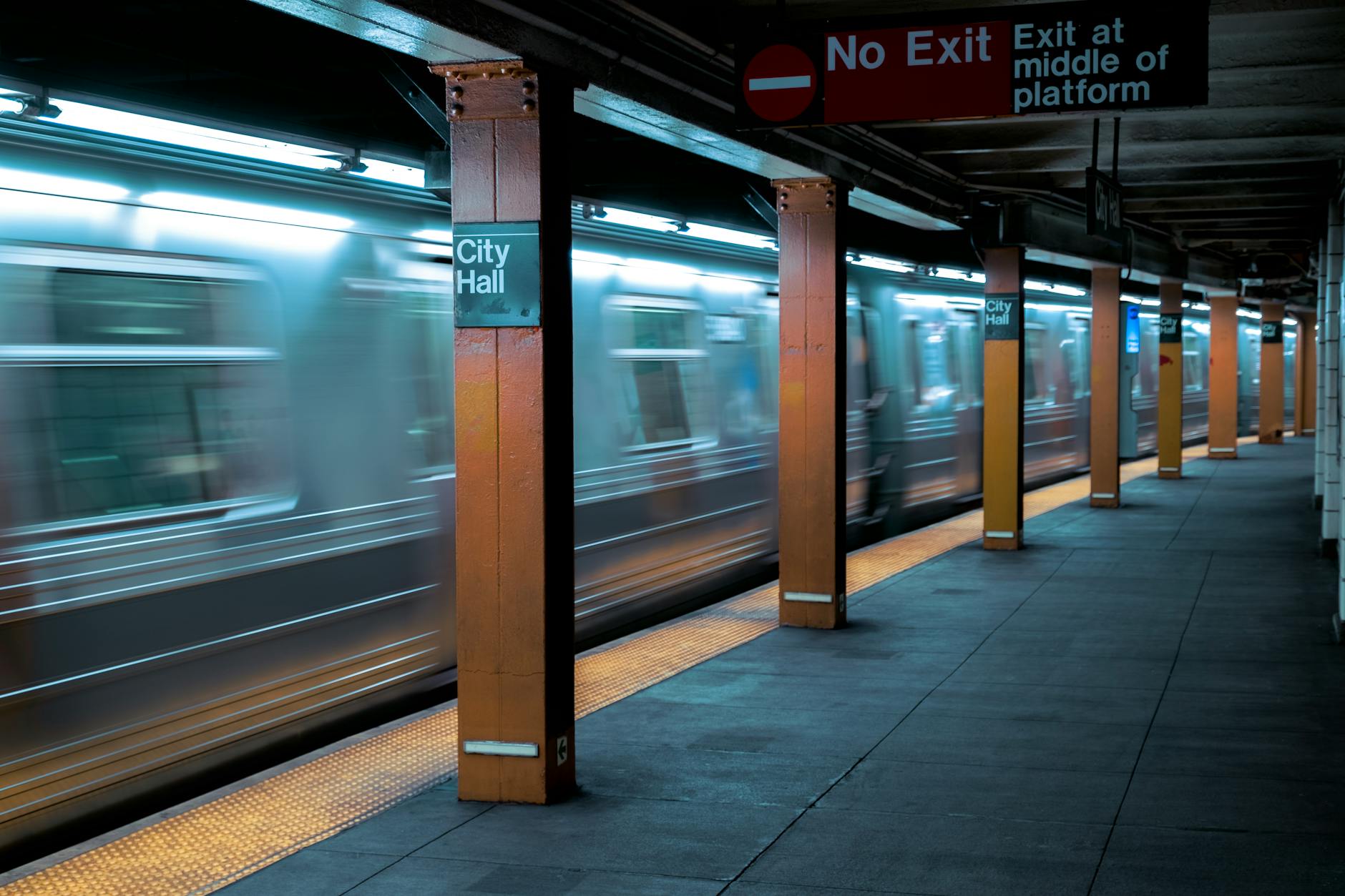
The Airport Express line connects Terminals 2 and 3 to Dongzhimen Station (Lines 2 and 13 of the metro) with one intermediate stop at Sanyuanqiao (Lines 10 and 14). Trains run every 10–15 minutes, the journey is 20 minutes from T3 to Sanyuanqiao or 25 minutes through to Dongzhimen, and the fare is a flat ¥25 (about $3.50). The line operates from approximately 06:00 to 23:30.
Find the Airport Express by following the unmistakable orange-circle signs (the Beijing subway icon plus ‘Airport Express’ in English) from baggage claim. At T3, you walk through the international arrivals atrium past the meeting point and the train station is on level B2; at T2, follow signs to the basement. Buy single-journey tickets at the manned counter or vending machines — the latter accept Alipay, WeChat Pay, and contactless foreign credit cards. From Dongzhimen or Sanyuanqiao, switch to the regular metro to reach almost any Beijing hotel.
Why we usually recommend it: predictable journey time (no traffic), consistent ¥25 fare, and Dongzhimen connects to the rest of the metro network including the tourist-vital Line 2 (which loops through the historic core) and Line 6 (good for Sanlitun). Drawbacks: limited luggage space (overhead racks fit suitcases up to 28 inches; two big checked bags per person fits but is awkward), and the last-mile to your hotel may still need a 5–10 minute taxi or 15-minute walk.
Option 2: PEK Taxi (Metered)
The official airport taxi rank is at the curbside outside arrivals at every terminal. Look for the marked ‘Taxi’ lines and ignore touts inside the terminal who wave laminated cards and quote ¥400 fares. Official taxis are a mix of Hyundai Sonatas and BAIC EU260s in pale blue or yellow with company markings. The meter starts at ¥13 for the first 3 km, then ¥2.30/km, plus a ¥10 airport surcharge and tolls. Expected total to most central Beijing hotels is ¥130–180 daytime, ¥160–220 between 23:00 and 05:00 (a 20% night surcharge applies).
Trip duration is heavily traffic-dependent. The 3rd Ring Road in rush hour adds 30+ minutes to the typical 40-minute drive. Show the driver your hotel address in Chinese characters from your booking confirmation, or use Apple Maps to share the destination. Pay in cash, Alipay, WeChat, or contactless card; the official taxis accept all four in 2026.
Option 3: DiDi from PEK
DiDi (China’s Uber) works at PEK with foreign-card-accepted accounts since 2023. The pickup point is at designated DiDi pickup zones at each terminal — follow signs to the ‘Online Car-Hailing’ or ‘Ride-Hailing’ area. DiDi Express is similar pricing to a taxi (¥150–200), DiDi Premier or English-speaking-driver options are 30–50% pricier. The advantage is the in-app translation, the destination already entered, and credit-card billing in your home currency. See our DiDi Beijing guide for setup details before you fly.
Option 4: PEK Airport Shuttle Buses
Five major shuttle bus lines run from PEK to specific drop-off points around Beijing:
- Line 1: Fangzhuang via Sanyuanqiao
- Line 2: Xidan via Beijing Railway Station
- Line 3: Beijing Railway Station via Dongzhimen and Dongdaqiao
- Line 4: Beijing West Railway Station via Gongzhufen
- Line 5: Beijing South Railway Station
- Daxing Airport line: direct to PKX for connecting flights
Tickets are ¥30–40 per person depending on route, every 15–30 minutes from approximately 06:00 to 23:00. The buses are comfortable with luggage racks and will appeal to budget travelers whose hotel happens to be near one of the named terminuses. For most other tourists, the Airport Express + metro combination is faster and similarly priced.
Option 5: Pre-booked Private Transfer
Services like Welcome Pickups, China Highlights, and several international apps offer fixed-price private transfers from PEK to anywhere in Beijing for ¥350–500 ($50–70). The driver meets you in arrivals holding a sign with your name, helps with luggage, and drives directly to your hotel. This is the option most families with multiple bags or anyone arriving on a red-eye flight should consider — predictable, English-friendly, and the extra cost is small if split among 3–4 travelers. Book online before you depart.
Option 6: Subway Line 15 (Budget Pick)
The cheapest legal route. The standard Beijing metro Line 15 was extended to PEK Terminal 2 in 2022, so for the same ¥7–10 fare as a regular subway ride you can ride into central Beijing. Catch is the line takes 70–90 minutes via several transfers (typically Line 15 → Line 14 → Line 6 or whatever your destination requires) and luggage handling on stairs is tedious. Useful if you have just a backpack and a tight budget.
PKX to City Center: Transfer Options Compared
| Option | Time to Downtown | Cost (CNY) | Best For |
|---|---|---|---|
| Daxing Airport Express (Metro Line 19) | 30–40 min to Caoqiao | ¥35 | Most travelers |
| Jingxiong Intercity Railway | 20–30 min to Beijing West | ¥30–80 by class | West Beijing hotels, train transfers |
| Taxi | 60–80 min | ¥220–280 | Late arrivals, large groups |
| DiDi | 60–80 min | ¥220–300 | App users |
| Airport Shuttle Bus | 75–110 min | ¥30–40 | Specific terminal drop-offs |
| Private Transfer | 60–80 min | ¥450–600 | Families, tight schedules |
PKX Daxing Airport Express (Metro Line 19)
The Daxing Airport Express is a flagship metro extension linking the airport to Caoqiao station on Line 10 in 19 minutes nonstop, then continuing as part of regular Line 19 service. Trains run roughly every 8–10 minutes between 06:00 and 22:30 for ¥35 (slightly more than the PEK Express because of the longer distance and faster trains). At Caoqiao, transfer to Line 10 (the outer ring) to reach most hotel districts.
PKX Jingxiong Intercity Railway
The dedicated high-speed rail line links PKX directly to Beijing West Railway Station in 29 minutes for ¥30–80 depending on class. Trains run roughly every 30–60 minutes from 06:41 to 20:56. This is unbeatable if your final destination is in west Beijing or if you are connecting to another Chinese city’s high-speed train at Beijing West (e.g., Beijing → Xi’an), since you skip the metro transfer altogether.
PKX Taxi
Metered airport taxis from PKX cost ¥220–280 to most central Beijing destinations and take 60–80 minutes depending on traffic. The pickup is at the curbside on the arrivals level. Surcharges for night travel and tolls apply identically to PEK rules. The flat distance is what kills the price — Daxing is simply farther from downtown than Capital.
PKX Shuttle Buses
Six daxing airport shuttle bus lines (Lines 1–5 plus a ‘Beijing West Railway Station’ express) connect PKX to various city points. Tickets ¥30–40, runtime 75–110 minutes, every 30 minutes from 07:30 to 23:00. Generally outclassed by the metro and intercity rail options unless you’re specifically dropping at one of the named termini.
Choosing the Right Option: Decision Framework
Match your scenario to the matrix below to skip the analysis paralysis:
- Solo or couple, normal luggage, daytime arrival: Airport Express train. Cheapest, most predictable, easy.
- Family of 3–4 with checked bags: taxi or DiDi. Per-person cost works out similar to the train when split four ways, and you avoid lugging suitcases through transfers.
- Late-night arrival (after 23:00): taxi or pre-booked private transfer. The Airport Express closes at 23:30 and shuttles stop earlier.
- Heading to West Beijing or transferring to another high-speed train: from PKX use the Jingxiong intercity rail to Beijing West directly.
- First-time visitor with no Chinese: pre-book a private transfer for the first day; switch to subway and DiDi for the rest of the trip.
- Backpacker on a tight budget: subway Line 15 from PEK or the regular Daxing Airport Express + Line 10 from PKX.
- Need to bridge between PEK and PKX (rare but possible): the dedicated Airport-to-Airport shuttle bus runs every 30 minutes and takes about 75 minutes for ¥50.
Money & Payment Tips
Beijing has gone almost completely cashless. For the Airport Express and any DiDi/taxi, the easiest payment in 2026 is a contactless foreign credit card (Visa, Mastercard, American Express). Alipay and WeChat Pay both accept foreign cards via their ‘Tour Card’ feature; set it up before you fly. Bring ¥500 in small bills (¥10s, ¥20s, ¥50s) as a fallback for shuttles and small purchases — some bus lines still prefer cash.
Avoiding Airport Taxi Scams
Both Beijing airports are remarkably scam-light by Asian standards, but the same handful of issues recur. Watch for:
- Touts in the arrivals hall who wave laminated cards quoting ¥300–500 flat fares to downtown. Ignore them. Walk past to the official taxi rank curbside.
- ‘Black taxis’ at Capital Airport’s outer parking — unmarked cars whose drivers offer suspiciously round-figure fares. They have no meter and no recourse if anything goes wrong.
- Long routing by an unscrupulous driver. With Apple Maps or Baidu Maps running on your phone, you can spot a driver going wildly out of the way and politely ask them to follow the suggested route.
- Refusing the meter — a near-extinct issue with regulated airport taxis but still possible. Insist on the meter; if refused, get out and find another cab.
FAQ: Beijing Airport to City Center
How long does it take to get from Beijing airport to the city?
From PEK by Airport Express, allow 20 minutes train ride plus 15–25 minutes for metro transfer and walking to your hotel — about 45 minutes door-to-door for most central Beijing accommodations. From PKX by Daxing Airport Express, around 50 minutes door-to-door. Add 30–60 minutes for taxi rides during rush hour.
What’s the cheapest way from Beijing airport to city center?
From PEK, the regular metro Line 15 at ¥7–10 (with one or two transfers and 70+ minutes). From PKX, no equivalent ultra-cheap option — the Daxing Airport Express (¥35) is the lowest reasonable cost. Shuttle buses run ¥30–40 from both airports.
Is Uber available at Beijing airports?
Uber is not available in mainland China. The local equivalent is DiDi, which works at both Beijing airports with the same in-app experience. See our DiDi Beijing guide for setup before your trip.
Can I take the subway from PEK Capital Airport?
Yes. The Airport Express is technically part of the Beijing subway system at a flat ¥25 fare. For the cheaper standard metro fare, take Line 15 from Terminal 2’s metro entrance (currently the only PEK terminal with regular metro service).
Which Beijing airport am I flying into?
Check your booking confirmation. The IATA airport code is on every flight ticket — PEK means Beijing Capital, PKX means Beijing Daxing. Most foreign carriers and Air China use PEK; Delta, Air France, KLM, China Eastern, and China Southern increasingly use PKX. They are 60+ km apart, so getting it wrong means a 100-minute taxi ride between airports.
Are there left-luggage facilities at the airports?
Yes, both airports have staffed left-luggage offices in the arrivals areas. Rates run ¥40–80 per bag per day. Useful if you have an early arrival and your hotel won’t let you check in until afternoon.
Final Word
For 90% of tourists, the answer to ‘Beijing airport to city center?’ is the Airport Express train at PEK or the Daxing Airport Express at PKX, with a transfer at Sanyuanqiao or Caoqiao to your hotel’s nearest metro station. The remaining 10% — heavy luggage, group of four, midnight arrival, or first-timer who wants zero hassle — should book a private transfer or take a metered taxi from the official rank. Either way, Beijing’s airport-to-city infrastructure is among the world’s best, and you should be sipping your first jasmine tea inside an hour of clearing customs.