The Complete Beijing Travel Guide: Everything You Need to Know
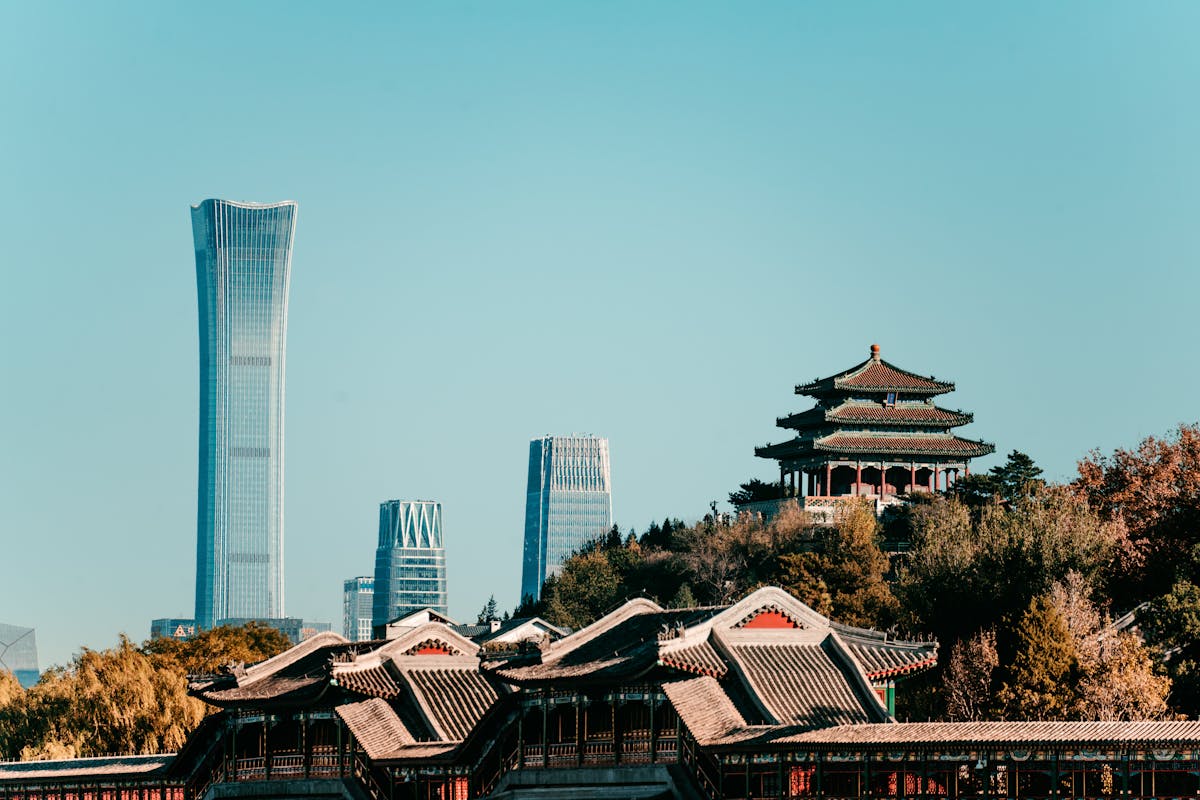
Beijing is not a city you ease into. You land, you step outside the terminal, and the sheer scale of the place hits you immediately — a capital that has absorbed three thousand years of imperial ambition, absorbed invasions, revolutions, and the world’s fastest economic expansion, and still managed to keep its ancient bones intact beneath a skyline of glass towers and Olympic-grade infrastructure. Seven UNESCO World Heritage Sites sit within city limits. The world’s busiest subway network runs past them. Peking duck restaurants that have been open since the Qing Dynasty are a five-minute walk from Michelin-starred modern cuisine.
This guide covers everything you need to plan a trip that actually works: when to go, how long to stay, how to get around, where to sleep, what to eat, how much it costs, and what nobody tells you until it’s too late. If you’re looking for a specific topic in depth, use the links throughout — each section connects to a dedicated guide written to give you more detail than a pillar page can hold.
Why Beijing Rewards Serious Planning
Most cities forgive unprepared visitors. Beijing does not. Not because it’s dangerous — it’s remarkably safe, one of the lowest violent-crime rates of any major capital — but because its logistics are genuinely unique. China’s internet firewall means your usual apps won’t work without a VPN configured before you land. Mobile payment is so dominant that some street food vendors won’t take cash. Booking the Forbidden City online is mandatory; there are no walk-up tickets. The Great Wall has eight accessible sections, and choosing the wrong one can mean spending your day in a slow-moving tourist cattle chute rather than hiking a wild ridgeline with a view to the horizon.
Get the logistics right, and Beijing delivers experiences that most travel destinations can’t. Get them wrong, and you spend a frustrating first day trying to buy a SIM card, get into an app, and find an ATM that accepts your card.
The good news: all of these things are completely solvable with a bit of advance preparation. That’s what this guide is for.
When to Visit Beijing
Beijing has four distinct seasons, and they produce very different travel experiences. The short version: aim for late April through May, or mid-September through mid-October. Those two windows are the consensus sweet spots, and for good reason.
Spring (April–May) brings temperatures in the 13–26°C range, park blossoms, and manageable crowds — as long as you avoid the Labor Day holiday window of May 1–5. April occasionally throws sandstorms from the Gobi, but they’re less frequent than they used to be and rarely last more than a day.
Summer (June–August) runs hot: 35–40°C in July with heavy humidity and the year’s highest rainfall (July averages 185mm). Crowds are up, museums are packed, and the Great Wall in August is genuinely unpleasant between 10am and 3pm. If summer is your only option, start your days before 8am and plan indoor activities for the afternoon.
Autumn (September–October) is the premium window. Mild temperatures, the clearest skies of the year, and the Fragrant Hills turning crimson from late October onward. One hard rule: do not visit the first week of October. The National Day Golden Week holiday (October 1–7) sees the Forbidden City at triple its normal capacity. The week after is perfect.
Winter (December–February) is cold — down to -10°C on the sharpest nights — but has real advantages. Hotel prices drop 20–40%, queues at major attractions nearly vanish, and a snow-covered Forbidden City is one of the most striking sights in Asia. Pack layers, warm socks, and an insulated down jacket.
For full weather data, crowd calendars, and month-by-month breakdowns, see the best time to visit Beijing guide.
How Many Days Do You Need?
Three days is the minimum to feel like you’ve seen Beijing rather than just raced through it. Five days is comfortable for a first-time visitor covering the headline sights at a human pace. Seven days lets you get off the main tourist circuit and into the city’s actual texture.
3-day sprint: Tiananmen Square and Forbidden City on day one. Great Wall at Mutianyu on day two. Temple of Heaven in the morning, Summer Palace in the afternoon, Peking duck in the evening on day three. You’ll be tired but satisfied.
5-day classic: Add hutong exploration by bike or rickshaw, the Lama Temple, and a proper evening at the Houhai lakeside on day four. Day five is for the 798 Art District, the Panjiayuan antique market, and a Peking opera or acrobatics show.
7-day deep dive: A second Great Wall section (Jinshanling for the drama, Jiankou for the wild unrestored hiking). A day trip to Tianjin by bullet train — 30 minutes each way, and the colonial architecture and food scene there are genuinely excellent. Or Universal Studios Beijing, which is far better than people expect and is entirely worth a full day if you’re traveling with family.
See the full how many days in Beijing guide for complete sample itineraries and advice on pacing.
Visas and Entry
China has substantially opened up its visa rules since 2023, and the current situation is considerably more welcoming than most travelers expect.
Citizens of 46 countries — including the United States, United Kingdom, Canada, Australia, most EU nations, Japan, and South Korea — can enter China visa-free for up to 30 days for tourism, business, family visits, or transit. This policy runs through December 31, 2026. You need a valid passport with at least six months of remaining validity. That’s it.
If your country isn’t on the 30-day list, you may still qualify for the 240-hour (10-day) visa-free transit policy, which applies to 55 countries. The conditions: China must be a stop on a through-journey, not your final destination; you must hold a confirmed onward ticket; and you must enter and exit via approved ports, both Beijing airports among them.
For travelers who need a standard tourist visa (L visa), the cost runs $150–$300 USD depending on nationality and processing speed. You’ll need your passport, a completed application form, a passport photo (48mm × 33mm, white background), proof of hotel bookings, and a round-trip flight itinerary.
For detailed country lists, application steps, and what to do if you’re refused at the border, the Beijing visa requirements guide has everything you need.
Getting to Beijing
Beijing has two international airports. Capital International (PEK), about 25km northeast of the city center, is the main hub and handles the majority of international flights. Daxing International (PKX), 46km south and opened in 2019, is the newer airport — the starfish-shaped Zaha Hadid terminal alone is worth arriving early to look around. Both have subway links, currency exchange, and SIM card vendors in arrivals.
From PEK, the Airport Express train runs to Sanyuanqiao and Dongzhimen stations in 16 minutes for ¥25 — fast and reliable. From PKX, the Express Line connects to Caoqiao on Line 10 in about 20 minutes. Taxis from either airport into the city center run ¥80–120 and take 40–70 minutes depending on traffic. Avoid anyone who approaches you in the arrivals hall offering rides — use the official metered taxi queue outside departures.
Getting Around the City
The Beijing subway is your primary tool. With 29 lines and over 500 stations, it reaches essentially every attraction in the city. Signage is in English and Chinese, trains run from around 5am to 11pm, and the base fare is ¥3. Since 2024, all five major international card brands — Visa, Mastercard, JCB, American Express, and UnionPay — work for contactless tap-and-go payment at every station. Just tap your card on entry, tap again on exit, and the correct fare is deducted automatically. No need to figure out ticket machines or buy a fare card.
Taxis are metered, safe, and start at ¥13. Plates beginning with “京B” are legitimate — avoid anything else. DiDi (China’s ride-hailing app, like Uber) has an English interface and accepts international credit cards via Alipay or WeChat Pay. For hutong neighborhoods, a shared bike is often the best option: Mobike and Hello Bike both unlock with a QR code scan via Alipay or WeChat Pay, and cost a few yuan per ride.
The Beijing transportation guide covers the subway map, airport links, day-trip options, and how to take the high-speed rail to nearby cities like Tianjin and Chengde.
Where to Stay
Your neighborhood choice matters more in Beijing than in most cities, because the place is enormous — over 16,000 square kilometers — and poorly positioned accommodation adds significant commute time to your days.
Dongcheng is the top pick for first-time visitors. It covers the Forbidden City, Tiananmen Square, Wangfujing shopping street, and a dense network of historic hutong lanes. Properties here range from luxury hotels like The Peninsula Beijing (around $300/night) to boutique siheyuan courtyard hotels at $80–150. Mid-range options average $110 per night near Wangfujing.
Chaoyang is modern Beijing: the Sanlitun bar and restaurant district, the 798 Art District, the embassy quarter, and a concentration of international chains where English is widely spoken. It suits travelers who want contemporary comfort and don’t mind a slightly longer commute to historical sites.
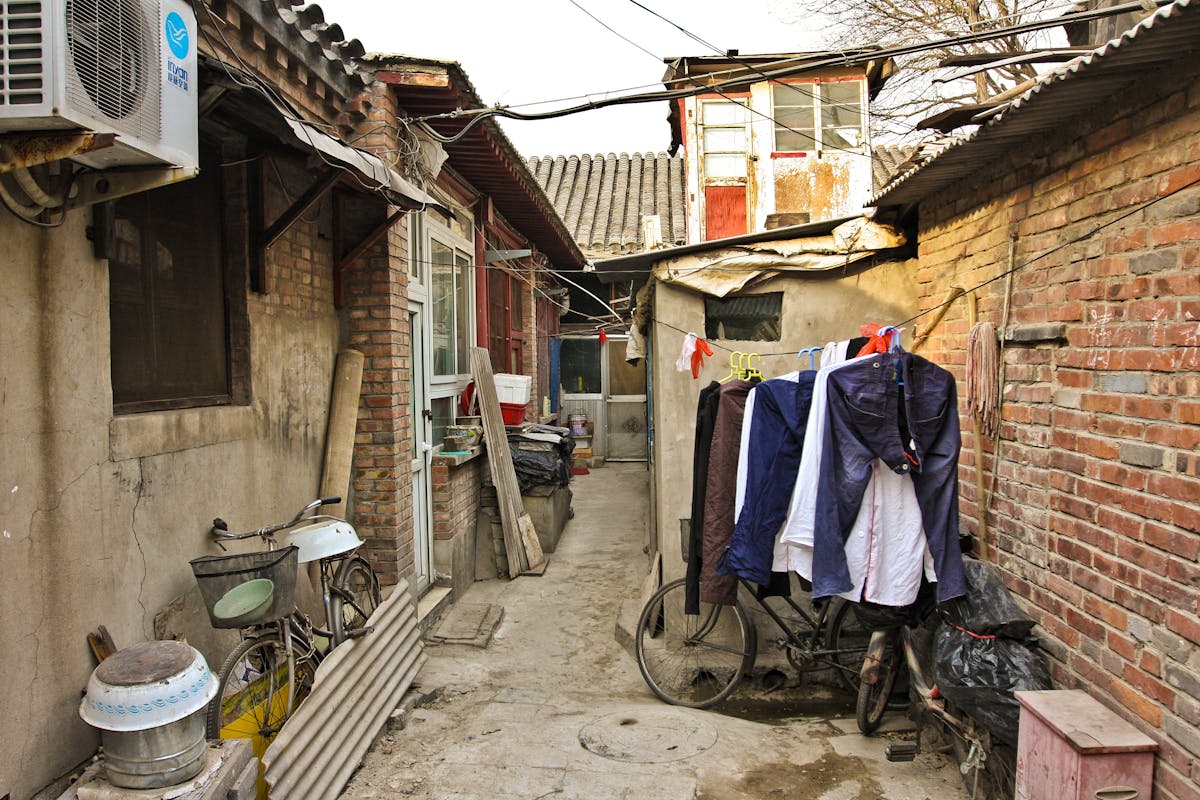
Courtyard hotels in the hutongs deserve particular mention. A renovated siheyuan — stone threshold, wooden lattice windows, intimate interior courtyard — is a genuinely special way to sleep in Beijing and gives you an atmosphere no chain hotel can replicate. Prices typically run $80–200/night for quality boutique properties.
Budget travelers can find clean, well-reviewed hostels with dorm beds at $7–15 and private rooms at $30–50, concentrated in the hutong neighborhoods of Dongcheng and Xicheng. For detailed neighborhood breakdowns and hotel recommendations at each budget level, see the where to stay in Beijing guide.
Top Attractions: What to Actually Prioritize
Beijing has more world-class sights than most visitors can absorb in a week. Here is how to prioritize the ones that genuinely earn their reputation.
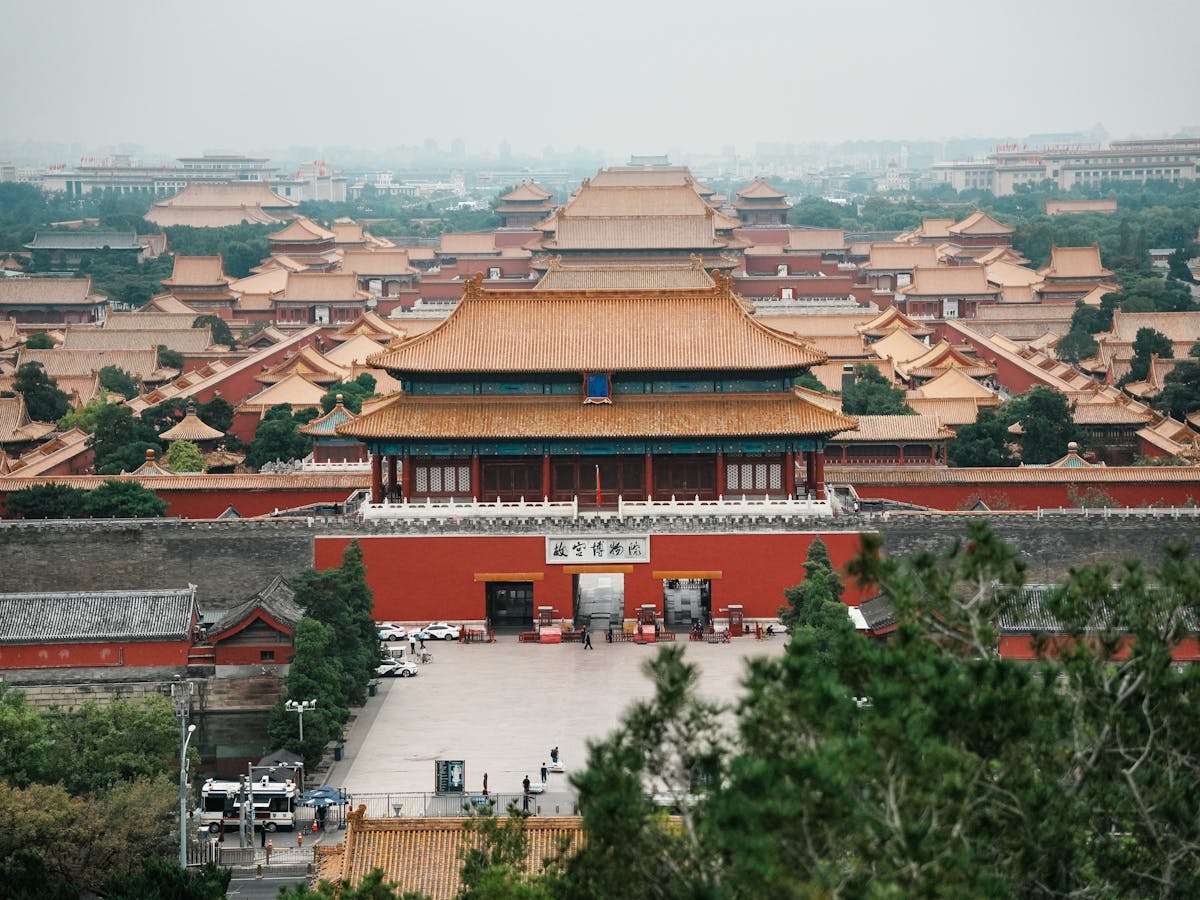
Forbidden City (Palace Museum): 72 hectares, over 9,000 rooms, 24 emperors across the Ming and Qing Dynasties. You need at least three to four hours. Tickets are ¥60 (April–October) or ¥40 (November–March) and must be booked in advance online — no walk-up tickets exist. The audio guide is worth the extra ¥40 for context on what you’re looking at.
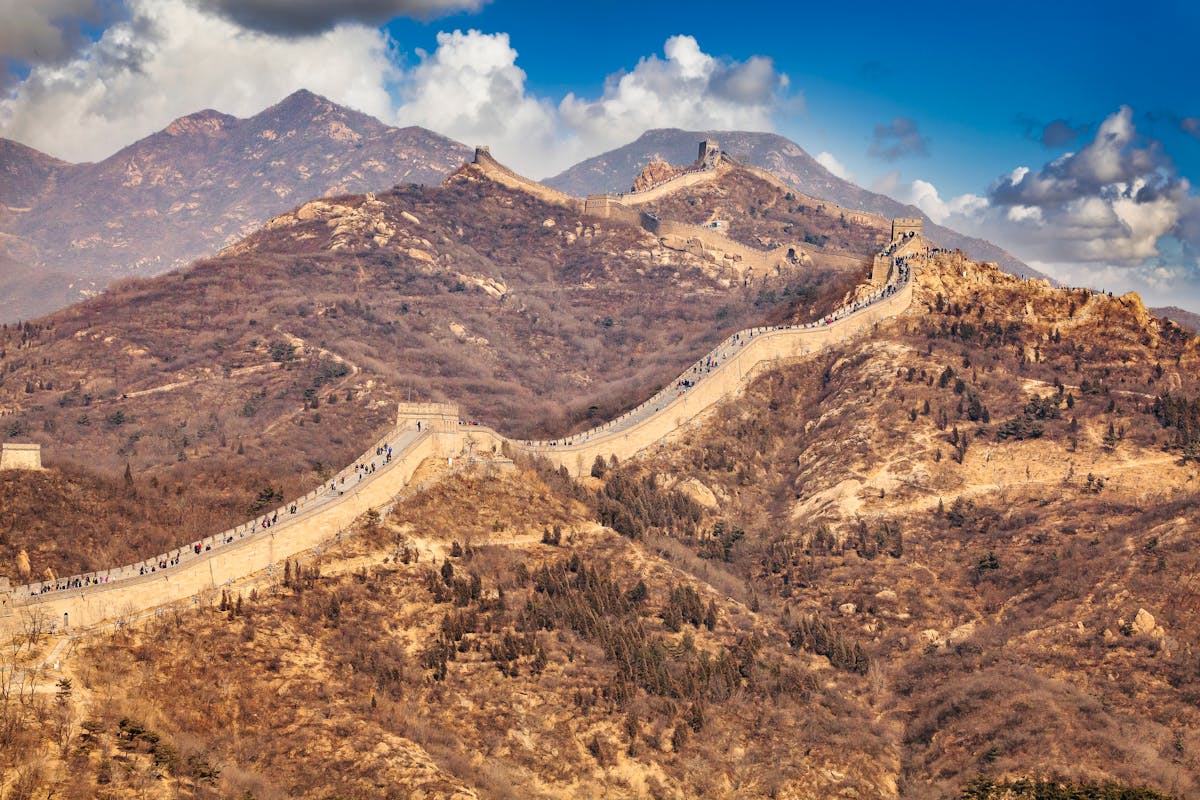
Great Wall: Eight sections are reachable from Beijing, each with a different character. Mutianyu is the best all-rounder for first-timers — well-restored, cable car access, and a toboggan ride down. Jinshanling is the photographer’s choice, with dramatic mountain scenery and far fewer crowds. Jiankou is for hikers who want the wall completely wild and unrestored, crumbling towers on a knife-edge ridge. Pick the section that matches your fitness level and what you actually want to do there.
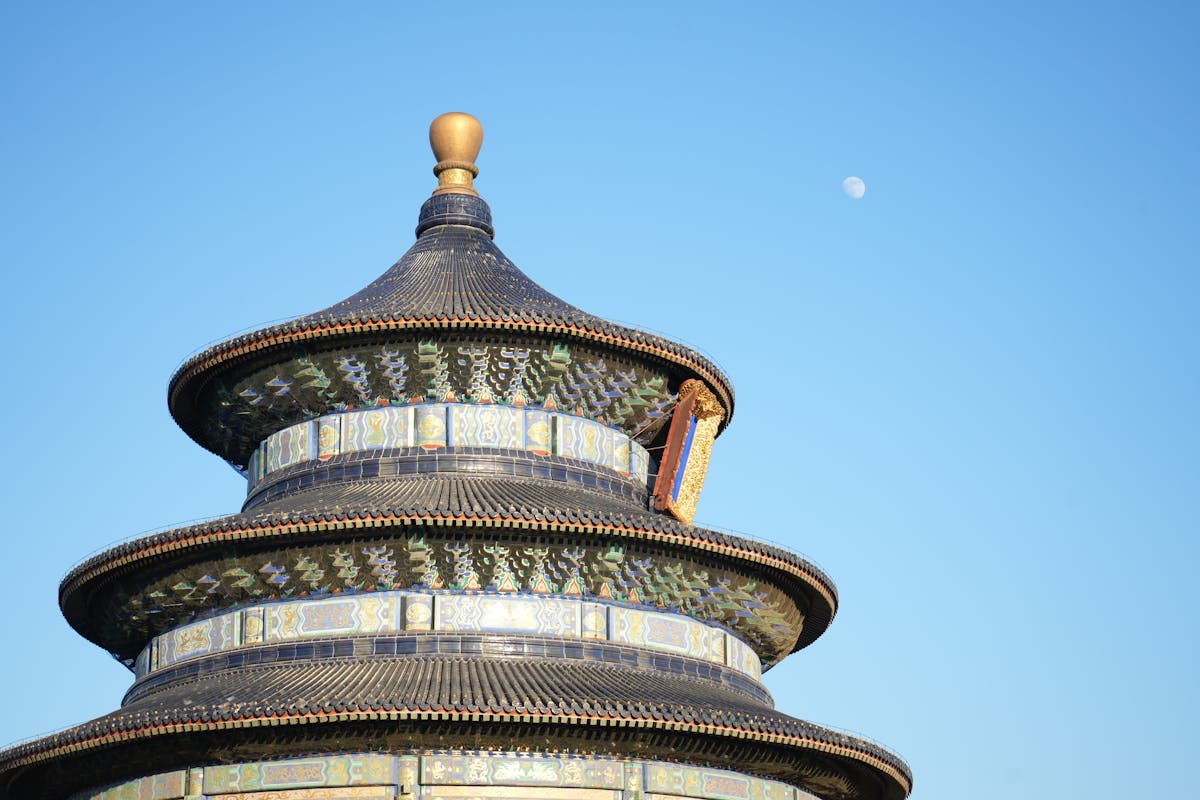
Temple of Heaven: The circular Hall of Prayer for Good Harvests is one of the most technically precise structures in Ming Dynasty architecture — the entire building is assembled without a single nail. Go early in the morning when the surrounding park fills with locals doing tai chi, playing erhu, and practicing calligraphy with water on the pavement.
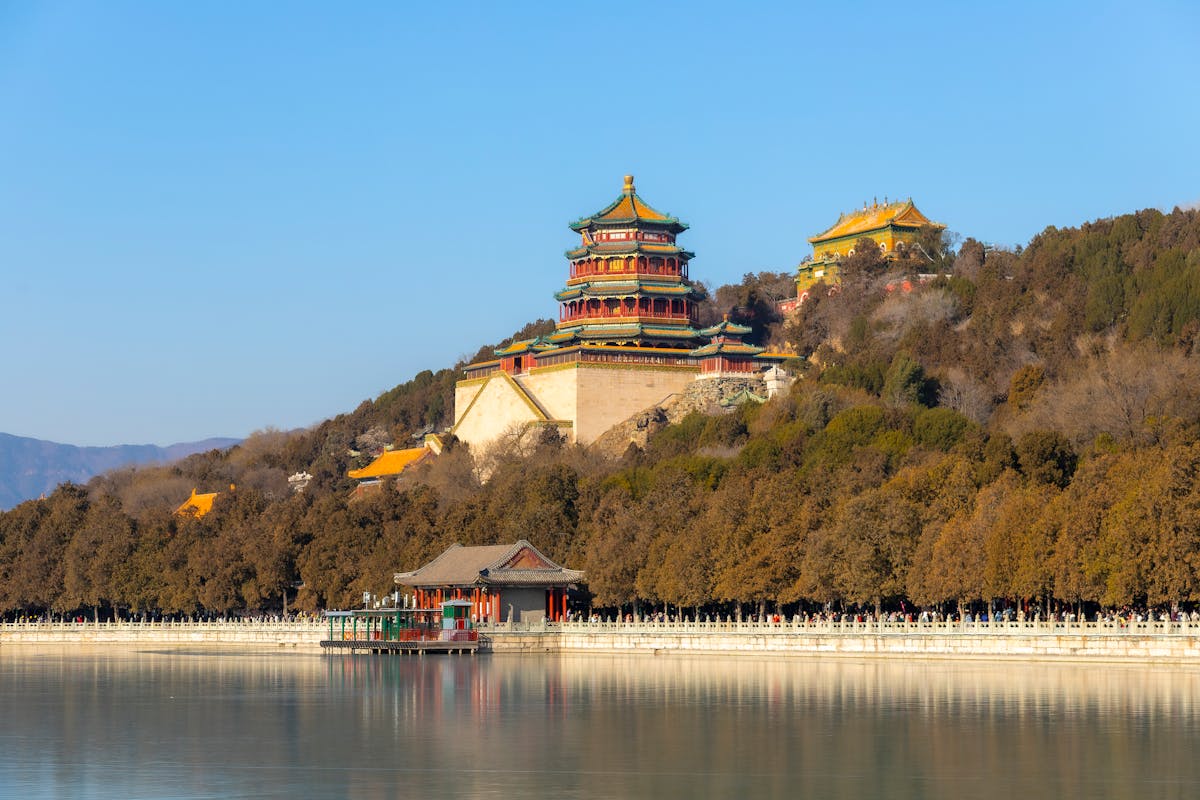
Summer Palace: Kunming Lake covers three-quarters of the grounds, and the 728-meter Long Corridor is painted with over 14,000 individual scenes from Chinese history and mythology. Take a dragon boat across the lake. It costs ¥30 entry and most people underestimate how long it takes — budget half a day minimum.
Hutong neighborhoods: These ancient alleyway networks are Beijing at its most human-scaled. Nanluoguxiang is the busiest and most tourist-friendly, with cafes and boutique shops. The Shichahai and Houhai area is more residential and atmospheric, especially at night when lanterns reflect off the lake. The Dongsi hutongs are the least touristy if you want the genuine article without anyone trying to sell you a souvenir.
Lama Temple (Yonghegong): Beijing’s finest Buddhist monastery, with an 18-meter sandalwood Buddha and atmosphere that hits differently on a weekday morning when monks are conducting ceremonies.
798 Art District: A converted military factory complex that is now one of Asia’s best contemporary art destinations. Plan two to three hours if modern art is your thing, one hour if you’re going for the architecture and the coffee.
The Beijing Central Axis
In July 2024, UNESCO inscribed the Beijing Central Axis as a World Heritage Site — the city’s eighth, bringing Beijing’s total higher than any other city on the planet. The axis stretches 7.8 kilometers from Yongding Gate in the south through Tiananmen Square, the Forbidden City, Jingshan Park, the Bell and Drum Towers, to the northern boundary markers. It’s been defining the city’s layout for over 750 years.
A sightseeing trolley now runs the full length of the axis from Qianmen to the Drum Tower, stopping at 15 heritage sites, for ¥50 per person (10am–5pm daily). It’s an underrated way to get the overview before drilling down on individual sites.
What to Eat in Beijing
Beijing’s food culture is entirely its own thing — distinct from the Cantonese cooking that most Western Chinese restaurants approximate, and from the fiery Sichuan food that dominates global Chinese restaurant trends. Northern Chinese cuisine is robust, wheat-based, and built around big flavors: roast duck, hand-pulled noodles, lamb skewers, pan-fried dumplings.
Peking duck is non-negotiable. This is the city’s signature dish, perfected over 600 years. The skin should shatter when you bite it. Top options: Quanjude (established 1864, traditional open-flame roasting, main branch at Qianmen), Da Dong (modern, Michelin-starred, beautiful presentation), and Siji Minfu (excellent value, expect a two-to-three hour wait on weekends — arrive when they open).
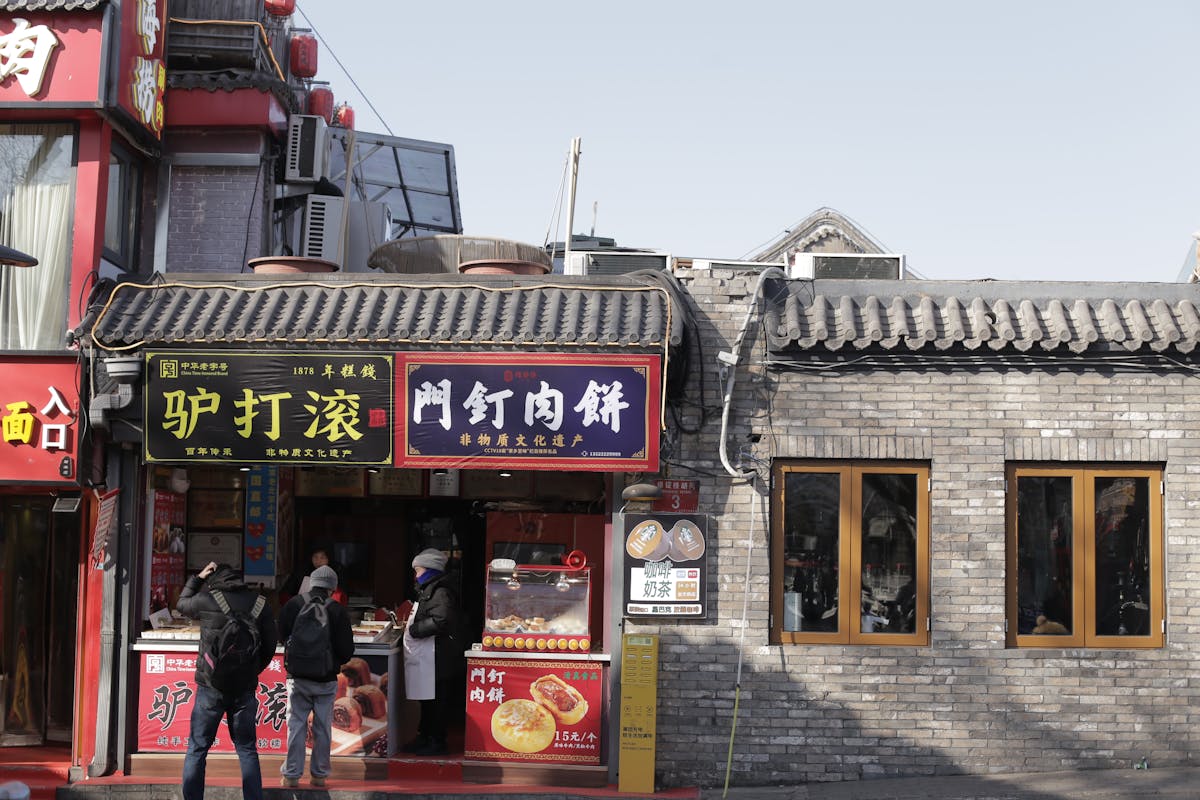
Jianbing is Beijing’s great street breakfast — a savory crepe cooked to order on a flat iron griddle, spread with egg, hoisin sauce, chili paste, and a crispy wonton wafer. One costs ¥8–12 from a street cart and is one of the best breakfasts you’ll eat anywhere.
Other essential Beijing dishes: zhajiangmian (wheat noodles with fermented soybean paste, served cold in summer), yangrou chuan (lamb skewers from Uyghur vendors, especially strong in the Weigongcun and Wudaokou areas), tanghulu (candied hawthorn fruit on sticks, best in winter when it’s cold enough to set properly), and jiaozi (hand-folded dumplings — find a small family restaurant rather than a tourist spot).
For late-night eating, Ghost Street (Guijie) is a kilometer of red-lanterned restaurants open until 4am, specializing in spicy crayfish, hot pot, and grilled lamb. At 11pm on a weekend it is absolutely packed with locals.
Money, Payments, and Internet Access
Two things about Beijing that catch first-time visitors off guard: the payment system and the internet.
Payments: China runs on Alipay and WeChat Pay. Mobile payment is so universal that some small vendors genuinely don’t carry change for cash transactions. Foreign visitors can now link international Visa and Mastercard cards directly to Alipay and WeChat Pay — no Chinese bank account required. Set both up before you leave home. The transaction limit for overseas visitors is $5,000 per payment with an annual cap of $50,000. Carry ¥200–500 in cash as backup for the occasional vendor who doesn’t take cards of any kind.
Internet: Google, Gmail, YouTube, Facebook, Instagram, WhatsApp, and most Western platforms are blocked in China. Download and configure a VPN before you land — ExpressVPN, NordVPN, and Surfshark all work reliably. If you have a foreign SIM card with international roaming data, that often bypasses the firewall entirely without a VPN, since your data routes through overseas servers.
For navigation, Apple Maps works fine in China (Apple partnered with local mapping company AutoNavi). Android users should download Amap (Gaode Map) which now has an English interface. For translation, Pleco is the best offline Chinese-English dictionary available.
How Much Will Beijing Cost?
Beijing is excellent value compared to Western capitals and cheaper than Tokyo, Singapore, or Hong Kong for most categories of expenditure.
Budget ($38–70/day): Hostel dorm bed ($7–15/night), street food and small local restaurants ($5–10/meal), subway for transport ($1–3/ride). This is genuinely sustainable and doesn’t require any sacrifice on the sightseeing front — most major attractions cost ¥30–60.
Mid-range ($80–150/day): 3-star hotel or boutique guesthouse ($50–100/night), mix of sit-down restaurants ($10–25/meal), taxis and subway, all major attractions. This is a comfortable pace for most visitors.
Luxury ($200+/day): 5-star hotel ($150–400+/night), fine dining ($50–100+/meal), private guides, premium show tickets, first-class rail for day trips.
Specific attraction admission prices for your budget planning: Forbidden City ¥60 (peak) / ¥40 (off-season), Temple of Heaven ¥34, Summer Palace ¥30, Great Wall at Mutianyu ¥40 entry plus ¥120 for cable car round trip, Lama Temple ¥25, 798 Art District free entry (galleries charge individually).
For a full breakdown of daily costs across accommodation, food, transport, and activities, see the Beijing travel budget guide.
Safety: What’s Real and What Isn’t
Beijing is one of the safest major cities in the world for tourists. Violent crime against visitors is extremely rare. The subway stations have security checkpoints at every entrance. The streets in the main tourist and commercial districts are well-lit and genuinely feel secure at midnight.
The actual risks are specific and predictable: the tea-house scam (attractive stranger near the Forbidden City invites you for tea or to see an art student’s exhibition, presents a bill for ¥500+), fake taxi drivers at airports (always use the metered queue outside), and counterfeit goods in tourist markets that are sold as genuine antiques. None of these are violent, all are avoidable with basic awareness.
Air quality can be a concern, particularly in January and February. Download the AQI app and check before planning an outdoor day if you’re visiting in winter. For comprehensive safety information including the current situation for solo travelers and LGBTQ+ visitors, see the Beijing safety tips guide.
Planning Resources: Your Full Trip
The guides below expand on every section above. Use them to build your itinerary piece by piece once you’ve fixed your dates and budget.
Trip Planning Essentials
- How many days in Beijing — 3, 5, and 7-day itineraries with day-by-day scheduling
- Best time to visit Beijing — monthly weather, crowd patterns, and seasonal events
- Beijing travel budget — complete cost breakdown for all spending categories
- Beijing safety tips — scams to avoid, neighborhood safety, emergency contacts
- First-time visitors guide — 25 things you need to know before you land
- Beijing packing list — seasonal gear, tech essentials, and what not to bother with
Traveling to Beijing Your Way
- Beijing with kids — family-friendly attractions, practical logistics, and what children actually enjoy here
- Beijing solo travel — safety, socializing, and making the most of going alone
- Beijing accessibility guide — transport, attractions, and accommodation for travelers with mobility needs
- Beijing travel insurance — what coverage you actually need and what to look for in a policy
Related Guides for the Bigger Picture
- Beijing visa requirements — country-by-country visa rules, the 30-day visa-free policy, application steps
- Beijing transportation guide — subway, taxis, airport links, day-trip rail connections
- Where to stay in Beijing — neighborhood comparisons, hotel recommendations at every budget
Day Trips from Beijing
Beijing makes an effective base for exploring the surrounding region. The most practical day trips: Tianjin by high-speed rail (30 minutes each way, excellent for colonial-era architecture and one of China’s best food cities), Fragrant Hills Park in late October and early November for the autumn foliage, and the Chengde Mountain Resort for an overnight — a UNESCO-listed Qing Dynasty summer retreat about two hours by train.
If you’re planning a second Great Wall section as a day trip from the city, Jinshanling is the best combination of accessibility and dramatic scenery. The hike from Jinshanling to Simatai takes three to four hours and keeps you well away from the tourist crowds.
The Apps You Need Before You Land
Download all of these before you board:
- Alipay and WeChat Pay — link your international card before you arrive
- DiDi — ride-hailing with English interface
- Apple Maps or Amap (Gaode) — navigation without needing Google Maps
- Pleco — offline Chinese-English translation, essential for menus and signs
- VPN of your choice — configure it before landing
- Trip.com or Ctrip — hotel and domestic flight booking
- 12306 — China’s official high-speed rail booking app, now has an English version
A Final Practical Note
Beijing takes a day to calibrate. The scale is different, the payment systems are different, the internet works differently, and the sensory overload of a city with 22 million people and three thousand years of layered history is real. Give yourself that first evening to do nothing more than get your bearings, find a good meal, and get a full night’s sleep.
By day two, you’ll have your rhythm. And by the time you leave, you’ll almost certainly be thinking about coming back.
Use the planning resources linked throughout this guide. Each one goes deeper on its subject than a single guide can reasonably cover. Between them, they answer just about every question a Beijing visitor is likely to have — and a few you haven’t thought to ask yet.