Beijing Nightlife
Beijing Live Music Scene: Jazz, Rock & Indie Venues
Discover Beijing's vibrant live music scene. Best venues for jazz, rock, indie, and traditional Chinese music performances.
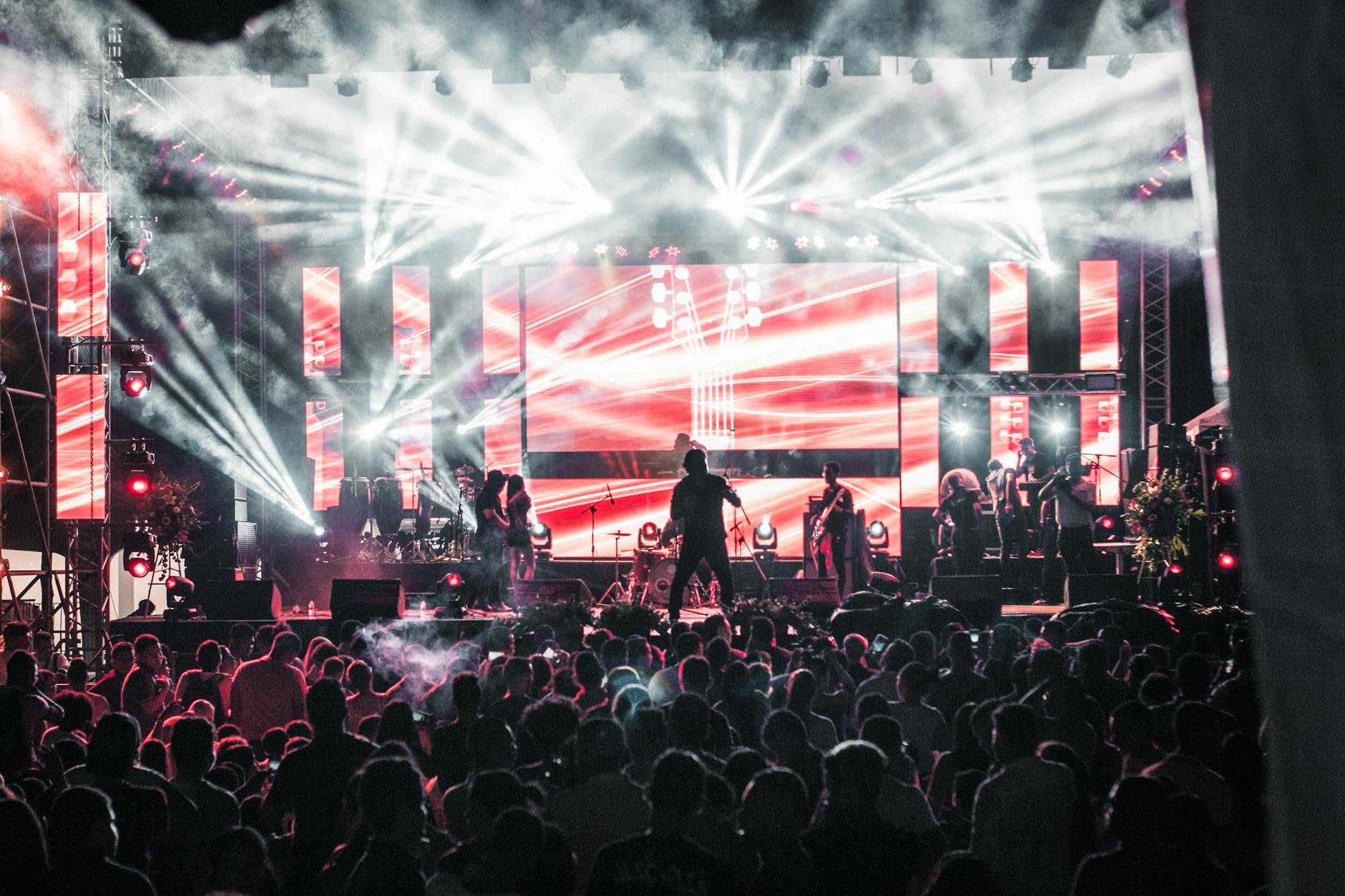
Beijing has a live music scene that surprises almost everyone — a genuinely vibrant, decades-deep culture spanning jazz, rock, punk, indie, folk and electronic across more than 200 venues, from smoky basement clubs to elegant jazz cafés and converted-factory concert halls. As the cradle of Chinese rock and a magnet for the country’s musicians, the capital offers something most visitors never expect: the chance to catch an underground Chinese punk band, a world-class jazz trio, an indie-folk singer-songwriter or a touring international act, often for little more than the price of a couple of drinks. The scene clusters around the Gulou/Drum Tower hutongs and the Sanlitun/Chaoyang district, and on virtually any night of the week there’s something worth seeing. This guide covers the best venues by genre, what to expect, how to find listings and tickets, and how to get into one of Beijing’s most rewarding — and underrated — nightlife experiences.
For music lovers, a night at one of Beijing’s live venues beats any tourist show — it’s where you feel the real, creative pulse of the city. This guide covers the legendary clubs, the jazz spots, the indie and rock dens, how to find out what’s on, and the practicalities of going. Whether you want a mellow late-night jazz set, a sweaty, ear-ringing punk gig, or you’d rather make the music yourself at a karaoke room, here’s how to find it.
Beijing live music at a glance
- Scene
- 200+ venues spanning jazz, rock, punk, indie, folk and electronic — Beijing is the birthplace of Chinese rock.
- Best for jazz
- East Shore Live Jazz Café (lakeside) and JZ Club (Sanlitun).
- Best for rock/indie/punk
- School Bar (Wudaoying), Yugong Yishan (Gulou), DDC (Dusk Dawn Club).
- Where
- clustered around the Gulou/Drum Tower hutongs and Sanlitun/Chaoyang.
- Cost
- free to ~¥150 cover depending on the act; drinks on top.
- Listings
- check the-beijinger.com events and venue social media for what’s on.
- Best for
- music lovers wanting the authentic, creative side of Beijing nightlife.
A surprisingly deep scene
Beijing’s reputation as China’s cultural and creative capital extends firmly to music. This is the very city where Chinese rock was born in the late 1980s (Cui Jian, the “godfather of Chinese rock,” emerged from here), and it has nurtured the country’s most important underground, indie and experimental scenes ever since. Today more than 200 venues host live music across every genre imaginable — a single week in Beijing might offer a Chinese folk group, a hip-hop night, an electro-pop act, a jazz big band and a touring international punk band, all in different venues across town. The scene is concentrated, affordable and welcoming: cover charges are low (often free, or ¥100–150 for bigger acts), the venues are small and intimate, and you’ll find yourself shoulder to shoulder with Beijing’s young, creative, music-loving crowd. For a traveller, it’s a rare chance to experience a side of the city that the standard tourist trail completely misses — the living, breathing, slightly rough-edged creative culture of the capital that most visitors never glimpse at all. It’s one of the most rewarding and authentic components of Beijing’s wider nightlife scene.
For jazz
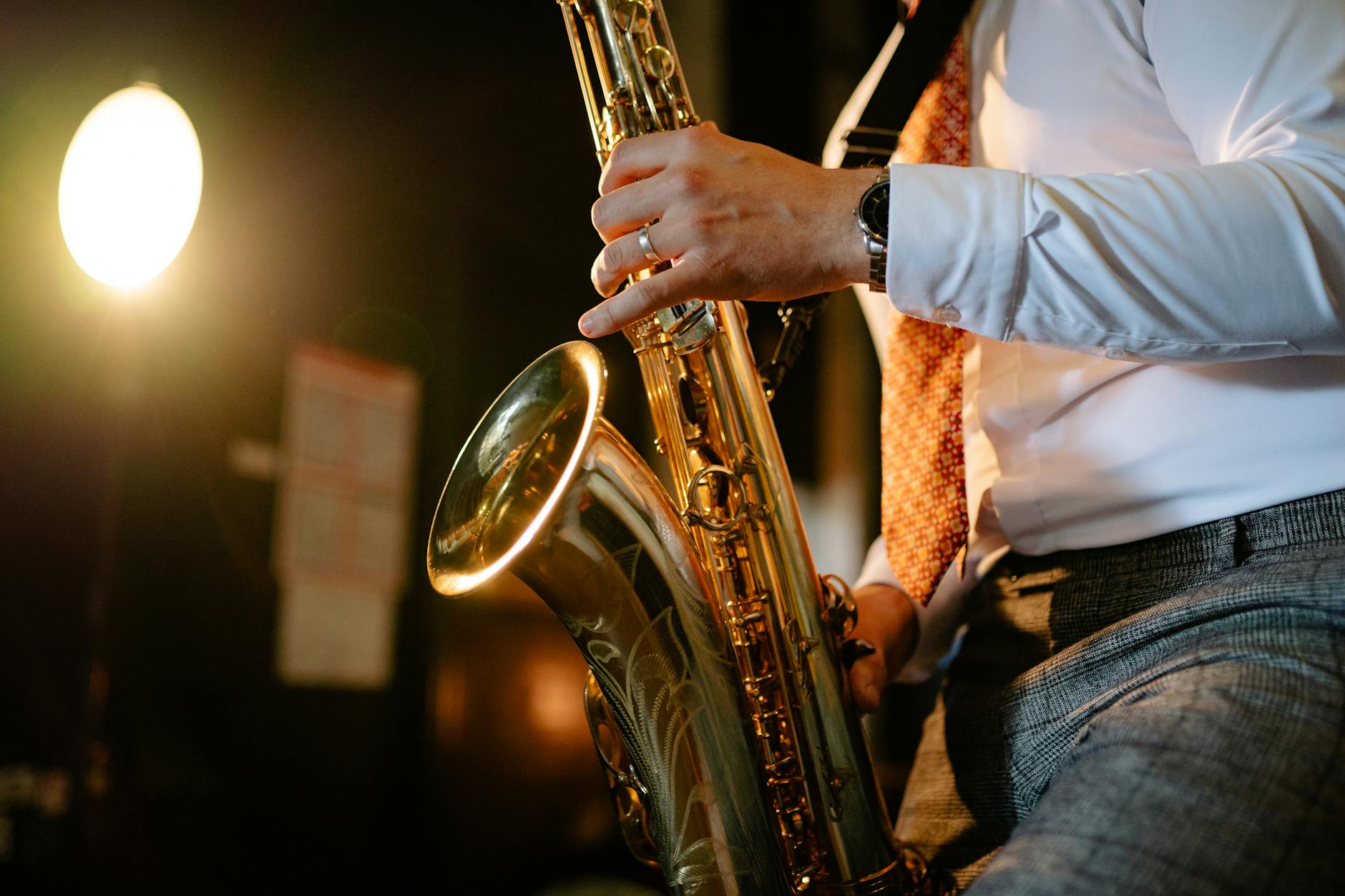
Beijing has a small but excellent jazz scene. The legendary East Shore Live Jazz Café, overlooking the Houhai lake, is the city’s spiritual home of jazz — an intimate, dimly lit, atmospheric room where some of Beijing’s best jazz musicians play most nights, founded by a noted local saxophonist. It’s a wonderful place to combine a romantic Houhai evening with seriously good live music. Over in the Sanlitun area, JZ Club is the premier modern jazz venue, hosting local and international artists, themed nights and seasonal festivals in a slicker, more polished setting. Between them, these two cover the spectrum from soulful, smoky tradition to slick contemporary jazz. For lovers of the genre, catching a set at East Shore — drink in hand, lake outside, top-class trio on the tiny stage — is one of the most atmospheric musical experiences anywhere in the city.
For rock, indie and punk
This is where Beijing’s music scene really shines. School Bar, tucked in Wudaoying Hutong and co-founded by a member of the band Joyside, is a legendary, gritty little venue and a cornerstone of the city’s indie, rock and punk scene — the place to catch raw, up-and-coming underground Chinese bands and the occasional international act, packed, loud and sweaty in the best possible way. Yugong Yishan, in the Gulou area, is a powerhouse mid-size venue famous for its eclectic range — hip-hop one night, Chinese folk the next, then electro-pop or rock — and a key stop on the circuit for touring bands. DDC (Dusk Dawn Club) is another beloved hub, a roughly 700-capacity space hosting everything from jazz to punk in an atmospheric hutong courtyard setting. Together these venues form the heart of Beijing’s alternative music culture, and a night at any of them — cheap, loud, intimate and brimming with local energy — is the real, unvarnished deal. The Gulou hutongs around them are also full of small bars and late-night eats, so you can easily make a full night of it — some bookend the evening with a night tour of the Drum and Bell Towers lit up nearby.
Finding out what’s on and going
The scene changes nightly, so the key is checking listings. The long-running English-language site the Beijinger (thebeijinger.com) has the best event listings for gigs across the city, and individual venues post their schedules on social media (WeChat, Instagram). It’s worth a quick look the day you want to go out to see who’s playing where. Practicalities: many gigs are walk-in with a door cover (free to ~¥150 depending on the act), while bigger touring shows sell tickets in advance through Chinese ticketing apps or the venues. Shows usually start later than you might expect — often 9pm or later. The venues cluster in two areas — the Gulou/Drum Tower hutongs (School Bar, Yugong Yishan, DDC, East Shore nearby at Houhai) and Sanlitun/Chaoyang (JZ Club and others) — both well served by metro, though you’ll want DiDi set up for the ride home after the subway closes around midnight. Bring your passport (occasionally checked), pay by phone or cash, and dive in.
Beijing and the birth of Chinese rock
To understand why Beijing’s music scene runs so deep, it helps to know its history. In the late 1980s, as China opened up, Beijing became the crucible of Chinese rock (yáogǔn). The towering figure is Cui Jian, the “godfather of Chinese rock,” whose 1986 song “Nothing to My Name” became an anthem for a generation. Through the 1990s and 2000s a raw, vital underground scene grew up around the city’s universities and bars, producing punk, metal and indie bands and a fiercely loyal, devoted fan culture, often centred on legendary (and now sometimes long-closed) venues that became incubators for a generation of talent. Beijing’s status as the political and cultural capital, its huge student population, and its concentration of artists and creatives all fed the scene, making it the undisputed heart of Chinese alternative music — a position it still holds. That heritage is why, decades on, the city has such an unusually rich ecosystem of small venues, why touring international acts make Beijing a priority stop, and why a gig here feels connected to something larger. You’re not just seeing a band; you’re tapping into the living, ongoing tradition of Chinese rock and indie culture in the very city where it all began.
This also means the scene rewards a little curiosity. Ask the bartender or other punters who’s worth seeing, take a chance on a band you’ve never heard of, and you might just stumble on something special — the next big Chinese act, an unforgettable jazz set, or simply a brilliant, unrepeatable night. The low cover charges make experimenting easy, and the intimate venues mean even a small gig can feel electric.
Bigger venues and festivals
Beyond the small clubs, Beijing has a full calendar of larger concerts and music festivals. Major touring artists (both homegrown Chinese megastars and big international acts) play the city’s large arenas and concert halls, with tickets sold through Chinese ticketing platforms — worth checking if a name you love happens to be in town. The city and its surroundings also host music festivals, particularly in the warmer months: multi-day, multi-stage events drawing big crowds and showcasing the breadth of China’s rock, indie, folk and electronic scenes. The most famous is the long-running Strawberry Festival (and historically the Midi Festival), typically held around May Day, which are a brilliant way to sample dozens of Chinese bands across several stages in one go, if your visit happens to coincide. For classical and traditional music, grand venues like the National Centre for the Performing Arts (the titanium-and-glass “Egg” beside Tiananmen) stage orchestral, ballet and operatic performances in spectacular surroundings. So whether you’re after a tiny basement gig, a stadium show or a festival field, Beijing can deliver — check listings and the city’s wider cultural calendar well ahead for the bigger events, as they sell out.
Tips for a great gig night
- Check listings the day of — the Beijinger and venue social media are your friends; the lineup changes constantly.
- Pick a venue cluster — base yourself around Gulou (School Bar, Yugong Yishan, DDC, East Shore) so you can bar-hop and venue-hop on foot.
- Expect late starts — gigs often kick off at 9pm or later, so eat dinner first and pace yourself.
- Bring cash and your phone — for door covers and drinks; carry your passport in case of ID checks.
- Be open-minded — take a chance on unknown Chinese bands; discovery is the whole point.
- Buy ahead for big shows — touring acts and festivals sell out, so book early via ticketing apps.
- Plan your ride home — the subway stops around midnight, so line up a DiDi for the small hours.
Above all, treat a night out for live music as a window into the Beijing that locals love — creative, energetic, unpretentious and a world away from the Forbidden City crowds. Of all the city’s after-dark options, it’s the one that most rewards the curious and the music-minded, and it leaves you with stories (and bands) you’ll be talking about long after the trip.
Who the scene is for
Beijing’s live music scene is, frankly, not for everyone — and that’s fine, because the city has plenty of other nightlife. It’s made for music lovers: people who’d rather discover a band in a sweaty basement than sip a cocktail in a polished lounge, who enjoy the energy of a gig, and who are curious about a culture they can’t experience at home. If that’s you, it’s arguably the single most rewarding way to spend a Beijing evening, offering an authentic, local, creative experience the tourist circuit can’t touch. It’s also great for solo travellers, since gigs are easy to attend alone and the crowds are friendly. It’s less suited to those who want a quiet drink and conversation (the music is loud), a glamorous night out (these venues are gritty and unpretentious), or a guaranteed-polished show (the appeal is rawness, not slickness — for spectacle, the acrobatics and opera shows fit better). But for anyone with an ear for music and a taste for the real, contemporary culture of the city, Beijing’s venues are a revelation. Pull up the listings, pick a gig, and go — you’ll see a side of the capital few visitors ever do.
Beijing live music FAQ
Does Beijing have a good live music scene?
Yes — a genuinely vibrant one with 200+ venues spanning jazz, rock, punk, indie, folk and electronic. Beijing is the birthplace of Chinese rock and remains the country’s most important hub for underground and indie music. It’s a highlight that most visitors don’t expect.
What are the best live music venues?
For jazz: East Shore Live Jazz Café (by Houhai) and JZ Club (Sanlitun). For rock, indie and punk: School Bar (Wudaoying), Yugong Yishan (Gulou) and DDC (Dusk Dawn Club). Each has its own character and a busy schedule.
How do I find out what’s playing?
Check the Beijinger (thebeijinger.com) for the best English-language gig listings, and follow venues on WeChat or Instagram for their schedules. The lineup changes nightly, so look the day you plan to go out.
How much does it cost?
Often free to around ¥150 cover depending on the act, plus drinks — far cheaper than concerts back home. Bigger touring shows cost more and sell tickets in advance via Chinese ticketing apps or the venue.
Will there be English-speaking or international acts?
Plenty — Beijing hosts touring international bands and has many English-speaking musicians, and music transcends language anyway. You’ll also discover excellent Chinese bands you’d never hear at home, which is half the fun.
What time do shows start?
Usually later than in the West — often 9pm or later. Plan a DiDi home, as the subway stops around midnight. Check the specific start time when you look up the gig.
Are there music festivals in Beijing?
Yes — the city and its surroundings host major festivals, especially in spring and summer. The long-running Strawberry Festival, typically around the May Day holiday, is the best known, with multiple stages and dozens of Chinese and international bands. If your trip coincides with one, it’s a brilliant way to sample the breadth of the scene in a single weekend. Book tickets ahead, as they sell out.
Is it safe to go to gigs in Beijing?
Very — Beijing is a very safe city, and the music venues are friendly, welcoming spaces. Solo travellers and women generally feel comfortable. As anywhere, keep an eye on your belongings in a crowd, and arrange a DiDi home after the subway closes around midnight.
Which area should I base myself in for live music?
The Gulou/Drum Tower hutongs are the heart of the indie and rock scene, with School Bar, Yugong Yishan and DDC all within walking distance, plus East Shore’s jazz nearby at Houhai — so you can bar-hop and venue-hop on foot in one atmospheric area. Sanlitun/Chaoyang is the other hub, home to JZ Club and various venues, and easy to combine with the district’s bars. If you’d rather base yourself near Gulou, hotels in Dongcheng put you within walking distance of the scene; pick one cluster for the night to keep things walkable.
The bottom line on Beijing live music
Beijing’s live music scene is one of the city’s best-kept secrets for visitors — a deep, affordable, decades-old culture of jazz, rock, punk and indie spread across 200-plus intimate venues. Catch a soulful set at the East Shore jazz café by Houhai, catch a raw punk gig at School Bar, or see what’s on at the eclectic Yugong Yishan or DDC. Check the Beijinger for listings, expect low covers and late starts, and you’ll experience the real creative pulse of the capital — a side of Beijing nightlife that’s far removed from the tourist trail, much cheaper than its equivalent back home, and all the more memorable for it.
Combine it with the bars of Sanlitun or lakeside Houhai, and see the full after-dark scene in our Beijing nightlife guide. New to the city? Start with our main guide to planning a Beijing visit.