Skip to content

Independent guide · Updated weekly from Beijing

Beijing Nightlife

Beijing Nightlife Guide: Bars, Shows & Late Nights

Beijing after dark is not one city — it’s about five of them running simultaneously. On any given night you could be watching a 250-year-old art form performed in a candlelit temple theatre, throwing elbows on a rooftop dance floor above the Workers’ Stadium, singing power ballads in a private room with twelve strangers who’ve become your best friends, or sitting lakeside at Houhai watching the city lights dissolve in the water. This guide covers all of it, honestly.

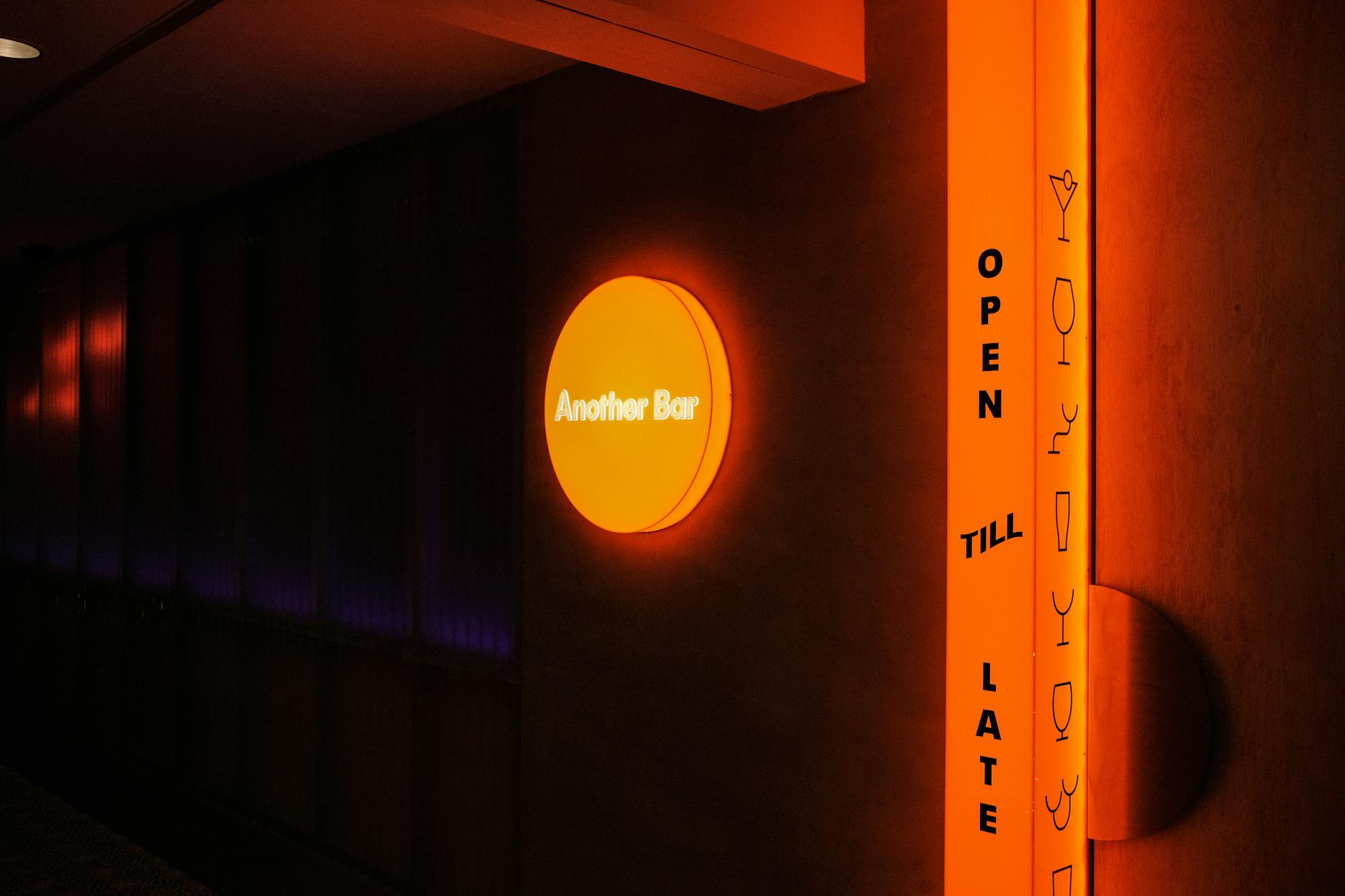
Sanlitun bar street nightlife scene with neon lights in Beijing
Sanlitun — Beijing’s premier nightlife district with over 80 bars, clubs, and lounges lining the vibrant streets

Beijing Nightlife by District: An Honest Map

Choosing the right area before you go out matters more in Beijing than in most capitals, because the districts have genuinely different characters — and the wrong choice for your mood is a long taxi ride from the right one.

Sanlitun — High Energy, International, Expensive

Sanlitun is where over 80 bars, clubs, and lounges pack into the streets around the Workers’ Stadium and Taikoo Li. This is Beijing’s most cosmopolitan nightlife zone — heavy on expats, international visitors, and younger Beijingers who want a Western-style club experience. A local saying goes: “Sanlitun has the longest nights in Beijing.” It’s true: energy here doesn’t peak until after midnight and carries on until dawn at the larger venues.

Bar Street (酒吧街): The 260-metre strip is Beijing’s most concentrated nightlife corridor. Drinks run ¥40–80. Our full Sanlitun bar guide covers the best venues by type — from cocktail lounges like Long Jing (Chinese and Western mixing culture, excellent) to open-air terraces and thumping dance floors. Workers’ Stadium clubs: Club MIX and its neighbours are Beijing’s megaclub zone, drawing massive crowds Thursday–Saturday with international DJs. Cover ¥50–200, often includes a drink. Things start around 11 PM. Getting there: Subway Line 10, Tuanjiehu Station, or Line 2, Dongsishitiao Station. Late at night, just take a Didi.

Who it’s for: People who want a proper club night, who enjoy mixed international crowds, who don’t mind paying Sanlitun prices (notably higher than everywhere else). Who might be disappointed: Anyone looking for an authentic local experience — this area has become thoroughly international. Price level: High. Budget ¥300–600 for a club night including transport.

Houhai — Atmospheric, Relaxed, Local

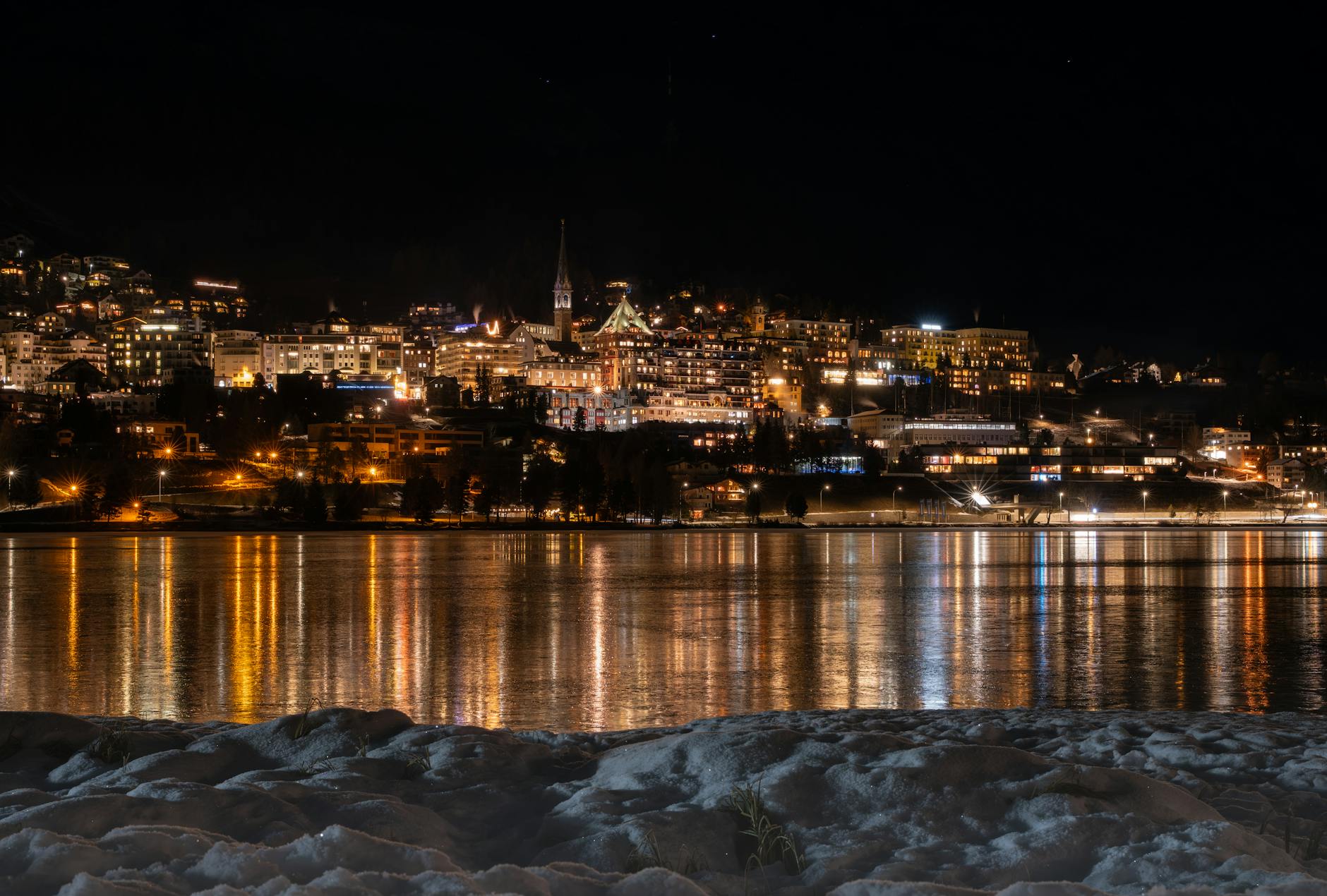
Houhai lake area at night with lights reflecting on water in Beijing
Houhai lake transforms after dark into a magical nightlife destination with lakeside bars, live music, and shimmering reflections

The bars lining the shores of Houhai lake offer something genuinely rare in any city: drinks in hand, with a cool breeze off the water, live music floating from the next terrace, and the silhouettes of ancient hutong rooftops visible on all sides. There are louder and more exciting places to drink in Beijing. There are few more beautiful ones.

Houhai’s bar scene runs on live music — most venues host bands every evening covering Chinese folk, pop, jazz, blues, and rock. The atmosphere is far more relaxed than Sanlitun. Arrive around 7–8 PM to secure a lakeside table before the good spots fill. Drinks average ¥40–80. Full coverage of the waterfront bars in our Houhai lake bars guide. Getting there: Subway Line 8, Shichahai Station, Exit A.

Who it’s for: Couples, groups who want conversation over clubbing, anyone who wants to feel like they’re in Beijing specifically rather than generic nightlife territory. Price level: Moderate. A pleasant evening runs ¥100–200.

Gulou — Underground, Creative, Cheap

The Gulou (Drum Tower) area and its surrounding hutong lanes are where Beijing’s alternative creative scene lives. Small bars in converted courtyard houses, live music venues in improbable spaces, craft beer spots with hand-written menus — this is where musicians, artists, students, and expats who’ve been in Beijing long enough to get bored of Sanlitun end up. Prices are considerably lower: a beer at a Gulou hutong bar runs ¥25–40. The trade-off is that venues are small, nights can be quiet mid-week, and you’re doing more walking between spots. Worth it if this is your vibe.

Chaoyang CBD — Business Crowd, Hotel Bars

The Central Business District around Guomao and the CCTV Tower is where Beijing’s corporate crowd unwinds after work. The hotel bars here — the China World Summit Wing, the Kerry Centre, the Park Hyatt — are excellent: skilled bartenders, premium spirits, sophisticated atmosphere. They’re also expensive (¥80–150 per cocktail) and close earlier than Sanlitun. Right place for a business dinner that extends into cocktails; wrong place for a late night.

Peking Opera: Beijing’s Greatest Cultural Performance
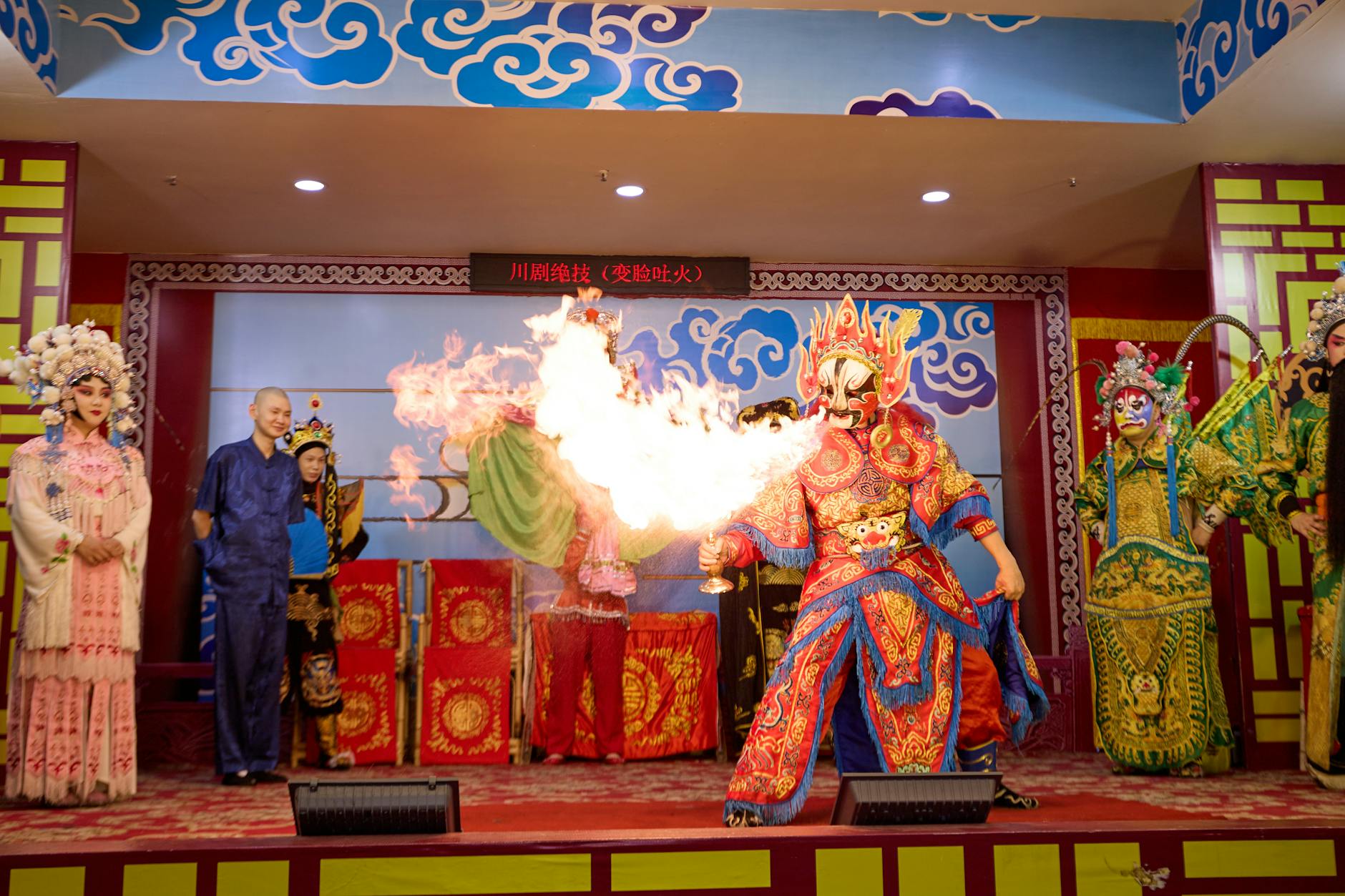
Traditional Peking Opera performance with colorful costumes in Beijing
A traditional Peking Opera performance — one of Beijing’s most iconic cultural shows, combining music, singing, acrobatics, and elaborate costumes

Watching Peking Opera (京剧, jīngjù) is one of the most distinctly Beijing evenings you can have. This 200-year-old art form combines singing, dialogue, acrobatics, martial arts, and elaborate costuming into a theatrical spectacle with no real equivalent in Western culture. The visual splendour and physical intensity translate across language barriers — and most tourist-oriented venues provide English subtitles. Our complete Peking Opera guide covers the art form in depth, including how to read the face-paint colours (they each mean something specific about a character’s personality).

Liyuan Theatre (梨园剧场) — Inside the Jianguo Hotel Qianmen, Liyuan is the most popular tourist venue: nightly shows with English subtitles, pre-show makeup viewing, tea while you watch. Excellent introduction to the form. Tickets: ¥180–580. Chang’an Grand Theatre (长安大戏院) — Purpose-built opera house on Chang’an Avenue, longer and more authentic productions. Tickets: ¥80–680. Zhengyi Temple Theatre (正乙祠戏楼) — Built in 1667, one of the oldest surviving wooden theatres in Beijing. The most atmospheric option. Tickets: ¥200–800. Huguang Guild Hall (湖广会馆) — A 200-year-old venue with nightly performances; arrive early for the pre-show exhibition of costumes and instruments. Tickets: ¥150–580.

Acrobatics Shows

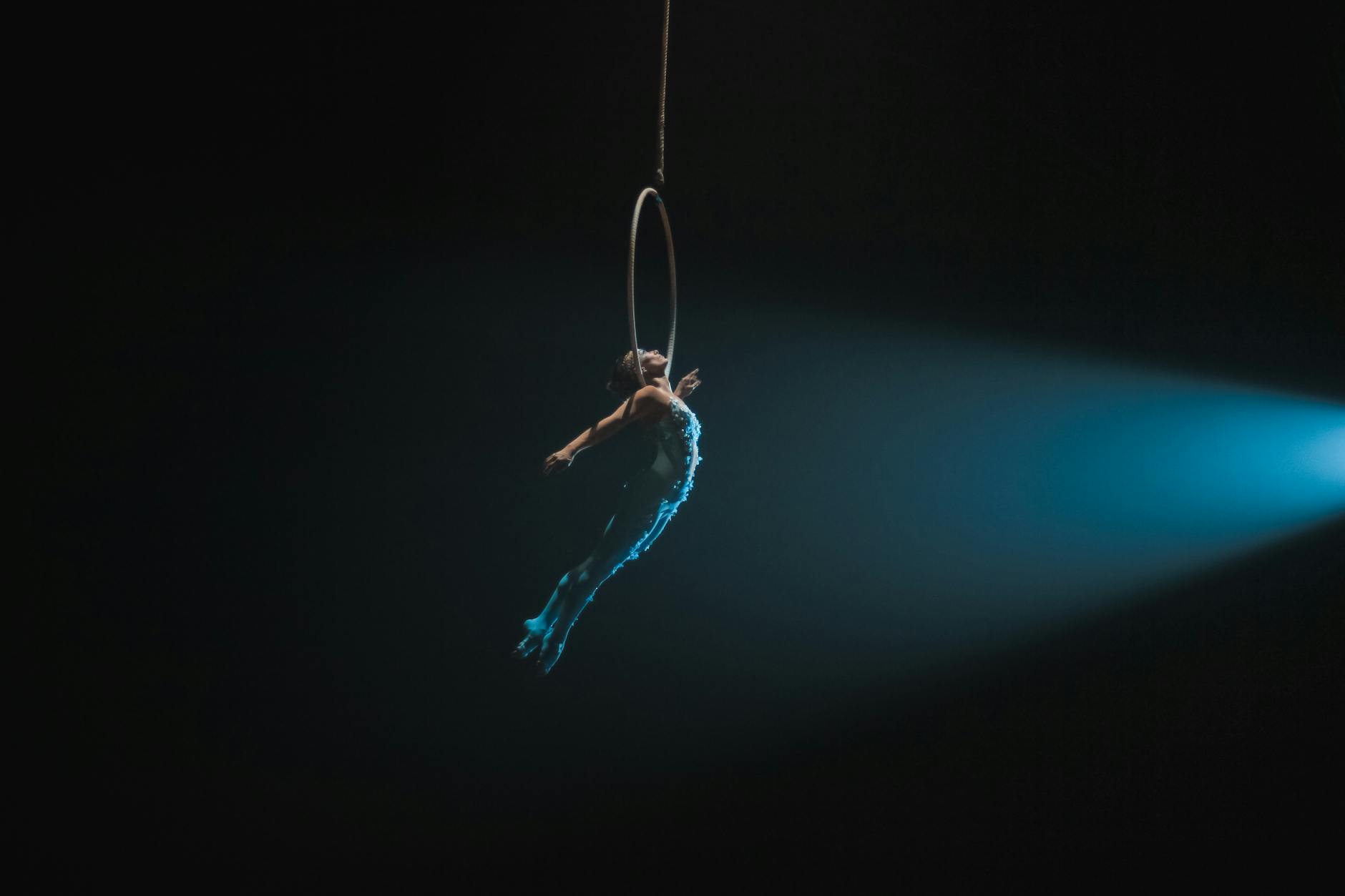
Acrobatics performance show in Beijing theater
Beijing’s world-class acrobatics shows feature jaw-dropping aerial stunts, contortion, and gravity-defying performances

Beijing’s acrobatics shows require zero language skills to enjoy and leave most audiences genuinely astonished. These 90-minute spectacles feature aerial silk work, plate spinning, hoop diving, contortion, and the motorcycle globe act (several motorcycles at speed inside a small metal sphere — as alarming as it sounds). Families love them; adults do too. Full venue details in our Beijing acrobatics shows guide.

Chaoyang Theatre (朝阳剧场) is Beijing’s most established acrobatics venue, with nightly performances and an English-speaking box office. Tickets: ¥180–580. Subway: Line 6, Hujialou Station. Red Theatre (红剧场) hosts “The Legend of Kung Fu” — a narrative show combining martial arts, acrobatics, and storytelling that particularly suits families. Details in our kung fu shows guide.

KTV: Beijing’s Favourite Night Out

If you want to understand how Beijingers actually spend a Friday night — not how tourists imagine they do — KTV karaoke is the answer. It’s the single most popular nighttime activity in China, and Beijing has hundreds of venues ranging from ¥30-per-hour student dives to five-star private room setups with butler service. The full experience is in our Beijing KTV and karaoke guide, but here’s what you need to know to walk in and enjoy it.

How it works: You rent a private room by the hour — just your group, nobody else. The room has a large screen, microphones, an enormous song catalogue (most mid-range and upscale venues have thousands of English-language tracks), a sofa, and table service for drinks and snacks. There’s no stage, no audience of strangers, no judgment. This is what makes KTV different from Western karaoke bars: the privacy removes all the embarrassment.

Best chains: Melody (钱柜) is the most foreigner-friendly, with clean rooms, a large English song library, and staff accustomed to non-Chinese guests. Party World (欢乐迪) is another reliable mid-range option. Pricing: Budget venues run ¥30–60 per person per hour (often with free drinks during daytime sessions). Mid-range typically ¥60–120 per room per hour plus drinks. Upscale venues charge by the room — ¥500–2,000+ per hour for a large VIP room, not counting drinks.

When to go: KTV is genuinely excellent for any group size from two upward. Most groups go after dinner and a bar stop, arriving around 10 PM–midnight and staying until 2–4 AM. Pricing often drops significantly after midnight, and venues typically stay open until dawn. Etiquette: Tip generously at upscale venues. Take off shoes if the floor has a no-shoes sign. Rotate the microphone — song-hogging is frowned upon.

Live Music in Beijing

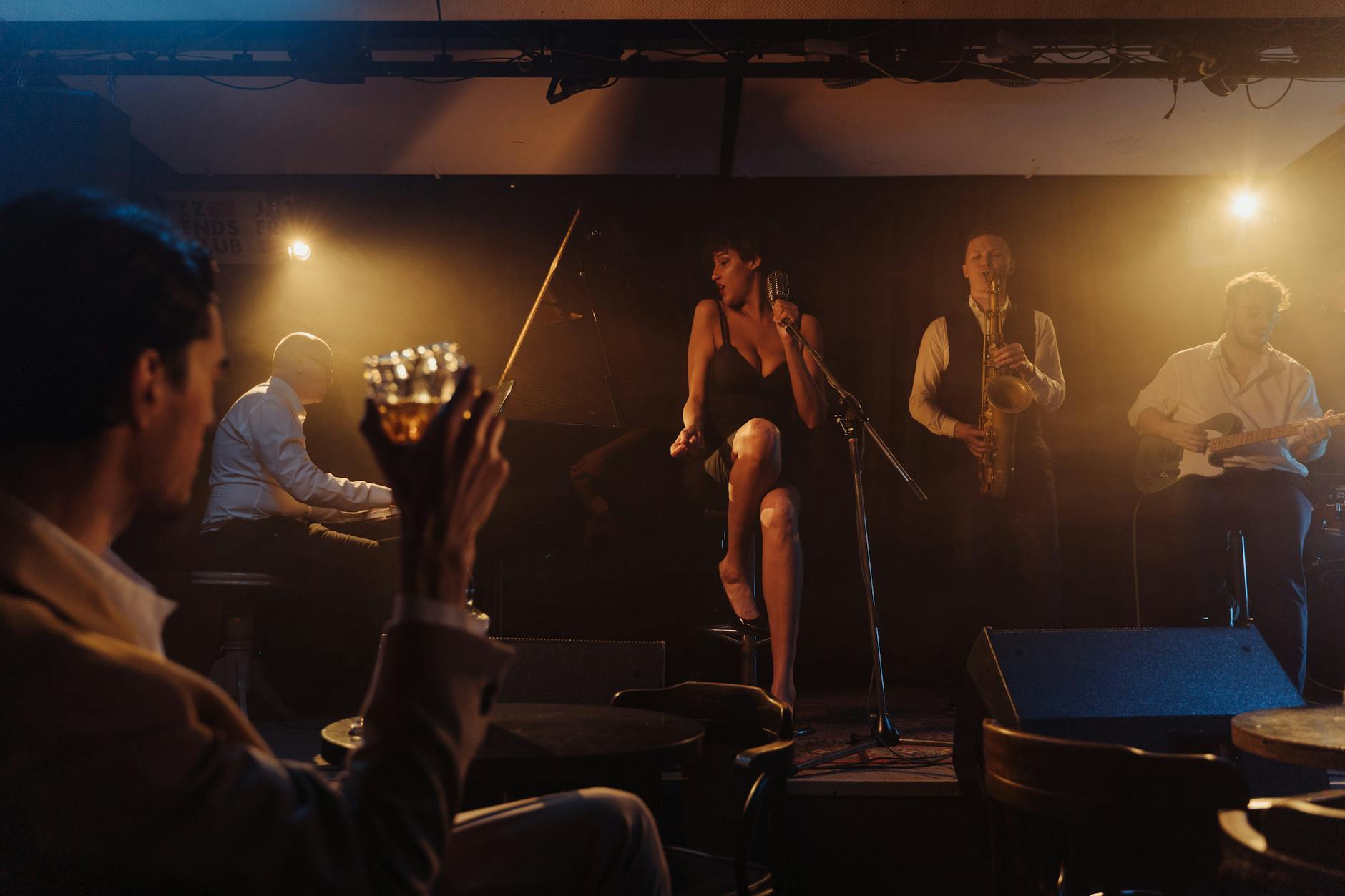
Live music performance at a Beijing bar venue
Beijing’s thriving live music scene spans intimate hutong jazz clubs to massive stadium venues hosting international acts

Beijing has China’s most serious live music scene, built over decades of underground rock, punk, and indie culture. Details on the best venues by genre are in our Beijing live music guide. The highlights: Dusk Dawn Club (DDC) — One of Beijing’s best small venues, in a Gulou hutong. Indie, electronic, jazz, and experimental acts nightly. ¥50–100 cover. Yugong Yishan — Beijing’s premier mid-size venue for both Chinese and international touring acts. Blue Note Beijing — The legendary New York jazz club’s Beijing outpost, delivering world-class performances. ¥200–500. School Bar — A Wudaoying Hutong institution for experimental and indie music. ¥30–50 cover. Arrow Factory Brewing — Riverside craft brewery near Liangmaqiao with regular live music events and Beijing’s best locally brewed beers.

Night Tours: Beijing After Dark

There’s a version of Beijing at night that has nothing to do with bars — and it’s worth knowing about. Our Beijing night tours guide covers organised options. The city lit up at night is genuinely extraordinary.

Tiananmen Square at night: The scale, already overwhelming by day, becomes cinematic after dark when the floodlit portrait of Mao and the Gate of Heavenly Peace cast long shadows across empty pavement. The square stays open until around 10 PM — going without the daytime crowds is one of the best arguments for staying out late. Forbidden City night tours: The Palace Museum has introduced limited evening opening events during major festivals where the red walls are lit and sections of the complex are accessible after dark. These sell out weeks in advance — check the official site before your visit. Houhai by lantern: Walking the lake path around 9–10 PM, with lanterns reflected in the water and music drifting from bar terraces, is one of the quietly beautiful things to do in Beijing. Walk the full lake circuit first, then stop for a drink wherever appeals. Hutong walks at night: The narrow lanes of the hutong neighbourhoods take on a different quality after dark — quieter, lit by shop lanterns, full of sounds through courtyard walls. Walking through Nanluoguxiang after 9 PM, after the tourist shops close but before the bars do, gives you a version of the city most visitors miss entirely.

Night Markets and Late-Night Food

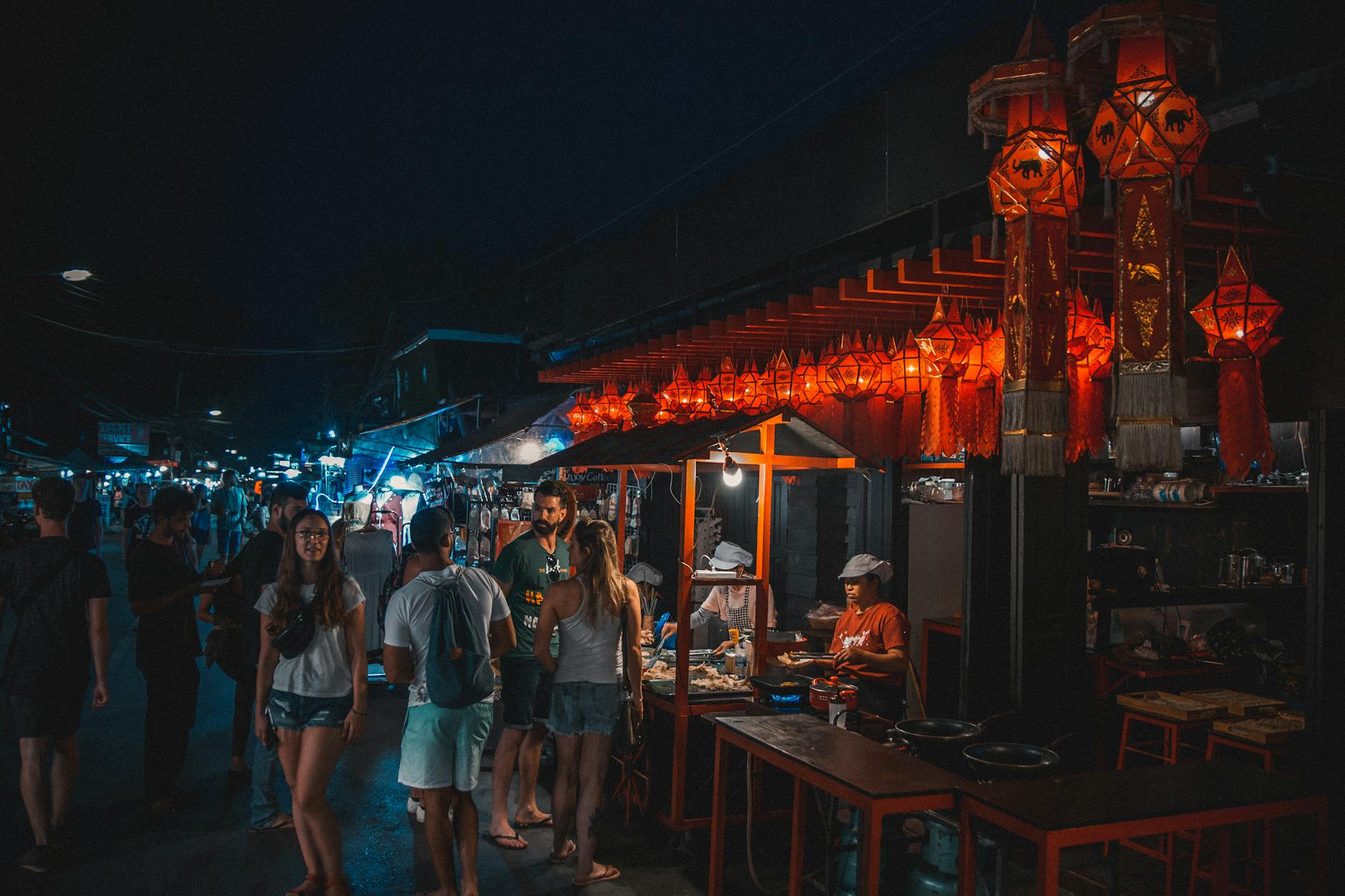
Beijing night market with food stalls and glowing lights
Beijing’s night markets offer an electrifying atmosphere of sizzling street food, neon lights, and late-night culinary adventures

Some of Beijing’s best nightlife doesn’t involve bars. The late-night food scene is legitimate, and several areas stay alive until 3–4 AM. Our rundown of what and where to eat in Beijing covers the full restaurant landscape — here’s the night-specific layer.

Ghost Street (Guijie 簋街) is Beijing’s most famous late-night dining strip: a kilometre of red lanterns and open kitchens that stays buzzing until 2–4 AM. The speciality is spicy crayfish (小龙虾), but restaurants also serve grilled fish, fiery Sichuan dishes, and lamb skewers. The atmosphere around midnight is genuinely electric — whole tables of people breaking crayfish shells at 1 AM is a quintessentially Beijing experience. Wangfujing Snack Street winds down around 10 PM but is worth an evening stroll. 24-hour hot pot: Several Haidilao branches operate around the clock, and post-club hot pot runs at 2 AM are a genuine Beijing ritual worth experiencing at least once.

Traditional Evening Performances

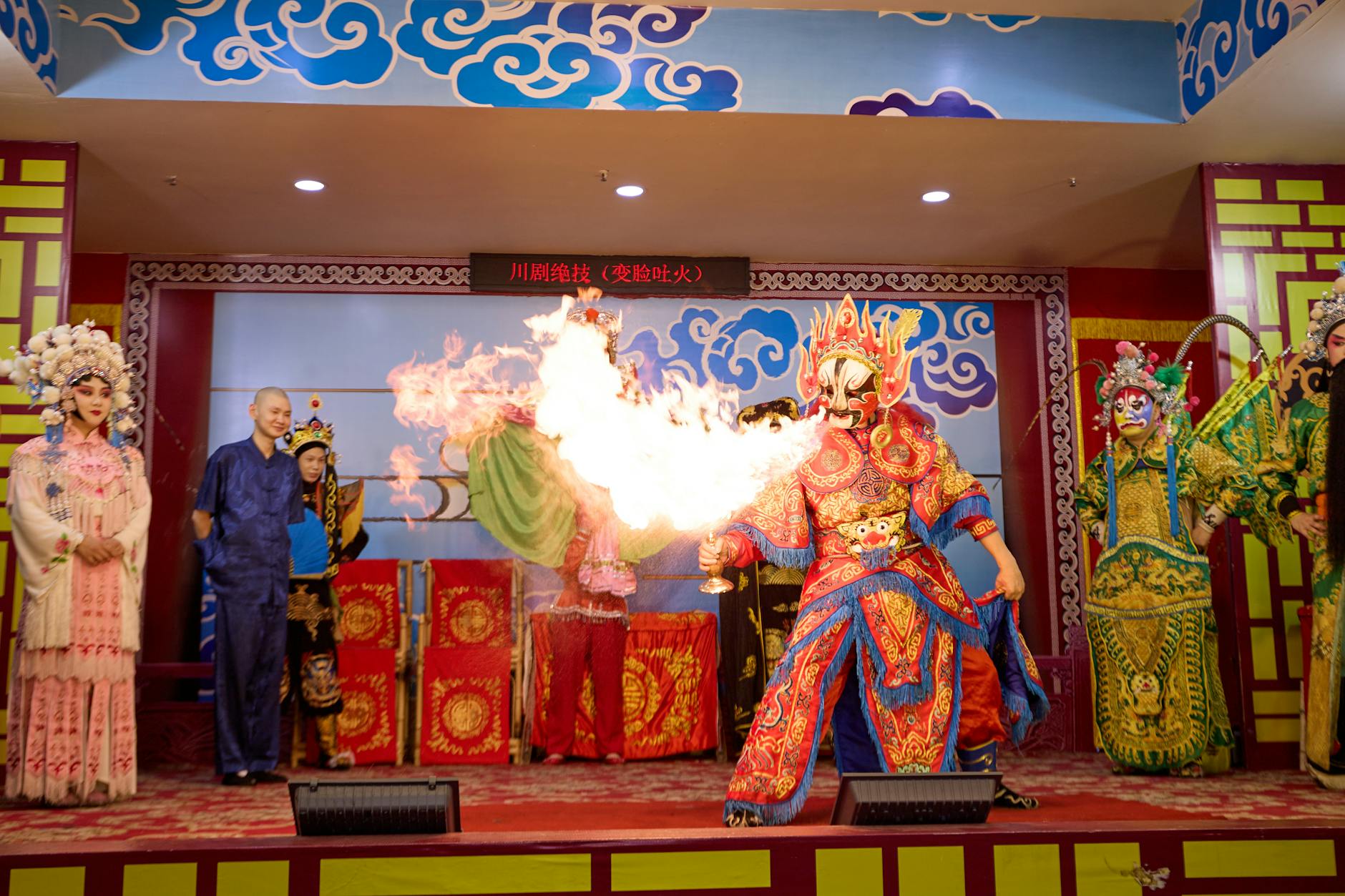
Traditional Chinese theatrical performance on stage in Beijing
Traditional Chinese performing arts — from kung fu shows to shadow puppetry — captivate audiences in Beijing’s historic theaters

Beyond Peking Opera and acrobatics, Beijing’s evening cultural options include several other worthwhile shows. Lao She Teahouse (老舍茶馆) near Qianmen offers nightly variety shows combining Peking Opera excerpts, acrobatics, magic, folk music, and comedy in a traditional setting with unlimited tea. A sampler rather than a deep dive — good if you want multiple traditions in one evening. Tickets: ¥60–180. Chinese Shadow Puppetry: Intricately carved leather puppets projected on a lit screen with traditional music accompaniment, at several hutong venues. Small, intimate, atmospheric. Worth seeking out. Kung fu shows: The Red Theatre’s “Legend of Kung Fu” is the most polished option — theatrical narrative combined with martial arts performance. Full details in the kung fu shows guide.

Seasonal Nightlife: What Changes by Season

Beijing’s climate has a bigger effect on nightlife than people expect. Getting the season right shapes what kind of evening is actually enjoyable.

Summer (June–August): Peak nightlife season. Rooftop bars open across the city — Sanlitun and the CBD both have excellent options, and Houhai lakeside terraces fill every evening. Outdoor venues have the energy of people genuinely happy to be outside. The trade-off: July and August bring Beijing’s rainy season, so outdoor events can be disrupted, and summer also means heat and humidity during the day, making the cooler evening hours the city’s best time entirely. Major outdoor music festivals run in the city’s parks through summer.

Winter (December–February): The Siberian wind that hits Beijing from November onwards is no joke — standing outside a Houhai bar at midnight in January requires serious layering, and rooftop venues close or add heating. The nightlife scene shifts decisively indoors: KTV comes into its own, jazz clubs and teahouse performances feel exactly right, and the insulated world of clubs makes more sense. The compensation is that Beijing in winter has some of the clearest, coldest, most photogenic nights of the year — Tiananmen Square under a sharp February sky is genuinely beautiful.

Spring and Autumn: The most comfortable seasons for outdoor nightlife. Spring (April–May) brings cherry blossoms to Houhai, making the lakeside bar experience even more scenic. Autumn (September–November) brings clear skies, cool evenings, and comfortable temperatures. If you’re planning specifically around nightlife quality, late September to October is arguably Beijing’s best time.

What a Night Out Costs in Beijing

Beijing isn’t cheap at international venues, but it’s not Tokyo expensive either. A realistic breakdown:

Modest bar evening (Houhai or Gulou): Two people, three drinks each, live music included, lake view. ¥200–350 total including transport. Genuinely good value by any comparison. Cultural show (Peking Opera or acrobatics) + dinner: Dinner ¥100–200 for two, mid-tier show tickets ¥360–1,160 for two, transport ¥30–50. Total: ¥490–1,410 for two. Worth every yuan — this is a proper Beijing evening. Full Sanlitun club night (per person): Pre-club drinks ¥80–150, club cover ¥50–200, drinks inside ¥200–400, late-night food ¥50–100, taxi ¥40–80. Total per person: ¥420–850. Comparable to a club night in any major European city. KTV for a group of 6: Mid-range venue, 3 hours, typically ¥150–300 per person with drinks and snacks. One of the most cost-effective ways to spend a Beijing night.

For accommodation that positions you well for evening exploration, our neighbourhood-by-neighbourhood breakdown of where to base yourself covers hotels near the main nightlife districts.

Safety and Getting Home

Beijing is remarkably safe at night by global capital standards. Violent crime targeting visitors is rare enough not to be a practical concern. A few things worth knowing:

Drink awareness: Drink-spiking incidents have been reported at a small number of Sanlitun clubs. The same common-sense rules apply as anywhere: don’t leave drinks unattended, watch your drink being poured at the bar, go to the bathroom in pairs if you’re uncertain. The vast majority of nights are completely safe; just don’t be switched off. Getting home: The Beijing subway closes around 10:30–11:00 PM, which means any evening extending past that point needs Didi (China’s dominant ride-hailing app) or a taxi. Set up Didi before you go out — it works with international phone numbers and payment cards. Licensed taxis are fine but confirm the meter is running before you pull away. Avoid unlicensed touts outside clubs late at night. Dress codes: Sanlitun clubs enforce dress codes after 10 PM — no shorts, sandals, or sportswear at larger venues. Smart casual gets you in everywhere. Bars and cultural shows are uniformly casual. Language: At Sanlitun and most international venues, enough English is spoken to manage a normal bar interaction. At Houhai and Gulou venues, a translation app handles most situations. KTV chains in the mid-to-upscale range typically have English-speaking reception staff even if room attendants don’t.

Combining Nightlife with the Rest of Your Beijing Day

One of the things people underestimate about Beijing evenings is how well they connect to the rest of the day’s itinerary. The city’s geography actually rewards thinking about nights and days together rather than separately.

If you’re spending the day working through the halls and courtyards of the Forbidden City and Tiananmen Square at its southern gate, the natural evening progression is towards Qianmen and the Lao She Teahouse for a traditional show — the heritage neighbourhood keeps the same register as the day’s sightseeing, and you stay on the south side of the city rather than crossing town. Dinner on Ghost Street, which is twenty minutes by taxi from Qianmen, is the natural next step.

A hutong day in Nanluoguxiang or the Drum Tower area segues perfectly into a Gulou bar evening or a Houhai lakeside night — you’re already in the right neighbourhood, the vibe carries over, and you don’t need to go anywhere. This is probably the most natural Beijing day-to-night flow there is.

A day of modern Beijing — Sanlitun shopping, contemporary galleries, the CBD — naturally continues into a Sanlitun bar night. You’re already there, you know the area, the energy is already urban and international.

The one combination that rarely works well: a long day at the Great Wall followed by a late Sanlitun club night. The wall tours typically return to the city by 5–6 PM, which leaves enough time for dinner and an early show — Peking Opera or acrobatics are ideal — but the physical tiredness from a wall hike makes the idea of dancing until 3 AM more appealing in theory than in practice. Manage expectations, or do the club night the evening before.

Detailed Guides

Every major nightlife category has its own detailed guide with specific venues, current pricing, and practical logistics:

  • Sanlitun Bar Guide — the complete venue-by-venue breakdown of Beijing’s premier nightlife district
  • Peking Opera Guide — how to understand and enjoy Beijing’s greatest cultural performance
  • Beijing Acrobatics Shows — venues, prices, and which shows are worth paying for
  • Houhai Lake Bars — the lakeside nightlife scene in full
  • Beijing Live Music — venues from intimate hutong clubs to major concert halls
  • Kung Fu Shows Beijing — martial arts theatre for all audiences
  • Beijing KTV Karaoke — everything you need to know about China’s favourite night out
  • Beijing Night Tours — seeing the illuminated city after dark

© 2026 Beijing Tourism Guide

北京 · 39.9042° N, 116.4074° E