Beijing Nightlife
Kung Fu Shows in Beijing: Martial Arts Performances
Watch spectacular kung fu in Beijing. The Legend of Kung Fu and other martial arts performances with booking info.
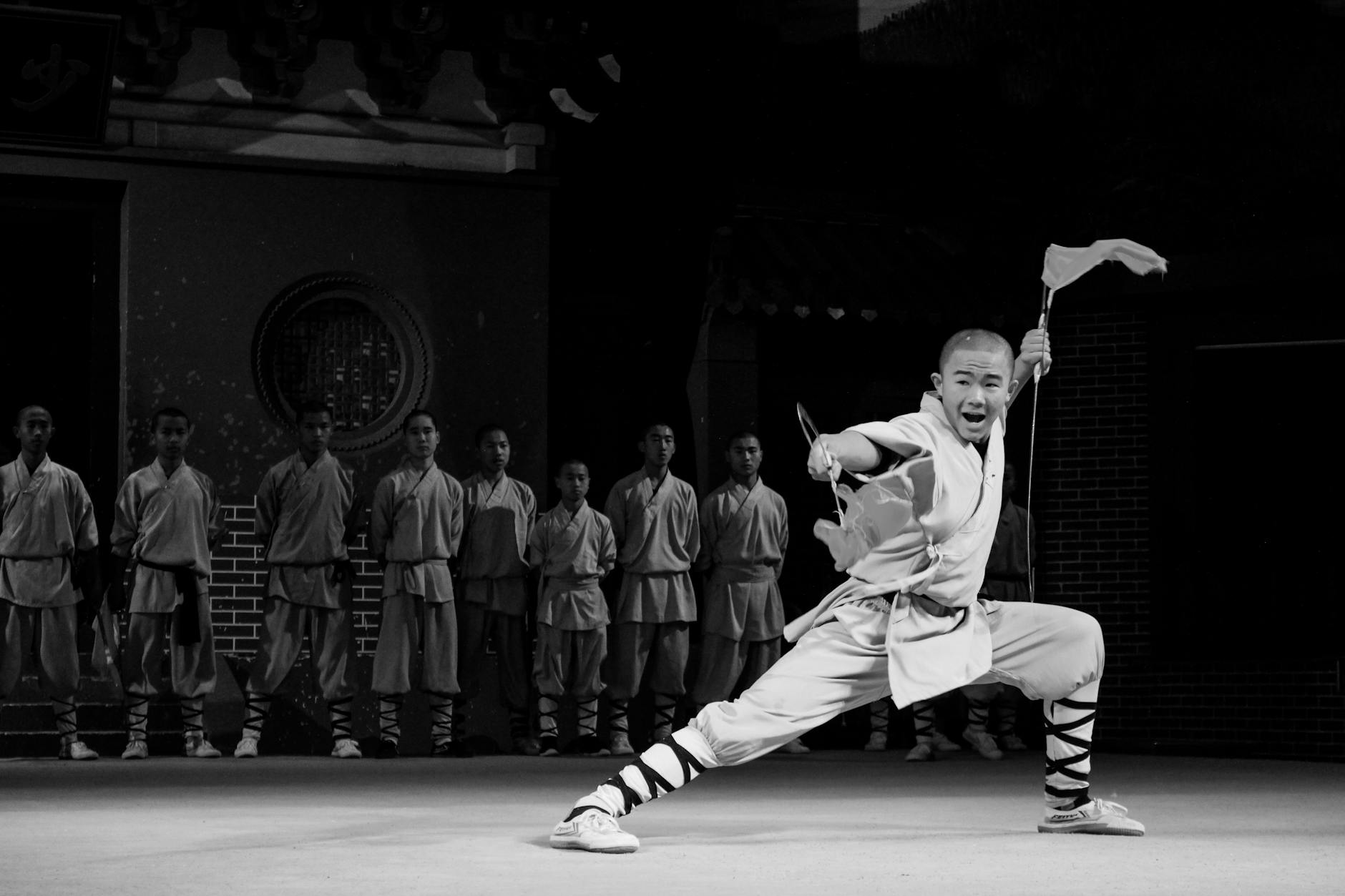
A kung fu show is one of Beijing’s most spectacular and family-friendly evening performances — a high-energy blend of martial arts, acrobatics, dance, music and theatre that brings the discipline, power and drama of Chinese kung fu to a modern stage. The headline production is “The Legend of Kung Fu” at the Red Theatre, a slick, hour-long show that follows a young boy’s journey to become a kung fu master through years of training, temptation and enlightenment, told with stunning choreography, real martial-arts skill, dramatic lighting and English subtitles. It’s pure, accessible spectacle — no Chinese needed at all — making it a reliable hit with families and a great introduction to one of China’s most iconic cultural traditions. With shows nightly and tickets from around ¥180–480, it’s an easy, crowd-pleasing addition to a Beijing evening. This guide covers the show, what to expect, where and when, tickets, and how it compares to the city’s other performances.
If you’ve ever been captivated by kung fu films, seeing the real thing performed live — with the lightning leaps, spinning kicks, breaking of boards and astonishing feats of physical control — is a thrill. This guide covers the famous Legend of Kung Fu show, the story and the spectacle, the practicalities of booking and timing, and tips for enjoying it. Prepare to be genuinely wowed by some seriously impressive martial artists.
Beijing kung fu shows at a glance
- Headline show
- “The Legend of Kung Fu” at the Red Theatre — the famous, long-running production.
- What
- a one-hour theatrical spectacle of martial arts, acrobatics, dance and music, with a storyline and English subtitles.
- Tickets
- roughly ¥180–480 depending on seat; book ahead for discounts and good seats.
- Show times
- nightly, typically around 5:00pm and 7:30pm; about 60–80 minutes.
- Best for
- families, kung fu fans, anyone wanting an accessible, no-language-barrier spectacle.
- Venue
- Red Theatre, 44 Xingfu Street, Dongcheng District.
- Also
- kung fu features in some Peking Opera and variety shows around the city.
The Legend of Kung Fu
Beijing’s signature martial-arts production is “The Legend of Kung Fu”, staged at the purpose-built Red Theatre in Dongcheng district, handy if you’ve booked a room in Dongcheng. Running for many years now to huge audiences, it’s a polished, modern theatrical production rather than a dry martial-arts demonstration: it tells the coming-of-age story of Chun Yi, a young boy who enters a temple as an apprentice monk and, through years of rigorous training, harsh discipline, worldly temptation and inner self-doubt, grows into a true kung fu master. The narrative is told through dance, mime, acrobatics, dramatic music and genuine martial arts, with lavish sets, costumes and lighting — and English subtitles above the stage so you can follow the story. The performers range from tiny child monks to seasoned veteran masters, and the skill on display throughout is very much the real thing: lightning-fast forms, gravity-defying leaps and spinning kicks, blurring weapon routines, and jaw-dropping feats of physical control such as breaking iron bars over heads and balancing on the points of spears. It’s a fusion of authentic kung fu and slick modern stagecraft that works brilliantly as accessible, family-friendly spectacle — part martial-arts exhibition, part dance drama, and part inspirational coming-of-age tale.
What to expect
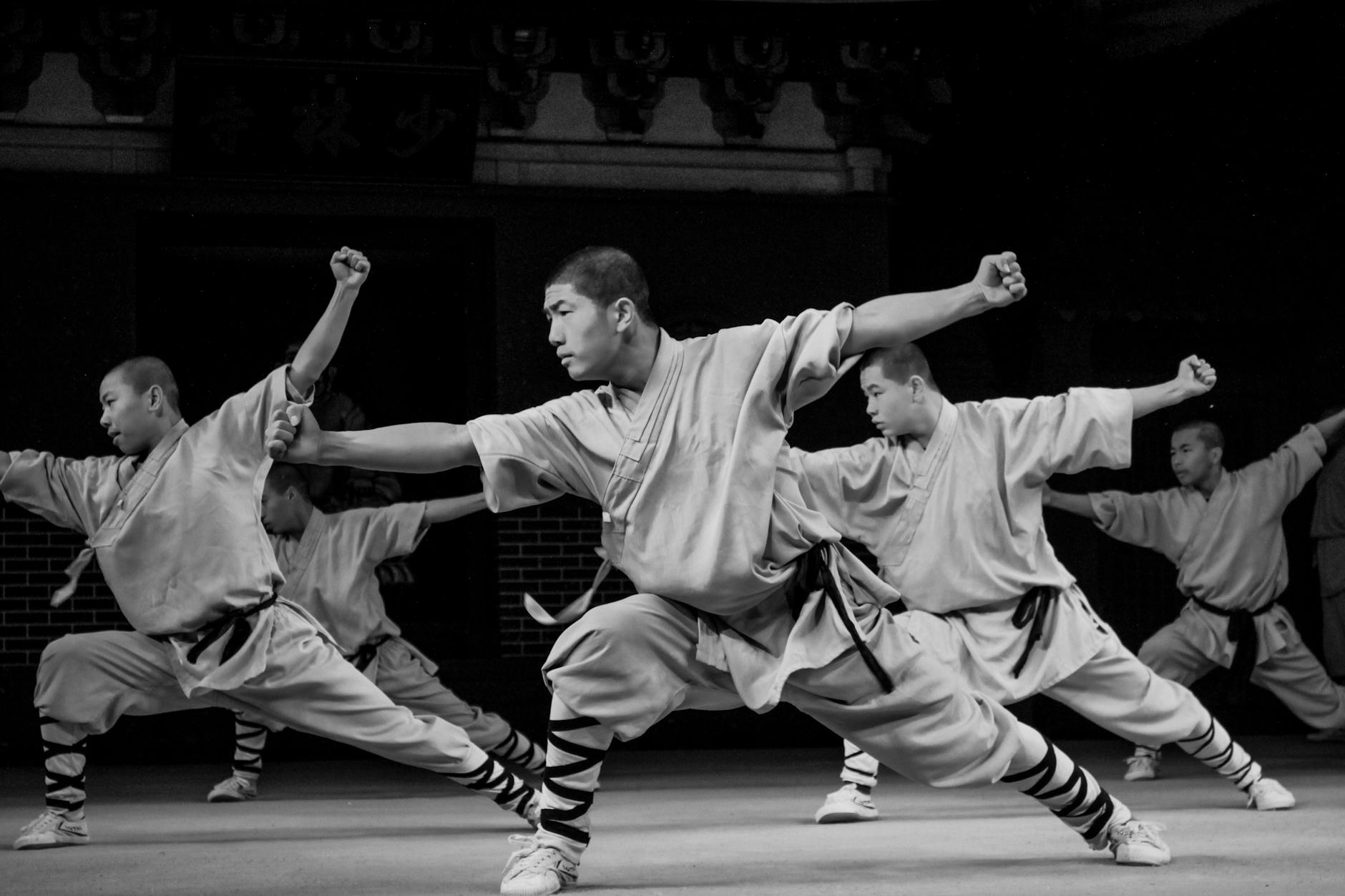
The show runs about 60–80 minutes with no interval, and it’s a fast-moving, visually rich experience. Expect large ensemble martial-arts sequences (rows of monks performing synchronised forms), solo displays of skill and strength, acrobatic and dance interludes, moments of humour and drama, and a stirring, uplifting emotional arc as Chun Yi overcomes his trials and temptations. The physical feats are the highlight — the demonstrations of “hard qigong” — breaking objects on the body, withstanding heavy blows, balancing barefoot on sharp points — reliably draw gasps and winces from the audience, and the speed, power and precision of the choreographed combat sequences are genuinely impressive to watch. Because it’s built for an international audience, it’s easy to follow without any Chinese (the subtitles help, but the story is told largely through movement), and it’s pitched squarely to thrill audiences of all ages, with children in particular tending to absolutely love it. The production values are consistently high, with atmospheric lighting, a sweeping dramatic score and elaborate, fast-changing staging. It’s spectacle first and foremost, so come for the wow factor rather than a deep cultural or historical lesson.
Tickets, timing and getting there
A few practicalities. The Red Theatre stages nightly shows, typically at around 5:00pm and 7:30pm (times can vary, so confirm when booking), each lasting about an hour. Tickets run roughly ¥180–480 depending on seat tier; as with Beijing’s other shows, booking online in advance is cheaper than the door and secures better seats, especially in peak season and at weekends — you simply present your booking reference at the box office about 30 minutes before to collect your tickets. The Red Theatre is at 44 Xingfu Street in Dongcheng district; check the nearest metro stop against our subway guide and allow time to arrive early. The early show times mean an hour-long performance finishes with the evening still ahead, leaving time for dinner, drinks, or a night tour of the city’s landmarks afterwards. Photography rules vary, so check at the venue. As with all these performances, choosing a mid-range or front seat gives the best view of the action. Pair it with dinner nearby for a complete, fuss-free, family-friendly evening out.
Kung fu in Chinese culture
Kung fu (gōngfu) — more properly wushu, the umbrella term for Chinese martial arts — is far more than fighting; it’s a discipline woven deep into Chinese philosophy, history and identity. Developed over thousands of years across countless styles and schools, it blends physical mastery with mental, moral and spiritual cultivation, drawing on Buddhist and Taoist ideas of self-discipline, balance and harmony. The most famous lineage is associated with the Shaolin Temple, the cradle of Zen (Chan) Buddhism in Henan province, where warrior monks famously combined rigorous martial training with meditation — and it’s this Shaolin tradition that “The Legend of Kung Fu” draws on, with its story of a temple apprentice’s path to mastery. Kung fu has also become one of China’s great cultural exports, immortalised by legendary film stars like Bruce Lee, Jackie Chan and Jet Li and recognised and loved the world over. Watching a live show in Beijing connects you, however lightly, to this rich tradition — the discipline, the underlying philosophy and the sheer years of dedication required to reach the level of skill you see on stage. Understanding that the leaps and feats represent a lifetime of training, and a centuries-old spiritual as well as physical practice, adds real depth to the spectacle.
It’s worth noting, too, that the theatrical show is a modern interpretation rather than a traditional form — a contemporary stage production designed to showcase kung fu to broad audiences, much as a dance company might stage a story-ballet. That’s not a criticism: it’s a polished, hugely entertaining gateway to the art. But if it sparks a deeper interest, there are ways to go further, below.
Going deeper: beyond the show
If the show whets your appetite, you can engage with kung fu more directly. Many visitors interested in martial arts take a day or overnight trip to the Shaolin Temple — though note it’s in Henan province, several hours from Beijing on one of the high-speed lines out of the city, so it’s a significant excursion rather than a day jaunt, best for dedicated enthusiasts. Closer to home, some schools and cultural centres in Beijing offer kung fu or tai chi classes and experiences for travellers, from a one-off taster lesson to longer courses, giving you a hands-on feel for the basics. You’ll also see tai chi (taijiquan) practised freely every morning in Beijing’s parks — the grounds of the Temple of Heaven, Jingshan, Beihai and others are full of locals performing slow, graceful tai chi forms at dawn, and simply pausing to watch (or even respectfully joining in) is a lovely, completely free way to connect with China’s living, everyday martial-arts culture. For most visitors, though, the theatrical show is the perfect level of engagement: spectacular, accessible and requiring no commitment beyond the price of a ticket. It gives you all the thrill and the flavour of kung fu, distilled into a single, highly entertaining evening.
Making an evening of it
Like Beijing’s acrobatics and opera, the kung fu show’s short, early format makes it easy to build a full evening around. Catch the 7:30pm performance and you’ll be out by around 8:45 with plenty of night ahead — perfect for a late dinner or drinks in Sanlitun’s bars, a short ride away. Or take the 5:00pm show, ideal for families wanting an earlier evening, leaving plenty of time for a relaxed dinner afterwards. The Red Theatre’s Dongcheng location puts you within reach of the city centre and various dining options. A nice approach for a trip is to spread Beijing’s three signature shows — kung fu, acrobatics and Peking Opera — across different evenings, since each offers something quite distinct: kung fu for martial drama and an uplifting storyline, acrobatics for pure variety spectacle, and opera for traditional artistry. Together they give a wonderful overview of China’s performing arts. If you only have time for one and you’re travelling with children or kung-fu fans, the Legend of Kung Fu is a fail-safe, crowd-pleasing choice that sends everyone home happy.
Tips for the best experience
- Book online in advance for cheaper tickets and better seats, especially at weekends and in peak season.
- Choose a mid-range or front seat for the best view of the fast, intricate action.
- Confirm the show time when booking, as the 5:00pm and 7:30pm slots can change.
- Arrive 30 minutes early to collect tickets and settle in.
- Bring the kids — it’s one of Beijing’s most child-friendly evening activities.
- Come for spectacle, not a history lesson — it’s a modern theatrical show, and a thrilling one.
- Plan dinner around it — the early, hour-long format leaves the evening open.
- Or keep the momentum going — the early finish leaves plenty of time to round off the night at a KTV room.
The feats that draw the gasps
Part of the fun of a kung fu show is anticipating the showstopping demonstrations of skill and “hard qigong” — the seemingly superhuman feats of physical conditioning that punctuate the storyline. Among the highlights you can expect: monks breaking thick wooden boards, bricks and even iron bars with their heads, hands and shins; performers balancing on the points of spears or lying on beds of blades; bending steel against their throats; withstanding heavy blows to the body unflinchingly; and dazzling, lightning-fast weapon routines with staffs, swords and spears spun at blurring speed. Interspersed with these are graceful, synchronised ensemble forms performed by rows of monks in perfect unison, acrobatic flips and aerial kicks, and moments of stillness and meditation that highlight the discipline behind the power. The contrast between explosive action and serene control is part of what makes kung fu so compelling to watch — it’s not just brute force but precision, focus and years of training made visible. Children and adults alike find themselves wincing, gasping and applauding in equal measure, and the feats are genuine rather than illusion, which makes them all the more impressive.
The show paces these demonstrations cleverly within Chun Yi’s coming-of-age story, so each feat feels like a milestone in his training rather than a disconnected stunt — a structure that keeps even younger viewers engaged from start to finish. By the rousing finale, when the now-master performs at the peak of his powers, you’ve been carried along by both the spectacle and the simple, universal story of perseverance and self-mastery.
Kung fu show FAQ
What is the best kung fu show in Beijing?
“The Legend of Kung Fu” at the Red Theatre is the famous, long-running headline production — a polished, hour-long theatrical show of martial arts, acrobatics and dance with a storyline and English subtitles. It’s the default choice for visitors wanting a kung fu spectacle.
How much are tickets and how long is the show?
Tickets are roughly ¥180–480 depending on the seat, and the show lasts about 60–80 minutes with no interval. Book online in advance for discounts and better seats.
Is the kung fu show suitable for kids?
Very — it’s one of the best family shows in Beijing. The action, acrobatics and inspirational story appeal to children, the hour-long length suits short attention spans, and English subtitles plus movement-based storytelling mean no Chinese is needed.
Do I need to understand Chinese?
No — the story is told mainly through movement, dance and acrobatics, with English subtitles above the stage to guide you. It’s designed for international audiences and is easy to follow.
When are the show times?
Nightly, typically around 5:00pm and 7:30pm (confirm when booking). The early times mean the hour-long show leaves the rest of your evening free for dinner or drinks.
How does it compare to an acrobatics show or Peking Opera?
All three are accessible, hour-long spectacles. Kung fu has a storyline and martial-arts focus; acrobatics is pure variety-style skill with no plot; Peking Opera is the most traditional and culturally rich. Many visitors see two or three across a trip.
Is the kung fu show real martial arts or just acting?
It’s real. The performers are genuinely trained martial artists, and the feats — board-breaking, balancing on blades, weapon forms, acrobatic kicks — are authentic demonstrations of skill and conditioning, not illusions. What’s “staged” is the storytelling and choreography that frame those real abilities within Chun Yi’s coming-of-age tale, much as a story-ballet frames real dance.
Can I learn kung fu or see the Shaolin Temple from Beijing?
Some Beijing schools offer kung fu or tai chi taster classes for visitors, and you’ll see locals practising tai chi free in the parks each morning. The famous Shaolin Temple, however, is in Henan province, several hours away by high-speed train — a worthwhile excursion for dedicated enthusiasts but a significant trip, not a quick day out.
The bottom line on kung fu shows
A kung fu show is one of Beijing’s most accessible and crowd-pleasing evening performances — a full hour of genuine martial-arts skill wrapped in slick, dramatic, family-friendly theatre. The Legend of Kung Fu at the Red Theatre tells a young monk’s inspiring journey through dazzling choreography, gravity-defying acrobatics, hard-qigong feats and dramatic staging, all easy to follow with English subtitles. Book ahead for a good seat, take in the early show, and you’ll be wowed by the speed, strength, precision and discipline on display — and still have the rest of the evening free for dinner or drinks. For families and martial-arts fans especially, it’s a sure-fire hit.
Pair it with Beijing’s other classic shows — gravity-defying acrobatics and the traditional art of Peking Opera — and see the full after-dark scene in our main nightlife rundown for the city. New to the city? Start with the big-picture guide to visiting Beijing.