Day Trips & Excursions From Beijing
Day Trips & Excursions From Beijing: Complete Guide
Beijing sits at the center of one of China’s densest networks of high-speed rail, expressways, and scenic mountain roads. That’s good news for anyone with a spare day. Within three hours you can stand on a Ming Dynasty wall that predates the printing press, boat through a gorge that locals call Beijing’s answer to the Three Gorges, wander a 400-year-old village untouched by the twentieth century, or eat Tianjin street food in a colonial Italian piazza — and be back in your Beijing hotel before midnight.
This guide covers every worthwhile day trip from Beijing: where to go, exactly how to get there, what it costs, what to skip, and how to match destinations to your interests and travel style.
How to Choose Your Day Trip
The single biggest mistake travelers make is picking a destination based on reputation rather than logistics. The Great Wall sections are all “famous,” but Badaling on a Saturday in October will leave you fighting through shoulder-to-shoulder crowds for a photo of the back of someone’s hat. Choose based on what actually matters to you — and how much time you’re willing to spend getting there.
By Distance and Travel Time
Under 1 hour from Beijing: Tianjin (30–40 min by bullet train), Badaling Great Wall (now 20 min by high-speed rail from Beijing North), Ming Tombs (50 min by subway + bus).
1–2 hours: Mutianyu Great Wall (90 min by bus or private car), Tanzhe Temple (90 min via bus from Pingguoyuan), Cuandixia Ancient Village (90 min by car, 3 hours by public bus), Longqing Gorge (90 min by car).
2–3 hours: Chengde (1.5–2 hours by high-speed rail), Jinshanling Great Wall (2.5 hours), Gubei Water Town (2 hours by coach or car), Shanghai (4.5 hours by high-speed train — really an overnight or two-day trip).
By Interest
History and imperial culture: Chengde Mountain Resort, Ming Tombs, Mutianyu or Jinshanling Great Wall. Chengde in particular is underrated — it’s the Forbidden City’s countryside cousin, and most visitors skip it entirely.
Nature and hiking: Longqing Gorge for dramatic river scenery, Fragrant Hills for autumn foliage, Jinshanling for serious wall hiking, Cuandixia for mountain village atmosphere.
Architecture and photography: Cuandixia (Ming courtyard houses at golden hour), Tianjin’s concession districts, Gubei Water Town for night shots of the illuminated wall.
Families with children: Longqing Gorge (boat rides, cable car, ice festival in winter), Badaling (most accessible wall facilities), Tianjin (Tianjin Eye Ferris wheel, huge aquarium), Shidu for adventure activities. If nobody in the family wants a long journey, Universal Studios out in Tongzhou fills a whole day at the end of a subway line instead.
Solo travelers or photographers: Cuandixia (stay overnight for sunrise/sunset), Jinshanling to Simatai hike, Fragrant Hills in mid-October for peak foliage.
By Transport Mode
China’s Beijing transportation options are genuinely excellent but need a bit of advance planning for foreigners.
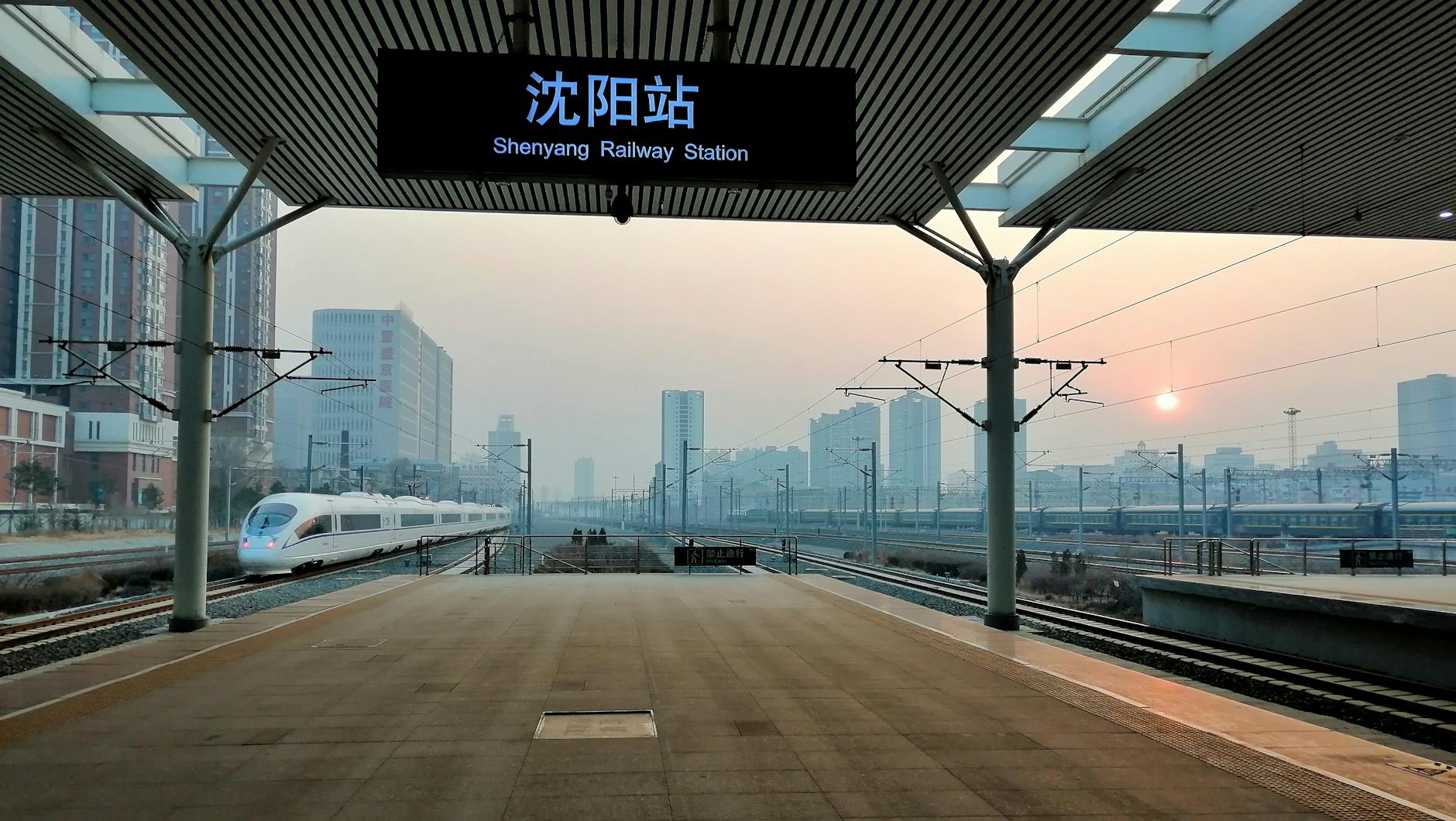
High-speed rail (the best option where it applies): Tianjin and Badaling are the clearest wins — frequent departures, fixed arrival points, cheap tickets. For Tianjin, trains run every 5–15 minutes from Beijing South Station. For Badaling, trains depart from Beijing North Station roughly every 30 minutes and take just 20 minutes. Chengde has high-speed rail from Beijing North (1.5–2 hours, ¥80–130 second class). Book via Trip.com if you can’t navigate 12306 in Chinese.
12306 for foreigners — the honest truth: The official train booking app requires a Chinese phone number for SMS verification and a Chinese bank card for payment. Use Trip.com (English, accepts foreign cards, small booking fee), or buy tickets at the station on the day with your passport. For popular weekend departures, book 3–5 days ahead; weekday trains are usually walk-up fine.
What you can reach by subway extension alone: Ming Tombs — take Line 8 (Changping branch) to Zhuxinzhuang, bus 345 to Changping, then local bus. It’s doable but slow. Badaling — as above, subway to high-speed rail station at Beijing North is more practical.
When you need a car or organized tour: Cuandixia, Jinshanling, Huanghuacheng Great Wall, and most mountain village destinations. A private driver costs ¥500–800 per day — arrange through your hotel or via a local agency. Organized tours save planning effort but lock you into a fixed schedule; worth it for first-time visitors.
Tianjin: Colonial Architecture and Port City Culture
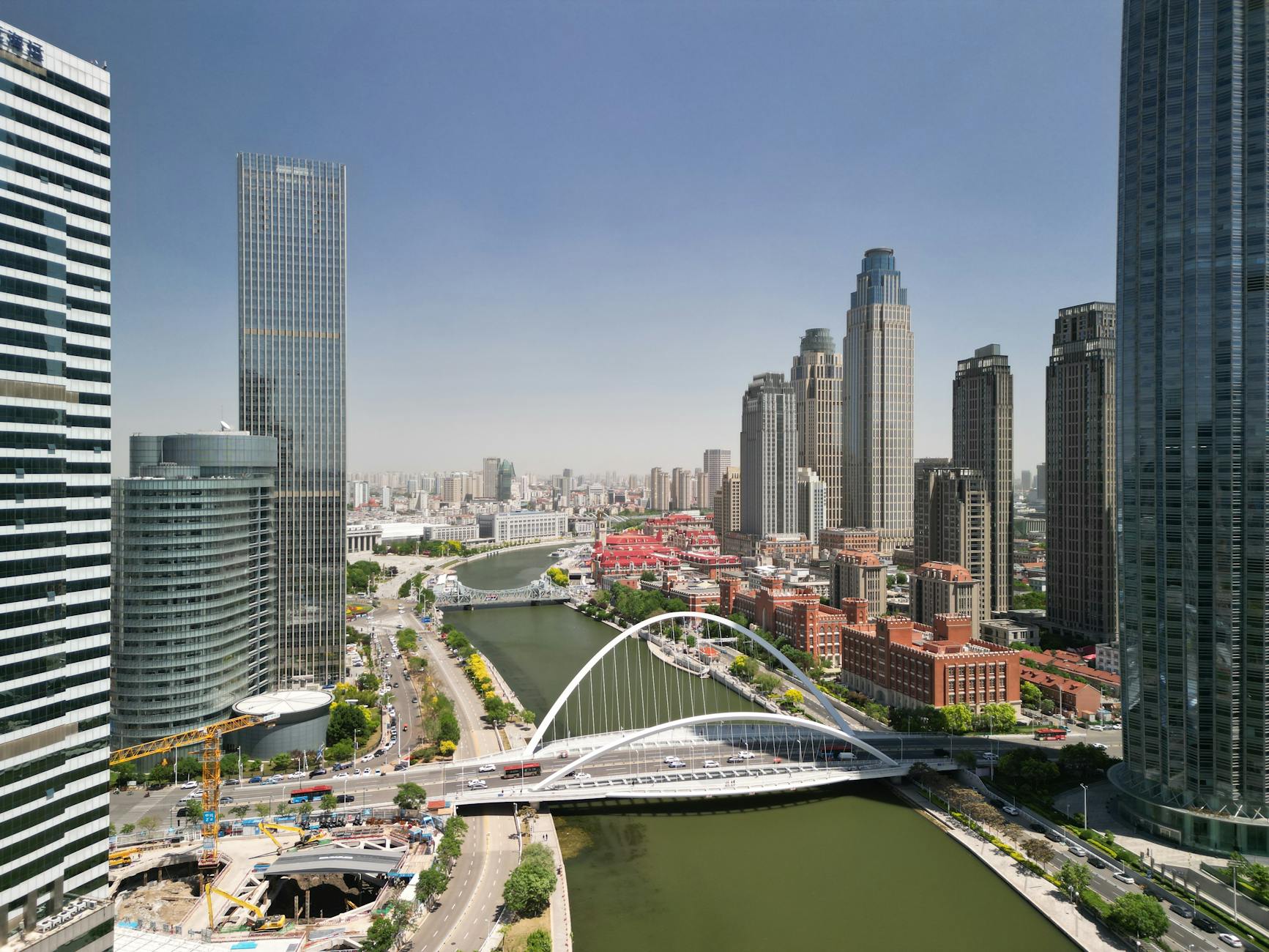
Tianjin is the easiest and most rewarding day trip from Beijing. China’s fourth-largest city is just 120 kilometers southeast, and bullet trains run every 5–15 minutes from Beijing South Station, taking 30–40 minutes for ¥55 second class. The city’s singular charm comes from its history as a treaty port — the concession era left behind one of China’s most impressive collections of European colonial architecture, with Italian, French, British, German, and Japanese districts each carrying their own distinctive character.
Start your day on Ancient Culture Street (古文化街) for traditional handicrafts and the city’s famous goubuli baozi (steamed buns, ¥2–3 each). Walk south to the Italian-Style District with its European piazzas and outdoor cafes, then stroll along the Haihe River lined with illuminated bridges. Don’t miss the Tianjin Eye — a giant Ferris wheel built directly over a bridge, unique in the world. The Porcelain House (瓷房子), a building covered entirely in porcelain shards and antique fragments, is one of China’s most genuinely strange architectural curiosities.
For full transport details, a recommended Tianjin itinerary, and neighborhood-by-neighborhood breakdown, see the dedicated Tianjin day trip guide. Budget: ¥200–400 all in, including transport, food, and any paid attractions.
Chengde: Imperial Summer Retreat and Mountain Temples
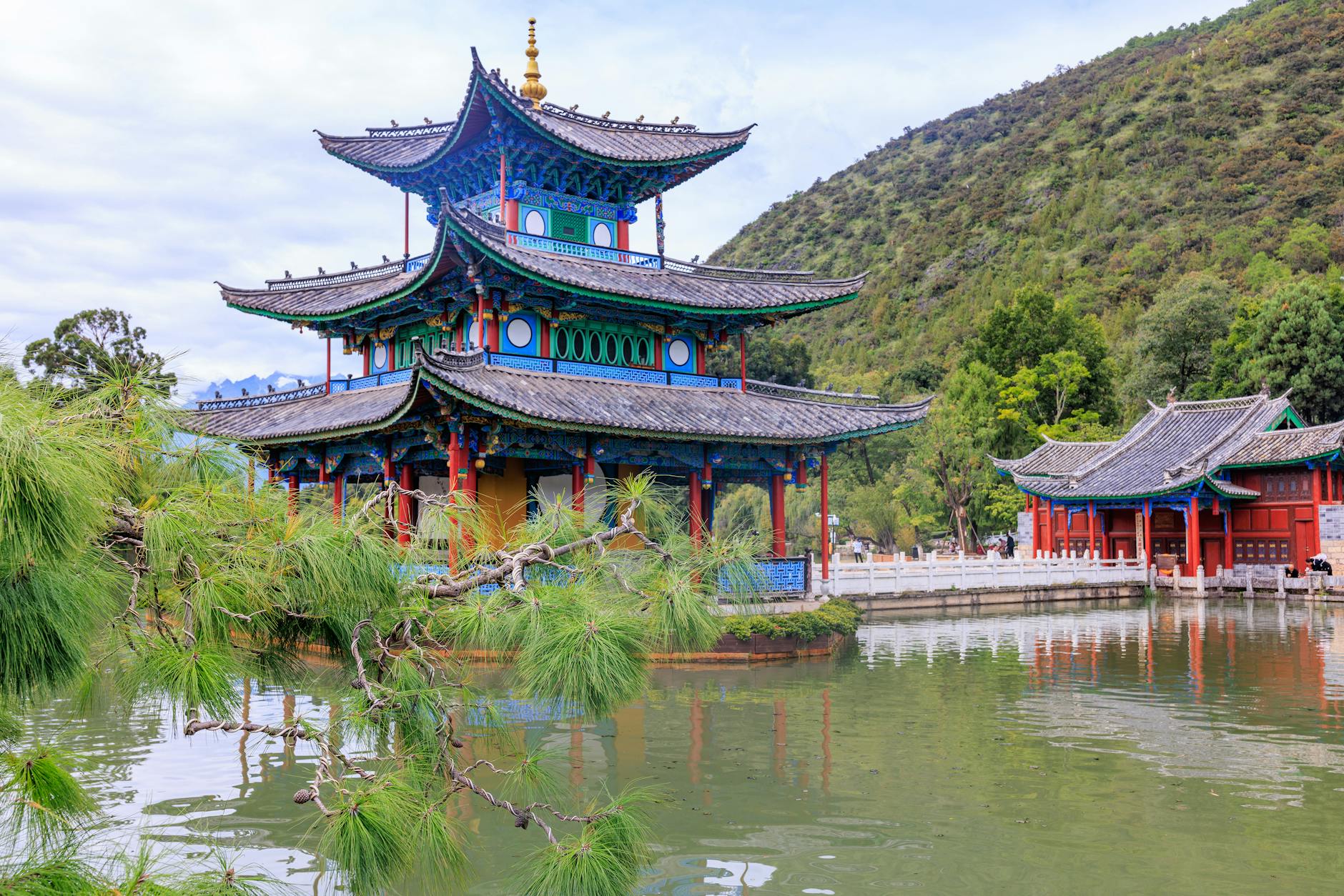
Chengde, 230 kilometers northeast of Beijing, was the Qing emperors’ deliberate escape from the capital’s heat — and their stage for impressing visiting dignitaries from Tibet, Mongolia, and Central Asia. The UNESCO World Heritage-listed Mountain Resort (避暑山庄) is China’s largest imperial garden, a 5.6-square-kilometer complex of palaces, lakes, and forested hills that rivals the Forbidden City in grandeur but attracts a fraction of the visitors.
Surrounding the resort are the Eight Outer Temples (外八庙) — a remarkable architectural collection blending Tibetan, Mongolian, and Han Chinese styles, built specifically to make foreign dignitaries feel at home. The Putuo Zongcheng Temple, modeled on Lhasa’s Potala Palace, is the standout: enormous, slightly surreal, and usually far quieter than its Tibetan counterpart.
Take the 7 AM high-speed train from Beijing North (1.5–2 hours, ¥80–130) to maximize your time. The resort alone needs 3–4 hours; budget 2 more for temples. The Chengde Mountain Resort guide covers the full itinerary, which temples are worth the detour, and whether to stay overnight. Admission: Mountain Resort ¥130; temples ¥40–80 each. Budget: ¥350–550 for the day.
Cuandixia: A Ming Dynasty Village Frozen in Time
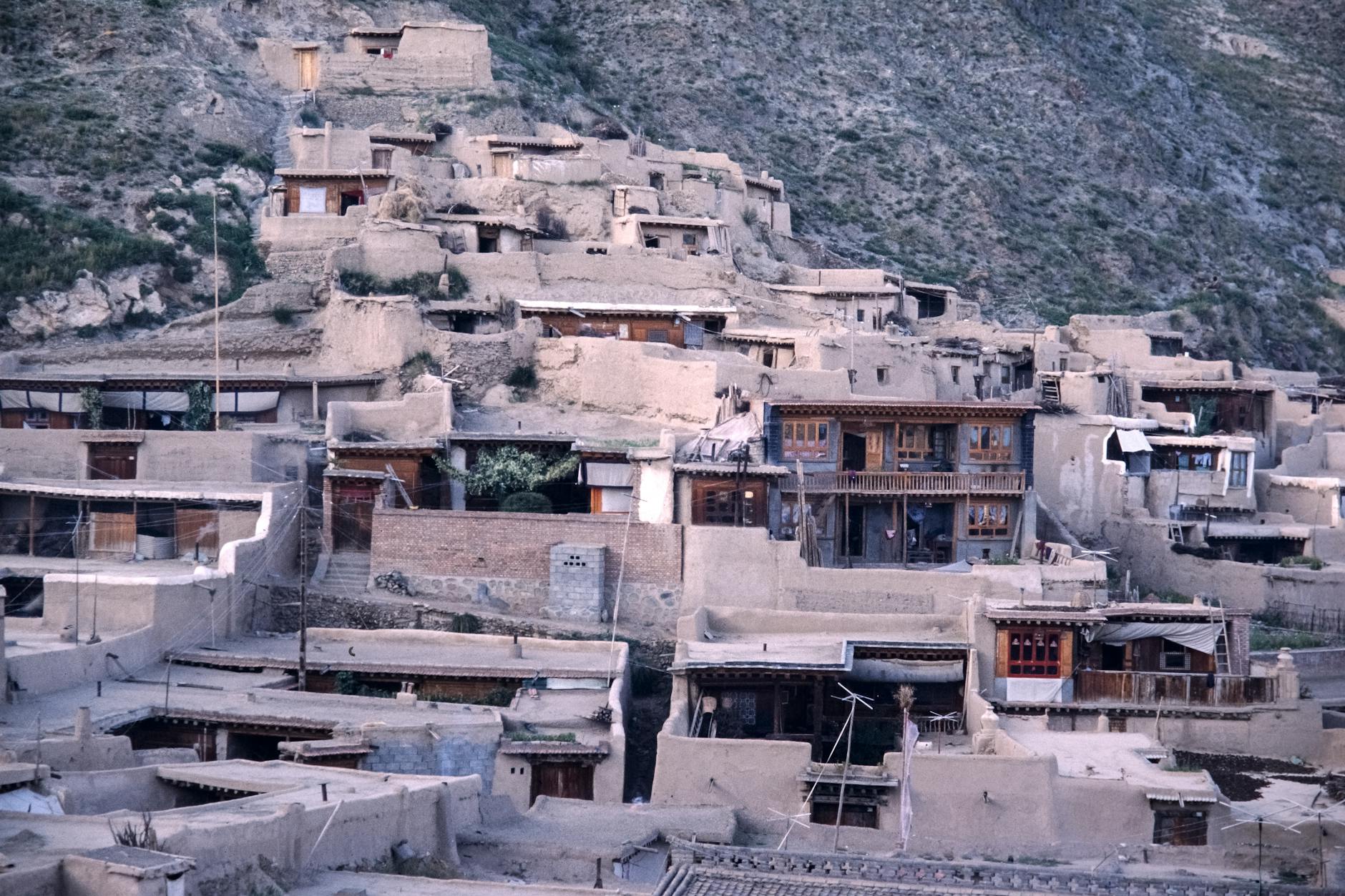
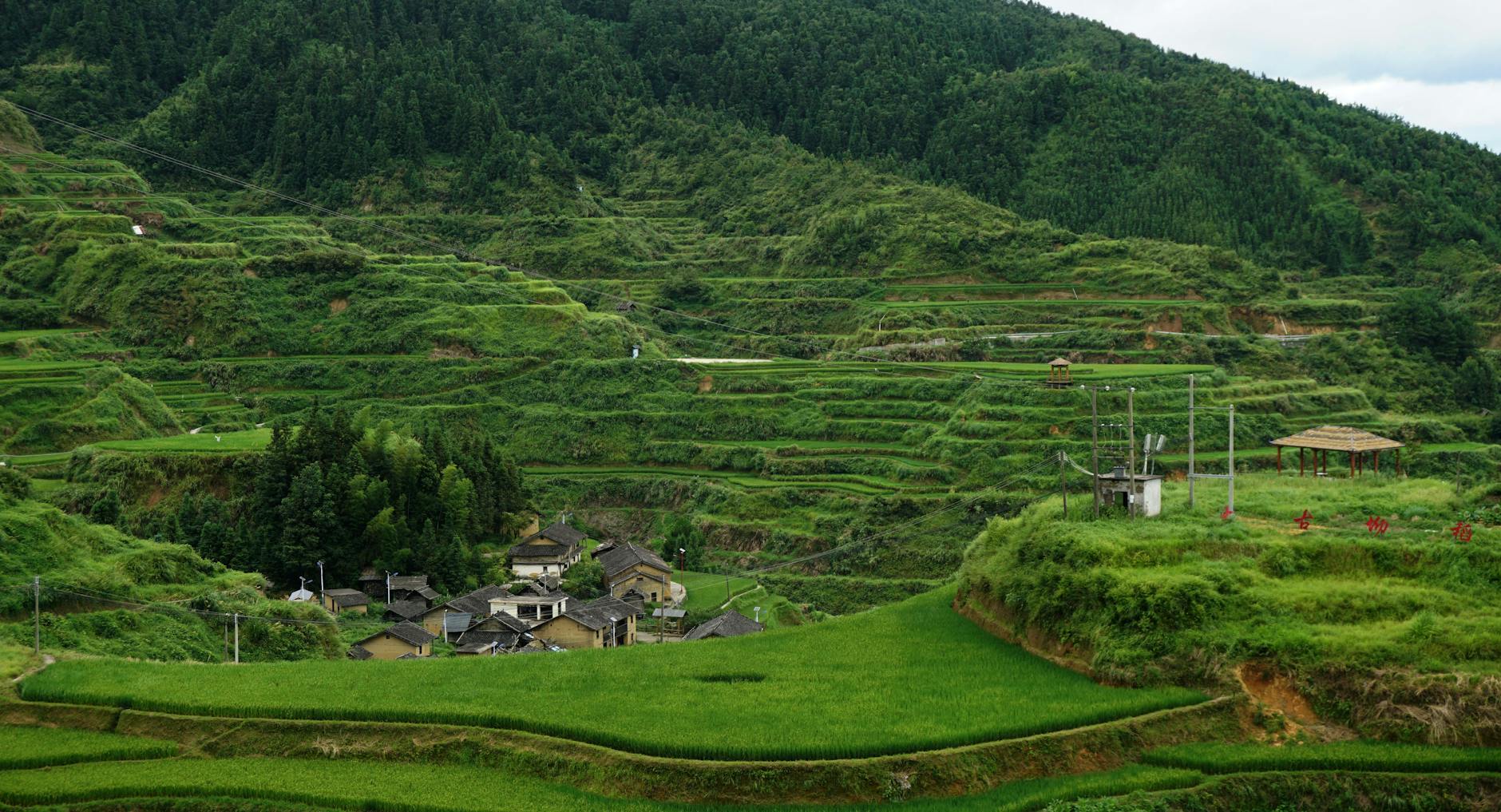
Cuandixia (爨底下) is the kind of place that makes you question why you spent three days in central Beijing. Ninety kilometers west of the city, over 70 beautifully preserved Ming and Qing Dynasty courtyard houses cascade down a terraced hillside — stone-paved lanes, weathered timber gates, and Cultural Revolution-era slogans still legible on courtyard walls. The village once thrived as a trading post on the ancient road connecting Beijing to the western provinces. Today, roughly 70 residents remain. Chickens peck around the lanes. It’s absolutely quiet after 5 PM.
Hike to the hilltop for panoramic views of the valley, then come back for a traditional farmhouse lunch (nongjiafan 农家饭) — fresh mountain vegetables, corn bread, and home-raised chicken. The full Cuandixia village guide covers getting there, the best guesthouses for overnighting (highly recommended for sunrise/sunset views), and the right time of year to visit. Admission: ¥35. Getting there: Subway to Pingguoyuan (Line 1), bus 892 to Zhaitang, then local transport — about 3 hours each way. A private car takes 90 minutes and is worth every yuan.
The Great Wall: Which Section for a Day Trip
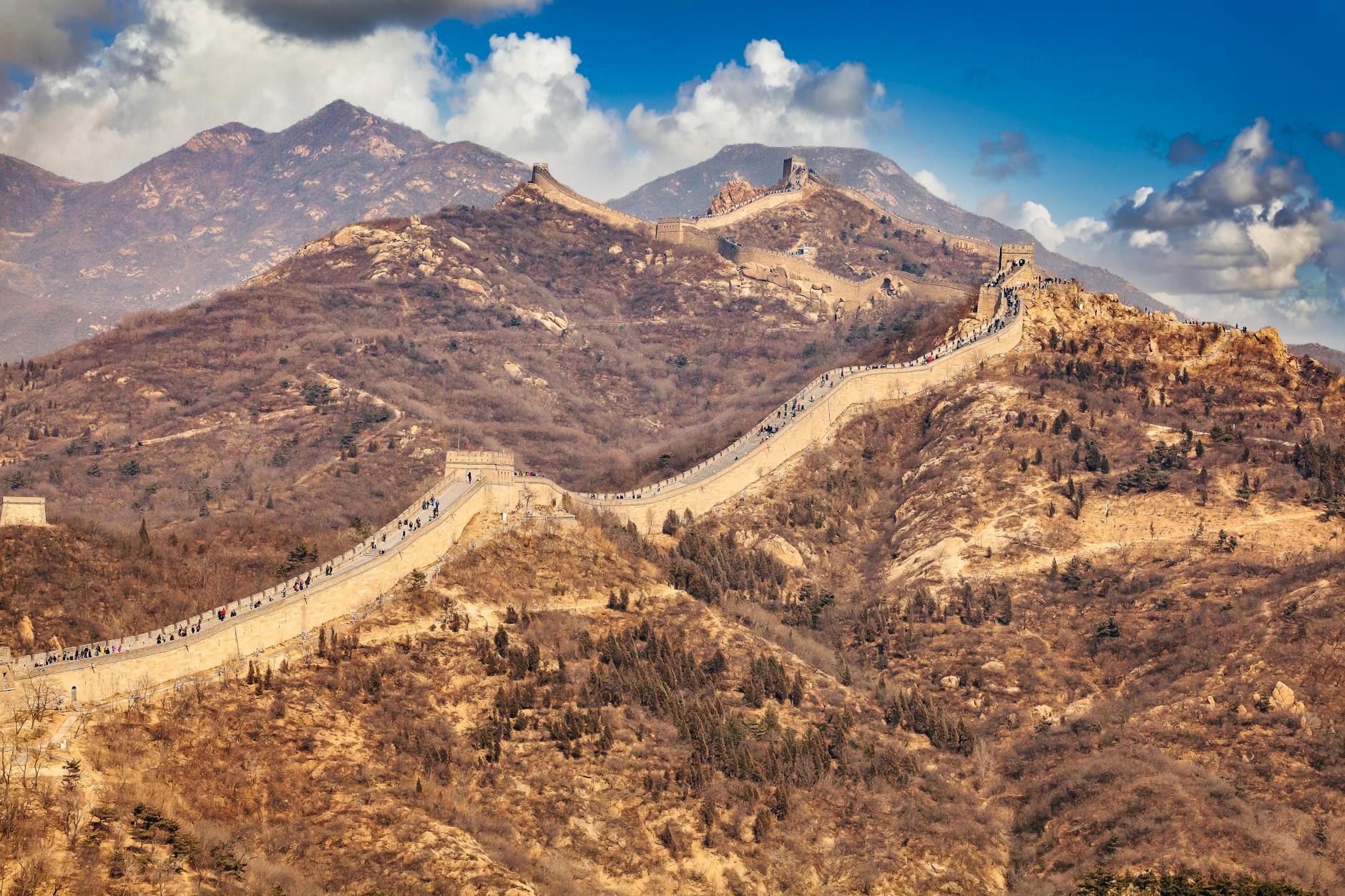
The Great Wall guide covers all sections in detail, but here’s the short version for day-trippers:
Mutianyu — The best all-round pick for most visitors. Well-restored walls, cable car up, toboggan down, decent food stalls, and manageable crowds on weekdays. 90 minutes from central Beijing by car. Admission ¥65.
Badaling — Most accessible (20 min by high-speed train from Beijing North), best facilities, most famous. Also the most crowded section in China. Fine on a Tuesday in March; a genuine ordeal on any weekend from May to October. Admission ¥40.
Jinshanling — For hikers who mean business. Partially restored, dramatically scenic, 2.5 hours from Beijing. The 10km hike from Jinshanling east to Simatai is genuinely one of the great walks in northern China. Admission ¥65.
Huanghuacheng — The “lakeside Great Wall” where the wall descends directly into a reservoir. Exceptional for photography — turquoise water, crumbling towers, no toboggan-riding tourists. 90 minutes by car. Admission ¥45.
Longqing Gorge and Fragrant Hills
Longqing Gorge (龙庆峡) — nicknamed “Beijing’s Little Three Gorges” — sits 85 kilometers north of the city in Yanqing county. The main draw is a boat cruise through a narrow canyon of towering granite walls, but the site also offers a bungee jump, cable car, and in winter (roughly December through February) the spectacular Ice Lantern Festival, when the gorge is transformed into a frozen sculpture park of illuminated ice carvings. Admission ¥60; boat ¥30 extra. Best reached by car or organized tour.
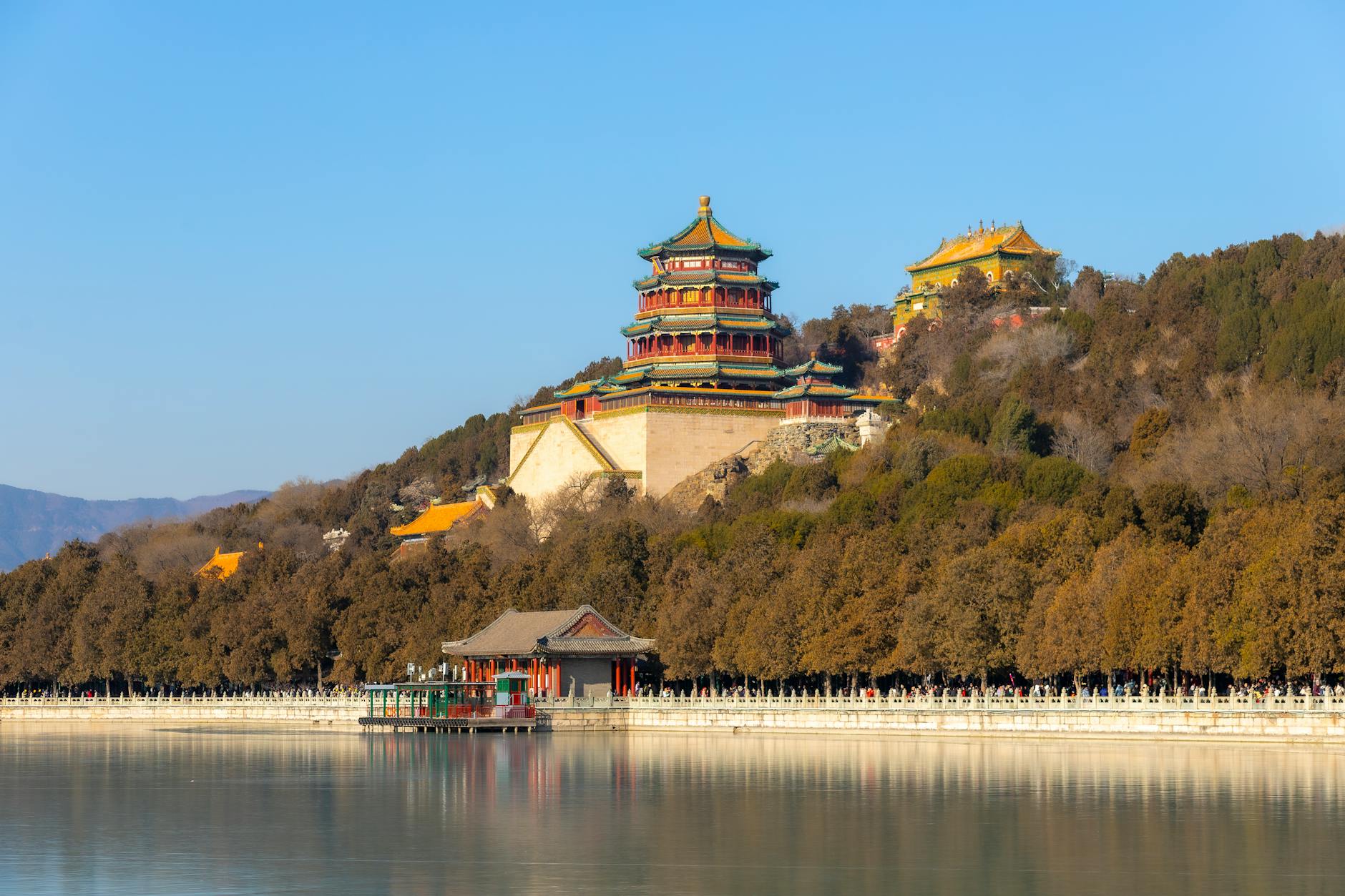
The Fragrant Hills (香山) in Beijing’s western suburbs are the city’s premier autumn foliage destination — mid-October, when the hillsides turn crimson, is the peak window. The park contains a Qing-era imperial garden (Jianxin Zhai) and the Azure Clouds Temple with its Ming Dynasty stupa. Reachable by bus 331 from Wanshoushan subway station (Line 4), or bus 698 from Xinjiekou. Admission ¥10. Combine with the Summer Palace if you’re heading west anyway.
Ming Tombs
The Ming Tombs are the burial site of 13 Ming Dynasty emperors, set in a carefully chosen valley 50 kilometers north of Beijing surrounded by mountains on three sides — Confucian geomancy at its most considered. The Sacred Way approach, a 7km ceremonial road lined with stone animals and civil officials, is genuinely impressive. The tombs themselves are a more mixed proposition: Dingling (the only excavated tomb) has solid underground chambers; the others are exterior-only and feel thin unless you’re a serious Ming history enthusiast.
Most visitors combine the Ming Tombs with the Great Wall (they’re in the same direction), which is usually the right call. Going to the Tombs alone for a full day is hard to recommend — the Sacred Way and Dingling take about 2 hours combined, leaving you with a half-day and limited nearby options. Admission: ¥45–65 per tomb. Subway Line 8 (Changping branch) gets you to the general area; local buses or a taxi cover the last stretch.
Gubei Water Town
Gubei Water Town (古北水镇) is a purpose-built tourism village at the foot of the Simatai Great Wall section, about 2 hours from central Beijing. It gets some flak for being “fake,” but that critique misses the point — the architecture is well-executed, the hot springs are genuine, and watching the Simatai Wall lit up at night from a canal-side restaurant is one of the better experiences available within day-trip range of Beijing. The adjacent Simatai Wall itself is the real draw: partially restored, dramatically vertical, with sections open for evening visits.
Gubei works best as an overnight rather than a strict day trip — the night Wall views justify staying until after dark, and the boutique hotels on the water are genuinely pleasant. If you must do it in a day, take the earliest possible coach (departs Dongzhimen transport hub) and accept you’ll arrive back in Beijing late. Budget ¥400–800 depending on activities and whether you eat in the village restaurants.
Beijing to Shanghai: Is It a Day Trip?
Technically, the Beijing to Shanghai high-speed train is achievable as a day trip — 4.5 hours each way on the fastest trains. In practice, spending 9 hours in transit for 2–3 hours in Shanghai makes no sense. Treat the train as a transit method rather than a day excursion: go for two nights minimum, or use it to end your trip in Shanghai before flying home. The train itself is worth taking for its own sake — a 350km/h window view of eastern China’s landscape is a travel experience in its own right.
Day Trips by Interest: Quick-Reference Matrix
Best for history: Chengde Mountain Resort (Qing imperial), Ming Tombs + Sacred Way (Ming imperial), Jinshanling Great Wall (Ming military architecture).
Best for nature and hiking: Jinshanling to Simatai hike, Longqing Gorge boat cruise, Fragrant Hills autumn foliage, Cuandixia mountain scenery.
Best for photography: Cuandixia (Ming courtyard architecture at golden hour), Huanghuacheng (lakeside wall reflections), Gubei at night (illuminated Simatai wall), Chengde Putuo Zongcheng Temple (Potala lookalike exterior).
Best for families: Tianjin (Tianjin Eye, aquarium, varied food), Badaling (easiest wall access, full facilities), Longqing Gorge (boat + ice festival), Shidu (rafting, zip lines, glass walkways).
Best for a quiet day away from crowds: Cuandixia (midweek), Huanghuacheng Wall (any day), Fragrant Hills (March–September, avoid mid-October weekends), Fayuan Temple in central Beijing counts if you just need calm.
When to Go — and What to Avoid
Best months overall: April–May and September–October. Spring brings blooming orchards in the western mountains; autumn gives you cooler temperatures and, in October, foliage at its peak. Summer (June–August) is hot, humid, and rainy — workable but not ideal. Winter is cold but rewards with smaller crowds and, at Longqing Gorge, the ice festival.
Golden Week (October 1–7): Avoid all popular destinations — Badaling, Tianjin, Ming Tombs, and Gubei. Domestic tourist numbers make even normally manageable sites genuinely unpleasant. Cuandixia and Huanghuacheng Wall hold up better than the big names because they’re less well-known. If you’re visiting during Golden Week, plan around it: either go early (arrive before 8 AM), choose obscure destinations, or skip day trips entirely and focus on in-city sites.
Chinese New Year (January/February): Most scenic destinations close or run reduced hours. The exceptions are temple fair destinations — White Cloud Temple in Beijing and some sites in Tianjin run specific festival programs worth seeking out. Check dates in advance; the holiday shifts each year.
Weekends year-round: Any wall section within 90 minutes of Beijing will be significantly busier on Saturday and Sunday. If your schedule is flexible, Tuesday through Thursday are the best days for Mutianyu, Badaling, and Simatai.
Honest Takes: Which Day Trips to Reconsider
Not everything that sounds good on paper delivers on the ground. A few honest assessments:
Ming Tombs alone: Unless you have a specific interest in Ming funerary architecture, this feels thin as a standalone day trip. The Sacred Way is worth an hour. Dingling’s underground chambers are interesting for 30 minutes. Then what? Pair it with Mutianyu or Badaling to justify the journey north.
Badaling on a weekend, May–October: It’s the most famous wall section and the easiest to reach. It’s also, on peak days, a theme park queue attached to a medieval fortification. Go on a weekday, go early (gates open at 7:30 AM), or go to Mutianyu instead. Nobody has ever regretted visiting Mutianyu over Badaling.
Chengde as a rushed day trip: The high-speed rail has made Chengde technically doable in a day, but the resort and its surrounding temples need 7–8 hours of actual sightseeing time. Factor in 3–4 hours of transit and you’re sprinting. If you care about Chengde — and you should — go for one night. The Mountain Resort at dusk, with most day visitors gone, is worth the hotel cost.
Shidu for non-adventurers: The karst valley scenery is legitimately impressive, but Shidu’s current incarnation is primarily an activity park — rafting, bungee, glass bridges. If you want scenic Chinese countryside without a safety harness, go to Cuandixia instead.
Logistics: Planning Your Day Trip
Start time: Aim to leave Beijing by 7–8 AM for any destination over 90 minutes away. Most day-trip itineraries fall apart when people leave after 10 AM and arrive at their destination with only 3 hours before needing to turn around. Hotel breakfast rarely starts early enough, which is one practical argument for renting an apartment with a kitchen if you plan to string several of these trips together.
What to bring: Comfortable walking shoes (not sandals — cobblestones and wall steps will punish your feet), water (especially for mountain destinations where vendors are scarce), snacks, sunscreen, a portable battery, and cash. Rural vendors in places like Cuandixia and Huanghuacheng may not reliably accept WeChat Pay or Alipay from foreign accounts.
Meals on the road: For destinations like Tianjin and Chengde, restaurants are plentiful and cheap — budget ¥40–80 for a sit-down lunch. At mountain destinations (Cuandixia, wall sections), farmhouse restaurants (nongjiafan) are the standard and usually excellent — simple dishes, enormous portions. Budget ¥50–100. Bring energy snacks for the Great Wall; you will need them.
Private driver vs. tour: A private driver (¥500–800 per day, arranged through your hotel) gives you flexibility on timing and stops. Organized tours lock you into a group schedule but handle logistics and often include English-speaking guides. For first-time visitors to China, a guided tour to Mutianyu or Chengde makes sense. For independent travelers who want to linger, a private car or public transport is better.
For detailed transit options across all of these destinations, our full walkthrough of planning a Beijing trip covers navigating the city and its surrounding region from arrival onward.
Choosing between these depends less on the destinations than on how many days you have left after the Forbidden City, the Wall and the two great gardens are accounted for. Our five-day route shows where a day trip fits and which ones survive a straight comparison on time and cost.
Detailed Guides to Every Day Trip
Each destination below has a full guide covering itineraries, transport, costs, and what’s actually worth your time:
- Beijing to Tianjin Day Trip — colonial architecture, street food, the Haihe River, and the world’s strangest Ferris wheel
- Chengde Mountain Resort — Qing imperial summer palace, UNESCO heritage, Tibetan Buddhist temples
- Ming Tombs Day Trip — the Sacred Way, Dingling underground palace, combining with the Great Wall
- Cuandixia Ancient Village — 400-year-old Ming courtyard houses, mountain scenery, overnight stays
- Longqing Gorge — river canyon cruises, the winter ice lantern festival, adventure activities
- Gubei Water Town — Simatai Wall night views, hot springs, canal-side dining
- Beijing to Shanghai by Train — high-speed rail options, booking tips, how to use the route strategically
- Fragrant Hills and Western Hills — autumn foliage, Qing imperial gardens, Azure Clouds Temple
- Hiking near Beijing — ridge walks, gorges and temple trails within two hours of the city, graded by difficulty