The Great Wall Near Beijing
Huanghuacheng Lakeside Great Wall: The Unique Water Great Wall Guide (2026)
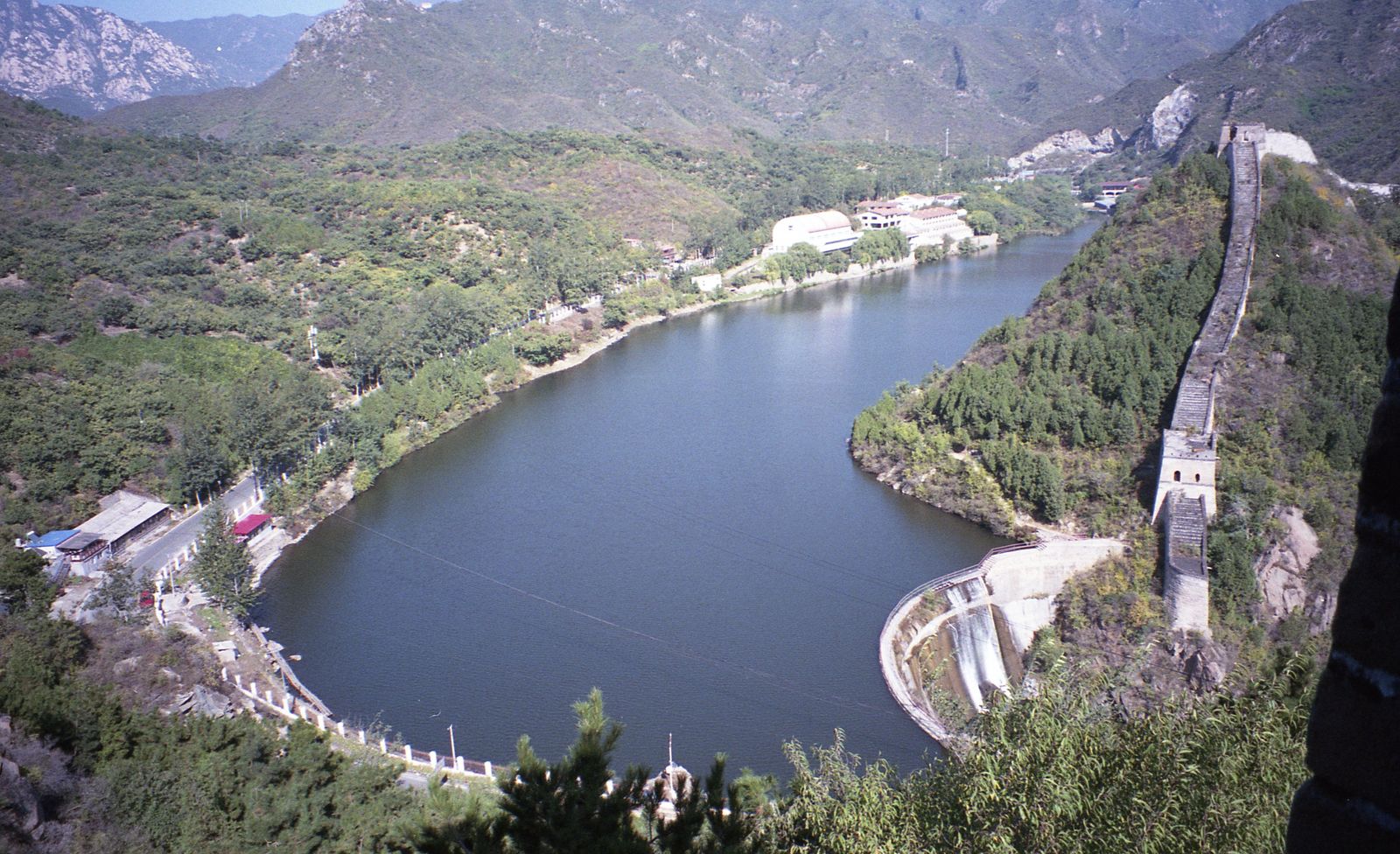
The Huanghuacheng Great Wall is one of the most distinctive Great Wall sections near Beijing: three stretches of the Wall run down the hillsides and into the Hao Ming Lake reservoir, where they are partly submerged. Built during the Ming Dynasty as a critical northern defense, the wall was partially flooded when the reservoir was dammed, creating the “Water Great Wall” landscape that gives the place its nickname. The result is one of the most photographable Great Wall sections — yellow-flowering hillsides in summer, golden autumn reflections, and boat rides on the reservoir. For broader context, start with our guide to picking the right Wall section.
This guide covers Huanghuacheng Great Wall — the lakeside hiking experience, boat rides on the reservoir, transport from Beijing, and combining Huanghuacheng with the unique water-wall photography that has made it a quietly cult favourite among Wall enthusiasts.

Is Huanghuacheng the right Wall for you?
Huanghuacheng is genuinely different from every other Wall section near Beijing. But here’s the thing — it’s also the least “classic” Great Wall experience you’ll find. If you want dramatic ridge-top hiking and the iconic image of the Wall snaking over mountain peaks, go to Jinshanling, the classic hiking section. That’s the better call for pure Wall drama.
Huanghuacheng is for people who want something unusual: wall emerging from water, lakeside walks, boat rides and an atmosphere that’s more nature-retreat than military monument. Families, photographers who’ve already done the other sections, and repeat Beijing visitors get the most out of it. First-timers who’ve never seen the Great Wall? You might find it less impressive than you expected. But come back a second time and Huanghuacheng makes perfect sense.
The experience rewards people who slow down. You’re not racing along ridge-top battlements here — you’re watching ancient stone emerge from a reservoir, taking a boat across still water with Wall ruins on both banks, and walking lakeside paths where the atmosphere is genuinely unusual. That’s worth a day if it matches what you’re after.
Huanghuacheng Great Wall at a glance
- Distance from Beijing
- 70 km north (90 min drive). Located in Jiuduhe Town, Huairou District.
- Entry ticket
- ¥60 for adults; half-price tickets ¥30.
- Boat ride
- (optional): speedboat ¥30 one way or ¥55 return; electric boats ¥80 (four seats) or ¥100 (six seats).
- The Wall
- surrounds the Hao Ming Lake reservoir, with three Wall sections partially submerged in the water.
- Distinctive features
- Wall sections partly submerged in a reservoir; lakeside hiking; boat rides.
- Operating hours
- in summer, 8:30am–5pm on weekdays, 8am–6pm on Saturdays and Golden Week holidays, and 8am–5pm on Sundays and the last day of a holiday; in winter, 8:30am–4:30pm.
- Best for
- photographers, families, summer visitors, anyone wanting a non-typical Great Wall experience.
Why visit Huanghuacheng (the Water Great Wall)
Huanghuacheng has three sections of Wall partially submerged in Hao Ming Lake reservoir — earning it the nickname “Great Wall for Boat Tours.” Its appeal is fundamentally different from other Wall sections:
- The flooded wall sections: Three sections of wall run down into the reservoir and are partly submerged — the feature that gives Huanghuacheng its “Water Great Wall” name.
- Lakeside hiking: Many Wall hikes are dry mountain ridges; Huanghuacheng combines wall walking with lake views.
- Yellow flowers in summer: The name “Huanghuacheng” means “Yellow Flower City” — referring to the yellow chrysanthemums covering the hillsides June-September.
- Boat tours: Optional reservoir cruises bring you alongside flooded wall sections — impossible from any other Wall vantage.
- Boats: speedboats and electric boats on the reservoir.
- Manageable crowds: Far less crowded than the tour-bus favourite Mutianyu or Badaling.
The flooded sections up close — what you actually see
The three submerged sections are each distinct, and it’s worth knowing what you’re actually looking at before you arrive.
The western section is the most dramatic. The wall descends from the hillside, enters the water, and re-emerges on the opposite bank a short way across. From the south shore, you can see the full extent of it — the ancient stonework disappearing into the reservoir as if the Wall simply surrendered to the water. And it sort of did: when the reservoir was dammed, no one moved the wall. They just filled the valley.
The middle section is accessible by boat only. You won’t see it properly from shore, which is one genuine reason to pay for the extended boat tour. Up close, the experience is striking: algae-covered ancient stones glowing green below the waterline, the wall top protruding just above the surface in summer when levels are high, completely exposed in winter when the reservoir drops significantly.
The eastern section is partially accessible on foot by walking the dam wall. Less dramatic than the western section, but easier to reach without a boat.
This is the single most unusual thing you’ll see at any Great Wall section. It deserves time. Don’t rush past it for the hiking.
Huanghuacheng tickets and pricing 2026
| Ticket | Price |
|---|---|
| Entry ticket (adult) | ¥60 |
| Entry ticket (half-price; ask at the gate who qualifies) | ¥30 |
| Speedboat (one way / return) | ¥30 / ¥55 |
| Electric boat (four seats / six seats) | ¥80 / ¥100 |
Pre-book entry online via Trip.com. Boat tickets purchase on-site.
Swimming at Huanghuacheng
Swimming is not part of the operator’s published ticket list, so ask at the gate whether any swimming area is open on the day of your visit and whether it costs anything on top of your entry ticket. In summer the lake is warm enough to be tempting, but this is a reservoir, so follow any signs and staff instructions.
Don’t try to swim up to the submerged wall, and stay well clear of the ruins.
For families with water-oriented kids, the boat rides on the reservoir make Huanghuacheng a good summer choice.
Photography at Huanghuacheng — getting the shot
The signature flooded-wall shots require either a boat or a telephoto lens from the south shore. You can’t get the close framing of stones-meeting-water without one of those two options. For photographers a boat is money well spent, with speedboats from ¥30 one way, because it lets you sit low on the water beside the middle section.
Golden hour — roughly one hour before sunset — hits the western submerged section perfectly. You get warm amber light on the ancient stones with the lake reflecting below. The south shore gives the best angle. In autumn (mid-October), red foliage covers the hillsides above the reservoir and reflects in the still water — this is Huanghuacheng’s strongest photography season. A polarising filter is essential to cut the water glare; without it, the reflections wash out in midday light.
For drone users: Huanghuacheng sits in a no-fly zone. Check current CAAC regulations before bringing a drone — enforcement has tightened in recent years and the fine is not trivial.
Getting to Huanghuacheng without a car
The public transport option is genuinely complex. From Dongzhimen metro station, take Bus 916 express to Huairou. There, change to the Huairou–Water Great Wall bus line, whose last stop is at the scenic area itself. With a change of bus in each direction, it makes for a long day out from central Beijing. For more detail on all transport options, see our guide to how to get out to each section.
Honestly, for Huanghuacheng specifically, the complexity makes a private car or group tour much more practical than public transport. The time investment is high for what is, at most, a 4–6 hour visit. If you’re already renting a car for other day trips, Huanghuacheng fits naturally — it’s on the same Huairou corridor as Mutianyu and can be combined. But a dedicated public-transport trip to Huanghuacheng alone is a long day for a relatively short experience.
Option 1: Public bus via Huairou
- Take the subway to Dongzhimen — see our rundown of the metro’s lines and fares if you haven’t used it yet.
- Catch bus 916 express to Huairou.
- From Huairou, take the Huairou–Water Great Wall bus to the end of the line, which is the scenic area, or take a taxi.
- Allow plenty of slack each way: connections at Huairou and traffic on the road north both vary.
Option 2: Group tour
Less common than Mutianyu/Badaling tours but available. Hotel pickup, transport, English guide, lunch.
Option 3: Private car/driver
Most flexible option for combining with boat rides and swimming.
Best route on Huanghuacheng
Lakeside route (recommended for most)
- Enter via north or south entrance
- Walk along lakeside path
- Climb to Wall sections rising from reservoir
- Photograph flooded wall sections from boat (optional)
- Return to base, swim if season permits
- Total: allow a relaxed half day, depending on your pace and stops
Combined Wall + boat (full experience)
- Hike along the wall on the south side of the reservoir
- Take boat across the lake to north entrance
- Hike north Wall sections
- Return by boat or shuttle
- Total: most of a day, depending on pace and how quickly you get a boat
Photography route (sunrise/sunset)
Visit at golden hour for the most dramatic flooded-wall reflections. The south side of the reservoir offers the best afternoon-light angles. Sunrise from north shore captures the wall in morning mist.
Seasonal guide for Huanghuacheng
The season you visit changes the Huanghuacheng experience more dramatically than at any other Wall section. Here’s what to expect:
Winter (December–February): The reservoir is at its lowest, exposing the most wall above the waterline. This is the best time to photograph the submerged sections “unsubmerged” — stones that spend most of the year underwater are fully exposed. No swimming, and access to some lake-level paths may be restricted. But the scenery is stark and striking, and you’ll have the place almost to yourself.
Spring (March–May): The reservoir refills and yellow mountain flowers begin appearing on the hillsides. Water levels rise steadily through April, reducing how much wall is visible above the surface. Temperatures are pleasant for hiking and the crowds haven’t arrived yet. Good compromise season.
Summer (June–August): Peak season. The yellow flowers that give the site its name (“Yellow Flower City”) are in full bloom on the hillsides. Swimming is open, boats are running, and the atmosphere is lively. This is the classic Huanghuacheng experience — but it’s also the most crowded and hottest time of year. Go early or on a weekday.
Autumn (September–November): The best photography season. Foliage turns red on the hillsides, reflects in the reservoir, and temperatures drop to comfortable hiking weather — our Beijing autumn leaves guide covers other fall foliage spots around the city. National Day Golden Week (October 1–7) is extremely busy — avoid those seven days entirely. Mid-October through early November is the sweet spot.
Best time to visit Huanghuacheng
Best months
- June to August: yellow flowers in bloom, swimming season open, warm weather. The classic Huanghuacheng experience.
- Mid-September to mid-October: autumn colors reflected in the lake. Avoid Oct 1–7.
- Late October to early November: peak autumn foliage with reservoir.
Avoid
- Heavy rain days (lake levels rise; some access points close)
- National Day Golden Week (Oct 1–7)
- Winter for swimming (reservoir is frozen by January)
Best time of day
For photography: golden hour (one hour before sunset). For swimming: midday in summer. For general visits: arrive 9am, enjoy 4–6 hours.
Combining Huanghuacheng with nearby attractions
Huanghuacheng sits in the Jiuduhe area, known beyond the Wall for its thermal hot springs. The combination of Wall and flooded sections in the morning, hot springs in the afternoon, makes for an unusual but very satisfying day if you have your own transport. It’s the kind of day that doesn’t fit neatly into a guidebook category, which is exactly why it works.
And if you’re driving through in autumn, stop for chestnuts. Roadside vendors on the way from Huairou sell them freshly roasted. This is not a minor detail. They’re excellent.
Huanghuacheng + Mutianyu (full day)
Some private tours combine both — Mutianyu morning, Huanghuacheng afternoon, with a drive between the two. Possible but ambitious for a full day. You’re better off doing them on separate days if you can.
Huanghuacheng + Jinshanling or Jiankou
These sections are different districts and combining them in a day is not realistic. See our Jiankou guide and Jinshanling guide for separate day-trip planning. For an overview of all options, our hiking notes for every section cover the full picture. You can also pair Huanghuacheng with a broader day trip from Beijing combining it with other Huairou attractions.
What to bring to Huanghuacheng
- Walking shoes — paths are mostly easy
- Hiking shoes if you’ll be tackling steeper Wall sections
- Swimsuit (May–September)
- Towel for swimming
- Sun protection — limited tree cover near reservoir
- Water (1L+)
- Insect repellent — summer mosquitoes near water
- Camera with polarizing filter for water reflections
- Some cash for the boat ride and snacks
Common mistakes at Huanghuacheng
Leaving the boat to the last minute. Boat tickets are bought on site, so go early in the day, especially on summer weekends.
Going in heavy rain. The trail access gets muddy fast, lake levels rise, and some viewing points become inaccessible. Check the forecast.
Not bringing insect repellent in summer. The reservoir creates ideal mosquito conditions at dawn and dusk. If you’re doing a golden-hour shoot, you’ll regret skipping this.
Confusing Huanghuacheng with Mutianyu when booking transport — they’re both in Huairou district but different areas. Double-check your driver has the right destination.
Expecting dramatic ridge-top hiking. Huanghuacheng is a lakeside section. The Wall here doesn’t march dramatically over peaks. If that’s what you’re after, Jinshanling or Gubeikou will serve you better.
The reservoir is the reason photographers make the trip out here: in three places the Wall runs down a hillside and carries on under the water. Late afternoon from the western shore is the moment to catch it. Our guide to where and when to photograph the Wall ranks this against Jinshanling, Jiankou and the restored sections, with the light each one needs.
Huanghuacheng Great Wall FAQ
Why is the wall in the water?
When the valley was dammed to create the Hao Ming Lake reservoir, three Wall sections that ran through it were partially submerged. They are what give Huanghuacheng its “Water Great Wall” name.
Can I swim at Huanghuacheng?
Swimming is not on the operator’s published ticket list, so ask at the gate whether any area is open on the day and whether there is an extra charge. Leave the flooded wall sections alone.
Are boat rides worth it?
Yes — for photographers especially, the boat gets you closest to the flooded Wall sections, though the submerged Wall is also clearly visible from the bridge across the reservoir. Boat options include speedboats and electric boats: a speedboat costs ¥30 one way or ¥55 return, and a speedboat crossing saves significant walking time.
Is Huanghuacheng good for kids?
Yes — the lakeside paths are gentler than dramatic ridge sections. Boat rides and summer swimming are kid-friendly, and the section slots easily into a wider family itinerary for the city.
Is Huanghuacheng restored or wild?
Mixed. Lakeside sections are restored. Higher mountain sections are partially restored. Some peripheral sections are crumbling.
How fit do I need to be?
Easy. Most lakeside paths require basic walking ability. Higher Wall sections need moderate fitness for stairs.
Is it open in winter?
Yes — though the lake freezes January–February and swimming is unavailable. Winter actually exposes the most wall above the waterline, making it the best season for photographing the submerged sections.
How long should I spend at Huanghuacheng?
Most of a day if you want the Wall and a boat ride; a walk on the Wall alone needs less. Don’t rush this — the point of Huanghuacheng is the slow, unusual atmosphere, not ticking off a checklist.
Is Huanghuacheng better than Mutianyu for families?
Different, not better. Mutianyu has the toboggan ride and cable car — genuinely excellent for young children. Huanghuacheng has boats on the reservoir. If your kids are water-oriented and you’re visiting in summer, Huanghuacheng wins. If they’re younger than 7 or you’re going outside summer, Mutianyu is the clearer call.
Are there restaurants at Huanghuacheng?
A basic canteen at the entrance serves simple noodles and rice dishes. A couple of local farmhouse restaurants operate in the surrounding village. Pack food if you’re picky or planning a full day — the canteen closes early.
Is there a Great Wall Museum at Huanghuacheng?
No on-site museum. Information boards at the reservoir dam explain the flooding history. For deeper historical context, the main Great Wall Museum is in Beijing.
The bottom line on Huanghuacheng Great Wall
Huanghuacheng is the unique water Great Wall — best for photographers and families wanting something different from typical Great Wall trips. Visit June–August for the full lakeside experience; visit October for autumn foliage reflections. Plan a 4–6 hour day with optional boat ride. But go in knowing what it is: a lakeside retreat where ancient Wall happens to meet water, not a dramatic ridge-top military monument. That distinction matters, and visitors who understand it love Huanghuacheng. Visitors who don’t occasionally feel let down.
For other Great Wall sections, see Mutianyu, Jinshanling, Jiankou, and our Great Wall hiking guide. For transport, see getting to the Great Wall from Beijing. For broader Beijing trip planning, head to our complete Great Wall guide.