Looking for trustworthy Beijing safety tips? Is Beijing safe? Yes — Beijing is one of the safest large capital cities in the world for visiting tourists. Violent crime against foreigners is extremely rare, the streets are well-lit and heavily monitored, the metro system is policed at every station, and walking alone at night is generally fine in central districts. The real risks for tourists are not safety in the personal-harm sense; they’re elaborate confidence scams, internet access challenges, and the practical pitfalls of navigating a country where Google Maps doesn’t work and your home credit card may not either. Our Beijing safety tips below cover the specific scams, internet access, and practical precautions every foreign visitor should know.
This guide focuses on the Beijing safety tips that actually matter for foreign visitors in 2026: the specific scams to recognise on sight, how to stay connected with reliable internet, common-sense precautions that actually apply here (and the ones that don’t), and what to do if something does go wrong. Most of this is reassuring; the rest is straightforward to handle if you know what’s coming.
How safe is Beijing for tourists?
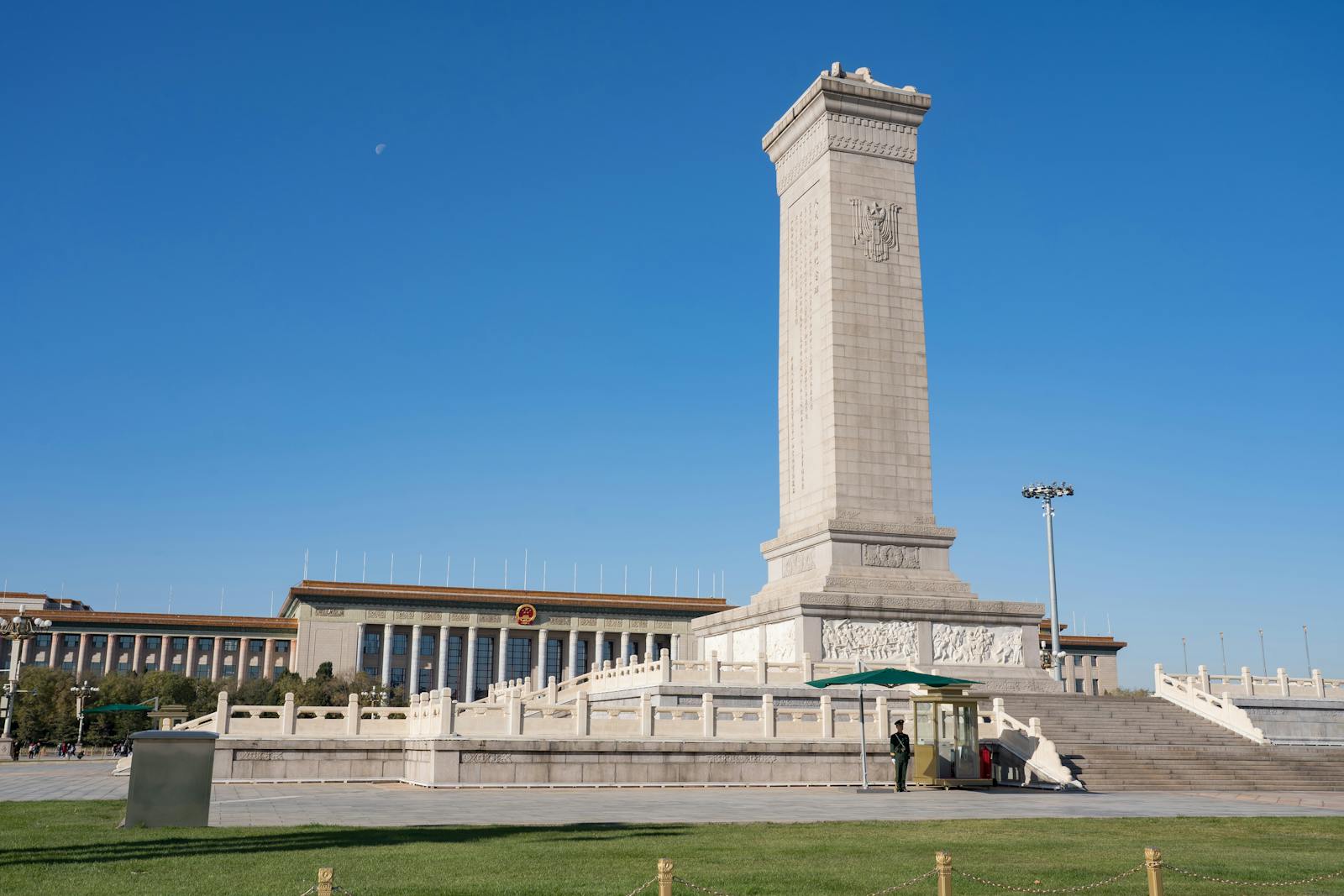
By the standard measures, Beijing is statistically safer than most major Western capitals. The U.S. Department of State’s Beijing safety advisory ranks China at Level 2 (exercise increased caution), with most warnings concerning arbitrary law enforcement and exit bans rather than street-level safety. Crime statistics — both Chinese and independently sourced — consistently show violent crime against foreign visitors is extremely rare. There are no “dangerous neighbourhoods” tourists need to avoid in Beijing the way you might avoid certain districts of Paris, Rome, or Mexico City.
The practical safety picture for visitors in 2026:
- Violent crime against tourists: Very rare. Mugging, sexual assault, and serious physical altercations are almost unheard of in tourist areas.
- Petty theft: Pickpocketing exists but is uncommon by European-capital standards. Crowded subway lines and tourist sights have the highest risk.
- Tourist scams: The single largest risk to your wallet. Tea houses, art galleries, fake taxis, dating-app bar scams. Almost all are avoidable once you recognise the pattern.
- Traffic: The biggest physical risk you’ll face. Beijing drivers are aggressive and pedestrian crossings are not respected. Always look both ways, even on green lights.
- Air quality: Improved dramatically in the past decade but still has occasional smog episodes. Pack an N95 mask just in case.
- Health: Tap water is unsafe to drink raw. Boiled water is everywhere. Major hospitals have international wings.
- Political: Avoid public discussions of sensitive political topics or photographing security personnel. Comply with all checkpoint requests.
Common Beijing tourist scams (and how to avoid them)
The Beijing safety tips that matter most for first-time foreign visitors come down to scam recognition. The same handful of scams target tourists in Beijing with remarkable consistency.
The same handful of scams target tourists in Beijing with remarkable consistency. They all share a structure: a friendly stranger approaches you near a major attraction, builds rapport, and steers you somewhere that ends in a bill you can’t refuse. Recognising the opening move is everything — once you know what’s coming, the scam evaporates.
1. The tea house / coffee shop scam
The single most common tourist scam in Beijing. The script: a friendly young person, often a “student wanting to practise English,” approaches you near Tiananmen Square, the Forbidden City, Wangfujing, or Houhai. After 5–10 minutes of pleasant conversation, they invite you to “experience a traditional Chinese tea ceremony” or “have a coffee” at a place they know nearby. You sit, you sip, you nibble snacks, and 30 minutes later the bill is ¥1,500–¥5,000 for what should cost ¥80. The “student” has slipped out and the staff become aggressive about payment.
How to avoid it: Never accept invitations from strangers to second-location tea houses, coffee shops, art galleries, or KTV (karaoke). Default response: “No thanks, we have plans,” and keep walking. If you do want a tea ceremony, book one through your hotel concierge or visit reputable establishments like Lao She Teahouse — never one suggested by a stranger.
2. The art student / gallery scam
The pattern: a friendly “art student” near Tiananmen, the National Art Museum, or 798 Art District invites you to see “their student exhibition” or “an art show ending today.” You’re taken to a gallery; the pieces are ostensibly priced for “students only” at “special discount” rates. Pieces that cost ¥30 to print are priced at ¥800–¥3,000. Tourists routinely spend ¥5,000+ before realising what’s happened.
How to avoid it: Real Chinese art students don’t approach foreigners on the street to invite them to galleries. Genuine 798 galleries don’t pressure-sell. If anyone offers you a special student-priced art tour, walk away.
3. The fake / unlicensed taxi scam
Around Beijing Capital Airport, the Beijing South train station, Wangfujing pedestrian street, and major tourist spots, “drivers” approach foreigners offering rides. They quote a “fixed price” — typically 3 to 5 times the metered rate. Some run unmarked cars (entirely illegal); others are licensed but refuse to use the meter.
How to avoid it: Always use the official taxi queue at airports and stations — refuse anyone approaching you inside the terminal. Make sure the driver starts the meter (“打表” / dǎ biǎo). Better: use DiDi (the Chinese Uber). The DiDi English app accepts foreign credit cards in 2026 and shows the trip price upfront. From Beijing Capital Airport (PEK), the Airport Express train to Dongzhimen costs ¥25 and is faster than a taxi during rush hour.
4. The rickshaw price-flip scam
Common around Houhai Lake and the Forbidden City exit. A rickshaw driver agrees on a price — say “¥40 for a hutong tour.” At the end, the driver pulls out a laminated price sheet showing “¥400 per person” and refuses to let you leave without paying. Sometimes they’ll claim the agreed price was “¥40 per minute” rather than total.
How to avoid it: Either skip rickshaws entirely (walking the hutongs is more enjoyable) or book through your hotel or a reputable tour operator. If you must take a street rickshaw, write the price clearly on paper, get the driver to confirm in writing, and pay only after the ride.
5. The dating-app bar scam
Targeting solo male travellers using Tinder or dating apps in Beijing. A “date” suggests meeting at a specific bar, orders drinks, and disappears just before the bill arrives. Bills regularly hit ¥3,000–¥8,000 for a few drinks.
How to avoid it: Choose your own meetup location, ideally a well-reviewed mainstream bar where prices are visible. If your match insists on a specific obscure bar, that’s the scam. Walk away.
6. The fake monk / temple donation scam
Around tourist temples (especially Lama Temple and the Forbidden City exit), people in monk robes ask for “blessings” or “temple restoration donations.” Real monks at functioning Beijing temples do not solicit donations from tourists on the street.
How to avoid it: Decline politely and walk on. If you want to donate to temple restoration, do so at the official temple office inside, not to street solicitors.
7. Counterfeit currency
Less common since China became cashless, but still occurs. Fake ¥100 notes are most common. Risk locations: change given by street vendors, taxis, and small shops.
How to avoid it: Use mobile payment (Alipay, WeChat Pay) for everything possible. When you do use cash, carry small denominations and feel the texture — real ¥100 notes have a raised feel on the portrait, a watermark visible against light, and a colour-shifting “100” in the corner.
Internet access, VPNs, and the Great Firewall
The Great Firewall blocks Google (including Maps, Search, Gmail, and YouTube), Facebook, Instagram, WhatsApp, X (Twitter), most major Western news sites, and many other services. For most foreign visitors, this is the single biggest practical hurdle. The good news: by 2026, there are reliable workarounds.
The 2026 recommendation: travel eSIM
The simplest, most reliable solution in 2026 is an international travel eSIM with data routed through a foreign server (typically Hong Kong, Japan, or Singapore). Because your data traffic technically originates outside mainland China, the Great Firewall doesn’t filter it. You’ll have full access to Google, WhatsApp, Instagram, and everything else from the moment you turn on your phone — no VPN needed, no app downloads required, completely legal.
Reputable travel eSIM providers for China that work in 2026:
- Airalo: $4.50 for 1 GB / 7 days; $19 for 5 GB / 30 days. Bypasses firewall via Hong Kong routing.
- Holafly: Unlimited daily data plans starting around $7/day. Bypasses firewall.
- Nomad eSIM: $4–$30 plans. Bypasses firewall.
- Trip.com China eSIM: ¥80–¥180 for 5–30 GB plans, with VPN-equivalent access to Western services.
Set up the eSIM before you fly — install the profile in your home country, then activate when you land in Beijing. You cannot install most travel eSIMs from inside China.
If you prefer a VPN
VPN apps are technically prohibited but enforcement against individual tourists is essentially non-existent. The challenge is technical: most major VPN apps (NordVPN, ExpressVPN, Surfshark) are blocked from app stores inside China and their servers are sometimes blocked. If you want a VPN, install it on all devices before you arrive. Pay for a service known to maintain working China servers (NordVPN and ExpressVPN both have China-specific configurations). Have a backup VPN. Even the best VPNs work inconsistently.
Important: the legality of a VPN for individual tourist use is grey — never mention “VPN” with Chinese officials, and never use a VPN to publicly criticise the Chinese government. For practical access to your home apps and email, you’ll be fine.
International roaming
If your home mobile plan offers international roaming in China, that traffic is typically routed through your home carrier and bypasses the Great Firewall — same effect as an international eSIM. Check your roaming rates first; some carriers charge $10/day for slow speeds.
Working alternatives inside China
Some Western services have Chinese-mainland-friendly equivalents:
- Google Maps → Apple Maps (works) or Baidu Maps / Amap (Gaode) (Chinese only but accurate)
- Gmail → web access via Outlook.com or your home email provider, or Outlook iOS/Android apps work natively
- WhatsApp → WeChat for Chinese contacts; eSIM/VPN for friends abroad
- Google Search → Bing (works in China) or Baidu (Chinese only)
- YouTube → Bilibili (Chinese), Apple TV+ (works), or VPN/eSIM for original
Essential apps to install before you fly
Beijing in 2026 runs on apps. Install these before you leave your home country, because some are difficult or impossible to install on mainland China connections:
- Alipay (with Tour Pass): The single most important app. Handles 95% of payments. Tour Pass accepts Visa, Mastercard, Amex, JCB.
- WeChat Pay: Backup payment app. Some merchants only accept WeChat Pay.
- DiDi (English version): Chinese Uber. Now accepts foreign credit cards directly.
- Trip.com: For high-speed train tickets and hotels (better than physical ticket counters).
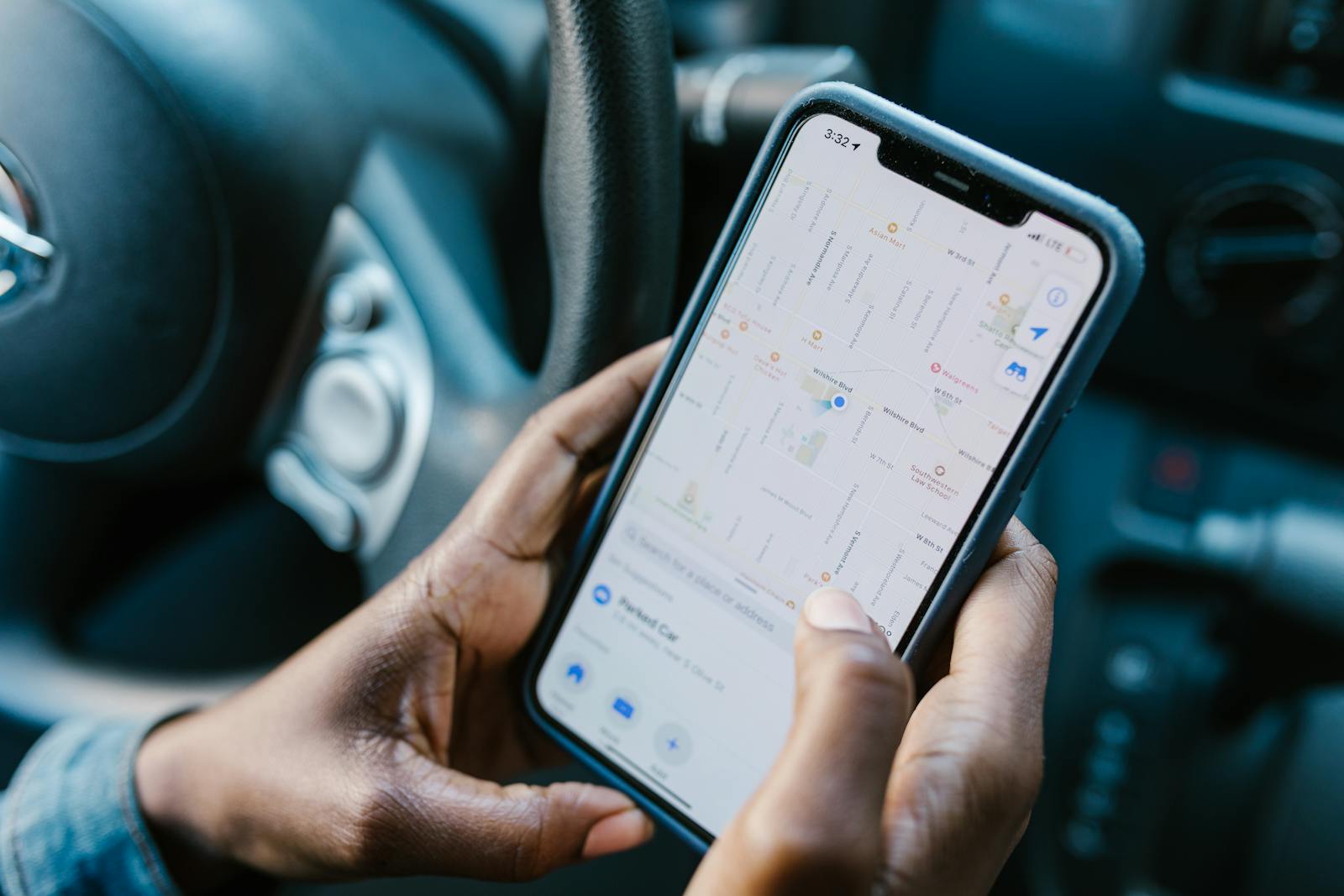
- Apple Maps or Baidu Maps / Amap: Google Maps doesn’t work. Apple Maps is the easiest English option.
- Google Translate (offline mode): Download the Chinese language pack before you fly. Camera translation is invaluable for menus.
- Pleco: The best Chinese-English dictionary app — works offline.
- Your VPN of choice (if using one): Install before arrival. NordVPN, ExpressVPN, or Astrill recommended.
- Your travel eSIM provider’s app: Airalo, Holafly, or Nomad — set up before flying.
Practical safety advice for Beijing
At airports and train stations
Use the official taxi queue or Airport Express train. Refuse offers from drivers approaching you inside the terminal. Keep your passport in a money belt or front pocket — pickpocketing in queue lines is the most common way tourists lose documents.
At major attractions
Tiananmen Square, Wangfujing, Houhai, and the Forbidden City exit are the most heavily targeted scam zones. Walk with intent, decline conversations from “students” wanting to practise English, and don’t follow strangers anywhere.
On the subway
Beijing subways are heavily policed and very safe. Pickpocketing is rare but possible during rush-hour crushes. Wear your bag on your front in crowded carriages. Every station has airport-style bag scanners — leave anything questionable (knives, lighters, large liquid bottles) at home.
Walking at night
Generally fine in tourist districts. Stick to well-lit streets in the 2nd and 3rd ring road areas. Solo female travellers report Beijing as one of the safer Asian capitals to walk alone at night — though common sense applies.
Solo female travel
Beijing is widely considered safe for solo female travellers. Sexual harassment, while not zero, is uncommon by Western-capital standards. Subway women-only carriages exist on some lines during rush hour. Avoid getting drunk in unfamiliar bars or accepting drinks from strangers — common-sense precautions, not Beijing-specific.
Photography and political sensitivity
Don’t photograph: military installations, police checkpoints, large security camera arrays, the perimeter of government buildings, and protest activity. Tiananmen Square is heavily monitored — taking photos of the square itself is fine; photographing security personnel or any unusual activity may attract police attention. Always comply if asked to delete photos.
Dealing with police checks
Beijing has random police checks at metro entrances and occasional ID checks on streets. Always carry your passport (or a clear photo of the photo page and visa) — by Chinese law, foreigners must be able to produce ID on demand. Be polite, comply quickly, and you’ll be on your way in 2 minutes.
Health and water
Don’t drink tap water. Hotel kettles boil it; bottled water is ¥3 anywhere. Street food is generally safe at busy stalls (high turnover = fresh) but gentler stomachs may want to avoid the famous skewers and stick to dumplings and noodles for the first two days. Carry hand sanitiser and basic stomach meds (Imodium, oral rehydration salts).
Air quality
Beijing’s air quality has improved dramatically since the 2010s. Most days are now AQI under 100 (good or moderate). Severe smog episodes still occur a few days per year, mostly in late autumn and mid-winter. The free apps “AirVisual” and “Plume Labs” give real-time AQI readings. On red-alert days, wear an N95 mask, stay indoors, and use hotel air filters where available. Never exercise outdoors on red-alert days.
Emergency information
Useful Beijing phone numbers
- Police: 110
- Ambulance: 120 (or 999 — Beijing-specific dual number)
- Fire: 119
- Tourist hotline (English): 12301 or +86-10-12345
- U.S. Embassy Beijing: +86-10-8531-3000
- UK Embassy Beijing: +86-10-5192-4000
- Australia Embassy Beijing: +86-10-5140-4111
- Canada Embassy Beijing: +86-10-5139-4000
Best hospitals for foreign tourists
- Beijing United Family Hospital (Lido): Top Western-style private hospital. English-speaking doctors. Most travel insurance accepted. Direct payment for serious cases. +86-10-5927-7000.
- Peking Union Medical College Hospital (PUMCH): The best Chinese public hospital. International department available. Affordable but expect more queueing.
- Beijing International SOS Clinic: Insurance-friendly Western clinic, good for non-emergencies and routine care.
What to do if scammed
Most scams aren’t worth police involvement — the time and complication outweigh the recovery odds. If you’re scammed for a small amount (¥500 or under), chalk it up. For larger amounts (¥2,000+), file a report at the local police station for insurance purposes; recovery is unlikely. For major credit-card fraud, call your card issuer immediately and dispute the transaction.
If you lose your passport
Report to the nearest Public Security Bureau (PSB) within 24 hours and obtain a loss report. Take that report to your country’s embassy for an emergency travel document. Do this immediately — without ID you cannot legally travel within China or check into hotels.
Travel safety for specific groups
Solo female travellers
Beijing is widely considered safe for women travelling alone. Common precautions apply (don’t walk in unlit alleys at 3 AM, don’t accept drinks from strangers), but women report fewer issues with street harassment than in many European or American cities. Hotels, tour operators, and restaurants are accustomed to solo women guests. Hostels often have women-only dorms.
LGBTQ+ travellers
Homosexuality has been legal in China since 1997 and was declassified as a mental illness in 2001. There’s no law against being LGBTQ+ in Beijing. Public displays of affection between same-sex couples are uncommon and may attract stares but rarely hostility. Beijing has a small but established LGBTQ+ scene around the Sanlitun area. The official line is government-tolerated invisibility — private same-sex relationships are fine; public activism is restricted.
Travelling with kids
Beijing is safe and convenient for families. Children are universally welcomed; restaurants, attractions, and hotels are family-friendly. The main practical concerns: traffic (always hold small children’s hands when crossing), air quality on bad days, and the size of crowds at major attractions.
Travellers with disabilities
Beijing’s accessibility has improved but remains uneven. Major museums and the new metro lines have wheelchair access; the Forbidden City has limited accessible paths; the Great Wall is largely inaccessible. See our Beijing accessibility guide for detailed planning.
Political and cultural sensitivity
A handful of topics are best avoided in public conversation in Beijing: Tibet, Taiwan, Xinjiang, the events of 1989, current Chinese leadership criticism, and detailed comparisons of Chinese and Western governance. Most Chinese people you meet will be friendly and curious about your home country — the politics rarely come up unprompted, and when they do, polite redirection (“I’m just visiting and learning about Beijing”) is universally understood.
Religious sensitivity: Falun Gong is banned in China. Don’t display Falun Gong materials, don’t discuss it in public. The same applies to overt religious proselytising materials.
Photography: as noted above, avoid security personnel, government buildings, and military equipment. Always ask before photographing individuals close-up — most people are happy to oblige but appreciate the courtesy.
Digital safety in Beijing
The digital environment in Beijing is different from anywhere else most foreign visitors have travelled. Understanding it before you arrive prevents frustration and potential privacy issues.
The Great Firewall and your data
Google, Facebook, Instagram, WhatsApp, YouTube, the New York Times, and most major Western platforms are blocked in China. Your normal digital workflow stops working at the airport. The recommended 2026 solution: a travel eSIM from providers like Airalo, Holafly, or Nomad. These route your data through servers outside mainland China (typically Hong Kong or Singapore), bypassing the firewall entirely. Set it up before you fly — you cannot install most international eSIMs from inside China. Cost: roughly $15–$30 for 5 GB over 7–14 days.
If you prefer a VPN, install NordVPN or ExpressVPN on all devices before arrival — both maintain working China configurations. China technically restricts VPN use, but enforcement against individual tourists is essentially non-existent. Never use a VPN to publicly criticise the Chinese government or access Falun Gong content.
App security
WeChat is widely used in China and is monitored by Chinese authorities. Don’t use WeChat for sensitive conversations or to share political content. For private communication with people back home, use WhatsApp or Signal via your eSIM or VPN. Standard email (Outlook, Gmail via eSIM) is fine for routine correspondence. Don’t access your work VPN through public Wi-Fi without a personal VPN layer — public Wi-Fi in cafés and hotels is generally not secure.
Phone and device safety
China does not have a significant device-theft problem by international standards. The real digital risk is losing your phone — which, given how much relies on it (Alipay, DiDi, maps, photos), is the most disruptive thing that can happen to your Beijing trip. Set a strong PIN, enable remote wipe, and carry your hotel address in physical form as backup. Keep your phone in a front pocket or crossbody bag at crowded attractions and on the subway. Enable offline functionality for all critical apps (maps, translation) so you can navigate if you temporarily lose data.

Health precautions by season
Beijing’s extreme four-season climate creates different health risks depending on when you visit. Here’s what to prepare for season by season.
Spring (March–May)
Spring pollen counts in Beijing are high — the city’s parks and tree-lined avenues are beautiful but punishing for hay fever sufferers. Pack antihistamines and eye drops. Sandstorm season (mid-March to early April) means fine particulate matter in the air on bad days — an N95 mask is the practical protection. Temperatures swing dramatically between day and night (15°C+ swings in early April are common); layering is essential to avoid chills after sweating through outdoor sightseeing.
Summer (June–August)
Heat and humidity are the primary health risks. Daytime highs reach 32–36°C with relative humidity of 70–90%; heat exhaustion is a real concern at exposed sites like the Great Wall. Drink a minimum of 3 litres of water per day. Carry oral rehydration salts (available at any Beijing pharmacy for ¥15). Plan outdoor sightseeing for 8–11 AM and 4–7 PM; avoid midday sun in open spaces. Summer also brings the highest mosquito activity in Beijing’s parks and hutong courtyards — pack DEET repellent and wear light long sleeves at dusk. Stomach issues are more common in summer heat; stick to busy restaurants with high turnover, avoid raw cold dishes, and bring Imodium.
Autumn (September–November)
The healthiest season for Beijing travel. Air quality is generally good, temperatures are comfortable, and summer stomach bugs have largely disappeared. The only seasonal health note: late November brings the start of Beijing’s coal-heating season, when air quality can dip for a few days at a time. Check AirVisual before extended outdoor time in late November. Pack an N95 for the second half of November if your visit extends that far.
Winter (December–February)
Cold and dry. Beijing’s winter humidity drops as low as 15–20%, which dries out nasal passages fast and increases susceptibility to respiratory infections. Pack saline nasal spray, heavy lip balm, and hand cream. The heating is usually excellent indoors (often too warm); layering well for the transition between warm interiors and sub-zero exteriors is the key. Air quality varies — red-alert smog episodes are most common in January–February. Pack N95 masks, check AQI daily via AirVisual, and avoid extended outdoor exercise on red-alert days.
In any season, tap water is unsafe to drink raw — boil it or drink bottled. Every hotel room has a kettle. Hospitals in Beijing are good at the international level: Beijing United Family Hospital (+86-10-5927-7000) has English-speaking doctors across all specialties and handles most visitor health issues. See our Beijing travel insurance guide for why covering medical costs matters even in this safe city — hospital bills at international-standard clinics add up fast.
Solo traveller safety in Beijing
Beijing is one of the better Asian capitals for solo travel safety, with specific considerations for solo women and solo men that are worth addressing clearly. See our full Beijing solo travel guide for the broader solo travel picture; what follows are the safety specifics.
Solo women travellers
Beijing is widely reported by solo women travellers as one of the safer Asian capitals to navigate alone, day or night. Street harassment is uncommon by Western-capital standards; physical assault against foreign women is extremely rare. Common-sense precautions apply: don’t walk alone in unlit alleys after midnight, don’t accept drinks from strangers, don’t go to KTV (karaoke) with new male acquaintances you’ve just met in a bar, and book taxis through DiDi rather than hailing from the street late at night (DiDi shows the driver’s details and trip tracking).
Some Beijing subway lines have women-only carriages during rush hour (look for pink stickers on the platform). Hostels with women-only dorms are a good base option. Share live location with a friend back home for late-evening solo outings — less about genuine danger, more about good travel practice.
Solo male travellers
The specific scam targeting solo men in Beijing is the dating-app bar setup: a match on Tinder or a similar app suggests meeting at a specific bar, orders aggressively, and disappears when the bill arrives — which can hit ¥3,000–¥8,000. The fix is simple: always choose the meeting venue yourself, pick a well-reviewed mainstream bar where prices are visible, and if your match insists on a specific obscure place, that’s the scam. Decline and suggest an alternative. Solo men should also be alert to the standard tea house and art gallery scams detailed above.
General solo safety tips
Solo travellers are marginally more targeted by scammers because they appear more approachable and less likely to have a companion who might pull them away. The simple rule: if a stranger approaches you near a major attraction and wants to take you somewhere — a tea house, a gallery, a bar — decline regardless of how friendly they seem. It is almost never what it appears to be. Solo travellers in Beijing who stick to the basic scam-awareness rules have an easy and safe trip. For the full breakdown of what to watch for, our safety tips section on common scams covers each one in detail.
Useful connections: our how many days in Beijing guide helps solo travellers plan realistic itineraries, and our best time to visit Beijing guide has the seasonal safety notes that affect when you visit. For solo-specific budgeting, our travel budget guide covers the real costs of independent travel.
Family safety tips for Beijing
Families travel safely in Beijing. The welcome for foreign children is genuinely warm, major attractions are family-oriented, and the metro is safe and heavily monitored. The specific risks for families differ from adult-solo risks.
Traffic is the main hazard
Beijing drivers are aggressive. Pedestrian crossings are frequently not respected even on green lights. Always hold small children’s hands when crossing roads, even in pedestrian zones. Don’t assume a green light means cars will stop — look both ways every time. This is the most important family safety point in Beijing: it isn’t scams or crime, it’s traffic.
Heat and cold
Children are more vulnerable than adults to heat exhaustion in summer and cold in winter. In July and August, limit outdoor sightseeing to mornings and late afternoons, keep children hydrated, and build in a hotel air-conditioning rest at midday. In winter, cover ears, heads, and hands thoroughly — children’s cold tolerance drops faster than adults’. See our Beijing with kids guide for full seasonal packing recommendations for children.
Crowds at peak attractions
The Forbidden City, Mutianyu, and Universal Studios during Golden Weeks and Chinese school holidays reach crowd levels that disorient small children. Book time-slots for the Forbidden City and Universal Studios early; visit Mutianyu on weekdays; and build in a fallback plan if a child reaches their limit mid-day. A tired, overwhelmed 5-year-old at the Forbidden City in 30°C heat is the most predictable scenario in Beijing family travel — plan for it with a clear exit strategy.
Getting lost
Beijing’s crowds mean losing sight of a child is possible at major sights. Dress young children in bright-coloured clothing at high-crowd attractions. Write the hotel name and phone number on a card in the child’s pocket. Teach children the word for “police” in Mandarin: jǐngchá (警察). Police at major attractions in Beijing are highly responsive to child-related concerns.
Medical for families
Beijing United Family Hospital has English-speaking paediatricians and is the right first call for any significant child health issue. For minor ailments (fever, stomach upset), major Chinese pharmacies with green-cross signs stock children’s medicine — Google Translate camera mode handles the Chinese labelling. Pack your children’s usual paracetamol and Imodium equivalent from home, as familiar brands may not be available. Beijing travel insurance covering children is strongly recommended — children’s medical costs in international hospitals add up fast. Our broader Beijing travel guide and our dedicated packing list have family-specific sections. For the Beijing transportation guide, check which metro lines have lift access for strollers before you plan your route.
The bottom line on Beijing safety
Beijing is safer than most Western capitals for the things that actually injure or rob travellers — violent crime is rare, the metro is excellent, the streets are well-lit and policed. Where it differs is in the elaborate but predictable scams aimed at foreign tourists, and the practical hassle of internet access. Both are easy to handle once you know what’s coming.
Pre-trip checklist: install Alipay and DiDi, set up a travel eSIM, install your VPN if you plan to use one, screenshot your hotel address in Chinese characters, and memorise the “no thanks, we have plans” line. Once you’ve done that, Beijing is a remarkably easy and rewarding city to explore.
Pair this with our Beijing first-time visitors guide for cultural etiquette and practical tips, and read our complete Beijing travel guide for the full picture before you go. Once you have your bearings, the city opens up — and the things you were nervous about turn out to be the easy part.