Four to five days is the honest answer for most first-time visitors — enough time to walk the Forbidden City properly, get out to the Great Wall without a death march, and still have an evening free to wander a hutong with no agenda. Three days is survivable if you have a high tolerance for packed schedules. Seven days lets you exhale.
This guide breaks down what you can realistically fit into 3, 5, and 7 days in Beijing, who should choose each length, and what you actually lose by cutting the trip short. For full planning context, start with the Beijing travel guide — it covers visas, transport, accommodation, and budget all in one place.
The short answer: how many days in Beijing?
Three days is the minimum that makes sense if Beijing is your primary destination. Five days is the sweet spot for most travellers. Seven days is for people who want to go deeper — art districts, outer temple complexes, day trips to Chengde or Tianjin. Below that rough framework:
- 1–2 days: Transit or layover. Forbidden City and Tiananmen Square in a morning, hutong walk in the afternoon, done.
- 3 days: The classic “Big Three” — Forbidden City, Great Wall (Mutianyu), Temple of Heaven — plus one evening for Wangfujing or Sanlitun.
- 5 days: Add Summer Palace, 798 Art District, a full hutong half-day, and Beihai Park. You can breathe between sites.
- 7 days: Everything above plus the Ming Tombs, Lama Temple, Drum and Bell Towers, and an overnight or day trip out of the city.
3-day Beijing itinerary
Three days forces hard choices. You can hit the headline sites without seeing them properly, or you can slow down and skip one. Most people sprint — and most people wish they’d had more time. That said, if three days is what you have, here’s how to spend them well.
Day 1: Tiananmen Square and the Forbidden City
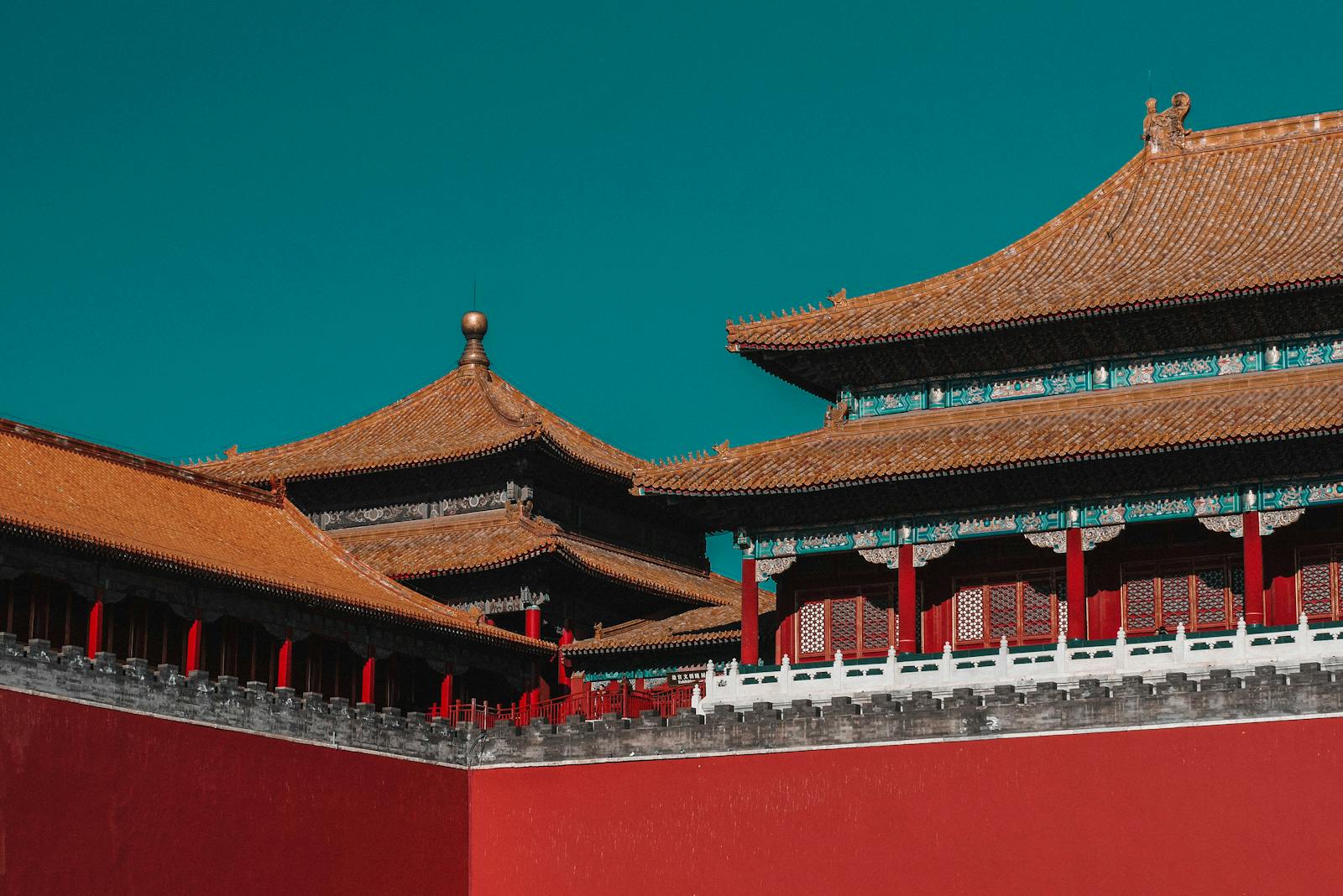
Arrive early — ideally at the South Gate by 8:30am. The Forbidden City (Palace Museum) covers 180 acres and contains 980 buildings; you can spend three hours in here and still miss significant sections. Book tickets online before you travel via the official Palace Museum website (quota: 80,000 visitors per day, and it sells out). Standard entry is ¥60 for adults.
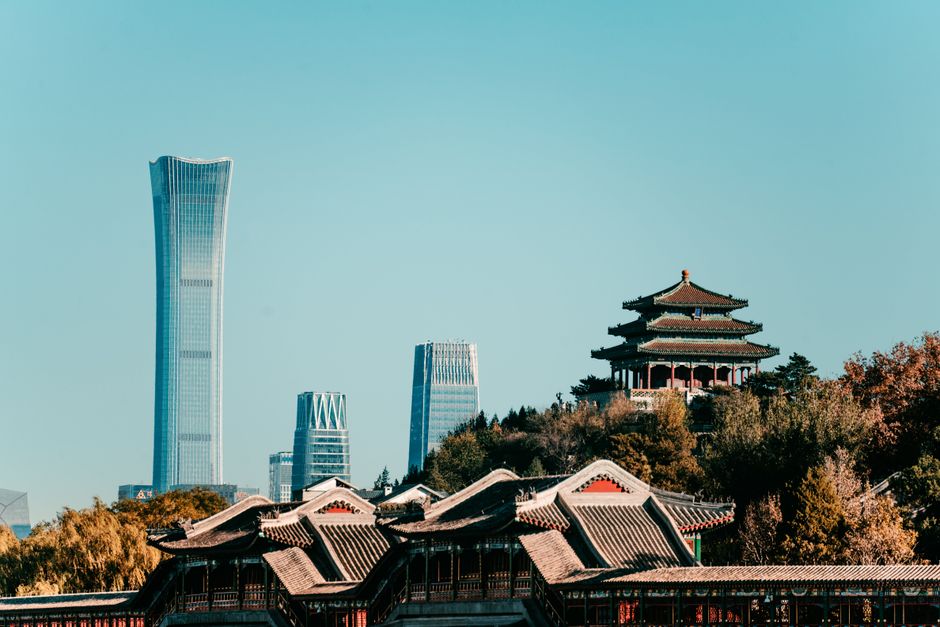
After the Forbidden City, cross through Jingshan Park directly north — the hill gives you the best aerial view of the palace complex, and it costs ¥2. Have lunch in the Gulou area. In the evening, walk Nanluoguxiang hutong or head to Wangfujing for the food street.
Day 2: Great Wall at Mutianyu
Get to Mutianyu, not Badaling. Badaling is closer and more famous, but it’s also the most crowded section by a wide margin — particularly on weekends and national holidays. Mutianyu is a 90-minute drive from central Beijing, has a cable car up, a toboggan run down (optional and worth doing), and far fewer people. Budget most of the day for this.
Return to Beijing by late afternoon. The drive back through the mountains takes longer than you expect when you’re tired. Dinner in Sanlitun or back near your hotel.
For transport options and costs for the Wall trip, the Beijing transportation guide covers buses, taxis, and tour options with current fares.
Day 3: Temple of Heaven and Hutongs
The Temple of Heaven complex is large and often overlooked in itineraries that front-load the Forbidden City. Arrive at 8am when locals are doing tai chi in the surrounding park — this is genuinely one of the best free sights in Beijing. Admission to the park is ¥15; full complex ticket is ¥35.
After lunch, head to Nanluoguxiang or Shichahai hutong areas for a few hours on foot. If you want a guided rickshaw tour, they run around ¥200–300 for a 90-minute circuit. Finish the day at the Drum Tower (¥30) for the evening bell ceremony.

5-day Beijing itinerary
Five days is where Beijing stops feeling like a checklist and starts feeling like a trip. You’re not rushing between sites with one eye on the clock. You can eat a proper lunch instead of grabbing something between queues. You can get lost in a hutong on purpose.
Day 4: Summer Palace and the north-west
The Summer Palace (Yiheyuan) sits on Kunming Lake about 12km from central Beijing — roughly 30 minutes by subway on Line 4. Ticket is ¥30 in low season, ¥60 in peak season. The Long Corridor alone is 728 metres of painted ceilings; budget two to three hours minimum. Hire a boat on the lake in summer if you want a break from walking.
On the way back, stop at the Old Summer Palace (Yuanmingyuan) ruins — the burned-out European baroque fountains are deliberately left unrestored and are unexpectedly moving. Ticket ¥25.
Day 5: 798 Art District and Lama Temple
Start the morning at Yonghe Temple (Lama Temple) — one of Beijing’s most active Tibetan Buddhist monasteries. It’s genuinely in use, not just a tourist attraction. Arrive before 10am to see worshippers. Entry ¥25.
After lunch, take a taxi or DiDi to 798 Art District in Chaoyang — a converted munitions factory complex that now houses galleries, studios, and decent coffee. It’s free to wander, and there’s usually something worth seeing at UCCA (Ullens Center for Contemporary Art). Finish in Sanlitun for dinner and drinks.
If you’re travelling solo, this is also a good day to work out your style — the Beijing solo travel guide has practical advice on getting around independently and where solo travellers tend to base themselves.
7-day Beijing itinerary
A full week in Beijing rewards the patient traveller. You’ve already done the big sites — now you can go somewhere without consulting a guide.
Day 6: Ming Tombs and Changling
The Ming Tombs (Shisanling) are usually combined with a Mutianyu day trip by tour operators, but if you’ve already done the Wall separately, the tombs deserve their own half-day. Changling is the largest and best preserved; Dingling has an underground palace you can walk through. Tickets ¥45–65 depending on which tombs you enter.
Day 7: Beihai Park, Drum and Bell Towers, slow finish
Beihai Park, just north of the Forbidden City, dates to the 10th century and feels nothing like the imperial sites you’ve already seen — it’s designed for leisure, not ceremony. The White Dagoba is photogenic, the lake is peaceful, and in summer you can hire a paddle boat. Entry ¥10 (low season) or ¥15 (peak).
Walk north to the Drum Tower and Bell Tower. Performances at the Drum Tower happen several times daily (¥30 combined ticket). The climb is steep and the views over the hutong rooftops are worth it. Spend the final afternoon wandering without a plan.

Factors that should change your answer
The 3/5/7 framework assumes a reasonably mobile adult travelling without major constraints. Several things should push you longer:
Travelling with children
Add at least one extra day per child if they’re under 10. Sites are large, queues are real, and kids need genuine downtime between full-on cultural days. The Beijing with kids guide covers which sites are genuinely good for families (Beihai Park, the Natural History Museum) and which eat up time with little payoff for younger visitors.
Travelling solo
Solo travellers often find they move faster through sites but slower through logistics — organising a day trip to the Wall takes more effort on your own than as part of a group. Budget your time accordingly. DiDi (the Chinese Uber equivalent) works without Chinese to navigate it, but having offline maps and a translation app ready saves friction.
Travel season
The best time to visit Beijing matters more than you might expect. Visit during Chinese national holidays (Golden Week in October, Spring Festival in January/February) and your actual sightseeing time per day drops significantly — queues at the Forbidden City can be 90 minutes just to enter. Add a day to your plan if you’re travelling during peak periods.
Accessibility needs
Beijing’s major sites involve substantial walking on uneven surfaces. The Forbidden City, in particular, has a lot of steps and very little shade in summer. Build extra recovery time into the schedule if this applies to you. The Beijing accessibility guide has site-by-site details on what’s genuinely manageable and where you’ll need workarounds.
First-time visitors
If this is your first time in China — not just Beijing — expect the first day to absorb more mental energy than you’d predict. Language, payment systems (WeChat Pay dominates, cash is secondary), navigation without Google Maps: none of it is hard, but there’s an adjustment period. The guide for first-time visitors covers exactly what to set up before you arrive so you’re not losing hours on day one to logistics.
Where to stay based on your trip length
For three days, staying near Wangfujing or inside the Second Ring Road puts you walking distance from Tiananmen, the hutongs, and easy subway access everywhere else. For five days or more, you have flexibility — Sanlitun is good if you’re interested in food and nightlife, Nanluoguxiang area is better if you want character. The where to stay in Beijing guide breaks down all the main neighbourhoods with honest assessments of each.
Budget roughly ¥400–800 per night for a mid-range hotel in a central location — less if you’re in a hostel, significantly more for international chains. For a fuller breakdown, the Beijing travel budget guide covers daily costs across budget, mid-range, and comfortable categories.
Combining Beijing with other Chinese cities
Beijing sits on major high-speed rail routes. Shanghai is 4.5 hours by G-train (seat from around ¥550 second class). Xi’an is 4–5 hours and gives you the Terracotta Army, which genuinely warrants the detour. Chengdu is about 8 hours. If you’re combining cities, the Beijing portion of a longer China trip tends to work better as the first stop — the city is easier to navigate than Shanghai for most first-timers, and getting the Great Wall done before you’ve accumulated travel fatigue makes sense.
Factor in travel days when calculating your Beijing time. Taking the train to Xi’an on a late afternoon service means your last effective day in Beijing ends at lunch — adjust your itinerary so you’re not scrambling to fit a major site into a half day.

Packing considerations by trip length
Three days in Beijing is light-luggage territory — you don’t need much. Five to seven days is where you start thinking about comfortable walking shoes (you’ll average 15,000–20,000 steps on full sightseeing days), layers for variable weather, and whether to pack a compact umbrella. The Beijing packing list is organised by season and trip type, so you can cross-reference with your dates.
Day-by-day logistics: what actually takes time
One thing itinerary guides rarely mention: Beijing’s sites are further apart than they look on a map. The city covers 16,410 square kilometres. Even within the tourist core inside the Fourth Ring Road, getting from the Temple of Heaven to the Summer Palace is 45 minutes by subway on a good day. Factor in queuing, eating, and the fact that you will want to stop and look at things, and you are losing two to three hours per day to transit if you are not strategic about grouping sites geographically.
Rough geographic clusters that make scheduling sense:
- Central imperial axis: Tiananmen Square, Forbidden City, Jingshan Park, Beihai Park, Drum and Bell Towers — all within 30 minutes on foot
- South-central: Temple of Heaven, Dashilar shopping street, Panjiayuan antique market — half-day area
- North-west: Summer Palace, Old Summer Palace — full afternoon, pair with Haidian cafes nearby
- North-east: Lama Temple, Confucius Temple, 798 Art District — half-day, ends naturally in Sanlitun
- Great Wall day trip: Full day regardless of which section you choose
Three days means staying on the central axis and doing one day trip. Five days lets you work through two or three clusters. Seven days covers all of them with room for spontaneous diversions.
Do not underestimate how long good meals take
Beijing’s food scene is excellent — and slow at the restaurants worth going to. A Peking duck dinner at a proper spot (Da Dong, Quanjude, or the smaller neighbourhood places locals actually prefer) takes two hours including travel, ordering, and eating. Jianbing from a street cart takes five minutes. The Beijing food guide covers both ends of the spectrum, but the point is: budget time for eating as part of your day, not as a break from it.
For tight three-day itineraries, grabbing lunch near whichever site you are at saves 30–45 minutes of transit each day. Over three days that is an extra hour and a half of sightseeing time — roughly the same as visiting an additional medium-sized attraction.
Beijing itinerary for solo travellers
Solo travel in Beijing is straightforward. It is one of the safer large cities for independent travellers anywhere in the world, and the subway system is easy to navigate even without Chinese. The Beijing solo travel guide covers the specifics: which apps to download, how to handle payment without a Chinese bank account, and where solo travellers tend to meet other people if that matters.
The one solo-specific itinerary note concerns the Great Wall. Going independently to Mutianyu involves a bus to Huairou and then a minibus to the cable car station, which is doable but slower than a private car. Budget an extra 45 minutes each way compared to a group sharing a taxi. Some solo travellers book through a hostel day trip — it removes the logistics, though you lose the flexibility of setting your own pace on the Wall itself.
Visa and entry: sort this before anything else
Most Western passport holders can enter China visa-free for up to 15 days as of 2025 — the list of eligible nationalities has expanded significantly. If you qualify, this removes a significant pre-trip admin burden. If you do not, or if your trip runs longer than 15 days, you need to apply in advance. The Beijing visa requirements guide has current eligibility by nationality, processing times, and what to do if your plans change after you have already applied.
Sort the visa before you start building your itinerary. Nothing wastes planning energy faster than designing a seven-day trip and then discovering your nationality requires a 30-day lead time for the application.
The honest verdict
If you can spare five days, take five days. The difference between three and five days isn’t just two more sites — it’s the difference between a trip where you remember sprinting and a trip where you remember Beijing. The Forbidden City alone, done properly with time to sit in the Outer Court before the crowds arrive, is worth an entire morning. The Great Wall deserves a day where you’re not exhausted from the day before.
Three days produces good photos. Five days produces a good trip. If you’re already committed to three, use this guide to prioritise ruthlessly — and come back.
Safety and practical planning
Beijing is a very safe city for tourists — violent crime targeting visitors is genuinely rare. The practical risks are the ones that trip up all first-timers in China: payment apps, VPN requirements for Google and social media, and the occasional aggressive tout near major tourist sites. Review the Beijing safety tips guide before you travel — it takes 15 minutes and covers the specifics worth knowing.
Also worth sorting before departure: travel insurance. Medical care in Beijing is good at international hospitals but expensive without coverage. The Beijing travel insurance guide explains what to look for in a China-specific policy and which scenarios are most likely to catch travellers out.