Beijing Imperial Landmarks & Historical Sites
Beijing’s Imperial Landmarks & Historical Sites: Complete Guide
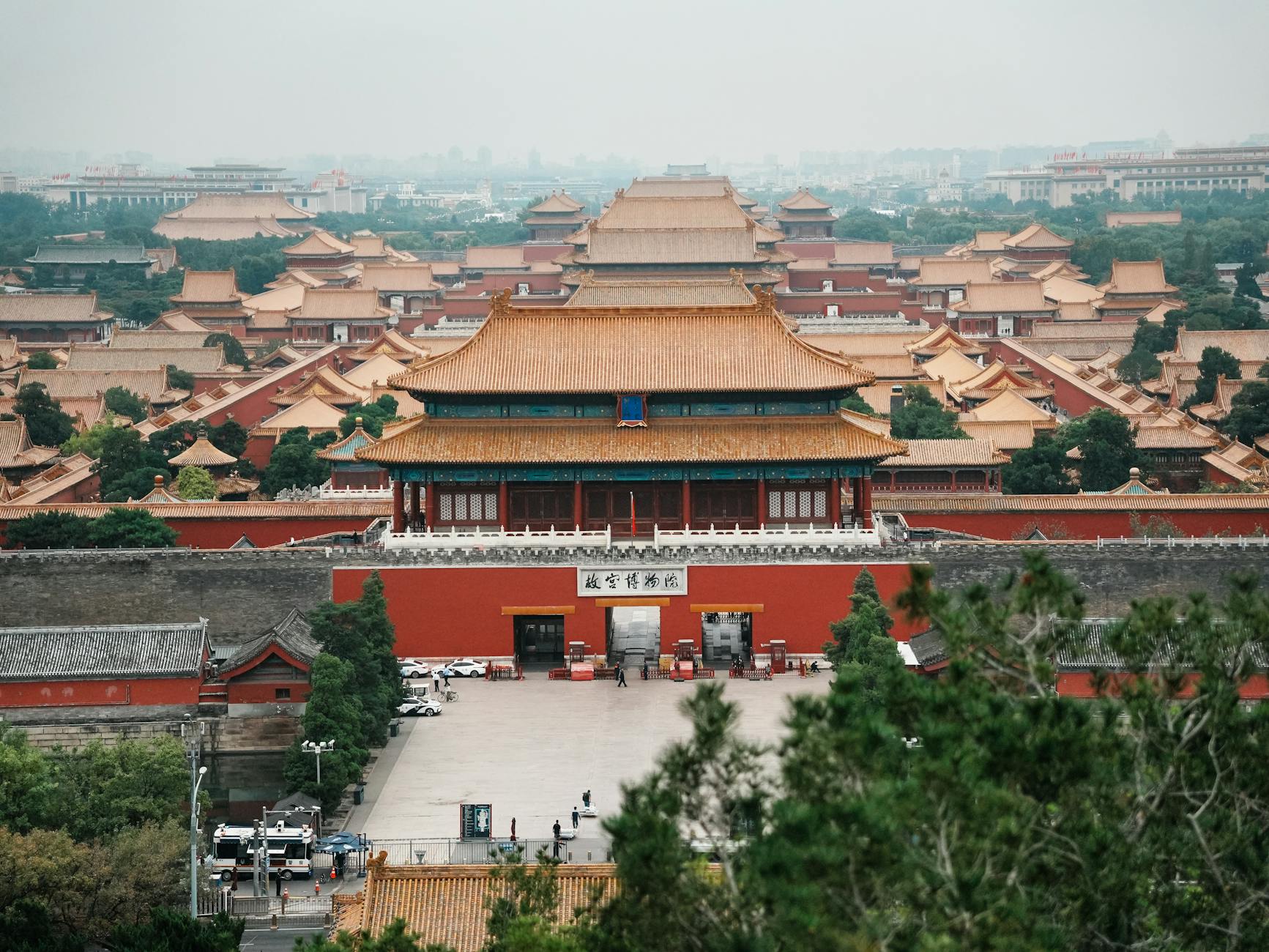
Beijing has been a capital city for over 800 years, and the weight of that history is physically present in a way that few cities can match. Eight UNESCO World Heritage Sites within the city limits. A central axis that was planned in the 13th century and still organises the city today. Palaces, temples and tombs built on a scale that was meant to express the authority of Heaven itself. This guide walks through the ten most important imperial landmarks, with the honest, practical detail you need to visit each one well — not a list of superlatives, but a real account of what’s worth your time, what to skip, when to go, and how long each place actually takes.
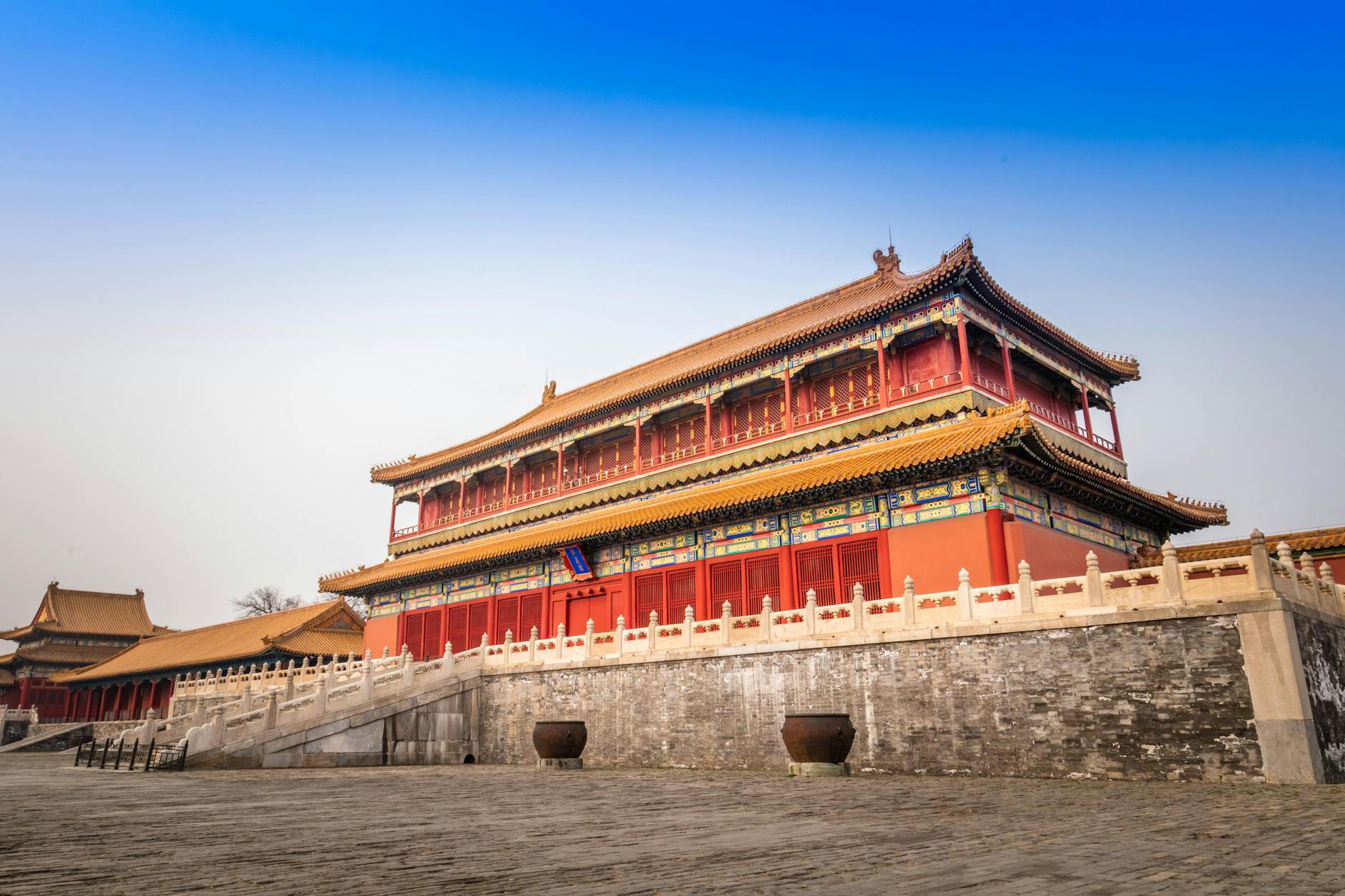
How Beijing’s history is laid out
Beijing became the permanent capital of China under the Yongle Emperor of the Ming Dynasty, who moved the court here from Nanjing and between 1406 and 1420 built the Forbidden City at the centre of an entirely new city. That city was organised around a north-south Central Axis — a 7.8-kilometre ceremonial spine running from the Yongding Gate in the south through Tiananmen Square and the palace all the way to the Drum and Bell Towers in the north. UNESCO inscribed the Central Axis as a World Heritage Site in 2024, recognising it as one of the most coherent examples of imperial urban planning anywhere on Earth.
Most of the major sites in this cluster fall along or very close to that axis. Understanding the geography makes the sightseeing logical: Tiananmen Square and the Forbidden City are the centre; Jingshan Park and Beihai Park lie immediately to the north and northwest; the Drum and Bell Towers anchor the northern end; the Temple of Heaven sits to the south. The Summer Palace and the Ming Tombs are further out — half-day trips in their own right. The National Museum of China and the Palace Museum’s galleries are inside the Forbidden City complex itself. Once you see how they fit together, planning a week of imperial Beijing becomes much simpler.
The Forbidden City
The palace is the reason most people come to Beijing. It was the home of 24 emperors across the Ming and Qing dynasties, a 72-hectare walled complex of 980 surviving buildings that ordinary people could not enter for nearly 500 years. Today it operates as the Palace Museum, and it remains the single most important sight in the city. Tickets are online-only, released seven days in advance, tied to your passport, and priced at ¥60 in peak season (April–October) or ¥40 off-peak. The palace closes every Monday except public holidays. The daily cap is 40,000 visitors — which is why booking the moment your date opens is not optional.
The sensible route runs south to north along the central axis — Meridian Gate in, Gate of Divine Prowess out — with a detour east to the Treasure Gallery and Clock Gallery, which hold the finest objects in the collection. Plan three hours for the main axis; half a day to do it properly. The complete Forbidden City guide covers booking, the best walking route, what to skip, crowd timing, and how to combine it with the sites immediately around it.
Tiananmen Square
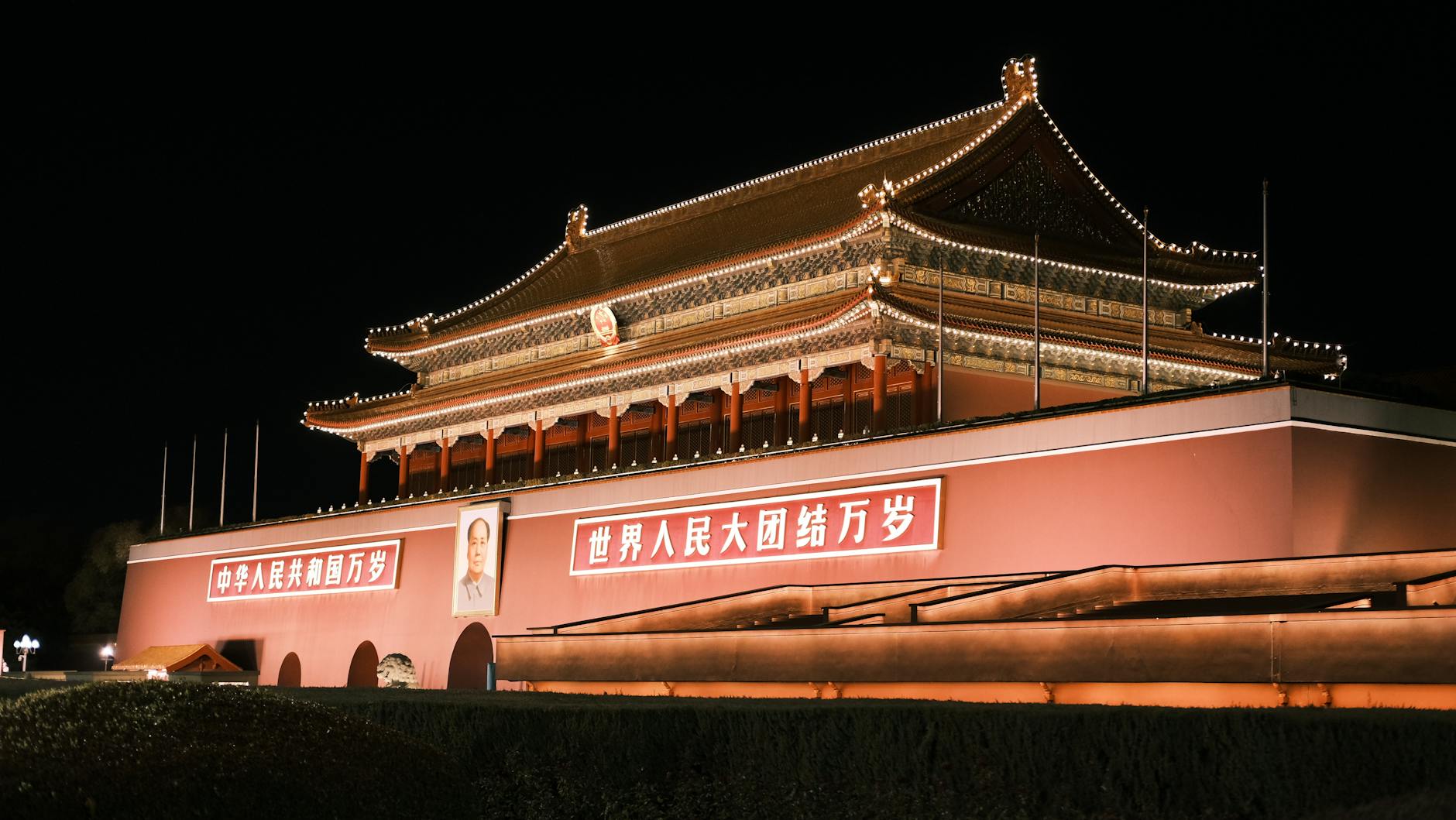
At 44 hectares, Tiananmen Square is the symbolic centre of modern China and the ceremonial gateway to the imperial palace through the iconic Tiananmen Gate. The square itself is free, but since 2024 it requires a passport-based reservation through a WeChat mini-program — a step that catches a lot of visitors unprepared. The flag-raising ceremony at sunrise is worth the early alarm: it’s conducted with full military precision and draws a crowd that itself becomes part of the spectacle. The square is flanked by the Great Hall of the People on the west and the National Museum of China on the east, both worth factoring into your day. Full details, including exactly how to reserve and the best slot times, are in the Tiananmen Square guide.
Temple of Heaven
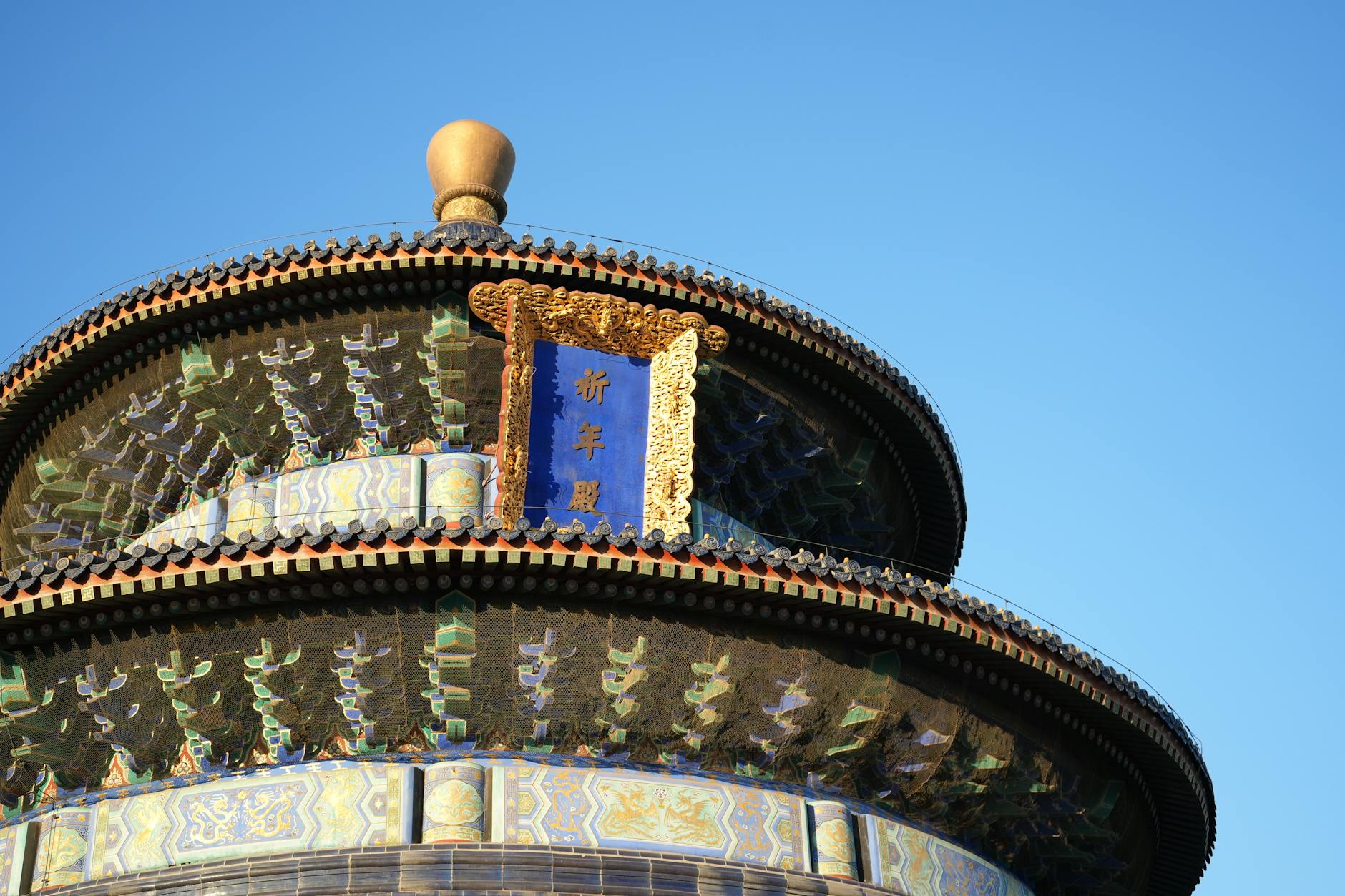
The Temple of Heaven is the most architecturally perfect thing in the city. Built in 1420 to the same brief as the Forbidden City — same emperor, same year — it served an entirely different purpose: this is where the Ming and Qing emperors performed the most sacred ritual of the imperial calendar, praying to Heaven for good harvests at the winter solstice. The park covers 273 hectares, nearly four times the size of the Forbidden City, and its ancient cypress groves fill each morning with locals doing tai chi, ballroom dancing, playing erhu, and competing fiercely at cards. Come for the architecture, stay for the park life.
The ¥15 park ticket does not get you into the three historic structures — you need the ¥34 through ticket (¥28 off-season). The Echo Wall and the resonating stones on the path to the Circular Mound Altar are worth the extra investment. Enter via the East Gate (Line 5, Tiantandongmen, Exit A2) and plan 2–3 hours. Our Temple of Heaven guide walks through the ticket system, the best route, the acoustics of each structure, and what to do in the park before the halls open.
Summer Palace
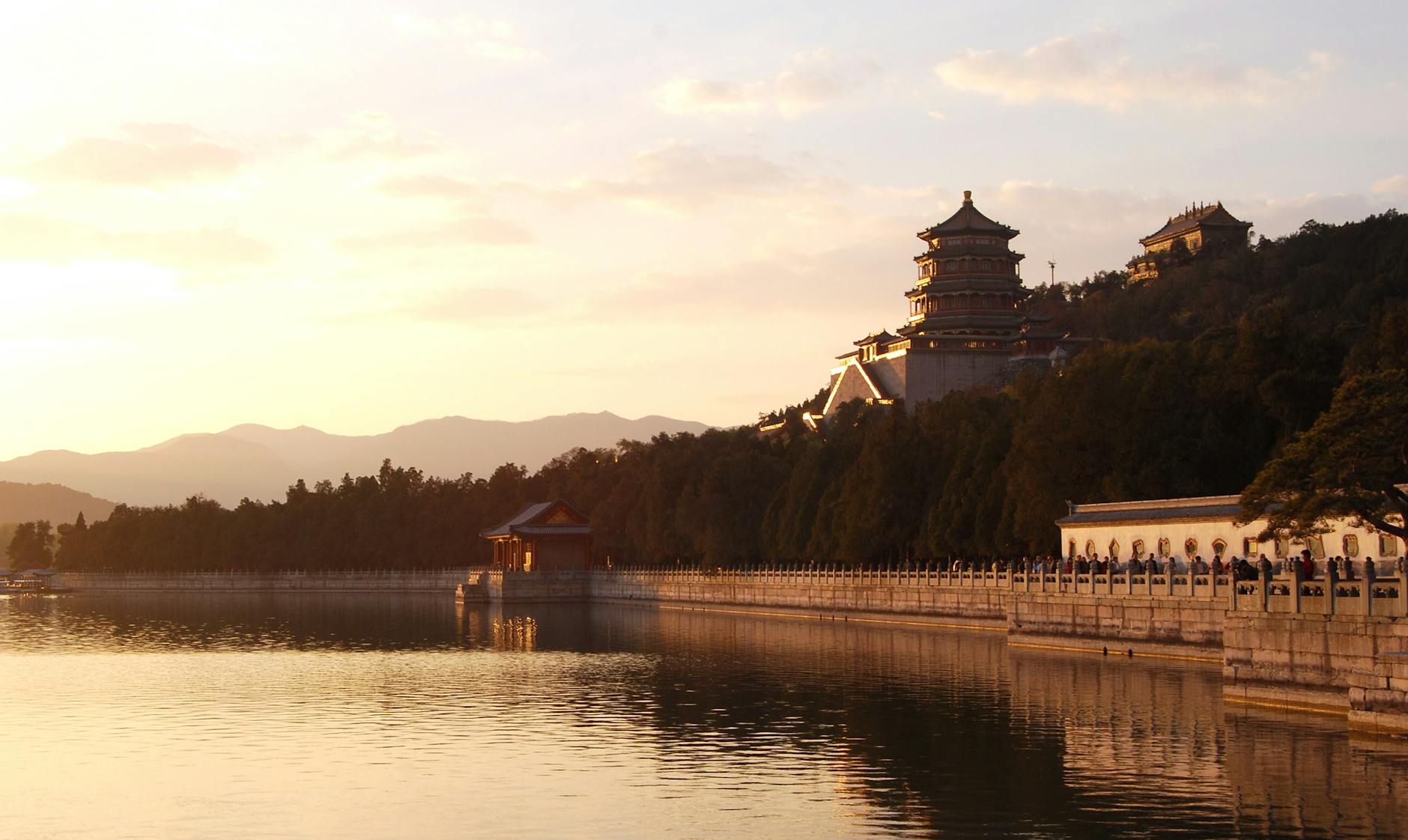
After the intensity of the Forbidden City, the Summer Palace is the antidote. One of China’s largest imperial gardens, and exceptionally well preserved, it spreads across 290 hectares in the northwest of the city, three-quarters of it water. The Empress Dowager Cixi, who essentially ran China for the last half of the 19th century, poured the naval budget into this place — and it shows. The Long Corridor alone, a 728-metre covered walkway painted with over 14,000 scenes, takes most of an hour to walk properly.
General admission is ¥30 (¥20 off-season); the comprehensive ticket covering all exhibition halls is ¥60. The palace opens at 6:30am — early enough that you can have the lake almost to yourself before the tour groups arrive around 9am. In winter, the frozen Kunming Lake sometimes opens for ice skating. Full planning detail — getting there from the city centre, what the Seventeen-Arch Bridge looks like at golden hour, how to combine with the Old Summer Palace ruins — is in the Summer Palace guide.
Jingshan Park
Cross the road directly north of the Forbidden City’s exit gate and you’re in Jingshan Park, a compact hill created from the earth dug out when the Forbidden City’s moat was built. From the Wanchun Pavilion at the summit, the whole palace lays out below you like a diagram — the symmetry of the courtyards, the colour of the roofs, the scale of it all, suddenly legible in a single view. It’s ten yuan and the best fifteen-minute walk in Beijing. Do it last on a Forbidden City day, or first thing in the morning when the hilltop choral groups are in full voice.
The park also holds a piece of dark history: the locust tree on the eastern slope marks where the last Ming emperor, Chongzhen, hanged himself in 1644 as rebels breached the city walls. It’s a sobering footnote to the grandeur below. Everything else you need — park hours, peony festival timing, the pavilion names, photography tips — is in the Jingshan Park guide.
Beihai Park
Beihai Park is older than the Forbidden City by four centuries — it dates to the Liao Dynasty in the 10th century, making it one of the longest-continuously-used imperial gardens in the world. It sits immediately west of the palace, centred on a lake with Qionghua Island in the middle and the 36-metre White Dagoba on top, a Tibetan-style stupa that has been one of Beijing’s skyline markers since 1651. Entry is ¥10 (park only) or ¥20 including Qionghua Island, and it pairs naturally with Jingshan Park and a late afternoon at the palace — the east gate of Beihai is five minutes from Jingshan’s west gate.
The Nine Dragon Screen here is one of only three remaining in China and arguably the finest. The Fangshan Restaurant inside the park serves imperial-style dishes that have been on the menu since the Qing court — expensive but worth a special occasion. The Beihai Park guide covers the full route, boat rides, seasonal highlights, and the best food spots nearby.
Drum Tower and Bell Tower
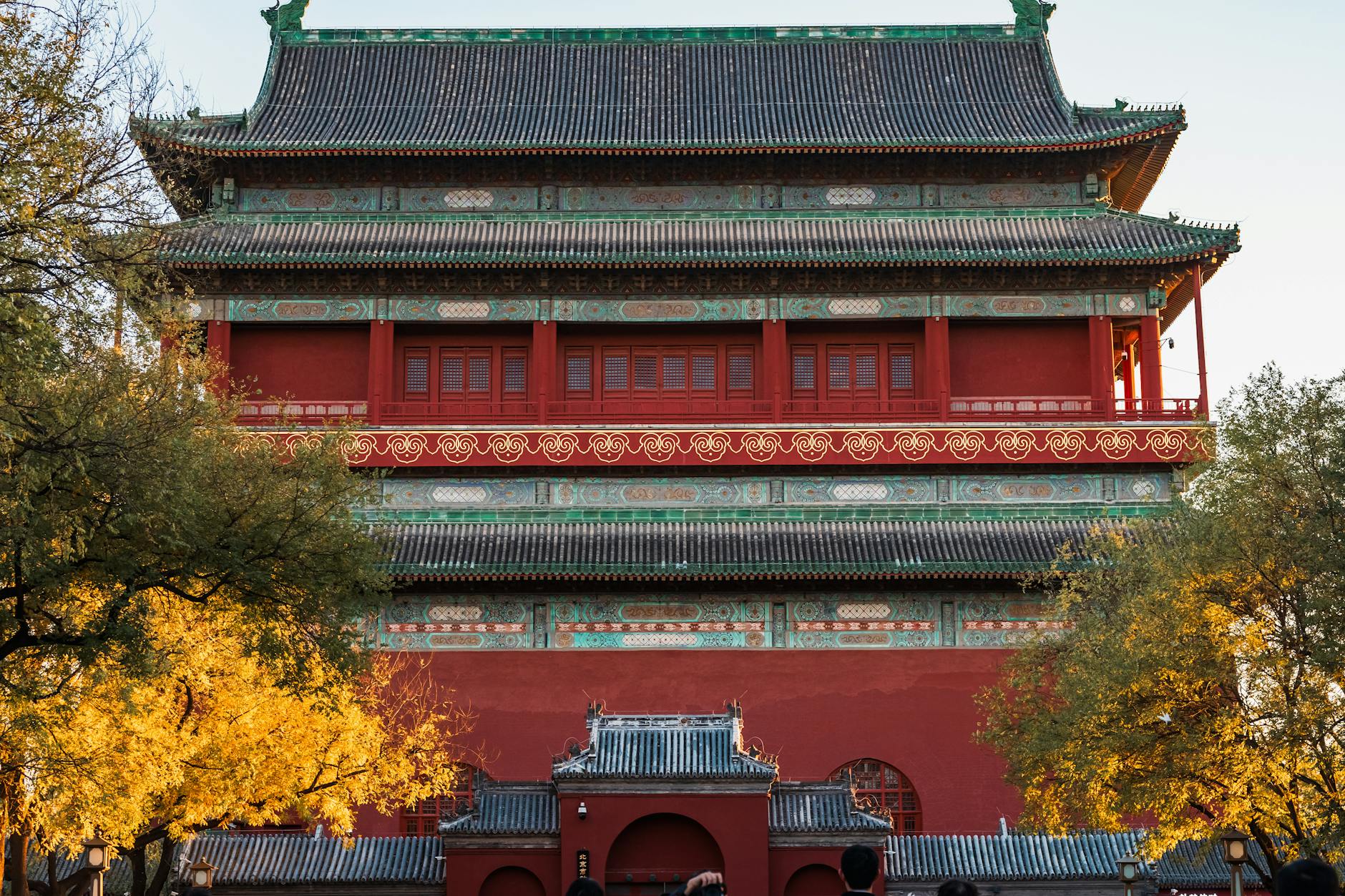
Two massive timber-and-brick towers at the northern end of the Central Axis, the Drum Tower (built 1272) and Bell Tower (built 1420) were Beijing’s official timekeepers for six centuries. The Drum Tower’s 25 enormous drums marked the hours; the Bell Tower’s 63-tonne bronze bell — one of the largest ancient bells in China — was struck to confirm the time across the city. Today the drumming performances run roughly on the hour, and the views from the top, over a sea of grey-tiled hutong rooftops with the Forbidden City axis stretching south, are the kind of panorama that repays the climb immediately.
The neighbourhood around the towers is one of Beijing’s best hutong areas, with Nanluoguxiang and Houhai a short walk away. Tickets are ¥20 for the Drum Tower and ¥15 for the Bell Tower. The Drum and Bell Towers guide covers performance times, the hutong walk, where to eat and drink in the area, and how to build an evening around the towers.
Ming Tombs
Fifty kilometres northwest of central Beijing, at the foot of Tianshou Mountain, 13 of the 17 Ming emperors are buried in a valley that was chosen by geomancers for its perfect feng shui — mountains to the north, open to the south, river running through. The approach along the Sacred Way, a 7-kilometre processional avenue lined with stone officials and animals, is one of the most atmospheric approaches to any historical site in China. Three tombs are open: Dingling (the only excavated underground burial chamber, where you walk into the actual vault of Emperor Wanli and his two empresses), Changling (the largest surface complex, built for the Yongle Emperor who built the Forbidden City), and Zhaoling (smaller and beautifully restored).
The tombs are almost always combined with a Great Wall day trip — Badaling is on the same road north. Dingling tickets are ¥60; Changling ¥45; Zhaoling ¥30; Sacred Way ¥30 (all peak season). Plan 2–3 hours for two tombs and the avenue. Full logistics for the day trip, including transport from central Beijing and timing with the Wall, are in the Ming Tombs guide.
National Museum of China
On the eastern edge of Tiananmen Square, the National Museum is the largest museum in the country and one of the most-visited in the world — free entry, but it requires advance reservation via WeChat and your passport. The Ancient China permanent exhibition in the basement is the reason to come: 1.4 million artefacts representing every major Chinese dynasty, from Neolithic jade axes through Han bronzes, Tang gold and Ming porcelain. Budget two to three hours minimum; the building is enormous and the upper floors have rotating special exhibitions that can add another hour or two.
The museum pairs naturally with Tiananmen Square and is a half-day in its own right. Our National Museum of China guide covers how to reserve, which halls to prioritise, where the queues bottleneck, and what to do when the special exhibitions are worth adding.
Palace Museum Treasures and Art Galleries
Most visitors walk the central axis of the Forbidden City and leave, not realising that the eastern side of the palace complex holds some of the world’s great art collections. The Treasure Gallery houses imperial regalia, gold vessels, court jewellery and ceremonial objects of breathtaking craft — you need a separate ¥10 ticket, booked at the same time as your main palace entry. The Clock Gallery, also ¥10, displays 18th-century mechanical timepieces collected by the Qianlong Emperor, some with working automata that perform at demonstration times.
The Qianlong Garden, adjacent to the Treasure Gallery, was the retirement palace the emperor had built for himself at age 65 — its four courtyards are more intimate and ornate than anything on the central axis, and it’s rarely crowded. Add at least 45 minutes to any Forbidden City visit for the eastern galleries. The Palace Museum treasures guide breaks down exactly what to look for in each gallery and how to plan the eastern side without rushing.
The Beijing Central Axis: how to walk it
Since the July 2024 UNESCO inscription, the Central Axis has had its own dedicated sightseeing bus covering the full 7.8-kilometre route. But walking it is more satisfying, if you have the stamina. Start at the Temple of Heaven at 7:30am — catch the park life before the halls open, then walk the sacred axis from south to north. Continue through Qianmen Gate to Tiananmen Square, entering the Forbidden City by mid-morning. Exit north into Jingshan Park for the panoramic view at golden hour, then finish at the Drum and Bell Towers for the evening drumming performance and dinner in the surrounding hutong neighbourhood. That’s a full, deeply satisfying day — and it covers the spine of 800 years of imperial planning in a single walk.
Practical planning
Book ahead: The Forbidden City and Tiananmen Square both require passport-based advance reservations. The National Museum needs a WeChat reservation. The Temple of Heaven has a digital system but rarely sells out. Most other sites are walk-up.
Best seasons: April–May and September–October are the sweet spots — comfortable temperatures and clear skies. Summer (June–August) is hot, humid and heavily crowded during holidays. Winter (December–February) brings the smallest crowds, ¥40 Forbidden City tickets, and the chance of snowfall that turns the palace into its most photogenic version.
Pacing: The Forbidden City alone needs half a day. Add Tiananmen Square, Jingshan and Beihai and you’ve filled two full days without rushing. The Summer Palace needs a third morning; the Ming Tombs, a day trip. Don’t try to pack everything into 48 hours — these places reward slowness.
Getting around: Almost every site here is reachable by subway. Line 1 connects Tiananmen East and West; Line 5 hits the Temple of Heaven. For the Summer Palace, Line 4 to Xiyuan is the standard approach. Full subway planning is in our rundown of how to get around the city, and for a base within walking distance of these sites, see our breakdown of Beijing’s hotel neighbourhoods.
Common mistakes — and how to avoid them
The Forbidden City and Tiananmen Square are the two that catch visitors out most. Both require passport-based reservations — different systems, different booking windows — and neither has a walk-up option. Sort both before you leave home. For the Forbidden City, tickets release at 8:00pm Beijing time exactly seven days ahead and sell out fast in peak season. For Tiananmen, the reservation opens nine days ahead via a WeChat mini-program. The National Museum of China also requires a WeChat reservation, though it rarely sells out.
A second common error: trying to do too many major sites in a single day. The Forbidden City alone takes half a day if done properly. Add Tiananmen Square in the morning and Jingshan Park afterwards and you’ve got a full, excellent day — but if you also try to fit in the Temple of Heaven and the National Museum, you’ll rush everything and enjoy nothing. The Temple of Heaven earns its own morning. The Summer Palace is best treated as a separate half-day. The Ming Tombs need a dedicated day trip. Resist the urge to compress.
Third mistake: ignoring the audio guide or any guide at all. The Forbidden City is vast and its signage is sparse. Without context, the courtyards blur into a repetitive sequence of similar-looking halls. With it — whether that’s the official audio guide (¥40, refundable deposit), the Palace Museum app, or a licensed human guide — the place comes alive. The same applies to the National Museum of China: 1.4 million objects need some curation or the visit becomes exhausting.
Getting the most from your budget
Several of these sites are genuinely cheap. Jingshan Park costs ¥10. Beihai Park is ¥10 (or ¥20 with Qionghua Island). The Temple of Heaven park entry is ¥15 — though you want the ¥34 through ticket for the buildings. Tiananmen Square itself is free (just requiring a reservation). If you are on a tight budget, a morning in Jingshan Park followed by the Drum and Bell Towers (¥20 and ¥15) and an evening walk through the surrounding hutong district costs almost nothing and shows you a side of Beijing most tourists miss.
The Forbidden City drops from ¥60 to ¥40 in off-season (November through March). That alone is a reason to consider a winter visit — combine it with the smaller crowds, the possibility of snow on the golden roofs, and the crisp, clear skies that Beijing gets in winter after the summer humidity lifts. Off-season, the Summer Palace similarly drops to ¥20 entry. The Ming Tombs don’t have off-season pricing, but they’re uncrowded year-round compared to the central sites.
Children under 1.2 metres enter most sites free. Students and seniors (over 60) often receive half-price admission — bring relevant ID. And if you visit the National Museum of China, remember it is entirely free; the only cost is your time booking the reservation slot in advance.
Many of the treasures that once filled these palaces now sit in museums. The guide to Beijing’s museums explains which collections are worth a half-day, how the free passport booking works, and which museums pair best with the landmarks covered here.
Detailed guides for each landmark
Each site in this cluster has its own in-depth page covering tickets, routes, crowd management, photography, food and practical tips:
- Forbidden City guide — booking, walking route, the eastern galleries, crowd timing
- Temple of Heaven guide — through ticket, the acoustics, morning park life
- Summer Palace guide — Long Corridor, lake views, combining with Old Summer Palace
- Tiananmen Square guide — reservation system, flag ceremony, what’s inside
- Ming Tombs guide — Sacred Way, the three open tombs, combining with the Great Wall
- Jingshan Park guide — the summit view, the dark footnote, morning choir
- Beihai Park guide — White Dagoba, Nine Dragon Screen, Fangshan Restaurant
- Drum and Bell Towers guide — performance times, hutong walk, evening atmosphere
- National Museum of China guide — reservation, Ancient China gallery, special exhibitions
- Palace Museum treasures guide — Treasure Gallery, Clock Gallery, Qianlong Garden
For the broader context of planning a Beijing trip — transport from the airport, visa requirements, where to stay, day trips — see our city-wide overview. If your visit includes religious and ceremonial sites beyond the imperial cluster, our roundup of Beijing’s working temples and shrines covers the Lama Temple, Confucius Temple, and others. And for the neighbourhoods surrounding many of these landmarks, our guide to the old lane districts will be useful — the areas around Jingshan, Beihai, and the Drum Tower are among the best-preserved in the city. And if you are here largely to photograph the imperial city, our list of the viewpoints that actually work says where to stand and at what hour.