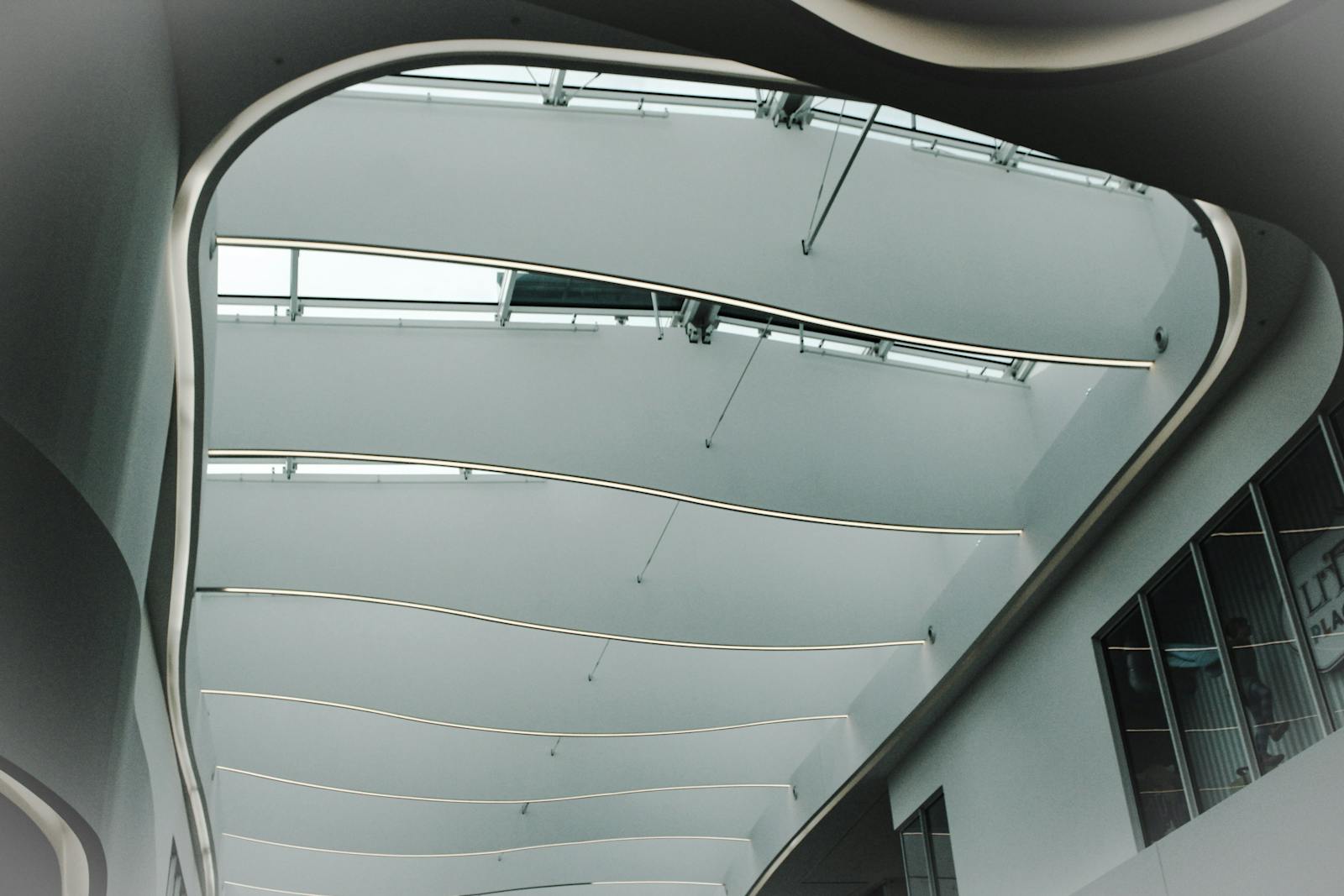
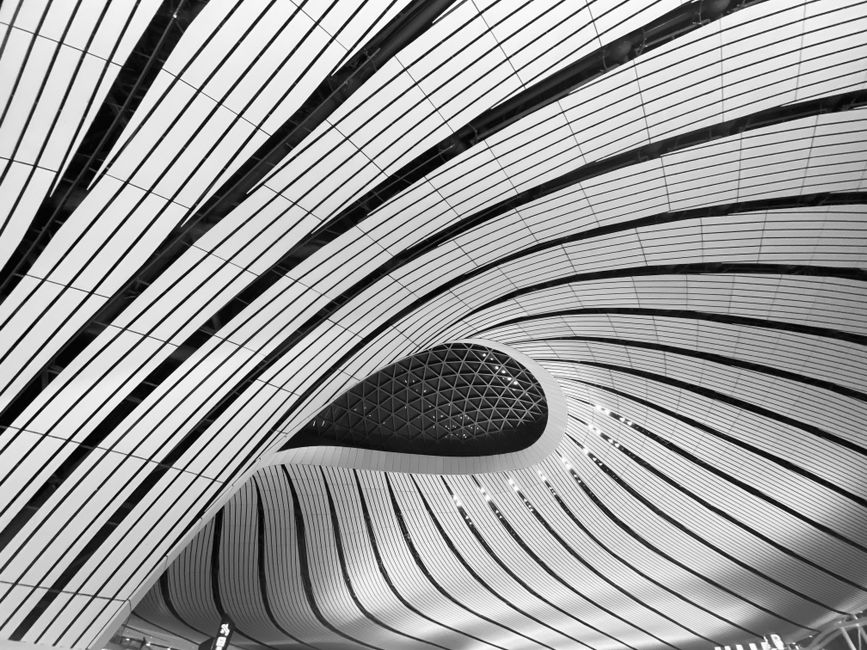
Beijing Daxing International Airport (PKX) opened in September 2019 as Beijing’s second international airport, designed by the late Zaha Hadid as a six-armed starfish-shaped megastructure 46 km south of the city centre. Daxing is significantly newer, faster through immigration, and architecturally one of the most striking airports in the world. It primarily serves SkyTeam carriers — China Eastern, China Southern, Air France, KLM, Delta, Korean Air — and an expanding slate of Asian regional routes. If your flight is on a SkyTeam alliance airline or China Eastern/Southern, check your boarding pass carefully: you’re almost certainly landing at PKX, not PEK. They’re on opposite sides of the city and 80 km apart.
This Beijing Daxing Airport guide covers everything you need: terminal layout, arrival steps, all ground transport options to the city centre, airport services, and a frank comparison with Beijing Capital Airport so you know which suits your itinerary. Practical and current for 2026. Before you travel, also check your Beijing visa and entry requirements — your airline and entry port will both matter.
Beijing Daxing Airport at a glance
- Code: PKX (IATA) / ZBAD (ICAO)
- Location: Daxing District, 46 km south of Beijing centre
- Terminal: 1 single integrated terminal (six-arm starfish design)
- Annual passengers: ~30 million pre-pandemic capacity; designed for 100+ million
- Primary airlines: China Eastern, China Southern, Air France, KLM, Delta, Korean Air, Saudia, China United, Hebei Airlines, plus growing list of SkyTeam carriers
- Transit time to city: 19 minutes via Daxing Airport Express; 45–75 minutes by taxi/DiDi
- Best for visitors: SkyTeam-affiliated bookings, China Eastern/Southern flights
Daxing terminal design and layout
Daxing’s single terminal is shaped like a six-armed starfish radiating from a central hub. The design is intentional — every gate is within a 600-metre walk from the centre, and moving from one arm to another rarely takes more than 8 minutes. The terminal runs across 4 floors above ground and 2 below:
- L4 (Level 4): International departures check-in, security, gates
- L3: Domestic departures check-in
- L2: International arrivals (immigration, baggage, customs)
- L1: Domestic arrivals
- B1 (Basement 1): Ground transport — Daxing Airport Express, intercity rail, buses
- B2: Metro Line 19, additional rail platforms
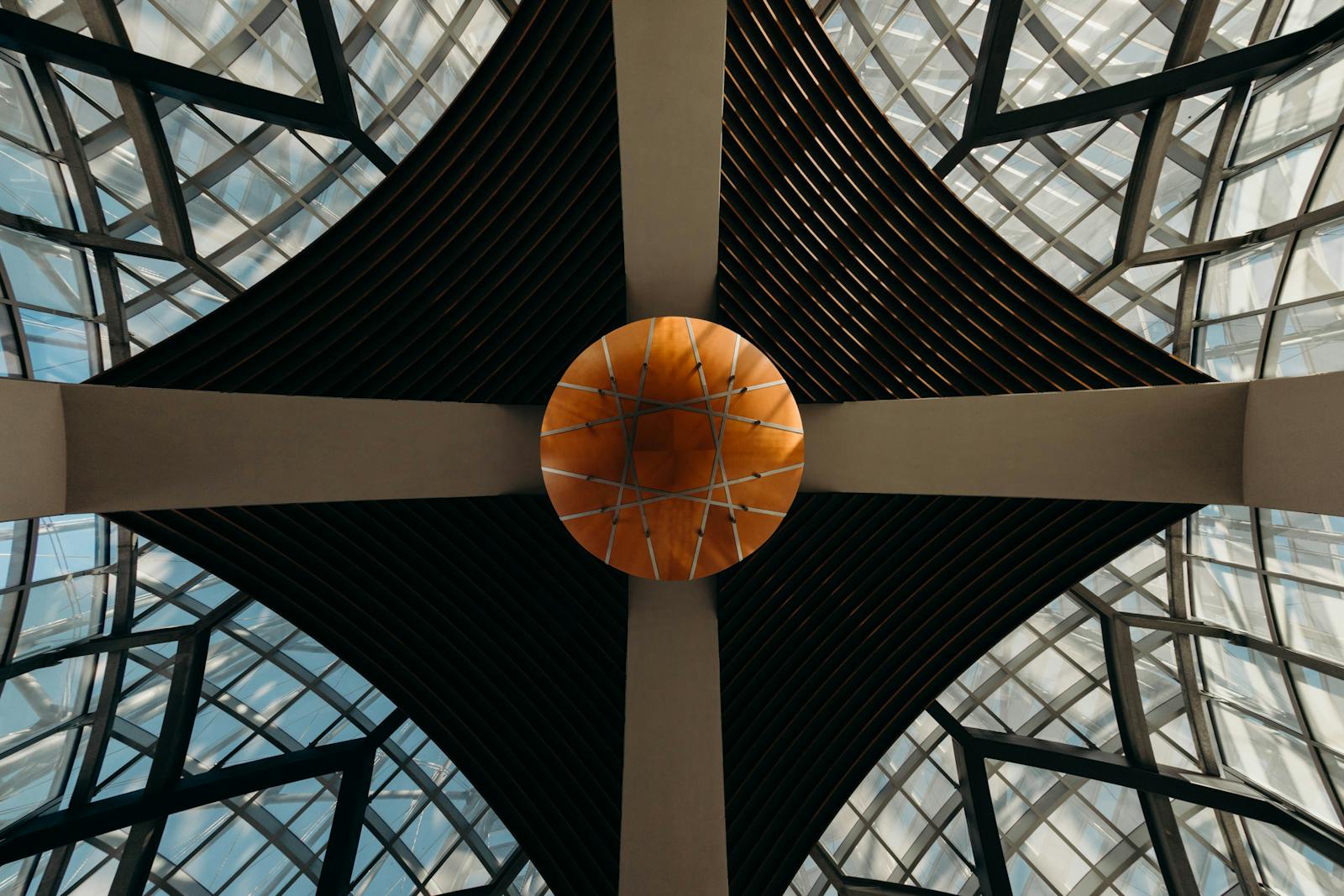
The architectural centrepieces — the central skylight courtyard, the geometric lattice of beams overhead, the sweeping views from the upper observation areas — are worth 15 minutes of your time even on a short connection.
Arrival process at Daxing
Step 1: Disembark and walk to immigration (5–15 minutes)
Daxing’s compact design means walks from gate to immigration are shorter than at PEK. International arrivals descend to Level 2.
Step 2: Immigration / fingerprinting (15–35 minutes)
Daxing’s immigration is generally faster than PEK’s — reports suggest a 30-minute average versus 60 minutes at Capital Airport for typical arrivals. The lane structure is the same:
- Foreign Passports / Visa-Free Entry
- 240-hour visa-free transit
- Diplomatic / Crew
Fingerprinting and photographing follow the same procedure as PEK. Both the 240-hour visa-free transit policy and the 30-day visa-free entry programme operate at Daxing.
Step 3: Baggage claim (10–20 minutes)
Modern carousels with reasonable handling speed.
Step 4: Customs (5 minutes typical)
Same Green/Red channel structure as PEK. Generally relaxed for tourists on leisure visits.
Step 5: Exit to ground transport
From customs, escalators and lifts drop you to ground transport on Level B1.
Getting from Daxing to Beijing city centre
Daxing Airport Express Line (the default choice)
For most solo travellers and couples, this is the obvious call: fast, cheap, air-conditioned, and completely unaffected by Beijing traffic jams. The Airport Express departs from Level B1 directly inside the terminal.
- Cost: ¥35 ($5) one-way; ¥45 package includes an onward metro transfer
- Duration: 19 minutes to Caoqiao station; around 30–40 minutes total to most central Beijing destinations once you factor in the metro interchange
- Frequency: Every 8–10 minutes, 6:00 AM to 11:00 PM
- Stops: Daxing Airport → Daxing Xincheng → Caoqiao (Line 10 interchange)
- Payment: Ticket machines inside the terminal; Alipay or WeChat QR codes; foreign Visa/Mastercard contactless now accepted at most gates
At Caoqiao, transfer onto Line 10 — the long loop line connecting Sanlitun, Guomao, and most major hotel districts — or ride Line 19 directly north toward Wangfujing. For hotels near Wangfujing or Dongcheng, budget 60–70 minutes door-to-door from the terminal.
Beijing–Xiongan Intercity Rail
An alternative high-speed option for travellers heading to the southwest of the city or onwards via Beijing West Railway Station:
- Cost: ¥30 to West Station; ¥35 to Daxing Station
- Duration: 28 minutes to Beijing West Railway Station
- Useful if your hotel sits southwest of Tiananmen — Fengtai, Xicheng, and Shijingshan are all faster this way
Metro Line 19
Line 19 connects Daxing Airport straight to Caoqiao (with ongoing northern extensions as construction continues). Priced at ¥10 for most city-centre journeys. It’s slower than the Airport Express and makes more stops, but it’s the economical option if you’re not in a rush.
Taxi
- Cost: ¥180–¥240 to central Beijing (Wangfujing area) plus a ¥10 expressway toll
- Duration: 50–90 minutes, traffic-dependent
- Rank location: Official taxi queue on Level 1, immediately outside the arrivals exit. Follow the English signage — it’s clearly marked.
- Important: Only use the official queue. Touts offering rides inside the terminal charge double or more. Same rules as at PEK.
DiDi
- Cost: ¥200–¥280 typical; higher during rush hour
- Pickup: Designated DiDi zones on Level 1 — check the app for your exact pickup bay number
- Foreign cards: International Visa and Mastercard now work directly in the DiDi English app; no Alipay required
Taxis and DiDi make sense for groups of three or four where the fare splits well, or if you’re travelling with oversized luggage that makes the metro awkward.
Airport shuttle buses
Multiple coach lines run from Daxing to various Beijing destinations — including Beijing South Railway Station, Beijing West Railway Station, and Tianjin. Fares typically run ¥40–¥60. Check current timetables on the airport’s official website before counting on these, as schedules adjust seasonally.
Services and facilities at Daxing
SIM cards and mobile connectivity
China Mobile and China Unicom both have staffed counters in the arrivals hall. Tourist SIM cards run from around ¥80 for a 7-day data-only package, ¥150+ for 30-day options. Bear in mind these SIMs route traffic through the Great Firewall — Instagram, Google, and WhatsApp won’t work without a VPN. For unrestricted access, set up an international eSIM before you fly. Free terminal Wi-Fi is available throughout Daxing, though SMS verification is often required, which can be fiddly with a foreign roaming number.
Currency exchange vs ATMs
Skip the airport currency-exchange counters — the rates are poor. Instead, withdraw RMB from an ATM on arrival: ICBC, Bank of China, and China Construction Bank machines at Daxing all accept foreign Visa and Mastercard with reasonable fees. If your home bank waives international fees (Charles Schwab, Starling, Wise, and similar), this is by far the cheapest option. Have some RMB cash on hand for the taxi toll and the first day of small purchases before you’re fully set up with Alipay or WeChat Pay.
Left luggage
Left luggage counters operate on both the arrivals and departures levels. Useful if you have an early arrival before hotel check-in or a late departure with time to spend in the terminal.
Dining airside
Daxing’s airside dining is a genuine cut above most airports. You’ll find Beijing food chains (including Quanjude duck), noodle bars, bubble tea kiosks, Western fast food, and several sit-down restaurants with views of the skylight courtyard. The architecture elevates even a quick bowl of noodles. Prices are airport-level — 30–50% above street price — but quality holds up well.
Duty-free and shopping
Smaller selection than PEK’s T3, but a solid range of Chinese and international brands. The retail design benefits from the same dramatic lighting and sightlines that run through the rest of the terminal.
Lounge access
Plaza Premium Lounge is the main pay-access option, available with Priority Pass and a day-rate entry fee. Air France/KLM operates its own lounge for business class passengers and Flying Blue elite members. Several SkyTeam carriers maintain airline-specific lounges. Rest pods are scattered near gates for shorter waits.
Transit hotel
Hotel WPM is the on-site airport hotel, physically connected to the terminal. It offers day rates for passengers with long layovers who want a proper bed and shower without leaving the building. For longer stays, or if WPM is full, the wider Daxing area has a growing cluster of business hotels a short taxi ride from the terminal (10–15 minutes, ¥30–50).
Wheelchair assistance and accessibility
Daxing was designed from the ground up with accessibility in mind. Lifts cover all floor transitions and step-free routes connect the terminal entrance to every gate. Wheelchair assistance is available on request through your airline at check-in, or by flagging any airport information desk. Accessible toilets are plentiful and consistently well-maintained — a clear step up from the older terminals at PEK.
Departing from Daxing
How early to arrive
- International flights: 3 hours before departure
- Domestic flights: 2 hours before departure
- Short connections (domestic to international): Daxing’s compact layout means transit walking is faster than at PEK — the 8-minute maximum between any two gates is a genuine advantage over multi-terminal airports
Check-in and security
Check-in halls on Level 3 (domestic) and Level 4 (international). Daxing’s facial-recognition systems accelerate security for domestic-Chinese travellers; international passengers use standard security lanes, and queues are typically shorter than at PEK’s T3.
Exit immigration
Same procedure as PEK. Generally faster due to lower overall passenger volumes at Daxing.
Daxing vs Beijing Capital Airport: which is better for you?
You usually don’t get to choose — your airline decides. But understanding the differences helps you plan the right ground transport and set accurate expectations.
| Feature | Daxing (PKX) | Beijing Capital (PEK) |
|---|---|---|
| Distance from city centre | 46 km south | 32 km northeast |
| Number of terminals | 1 (integrated) | 3 (T1, T2, T3) |
| Architecture | Modern (2019), Zaha Hadid | 2008 Olympic-era |
| Immigration speed | 20–40 min typical | 30–60 min typical |
| Airport Express to city | 19 min, ¥35 | 21 min, ¥25 |
| Total time to Wangfujing (typical) | 60–70 min | 45–60 min |
| Primary airlines | China Eastern/Southern, SkyTeam | Air China, Star Alliance |
| Lounge options | Plaza Premium, Air France/KLM, SkyTeam lounges | Air China Gold, multiple Star Alliance |
| Transit hotel on-site | Hotel WPM | Multiple (Novotel, Hilton, others) |
| Accessibility | Excellent (purpose-built 2019) | Good in T3, older in T1/T2 |
| Vibe | Modern, spacious, fast | Traditional Chinese hub, high volume |
Choose Daxing if: you’re flying SkyTeam (China Eastern, KLM, Delta, Air France, Korean Air), you value a calmer terminal and faster immigration, or you want an architecturally interesting airport experience. Choose Capital (PEK) if: you’re on Air China, Cathay Pacific, or Star Alliance, or your hotel is in northeastern Beijing — PEK’s closer distance shaves 15–20 minutes off the total journey.
For the full rundown on the older airport, see the Beijing Capital Airport guide. Once you’ve cleared customs, the Beijing transportation guide covers metro lines, bus passes, and taxi apps in detail.
Layovers at Daxing
Short layover (under 4 hours)
Stay airside. Daxing’s design makes terminal time genuinely pleasant — the central courtyard, the glass corridors, and the building’s sheer scale give you more to look at than most European hub airports.
Medium layover (4–8 hours)
Plaza Premium Lounge for a shower and a proper meal. Rest pods near gates for a nap. The observation areas don’t get old quickly.
Long layover (8+ hours)
Use the 240-hour visa-free transit if you qualify — eligibility depends on your passport nationality, so check the full visa guide before assuming you can leave the airport. Daxing’s southern location adds 45+ minutes each way to any city excursion, so for layovers under 10 hours the transit hotel or lounge is usually the smarter call. Hotel WPM’s day rate is the simplest option without leaving the building.
Practical tips for Daxing
Don’t arrive at Capital Airport by mistake
The single most common — and costly — error. PKX and PEK are on opposite sides of Beijing with no quick transfer between them. A cross-city taxi takes 90+ minutes and ¥350–¥500. Triple-check your boarding pass airport code before booking any transport.
Airport Express vs Line 19
The Airport Express (¥35, 19 min) is faster and more direct. Line 19 saves money but adds time with additional stops. During peak hours — 8–9 AM and 5–7 PM — the Airport Express’s reserved seating makes the higher fare worth it if you have luggage.
Which airlines definitely use PKX?
China Eastern and China Southern run all their Beijing flights from Daxing. Air France, KLM, Delta, Korean Air, and Saudia also use PKX consistently. A growing number of low-cost and regional Asian carriers have been allocated Daxing slots. If you’re on any of these airlines, assume Daxing unless your boarding pass explicitly shows PEK.
Plan for rush-hour timing on departure
Beijing rush hours — 8–9 AM and 5–7 PM — double or triple road journey times. The Airport Express is completely unaffected. If your departure falls in those windows and you’re taking a taxi or DiDi, add at least 30 minutes to your estimate.
Beijing Daxing Airport FAQ
Does Daxing have free Wi-Fi?
Yes, throughout the terminal. SMS verification is typically required, which works easily with a Chinese SIM but can be unreliable with foreign roaming numbers. An international eSIM sidesteps this entirely.
Can I sleep at Daxing Airport?
Yes. Free seating areas throughout the terminal, paid rest pods near gates, and Hotel WPM airside for passengers who want a proper bed. The terminal stays open 24 hours.
Is the 240-hour visa-free transit available at Daxing?
Yes. Both PKX and PEK are designated entry and exit ports under the 240-hour visa-free transit policy.
How do I transfer from Daxing to PEK for a connection?
By taxi: 90+ minutes, ¥350–¥500 depending on traffic. There’s no direct rail link — any route involves at least one interchange. Budget a minimum of 3 hours for any cross-airport transfer, ideally 4.
Are there showers at Daxing?
Yes — in the Plaza Premium Lounge, the Air France/KLM lounge, and the airport’s airside spa. Day-rate lounge entry is the most straightforward option for most passengers.
Where do I find help at Daxing?
Information desks on every level, staffed with English-speaking assistants. A police office on the arrivals level handles emergencies and customs disputes.
The bottom line on Beijing Daxing Airport
Daxing is the modern, fast, and architecturally extraordinary choice for international flights into Beijing — primarily SkyTeam carriers and a growing roster of Asian routes. Immigration typically clears faster than at PEK, the single terminal means no inter-terminal transfers, and the Daxing Airport Express to the city takes just 19 minutes. The trade-off is distance: Daxing sits 14 km farther from central Beijing than Capital Airport, adding roughly 15–20 minutes to your total ground journey.
For visa and entry questions before you fly, the 240-hour visa-free transit guide and 30-day visa-free entry guide are both worth reading if you’re eligible. Once you’ve landed and cleared customs, the Beijing transportation guide will get you moving around the city efficiently.