Getting Around Beijing
Navigating Beijing Without Chinese: Language Tips for Getting Around (2026)
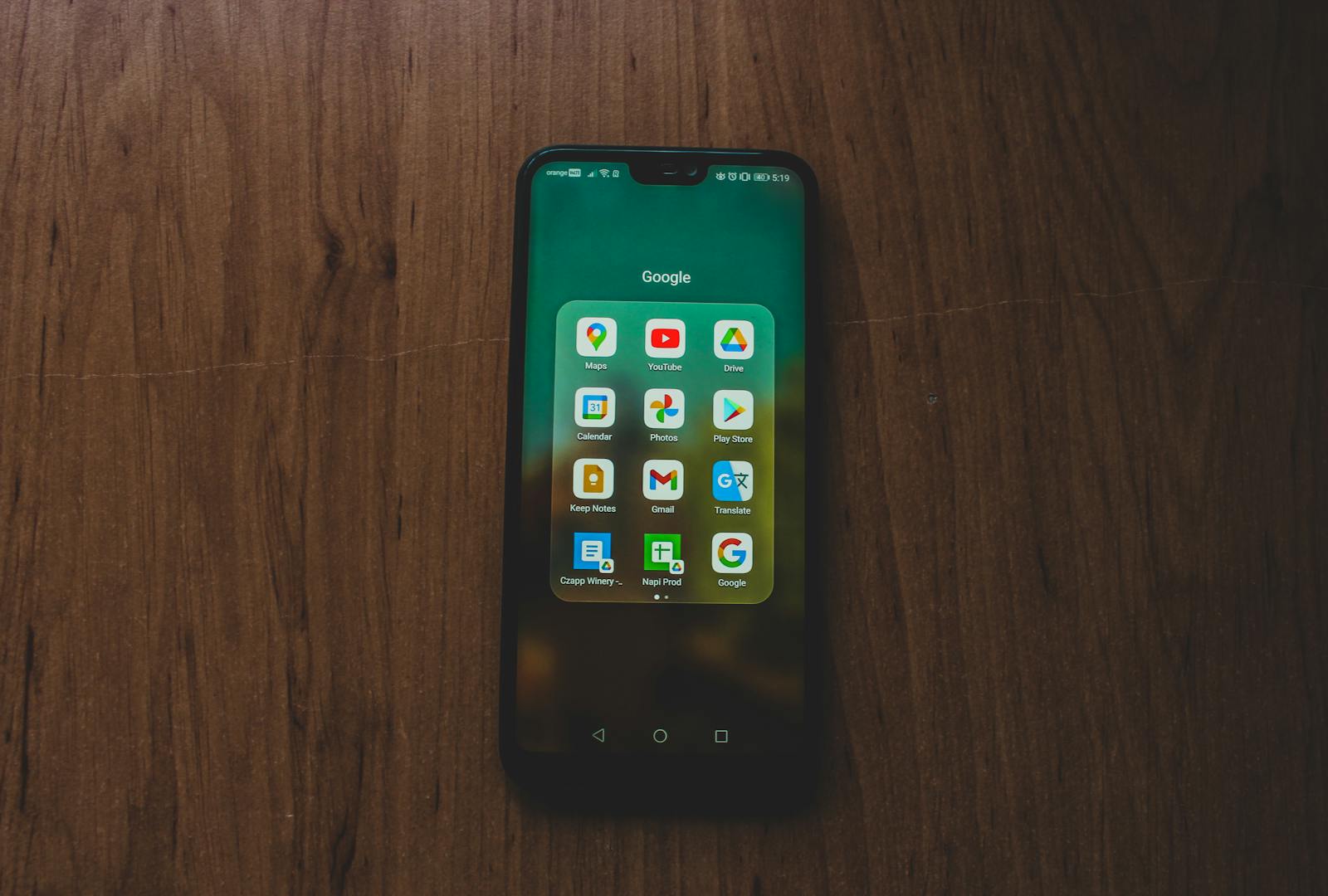
Navigating Beijing without Chinese is genuinely doable in 2026 — and far less stressful than most first-timers expect. Yes, the majority of Beijingers over 35 speak little or no English. But Beijing is also one of the most app-driven cities on earth, where translation tools with live camera modes, English-friendly metro signage, QR-code payments, and ride-hailing apps with built-in translation handle 90% of daily friction before it even starts. The result: getting around Beijing without Chinese is easier than navigating most Latin American or Eastern European cities, where the same apps are less embedded in everyday life. This is part of our broader look at how to move around the capital — because transport and language overlap the moment you step off a plane.
Here’s the practical playbook: which apps to install, which phrases to memorise, how to handle restaurants, taxis, hotels, and emergencies — plus the cultural cues that smooth interactions when neither side speaks the other’s language.
Beijing language barrier: what to actually expect
Honest expectations before you fly:
- Hotel staff at 3–5 star international properties: Basic to fluent English. Check-in, taxi requests, room service — all handled without issue.
- Budget hotels and hostels: Backpacker hostels usually have English-speaking staff. Budget hotels are hit-and-miss.
- Tourist-zone restaurants: Frequently basic English and picture menus. Ordering by pointing works universally.
- Local neighbourhood restaurants: Rarely any English. Google Translate’s camera mode and picture menus close that gap quickly.
- Taxi and DiDi drivers: Almost never English. Solved by typing your destination into the ride app — no spoken exchange needed.
- Metro and airport staff: Usually basic English at major stations. All signs are bilingual.
- Younger Beijingers (under 30): Often functional English from school — a genuine resource when you’re stuck.
- Older Beijingers (over 50): Rarely speak English. Patience, smiles, and translation apps work every time.
- Police and government staff: Some English at major tourist areas. Translation apps and the tourist hotline bridge the rest.
The pattern holds everywhere: tourist-facing means some English; local means none. A few apps and a handful of phrases cover the rest.
Essential apps — install before you fly
Install all of these before you board. Several are difficult or impossible to download from inside China, and you want them cached with offline language packs ready when you land.
1. Google Translate (with offline Chinese downloaded)
The single most important app for any non-Chinese speaker in Beijing. Three features do the work:
- Camera mode: point your phone at any Chinese text — menu, sign, ticket machine — and the English translation appears overlaid in real time. Works offline with the Chinese (Simplified) language pack.
- Voice mode: speak English; the app speaks Chinese aloud; the other person responds; the app translates back. Slower than typing but works face-to-face.
- Conversation mode: back-and-forth between two languages with automatic detection. Useful when a local is trying to help and neither side shares a language.
Download the offline pack before flying: Settings → Tap to translate → Languages → Chinese (Simplified) → Download.
2. Pleco
The gold-standard Chinese-English dictionary for anyone spending more than a few days here. Type or handwrite a Chinese character and Pleco returns precise meanings, tones, stroke order, and example sentences. Works fully offline.
3. Specialty translation apps
- Papago (Naver) — handles printed Chinese text more cleanly than Google Translate in many cases.
- Baidu Translate — better on blurry photos and handwritten characters.
- WayGo — purpose-built for restaurant menus; 10 free offline scans per day.
- WeChat in-chat translation — long-press any Chinese message in WeChat, tap “Translate” for an instant English rendering.
4. Apple Maps (and Amap as backup)
Google Maps doesn’t work in mainland China. Apple Maps functions fine and displays in English. Amap (Gaode) is more precise for obscure local addresses but its English is partial — use Apple for navigation, Amap for tracking down hard-to-find spots.
5. DiDi (the English-language ride app)
DiDi eliminates the taxi language barrier entirely. Type your destination in English; in-app chat translates automatically between you and your driver. No spoken Chinese required at any point. See our DiDi Beijing guide for full setup and how to pay as a foreigner.
Other apps worth having
- Alipay with Tour Pass — universal QR-code payments; English modes for foreign cards.
- WeChat — messaging your hotel or local contacts; built-in translation in every thread.
- Trip.com — book hotels and trains in English with foreign cards accepted.
15 Mandarin phrases that handle 95% of interactions
You don’t need fluency. You need these phrases and the confidence to attempt them. Tones matter, but Beijingers are forgiving with non-native attempts — the effort signals respect and opens doors.
Greetings and basics
- Nǐ hǎo (你好) — Hello
- Xiè xiè (谢谢) — Thank you
- Bù kè qì (不客气) — You’re welcome
- Duì bù qǐ (对不起) — Sorry / Excuse me
- Wǒ bù dǒng (我不懂) — I don’t understand
- Wǒ tīng bù dǒng (我听不懂) — I can’t follow what you’re saying
Asking and answering
- Duōshǎo qián? (多少钱?) — How much?
- Tài guì le (太贵了) — Too expensive
- Yǒu yīng wén ma? (有英文吗?) — Do you have an English version?
- Cèsuǒ zài nǎlǐ? (厕所在哪里?) — Where is the bathroom?
- Wǒ yào zhège (我要这个) — I want this (point at item)
Declining and smoothing things over
- Bù yào (不要) — I don’t want it / no thanks
- Méi guān xì (没关系) — No problem
Numbers
- 1 = yī (一), 2 = èr (二), 3 = sān (三), 4 = sì (四), 5 = wǔ (五)
- 6 = liù (六), 7 = qī (七), 8 = bā (八), 9 = jiǔ (九), 10 = shí (十)
- 100 = yī bǎi (一百), 1,000 = yī qiān (一千), 10,000 = yī wàn (一万)
Practice them on the flight. Even approximate pronunciation gets you through most transactions.

Ordering food without Chinese
Restaurants are where the language barrier feels sharpest — and where workarounds work best. Six strategies, in order of reliability:
Strategy 1: Picture menus
Most tourist-zone Beijing restaurants have laminated picture menus. Point at what you want. Universally understood, no language needed.
Strategy 2: Google Translate camera mode
For text-only menus, hold your phone camera over the page and the app overlays English in real time. Approximate but readable. Use Pleco if a specific character isn’t translating cleanly.
Strategy 3: Chain restaurant anchors
Major Beijing chains — Quanjude for Peking duck, Haidilao for hotpot — have English menus or staff who know the tourist-friendly dishes. Use these as anchor meals while you build confidence for local spots.
Strategy 4: Photos of dishes you want
Save photos of dishes you’re after — Peking duck, dumplings, jianbing, mapo tofu. Show the photo at any restaurant. They’ll either bring it or point you somewhere that can.
Strategy 5: Convenience stores
7-Eleven, FamilyMart, and Lawson stock hot rice bowls, noodles, and sandwiches with English labels. Reliable for fast lunches when you don’t have time to negotiate a local menu.
Strategy 6: Guided food walks
Beijing food walking tours (Beijing Postcards, Lost Plate Tours) include translation as part of the deal. Worth doing early in your trip — you eat well, learn the ropes, and build confidence for the rest of your stay.
Getting around without Chinese
Metro
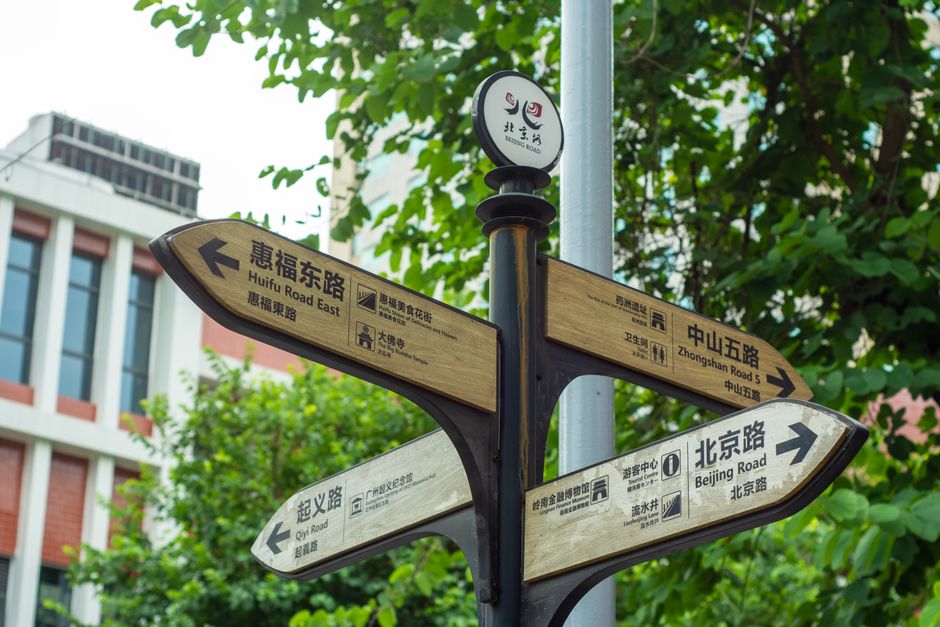
The Beijing Metro is the best transit system in China for English speakers. Every station name, sign, announcement, and ticketing machine runs in both languages. Read the colour-coded line map, follow the bilingual signs to your platform, pay via Alipay QR or a Yikatong card — no spoken exchange required at any point.
Taxis
Don’t hail taxis on the street if you can avoid it — communicating a destination without Chinese is genuinely hard. Our Beijing taxi guide covers the situations where street cabs make sense, but for most trips DiDi makes the language issue disappear entirely.
Buses
Beijing buses run Chinese-only signage with complex routes. Skip them unless you’re confident — the Metro and DiDi cover every destination you’d realistically need. If you want to explore bus routes, our Beijing bus guide has the practical details.
Walking
Beijing’s central districts — Dongcheng, Xicheng, Chaoyang — are very walkable. Apple Maps gives reliable English-language walking directions throughout. Save a screenshot of your hotel name in Chinese characters before heading out; show it to any local or driver if you get turned around.
High-speed trains
Booking intercity rail is easier than it looks. Trip.com and the China Rail app both have English interfaces. Station signage at Beijing South and Beijing West is bilingual. Our Beijing high-speed trains guide walks through tickets and departure boards as a foreign visitor — read it before any intercity trip.
Airport
Both Beijing Capital (PEK) and Beijing Daxing (PKX) have solid English signage. Immigration, baggage, and customs are all navigable without Chinese. The Airport Express from Capital Airport runs bilingual announcements and connects directly to the Metro. That matters most on a tight connection, and our layover guide has the timings.
Hotels without Chinese
At any 3-star-and-above international property, expect English at the front desk for check-in, room requests, restaurant bookings, and concierge services. Common interactions:
- Check-in: Hand over your passport. International hotels use English-language forms.
- Requesting a taxi: Ask at the desk, or use DiDi yourself from the lobby.
- Room service: Most international hotel menus have English descriptions.
- Booking tours: Hotel concierges at international properties handle English-language bookings reliably.
- Emergencies: Your front desk is the first call — they can connect you with English-speaking medical or police support.
Shopping without Chinese
Major malls (SKP, Indigo, China World) and brand stores (Apple, Uniqlo, Sephora) have English-speaking staff — no Chinese needed at any point. At tourist markets like the antique stalls at Panjiayuan and the Silk Market, vendors use basic English numbers and calculators for price negotiations. The bargaining ritual works entirely without words: point, calculator, counter-offer, repeat, smile. Supermarkets have Chinese-only aisle signage but English on most packaging, and self-checkout machines offer English mode.
Emergencies and unusual situations
Medical
Beijing United Family Hospital (Lido) and Beijing International SOS Clinic both have English-speaking doctors and full foreign-patient support. Save their numbers before you fly. Most international travel insurance policies include 24/7 English assistance lines as well.
Police
Dial 110. The operator may have basic English; if not, they’ll connect you with the Tourist Hotline (12301). Stay calm, speak slowly, and have your translation app ready.
Lost passport
Go directly to your country’s Beijing embassy. All major Western embassies have English-speaking staff. Keep photo backups of your passport data page and Chinese visa in cloud storage — it speeds up replacement significantly.
Lost in an unfamiliar area
Show a screenshot of your hotel name and address in Chinese characters to any local. They’ll point you right or flag down a cab. Beijingers are generally willing to help foreign tourists — especially if you’ve tried even one Mandarin phrase first.
Tourist hotline
12301 or +86-10-12345 — Beijing’s English-speaking hotline for travel-related questions, complaints, or anything that needs local support.
Cultural cues that close the gap
A genuine smile and patient body language signals “I’m trying” — Beijingers respond to that warmly. Frowning or impatient behaviour closes doors faster than any language barrier. Point with one finger in casual contexts (menus, products, directions); use an open palm in formal settings — it reads as more respectful. When in doubt about numbers, write them on your phone screen and show it.
And here’s a small detail that lands well: when someone pours tea for you at a restaurant, tap two fingers on the table. It’s the silent Cantonese-origin thank-you gesture that spread through Beijing dining culture. Locals notice it, appreciate it, and it signals you’ve done your homework.
When translation apps let you down
Apps handle 95% of situations. Here’s the 5% where they struggle:
- Handwritten menus and street-stall chalkboards: Point at what others are eating, or find a restaurant with picture menus.
- Specific medication names: Pleco’s medical vocabulary and your hotel doctor outperform Google Translate. Bring a physician’s note in both English and Chinese for any prescription medication.
- Government and legal documents: Visit your embassy rather than guessing at a machine translation.
- Live phone calls in Chinese: Google Translate’s voice mode is slow on a live call. Switch to text-based messaging where in-app translation is instant.
- Beijing dialect slang (Beijinghua): The erhua accent and local slang can trip up apps. Ask the speaker to switch to standard Mandarin — most Beijingers can do that easily.
Should you learn more Chinese before going?
For a 1–2 week trip, learning beyond the 15 phrases above adds very little. The apps and English infrastructure cover everything. But if you’re staying 3+ weeks or plan to return regularly, consider:
- Pinyin basics — the romanised system for Mandarin. Helps you pronounce place names accurately enough that locals understand you first try.
- HSK 1 vocabulary (about 150 words) — covers basic transactions. Duolingo, HelloChinese, or Pleco flashcard decks all work well.
- Language exchange sessions — Wudaokou (the university district) and Sanlitun cafés are full of Beijingers wanting to practice English in exchange for Mandarin.
The apps below only help if they are installed and verified before you cross the border, and the same is true of the payment side — Alipay and WeChat both need a passport check that is far easier to complete at home. Our guide to paying and getting online in Beijing covers the whole setup, including which SIM strategy actually reaches the open internet.
Maps are the other half of the problem. Google Maps is blocked on Chinese connections and badly offset from the real streets even when it loads, so it is worth switching to a Chinese map app with an English interface before you go, and learning how Beijing addresses and subway exits work. Our guide to navigating Beijing without Google covers the apps, the addresses and the handful of characters worth recognising.
FAQ: navigating Beijing without Chinese
Can I really get by with no Chinese at all?
Yes. Translation apps, the English-friendly Metro, app-based payments, and DiDi cover 95% of what you’ll encounter. The remaining 5% is handled by goodwill, gestures, and the tourist hotline.
Do most Beijingers speak English?
No — but most in tourist-facing roles do, at a basic level. Younger Beijingers (under 30) often have functional English from school. Older generations rarely do. Plan for Chinese-first, English as a bonus.
Is Beijing harder than other Asian cities for English speakers?
Slightly harder than Tokyo or Singapore, easier than most other Chinese cities. But Beijing is thoroughly app-driven, which changes the equation — and the Metro’s bilingual infrastructure is world-class.
Should I download everything before going?
Yes. Google Translate offline packs, VPN apps, international eSIMs — all easier to set up at home, some actively harder from inside China. Don’t leave it until you land.
What’s the best translation app for menus?
Google Translate with the Chinese (Simplified) offline pack for camera mode. WayGo as a backup specifically for restaurant menus. Carry both.
Will my phone data work in Beijing?
International roaming works but is slow and routes through the Great Firewall — some apps get blocked or throttled. An international travel eSIM (Airalo, Holafly) is faster, often cheaper, and bypasses many of those restrictions.
Can I order food without speaking Chinese?
Yes, without exception. Picture menus, Google Translate camera mode, pointing, and chain restaurants with English menus mean you won’t go hungry. At extremely local spots, pointing at what someone else is eating always works.
What if my translation app loses internet?
Download Google Translate’s Chinese (Simplified) offline pack before flying. Camera mode and voice mode both work offline once cached — the single most important prep step you can take.
The bottom line
Navigating Beijing without Chinese is easier than almost every first-timer expects. The right four apps — Google Translate, Apple Maps, DiDi, Alipay — plus 15 phrases and a flexible attitude handle 95% of daily life before problems arise. The remaining 5% is covered by your hotel concierge, your country’s embassy, and the tourist hotline at 12301.
For getting around the city: the Beijing Metro is your primary tool, DiDi covers everything the Metro doesn’t reach, and our full Beijing transportation guide ties it all together. For a broader first look at the city, our orientation guide to the whole city is the place to start.