The Great Wall Near Beijing
Badaling Great Wall Guide: Tickets, Tips & How to Beat the Crowds (2026)
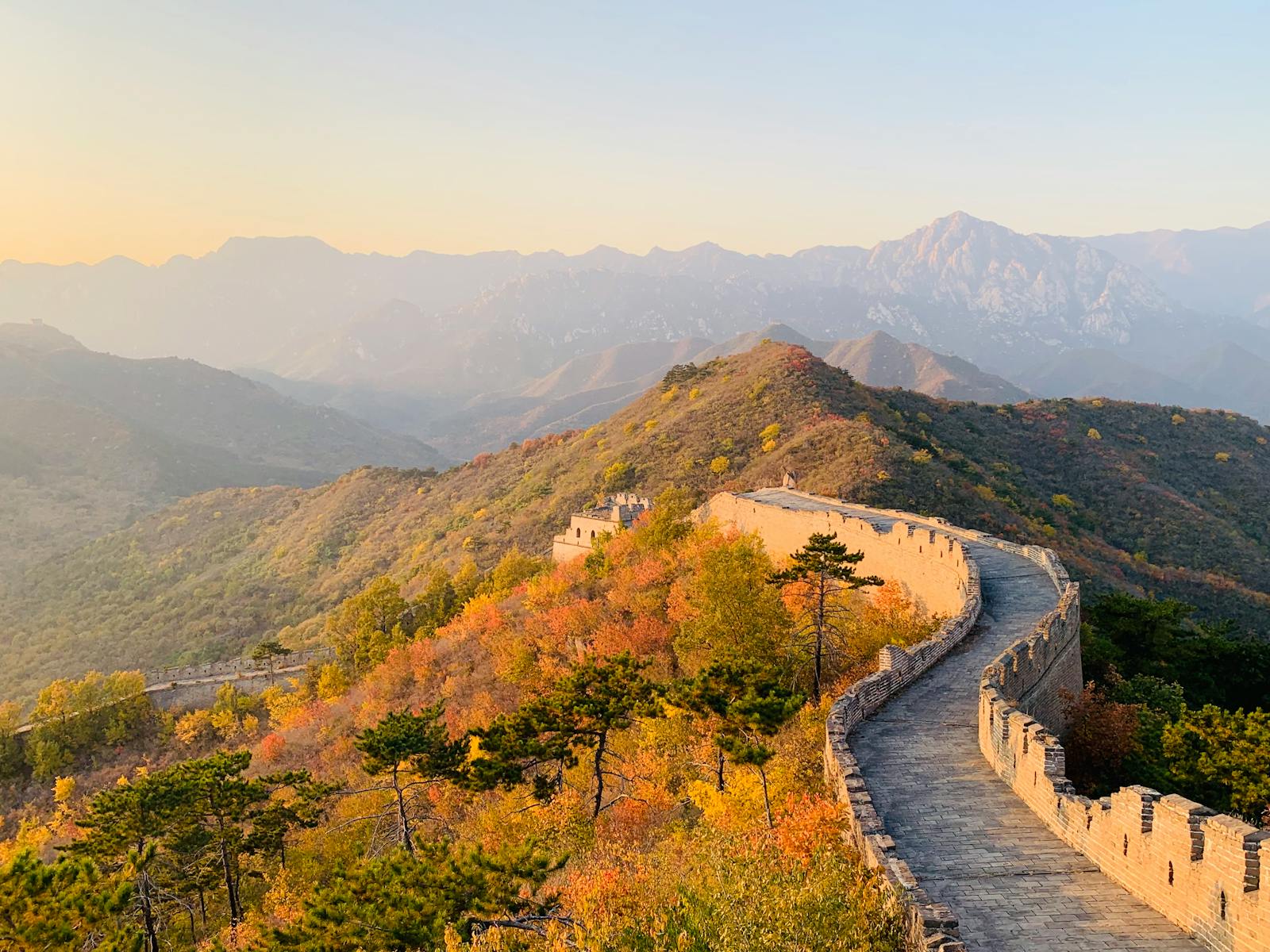
The Badaling Great Wall is the most-visited Great Wall section on earth — about 70 km northwest of Beijing, fully restored, reachable by suburban train, and the stretch of ramparts Richard Nixon walked in 1972. That popularity should give you pause. But here’s the thing: done right, Badaling is genuinely impressive. The switchbacks are dramatic, the watchtowers are photogenic, and the historical weight of the place is real. Done wrong, on a summer weekend with no plan, and you can spend more time queuing shoulder-to-shoulder than looking at the view.
This guide is your honest briefing on Badaling Great Wall in 2026. It covers the ¥40 entry ticket, the S2 train (a direct rail link from Nankou), north vs. south section, how to actually beat the crowds, what to eat, and the mistakes that send people home underwhelmed. For the full picture, start at our overview of every Wall section near Beijing. For a complete Beijing trip, see our day trips from Beijing guide.
Badaling Great Wall at a glance
- Distance from Beijing
- about 70 km northwest; journey time depends on your route and the traffic.
- Entry ticket
- ¥40 ($5.70) standard.
- Cable car
- the north aerial cable car runs up to North Tower 8; check the fare on the day.
- S2 train from Nankou
- direct to Badaling. Check the current timetable and fare before you travel.
- Daily capacity
- 65,000 visitors, the site’s published optimum carrying capacity. Crowds swing with the season and the holiday calendar, so book ahead for busy dates.
- Wall sections open
- North (the route runs on beyond Watchtower 8, where the aerial cable car lands) and South (a ground-level cable car arrives near South Tower 4).
- Operating hours
- 6:30am–4:30pm from April 1 to October 31; 7:30am–4pm from November 1 to March 31.
- Best for
- travellers using public transport, history enthusiasts, anyone who wants the most “official” Great Wall experience.
Should you actually visit Badaling?
Let’s be direct about this, because too many guides skip it: Badaling is not the best Great Wall experience available near Beijing. The restored wall at Mutianyu has far fewer crowds and a toboggan. Jinshanling’s ridgeline of watchtowers has more dramatic scenery and virtually no tourists. Simatai does evening sessions unlike anything else near Beijing.
And yet. Badaling has things the others don’t. The S2 train and the direct Bus 877 from Deshengmen put it within reach of public transport — no taxis, no tour minibus markup. The north section’s dramatic switchbacks and watchtowers are genuinely among the most photogenic Wall views anywhere. And there’s something to be said for standing where Nixon stood in 1972, on ramparts where more than 500 heads of state and government have posed for cameras.
So: visit Badaling if you’re a budget traveller using public transport, if you want the most historically famous Wall section, or if you’re curious what the fuss is about. Go to Mutianyu instead if crowd tolerance is low and you have transport flexibility. Use this guide either way — the timing and crowd advice here applies to making any peak-season Wall visit workable.
Badaling tickets and pricing 2026
| Ticket type | Price |
|---|---|
| Entry ticket (adult) | ¥40 ($5.70) |
| Under-18s (Chinese citizens, including Hong Kong, Macao and Taiwan residents and permanent residents, with ID) | Free |
| Entry ticket (under 1.2m) | Free |
| Cable car (round trip) | Check the fare on the day |
| Badaling Slide (round trip) | ¥120 |
| S2 train from Nankou | Check the current fare |
| Bus 877 from Deshengmen | ¥12 each way |
Online booking via the official Badaling website or Trip.com saves time at the gate. During weekends and especially Chinese holidays, book tickets in advance and check live availability before you set out. Don’t show up at 10am on a Saturday in October expecting to walk in.
Getting to Badaling from Beijing
Transport is where Badaling genuinely wins. The S2 train is the answer for many visitors, with Bus 877 as the alternative. For a section-by-section breakdown, see our guide to reaching each Wall section by bus, train or tour.
Option 1: S2 train from Nankou (strongly recommended)
The S2 is a direct train to Badaling, and it keeps you off the road traffic. Here’s how to use it:
- Make your way to Nankou Station, where S2 trains to Badaling now start.
- Board the S2 to Badaling; the timetable shows the current fare and journey time.
- Walk from Badaling Station to the Wall entrance.
The S2 is a regular suburban commuter train, not high-speed. Seats are first-come, first-served. Check the schedule the night before and arrive at Nankou with time to spare in peak season. Budget for the trip out to Nankou as well as the return S2 fare, and leave time for the connection at each end. The mountain scenery through northern Beijing on the approach is legitimately good.
Option 2: Tourist bus 877 — ¥12
Direct bus from Deshengmen (Line 2 metro, Jishuitan stop area). Departures from 6am to noon. ¥12 each way in cash, or ¥6 with a transport card. Journey time depends on the traffic. Return buses leave the Badaling drop-off point between 10:30am and 5pm, setting off when full. Reliable but slower than the train once the roads get busy.
Option 3: Group tour
A full-day group tour often pairs Badaling with the imperial tombs of the Ming emperors. Prices and inclusions such as hotel pickup and lunch vary by operator, so check exactly what your package covers. Convenient but inflexible on timing: you keep the tour’s schedule, not your own.
Option 4: Private car or driver
A good fit for a small group, depending on the vehicle you book. Complete flexibility on timing, which matters a lot at Badaling. Book through your hotel or Trip.com. Worth the premium if you want to be there when the gates open.
Option 5: DiDi or taxi
One-way DiDi works but return taxis from Badaling can be scarce and expensive. Not recommended for round trips unless you have a driver waiting.
Badaling north section vs. south section
North section (most popular, recommended for first-timers)
- More restored and tourist-developed.
- Connects to the aerial cable car, which lands at North Tower 8.
- Reaches Watchtower 8 — the highest walkable point for most visitors — and carries on towards Watchtower 12.
- Slightly less steep than the south section.
- More crowded, especially the central watchtower area.
South section (less visited, worth considering)
- Steeper — proper thigh burn on the way up.
- Fewer tourists on many days, though it depends when you go.
- Served by a ground-level cable car that arrives near South Tower 4.
- Less commercial infrastructure; feels more like an actual hike.
- Best for fitter visitors who want elbow room.
First-timers: go north. Ride the aerial cable car up to North Tower 8, walk the ramparts, then ride it back down. How long you spend on the wall is up to your pace and route. If you have reasonable fitness and want fewer people in your photos: go south instead, where the ground-level cable car stops near South Tower 4.
Best route on the Badaling Wall
For first-timers (north section route)
- Enter through the main north entrance.
- Take the cable car up to the wall — it spares you much of the steep uphill climb.
- Follow the Wall up to Watchtower 8. Your pace and the crowds decide how long it takes.
- Best photo stops: Watchtowers 4, 6, and 8.
- Descend via cable car or walk back down.
- Total wall time: allow a few unhurried hours.
For energetic visitors
Push past Watchtower 8 to Watchtower 12, and add extra walking time to your plan. Expect the crowds to thin once you’re past the cable car landing area, though on busy days that isn’t guaranteed. Budget several hours on the wall in total.
For photographers
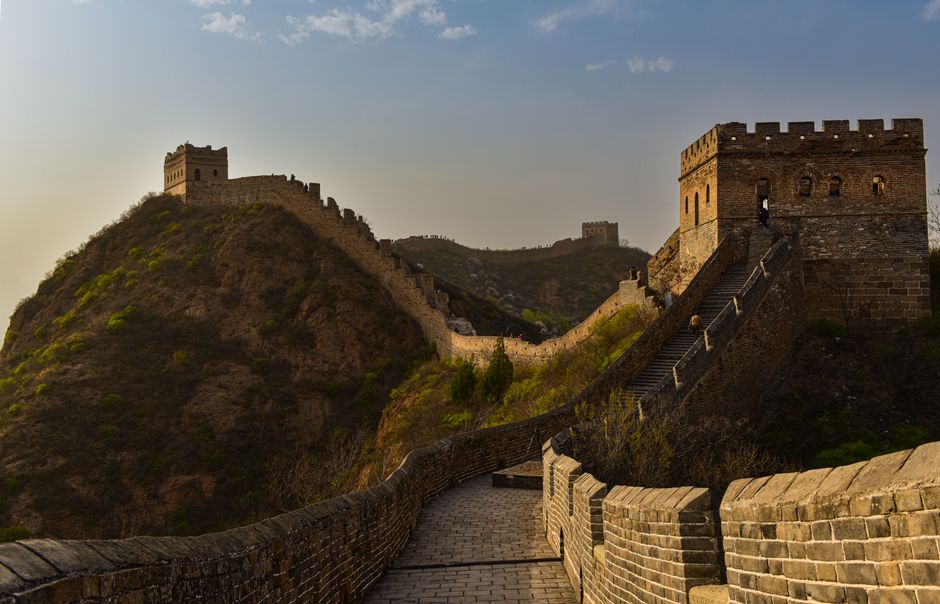
Be at the gate for opening: 6:30am from April to October, 7:30am from November to March. Shoot the early-morning fog and golden-hour light on near-empty ramparts. The Watchtower 8 area looking back toward Watchtower 5 gives you the iconic switchback composition — the one on every travel poster. Later in the morning, that shot fills with people.
How to beat Badaling crowds
Badaling’s published optimum carrying capacity is 65,000 visitors a day, and peak-season days can be very busy. The crowd problem is real but manageable with the right approach.
- Arrive at opening (6:30am April–October, 7:30am November–March). An early start helps you get ahead of some of the crowds. Tour-group arrival times vary, and the famous photo spots and watchtowers can get packed.
- Weekdays over weekends. Saturdays, Sundays and holidays are usually busier than weekdays.
- Avoid Chinese national holidays. National Day Golden Week in early October, Spring Festival and the May Day holiday all draw domestic crowds; check the official holiday dates for the year you travel.
- Go in winter. December–February crowds are usually lighter than in peak season. The wall in snow is genuinely dramatic, and it fits neatly with the rest of the city under snow.
- Choose the south section. It often draws fewer people than the north, though crowds vary by date.
- Take the S2 train. Rail sidesteps the parking and road traffic that can build at popular times, and you walk from the station to the entrance.
- Skip lunch on the wall. Eat at the base before or after. Lunch areas inside the tourist zone are the most densely crowded spots of the day.
Best time to visit Badaling
Best months
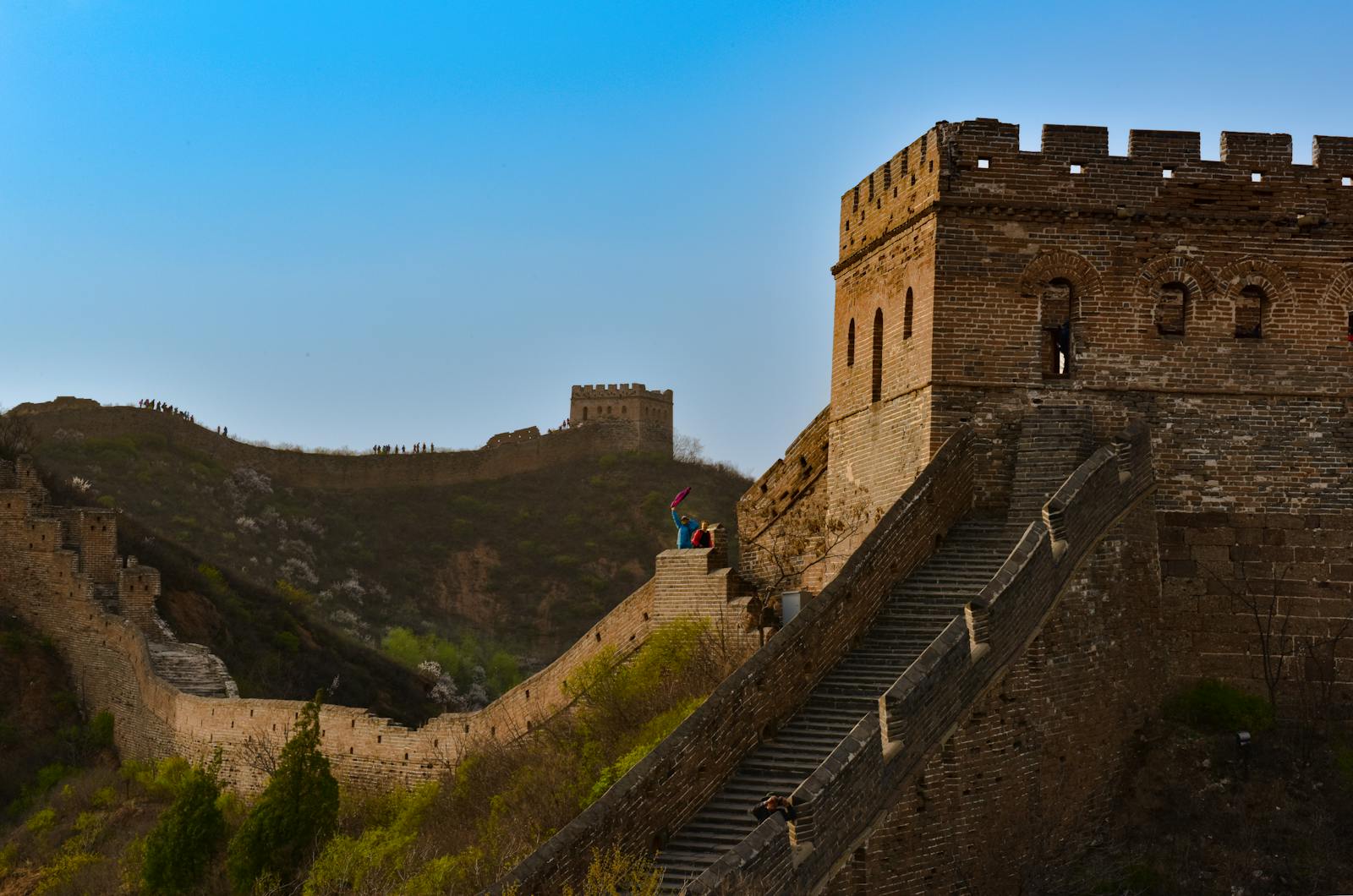
- Mid-April to mid-May — pleasant temperatures, manageable crowd levels, green hillsides.
- Late September to mid-October — autumn colours on the hillsides, decent crowds (skip Oct 1–7).
- Late October to early November — peak autumn foliage. Worth the effort.
- December to February — fewest crowds, dramatic snow potential. Cold but genuinely rewarding. You might have a watchtower to yourself.
Months to avoid
- October 1–7 (National Day Golden Week)
- May 1–5 (Labour Day)
- Chinese New Year week (January/February)
- Mid-July to mid-August (heat plus domestic summer holiday crush)
Best time of day
Arrive for the 6:30am opening (7:30am in winter), which means leaving the city not long after dawn — a central base with early metro access makes that far easier. Be on the wall by 8am. Plan to be heading down by 11–12pm. If you miss the early window, a later start can still work, but check the closing time first: the gates shut at 4:30pm from April to October and 4pm in winter.
What to eat at Badaling
Here’s the honest version: food at Badaling is a problem, not a highlight.
On the wall: Don’t count on finding food or drink up there. Bring your own water, and check the posted price before buying from any stall you do come across. That’s fine if you’re desperate, but don’t plan a meal around it.
At the base: A handful of noodle shops and basic canteens sit near the entrance — look for them on the approach road before you enter the ticket zone. Noodles and dumplings are the staples; check the menu prices before you order. Nothing remarkable, but they’ll do before or after the wall. There are also fast-food options (KFC has a presence in the tourist area) if you need something predictable.
The smart move: pack your own lunch. A couple of filled rolls, some fruit, and 1.5 litres of water per person from a Beijing supermarket or convenience store the night before. Eat on the wall at a quieter watchtower with a good view. That’s the meal worth having at Badaling — it just requires a bit of planning.
If you’re combining Badaling with the Ming Tombs, most group tours include lunch in the package. That often means a generic tourist restaurant near the Tombs — not spectacular but adequate.
Common mistakes at Badaling
People get Badaling wrong in predictable ways. Here are the main ones.
Not booking tickets in advance on holidays. Reserve ahead of major Chinese holidays and peak-summer weekends, and check live ticket availability before you set out. Book at least 2–3 days ahead during busy periods. Walk-in tickets do exist but availability is not guaranteed.
Taking a taxi from central Beijing. A DiDi from central Beijing to Badaling is a long ride on the same roads as every tour bus; check the live fare in the app for your pickup point before you commit. Once you’ve made your way out to Nankou, the S2 train stays off the roads entirely and stops at Badaling. There’s almost no scenario where the taxi is the better choice.
Bringing young children in peak summer heat. Badaling in July and August is physically demanding — steep stairs, direct sun and summer heat on an exposed wall. Children who can’t handle 90 minutes of hot stair climbing are going to have a bad time, and so will you. Either come in spring/autumn, use the cable car to reduce walking, or choose a section with a gentler profile.
Wearing the wrong shoes. Sandals, flat-soled canvas shoes, heels. The Badaling stairs are steep and the surface is uneven stone — genuinely slippery in wet weather. Proper walking shoes with grip are non-negotiable. This seems obvious but the number of people limping down Badaling in flip-flops every summer is remarkable.
Arriving after 10am on a weekend. You’ve already read the crowd numbers. Arriving mid-morning on a Saturday in peak season means queuing for the cable car, queuing for bathrooms, and elbowing through tour groups at every watchtower. The wall doesn’t transform into a quiet place at 10am. Go early or go on a weekday. Our guide to avoiding the crowds has the arrival times for every section.
Assuming all Wall sections are the same. If you’ve been to Badaling and found the crowds unbearable, don’t write off the whole Great Wall. Great Wall hiking at sections like Jinshanling or Jiankou is a completely different experience. See our full Great Wall section guide for options.
What to bring to Badaling
- Comfortable walking shoes with grip — stairs are steep and uneven.
- Water (1.5L+ per person minimum; more in summer).
- Sun protection — hat, sunscreen SPF 50+, sunglasses.
- Light jacket or windbreaker (it’s exposed and windy on the wall).
- Packed lunch or snacks (Wall food is expensive).
- Small cash reserve for cable car, snacks, or emergencies.
- Tissues for bathrooms.
- Charged phone or camera — battery drains fast in cold weather.
- S2 train schedule checked in advance.
Badaling vs. Mutianyu — honest comparison
| Feature | Badaling | Mutianyu |
|---|---|---|
| Distance from Beijing | 70 km NW | 73 km NE |
| Public transport | S2 train from Nankou or direct Bus 877 (excellent) | Bus 916 + minibus |
| Cable car | Yes (check the fare on the day) | Yes (¥140 round) |
| Toboggan ride | Rail slide instead (¥120 return) | Yes (¥100) |
| Crowd level | Often overwhelming at peak | Manageable |
| Historical prestige | 500+ visiting heads of state and government | High |
| Scenery quality | Excellent switchbacks | Forested, dramatic |
| Best for | Public transport users, history | First-timers wanting space |
For most international tourists on their first Beijing trip: Mutianyu gives a better overall experience with far fewer crowds. If it is the crowds rather than the price that put you off, the unrestored wall at Jiankou sits at the far opposite extreme — no ticket gate, no cable car, and almost nobody. Badaling wins on price and transport convenience — the S2 train is genuinely unbeatable. If you’re budget-conscious or strongly prefer public transit, Badaling is the right call.
Combining Badaling with other attractions
Badaling + Ming Tombs (most popular full-day combo)
A full-day tour pairs Badaling with the Ming Tombs; check how long your itinerary gives each site. Both sites are in the same general direction from Beijing. Package prices vary, as does what’s included, so confirm hotel pickup, an English guide and lunch before you book.
Badaling + Sacred Way
The Sacred Way approach to the Ming Tombs passes the stone animal statues — a 30–45 minute stop worth including if you’re driving rather than taking the S2 train.
Badaling + Great Wall Museum
The Great Wall Museum sits at the foot of Badaling. Its rebuilt building was completed in July 2026 with the exhibitions still to be fitted out, so check its opening status and admission before you plan around it. Strong for history-focused visitors, and worth including if you’re already there early and want context before you climb.
Families in particular should weigh the crowd question carefully before committing to Badaling. The direct train and the gentle access genuinely help if you are travelling with a grandparent as well as children, but on a weekend the walkway can be shoulder to shoulder and the cable car queue forty minutes long. Our guide to choosing a Wall section with children sets out when Badaling is the right call and when the extra forty minutes to Mutianyu pays for itself several times over.
Badaling Great Wall FAQ
Is Badaling worth visiting despite the crowds?
Yes — with the right timing. Visit at opening time on a weekday, or in winter for minimal crowds. The Wall itself is genuinely impressive. The crowds are the trade-off, not the verdict on Badaling’s quality.
Can I take the S2 train without advance booking?
Yes — tickets are sold at Nankou Station on a first-come basis. In peak season, arrive early for the best chance of a seat. Off-peak you can walk straight on.
How long should I plan for a Badaling visit?
Allow around six hours from central Beijing if you plan three hours on the wall and 90 minutes of travel each way; your transport, starting point and pace will shift that. Adding the Ming Tombs makes it a full day, so check the timings in your tour’s itinerary.
Is Badaling wheelchair accessible?
Partially. The cable car is accessible. The wall itself has steep stairs and uneven surfaces — wheelchair movement along the wall is very limited beyond the cable car landing area.
Is Badaling safe in winter?
Yes, with appropriate gear. Stairs can be icy after fresh snow — take it slow and use the handrails. Cable car operates in most winter conditions. Dress in layers; the wind on the wall is sharp.
What’s the difference between north and south sections?
North section: more restored, more popular, aerial cable car to Watchtower 8, with the wall continuing beyond it. South section: steeper, less crowded, ground-level cable car to near South Tower 4. North for first-timers; south for fitter visitors wanting fewer tourists.
Are there bathrooms on the wall?
Check the site map at the entrance for toilets along your route. Bring tissues; they’re not always stocked.
The bottom line on Badaling Great Wall
Badaling is the most accessible and most historically significant Great Wall section near Beijing. The S2 train gives it a direct rail link from Nankou. The crowds are the price you pay. Pay it wisely — arrive at opening, book tickets in advance, wear proper shoes, and pack your own lunch.
For most first-timers with transport flexibility, Mutianyu is the better crowd experience. But if the S2 train and ¥40 entry price matter to your trip planning, Badaling delivers exactly what it promises: the world-famous Wall, dramatically restored, with full infrastructure and the weight of history underfoot.
Planning a wider Wall trip? See our guides to Jinshanling, Simatai, and the complete Great Wall hiking guide. For the full picture of Beijing’s Great Wall options, head to our Great Wall Beijing guide.