Where to Stay in Beijing
Beijing Hutong Hotels: Best Courtyard Stays for an Authentic Experience (2026)
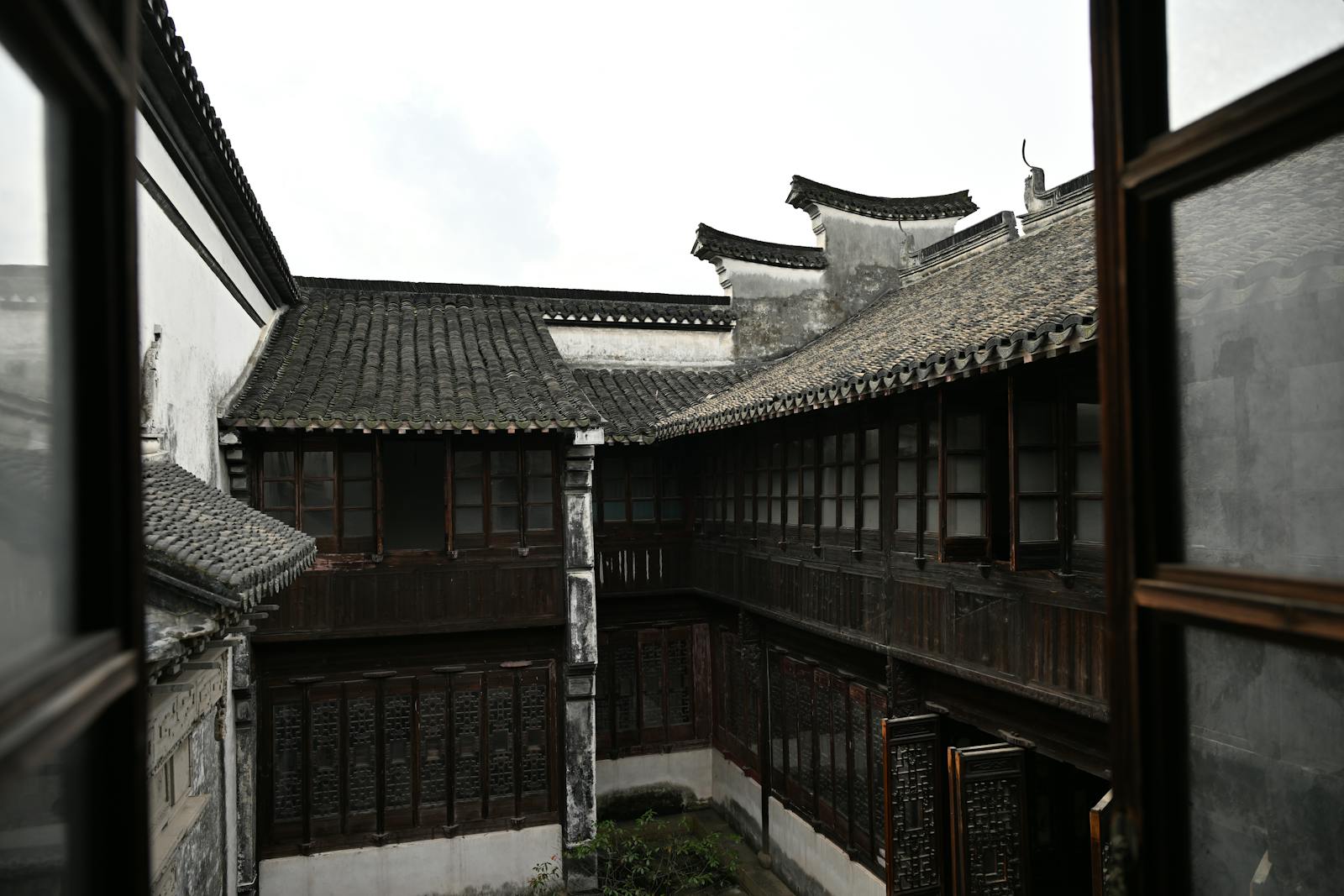
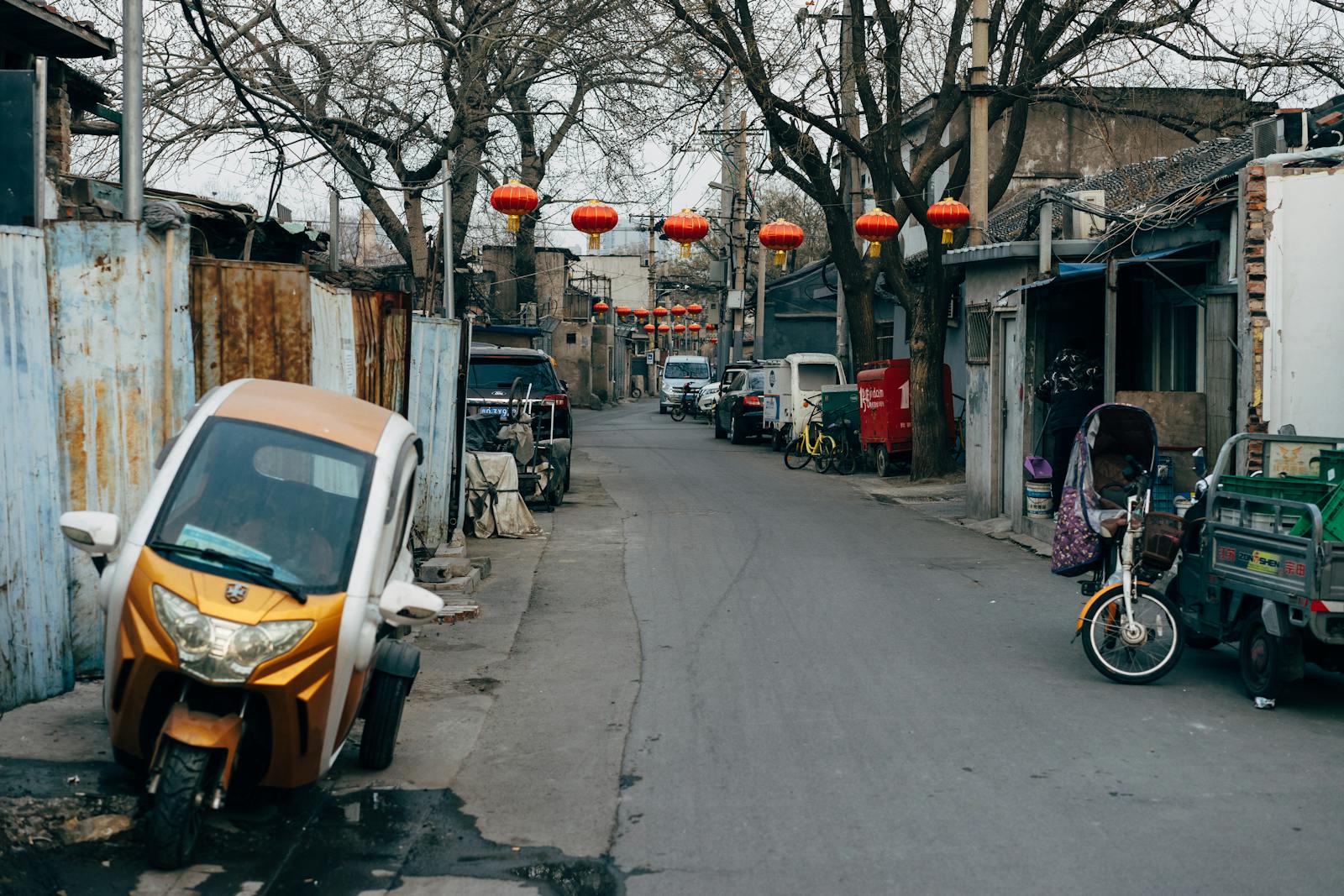
Staying in a Beijing hutong hotel is a different proposition from a standard hotel stay — and that’s entirely the point. The hutongs are Beijing’s centuries-old alley networks, the grey-brick lanes and siheyuan (four-courtyard) homes that defined northern Chinese urban life for 800 years. Modern hutong hotels have converted these courtyards into boutique stays: some keep every Qing-era detail intact; others add contemporary luxury under preserved tile roofs. The experience — waking to birds in the courtyard, walking out for jianbing from a street cart, sleeping in a building older than most Western countries — is genuinely unlike anything a standard Beijing hotel offers.
But hutong hotels aren’t for everyone. This guide starts with the honest answer to who should book one — then works through luxury, mid-range, and budget options across the key hutong areas. For the full Beijing accommodation picture, see our breakdown of where to base yourself. For neighbourhood comparison, see our area guide for first-time visitors.
Who hutong hotels are for — and who they’re not for
Hutong hotels suit you if:
- You want to wake up inside Beijing’s historic fabric, not just visit it
- Atmosphere and character matter more to you than amenities and room size
- You’re a return visitor who’s done the standard hotel circuit
- You’re a couple who’ll enjoy quiet courtyard evenings and lakeside walks
- You’re a photographer who wants to be in the lanes at 6am
- You travel light and can manage a suitcase on a 90cm brick lane
Hutong hotels don’t suit you if:
- You’re travelling with a family with lots of luggage — narrow lanes, small lifts, and no porter services at budget-mid properties
- You’re a light sleeper staying in the livelier hutong sections (Nanluoguxiang on a Saturday night can be noisy until midnight)
- You need 24-hour room service, a full-service restaurant, or a pool
- It’s your first Beijing trip and you’re trying to squeeze in as many sights as possible — the minor metro inconvenience adds up
- You have mobility issues — hutong lanes have uneven brick paving and steps
The anatomy of a hutong hotel
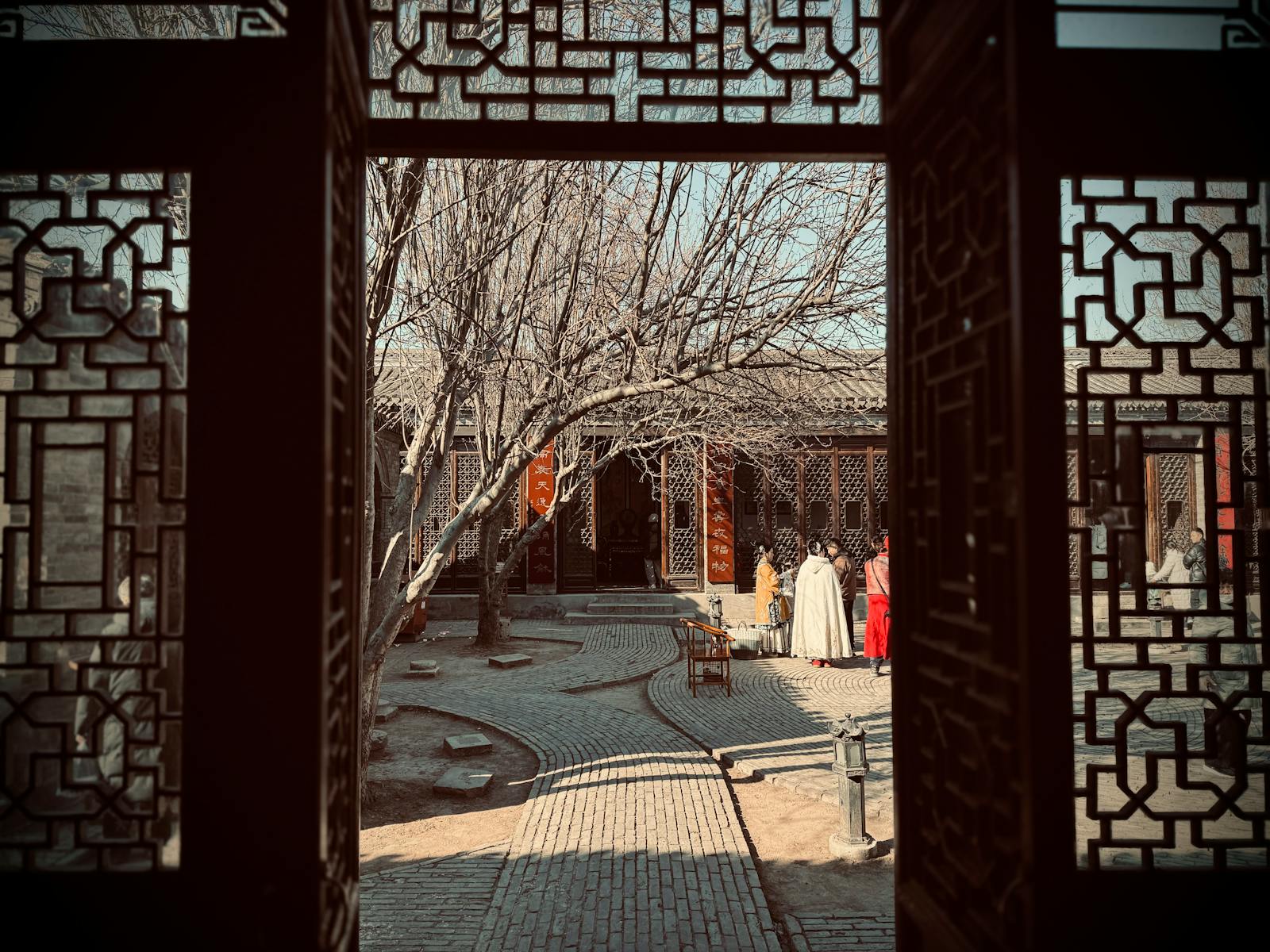
Most Beijing hutong hotels are built around a siheyuan — a rectangular compound with buildings on all four sides enclosing a central courtyard. Our siheyuan courtyard houses guide covers the architecture in more depth if you want the background before you book. Traditionally, these housed extended families; today, each room typically occupies what was one family wing, with the courtyard shared as a common area (sometimes a breakfast space, sometimes just a garden).
What “converted” actually means varies considerably. The best properties (Mandarin Oriental Qianmen, Aman Summer Palace) have done full structural restoration with modern plumbing hidden behind original materials. Mid-range conversions often retain original flooring, low ceilings, and thick brick walls — which means good insulation in winter and a slightly cave-like quality in summer. Budget conversions may just be a hutong building with basic hotel rooms added, with shared bathrooms.
Before booking, check: plumbing age (older hutong properties can have slow drains), room size (many standard rooms are 12-18m², genuinely small), noise from the hutong lane outside (ask for a courtyard-facing room rather than lane-facing), and whether the property has any in-house breakfast or dining.
Which hutong area to pick
- Nanluoguxiang: Beijing’s most famous hutong street — heavily visited, lined with cafés and boutiques. Great for hutong first-timers but can feel overrun on weekends. Hotels from ¥300-1,500+. Better for a short stay than a 10-day base. See our Nanluoguxiang guide for the shops and cafés worth the walk.
- Gulou / Drum Tower: Slightly quieter than Nanluoguxiang with a more neighbourhood feel. Excellent café scene, proximity to the Drum Tower, easy Houhai access. The sweet spot for most hutong-seekers. Hotels from ¥250-1,500+.
- Shichahai / Houhai: Lakeside setting with willow trees and an evening bar strip around the lake, covered in our walk through the lakeside lanes. More expensive than Gulou but the atmosphere on a spring evening is genuinely special. Budget guesthouses from ¥250, boutique properties from ¥600-2,000+.
- Qianmen: South of the Forbidden City — the most convenient hutong area for imperial sights, less atmospheric than Gulou or Houhai. Good for first-timers who want hutong character without going too far off the main circuit. Hotels from ¥300-1,500+.
Luxury hutong hotels (¥2,500+/night)
Mandarin Oriental Qianmen
From ¥2,500/night. This is the benchmark for Beijing hutong luxury. 42 restored Qing-Dynasty courtyard houses in the Qianmen historic district, connected by covered walkways and gardens. Named to World’s 50 Best Hotels 2025 — genuinely one of the most distinctive hotel experiences in Asia. Rooms are full-scale luxury behind traditional brick facades. Restaurants, full spa, and attentive service ratios. If this is in your budget, it’s a definitive Beijing stay.
Aman Summer Palace
From ¥5,000+/night. Technically in Haidian near the Summer Palace rather than a central hutong, but mentioned here because it’s the most spectacular courtyard-hotel experience in Beijing. 26 rooms in Qing-Dynasty pavilions with private garden access to the Summer Palace grounds — the only hotel with this access. If you’re choosing between Mandarin Oriental Qianmen and Aman, it comes down to location: Qianmen puts you in the historic city centre; Aman gives you the palace garden experience at the expense of convenience to Dongcheng sights.
Han’s Royal Garden Hotel
From ¥1,500+/night. A well-restored traditional compound near the hutong belt with good service and genuine courtyard character. Lower price point than Mandarin Oriental without sacrificing too much on atmosphere. Good for travellers who want a luxury courtyard feel at a level below the flagship properties.
Mid-range hutong hotels (¥600–1,500/night)
The Orchid Houhai
From ¥1,400/night. Boutique property in the Houhai/Gulou area — stylish rooms, a rooftop bar with Drum Tower views, and a genuinely social common area. One of the best mid-to-upper mid hutong properties in Beijing. Fills up fast; book 4-6 weeks ahead in peak season.
Layered Courtyard (near Lama Temple)
From ¥1,800/night. A design-conscious boutique near the Lama Temple, the city’s Tibetan Buddhist landmark — different from most hutong properties in that it layers contemporary interiors into the courtyard structure rather than going fully traditional. Smaller but stylish.
Sitting on the City Walls Courtyard House
From ¥600/night. One of the most atmospheric mid-range options — genuinely embedded in the hutong fabric of Dongcheng, with a knowledgeable host and thoughtful rooms. No restaurant on-site but good breakfast options nearby. The name refers to its position adjacent to the old city wall remnants.
Beijing Sihe Courtyard Hotel
From ¥800/night. Classic siheyuan layout with 12 rooms around a central courtyard garden. Good for a traditional courtyard experience without the premium of the top-end properties. Service is attentive; breakfast included.
Qiuguo Hutong Courtyard
From ¥300-700/night. One of the better budget-to-mid hutong options — a genuine courtyard property with clean rooms, reasonable English, and a location that puts you in the hutong lanes without spending top-tier money. Hit or miss on exact room quality — read recent reviews and ask for courtyard-facing rooms.
Budget and hostel hutong options (¥80–450/night)
Beijing Downtown Backpackers
From ¥100/night (dorms), ¥250-450 (private rooms). Located in Nanluoguxiang — Beijing’s most sociable hostel, well-run, genuinely hutong-adjacent in feel. Good for solo travellers and those who want a social base. Dorm rooms are clean and well-maintained. Staff speak good English and run regular walking tours of the hutong area.
Drum Tower Youth Hostel
From ¥90/night (dorms), ¥300-350 (private rooms). Well-located in the Gulou area — the right base if you want to explore Houhai and the Drum/Bell Tower area. Less social than Downtown Backpackers but quieter and better positioned for the northern hutong belt.
Leo Hostel (Qianmen)
From ¥80/night (dorms), ¥200-500 (private rooms). Beijing’s most famous backpacker hostel, near Qianmen — a 5-minute walk to Tiananmen and 10 minutes to the Forbidden City south entrance. More tourist-infrastructure than hutong-atmosphere, but the location is excellent and the price is hard to beat for the proximity to major sights.
For the full budget accommodation picture including chain hotels, see our Beijing budget hotels and hostels guide.
Practical hutong hotel tips
- Book direct for better rates: Many smaller hutong hotels offer 10-15% discounts vs. OTA platforms when booked via email or WeChat. Ask when you enquire.
- Luggage delivery service: If you’re arriving with large bags, ask your hotel before booking whether they offer luggage delivery from the nearest main road (many do, via electric cargo bike). This saves the “rolling a 28″ suitcase down a 90cm alley” experience.
- VPN and internet: Smaller hutong hotels sometimes have slower or less reliable Wi-Fi than chain hotels. If you work remotely or need reliable connectivity, confirm connection speeds or bring your own mobile data.
- Breakfast: Smaller properties often provide simple Chinese breakfast (congee, buns, tea) or nothing at all. Ask explicitly. If no breakfast is included, the street food options outside your hutong are genuinely excellent — jianbing egg crepes from ¥8, baozi steamed buns from ¥2.
- Common courtyard vs. private room: At mid-range and budget properties, check whether the courtyard is shared with other guests or private to your room. Shared courtyards are social and atmospheric; private ones are more exclusive.
- Police registration: All legal hotels in China are required to register foreign guests with the local police within 24 hours of check-in. Established hutong hotels all do this automatically. At very small private guesthouses, confirm this will happen — staying unregistered puts you in a technically illegal position even if practically unlikely to cause problems.
Seasonal considerations
- Spring (April-May): Courtyard gardens come alive — this is when hutong hotels look their best. Wisteria, peonies, and ornamental trees flower in many courtyards. Book 6-8 weeks ahead for peak April-May dates.
- Summer (June-August): Evenings in the courtyard are genuinely lovely — a cold beer, warm air, and the sound of the hutong winding down. Days are hot; rooms in older buildings can be warm without strong AC. Confirm air conditioning quality before booking summer dates.
- Autumn (September-October): The best season. Ginkgo trees in the hutong lanes turn gold in late October. Golden Week (1-7 Oct) is very busy — book months ahead or expect sky-high rates.
- Winter (December-February): Prices drop 30-40%. Traditional courtyard rooms with good heating are cosy. Check heating type — electric heaters in older properties can struggle in very cold spells. Some properties run underfloor heating in the main rooms.
Beijing hutong hotels FAQ
Are hutong hotels worth the premium over standard hotels?
For atmosphere, yes — if atmosphere is what you’re after. A mid-range hutong hotel at ¥800/night gives you something genuinely different from a ¥800 chain hotel. What you sacrifice in room size and amenities, you gain in character and experience. The question is whether that trade-off suits your trip style.
What’s the best hutong hotel for luxury travellers?
Mandarin Oriental Qianmen (¥2,500+, World’s 50 Best Hotels 2025) or Aman Summer Palace (¥5,000+, Summer Palace garden access). The Mandarin Oriental is better for city-focused trips; Aman is better if the Summer Palace is a priority.
Can families stay in hutong hotels?
Possible but not ideal for most families. The main issues: luggage handling on narrow lanes, limited family room configurations at smaller properties, no pools, and no 24hr dining. The Mandarin Oriental Qianmen can accommodate families at the luxury end. For families with young children, a standard hotel like the Hilton or Peninsula Wangfujing is more practical — see the Wangfujing hotels guide.
How do I get to a hutong hotel with heavy luggage?
Taxi or DiDi gets you to the nearest accessible point on the main road. Ask your hotel in advance about luggage delivery from there — most established properties have a system (usually a staff member with an electric cart). For smaller properties in particularly narrow sections, pack light or be prepared for a 2-minute carry.
Which hutong area is best for first-timers to hutong hotels?
Qianmen or Gulou/Drum Tower. Qianmen gives you hutong character with the best access to Forbidden City sights. Gulou gives you more authentic hutong atmosphere with good cafés and the Houhai lakeside nearby. Nanluoguxiang is vivid but can feel like a hutong theme park on weekends.
Is it safe to stay in a hutong hotel?
Yes. Beijing’s hutong areas are safe for tourists. The lanes are quiet at night (except near Nanluoguxiang’s bar section) and well-lit in main areas. The main consideration is that smaller properties may have simpler security than chain hotels — keep valuables in your room safe if one is provided.
How is hutong hotel internet?
Variable. Luxury properties (Mandarin Oriental, Aman) have fast, reliable connections. Mid-range boutique properties vary — some have strong Wi-Fi, others are inconsistent. Ask specifically about speeds if you’re working remotely. China blocks Google, WhatsApp, Instagram, and most Western social platforms — you’ll need a VPN, which should be downloaded and tested before you arrive in China.
What other accommodation options are in Beijing?
For modern hotel chains in Dongcheng: our Dongcheng hotel rundown. For Wangfujing’s concentration of central properties: Wangfujing hotels. For modern Chaoyang: our pick of hotels over in Chaoyang. For luxury: luxury hotels Beijing. For budget: budget hotels and hostels. For airport proximity: Beijing airport hotels. For a stay long enough that you want a kitchen, our guide to renting an apartment in Beijing. And our wider guide to visiting Beijing covers the full trip-planning picture.
What to pack for a hutong hotel stay
Hutong hotels have a few practical realities that standard hotels don’t. A compact packing list helps:
- Luggage size: A carry-on or 24″ case is ideal. A 28″+ hard-shell suitcase on uneven brick paving in a 90cm lane is genuinely awkward. Many travellers check luggage at their airport hotel for the hutong portion of a trip.
- Flat, grip-sole shoes: Hutong lanes are uneven brick paving. Heels and smooth-soled shoes are risky, especially after rain.
- Power bank: Smaller hutong hotels have fewer room outlets than chain hotels. A power bank covers the gap.
- VPN pre-installed and tested: Chinese internet blocks Google, WhatsApp, and most Western apps. Download and test your VPN (ExpressVPN, NordVPN) before you arrive — you can’t download VPN apps once in China.
- Cash: Many smaller hutong cafes and street food stalls are WeChat Pay or cash only. Keep 200-300 yuan in small bills for street food and the occasional payment point that does not take cards.
- Earplugs: If you’re in Nanluoguxiang or the Houhai bar strip, hutong noise on weekend evenings can carry. Light sleepers: request a courtyard-facing room rather than a lane-facing one, and bring earplugs as backup.
The bottom line on Beijing hutong hotels
A hutong hotel is a specific choice for a specific traveller. If atmosphere, character, and the feeling of sleeping inside Beijing’s history matter to you — and the trade-offs on room size and amenities don’t — it’s a genuinely worthwhile experience that most chain hotel stays can’t replicate. The Mandarin Oriental Qianmen at the top, Beijing Downtown Backpackers at the bottom, and a range of solid mid-range courtyard properties in between. Know what you’re signing up for, book a courtyard-facing room, and bring a bag you can carry through a narrow alley.