Beijing accessibility for travellers with disabilities has improved dramatically since the 2008 Olympics — but unevenly. The newer infrastructure (post-2008 metro lines, Daxing Airport, Olympic Park, modern museums, international hotels) meets genuine international accessibility standards. The older infrastructure — the Forbidden City with its raised thresholds, the hutong lanes, pre-2008 metro stations without lifts, the Great Wall itself — ranges from challenging to largely inaccessible. This guide gives you the realistic picture: what works well, what works with planning, and what to skip or experience differently. A well-planned accessible Beijing trip covers most of the city’s best experiences; it just requires knowing which routes to take before you arrive.
This Beijing accessibility guide covers wheelchair-accessible attractions, mobility-friendly hotels, accessible transport options, and practical tips for travellers with mobility, visual, or hearing disabilities. The complete Beijing travel guide gives broader trip context, and our best time to visit Beijing guide covers seasonal factors that particularly affect accessible travel — spring and autumn are far preferable to winter’s icy courtyards or summer’s heat exhaustion risk.
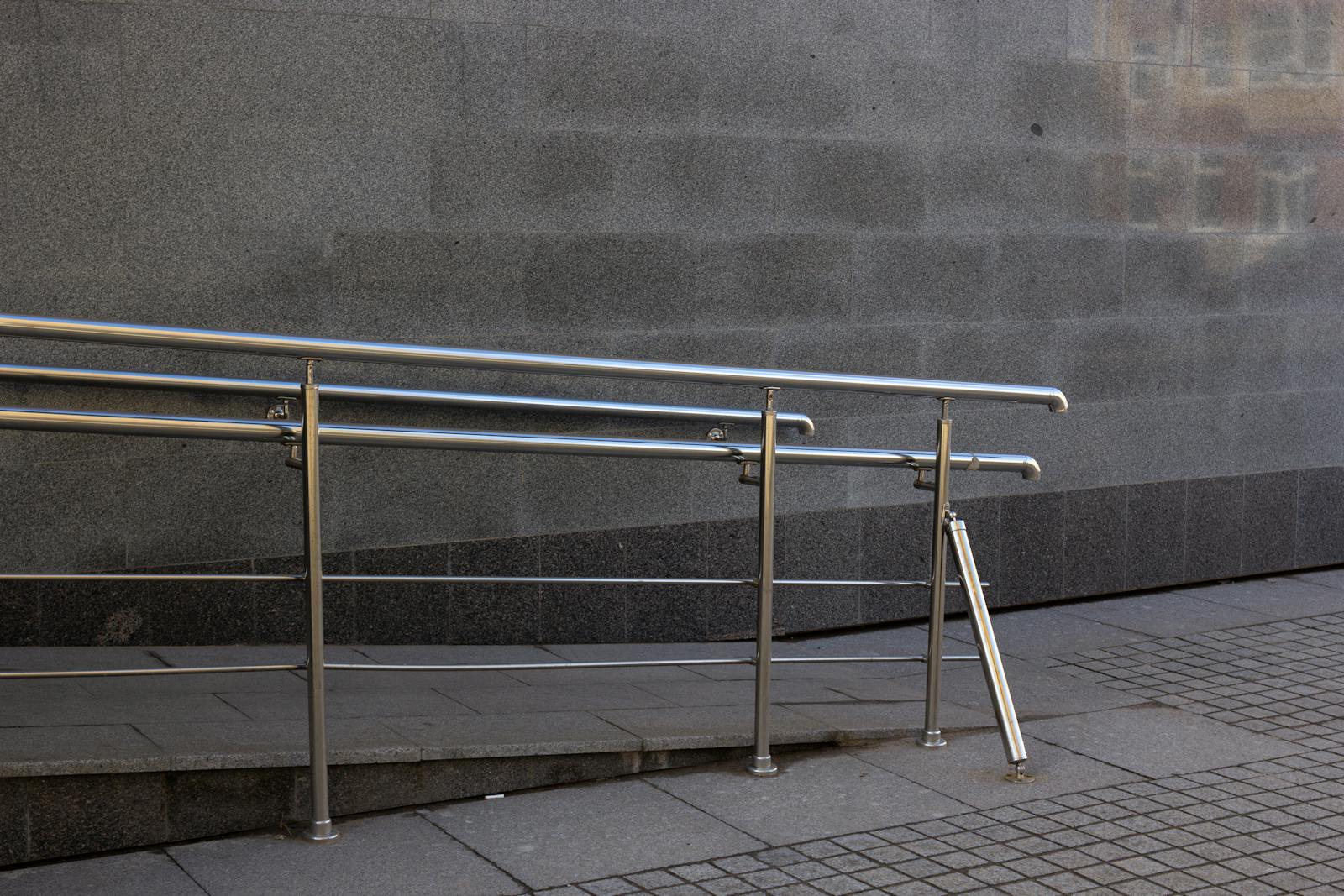
Beijing accessibility at a glance
- Best accessible attractions: Temple of Heaven (mostly flat), Summer Palace (eastern section), Olympic Park (fully), Capital Museum (fully), National Museum (fully), Beijing Zoo (mostly flat), 798 Art District (mostly).
- Partially accessible: Forbidden City (limited accessible route), Lama Temple (central path), Houhai Lake area (lakeside flat, hutongs cobbled).
- Difficult: Great Wall (most sections inaccessible; Mutianyu and Badaling cable cars give partial access), most hutong alleys, Tiananmen Square (vast distances).
- Best transport: Both airports fully accessible; metro Lines 4, 6, 7, 8, 9, 10, 14, 15, 16 have lifts at all stations; DiDi accessible vehicle service; hotel-arranged accessible vans for outer attractions.
- Best hotel area: Wangfujing (Dongcheng) — central, modern, accessible properties and metro stations.
Wheelchair-accessible Beijing attractions
Temple of Heaven (mostly accessible)
One of Beijing’s best accessible major sights. The surrounding park is largely flat with paved paths. The central Hall of Prayer for Good Harvests has step access but a wheelchair-accessible side route. Plan 2 hours. The morning local scene in the park — tai chi, dancing, calligraphy — is enjoyable from a wheelchair without modification. Tickets ¥35 (April–October) / ¥30 (November–March).
Summer Palace (partially accessible)
The lakeside main paths are paved and flat for most of the route. The eastern entrance area, the Long Corridor, and the Marble Boat are reachable without significant steps. The Tower of Buddhist Incense and hill-top buildings require stair climbs. The dragon-boat ferry across Kunming Lake has step boarding but staff can usually assist. Plan 2.5 hours focusing on the eastern and lakeside sections. Tickets ¥30/¥20 by season.
Olympic Park (fully accessible)
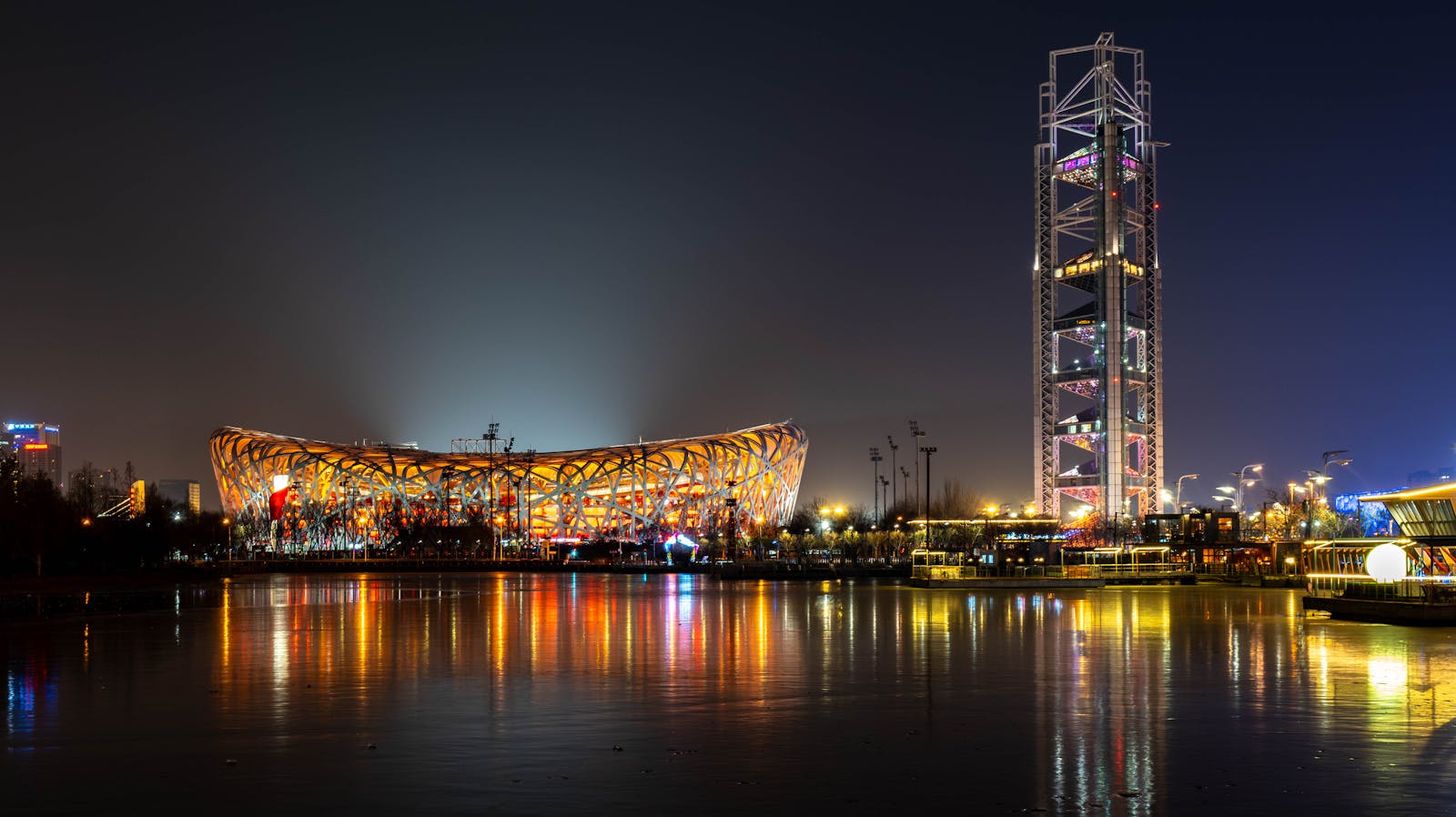
Built post-2008 to international accessibility standards. Wide paved walkways, accessible toilets throughout, lift access in all buildings, and the Bird’s Nest stadium has full wheelchair access with reserved viewing. Free outdoor area; Bird’s Nest interior tour ¥80. The Water Cube has accessible entry and lift access on all levels. A strong half-day for accessibility-focused itineraries.
798 Art District (mostly accessible)
Most galleries are at ground level or have lift access; main paths are paved and wide; cafes and restaurants in the district largely have step-free entry. Some converted warehouse galleries have higher thresholds — check before entering. Free entry to the district; gallery exhibitions ¥30–¥100. Plan 3 hours.
Capital Museum (fully accessible)
Built post-2005, fully accessible with lifts to all floors, accessible toilets on every level, and well-lit exhibits. Free entry; online booking required. The Beijing folk-life permanent collection is excellent. Plan 2.5 hours.
National Museum of China (fully accessible)
One of the world’s largest museums, on Tiananmen Square. Wheelchair access via lift on the south side; mobility scooters available to borrow free of charge with ID deposit; accessible toilets on all floors. Free entry; online booking required. Plan 3+ hours.
Beijing Zoo (mostly accessible)
Generally flat paths with good wheelchair access throughout. The pandas — the main draw — are fully accessible. Some older animal-house buildings have step entry but routes around them are clear. Tickets ¥15. The Beijing Aquarium within the zoo complex is fully accessible with reserved wheelchair viewing areas at shows.

Partially accessible attractions
The Forbidden City (challenging but doable)
The Forbidden City covers 720,000 m² and was built around imperial-era gate thresholds — every gate has a 15–25 cm raised stone sill, originally intended to keep out evil spirits. There are wheelchair-accessible routes that bypass the major thresholds via side gates, but they’re not clearly signposted. The central halls (Hall of Supreme Harmony, etc.) have step access only — you view them from the courtyards rather than entering. The Imperial Garden at the north end is largely flat and enjoyable. Plan 2 hours focusing on central courtyards and the garden. Pre-book tickets online (¥40–¥60 by season). Wheelchair rental is free at the Meridian Gate ticket office with passport deposit.
Lama Temple (Yonghegong)
The main central path is paved and largely flat. Several principal halls have step access only; the Wanfu Pavilion has step entry. Side halls vary. Plan 90 minutes. Tickets ¥25.
Houhai Lake
The lakeside path is paved and flat — a pleasant wheelchair circuit. The surrounding hutongs (Yandai Xie Jie, Nanluoguxiang) have cobblestones and uneven surfaces — manageable but bumpy. Bar terraces and restaurants vary by venue.
Great Wall accessibility: honest assessment
The Great Wall itself is inaccessible for most wheelchair users — stairs every few metres, uneven ancient stones, no handrails on large sections. However, two sections have cable cars that open up a partial experience worth knowing about.
Mutianyu — the best accessible option
The cable car at Mutianyu brings visitors up to watchtower 14. From the cable car terminus, mobility-impaired visitors can experience a short section of wall surface — roughly 100–200 metres between watchtowers — on relatively flat stone with outstanding views of the wall snaking over the ridgeline. The toboggan descent has a step-on mechanism that some wheelchair users manage with assistance; otherwise take the cable car back down. Book a private accessible vehicle for the journey from Beijing — tourist buses have steps. Mutianyu peaks at 8,000–12,000 visitors on busy days; Badaling tops 80,000. Mutianyu is the right choice for accessible visitors managing queues and crowds. For Great Wall planning in the context of a full trip, our how many days in Beijing guide covers the logistics.
Badaling — designated accessible section
Badaling has a cable car and a designated accessible section near its terminus — roughly 50–80 metres of wall surface. The site’s crowds make navigation harder for accessible visitors. Mutianyu is preferable for most.
Juyongguan — atmosphere without climbing
40 minutes from central Beijing. The base approach at Juyongguan is flat and lets visitors see the scale of the wall without any climbing. Reasonable if Mutianyu’s logistics feel uncertain.
Accessible transport in Beijing
Airports
Beijing Capital Airport (PEK) and Daxing Airport (PKX) both have full accessibility — lifts, accessible toilets in all terminals, wheelchair assistance at check-in (request 48 hours in advance through your airline). Daxing, opened 2019, is meaningfully more accessible than PEK’s older terminals. Both have accessible Airport Express trains to the city.
Beijing Metro
Accessibility varies sharply by line:
- Fully accessible (post-2008): Lines 4, 6, 7, 8, 9, 10, 14, 15, 16, 17, Daxing Line, Capital Airport Express. Lifts at all stations.
- Partially accessible (older lines): Lines 1, 2, 5, 13. Many stations have stairs only or limited lift access — check individual stations before relying on them.
Plan routes using the Beijing Subway app’s accessibility filter. Major interchange stations (Dongdan, Xidan, Wangfujing) have lift access regardless of line. Full metro routing is in our Beijing transportation guide.
Taxis and DiDi
Standard Beijing taxis are mostly Hyundai Sonatas — regular sedan seating, no wheelchair lifts. DiDi has a Wheelchair Service option in major Chinese cities including Beijing — find it under “Pickup type” in the DiDi app. Hotel concierge can reliably pre-book an accessible van for major outings (¥800–¥1,500/day for a full-day accessible vehicle).
Specialist accessible tour operators
Wheelchair Travel China, Limitless Travel China, and Bring Beijing Tours offer accessible private day tours with wheelchair-equipped vehicles, accessible-route planning, and English-speaking guides familiar with mobility requirements. Costs typically ¥1,500–¥3,500/day. Worth it for the Great Wall and outer-city sights where transport is the main complication.
Accessible Beijing hotels
International chains are reliably accessible. The following are specifically recommended:
- The Peninsula Beijing (Wangfujing) — fully accessible suites with roll-in showers; staff trained in accessible service. ¥2,800+/night.
- Hilton Beijing Wangfujing — multiple accessible rooms; central location; lift access throughout. ¥1,200+/night.
- Conrad Beijing (Chaoyang) — modern accessible rooms; pool with hoist accessibility. ¥1,500+/night.
- NUO Hotel Beijing (Chaoyang) — accessible suites, modern design, central. ¥1,800+/night.
- Holiday Inn Express Beijing Dongzhimen — affordable accessible rooms, excellent metro connection. ¥600+/night.
Book accessible rooms directly with the hotel (not third-party sites) and confirm exact features — roll-in shower, grab bars, bed height, threshold clearance — before arriving. Wangfujing gives the best combination of accessible hotels, accessible metro stations, and proximity to central sights. Our where to stay in Beijing guide has full neighbourhood and property breakdowns.
Visual and hearing impairment tips
Visually impaired travellers
- Post-2008 metro lines, Daxing Airport, and Olympic Park all have tactile pavement and Braille signs.
- Major attractions offer audio guides; English-language coverage at smaller sights is variable.
- Apple Maps with VoiceOver works better than Baidu for English-language navigation. Google Translate (offline mode, photo OCR) handles most printed signage.
- Guide dogs are officially welcome at major attractions and hotels — bring documentation and confirm in advance.
Hearing impaired travellers
- Ticket booking at major attractions is online — no spoken interaction required for the Forbidden City, Universal Studios, or the National Museum.
- Translation apps (Google Translate, Baidu Translate) handle most service interactions via typed or written exchange.
- Keep emergency contacts written on paper. Text 110 may work in Beijing; verify with your hotel on arrival. Beijing United Family Hospital has accessible emergency communication.
Seasonal considerations for accessible travellers
Spring (April–May): Best accessible season. Dry paths, mild temperatures, stable weather. Check air quality for the sandstorm window (mid-March to early April) if you have respiratory sensitivities. Our Beijing safety tips guide covers health precautions by season.
Summer (June–August): Heat management is the primary challenge. Wheelchair users may overheat faster in 32°C+ humidity. Plan aggressive midday air-conditioned breaks, stay hydrated, and schedule outdoor sightseeing for early morning and late afternoon. The National Museum and Capital Museum are ideal summer indoor alternatives.
Autumn (September–October): Second-best season. Dry, cool, excellent for outdoor accessible navigation. Avoid Golden Week (October 1–7) crowds at popular accessible attractions.
Winter (December–February): Most challenging. Ice on stone courtyards at the Forbidden City, Temple of Heaven, and Summer Palace is genuinely hazardous in a wheelchair or on mobility aids. Non-slip wheel covers, ice-grip crutch tips, and indoor-focused itineraries are the practical response. See our Beijing packing list for specific winter packing for accessible travellers.
Practical accessibility tips
Useful Chinese for accessibility situations
- Wúzhàngài tōngdào (无限碧通道) — Accessible entrance
- Wúzhàngài cesŏ (无限碧厼所) — Accessible toilet
- Lúnyǐ (轮此) — Wheelchair
- Diàntī (电昇) — Lift / elevator
- Yǒu méiyǒu wúzhàngài rùkŏu? (有没有无限碧入口?) — Is there an accessible entrance?
Pacing and rest
Beijing is a large city with large sights. One major attraction per day, with hotel rest in between, is a sustainable pace for most accessible itineraries. Don’t try to match the 4-sights-per-day pace common in standard travel guides. See our first-time visitors guide for realistic expectations about distances and energy management in Beijing.
Medical and insurance
Beijing United Family Hospital (Lido, Chaoyang) is the top Western-style private hospital, English-speaking, and fully accessible. Get travel insurance that covers mobility equipment, accessible-transport costs, and any pre-existing conditions. Budget context for accessible travel, including specialist vehicle and operator costs, is in our Beijing travel budget guide.
Sample 5-day accessible Beijing itinerary
- Day 1: Arrive Daxing Airport, Airport Express to city, accessible hotel check-in. Rest, light dinner near hotel.
- Day 2: Tiananmen Square (large, flat — pace yourself), Forbidden City accessible route and Imperial Garden. Hotel rest. Wangfujing for dinner.
- Day 3: Temple of Heaven morning (park activities, accessible central hall route). Capital Museum afternoon. Hotel rest.
- Day 4: Mutianyu Great Wall by cable car via private accessible vehicle. Return early, hotel rest.
- Day 5: Summer Palace eastern section and lake ferry. 798 Art District for the final afternoon. Departure dinner.
Beijing accessibility FAQ
Are taxis in Beijing wheelchair accessible?
Standard taxis are not. Use DiDi’s Wheelchair Service or pre-book a private accessible van through your hotel concierge or a specialist operator (¥800–¥1,500/day).
Is the Forbidden City wheelchair accessible?
Partially. Accessible side gates bypass the main thresholds; central courtyards and the Imperial Garden are reachable. Main halls are step-access only but viewable from courtyards. Free wheelchair rental at Meridian Gate with passport deposit.
Can I visit the Great Wall in a wheelchair?
Yes, with planning. The Mutianyu cable car brings visitors to watchtower 14, where 100–200 metres of wall surface is reachable. The wall beyond the cable car area has stairs and uneven stones.
Which Beijing metro lines are accessible?
Lines 4, 6, 7, 8, 9, 10, 14, 15, 16, 17, the Daxing Line, and the Capital Airport Express all have lifts at every station. Older lines 1, 2, 5, and 13 are partially accessible — check individual stations.
Does Beijing have accessible tour operators?
Yes. Wheelchair Travel China, Limitless Travel China, and Bring Beijing Tours all offer accessible private tours with wheelchair-equipped vehicles and English-speaking guides.
Planning an accessible Beijing trip
Beijing’s accessibility is genuinely better than its reputation suggests — especially for travellers who plan around its strongest infrastructure and accept creative workarounds for older sites. The formula that works: stay in Wangfujing, use newer metro lines for the city, pre-book accessible vehicles for the Great Wall and outer attractions, and plan one or two major sights per day rather than four.
For the rest of your planning: our Beijing solo travel guide covers independent navigation that applies equally to solo accessible travellers; our Beijing with kids guide covers families where accessibility and child requirements overlap; our Beijing travel insurance guide covers policies that specifically cover mobility equipment and accessible-transport costs; and our Beijing budget guide has cost breakdowns including specialist transport. Beijing rewards careful preparation — and accessible travel here is genuinely possible with the right plan.