Beijing’s festival calendar runs year-round, and getting the timing right can fundamentally change your experience of the city. A visit during Chinese New Year means red lanterns on every street and temple fairs packed with food, performance, and noise. Come in late October and the Fragrant Hills are on fire with red maples. Miss the window and you get just a regular city. This guide walks through every major Beijing festival and seasonal event, including hard-won advice on when the crowds tip from exciting to unbearable — and when to stay home.
Chinese New Year (Spring Festival 春节) — January/February
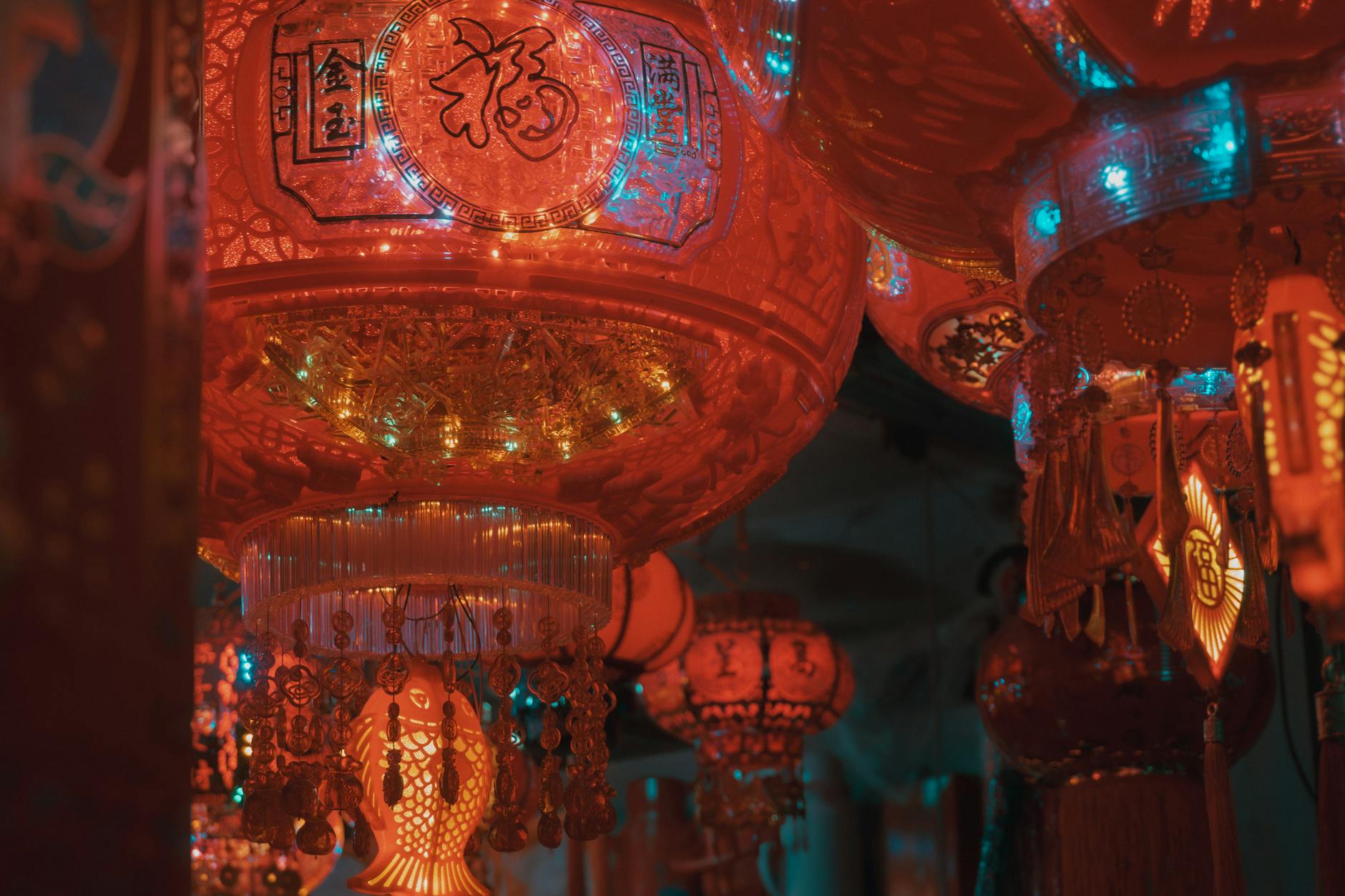
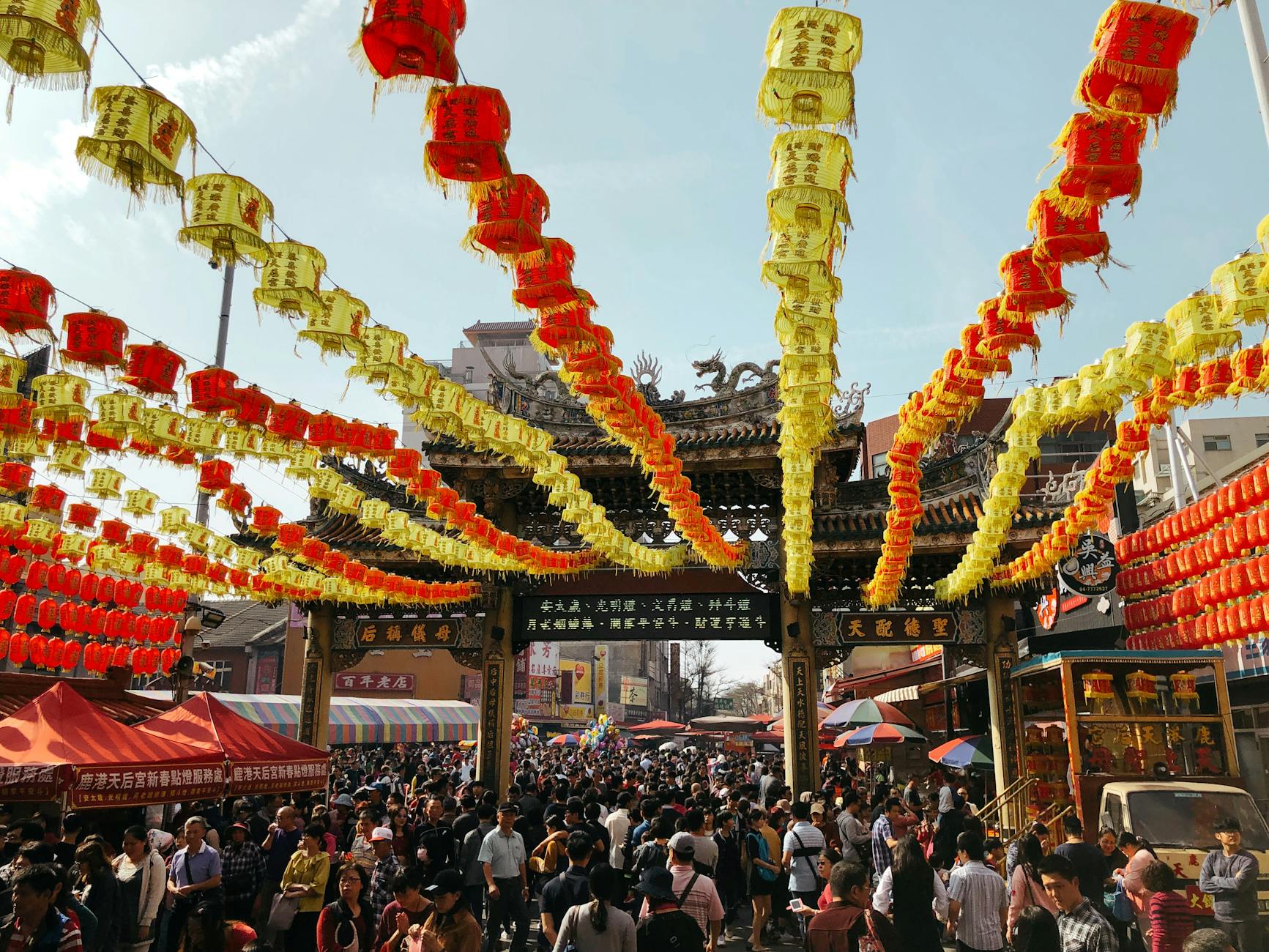
Chinese New Year is the most important festival in China and the most spectacular time to visit Beijing. The celebrations span roughly two weeks, from New Year’s Eve through the Lantern Festival (the 15th day of the first lunar month). In 2026, Chinese New Year in Beijing falls on February 17, with the Lantern Festival on March 3. The city transforms with millions of red lanterns, elaborate decorations on every street, and a palpable sense of joy and reunion.
Temple Fairs (庙会 miàohuì) — Beijing’s temple fairs are the heart of New Year celebrations. These outdoor festivals held at temples and parks feature traditional performances (Peking Opera, acrobatics, stilt walking, lion and dragon dances), carnival games, folk art demonstrations, and mountains of traditional festival foods. The most famous are at Ditan Park (地坛), Longtan Park (龙潭), and the White Cloud Temple. Admission: ¥10–30.
New Year’s Eve — While private fireworks have been restricted in central Beijing, organized countdown events take place at locations like the CCTV Tower and various parks. Many families watch the CCTV Spring Festival Gala (春晚) — the world’s most-watched television broadcast. Join locals for a New Year’s Eve dumpling-making session, watch the dragon and lion dances, try your hand at writing Spring Festival couplets (春联), and sample festival specialties like tangyuan (sweet rice balls) and niangao (sticky rice cake).
Practical note: Many shops and restaurants close for 3–7 days during New Year as workers return to their hometowns. Major attractions remain open but can be extremely crowded. Book accommodation and transport well in advance — train tickets sell out weeks ahead.
Lantern Festival (元宵节 Yuánxiāo Jié) — 15th Day of First Lunar Month
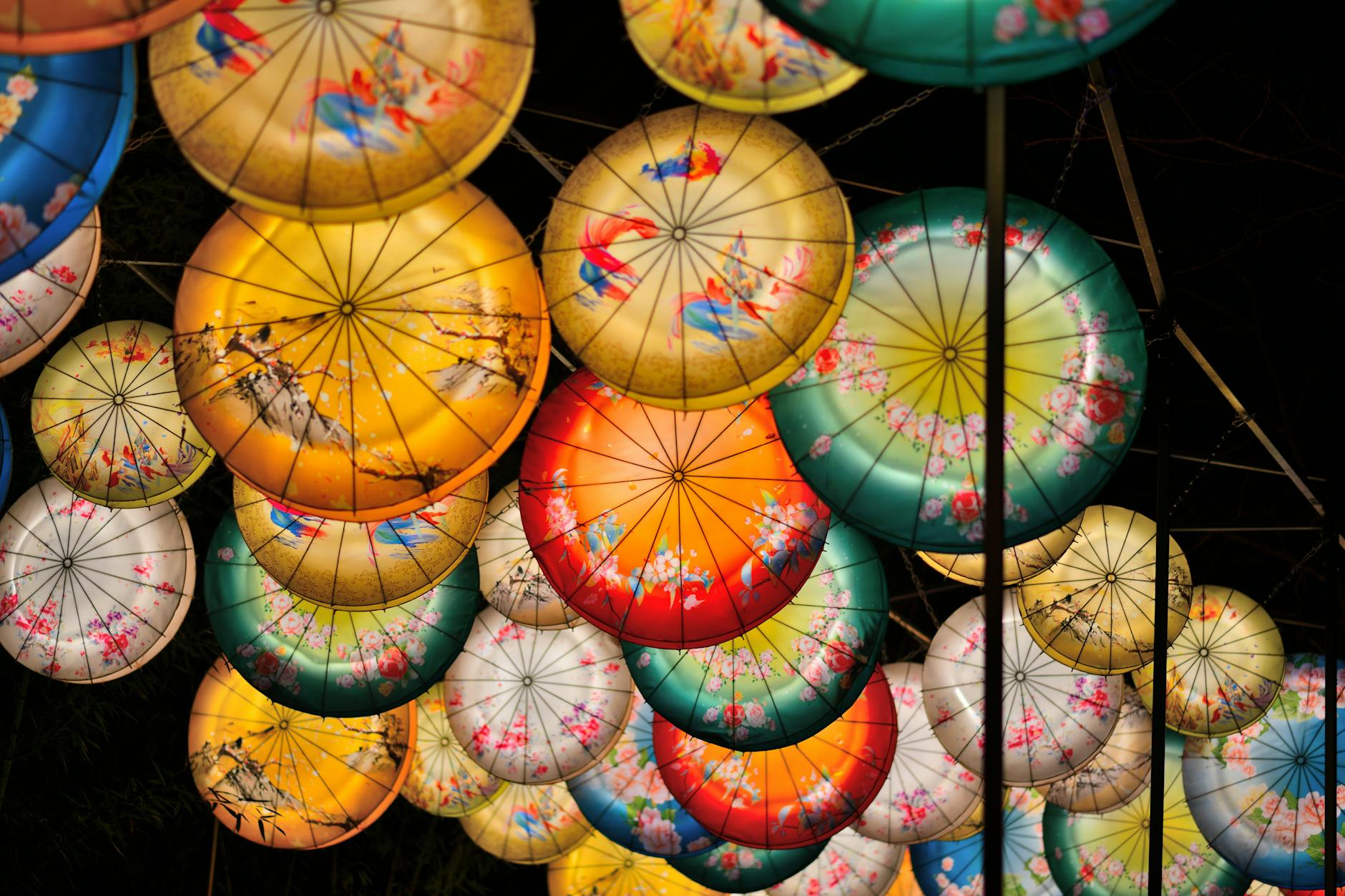
The Lantern Festival marks the grand finale of Chinese New Year celebrations — and Beijing puts on one of the most dazzling displays in China. In 2026, the Lantern Festival falls on March 3. Parks and public spaces throughout the city are illuminated with thousands of elaborate lanterns in every shape, size, and color — from traditional red silk lanterns to modern LED installations depicting dragons, phoenixes, and scenes from Chinese legends.
The tradition of guessing lantern riddles (猜灯谜) — riddles written on paper strips attached to lanterns — adds an interactive element that delights locals and visitors alike. Eating tangyuan (sweet glutinous rice balls filled with sesame, peanut, or red bean paste) is the essential festival food. Best viewing locations include the Beijing World Park lantern fair, Shichahai lakeside, and major temple fair venues. The atmosphere at Shichahai is particularly good — the lake reflects the lanterns beautifully and the surrounding hutong bars stay open late.
Qingming Festival (清明节) — April 4–6
Qingming (Clear and Bright Festival), also known as Tomb Sweeping Day, is when Chinese families honor their ancestors by visiting graves, cleaning tomb sites, and making offerings of food and paper money. While this is primarily a family observance, visitors will notice the cultural significance — parks are full of families flying kites (a Qingming tradition believed to ward off evil spirits), and certain traditional foods like qingtuan (green glutinous rice balls) appear in shops and bakeries.
It’s a public holiday, so expect crowds at parks and attractions. The festival offers a meaningful glimpse into Chinese family values and ancestral reverence. For visitors interested in Beijing’s historical sites, Qingming is also a good time to visit the Ming Tombs (十三陵), where the atmosphere takes on particular resonance.
Beijing Cherry Blossom Season — March to April
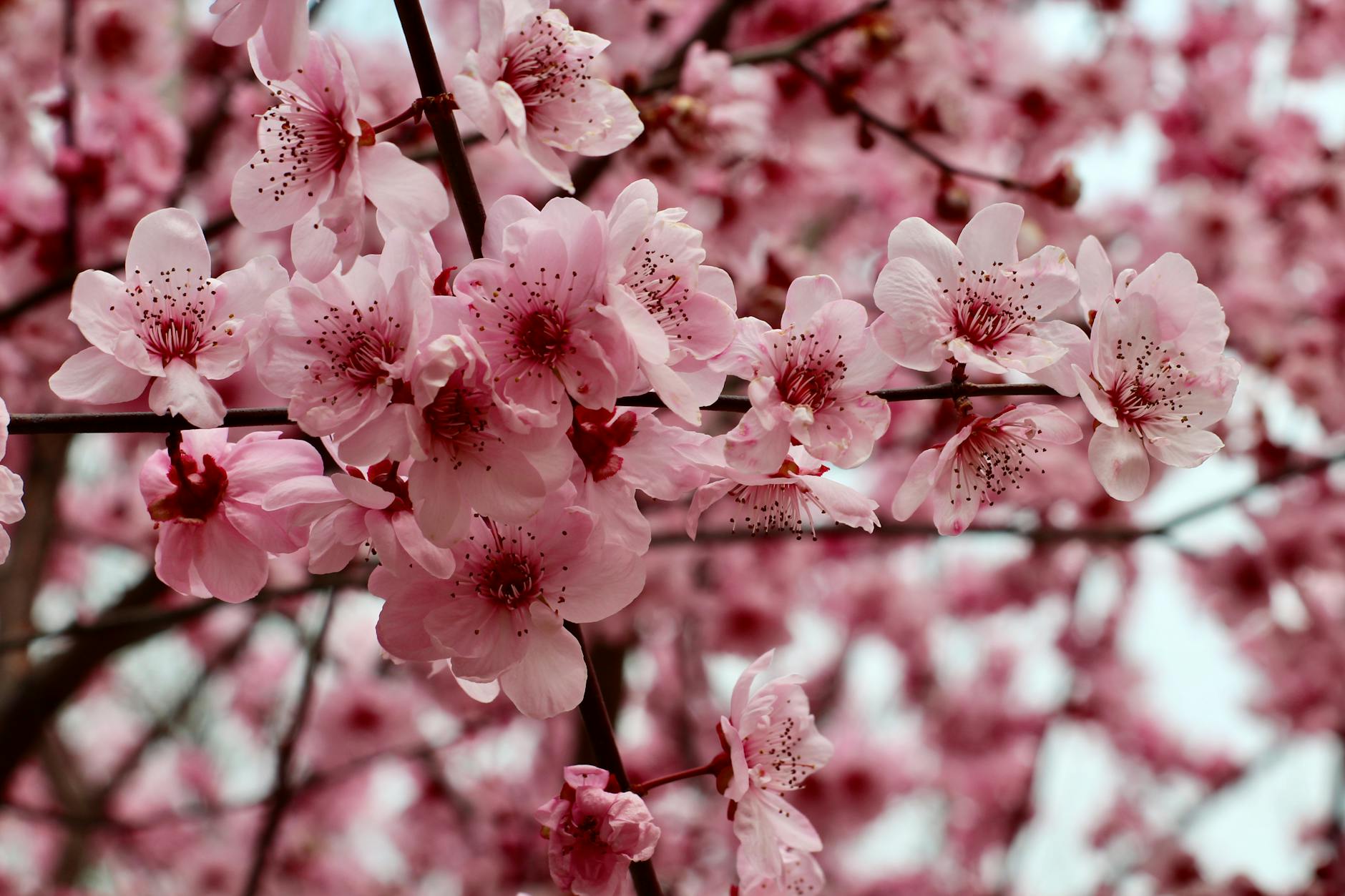
Beijing’s cherry blossom season has become one of the city’s most anticipated spring events. Yuyuantan Park hosts the annual Cherry Blossom Festival with over 3,000 cherry trees creating a canopy of pink and white blossoms — the peak bloom usually occurs in late March to mid-April and lasts about two weeks depending on weather. Get the full breakdown of timing, varieties, and best spots in the dedicated Beijing cherry blossoms guide.
Other excellent blossom viewing spots include the Summer Palace, Beijing Botanical Garden (magnolias and peach blossoms), and the moat surrounding the Forbidden City. Spring also brings magnificent lilac trees at Fayuan Temple and the Fragrant Hills, plus peony displays at Jingshan Park (usually May). Spring is genuinely one of the best times to visit — the weather is mild, the crowds haven’t arrived in force, and the city looks its greenest.
Dragon Boat Festival (端午节 Duānwǔ Jié) — 5th Day of 5th Lunar Month
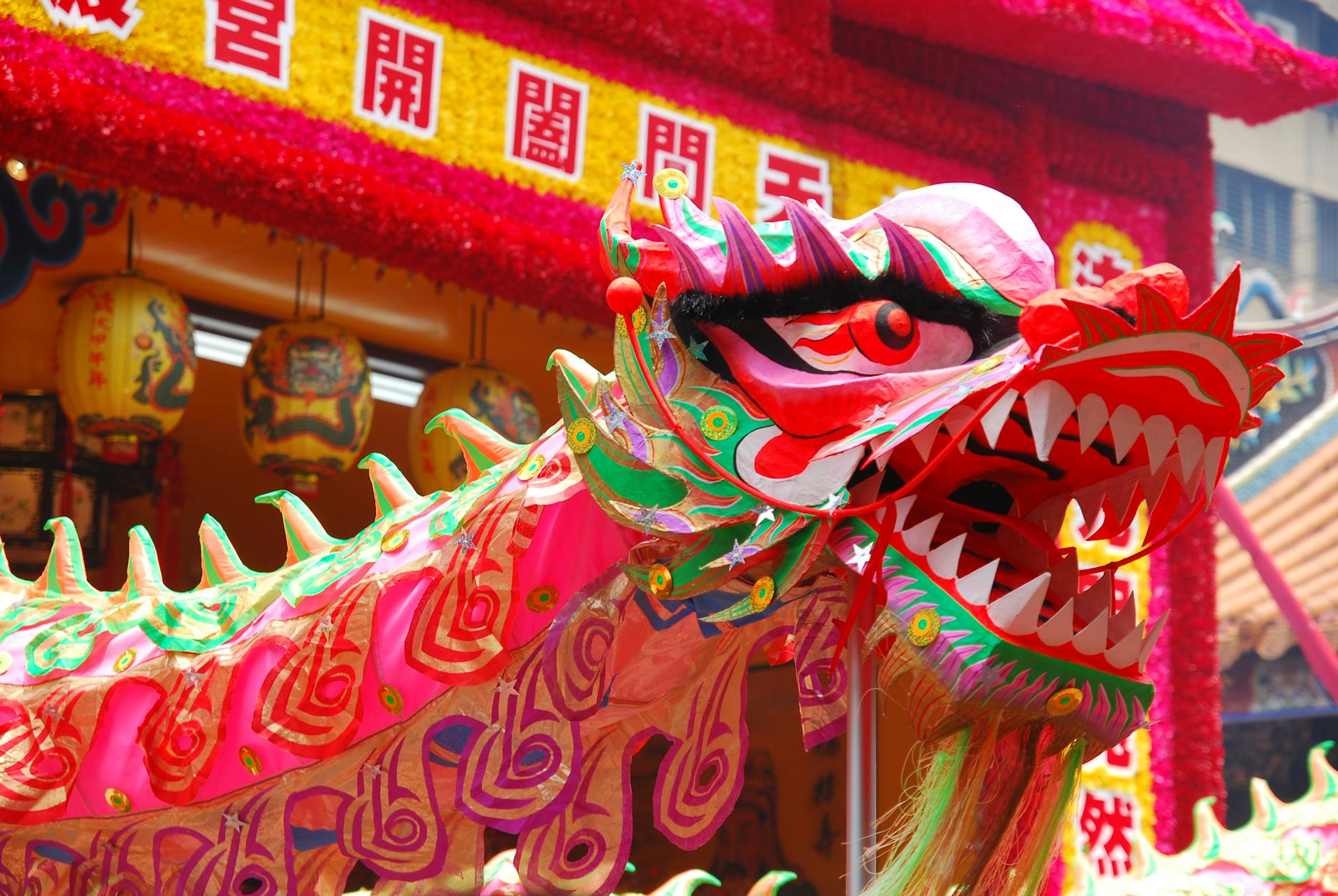
The Dragon Boat Festival commemorates the ancient poet Qu Yuan, who drowned himself in 278 BC as an act of protest against corrupt rulers. Legend says that locals raced boats to retrieve his body and threw rice dumplings into the river to stop fish from eating him — and that’s exactly where the two defining traditions of the festival come from. In 2026, the festival falls in late May or early June.
Dragon boat races — Beijing’s best races take place on Kunming Lake at the Summer Palace, where long wooden boats painted in dragon designs compete in heats throughout the day. Teams of up to 20 paddlers keep time to a drummer at the bow — the pace, the noise, and the crowd energy make this one of Beijing’s most exhilarating sporting events. Longtan Park also hosts competitive races. Get there early for a good viewing spot along the lake shore.
Zongzi — The festival food is zongzi: glutinous rice packed around a filling, wrapped tightly in bamboo or reed leaves and steamed. Beijing’s own style tends toward savory, often filled with red dates (枣粽), but you’ll find regional varieties at markets — salty pork-belly and egg yolk zongzi from Zhejiang, sweet bean paste versions, and Hainan coconut zongzi. Markets around Wangfujing and supermarkets in Sanlitun stock dozens of varieties in the weeks before the festival. Unwrapping them is half the ritual.
Folk customs — Traditional households hang bundles of calamus and mugwort on doorways to ward off insects and illness — you’ll smell the herbal scent throughout residential hutong neighborhoods. Children wear small fragrant sachets (香囊) filled with herbs and five-colored silk threads on their wrists. The festival is a public holiday, and while it doesn’t generate the same massive crowd surges as Golden Week, popular parks are noticeably busy. UNESCO recognizes the Dragon Boat Festival as Intangible Cultural Heritage.
Mid-Autumn Festival (中秋节 Zhōngqiū Jié) — September/October
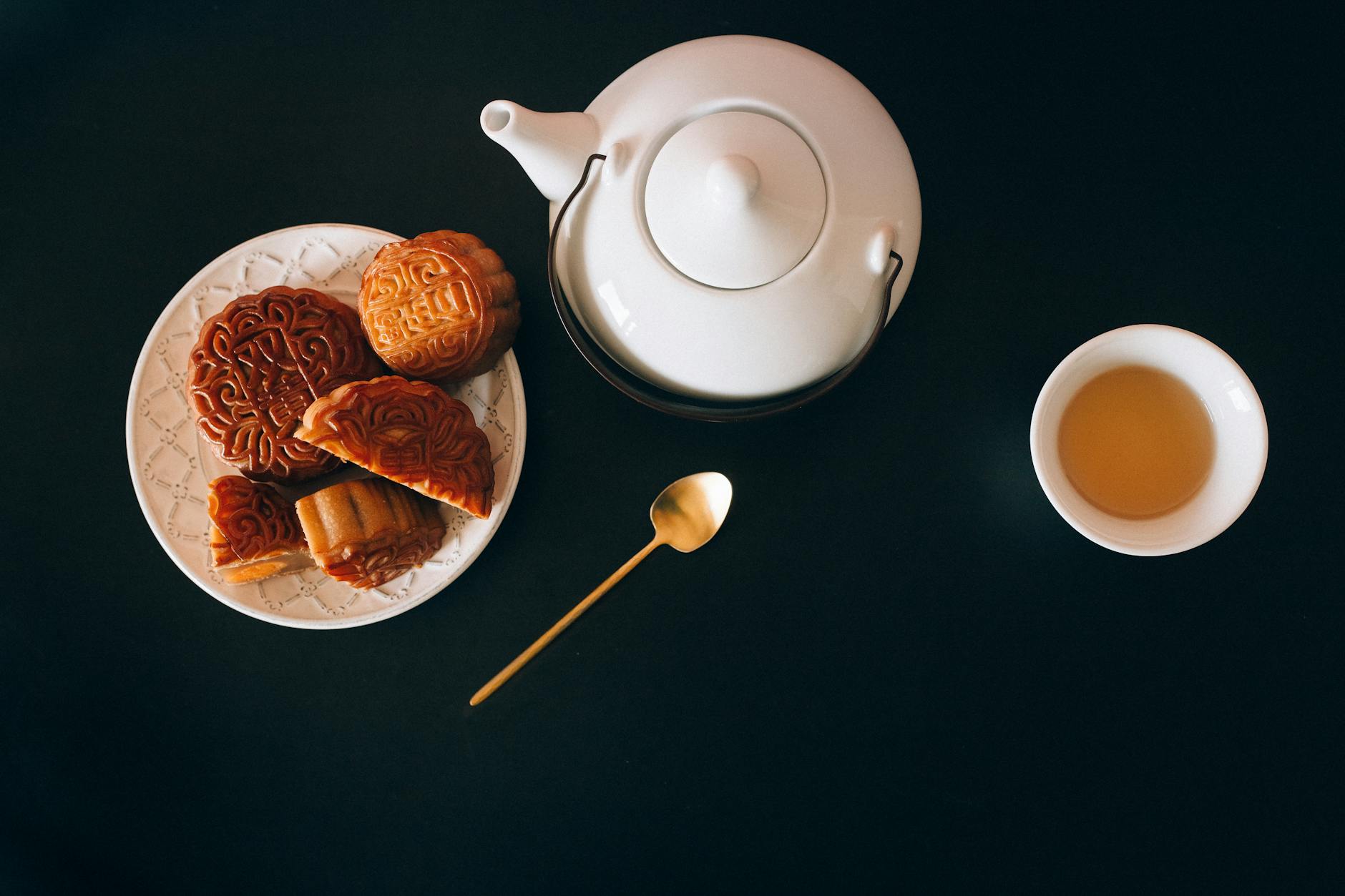
China’s second most important traditional holiday is a celebration of harvest, family reunion, and the full moon. In 2026, it falls on September 25. The festival centers around moon-gazing (赏月) and eating mooncakes (月饼) — dense, ornate pastries filled with lotus seed paste, red bean, salted egg yolk, or modern flavors like matcha and chocolate. The full Mid-Autumn Festival Beijing guide covers the best moon-viewing spots, where to buy premium mooncakes, and how to time your visit for the full moon.
Best spots for moon-gazing: The Forbidden City moat, Beihai Park’s White Pagoda, Houhai lakeside, the CCTV Tower observation deck, and the Fragrant Hills. Many parks host special evening events with traditional music performances and lantern displays. Hotels and restaurants throughout the city offer elaborate mooncake gift boxes from late August onward — these make excellent souvenirs that don’t take up much space in a suitcase.
Beijing Autumn Foliage Season — October to November
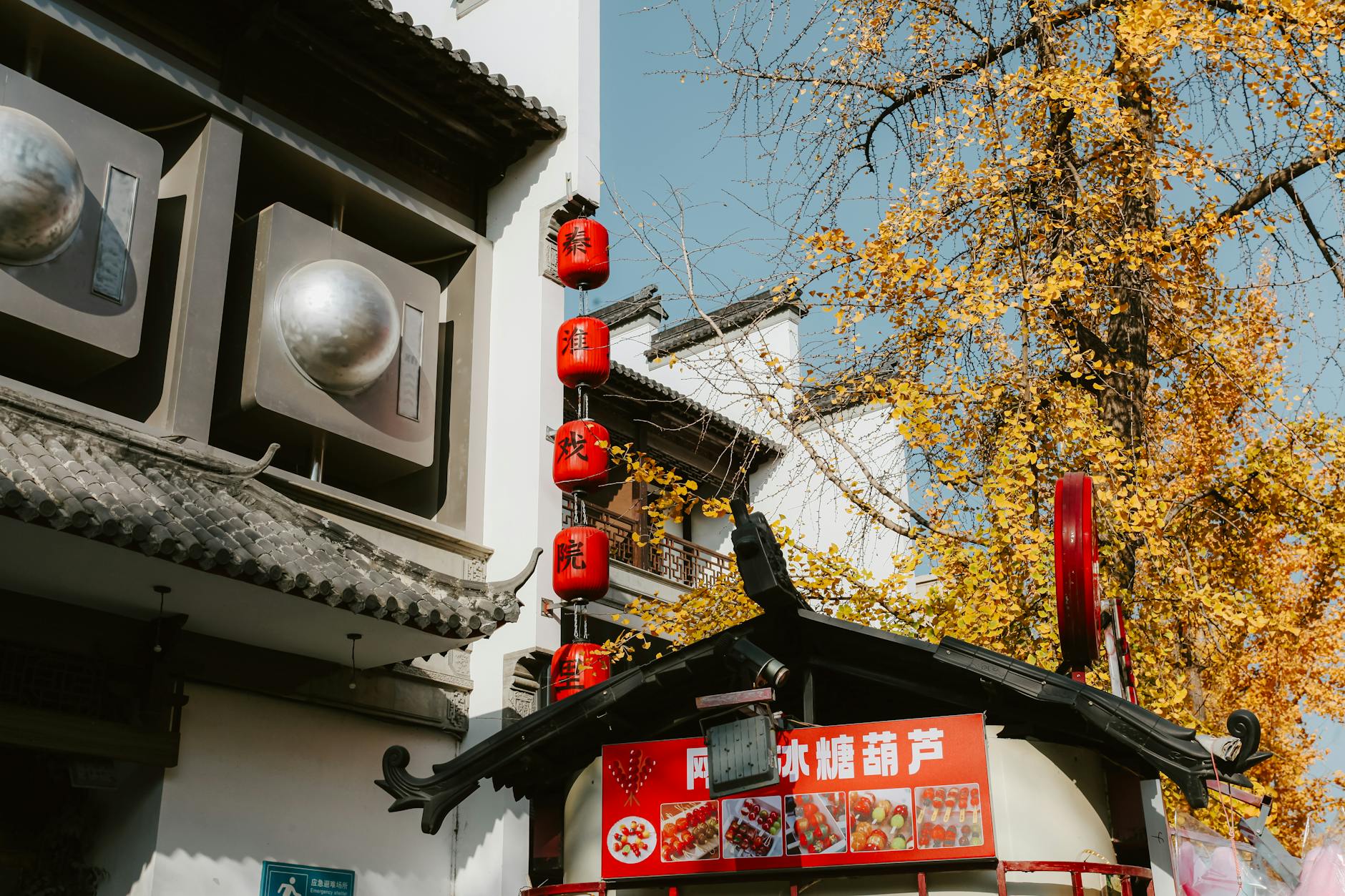
Autumn is widely considered Beijing’s most beautiful season, and the spectacular foliage draws visitors from across China. The dedicated Beijing autumn leaves guide goes deep on exact timing, best viewpoints, and what to expect at each location.
Fragrant Hills (香山) — Beijing’s most famous autumn foliage destination, where 100,000 smoke trees blaze with red and orange leaves from mid-October through November. The annual Red Leaves Festival draws massive crowds — visit on weekdays for a better experience. Ginkgo Avenue at Ditan Park — Beijing’s most photographed autumn scene, where ancient ginkgo trees create a golden tunnel. Usually peaks in late October to early November. The Great Wall — the Wall surrounded by autumn colors is one of China’s most magnificent sights. Tanzhe Temple — Ancient ginkgo trees (some over 1,000 years old) turn brilliant gold against the temple’s red walls.
Summer Events and the Outdoor Season — July to August
Beijing summers are hot and humid, but the city doesn’t slow down. If anything, the long daylight hours and warm evenings push cultural life outside. The outdoor event calendar from July through August is more packed than many visitors expect.
Outdoor concerts and live music — Major venues like the Worker’s Stadium, National Aquatics Center (Water Cube), and the Olympic Green host international and domestic music acts through summer. Beijing’s indie music scene runs outdoor events at spaces like Yugong Yishan and various rooftop bars in Sanlitun. Check the listings on SmartBeijing or Time Out Beijing about two weeks out — lineups are confirmed late.
Beer festivals — Beijing’s craft beer scene has expanded significantly in the past decade. The Great Wall Beer Festival (Badaling site) runs during summer weekends — drinking cold beer with the Wall as a backdrop is exactly as good as it sounds. Sanlitun and Shunyi host smaller craft beer festivals, and many bars run outdoor beer garden events throughout July and August.
Night at the Museum events — The Palace Museum (Forbidden City) runs special evening tours on selected dates in summer, when the complex is lit at night and visitor numbers are strictly capped. These sell out within minutes of going on sale — follow the Palace Museum’s official WeChat account for release dates. The National Museum of China and the Natural History Museum also run summer evening programs aimed at families.
Lotus season — July and early August are peak lotus flowering season at Beihai Park, the Summer Palace’s Kunming Lake, and the Old Summer Palace (Yuanmingyuan). Hiring a rowboat and drifting through lotus beds in the early morning is one of those Beijing experiences you don’t see on the standard tourist circuit. Get there before 9am to avoid both the heat and the crowds.
For a full overview of the city’s cultural events year-round, including art exhibitions, music festivals, and international shows, that guide covers the broader scene beyond seasonal festivals.
Universal Studios Beijing: A Major Year-Round Attraction
Opened in September 2021 in Tongzhou district (east Beijing), Universal Studios Beijing is now one of the largest Universal theme park complexes in the world — and it’s become a significant part of Beijing’s entertainment calendar, especially during school holidays and festival periods when families need somewhere to go that isn’t wall-to-wall crowds at historical sites.
What’s there — Seven themed worlds across 400 acres: The Wizarding World of Harry Potter (the centerpiece, with Hogsmeade village, Hogwarts castle, and multiple rides), Transformers Metrobase, Kung Fu Panda Land of Awesomeness, Jurassic World Isla Nublar, Minion Land, Hollywood, and an original zone called Beijing Waterfront. The Wizarding World is the strongest — Forbidden Journey and Hagrid’s Motorbike Adventure are genuinely excellent rides, and the immersive detail of Hogsmeade is impressive. Kung Fu Panda Land is the park’s most distinctively Chinese offering, integrating traditional aesthetics with the franchise.
Tickets — Standard day tickets range from ¥418 (off-peak weekdays) to ¥638 (peak season and holidays). Express Passes start at around ¥200 on top and are worth it if you’re going on a busy day — queue times for top rides can hit 120+ minutes without one. Book online in advance through the official Universal Studios Beijing app or website. Tickets for Golden Week and Chinese New Year sell out weeks ahead.
Getting there — The park sits in Tongzhou, about 30km east of central Beijing. The most straightforward route is Metro Line 7 east to its terminus at Huanqiu Yingcheng station, which deposits you directly at the park entrance. Line 8 also serves the area. From Dongzhimen, expect about 45–50 minutes. Driving is possible but parking fills up fast on busy days — public transit is genuinely the better option here.
When to go — Weekdays outside of school holidays are the sweet spot. A Tuesday in March or a Wednesday in November will give you short queues and a comfortable crowd level. The park is open during Golden Week (October 1–7) and Chinese New Year, but these periods see the park at absolute capacity — if you’re visiting during a major holiday, go early, have Express Passes, and accept you’ll spend time queuing. The park does seasonal decorations during Chinese New Year and Halloween, which adds atmosphere even if the crowds are challenging.
Tips — Arrive when the park opens (usually 9am) and head straight to Wizarding World before the queue builds. The Butterbeer cart outside Hogsmeade sells out by early afternoon. Universal’s app shows real-time wait times. The park has a strong food offering — the Three Broomsticks in Hogsmeade and the Kung Fu Panda restaurant are both worth stopping at.
Get the full breakdown in the Universal Studios Beijing guide, including ticket comparison, a ride-by-ride breakdown, and insider tips on the best days to visit.
Beijing’s Winter Festival Scene — December to February
Winter in Beijing gets a bad reputation from people who haven’t been. Yes, it’s cold — temperatures regularly drop below -10°C in January. But the city’s winter festival calendar is genuinely one of its best-kept secrets, and the Beijing winter guide covers everything from cold-weather gear to the best seasonal events in detail.
Ice lantern festivals — The most visually spectacular winter events in Beijing. Shichahai Ice Lantern Festival (什刹海冰灯节), held on the frozen lake in central Beijing, fills the ice with thousands of carved ice lanterns in animal, floral, and architectural shapes — illuminated from within at night, the effect is genuinely otherworldly. Yuyuantan Park runs a competing ice lantern festival with enormous installations that draw weeknight crowds. World Park (世界公园) in Fengtai hosts one of the city’s larger ice carving competitions alongside its lantern displays.
Ice skating — Beijing’s parks convert frozen lakes into ice skating rinks from around December through February. The rinks at Beihai Park, Shichahai, and the Summer Palace (Kunming Lake) are the most atmospheric — skating in front of traditional palace architecture on a crisp winter morning is a Beijing experience in its own right. Rinks typically charge ¥20–40 for admission plus ¥20–30 skate rental. Penguin-shaped push-supports are available at most rinks for children who aren’t confident on skates.
Skiing near Beijing — Beijing’s proximity to mountains means you can ski and be back in the city the same day. Nanshan Ski Resort (南山滑雪场) in Miyun is the closest, about 90 minutes from central Beijing, with decent intermediate runs. Shijinglong (石京龙) in Yanqing is slightly more developed, with 22 runs and good snowmaking. Both operate from December through February and offer rental equipment. For more serious skiing, the Zhangjiakou area (host of 2022 Winter Olympics cross-country and biathlon events) is 3–4 hours away and has significantly better terrain at Genting and Thaiwoo resorts.
Lunar New Year build-up — The two weeks before Chinese New Year see Beijing at its most decorative. Red and gold lanterns go up on every shopping street, the Temple of Heaven park sells traditional Spring Festival goods, and markets like Panjiayuan shift to festival merchandise. If you can only make one winter visit, timing it for the week before New Year through the first few days gives you the decorations and the energy without the peak closures.
When NOT to Visit Beijing for Festivals
This is the section most guides won’t write. Beijing at peak holiday time is a genuinely different experience — not always a better one. Here’s the honest picture.
Golden Week (October 1–7, National Day) — This is China’s busiest domestic travel period. Around 600 million people travel during Golden Week, and a significant proportion end up in Beijing. The Forbidden City sells out its 30,000 daily tickets within minutes of going on sale — sometimes before you wake up. The Great Wall at Badaling becomes a slow-moving human river. Tiananmen Square has airport-level security queues. Accommodation prices double or triple. If you’re already in Beijing and can’t leave, go to smaller sites, visit in the early morning, and avoid the top five attractions entirely. If you have a choice, don’t plan a first Beijing visit around Golden Week.
Chinese New Year week itself — Counterintuitively, the actual New Year week (roughly days 1–6 of the new lunar year) is one of the harder times to visit as a tourist. A large percentage of Beijing’s residents leave the city to visit family, which means enormous numbers of restaurants, shops, and services simply close. The city can feel oddly quiet in parts, then suddenly mobbed at temple fair venues. If you want the festival experience, come for the run-up (the week before) or arrive on day 2 onward when things reopen.
May Day Golden Week (May 1–5) — A smaller version of the October peak, but still enough to create significant crowd problems at major sites. The weather in early May is good, which pulls more visitors than expected. The same advice applies: book early, go at opening time, and have a backup plan.
The sweet spots — For festivals with manageable crowds: late September (just before Golden Week, Mid-Autumn Festival timing), mid-October (after Golden Week, foliage beginning), March weekdays (cherry blossoms before the main crowds), and early February (pre-New Year energy, before the actual holiday surge).
Planning Around Beijing’s Festival Calendar
China’s traditional festivals follow the lunar calendar, which means their Gregorian dates shift every year by up to four weeks. This catches people out regularly — someone books a flight for “around Chinese New Year” and arrives three weeks early, or a week after the temple fairs have packed up. Always check the specific lunar calendar date for the year you’re travelling.
Festivals worth timing your trip around:
- Chinese New Year temple fairs — Hard to replicate any other time of year. Worth the extra planning effort.
- Lantern Festival — Only happens once a year and the lantern displays at Shichahai are genuinely special. Good if you’re already in Beijing for New Year.
- Mid-Autumn Festival — The moon-gazing atmosphere is real, and September weather in Beijing is excellent. Worth targeting if you have flexibility.
- Cherry blossom season — The window is short (10–14 days of peak bloom) and timing is weather-dependent, but Yuyuantan at peak bloom is worth it. Watch the forecast from mid-March onward.
- Fragrant Hills foliage — Mid-October weekdays. The color is reliably good most years and the hike up the hill is rewarding.
Festivals that are fine to miss:
- Qingming Festival — Meaningful for local families but doesn’t generate visitor experiences that require being there on the specific day.
- National Day (October 1) — Major military parades happen only every 5 or 10 years. In between, October 1st is just another crowded holiday with no special visitor programming.
Booking advice — For Chinese New Year, book flights and hotels 3+ months ahead. For cherry blossoms and Fragrant Hills foliage, 4–6 weeks out is usually enough but watch for price spikes. The Forbidden City requires advance ticket booking regardless of season — tickets are released 10 days before entry and sell out, particularly on weekends. Universal Studios tickets are easiest booked 2–3 weeks ahead for regular weekdays, and 6+ weeks for holidays.
For full orientation on building your Beijing itinerary around these events, the Beijing travel guide covers logistics, neighborhoods, and trip planning from scratch.
Beijing for Kids: Best Festival Experiences
Beijing with children and Beijing’s festivals are actually a natural combination — the city’s traditional celebrations were designed to be communal and participatory, and many of the best elements are inherently kid-friendly.
Chinese New Year temple fairs — The carnival atmosphere at Ditan and Longtan Park temple fairs works excellently for children aged 4 and up. Rides, games (ring toss, darts, shooting galleries), street food, dragon dances, and face painters keep kids engaged for hours. Go on day 2 or 3 of the festival when queues for rides are slightly shorter.
Lantern Festival riddles — Older children (8+) love the riddle-guessing tradition. Buy a lantern-riddle booklet from a park stall and work through the clues together — the riddles in Chinese are genuinely tricky, but children’s versions are available at temple fair stalls. Even just carrying a paper lantern through the crowds is exciting for younger children.
Ice skating in winter — The outdoor rinks at Beihai Park and Shichahai are a hit with children of all ages. The setting (frozen lake, palace walls, blue winter sky) makes for memorable photos, and the penguin push-supports mean even very young children can join in.
Universal Studios Beijing — The strongest family-with-children option year-round. Children who know Harry Potter, Kung Fu Panda, or Minions will be genuinely thrilled. Height restrictions apply to the bigger rides (Forbidden Journey requires 122cm), but there are plenty of options for younger children in Minion Land and Kung Fu Panda Land. A single day covers the park comfortably for most families.
Dragon Boat Festival races — Watching the races at Kunming Lake is exciting for children — the drumming, the pace, and the spectacle are compelling even for kids with no background in the tradition. Pair it with a zongzi tasting session at the park food stalls, and let them try to identify different fillings.
For a broader look at the temples and historic sites that form the backdrop to many of these celebrations, the Beijing temples guide is a good companion read — many temple grounds have dedicated children’s activity areas during festivals.
Beijing Festivals and Events: Month-by-Month Calendar
January–February: Chinese New Year (February 17 in 2026), temple fairs at Ditan and Longtan Park, Lantern Festival (March 3 in 2026), ice skating on Shichahai lakes, ice lantern festivals at Yuyuantan and World Park.
March–April: Cherry blossom season (Yuyuantan, Summer Palace, Old Summer Palace), Qingming Festival (April 4–6), spring flower festivals, magnolia season at Beijing Botanical Garden.
May–June: Dragon Boat Festival (Kunming Lake races, late May or early June), peony season at Jingshan Park, May Day holiday week, ideal weather for hutong walking.
July–August: Outdoor concerts at Worker’s Stadium and Olympic Green, craft beer festivals, lotus flowers at Beihai Park and the Summer Palace, Night at the Museum events at the Forbidden City.
September–October: Mid-Autumn Festival (September 25 in 2026), National Day Golden Week (October 1–7 — heavy crowds), autumn foliage begins mid-October at Fragrant Hills.
November–December: Peak foliage at Fragrant Hills and Tanzhe Temple, hot pot season in full swing, Christmas markets at Sanlitun, ice lantern festivals begin late November, ski resorts open at Nanshan and Shijinglong.
The best windows for first-time visitors: Chinese New Year in January/February for cultural depth, and September into mid-October for the combination of Mid-Autumn Festival, good weather, and the start of autumn color. That last window is probably Beijing’s single best festival-to-weather ratio of the year — after the summer heat and before the Golden Week surge.
Detailed Guides
Each major festival and season has its own in-depth guide covering exact dates, specific venue advice, transport, and insider tips:
- Chinese New Year in Beijing — temple fairs, New Year’s Eve traditions, where to watch dragon dances
- Mid-Autumn Festival Beijing — moon-gazing spots, mooncake guide, 2026 date (September 25)
- Beijing Cherry Blossoms — timing by variety, best parks, how to read the bloom forecast
- Beijing Autumn Leaves — Fragrant Hills timing, ginkgo season, best viewpoints by week
- Beijing Winter Guide — ice festivals, skating rinks, skiing nearby, what to wear
- Beijing Cultural Events — art exhibitions, concerts, international festivals year-round
- Universal Studios Beijing — zones, tickets (¥418–638), how to get there, best days to visit