This guide is for Beijing first time visitors — and the practical things every first-timer wishes they’d known on arrival. Visiting Beijing for the first time, China’s capital is one of the most rewarding — and most logistically demanding — cities in the world to visit, and the gap between an “I survived” trip and a genuinely brilliant one comes down to a handful of practical things you wish you’d known on arrival. This guide compiles 25 essential things to know before visiting Beijing, drawn from what every first-timer ends up Googling in their hotel room on day one. For Beijing first time visitors, the gap between a frustrating trip and a brilliant one comes down to a handful of preparation steps detailed below.
Some of these are tactical (how to pay for things, how to use the metro, what to install before you fly). Others are cultural (how to behave at temples, what to do about tipping, what’s in a typical Chinese breakfast). A few are flat-out warnings about the things that go wrong on first trips. Read it before you book, again before you fly, and one more time on the plane.
Quick reference for Beijing first time visitors: 25 things in one paragraph
Get a Chinese visa or use the 240-hour transit policy. Install Alipay and DiDi before you fly. Buy a travel eSIM with VPN-equivalent service. Carry your passport everywhere. Beijing is enormous — pick a central neighbourhood. Subway is easy, taxis are cheap, walk a lot. Plan 4–5 days for first-timers. Avoid Golden Weeks. Tap water is unsafe; bottled is everywhere. Tipping isn’t customary. Book Forbidden City tickets a week ahead. Decline tea-ceremony invitations from strangers. Book Mutianyu Great Wall, not Badaling. Eat at neighbourhood places, not tourist restaurants. Try Peking duck, jianbing, hotpot, and street skewers. Download offline maps. Carry tissue paper for public bathrooms. Don’t expect English fluency. Learn 3 phrases of Mandarin. Public displays of affection get stares. Don’t photograph security. Air quality is mostly fine but check daily. Bargain at markets, not at malls. Beijing winters are colder than you think. Pace yourself — the heat or cold will catch you out. Buffer one day for jet lag and the unexpected.
Below, every one of those points expanded.
1. Get your visa sorted before you go
Most visitors need a Chinese tourist visa (L visa). Apply through your nearest Chinese visa application centre — the process takes 5–10 working days and requires a passport with 6 months validity, two blank pages, and proof of accommodation and onward travel. The good news: the new 240-hour visa-free transit policy (October 2024 onward) lets passport holders from 54 countries — including the US, UK, Canada, Australia, and most of the EU — visit Beijing for up to 10 days without a visa, provided they’re transiting to a third country. There’s also a 30-day visa-free entry for 38 countries (as of late 2024). See our Beijing visa requirements guide for the latest rules and full eligibility lists.
2. Install your apps and eSIM before you fly
The single most important first-timer tip. Once you’re in China, you cannot easily download Google-services apps, VPN apps, or many travel apps. Before flying, install: Alipay (with Tour Pass set up and your Visa or Mastercard linked), WeChat, DiDi (English version), Trip.com, Google Translate (with Chinese language pack downloaded for offline use), Apple Maps or Baidu Maps, your VPN of choice (NordVPN or ExpressVPN), and your travel eSIM provider’s app. Set up the eSIM profile and activate it after landing.
3. Carry your passport everywhere — always
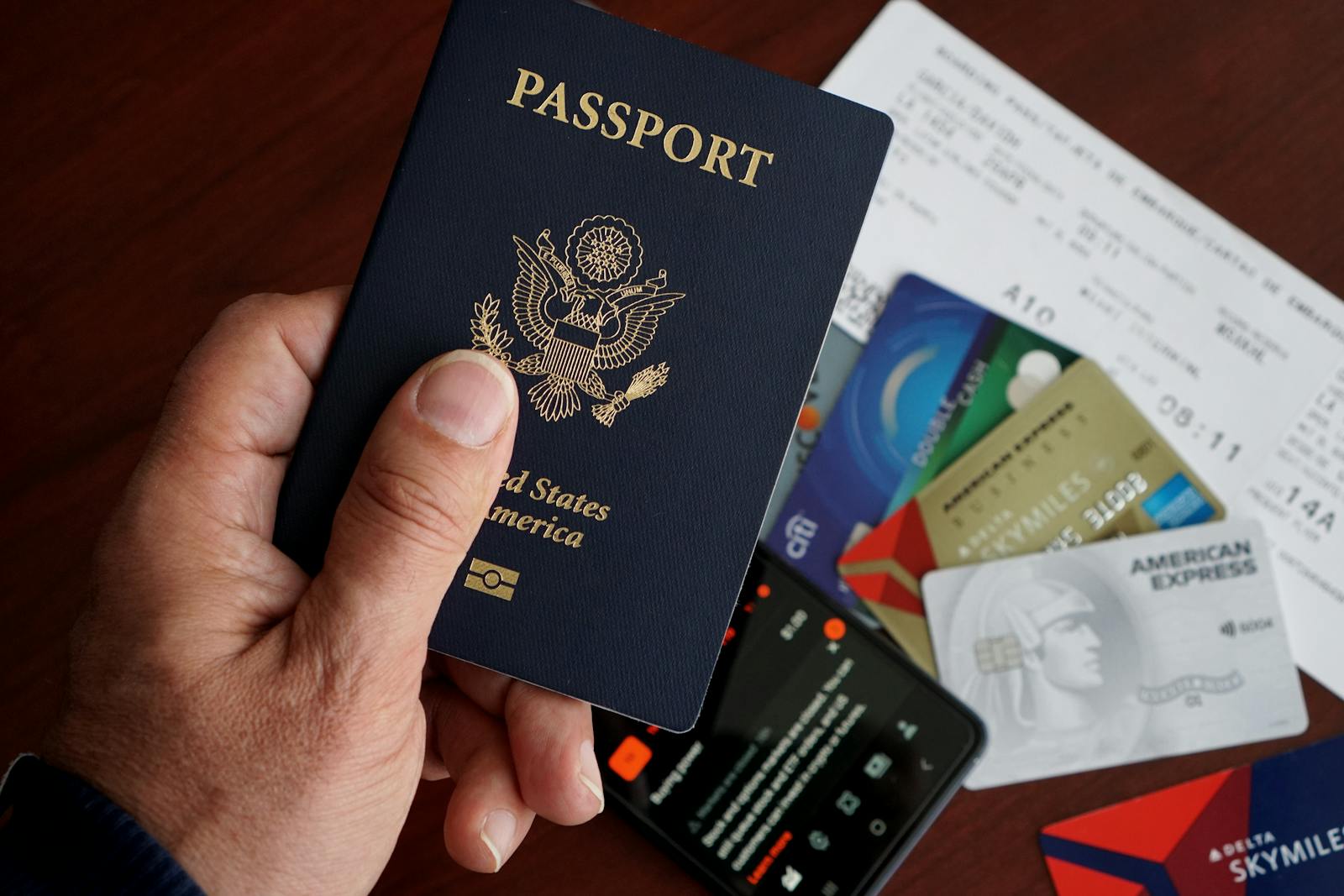
Chinese law requires foreigners to carry ID at all times. You’ll need your passport at every metro station (some lines have spot checks), every major attraction, every hotel check-in, and any random police check. A clear photo of the photo page and visa on your phone is acceptable in most situations but not all — carry the physical document for major attraction entry and metro security checks.
4. Beijing is cashless — but bring some cash
Beijing runs on Alipay and WeChat Pay. From street vendors selling baozi to luxury hotels to taxis, mobile payment is universal. By 2026, foreign cards work directly through Alipay’s Tour Pass and WeChat’s similar service — fees are negligible (usually free under ¥200, ~3% above). However: keep ¥500–¥1,000 cash as backup for small markets, the rare merchant whose machine doesn’t read foreign cards, and tipping tour guides.
5. Beijing is enormous — pick a central neighbourhood
Beijing’s urban area covers more than 1,300 km². If you stay in the wrong district, you’ll spend an hour each way commuting to attractions. Best central neighbourhoods for first-timers: Wangfujing (close to Forbidden City and Tiananmen, full of restaurants), Qianmen (south of Tiananmen, great hutong vibes), Dongcheng generally (east of Forbidden City, well-connected metro), or Nanluoguxiang area (hutongs and bars). Avoid Chaoyang for your first trip — it’s the modern business district and doesn’t fit “first-time Beijing” trips well. See our Where to Stay in Beijing guide for full neighbourhood breakdowns.
6. The Beijing subway is your best friend
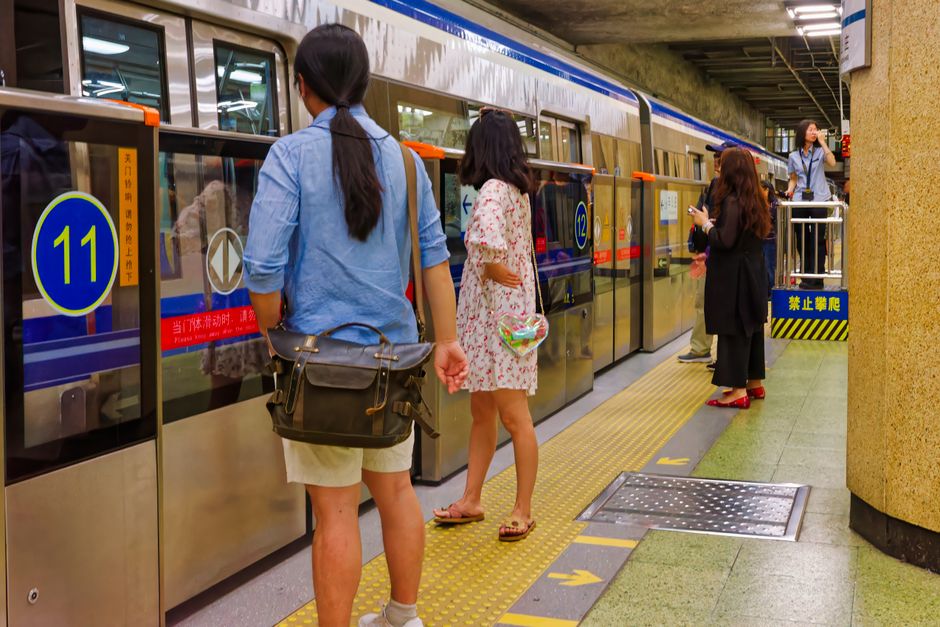
Beijing’s metro system is the world’s busiest, the third-longest, and remarkably easy to use. All signs are in English; announcements are bilingual; trains run frequently from 5 AM to 11 PM. Fares are ¥3–¥10 based on distance. Easiest payment: open Alipay → Transport tab → set up Beijing metro QR code once → scan at every gate. Alternative: tap a foreign contactless credit card at the gate (slightly more expensive but works without setup). Get to know lines 1, 2, 4, 5, and 6 — they hit every major sight.
7. Plan 4 to 5 days minimum for a first trip
The biggest regret first-time visitors report: not enough time. Three days is the absolute minimum to hit the Forbidden City, Great Wall, and Temple of Heaven. Four to five days is the sweet spot for first-timers. See our how many days in Beijing guide for detailed itineraries at each length. Build in one buffer day — for jet lag, weather, or simply for the day when you’ll want to slow down and just sit in a tea house.
8. Avoid the two Golden Week holidays
The May Day Holiday (1–5 May) and especially the Chinese National Day Golden Week (1–7 October) bring millions of domestic Chinese tourists into Beijing. Hotel prices double or triple, attractions cap visitor numbers, and queues stretch for hours. If your only window falls on these dates, redirect to a less-touristed Chinese destination instead. The two weeks immediately before Golden Week are arguably Beijing’s best, however — pleasant weather, lower domestic tourism.
9. Don’t drink the tap water
Beijing tap water is unsafe to drink raw — the city’s pipes are old and water quality varies by district. The standard practice for everyone (locals included) is to boil tap water, which every hotel kettle does in 2 minutes. Bottled water is ¥3 anywhere; carry a refillable bottle and refill from the in-room kettle once it’s cooled. For ice in drinks (hotels and bars only), it’s almost always made from filtered water and safe.
10. Don’t tip — it’s not customary
Tipping in China is not expected and can cause confusion. Restaurants don’t expect tips. Taxi drivers don’t expect tips. Hotel housekeeping doesn’t expect tips. The only exceptions: private tour guides (¥50–¥100 per person per day in cash for excellent service is appreciated) and porters at high-end international hotels (¥10–¥20 per bag). Otherwise, the bill is the bill.
11. Book Forbidden City tickets a week ahead — online only
The single most common first-timer mistake: showing up at the Forbidden City and discovering tickets aren’t sold at the gate. All Forbidden City tickets are online-only, timed-entry, capped at 40,000 daily, and frequently sell out 5–7 days in advance during peak season. Book through the official Palace Museum website (en.dpm.org.cn) at least one week before — earlier in May, October, and around Golden Weeks. Tickets are ¥60 (April–October) or ¥40 (November–March).
12. Decline conversations from friendly strangers near attractions
If a young person near Tiananmen, the Forbidden City, Wangfujing, or Houhai approaches you wanting to “practise English” or invite you somewhere — politely decline and walk on. This is the opening of Beijing’s most common scams (tea house, art gallery, KTV bar). Real Chinese students don’t approach foreigners on the street. Default response: “No thanks, we have plans.” Keep walking. We cover this in detail in our Beijing safety tips guide.
13. Choose Mutianyu, not Badaling, for your Great Wall day
Most first-timers default to Badaling because it’s the most-promoted section. Mutianyu is the better choice: equally well-restored, far less crowded (Badaling regularly has 80,000+ daily visitors; Mutianyu sees 8,000–12,000), with both a cable car up and a fun toboggan down. Mutianyu is 75 minutes from central Beijing; Badaling is 90+ minutes plus heavier traffic. Book a group tour (¥350–¥500 with hotel pickup, lunch, and English guide) or DIY using the Tourist Bus 916 from Dongzhimen.
14. Eat at neighbourhood restaurants, not tourist ones
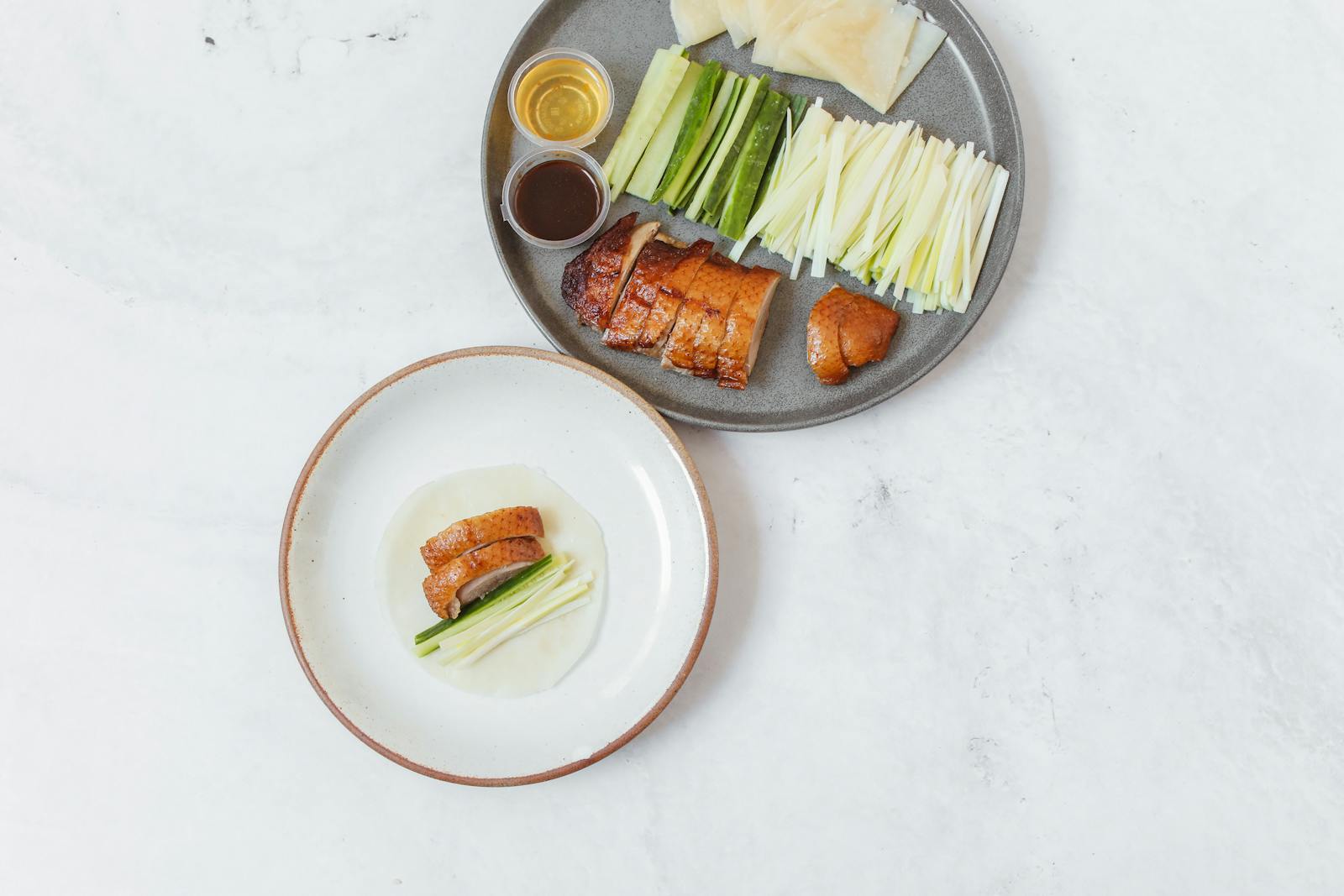
The price difference between a tourist-zone restaurant and a neighbourhood place one block away is enormous — often 3–5x — and the food at the neighbourhood place is usually better. Look for restaurants busy with Chinese diners (this is the universal restaurant test). For Peking duck, skip Quanjude (the famous tourist chain) in favour of Siji Minfu (¥160 for whole duck, and locals love it). Most non-tourist restaurants have picture menus or Pleco-friendly Chinese menus.
15. Must-eat foods: beyond just Peking duck
Peking duck is iconic and worth ordering once. But Beijing’s food culture is much broader. Don’t miss:
- Jianbing: a savoury crepe with egg, scallions, hoisin sauce, chilli, and a crispy cracker — the breakfast of Beijingers, ¥10–¥15.
- Beijing zhajiangmian: hand-pulled noodles with fermented soybean sauce and shredded vegetables.
- Lamb hotpot (shuàn yáng ròu): thinly-sliced lamb dipped briefly in spiced broth, served with sesame paste — Beijing’s most distinctive dish after duck.
- Baozi: steamed pork or vegetable buns, ¥3–¥6 each.
- Roujiamo: Chinese pork sandwich (also called the Chinese hamburger), ¥10–¥15.
- Grilled lamb skewers (chuanr): ¥3–¥6 each at street stalls.
- Peking duck: ¥160–¥500 depending on restaurant.
See our Beijing food guide for the complete list and where to eat each.
16. Download offline maps
Google Maps doesn’t work in China. Apple Maps works fine. Baidu Maps and Amap (Gaode) are the best Chinese options but are entirely in Chinese. Best workflow: use Apple Maps for English directions, screenshot the route to your destination before leaving Wi-Fi, and have your hotel’s Chinese name and address saved as a screenshot. Maps.me also works offline.
17. Public bathrooms — carry tissue paper
Beijing has plentiful public bathrooms, including free public toilets at most metro stations and tourist sights. The catch: many don’t have toilet paper and most have squat toilets rather than Western seats (especially in older buildings). Always carry a small pack of tissues and hand sanitiser. Western seat toilets are increasingly common at international hotels, malls, and newer attractions.
18. Don’t expect widespread English
English is taught in Chinese schools but most Beijing residents — including hotel staff outside major international properties — speak only basic English. Tourist-facing roles (museum guides, big-restaurant servers) often have functional English. Younger people (under 30) usually have stronger English than older Beijingers. Be patient, smile, gesture, and use Google Translate’s camera mode liberally for menus and signs.
19. Learn three Mandarin phrases
You don’t need fluency, but a few phrases dramatically improve your experience:
- Nǐ hǎo (你好) — “Hello”
- Xiè xiè (谢谢) — “Thank you”
- Duōshǎo qián? (多少钱?) — “How much?”
- Bonus: Bù yào (不要) — “I don’t want it” — for declining street solicitations
- Bonus: Cèsuǒ zài nǎlǐ? (厕所在哪里?) — “Where is the bathroom?”
Pronunciation matters — Mandarin is tonal — but Beijingers are generally forgiving and appreciate any effort.
20. Cultural etiquette: the four big ones
Don’t be alarmed by these — they’re cultural norms in China and rarely targeted at foreigners:
- Slurping and loud eating are signs of enjoyment, not rudeness.
- Public spitting is becoming less common in Beijing but still happens — it’s not directed at you.
- Personal space in queues and crowded carriages is closer than Westerners are used to. People will brush past you without apology.
- Volume: loud conversation, especially in restaurants, is normal. It’s not anger.
Things to avoid yourself: don’t stick chopsticks vertically in rice (it resembles funeral incense), don’t tap the table for service (universally tacky), don’t refuse offered food rudely (a polite “I’m full, thank you” is fine). Public displays of affection — hand-holding is fine, kissing or hugging in public attracts stares and is best avoided.
21. Don’t photograph security personnel or government buildings
This is a hard rule. Don’t photograph: military installations, police checkpoints, large security camera arrays, the perimeter of government buildings (especially Zhongnanhai west of the Forbidden City), or protest activity. Tiananmen Square photos of the square itself are fine; photos of police or military equipment may attract attention. If you’re asked to delete photos, comply immediately — no argument is worth the trouble.
22. Air quality: mostly fine, but check daily
Beijing’s air quality has improved enormously since the 2010s — most days now register AQI under 100 (good or moderate). Severe smog episodes still occur a few days per year, mostly late autumn and mid-winter. Download AirVisual or Plume Labs apps for real-time readings. On red-alert days, wear an N95 mask, stay indoors when possible, and avoid outdoor exercise. Sandstorms (March–April) require similar precautions for 1–2 days.
23. Bargain at markets, not at malls
At Panjiayuan flea market, Silk Market, and Pearl Market, bargaining is expected — vendors typically start at 5–10x the fair price for tourists. Counter-offer at 30% of opening price, settle around 50–70%. At malls, fixed-price stores, restaurants, and supermarkets, prices are firm. The Silk Market is especially aggressive — it’s worth practising your bargaining elsewhere first (Panjiayuan is gentler).
24. Pack for the actual season
Beijing winters are seriously cold — January averages –8°C night, 1°C day. Beijing summers are humid and 30°C+. Spring and autumn are mild but with sharp temperature swings between day and night. First-timers regularly under-pack winter coats and over-pack summer layers. See our best time to visit Beijing guide for month-by-month weather and our packing list for season-specific essentials.
25. Pace yourself
Beijing is exhausting in ways first-timers don’t anticipate. Walking distances inside attractions are large (Forbidden City alone is 5 km). Heat and humidity in summer are draining. Cold and dry air in winter are fatiguing. Jet lag from long-haul flights compounds everything. The single best advice from frequent visitors: plan only one major attraction per day, with a rest break midway through. Sit in a tea house for an hour. Have a slow lunch. Watch Beijingers do tai chi in the park. The city rewards slowing down — and you’ll see more by trying to see less.
Bonus first-timer tips
Carry a power bank
You’ll use your phone constantly: Apple Maps, Alipay, WeChat, photos, translation. Beijing days drain phones fast. A 10,000 mAh power bank is essential, and you can take it on the metro (security scans don’t object).
Plan your Great Wall day for clear weather
The Great Wall is dramatically less impressive in fog or smog. Check the 5-day forecast and pick the clearest day for your Great Wall visit. Hotel concierges will help you swap day-tour reservations if needed.
Buy a Yikatong (Beijing transport card)
If you’re staying more than 2–3 days, the Yikatong (¥20 deposit + load) makes metro and bus payment fastest and slightly cheaper than QR codes. Buy at any major metro station’s customer service window. Refund the card and remaining balance at the end of your trip.
Book Universal Studios in advance if it’s on your list
Universal Studios Beijing (opened 2021) is wildly popular with both Chinese and international visitors. Tickets are timed-entry; weekends sell out. Book through the official UB app or Trip.com a week ahead.
Embrace the convenience-store culture
7-Eleven, FamilyMart, and Lawson are everywhere in central Beijing and excellent. They sell hot drinks, decent ready meals (the egg sandwiches and instant noodle counters are surprisingly good), bottled water, basic medicines, and SIM cards. They accept Alipay and WeChat Pay.
Respect temple etiquette
At Buddhist and Taoist temples (Lama Temple is the most-visited), behave quietly. Photography is fine in courtyards but discouraged inside main halls. Don’t touch statues or ritual objects. If you’re offered incense at the temple gate, you can light it as a gesture of respect — three sticks placed in the central censer is the standard.
Try a tea ceremony — but at a reputable place
Real tea ceremonies are wonderful experiences and quite different from the tourist-trap version. Lao She Teahouse (Qianmen) is a reputable established venue with English-speaking staff and prices clearly displayed. Hotel concierges can also book private tea ceremonies in proper tea houses.
Watch the morning flag-raising at Tiananmen
If you’re up for an early start, the Tiananmen Square flag-raising ceremony at sunrise is a quintessentially Beijing experience. Crowds gather at 4:30–5:00 AM in summer, later in winter. Free; no booking required.
Universal phrases that work
Pointing at menus and pictures works everywhere. Showing your hotel’s Chinese name and address on your phone solves any taxi problem. Google Translate’s camera mode reads Chinese signs and menus instantly. When in doubt, smile.
Digital setup before you arrive
If there’s one category of first-timer preparation that makes the biggest day-one difference, it’s digital setup. Get this right and the city opens up immediately. Get it wrong and your first hours are spent troubleshooting in a hotel lobby instead of seeing anything.
VPN or travel eSIM — decide before you fly
Google Maps, Instagram, WhatsApp, and most Western apps don’t work in China. You need either a VPN (installed and tested before arrival — NordVPN and ExpressVPN maintain China-working configurations) or a travel eSIM from providers like Airalo, Holafly, or Nomad. Travel eSIMs are the simpler option in 2026: they route your data through Hong Kong or Singapore, bypassing the Great Firewall without any extra app layer. A 5 GB eSIM costs around $15–$20 and covers a typical week. Install and activate it before you land.
Alipay Tour Pass — the essential payment setup
Download Alipay, set up the “Tour Pass” international function, and link your Visa or Mastercard to it before flying. This gives you mobile payment that works at 95%+ of Beijing merchants from the moment you arrive. Without it, you’re dependent on cash for everything, which means multiple ATM visits and change difficulties. The Tour Pass setup takes about 20 minutes and requires an active foreign card and a selfie verification. Do it at home, not in a Beijing hotel lobby at midnight.
WeChat Pay and DiDi
Install WeChat (and link WeChat Pay as a backup payment method) and DiDi (the English-language version that accepts foreign credit cards directly). DiDi is your alternative to taxis — the app shows the price upfront, tracks the driver’s route, and eliminates the language barrier entirely. Both apps are harder to install from Chinese app stores once you’re in the country.
Offline maps and translation
Google Maps doesn’t work in China. Apple Maps does. Download Apple Maps offline data for Beijing before you fly. Also download the Google Translate Chinese language pack for offline use — the camera translation function (point your phone at a Chinese menu or sign) is the single most practically useful tech feature on a Beijing trip. Pleco dictionary works offline and is worth having for restaurant menus. Save your hotel address in Chinese characters as a screenshot — essential for showing DiDi drivers and getting home after a night out.
Getting oriented on arrival
Your first few hours set the tone for the whole trip. Here’s how to handle arrival smoothly.
From the airport into the city
From Beijing Capital Airport (PEK), the Airport Express train (¥25, 30 minutes to Dongzhimen) is faster and cheaper than any taxi during peak hours. From Dongzhimen you transfer to Line 2 or 13 to reach most central hotels. From Daxing Airport (PKX), the Daxing Airport Express (¥35–¥45) runs to Caoqiao (Line 10), Lize Business District (Line 14/16), and Beijing West Station. Both airport trains are clean, have luggage racks, and announce stops in English. Taxi from PEK to central Beijing runs ¥110–¥130 by meter — use the official taxi queue only; refuse anyone approaching you in the arrivals hall.
Your first night: what to sort
On arrival evening, prioritise: get Chinese cash from an ATM (ICBC and Bank of China at the airport accept foreign cards — ¥500–¥1,000 is enough for several days), activate your eSIM, test Alipay with a small purchase, and screenshot your hotel’s address in Chinese. Have a simple local dinner near your hotel rather than immediately going sightseeing — jet lag hits hardest in the first few hours and a low-key start protects the rest of the trip. Your hotel neighbourhood matters here: staying in Wangfujing or Dongcheng means excellent food options right outside the door.
Getting a metro card
The Yikatong card (¥20 deposit + load) is the smoothest way to pay for the metro and buses. Buy at any major metro station’s customer service window, load ¥200 to start, and tap in and out at every gate. Alternatively, use Alipay’s transport QR code function (open Alipay → Transport → generate Beijing metro QR code). Both are faster than buying single-journey tickets. Foreign contactless cards now work at Beijing metro gates, but the tap-to-pay rate is slightly higher than Yikatong or Alipay.
First morning: Tiananmen and Forbidden City
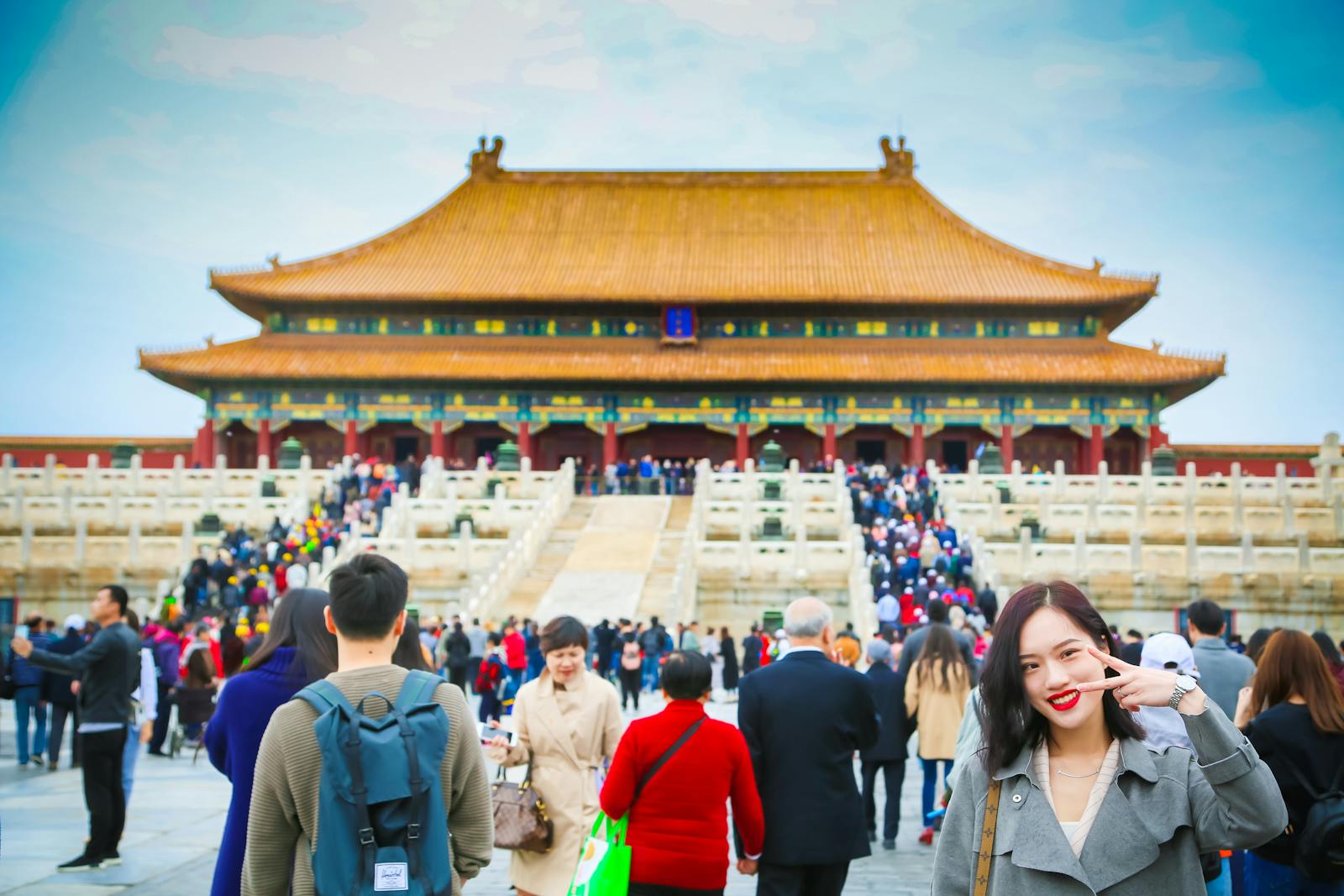
The first-timer instinct is correct: start at Tiananmen Square and walk north into the Forbidden City. The south entrance to Tiananmen is a short walk from Tiananmen East or Tiananmen West metro stations (Lines 1 and 2). You need a pre-booked timed ticket for the Forbidden City — book online at en.dpm.org.cn at least a week ahead (earlier in peak season). Arrive for your timed entry, walk the central axis north, exit through the north gate into Jingshan Park, and climb the hill for the full aerial view back down into the Forbidden City. This sequence takes 3–4 hours and is the single best opening day in any Beijing trip.
Common first-timer mistakes — and how to avoid them
These are the things that go predictably wrong on first Beijing trips. Every one of them is preventable with a bit of pre-trip reading.
Not booking Forbidden City tickets in advance
The most common and most avoidable mistake. There is no walk-up ticket purchase at the Forbidden City — it is 100% online, timed-entry, and sells out 5–7 days ahead in peak season. Many first-timers rock up to Tiananmen Square on their one Forbidden City day and discover they cannot enter. Book the moment you have confirmed travel dates.
Choosing Badaling over Mutianyu
Badaling is the most-marketed Great Wall section. It’s also the most crowded by far — regularly hitting 80,000 visitors on peak days versus 8,000–12,000 at Mutianyu. First-timers who go to Badaling often describe the Wall as “disappointing” — what they mean is it was too crowded to enjoy. Mutianyu has the same cable car, better views, and a toboggan ride down. Choose Mutianyu.
Eating at tourist restaurants
The ¥160 beef noodle bowl on Wangfujing’s tourist strip is a ¥25 bowl 100 metres away on the adjacent alley. Tourist-zone restaurants in Beijing charge 3–5x the neighbourhood price for the same food at lower quality. Walk one block off any tourist drag; look for restaurants full of Chinese diners; use Google Translate camera to read the menu. This is where Beijing really rewards solo travellers and solo travel generally — you can be opportunistic without having to coordinate.
Not accounting for the taxi scam risk
At airports and major train stations, unofficial “taxi” drivers approach foreigners and quote flat rates of ¥300–¥500 for what should be a ¥120 metered ride. Refuse them all. Use the official taxi queue (follow signs for “Taxi”) and verify the driver starts the meter immediately. Better: use DiDi. Price is shown before you confirm — no negotiation, no meter anxiety. First-timers lose significant money to this scam because they don’t know the real price range. Our Beijing safety tips guide covers this and all the other scams you’ll encounter.
Underestimating distances
Beijing’s ring-road layout makes distances look manageable on a map. They’re not. The Forbidden City alone takes 20 minutes to walk from end to end. The Temple of Heaven park is 40 minutes across. The Summer Palace takes 3 hours to walk properly. First-timers regularly plan three major attractions in a day and achieve one and a half, exhausted by midday. Our how many days in Beijing guide has realistic daily itineraries based on actual visitor movement — plan one major attraction per day with a supporting secondary activity, not three major sights back to back.
Skipping travel insurance
This is the financial version of not booking Forbidden City tickets — a preventable mistake that looks obvious in retrospect. Medical costs at Beijing’s international-standard hospitals (where English-speaking doctors are available) are significant: $200+ for an outpatient visit, $2,000+ for a hospitalisation. Beijing travel insurance costs $30–$80 for a week. Get it.
Packing the wrong things for the season
First-timers coming in winter dramatically underpack cold-weather gear. Those coming in summer over-rely on shorts without realising that temples require covered shoulders and knees (light linen trousers are the answer). Spring visitors are caught by sandstorms without masks. Before you finalise your bag, read our Beijing packing list — it’s season-specific and covers exactly what you’d otherwise forget.
The bottom line for Beijing first time visitors
The biggest gap between a successful first Beijing trip and a frustrating one is preparation: Visa, apps, eSIM, hotel neighbourhood, and Forbidden City tickets — get those five right and 80% of the trip’s logistics are solved. Everything else (food, language, customs, scams) you’ll figure out within the first 24 hours and rapidly relax into.
Beijing rewards curiosity, slowness, and a willingness to be slightly bewildered for the first day. By day three, you’ll know your favourite jianbing stand, you’ll have a reliable hutong dinner spot, and you’ll have stopped reaching for Google Maps. That’s the real moment Beijing opens up.
For deeper planning, pair this guide with our complete Beijing travel guide, our safety tips for the practical hazards, and our budget breakdown to know what you’ll spend. By the time you board the plane, you’ll feel like you’ve already been.