Beijing Capital International Airport (PEK) is the older of Beijing’s two major international airports and handles the bulk of long-haul arrivals from North America, Europe, and Australia. Three terminals, a 30-minute Airport Express train to the city centre, and an immigration process that runs 30–60 minutes for most arrivals. This Beijing Capital Airport guide covers everything from gate to hotel: terminal layout, the full arrival sequence, ground transport options, SIM cards, money, lounges, dining, transit hotel options, accessibility, and departure logistics. If you’re also comparing airports, the Beijing visa requirements overview explains which entry policies apply at PEK versus Daxing.
Flying out? This guide also covers check-in timing, security, departure lounges, and the most common mistakes first-time international departures make at PEK.
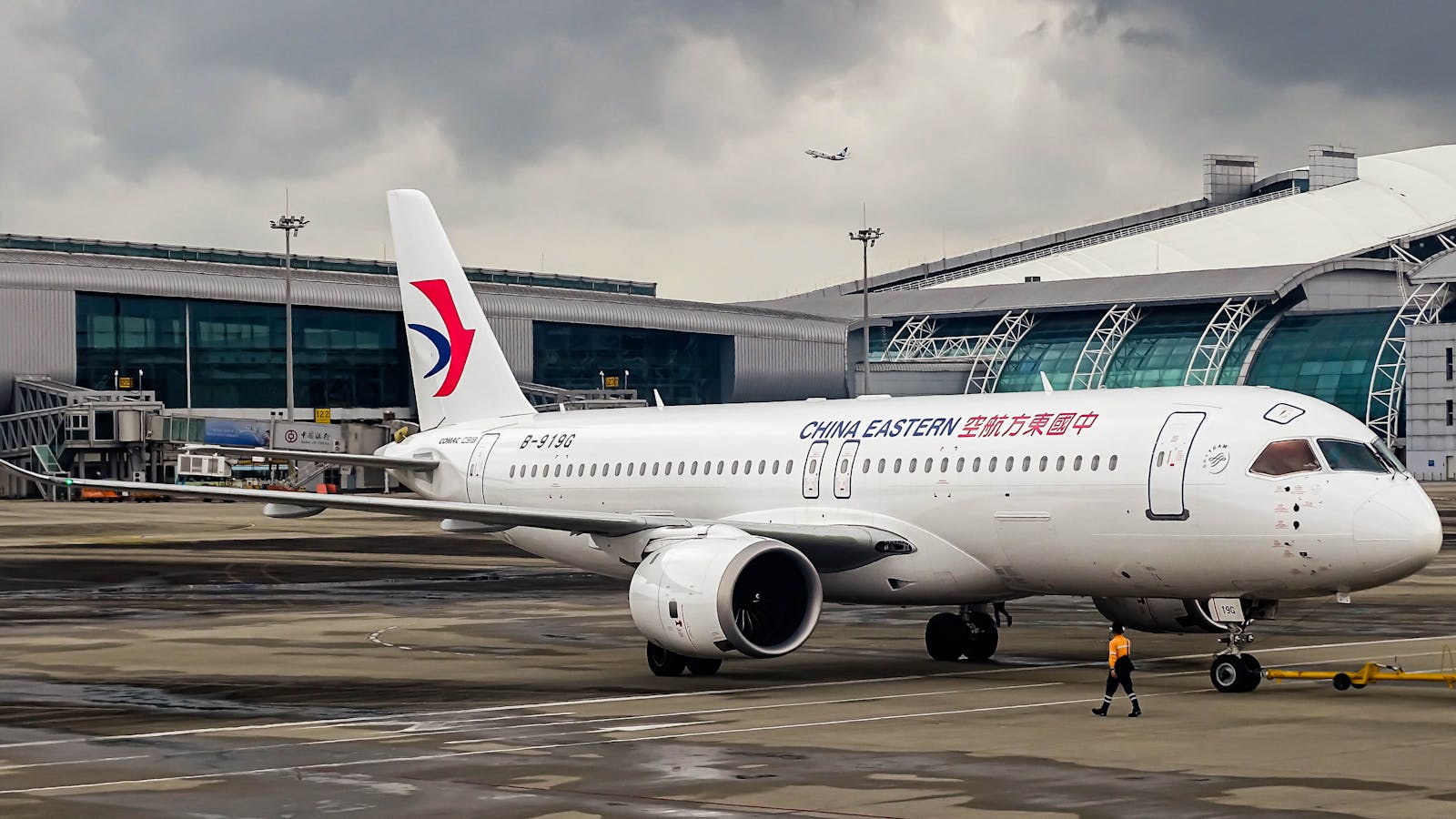
Beijing Capital Airport at a glance
- Code: PEK (IATA) / ZBAA (ICAO)
- Location: Shunyi District, 32 km northeast of Beijing city centre
- Terminals: 3 (Terminal 1, 2, 3)
- Annual passengers: ~67 million pre-2020; recovering toward that level
- International airlines: Air China (hub), Cathay Pacific, United, American, Delta, Lufthansa, BA, Air France, KLM, Qantas, Singapore Airlines, and most major global carriers
- Transit time to city: 30 minutes via Airport Express; 30–60 minutes by taxi/DiDi
- Best for: Long-haul flights from North America and Europe; Air China and Star Alliance connections
Beijing Capital Airport terminals
Terminal 1
The smallest and oldest terminal. Used primarily by Hainan Airlines for select domestic flights. Most international tourists won’t use Terminal 1.
Terminal 2
Mid-size terminal for international airlines outside the Air China and SkyTeam group: Singapore Airlines, Lufthansa, Cathay Pacific, JAL, ANA, Etihad, and others. Older but functional.
Terminal 3 (T3) — main international terminal
PEK’s flagship terminal, opened in 2008 for the Olympics. T3 is split into sub-terminals: T3-A (domestic Air China and Star Alliance), T3-B (domestic), and T3-C/E (international Air China and Star Alliance partners — United, Lufthansa, Air Canada, Asiana, and others). Most North American and European long-haul flights arrive at T3-E.
If your boarding pass shows Terminal 3, confirm the sub-terminal (3-A, 3-B, 3-C, 3-E) — they’re connected by intra-terminal people movers, but the walks between them are long if you misread your assignment.
Beijing Capital Airport arrival process
Step 1: Disembarkation and walk to immigration (10–20 minutes)
After landing at T3-E, you’ll disembark into a long underground walkway. Follow signs for “Arrivals / Immigration” in Chinese and English. The walk to immigration is 5–15 minutes depending on your gate position.
Step 2: Arrival card (5 minutes)
The paper health declaration card is no longer routinely required as of late 2024, but the standard Arrival Card is still distributed in-flight or available at immigration desks. Fill it before reaching the counter. It asks for full name, passport details, flight number, your Beijing address (hotel name and address), purpose of visit, and visa type — write “240-hour visa-free transit” or “30-day visa-free” if applicable.
Eligible nationalities arriving on the 240-hour visa-free transit or the 30-day visa-free policy should have their onward ticket and hotel confirmation printed or easily accessible on their phone.
Step 3: Immigration / fingerprinting (15–45 minutes)
PEK has multiple immigration lanes. Look for “Foreign Passports / Visa-Free Entry” for most tourists, and “240-hour visa-free transit” for transit travellers. At the counter: passport, arrival card, and (if asked) printed onward ticket and hotel confirmation. You’ll be fingerprinted (travellers aged 14 and over) and photographed. The officer stamps your visa or visa-free entry.
Wait times vary significantly:
- Best: arrivals 1–7 AM (15–25 minutes)
- Average: most other hours (30–45 minutes)
- Worst: peak afternoon when multiple long-haul flights land simultaneously (60+ minutes)
Step 4: Baggage claim (10–20 minutes)
Follow signs to the carousel matching your flight number (shown on overhead screens). Baggage delivery at PEK is reasonably quick — most bags arrive within 20 minutes of immigration clearing.
Step 5: Customs (5 minutes typical)
Green channel (Nothing to Declare) for most tourists. Red channel (Goods to Declare) if you’re carrying over $5,000 USD in cash, restricted goods, or items above duty-free limits. Officers spot-check Green channel travellers. Beijing customs are generally relaxed for standard tourist arrivals.
Step 6: Exit to arrivals hall
You emerge into the T3 Arrivals Hall on Floor 2, where meeters, drivers, and tour pickups wait. Transport options are all accessible from here.
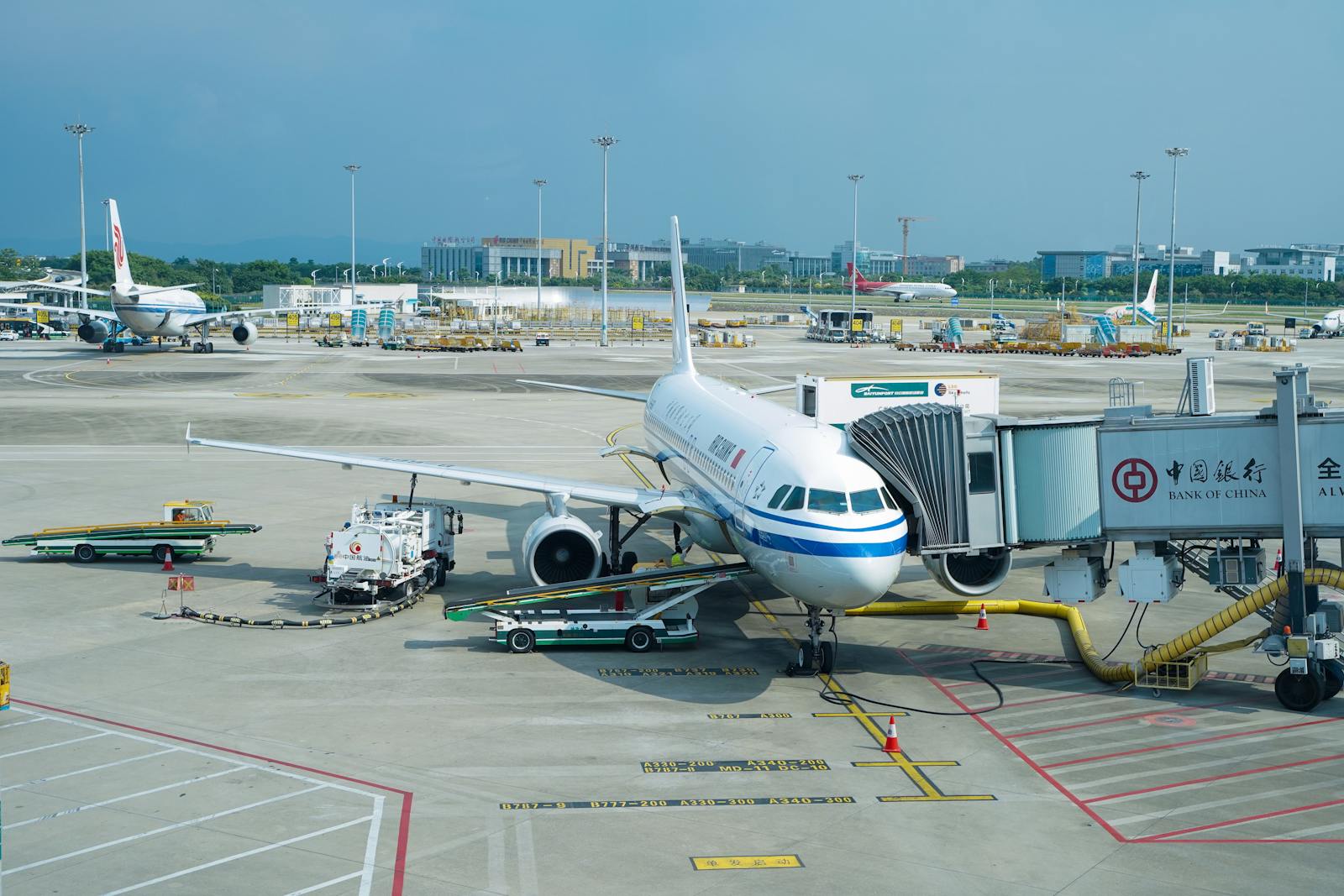
Getting from PEK to Beijing city centre
Beijing Capital Airport Express Train (recommended for most)
The fastest and cheapest option for solo travellers and pairs without heavy luggage. For full route and connection details, see the Beijing transportation guide.
- Cost: ¥25 ($3.55) one-way
- Duration: 21–25 minutes from T3 to Dongzhimen; 28 minutes to Sanyuanqiao
- Frequency: Every 8–10 minutes, 6:35 AM to 11 PM
- Stops: Terminal 3 → Terminal 2 → Sanyuanqiao (Line 10 interchange) → Dongzhimen (Lines 2 + 13 interchange)
- Payment: Airport Express ticket machines, Alipay/WeChat QR, or foreign contactless credit card
- Wheelchair access: Lifts at all stations
From Dongzhimen, transfer to Line 2 (loop through central Beijing) or Line 13 (north). Total airport-to-hotel time is typically 45–60 minutes door-to-door for Wangfujing or Qianmen hotels.
Taxi
- Cost: ¥110–¥130 to central Beijing plus ¥10 expressway toll
- Duration: 30–60 minutes; 90 minutes during rush hour
- Where: Official taxi queue outside T3 Arrivals (clearly marked)
- Important: Use only the official taxi queue. Never accept rides from people approaching you inside the terminal — illegal touts charge 3–5× the metered rate
- Payment: Metered (“打表” / dǎ biǎo); most taxis accept Alipay or WeChat Pay
DiDi
- Cost: ¥120–¥180 to central Beijing; surge pricing during rush hour
- Pickup: Designated DiDi zones outside the terminal
- Foreign cards: Now accepted directly through the English DiDi app
Private car / hotel transfer
Pre-arranged via Trip.com, your hotel, or a tour operator. ¥250–¥500 for a sedan; ¥500–¥800 for a van. Best for groups, late-night arrivals, or travellers with a lot of luggage.
Public bus
Slow and complicated. Multiple lines connect PEK to points across Beijing for ¥20–¥30, but expect 1.5–2 hours and some Chinese language navigation. Not the right call for first-time visitors.
SIM cards and connectivity at PEK
Getting online the moment you land matters in Beijing — you’ll need maps, DiDi, and translation apps before you’ve even cleared the arrivals hall. Your options:
International eSIM (best option — set up before flying)
Services like Airalo, Holafly, and Nomad sell China eSIMs that activate automatically on landing. They route around the Great Firewall, meaning Google Maps, WhatsApp, and your usual apps work normally. Buy and install the eSIM before boarding — activation at the airport doesn’t require any counter visit.
Chinese SIM card at PEK
China Mobile and China Unicom counters operate in the T3 Arrivals Hall. Tourist SIMs cost from ¥80 for 7 days of data. The catch: Chinese SIMs are subject to the Great Firewall, so Google, Gmail, WhatsApp, Facebook, and most Western apps won’t work without a VPN (which you should also set up before arriving — VPN apps aren’t downloadable from inside China).
Free Wi-Fi at PEK
Available throughout the terminals. SMS verification is often required, which works easily with a Chinese SIM or an active eSIM that has a number attached. Without either, connecting can be frustrating.
Money and ATMs at Beijing Capital Airport
Skip the currency exchange counters at PEK — rates run 5–8% worse than in-city bank rates. Use an ICBC, Bank of China, or China Construction Bank ATM in the terminal instead. These accept most foreign debit and credit cards and dispense RMB at the same interbank rate you’d get anywhere in Beijing. Withdraw enough for 2–3 days; you can top up easily once you’re in the city.
For in-city payments, Alipay and WeChat Pay now link to foreign Visa and Mastercard accounts — set one of these up before arrival if you want tap-to-pay convenience at restaurants and metro stations. Foreign contactless cards also work at an increasing number of PEK merchants, the Airport Express machines, and major hotel checkouts.
Airport lounges at PEK
Air China First/Business Lounge (T3-E)
For Air China business/first class passengers and Star Alliance Gold members. Large, well-stocked buffet, showers, and private rest areas. Access by boarding pass only.
Plaza Premium Lounge (T3-E international)
The pay-per-use option — accessible without a specific airline status. Day rates run approximately ¥300–¥400 per adult (check current pricing on their website or via Priority Pass). You get buffet food, showers, comfortable seating, and reliable Wi-Fi. Good value for long layovers or late-night arrivals before an early connection. Priority Pass, Lounge Key, and DragonPass are all accepted.
CIP lounge / Business Class lounges (T3-C)
Several airlines operate their own departure lounges in T3-C, accessible to their business class and frequent flyer cardholders. Lufthansa, United, and Singapore Airlines each have dedicated spaces. Quality varies — Lufthansa’s is consistently rated the best of the non-Air China options.
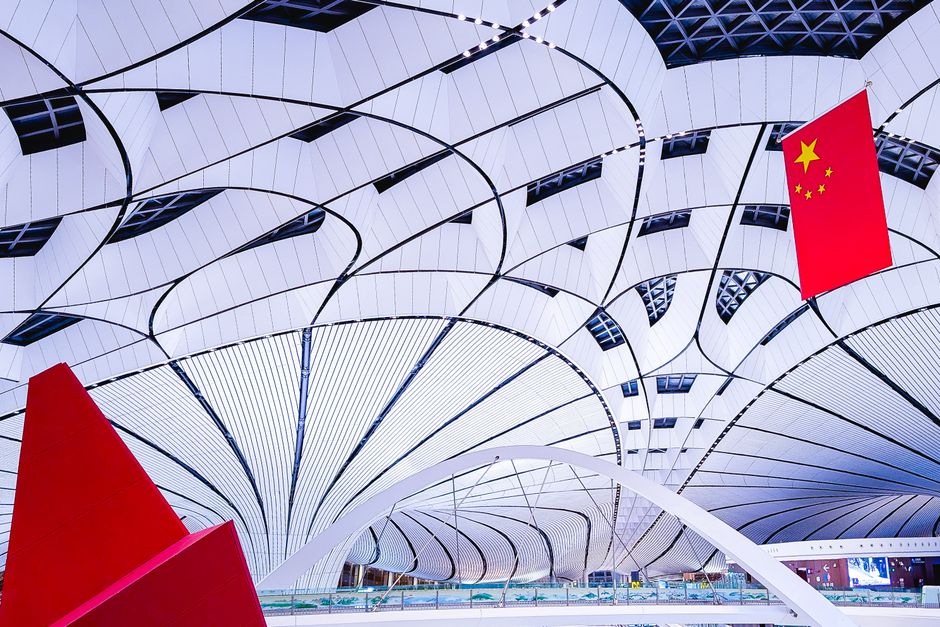
Dining at Beijing Capital Airport
T3 has restaurants and cafés on Levels 2 and 3, both airside and landside. Expect prices 30–50% higher than in-city equivalents.
- Fast food chains: Burger King, McDonald’s, KFC, Yoshinoya, and Real Kungfu (Chinese noodles) on both sides of security
- Sit-down Chinese: A handful of mid-range restaurants offering dim sum, Peking duck, and noodles in the T3 departures area — adequate quality, airport pricing
- Coffee: Starbucks and a few local café brands airside; bring your own cup or budget ¥50–¥70 for a latte
- Best quality: The Plaza Premium Lounge or Air China lounges — both include food as part of access pricing and are significantly better than the public restaurants
If you’re arriving hungry and your budget is flexible, the T3-E international arrivals area has a reasonable noodle restaurant before you exit customs — eat there rather than navigating into the city tired and without local apps set up.
Transit hotels and rest options
Long layover and need more than a lounge chair? PEK has several options within reach.
Within the airport campus
InterContinental Beijing Capital Airport Hotel is attached to T3 via a covered walkway — no need to exit and re-enter immigration. Day rates (half-day bookings) start around ¥400; full-night rates ¥700–¥1,200. Ideal for travellers with a 6–12 hour layover who need a proper sleep before their next flight. The hotel is airside-adjacent, meaning you can check in without clearing Chinese immigration — useful for transit travellers on the 240-hour policy who aren’t planning to leave the airport.
Near the airport (short taxi ride)
The Citic Hotel Beijing Capital Airport and Capital Airport Hotel are both 5–10 minutes from T3 by taxi. Rates are lower than the InterContinental (¥300–¥600 for a full night) and suit travellers who need to clear immigration and are not constrained to airside. You’ll need to factor in taxi time and airport re-entry when planning connections.
Rest pods
Pay-per-hour sleep pods are available near Gate E in T3 for travellers who need a nap without booking a full hotel room. Rates vary; expect ¥80–¥150 per hour. Quality is functional rather than comfortable.
Shopping and duty-free at PEK
T3-E has the best duty-free selection at PEK — Chinese tea, baijiu (rice spirit), traditional crafts, and major international brands. Prices are mid-range; if you’re connecting through Hong Kong or Singapore, you’ll find better deals at those airports. For Chinese-specific items (Pu-erh tea, silk goods, high-end calligraphy sets), PEK’s airside shops are a legitimate option.
Landside T3 has a broader mix of retail — convenience stores, pharmacies, bookshops (some with English-language titles), and Chinese snack stores that make reasonable last-minute gift options before departure.
Accessibility at Beijing Capital Airport
PEK is broadly accessible for wheelchair users and passengers with reduced mobility:
- Wheelchair assistance: Book 48 hours in advance through your airline. The service covers check-in to gate (departures) or gate to arrivals hall (arrivals) at no charge.
- Lifts: Available at all levels and all Airport Express stations
- Accessible toilets: Throughout T3 at regular intervals
- Hearing loops: Available at information desks
If you have mobility needs, contact your airline directly at least 48 hours before travel — the CVASC or airline app request systems are faster than calling the airport directly.
Other services at PEK
Showers
Available to Plaza Premium and Air China First lounge guests. No standalone public shower facility at PEK — if you need a shower between flights without lounge access, the InterContinental day room is your best option.
Left luggage
Staffed left-luggage counters operate in T3 Arrivals and Departures. Rates are ¥20–¥30 per item per day. Useful if you’re exploring Beijing on a layover and don’t want to drag bags through the city.
Pharmacy and medical
A pharmacy counter operates in T3 Arrivals. For medical emergencies, the airport has a medical centre on the landside of T3 — clearly marked. English-speaking staff are not guaranteed but information desk staff can assist with translation.
Departing from Beijing Capital Airport
Timing
- International flights: Arrive 3 hours before departure
- Domestic flights: Arrive 2 hours before departure
PEK check-in queues at peak hours (8–10 AM, 6–9 PM) can eat 30–45 minutes. Factor that in if you’re on an early departure.
Check-in
Most international airlines use staffed counters. Web check-in is available for most carriers but baggage drop requires a trip to the airport regardless. Allow 15–30 minutes at the counter during peak hours.
Security
Standard international protocol: liquids under 100ml in a clear plastic bag, laptops out of bags, power banks in carry-on only (cannot go in checked luggage). PEK security is thorough — queues can be 20–30 minutes at peak times.
Exit immigration
Passport and boarding pass, officer checks the entry stamp or visa and exit-stamps you. Fingerprinting on exit is increasingly common but fast. Allow 10–20 minutes.
Beijing Capital Airport for layovers
Short layover (under 4 hours)
Stay airside. Use lounges if you have access. Eat. Don’t attempt to exit the airport — getting back through immigration can absorb 60+ minutes and you’ll be cutting it fine.
Medium layover (4–8 hours)
Shower at Plaza Premium, sleep in a rest pod near Gate E, or book a day room at the InterContinental. If you’re eligible for the 240-hour visa-free transit policy and your layover is 6+ hours, you can enter Beijing and explore — but only if immigration queues are short and you have a concrete plan for getting back in time.
Long layover (8+ hours)
Use the 240-hour visa-free transit policy and see the city. Eight to ten hours gives you a fast taxi ride to the Forbidden City area (around 1 hour from PEK depending on traffic), a proper Beijing meal, and time back at the airport with margin. Keep close track of time and confirm your re-entry timeline before leaving.
PEK vs Beijing Daxing Airport (PKX)
Beijing has two major international airports. The right one depends entirely on your airline:
| Feature | Beijing Capital (PEK) | Beijing Daxing (PKX) |
|---|---|---|
| Distance from city | 32 km northeast | 46 km south |
| Primary airlines | Air China, Star Alliance | China Eastern, China Southern, SkyTeam |
| Opened | 2008 Olympic-era | 2019 (newer, more modern) |
| Immigration speed | 30–60 minutes typical | 20–40 minutes typical |
| Best for | North American/European long-haul | SkyTeam carriers, Asian routes |
| Airport Express | 21 min to Dongzhimen, ¥25 | 19 min to Caoqiao, ¥35 |
For travellers arriving on China Eastern or China Southern — or on any SkyTeam partner — check the Beijing Daxing Airport guide for a full arrival-to-city walkthrough at PKX.
Beijing Capital Airport FAQ
How long does immigration take at PEK?
30–45 minutes on average, ranging from 15 minutes (early morning arrivals) to 60+ minutes (peak afternoon, multiple long-haul flights landing simultaneously). Budget 90 minutes from disembarkation to clearing the terminal on a typical international arrival.
Can I use my US/UK credit card at PEK?
Yes, increasingly. Airport restaurants, duty-free, hotels, and Airport Express machines all accept major international cards. ATMs accept foreign debit cards. Apple Pay and Google Pay work at some merchants.
Is there free Wi-Fi at PEK?
Yes, throughout all terminals. SMS verification is sometimes required — an active eSIM with a number attached makes this straightforward. Without a Chinese number, connecting can take some trial and error at the information desk.
Can I sleep at Beijing Capital Airport?
Yes. Rest areas with armrest-free seats exist throughout T3. Pay-per-hour pods are available near Gate E. For a proper sleep, the InterContinental (attached to T3) or Citic Hotel (5 minutes by taxi) are the practical options.
Is the 240-hour visa-free transit available at PEK?
Yes. Both PEK and PKX are eligible entry points. See the 240-hour visa-free guide for eligibility, the qualifying nationalities list, and how to use the policy correctly.
Where do I get help if something goes wrong at PEK?
Information desks in T3 Arrivals and Departures have English-speaking staff during peak hours. A police office (clearly marked on terminal maps) handles lost passports, emergencies, and customs disputes.
Are there day-rate hotels at PEK?
Yes. The InterContinental Beijing Capital Airport (attached to T3), the Citic Hotel, and the Capital Airport Hotel all offer day rates. InterContinental day rooms start around ¥400; the others start around ¥300.
The bottom line on Beijing Capital Airport
PEK is large, well-organised, and predictable once you know the layout. Immigration at T3-E runs 30–60 minutes for most arrivals. The Airport Express at ¥25 to Dongzhimen is the smartest move for most solo and pair travellers. Groups, evening arrivals, and anyone with serious luggage should take a taxi or pre-booked transfer. Set up an international eSIM before flying and load your Alipay or WeChat Pay account — both will make the first 24 hours in Beijing significantly smoother.
For visa questions specific to your arrival — L visa, 30-day visa-free, or the transit exemption — start with the 30-day visa-free guide. Once you’ve sorted entry, the airport to city centre guide has every transport option mapped out in detail.