A good Beijing packing list is the difference between a smooth trip and a succession of small disasters — the emergency Uniqlo run because you underestimated January cold, the lost afternoon to antihistamine hunting in a Chinese pharmacy, the Forbidden City day ruined by a blister from new shoes. Beijing has four sharply distinct seasons: winter nights below –8°C, summer afternoons above 30°C with afternoon thunderstorms, spring sandstorms, and autumn evenings that drop 15°C after sunset. What you pack depends entirely on when you visit. This guide breaks it all down season by season — with specific items, specific reasons, and a clear list of what to leave at home.
Year-round essentials: pack these regardless of season
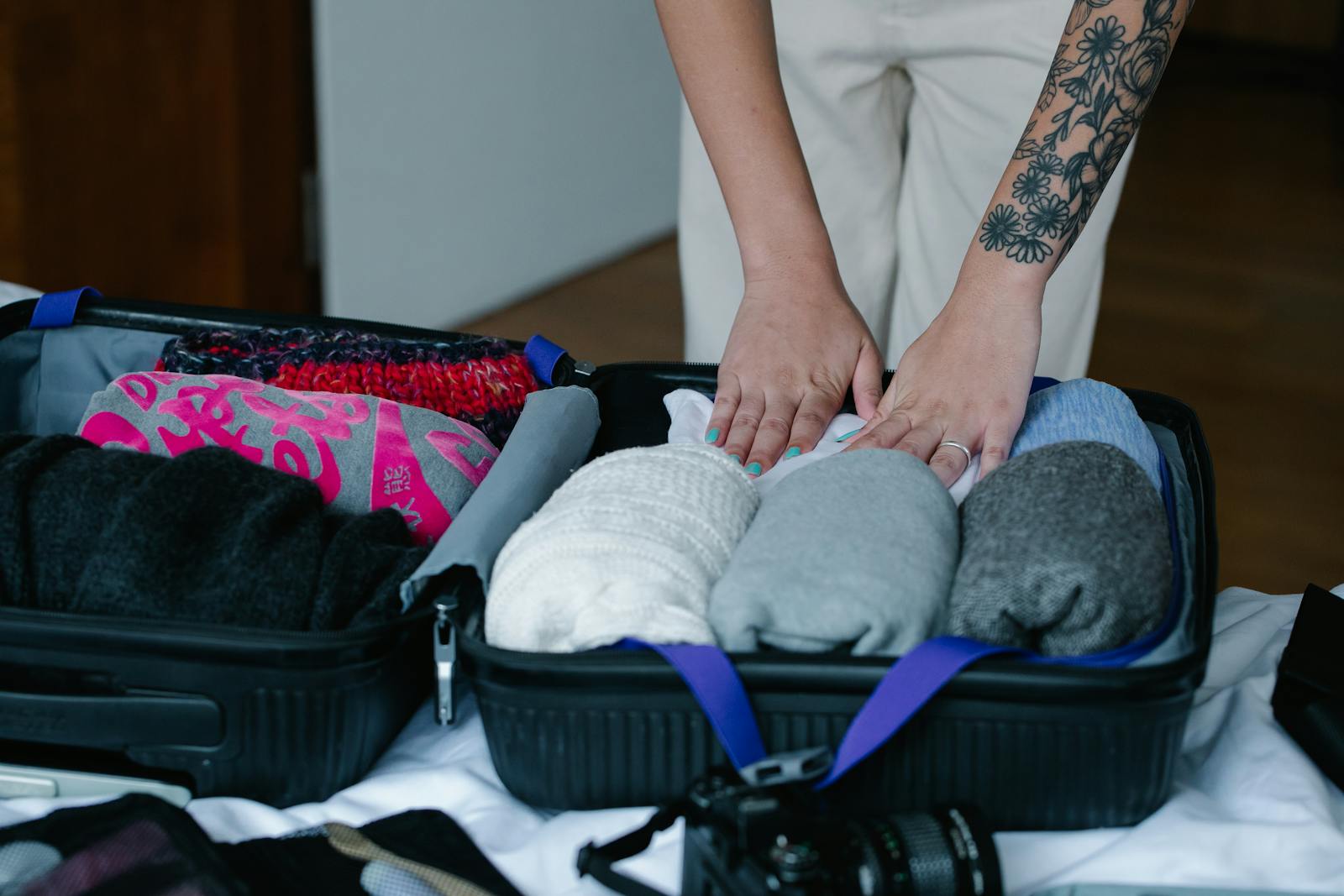
Before you think about seasons, get these base-layer essentials right. They belong in every Beijing bag, year-round.
Documents and pre-trip admin
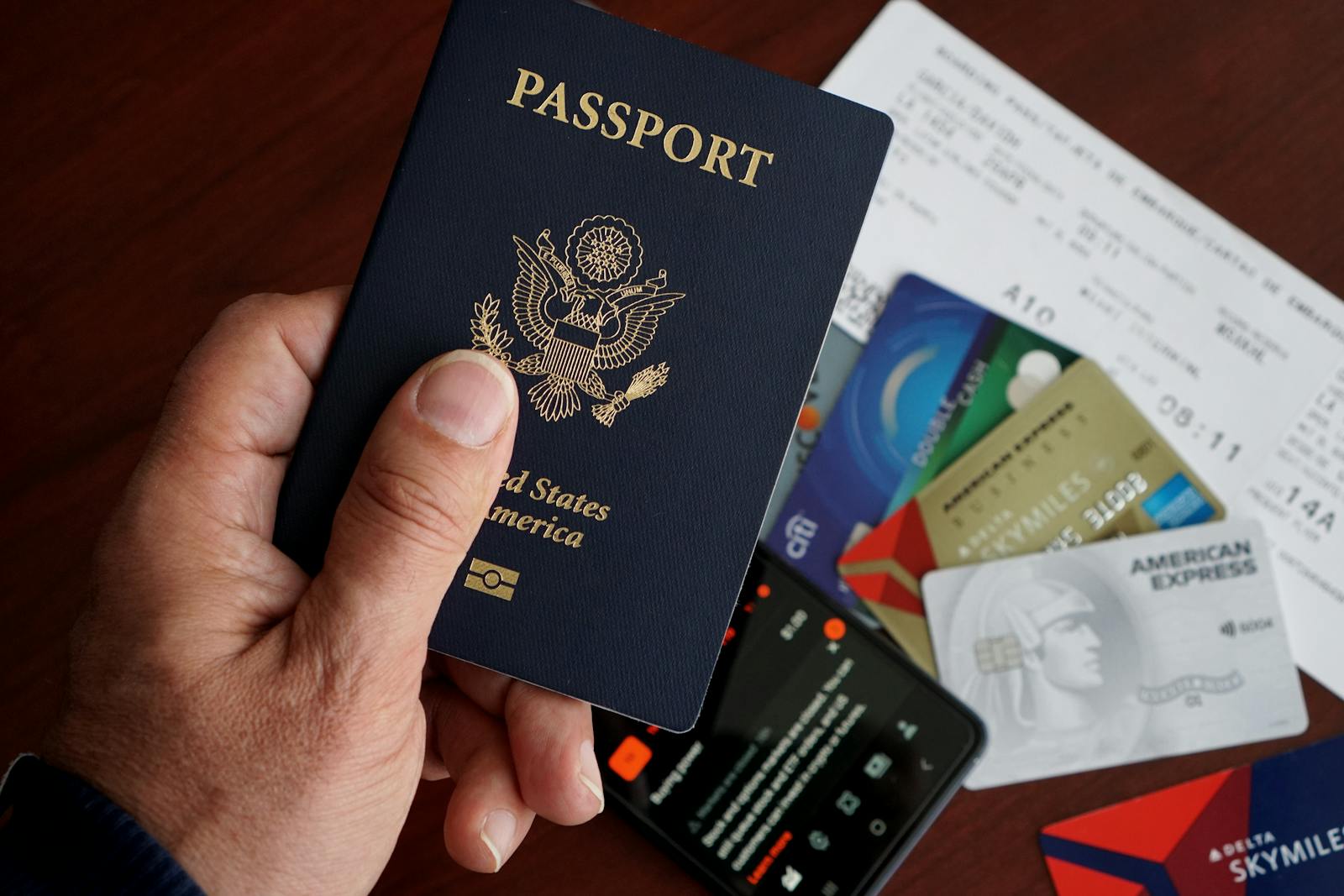
- Passport with 6 months validity and 2 blank pages. You’ll need it at every hotel check-in, major attraction entry, and random police checks — carry it on your person daily.
- Visa or visa-free transit confirmation printed and photographed. Even with the 240-hour transit policy, having a printed onward itinerary smooths things with officials. Check the full rules at our Beijing visa requirements guide.
- Travel insurance documents — policy number, coverage summary, and the 24-hour emergency phone number, all printed and stored separately from your phone. Beijing travel insurance is cheap and hospital costs here are not. Keep a physical copy even if you have it digitally.
- Two passport photos (45x35mm, white background) for emergency replacement documents.
- Hotel address in Chinese characters saved as a phone screenshot and printed as backup. Essential for showing DiDi drivers.
- Foreign-fee-free debit card (Wise, Revolut, or Charles Schwab Debit) for ATM withdrawals at mid-market exchange rates.
- ¥500–¥1,000 cash in small notes (¥20s and ¥50s) for markets, guide tips, and the rare cashless-resistant vendor.
Tech: the setup that matters more than your clothing
Beijing in 2026 runs on apps. Your tech setup is more important than your toiletries. The Beijing transportation guide explains exactly which metro lines and apps you’ll use — but here’s the core kit:
- International travel eSIM from Airalo, Holafly, or Nomad — installed and activated before you leave home. Bypasses the Great Firewall. A 5 GB plan covers a typical 7-day trip for around $15–$20.
- Alipay app with Tour Pass set up and your Visa/Mastercard linked. The single most important app for paying for anything in Beijing.
- WeChat (with WeChat Pay linked) as a backup payment method.
- DiDi (English version) for taxis — set up with your foreign card before flying.
- Apple Maps with Beijing offline data downloaded. Google Maps doesn’t work in China. Apple Maps does.
- Google Translate with the Chinese language pack downloaded for offline use. The camera mode reads menus and street signs in real time — use it constantly.
- Pleco dictionary for offline Chinese-English reference.
- VPN app (NordVPN or ExpressVPN, with China-specific server configuration) if you’re not using an eSIM. Must be installed before arriving.
- 10,000+ mAh power bank — you’ll drain your phone fast with continuous maps, payments, and photos. Metro security allows power banks. A USB-C model with pass-through charging is ideal.
- USB-C and/or Lightning cables × 2.
- Plug adapter — Beijing uses Type A (US flat two-pin) and Type I (Australian/Chinese three-pin) sockets. European two-pin and UK three-pin plugs need adapters. Most modern electronics are dual-voltage (100–240V) so a simple adapter is all you need, not a converter.
Health and medical kit
- Prescription medications in original packaging with a printed prescription — bring 2x your expected need. Many Western drugs are unavailable in Chinese pharmacies.
- Paracetamol, ibuprofen, antihistamines, Imodium, oral rehydration salts, blister patches, antiseptic wipes. A basic kit covers 90% of travel health situations.
- N95/KN95 masks × 5 for occasional smog days, sandstorms (spring), and crowded metro comfort. Beijing air quality is much improved but episodes still happen.
- Hand sanitiser (under 100ml carry-on) — many public bathrooms lack soap.
- Tissue packs × 3+ — public bathrooms frequently lack toilet paper, especially at older attractions and street stalls.
- Lip balm and hand cream — Beijing winters are seriously dry (humidity drops below 20%); summers with constant AC are also drying.
- Insect repellent with DEET if visiting June–September.
Day-to-day kit
- Compact day pack (20–25L) for sightseeing — you’ll carry it every day.
- Reusable water bottle (1L+) for refilling from the hotel kettle (boiled tap water is free and safe).
- Compact umbrella — useful in summer for afternoon showers, spring for unpredictable days.
- Sunglasses — Beijing’s open plazas and Great Wall ridgelines are bright in any season.
- Money belt or hidden pouch for your passport and backup cash when in crowded areas.
- Small notebook and pen for writing hotel names to show drivers.
- Eye mask and earplugs for the flight and Beijing’s urban-hotel sleeping conditions.
Spring packing list: March–May
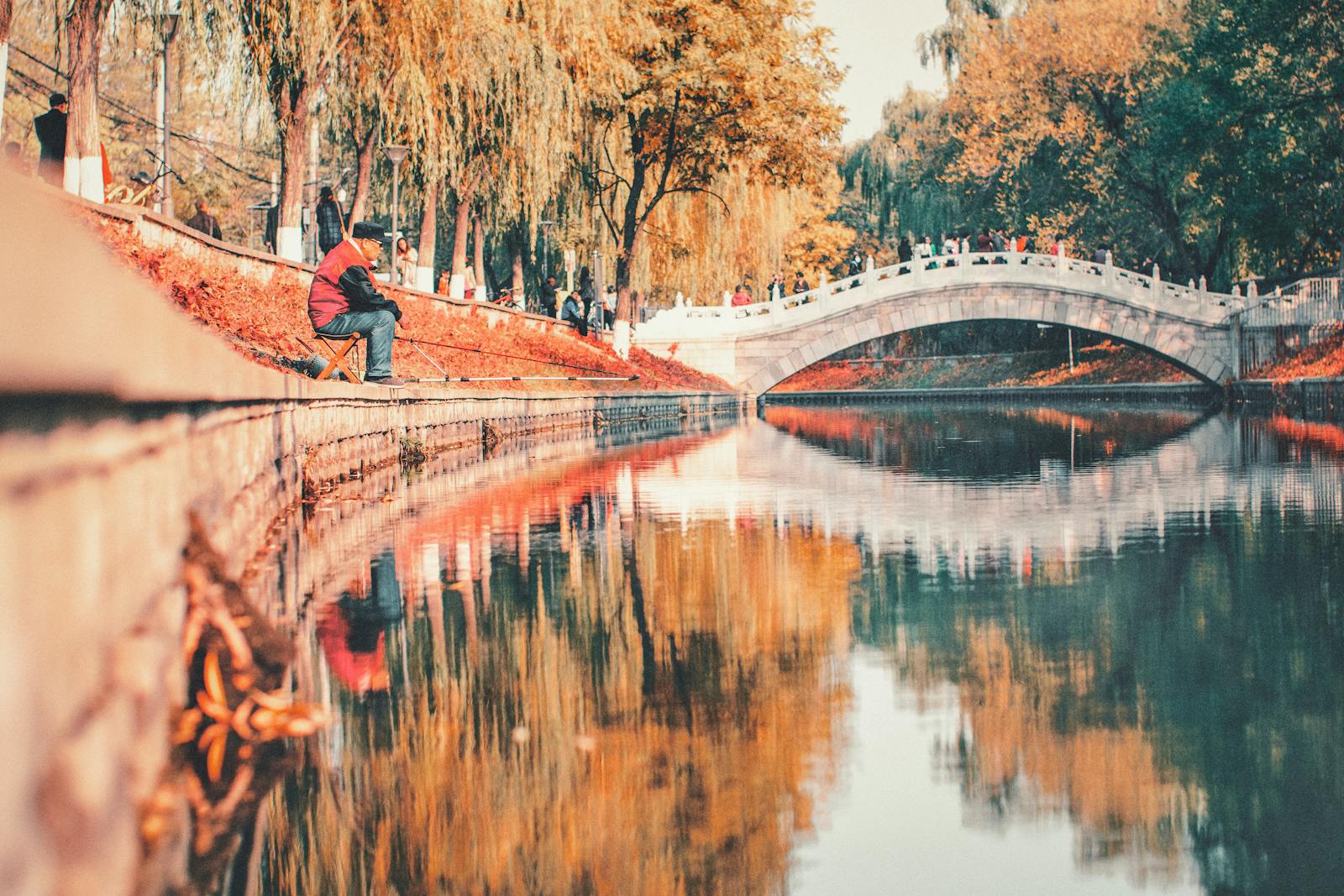
Spring is Beijing’s most variable season. March can swing from sub-zero to 20°C in the same week. April is warm and blossom-filled but windy. Late May is almost summer. The general rule: pack layers you can add and remove, and don’t trust a single forecast more than 48 hours out. Spring is also sandstorm season (mid-March to early April), which adds a specific kit requirement most visitors don’t anticipate. For a full picture of what to expect in spring, see our best time to visit Beijing guide.
Spring clothing
- Windproof light-to-medium jacket — the most-used item in your spring bag. Beijing wind is cold even when the thermometer reads 15°C.
- Long-sleeve shirts in breathable cotton or merino × 4–5.
- T-shirts × 3–4 for warm April and May days.
- Mid-weight sweater or hoodie for evenings and cool days.
- Lightweight scarf — doubles as a dust filter in sandstorm conditions.
- Trousers/jeans × 2 and lightweight pants × 1 for warm days.
- Comfortable, broken-in walking shoes — you’ll average 15,000+ steps a day. New shoes are a blister guarantee.
- Sun hat or cap — spring UV is stronger than expected, especially at Mutianyu Great Wall.
- Compact rain jacket for occasional showers (April onwards).
- Light sleepwear — hotel heating may be shut down after April 15.
Spring extras
- N95 mask and lightweight goggles for sandstorm days (mainly mid-March to early April). You won’t need them most days, but when a sandstorm hits, you want them.
- Antihistamines and eye drops if you have hay fever — Beijing spring pollen and dust levels are high.
- Sunscreen SPF 50+ — spring sun at the Great Wall catches visitors off guard.
Summer packing list: June–August
Summer in Beijing is hot, humid, and wet. Daytime highs reach 32–36°C; humidity regularly hits 70–90%; July and August together deliver 60% of Beijing’s annual rain, mostly as afternoon thunderstorms. You’ll sweat through light clothing every day. Pack fast-drying, breathable fabrics and accept that laundry is part of the routine. Planning your itinerary around summer weather means morning sightseeing (8–11 AM), midday rest in AC, and resuming after 4 PM — our how many days in Beijing guide has summer-specific daily structures.
Summer clothing
- Lightweight T-shirts × 5–6 in cotton, linen, or technical wicking fabric.
- Lightweight long-sleeve shirts × 2 for sun protection at the Great Wall and in aggressively air-conditioned restaurants.
- Lightweight trousers × 2 (better than shorts at temples, where covered knees are expected).
- Shorts × 2 for casual days and evenings.
- Lightweight cardigan or wrap for indoor AC — restaurant and museum AC in Beijing is intense.
- 8–10 days’ underwear and socks (laundry services are common, ¥40–¥80 for a load at most hotels).
- Comfortable walking sandals for low-intensity days plus closed walking shoes for the Great Wall and Forbidden City stone courtyards.
- Sun hat with a brim — essential for outdoor sites in July and August.
Summer extras
- Compact umbrella or packable rain jacket — afternoon thunderstorms are daily. An umbrella doubles as shade.
- SPF 50+ sunscreen and plenty of it — reapply every 90 minutes in direct sun.
- DEET insect repellent for hutong evenings and park visits.
- Oral rehydration salts — genuinely important in 32°C + 80% humidity conditions.
- Quick-dry travel towel for unexpected rain or excessive sweating.
- Blister patches and extra insoles — heat makes feet swell and walking distances are large.
Autumn packing list: September–November
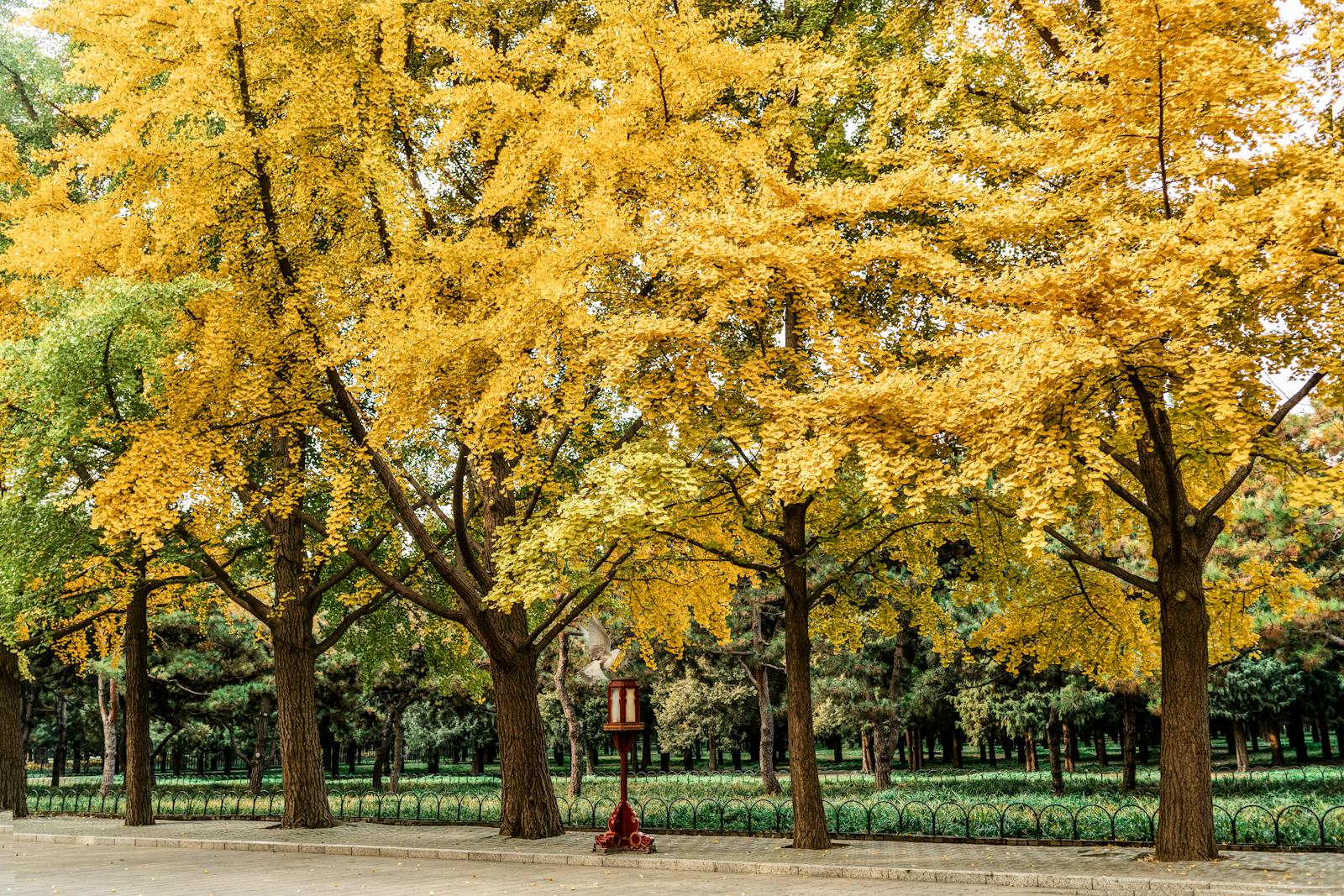
Autumn is widely considered Beijing’s best season, and packing for it is the most enjoyable — you’re essentially packing for the same conditions as a good European October, with crisp blue skies, mild afternoons, and cold evenings. September retains summer warmth; mid-October is the peak; November cools sharply toward winter. Pack a layering system that handles 10°C mornings and 22°C afternoons without requiring a wardrobe change. The golden ginkgo trees and crimson maples at Fragrant Hills mean autumn light is outstanding — a camera with a charged battery belongs in the day pack.
Autumn clothing
- Long-sleeve shirts × 4–5.
- T-shirts × 2–3 for early September warmth.
- Mid-weight sweaters × 2.
- Light jacket for September through mid-October; medium weight coat for late October and November.
- Trousers/jeans × 2–3.
- Warmer scarf (heavier than spring).
- Comfortable walking shoes plus a solid pair for Great Wall hiking if on the itinerary.
- Lightweight gloves for early-morning Tiananmen flag raising or late-evening hutong walks in October and November.
- Sun hat or cap — autumn UV is real even in October.
Autumn extras
- Compact umbrella (rare but possible).
- Camera with a charged spare battery — autumn foliage at Fragrant Hills, the Forbidden City moats, and Summer Palace is peak Beijing photography.
- Moisturiser and lip balm — Beijing’s air dries quickly in autumn.
Winter packing list: December–February
Beijing winters are seriously cold — January averages 1°C high and –8°C low, with wind chill that makes it feel colder still. Snow is light but ice on stone courtyards is a real hazard. The trade-off is superb: clear blue skies most days, dramatic atmospheric conditions, and hotels 40–50% cheaper than peak season. Pack like you’re visiting Stockholm in January, not London — layers are the strategy, not a single heavy coat.
Winter clothing
- Heavy insulated coat (down or synthetic, hooded) — the single most important winter item. Nothing else matters if this is wrong.
- Thermal base layers × 2 sets (top + bottom) in merino or synthetic. Wear under everything.
- Long-sleeve shirts and sweaters × 4–5 for the mid-layer.
- Warm fleece or wool mid-layer for building toward the coat.
- Lined winter trousers × 2 — jeans are too thin for –8°C; thermal-lined trousers or a thermal legging layer underneath.
- Wool socks × 5+ pairs.
- Insulated waterproof boots — stone courtyards after light snow or freezing rain are slippery. Grip matters.
- Warm hat covering ears.
- Insulated touchscreen-compatible gloves — you’ll use your phone constantly, so touchscreen fingertips are essential.
- Heavy scarf.
- Warm sleepwear in case hotel heating is inadequate.
Winter extras
- Hand warmers × 6–10 — single-use chemical heat packs from any Beijing convenience store for ¥5–¥10.
- Heavy moisturiser and lip balm — winter humidity drops below 20%; skin dries out fast.
- Saline nasal spray — dry air dehydrates nasal passages and increases respiratory illness risk.
- Sunglasses — winter sun on ice and snow is bright.
- Cold-rated power bank or keep the power bank in an inside pocket — lithium batteries lose 30%+ capacity in sub-zero temperatures.
- N95 masks — winter is the highest smog risk period, with coal heating and temperature inversions combining from late November through February.
Packing by trip type
Trip context shapes what you pack beyond the season basics. Here’s how the list adjusts.
Solo travellers
Solo travellers benefit from packing lighter — you’re managing your own bags on every metro and taxi, and you’ll be moving more flexibly. Aim for carry-on only if your season allows it (summer is easiest; winter requires check-in for the coat). Prioritise: tech setup (the solo traveller has no one to borrow a phone charger from), your Alipay and DiDi setup, and a small crossbody bag that keeps your hands free. Our Beijing solo travel guide covers what specifically changes when you’re navigating the city alone.
Families with kids
Families pack more and need to be strategic about it. Essentials beyond the standard list: portable booster seat for restaurant high chairs (not universally available), N95 masks in child sizes for smog days, tissues in every family member’s bag (public bathroom tissue shortages affect children too), and favourite snacks from home for the first 24–48 hours of jet lag eating. Families planning Beijing with kids should pack one full extra outfit per child per day for the youngest children — between heat, food, and the unexpected, it’s used.
Travellers with accessibility requirements
Accessibility-focused travellers should pack their mobility equipment documentation, Chinese translation of key accessibility terms (screenshot Google Translate: “accessible entrance” = 无障碍通道, “wheelchair” = 轮椅), and confirmation of hotel accessible room features in writing. Non-slip grips for crutch feet are worth packing for winter icy stone courtyards. Our Beijing accessibility guide covers which attractions genuinely work and which to route around.
What not to pack
Leave these at home and save the luggage space:
- Most toiletries — Watson’s, Sephora, and 7-Eleven stock international brands at comparable or cheaper prices.
- Hairdryer and travel iron — all hotels have them.
- Guidebooks — your phone with offline maps and our cluster of guides covers everything.
- Chinese yuan in advance — airport exchange rates are 5–8% worse than Beijing ATMs. Withdraw on arrival.
- Multiple universal adapters — one simple plug adapter per socket type is enough.
- Excessive cash — Beijing is functionally cashless; ¥1,000 covers most situations.
One final note: leave 20–25% of bag space empty. Beijing shopping opportunities are excellent — Panjiayuan flea market, Silk Road tea from Maliandao, hutong ceramics, and the irresistible Uniqlo range at one-third of Western prices. You’ll buy things. Plan for them.
Forgot something? Beijing’s got it
If you arrive missing something from this list, almost everything is available in Beijing for the same price or less than home:
- Uniqlo and Muji for affordable base clothing across all seasons (Wangfujing, Sanlitun, Joy City).
- Decathlon for outdoor and hiking gear at competitive prices (Liangmaqiao branch).
- Watson’s, Sephora, Manning’s for international beauty and personal care.
- 7-Eleven, FamilyMart, Lawson for tissues, water, basic medicines, snacks.
- Pharmacies (green cross) for most OTC medications without prescription.
- Apple Store, Xiaomi Mi Home for cables, power banks, and adapters.
The one genuine exception: Western prescription drugs. Bring everything you need and a full backup supply.
The condensed Beijing packing checklist
- Passport, visa/visa-free confirmation, travel insurance documents, passport photos
- Foreign-fee-free debit card, ¥500–¥1,000 cash, money belt
- Phone with eSIM activated, Alipay Tour Pass set up, DiDi installed, offline Apple Maps and Google Translate
- Power bank (10,000 mAh+), cables, plug adapter
- Basic medical kit: paracetamol, Imodium, antihistamines, ORS, plasters, N95 masks
- Tissues × 3+ packs, hand sanitiser, lip balm
- Day pack, water bottle, compact umbrella, sunglasses, hotel address card in Chinese
- Season-specific clothing and footwear (see sections above)
Before you finalise: check our best time to visit Beijing page to confirm your season, read the Beijing safety tips for the scam-awareness points that affect what you carry, and run through the first-time visitors guide for any remaining practical preparation questions. Our pillar Beijing travel guide ties the whole trip together if you’re still building the framework. Once the bag is sorted, you’re ready.