You need Beijing travel insurance. Not because Beijing is dangerous — it’s one of the safer Asian capitals for foreign visitors — but because medical costs at international-standard hospitals are high, bills at Beijing’s English-speaking clinics are paid upfront in yuan, and a serious event requiring medical evacuation home can cost $50,000–$150,000 uninsured. A comprehensive policy for a one-week Beijing trip costs $25–$80 for most adult travellers and covers $250,000+ in medical, evacuation, trip cancellation, and lost-luggage protection. That math is uncomplicated. This guide covers what your policy needs, which providers work well in China, what care actually costs, and exactly what to do if something goes wrong mid-trip.
Why China specifically warrants good insurance
China has specific characteristics that make travel insurance more consequential than for many other destinations — none of which relate to safety, and all of which relate to the cost structure of medical care and the complexity of operating as a foreign visitor when something goes wrong. The complete Beijing travel guide covers trip planning broadly; this page focuses purely on the insurance piece.
- Medical costs at international hospitals are high. Beijing United Family Hospital — the main English-speaking Western-standard option — charges ¥1,400+ for an outpatient consultation and ¥14,000+/night for inpatient stays. A minor fracture requiring two nights and surgery runs ¥60,000–¥100,000. Without insurance, you pay upfront.
- Evacuation costs are enormous. A serious cardiac event or accident requiring air evacuation from Beijing to Singapore, Hong Kong, or your home country costs $50,000–$150,000. Travel insurance with adequate evacuation cover handles this completely. Without it, these costs fall on you — or on your government, which will invoice you later.
- Your home health insurance almost certainly doesn’t cover you. Most domestic health plans (US, UK, EU, Australian) provide zero or minimal international coverage. Assume you need separate travel insurance for China.
- Trip cancellation losses are real. A Beijing trip with international flights, pre-booked hotels, and a Great Wall tour typically runs $2,000–$5,000+ in non-refundable costs. Insurance at $30–$80 protects those losses for covered cancellation reasons.
- The Great Firewall complicates contacting help. Your regular email, WhatsApp, and web access are blocked without a VPN or eSIM. Save your insurer’s international emergency number as a phone contact and write it on paper before flying. Our first-time visitors guide covers the digital setup you need before arrival.
What your China policy needs to cover
Medical coverage
This is the most important component. Look for:
- Minimum $100,000 medical coverage per person for short trips with a healthy adult. $250,000+ for anyone over 60, for longer trips, or for anyone with pre-existing conditions.
- Direct billing relationships with Beijing United Family Hospital, Beijing International SOS Clinic, or similar — avoids paying upfront and claiming later.
- 24/7 multilingual emergency assistance with English-speaking case managers. You need a human reachable at 3 AM Beijing time.
- Dental emergency coverage — a chipped tooth or infection mid-trip is more common than people expect.
- No sub-limits that gut the total. Some policies have $100,000 total medical but cap hospitalisation at $10,000. Read the schedule of benefits carefully.
Medical evacuation
- $500,000+ evacuation coverage (medical air transport to home country is often this expensive for serious cases)
- Coverage for repatriation to your home country, not just nearest regional hospital
- Emergency family travel — a family member flown to Beijing if you’re hospitalised
Trip cancellation and interruption
- Up to 100% of prepaid, non-refundable costs for covered cancellation reasons (illness, family emergency, job loss — varies by policy)
- Trip interruption coverage if you must return home mid-trip
- Trip delay (missed connections, weather delays)
- “Cancel for any reason” upgrade (50–75% reimbursement) — costs 40–50% more but valuable for flexible itineraries
Baggage and personal items
- Lost, delayed, or stolen baggage (¥3,500–¥17,000 typical range per claim)
- Personal electronics (often capped ¥3,500–¥7,000 per item — insufficient for a high-end camera; check your policy)
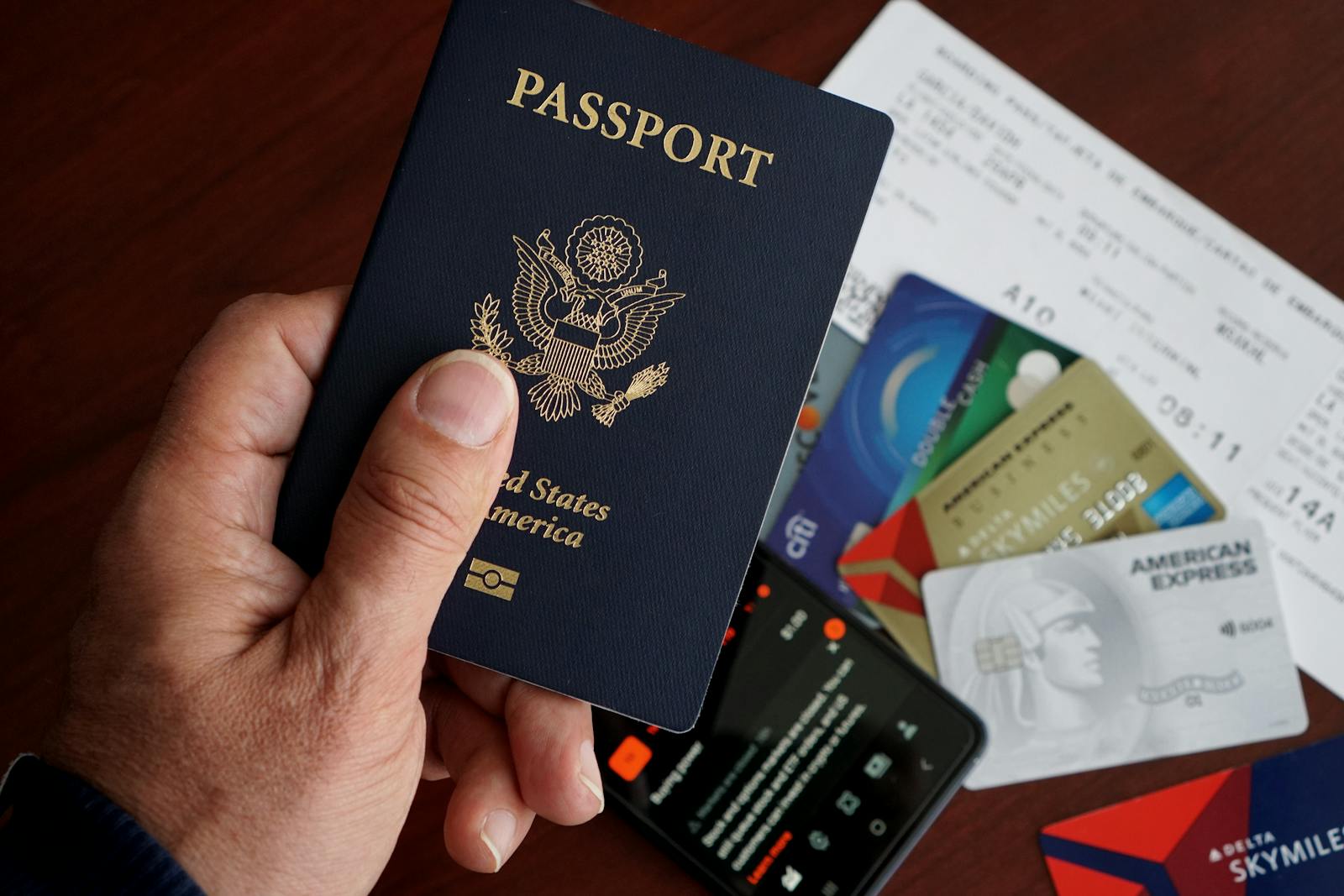
- Passport and documentation replacement costs
Adventure activity coverage
If your Beijing itinerary includes hiking unrestored Great Wall sections (Jiankou, Huanghua Cheng, Gubeikou Old Wall), confirm your policy covers hiking on unmanaged terrain. Standard Mutianyu and Badaling with cable cars are covered under most base policies. Remote, unrestored sections may require an Explorer-level upgrade. Our best time to visit Beijing guide covers seasonal conditions at the Wall, which affects the adventure risk profile.

Medical care in Beijing: where to go
Know this before you need it.
Beijing United Family Hospital (Lido, Chaoyang)
The premier Western-style private hospital in Beijing. English-speaking doctors across all specialties including paediatrics, surgery, cardiology, and gynaecology. Direct billing with most major travel insurers. 24-hour emergency department. Address: 2 Jiangtai Road, Chaoyang. Phone: +86-10-5927-7000. Comparable to a good North American or European private hospital in care quality and equipment.
Beijing International SOS Clinic
Smaller clinic focused on expat and traveller care. English-speaking GPs; refers complex cases to Beijing United Family or Peking Union Medical College Hospital. Strong direct-billing network. Located in the World Trade Centre (CBD) area. Good for non-emergencies, check-ups, travel medicine, and minor acute care. Our Beijing safety tips guide has these emergency contacts alongside the rest of the practical safety information you need.
Peking Union Medical College Hospital (PUMCH)
China’s top public hospital with an International Medical Department for foreign patients. More affordable than United Family but expect longer queues and less English coverage outside the international section. Excellent for complex specialist care not available at private clinics.
Beijing Vista Medical Centre
Small foreigner-focused clinic in the Kerry Hotel complex (Chaoyang). English-speaking GPs, dental, travel medicine. Good for minor issues and prescription renewals.
Common claim scenarios in Beijing
Stomach illness
The most common claim. Beijing street food is generally safe at busy stalls, but travellers do get food poisoning — particularly from raw cold dishes, undercooked meat, and eating in the first 48 hours before gut flora adjusts. A bad episode requiring IV rehydration at Beijing United Family costs ¥2,000–¥6,000. Covered under standard medical. Pack Imodium and oral rehydration salts — many episodes self-resolve within 24 hours. See our Beijing packing list for full travel pharmacy recommendations.
Twisted ankle or fracture (Great Wall)
Mutianyu and Badaling are well-maintained, but uneven stone surfaces and tired legs in the afternoon create trip-and-fall risks. A fracture requiring Beijing United Family, casting, and a delayed flight home is a ¥100,000–¥280,000 event. Insurance covers medical and trip-delay costs.
Passport theft or loss
Rare in Beijing but it happens in crowded tourist areas and on the metro. Travel insurance covers emergency documentation replacement costs (police report, consular fees, temporary travel documents). Carry a clear photo of your passport photo page and visa on your phone as backup.
Flight cancellation or delay
Beijing Capital and Daxing airports have occasional weather and air-traffic delays, particularly in summer storm season (July–August) and winter fog (December–January). A delayed international connection can cascade into lost non-refundable hotel nights. Trip delay coverage typically pays ¥3,500–¥14,000 for alternative accommodation and meals.
Pre-existing condition flare-up
Beijing’s climate — extreme cold in winter, extreme heat and humidity in summer — can trigger or worsen respiratory, cardiac, and joint conditions. If you have a pre-existing condition, declare it when purchasing your policy and pay for the coverage waiver. Without declaration, a claim related to a pre-existing condition will typically be denied.
Scam financial loss
Travel insurance generally does not cover financial losses from scams (tea house overcharging, rickshaw price-flipping). These are categorised as voluntary payment, not theft. The best protection is scam awareness before arrival — our Beijing safety tips page covers every common Beijing tourist scam. Credit card fraud (a skimmed card) goes through your card issuer, not your insurer.
Recommended providers for Beijing travel insurance
World Nomads
Long-time favourite for independent travellers. Standard plan covers medical, evacuation, trip cancellation, and most adventure activities. Explorer plan adds wild Great Wall hiking and more remote activities. $7–$15/day depending on plan and age. You typically pay upfront at non-direct-billing hospitals and claim back. Good for independent visitors and younger travellers.
SafetyWing (Nomad Insurance)
Monthly subscription ($45–$70/month for under-40 travellers). Medical to $250,000; evacuation included. Trip cancellation not included by default. Direct billing at major Asia hospitals. Best for long China trips or combined regional itineraries.
Allianz Travel Insurance
Reliable mainstream provider with strong direct-billing relationships across Asia. Standard plans from $50/week for adults; family plans $90–$150/week. Strong medical and evacuation coverage; trip cancellation included. Good for families travelling with children or first-time international travellers.
IMG (International Medical Group)
Specialised international medical coverage. Patriot Plus and iTravelInsured plans are popular for China. Medical to $1M, evacuation to $500K. Direct billing with Beijing United Family and similar. Well-suited to older travellers or those wanting maximum medical limits.
Heymondo
European provider with a strong app-based claims process. Basic medical from $30–$50/week; comprehensive plans $60–$100/week. Mostly digital claims workflow, growing direct-billing network in Asia. Good for tech-savvy travellers who want a streamlined experience.
Credit card travel insurance
Premium cards (Amex Platinum, Chase Sapphire Reserve, UK premier banking cards) include travel insurance when you book flights with the card. Coverage is typically basic — $50,000–$100,000 medical, limited evacuation, some trip cancellation. For most short Beijing trips with a healthy traveller under 50, premium card coverage plus an evacuation-only top-up is a cost-effective approach. Check your coverage levels carefully before relying on it as your only protection.
InsureMyTrip / Squaremouth
Comparison platforms aggregating multiple insurers. Use these to get like-for-like quotes across 8–12 providers and filter by China-specific features. More efficient than researching individual brands if you’re price-sensitive or have specific requirements.
Cost of Beijing travel insurance
Typical 2026 cost ranges for a 1-week Beijing trip from major source markets:
| Traveller profile | Basic coverage | Comprehensive coverage |
|---|---|---|
| Adult under 40 | $25–$40/week | $60–$120/week |
| Adult 40–60 | $40–$70/week | $80–$160/week |
| Adult 60–70 | $70–$140/week | $150–$280/week |
| Adult 70+ | $130–$250/week | $280–$500/week |
| Family (2 adults + 2 kids) | $80–$150/week | $180–$400/week |
For a typical 7-day Beijing trip, expect to pay $40–$120 per adult traveller for solid mid-tier coverage. This is rarely the right place to cut costs on a trip that might total $2,000–$5,000+ in flights, hotels, and activities. Full per-day cost breakdowns for Beijing trips are in our Beijing travel budget guide.
Pre-existing conditions
Standard travel insurance policies exclude pre-existing conditions unless declared and covered. If you have a managed chronic condition (asthma, diabetes, heart disease, high blood pressure), you have two options:
- Declare it and pay the waiver fee. Most reputable insurers offer pre-existing condition coverage waivers if declared during the purchase window (usually within 14–21 days of your initial trip deposit). The fee varies — from $20 extra to doubling the policy cost for high-risk conditions.
- Accept the exclusion. Some travellers with well-managed conditions take out standard insurance for non-condition-related events (accidents, cancellation, evacuation) and manage condition-related risks through cash reserves and home health plan minimal coverage. Only appropriate if a condition flare-up would be manageable locally.
If your condition is serious enough that a flare-up in Beijing would require major intervention, pay for the waiver. The evacuation cost alone justifies it. For accessible-travel insurance that covers mobility equipment, see our Beijing accessibility guide.
How to make a claim in China
Medical claims at direct-billing hospitals
- Call your insurer’s 24/7 emergency line before going to the hospital (if non-life-threatening). They confirm network hospitals and pre-authorise treatment, meaning the hospital bills the insurer directly.
- Go to the recommended hospital with your passport and insurance card. Pay only the excess or co-pay amount.
- Keep all receipts, prescriptions, doctor’s reports, and test results in English (most major Beijing hospitals provide English versions on request).
- File the formal claim within 30 days of returning home.
Pay-and-claim situations
- Pay upfront with your foreign credit card.
- Get an itemised bill in English from the hospital.
- Keep every receipt and all medical documentation.
- File claim within 30–90 days of return (varies by insurer).
- Reimbursement typically takes 4–8 weeks for complete, documented claims.
Baggage theft claims
- Report theft to the local Public Security Bureau (PSB) within 24 hours and get a written police report — required by most insurers for theft claims.
- For airline-lost baggage, file a Property Irregularity Report (PIR) at the airport on arrival.
- Keep receipts for emergency replacement purchases.
- File claim with all documentation on return.
Common exclusions to check
- Pre-existing conditions unless declared and covered.
- Adventure activities — wild unrestored Great Wall sections may not be covered under standard policies.
- Alcohol-related incidents — excluded by almost every policy.
- Travel against government advice — check your country’s China travel advisory when purchasing.
- Pandemic-related cancellation — coverage varies sharply post-COVID; read the fine print.
- Scam losses — voluntary financial transactions are generally not covered.
Before you fly: practical checklist
- Buy within 14–21 days of your first trip payment to qualify for pre-existing condition waivers and cancel-for-any-reason options.
- Print and carry your policy number, coverage summary, and 24/7 emergency phone number. The Great Firewall can disrupt access to your insurer’s website; physical backup matters.
- Save the international emergency number as a phone contact before flying. Use the China-specific international line, not the domestic number on your card.
- Photograph all valuables — laptop, camera, jewellery, luggage — with serial numbers visible. Critical for any electronics or theft claim.
- Notify your bank you’ll be in China. Fraud-prevention systems may freeze cards when Beijing transactions appear.
- For complete pre-trip preparation, see our Beijing solo travel guide for independent travellers and our how many days in Beijing guide for itinerary structure.
Beijing travel insurance FAQ
Is travel insurance required for a Chinese visa?
Not strictly, for most consulates. Some do ask for proof of medical coverage (minimum €30,000 / $35,000) for L tourist visa applications. For visa-free transit (240-hour) and 30-day visa-free entry, no insurance proof is required at the border. Check our Beijing visa requirements guide for your specific passport.
How much medical coverage do I need for Beijing?
$100,000 minimum for a short trip with a healthy adult traveller under 50. $250,000+ for anyone over 60, longer trips, or pre-existing conditions. Beijing United Family Hospital bills add up fast for inpatient care.
Can I buy travel insurance after arriving in Beijing?
Most policies require purchase before departure. Some providers (SafetyWing, certain digital-nomad insurers) allow mid-trip purchase but impose 5–10 day waiting periods. Buy in advance.
Does my credit card insurance cover Beijing?
Often partially. Premium cards include some travel benefits. Check medical limits ($50,000+ minimum; $25,000 is too low for serious events) and verify evacuation cover. Supplement with a dedicated policy for full protection.
Do Beijing hospitals accept foreign insurance?
Yes. Beijing United Family Hospital, International SOS Clinic, and Vista Medical have direct billing with most major travel insurers. Call your insurer’s emergency line first to pre-authorise treatment and confirm which hospitals are in network.
The bottom line
Travel insurance for Beijing is cheap protection against expensive downside. For $40–$80, you eliminate catastrophic medical, evacuation, trip-cancellation, and lost-baggage risk on a trip that costs $2,000–$5,000+. The right workflow: compare 3 providers via InsureMyTrip or Squaremouth; pick a policy with at least $250,000 medical, $500,000 evacuation, and trip cancellation; buy within 14 days of your first trip payment; print the policy summary and save the 24/7 emergency number to your phone before flying.
For connected planning: our Beijing safety tips guide covers what to actually watch for on the ground; our first-time visitors guide covers the broader practical picture all new Beijing visitors need; our where to stay in Beijing guide has hotel recommendations and neighbourhood breakdown; and our transportation guide covers getting around efficiently once you’re there. Solid insurance is the safety net that lets you travel without the expensive what-ifs.