Beijing’s retail landscape runs deeper than most visitors expect. You can spend a morning haggling over jade pendants in a dusty weekend market, cross town for bespoke silk cut to your measurements, then end the afternoon browsing six-figure contemporary paintings in a converted Maoist factory. That range — from street-level bargaining to some of Asia’s most serious luxury retail — is what makes shopping here genuinely interesting rather than just transactional. This guide cuts through the noise so you spend your time and money well.
Beijing’s Best Traditional Markets
Panjiayuan Antique Market (潘家园旧货市场)
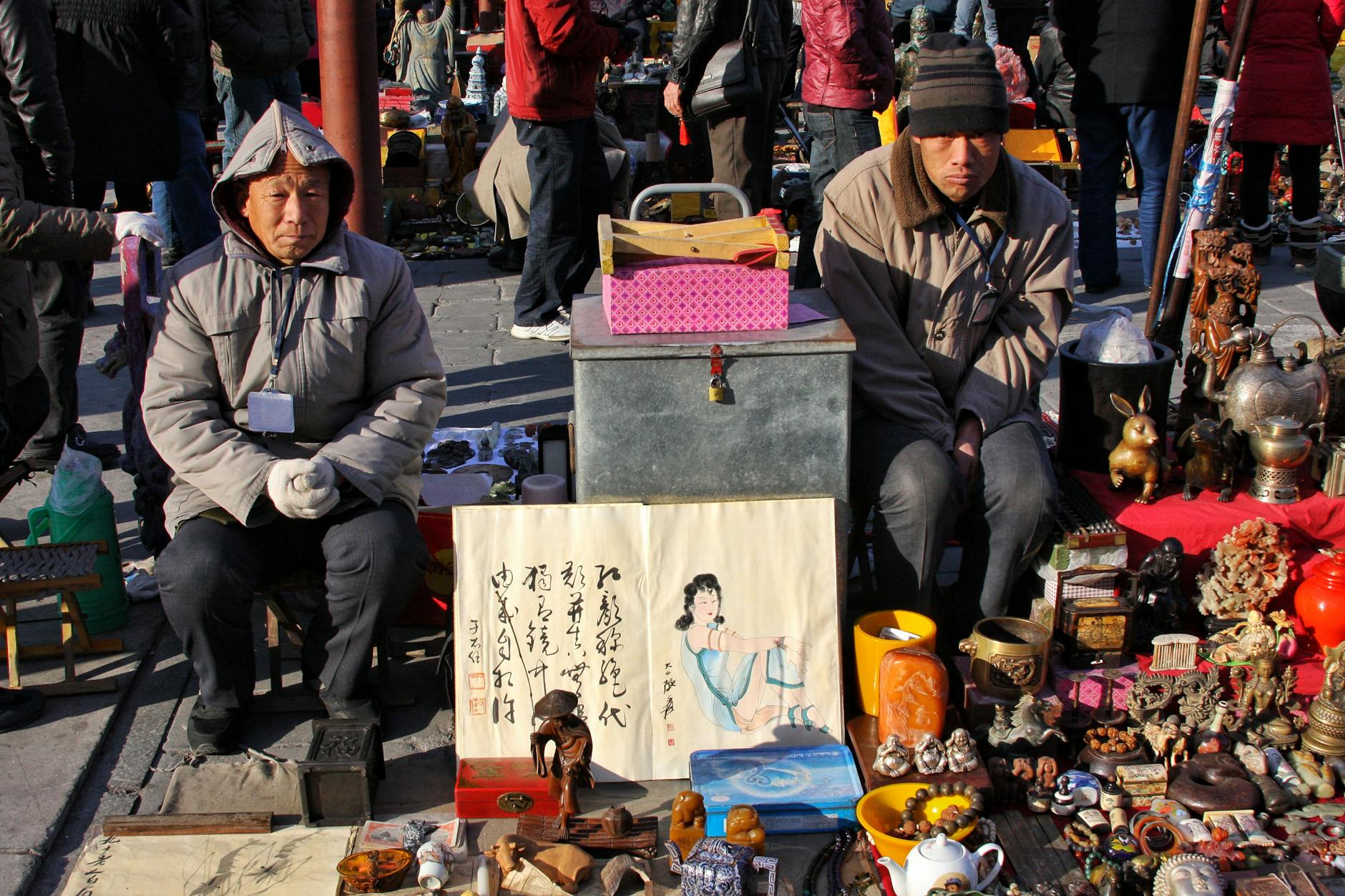
Panjiayuan is China’s largest flea market and Beijing’s most exciting shopping destination for anyone who cares about objects with stories. Spread across a vast open-air compound in Chaoyang District, over 3,000 vendors sell everything from Qing Dynasty furniture and vintage Mao-era propaganda to Tibetan prayer beads, jade carvings, calligraphy scrolls, and hand-painted porcelain. Even if you buy nothing, the market works as an open-air museum of Chinese material culture — two hours here teaches you more about the country’s aesthetic history than most guidebooks.
Best time to visit: Saturday and Sunday mornings (arrive by 7–8 AM for the best selection before the crowds arrive; the full outdoor market only operates on weekends). Weekday visits are quieter with permanent indoor halls open daily. Getting there: Subway Line 10, Panjiayuan Station, Exit B — the north gate is 100 metres away. What to buy: Calligraphy and painting supplies, jade and semi-precious stones, vintage ceramics, Peking Opera masks, Buddhist statuary, old coins, and hand-carved name seals (chops). More on the market at our dedicated Panjiayuan Antique Market guide.
One honest note on authenticity: the vast majority of items here are reproductions, not genuine antiques. That’s fine — the prices reflect it and some of the reproductions are genuinely beautiful — but don’t pay genuine antique prices without expert verification. For items over ¥200, exercise serious caution. Bring cash (small bills); bargain to 30–50% of the opening ask.
Silk Market (秀水街 Xiushui Street)
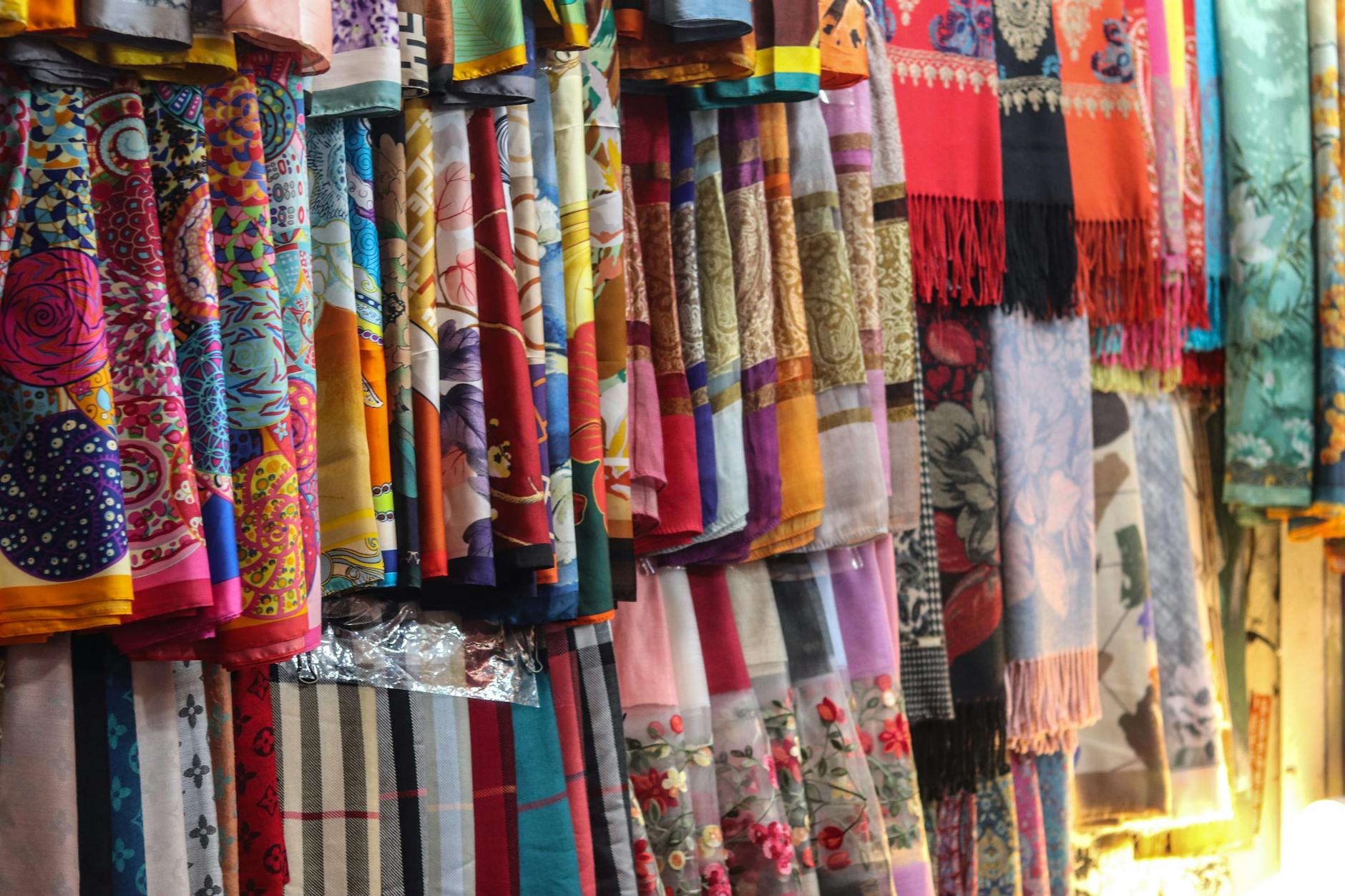
The Silk Market is a six-floor indoor market with over 1,700 stalls — Beijing’s most internationally famous shopping market, despite the fact that many visitors come away underwhelmed if they don’t know what to focus on. Skip the ground-floor electronics (counterfeits, aggressively priced) and head straight to the upper floors for its genuine strengths: custom-tailored clothing and real silk products from heritage brands like Ruifuxiang.
What to buy: Custom-tailored silk garments (qipao dresses, shirts, suits — allow 2–3 days for tailoring and build in a fitting), silk scarves and ties, cashmere, leather goods, pearls. Getting there: Subway Line 1, Yong’anli Station, Exit A — a tunnel connects directly to the market basement. Hours: 9:30 AM–9:00 PM daily. Vendors expect bargaining — start at 20–30% of the first offer. Custom tailoring is the market’s strongest offering: bring a clear photo of what you want, they can replicate it well, and the prices are a fraction of Western equivalents.
Hongqiao Pearl Market (红桥市场)
Located near the Temple of Heaven, Hongqiao draws over 1.5 million visitors annually and is Beijing’s premier destination for freshwater pearls and jewelry. The pearl floor (third floor) offers an overwhelming selection of necklaces, earrings, bracelets, and loose pearls at a fraction of Western retail prices. Lower floors sell clothing and accessories similar to the Silk Market.
What to buy: Freshwater pearl jewelry (¥50–500 for necklaces depending on quality and size), jade and semi-precious stone pieces. Getting there: Subway Line 5, Tiantan Dongmen Station — the market is near Temple of Heaven East Gate. Learn basic pearl quality indicators before you go: luster, roundness, surface smoothness, and size all affect value significantly. Bargain to 30–50% of the asking price. Pair a visit with the Temple of Heaven, which is one of the best Beijing half-days.
What to Buy in Beijing: The Best Souvenirs
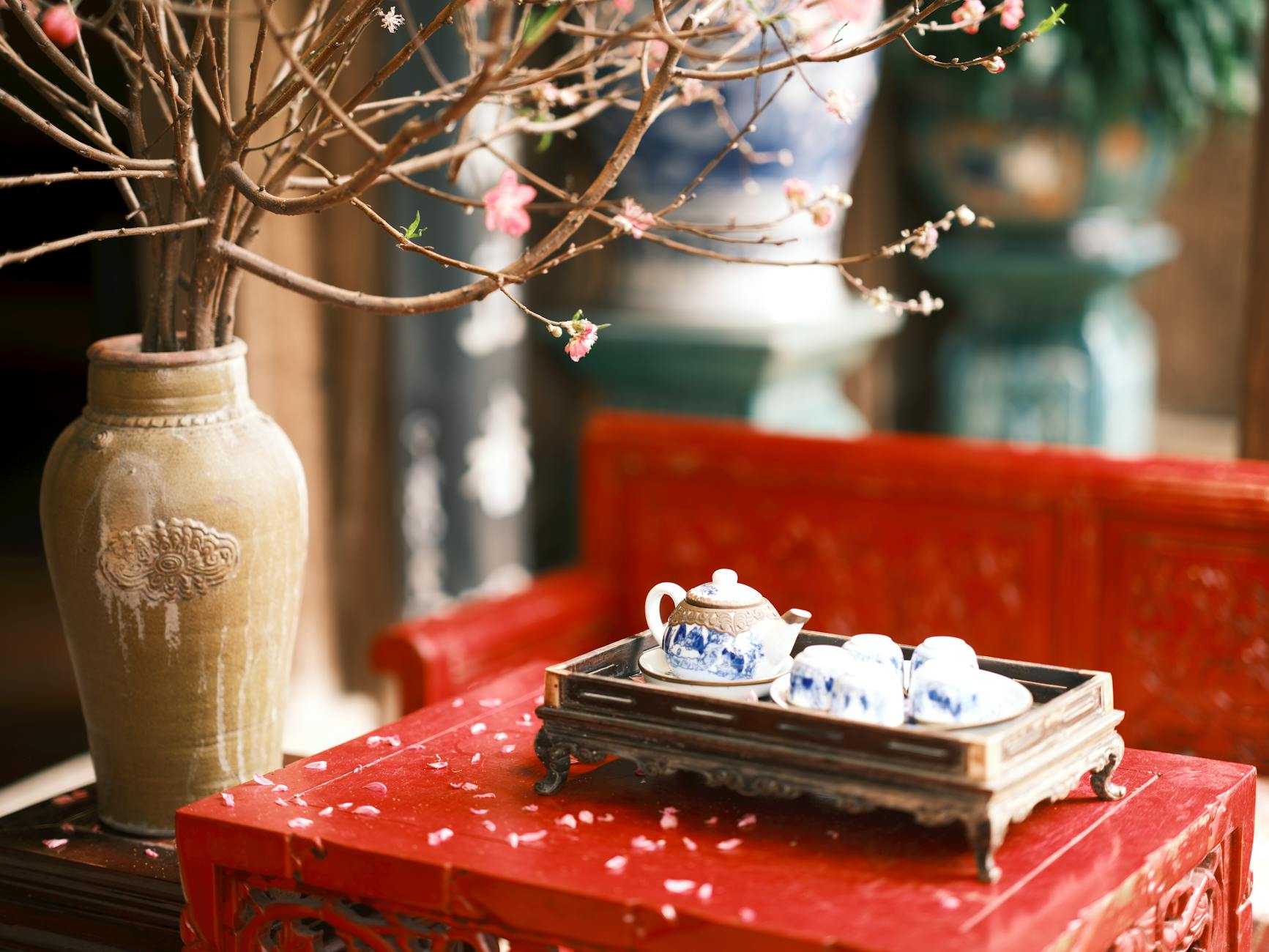
A full breakdown of what’s genuinely worth bringing home lives in our best Beijing souvenirs guide. The short version: silk, tea, cloisonné, calligraphy supplies, and hand-carved name seals are all excellent. Here’s what you need to know about each.
Chinese Silk
Silk has been China’s most famous export for over two millennia, and Beijing remains one of the best places to buy quality pieces. For guaranteed authenticity without bargaining, go to Ruifuxiang (瑞蚨祥) on Dashilar Street — this heritage shop has been selling premium silk since 1893. Silk scarves run ¥50–300; ties ¥30–100; custom qipao dresses ¥500–2,000. Look for mulberry silk (桑蚕丝) on the label for the best quality.
Chinese Tea
Tea is one of the most rewarding souvenirs from Beijing — lightweight, culturally meaningful, available at every price point. Maliandao Tea Street (马连道茶城) in Xicheng District is Beijing’s wholesale tea market with over 900 shops across several buildings — best selection, lowest prices, and most shops offer free tastings before you commit. Popular varieties: jasmine tea (Beijing’s signature), Longjing (Dragon Well) green, Pu-erh (aged and fermented), Tieguanyin oolong. Quality gift sets with ceramic cups run ¥50–300. Avoid the overpriced, tourist-targeted tea shops near major sights — you’re paying a 300% location surcharge.
Jade and Precious Stones
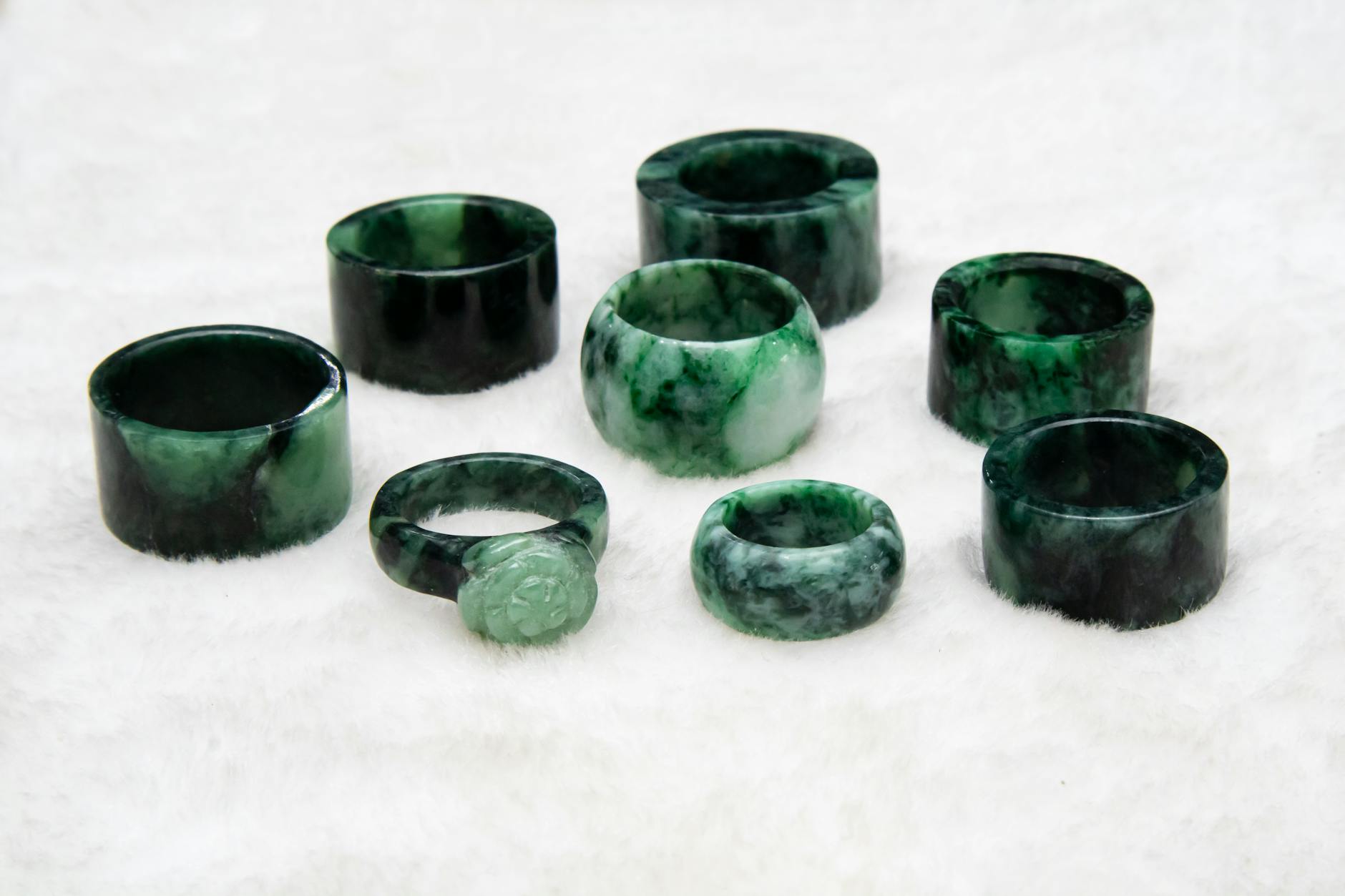
Jade holds deep cultural significance in China — symbolising purity, wisdom, and good fortune. Beijing’s markets offer everything from simple pendants (¥20–100) to museum-quality carved figurines costing tens of thousands. Hetian jade (和田玉) from Xinjiang is the most prized variety; much of what’s sold at tourist markets as “jade” is cheaper nephrite, serpentine, or outright glass. Buy from dealers who provide certificates of authenticity for any serious purchase. Panjiayuan and Hongqiao both have dedicated jade sections — fine for browsing, more risky for expensive buys.
Cloisonné (景泰蓝 Jingtai Blue)
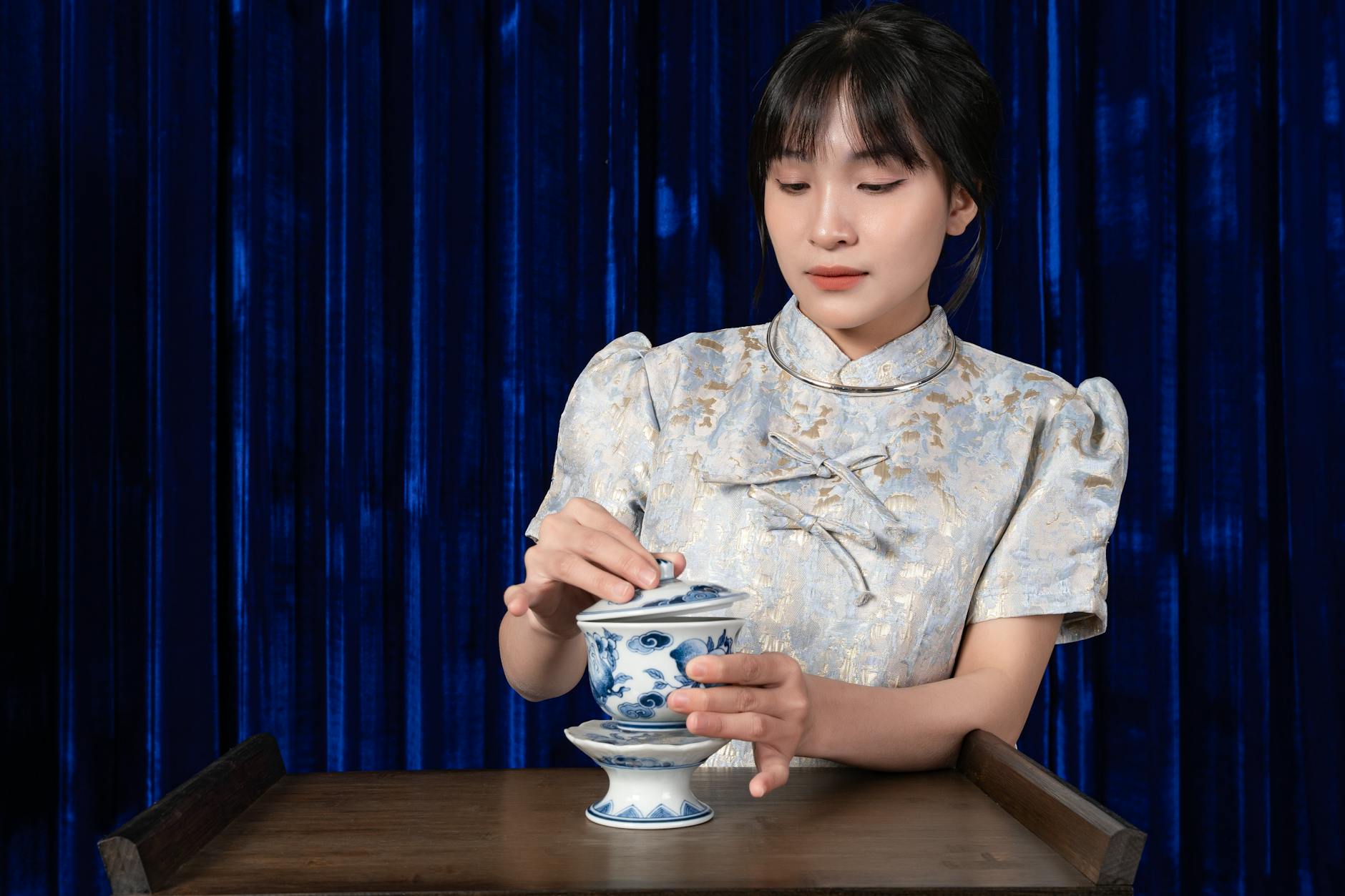
Cloisonné enamelware is one of Beijing’s most distinctive traditional crafts, dating to the Ming Dynasty’s Jingtai period (1450–1457). These pieces feature vivid enamel colours set within delicate copper wire frameworks — vases, bowls, jewelry boxes, decorative items. The Beijing Enamel Factory (北京珐琅厂) in Chongwen District is the best place to buy: watch artisans at work, buy directly, and trust the quality. Prices run ¥100–5,000 depending on size and complexity.
Other High-Value Souvenirs
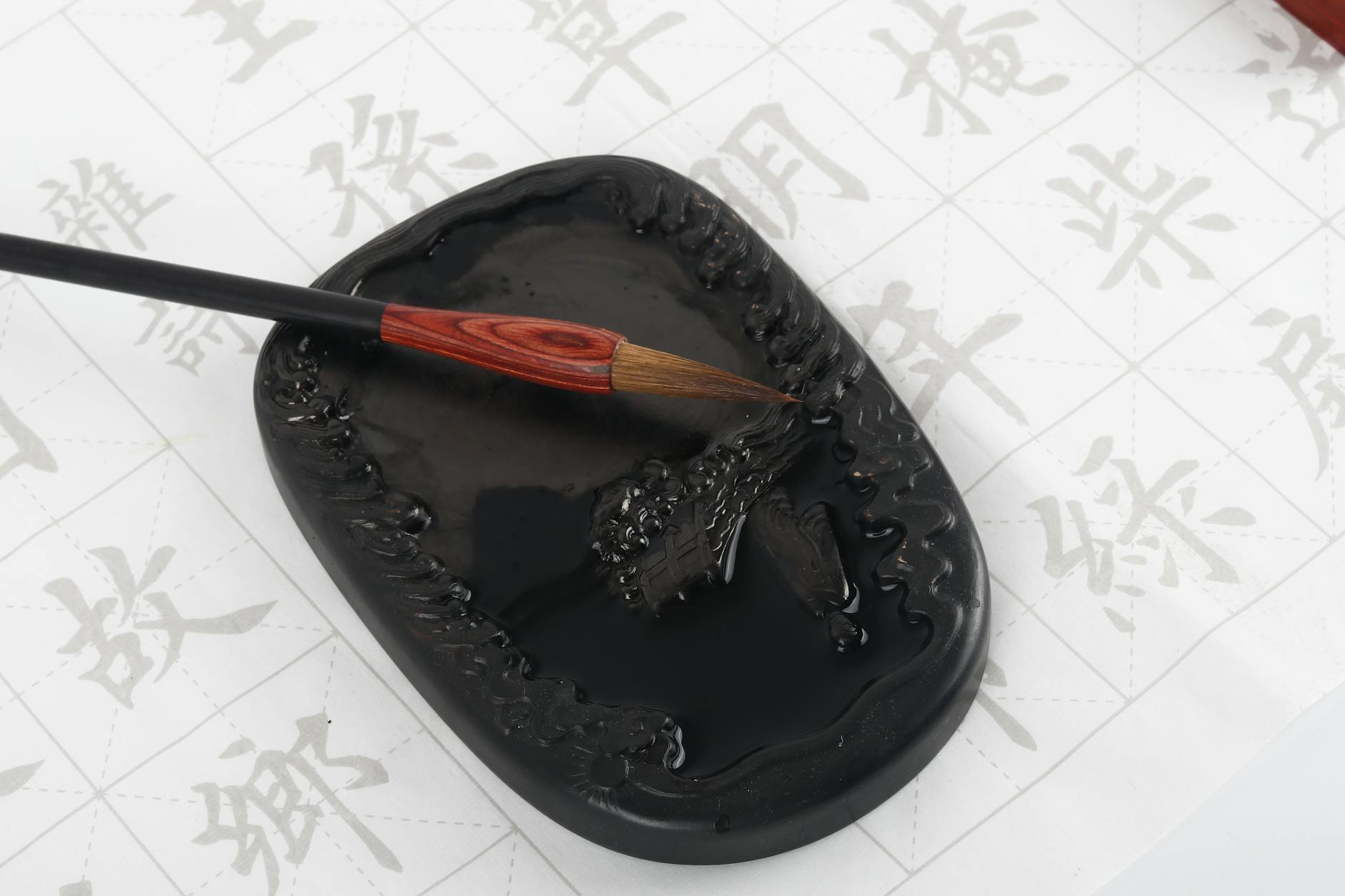
Chinese name seals (印章): Have your name carved in Chinese characters on stone, jade, or wood at Panjiayuan or Liulichang (¥30–200, ready in 30 minutes). One of the most personal souvenirs you can take home. Peking Opera masks: Hand-painted masks depicting famous characters — striking wall art (¥20–200). Calligraphy supplies: The “Four Treasures of the Study” — brush, ink, paper, inkstone — are available at Liulichang Culture Street. A quality set runs ¥50–500. Paper cuts (剪纸): Intricate hand-cut folk art in red, perfect for framing (¥10–100).
Shopping by Budget
What can you actually get at different price points? Here’s an honest breakdown — because “Beijing is cheap” is only partially true, and knowing where your money goes stops you overpaying.
Under ¥50: A good paper-cut from Panjiayuan (¥10–30). A decent painted fan (¥15–40). A ceramic Beijing yogurt pot with the yogurt still in it (¥5, eat on the spot — a genuine local experience). A pair of chopsticks from a hutong shop. Small pouches of jasmine tea from a street vendor. Postcards and reproduction propaganda posters (¥5–15 each). At this level you’re buying small pleasures, not serious keepsakes.
¥50–200: Where things get more interesting. A silk scarf from the Silk Market (verify it’s actually silk — burn a loose thread; real silk smells of burning hair, synthetics smell of plastic). A small cloisonné piece from a market stall. A hand-carved chop with your name in Chinese (¥30–150). Quality loose tea (100g of decent Longjing or Tieguanyin). A painted Peking Opera mask (¥80–150). At ¥200 you can buy a pleasant set of calligraphy brushes. These are the gifts most worth giving.
¥200–1,000: Genuine craftsmanship starts here. A custom-tailored silk qipao from the Silk Market or Ruifuxiang. A good jade pendant from a certified dealer (not a market stall). A real piece of contemporary Chinese art from 798 Art District. A high-quality tea gift set with Yixing clay teapot. A Hetian jade bracelet with a provenance certificate. A full set of Chinese tea bowls from a serious ceramics shop.
¥1,000+: This is where Beijing’s quality retail genuinely shines. Custom tailored suits from the Silk Market’s upper-floor tailors. Authenticated antiques from Liulichang’s reputable dealers (with receipts and export paperwork). Significant jade pieces. Original oil paintings from 798 galleries. High-end cloisonné from the Beijing Enamel Factory. If you’re spending at this level, take your time, research the vendor, and get documentation.
What NOT to Buy in Beijing
Just as important as knowing what to buy is knowing what to skip. Some categories are almost never worth it for visitors.
Antiques near major tourist sights: The shops clustered outside the Forbidden City, Summer Palace, and Temple of Heaven charge four to ten times Panjiayuan prices for identical or lower-quality items. The same Ming-style vase that costs ¥80 at Panjiayuan will be ¥400 outside the east gate of the Palace Museum. Location premium with zero quality premium.
Counterfeit luxury goods: Yes, they’re everywhere. Yes, they’re illegal to import into most Western countries. Customs officials in the US, EU, and UK are specifically trained to spot Beijing-market fakes, and confiscation plus a fine is a real outcome. The quality on most counterfeits is also worse than it looks under market lighting.
“Genuine antiques” from weekend stalls: China banned the export of pre-1949 cultural relics without special permits. Any stall vendor who tells you an item is “genuinely hundreds of years old” and fine to take home is either lying about the age (it’s a reproduction) or selling you something you can’t legally export. Both outcomes are bad. Enjoy reproductions as reproductions and price them accordingly.
Electronics from markets: The grey-market electronics at Silk Market and similar venues are almost universally counterfeit or grey-import goods. If you want Chinese electronics brands (Huawei, DJI, Xiaomi), buy from official brand stores — better prices than you’d expect, guaranteed authentic, with Chinese warranty support.
Tea from tourist-area shops: A 100g tin of jasmine tea that costs ¥20 at Maliandao will be ¥120 at a tea shop on Wangfujing. Same tea, different postcode, six times the price.
Bargaining in Beijing: Tactics That Actually Work
Full tactics are covered in our dedicated bargaining in Beijing guide, but here’s what you need before you walk into any market.
Bargaining is expected — and often genuinely enjoyed — at all traditional markets. Never pay the first price. A working rule: open at 30–40% of the vendor’s ask, expect to settle somewhere between 50–65%. On very small purchases (under ¥30), don’t bargain hard — the vendor’s margin is already thin and it’s not worth the energy for either of you.
The walk-away is your strongest tool. Say you need to think about it, start walking. In most cases the vendor will call you back within ten steps with a meaningfully lower price. If they don’t, you’ve established their actual floor — you can return five minutes later if you genuinely want the item. Don’t fake a walk-away you’re not prepared to complete.
Use a calculator, not your voice. Type your offer into a phone calculator and hand it over. This sidesteps language issues, keeps the tone neutral, and makes the counter-offer process feel businesslike rather than confrontational. Most vendors will respond in kind.
Buy multiple items for better prices. “I’ll take three if you do ¥X each” works well at most stalls. Vendors would rather sell volume at a tighter margin than sell nothing.
Read body language. If the vendor laughs at your offer and walks away, you’ve gone too low — adjust up. If they hesitate and reach for a calculator, you’re close to their real floor. If they accept your first counter immediately, you came in too high. Learn from each transaction.
Useful phrases: “Piányi yīdiǎn” (便宜一点) — “A little cheaper please.” “Zuì dī jiàgé” (最低价格) — “What’s your lowest price?” “Tài guì le” (太贵了) — “Too expensive.” A friendly tone throughout is non-negotiable — aggressive bargaining achieves nothing in China.
Modern Shopping: Malls and Districts
Wangfujing Street (王府井大街)
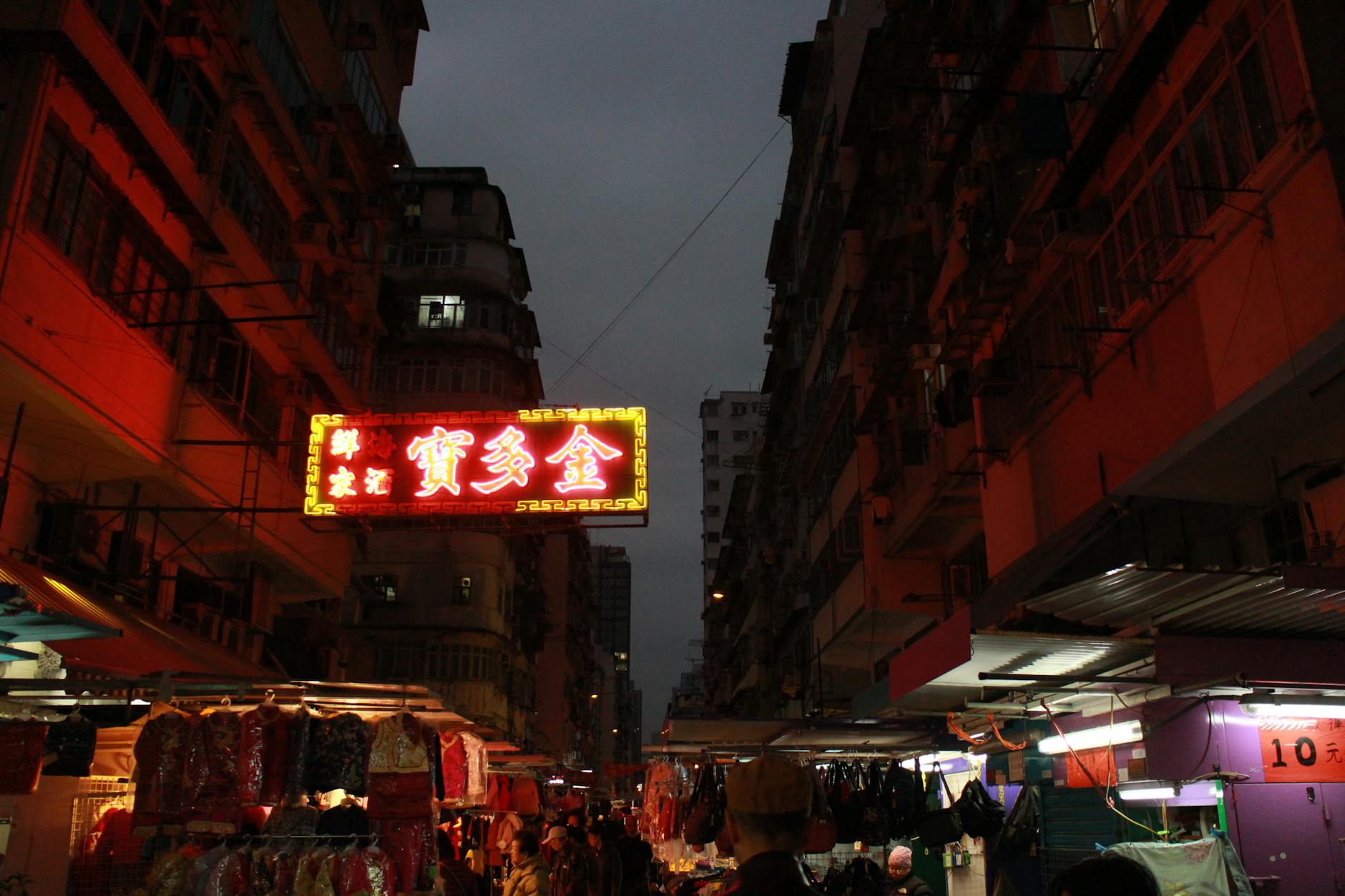
Beijing’s most famous commercial street stretches 1.8 kilometres just east of the Forbidden City. The full breakdown is in our Wangfujing Street guide, but the essentials: Oriental Plaza anchors the southern end (Apple, Zara, Uniqlo), the northern section has traditional shops and the famous snack street with its skewered scorpions and starfish. Don’t miss the Beijing Department Store (Beijing’s oldest, founded 1955). Nearest subway: Wangfujing Station (Line 1).
Sanlitun (三里屯)
Sanlitun is Beijing’s most international shopping district, centred on the Taikoo Li complex — an open-air luxury mall with flagship stores from Apple, Nike, and Adidas alongside independent Chinese designer boutiques. This is where young, design-conscious Beijingers shop. The adjacent bar street makes this area work well as an afternoon-to-evening combination: shop during daylight, transition to drinks at dusk. Our Beijing nightlife guide covers the evening side in detail. Nearest subway: Tuanjiehu Station (Line 10).
798 Art District (798艺术区)
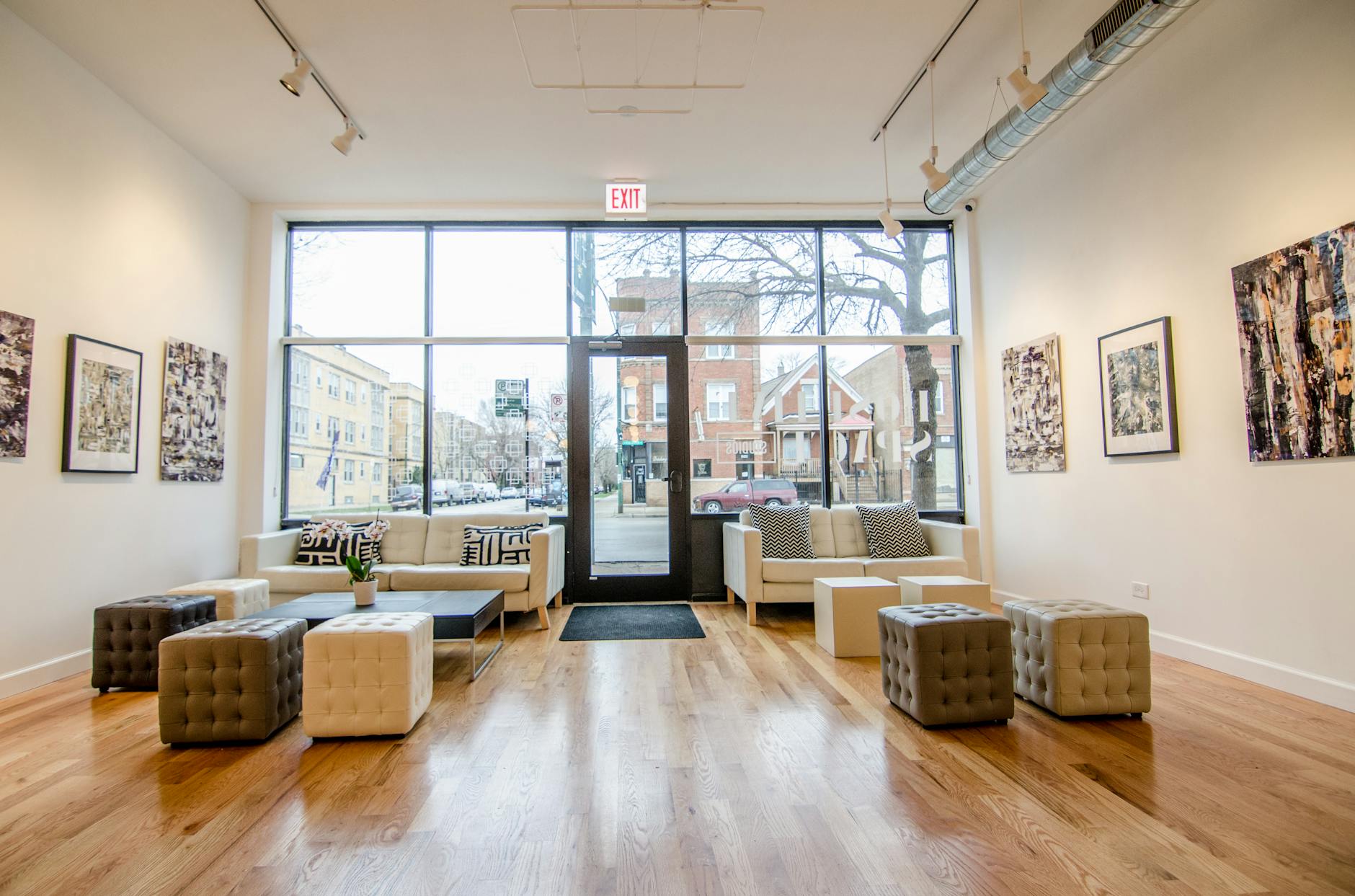
For contemporary art and design, the 798 Art District in Chaoyang’s abandoned Bauhaus factory complex is the only place in Beijing to find genuinely original work. Galleries, studios, and designer shops sell contemporary Chinese art, photography prints, handmade jewelry, and home décor you won’t find anywhere else. Prices are higher than markets, but so is the originality. Open daily; busiest and most vibrant on weekends. Nearest subway: Wangjing South Station (Line 14/15), then taxi.
More Key Shopping Areas
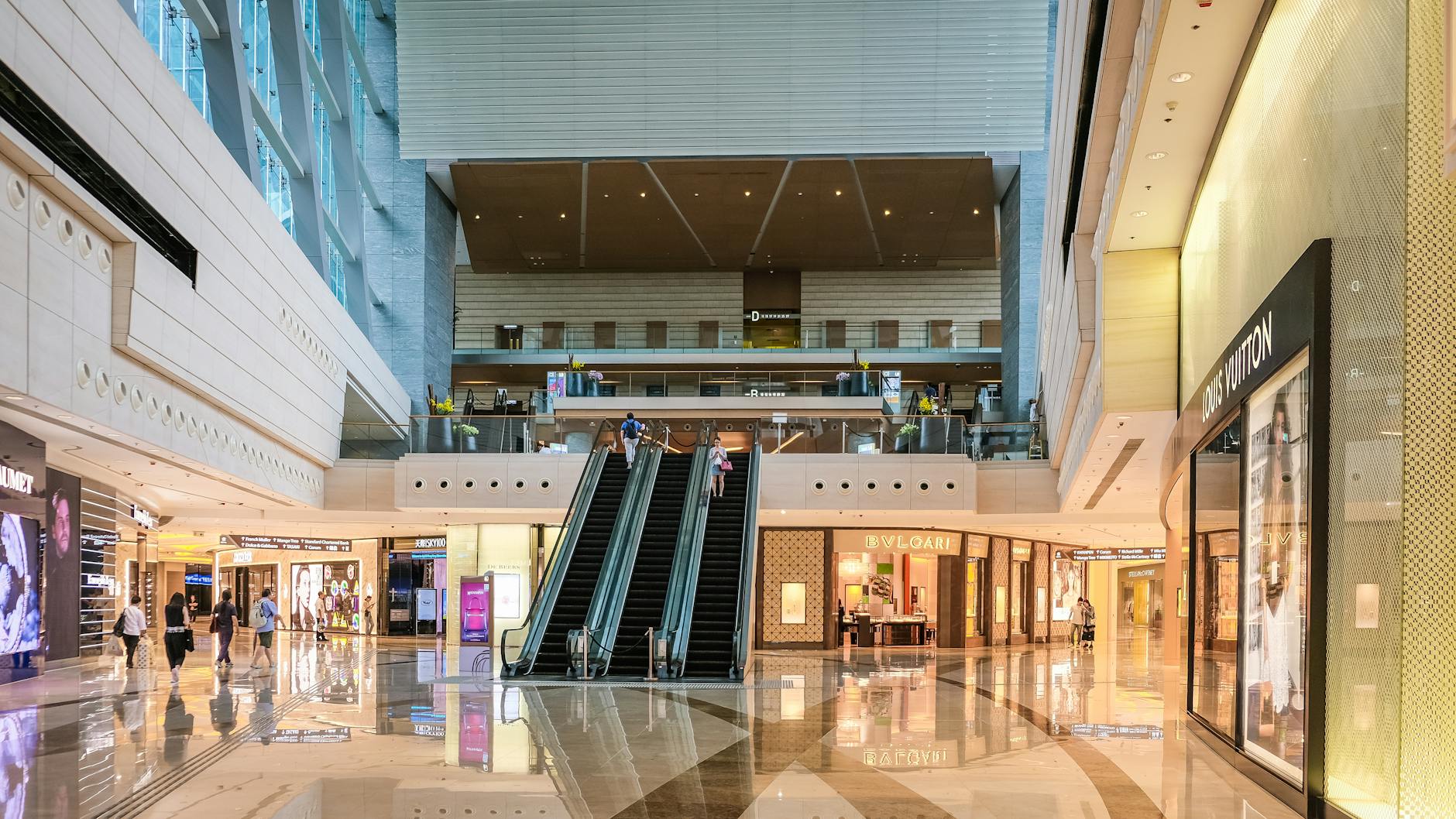
SKP Beijing: China’s highest-grossing luxury department store, near Guomao subway — think Harrods with a Beijing edge. Worth visiting even if you’re not buying. Xidan (西单): Beijing’s most popular area for young local shoppers, centred on Joy City mall with accessible fashion and food courts. Dashilar (大栅栏): The historic hutong shopping street off Qianmen — covered in our dedicated Dashilar guide. Heritage silk, traditional medicine, century-old brands in beautifully restored Ming-Qing architecture. Beijing Shopping Malls: For a full rundown of the capital’s major malls from budget to ultra-luxury, the Beijing shopping malls guide covers every major centre by district.
Cultural Shopping Streets Worth Your Time
Liulichang Culture Street (琉璃厂文化街)
Liulichang is Beijing’s traditional arts and antiques street, dating to the Qing Dynasty when scholars gathered here for books, brushes, and inkstones before the imperial examinations. The beautifully restored Ming-style buildings house calligraphy shops, seal-carving studios, traditional painting galleries, and antique book dealers. Rongbaozhai (荣宝斋), established in 1672, is the anchor — specialising in traditional Chinese painting and woodblock printing. This is where serious collectors come. Nearest subway: Hepingmen Station (Line 2). Walking distance from Beijing’s hutong neighbourhoods.
Maliandao Tea Street (马连道茶城)
Over 900 tea shops stretching across several blocks: China’s largest tea wholesale market and the best place in Beijing to buy tea at actual local prices, 30–60% cheaper than tourist-area equivalents. Every Chinese tea variety is here — from everyday jasmine to rare aged Pu-erh worth thousands per kilo. Most shops offer free tastings; budget 2–3 hours for a thorough visit. Nearest subway: Wanzi Station (Line 9).
Shipping Purchases Home
This is something most guides skip entirely, and it matters — especially if you’ve bought ceramics, large cloisonné pieces, a custom-tailored wardrobe, or anything too fragile for checked luggage.
China Post (中国邮政) is the cheapest option for small packages. Surface mail (sea freight) is slow — 4–8 weeks to Europe or North America — but affordable: a 5kg package to the UK costs roughly ¥200–300. Air registered mail is faster (1–2 weeks) at approximately ¥400–600 for 5kg. Post offices are everywhere; staff at central locations near tourist areas often speak enough English to help. You’ll need your passport.
DHL, FedEx, and UPS all operate in Beijing with pick-up locations across the city. They’re significantly more expensive (a 5kg package to the US runs ¥800–1,500) but genuinely fast (3–5 business days) and reliably tracked. For fragile or valuable items, the premium is worth it. Major hotels can often arrange courier pick-ups from your room.
Packing fragile items: If you’ve bought ceramics, cloisonné, or similar pieces at a market, don’t trust the vendor’s standard wrapping for international shipping. Find a specialist packing shop (ask your hotel concierge) or a post office with proper fragile-packing service. Bubble wrap plus double-boxing is the minimum standard for anything you care about. China Post offers a fragile-item box with internal foam at major post offices for ¥20–50.
Large furniture and heavy items: If you’ve bought Qing-era furniture at Panjiayuan or similar, you need a freight forwarder rather than standard courier. Several companies near Panjiayuan specialise in exactly this: they handle export documentation, container shipping, and customs clearance at the destination. Costs vary enormously by size and destination — budget ¥3,000–15,000 for a piece of furniture to the US or Europe, plus destination customs duties. Get written quotes from at least two companies and check online reviews in expat forums.
Export restrictions: Items made before 1949 technically require an export permit from China’s Cultural Relics Bureau. In practice, most market “antiques” are reproductions and this rarely applies — but if you’re buying anything presented as genuinely old and expensive, ask the vendor for export documentation before you pay.
Beijing vs. Shanghai Shopping: Honest Comparison
If you’re doing both cities, the question of where to shop for what is worth thinking through rather than just shopping wherever you happen to be.
Buy in Beijing: Anything rooted in northern Chinese tradition — cloisonné, jade, Peking Opera paraphernalia, calligraphy supplies, carved stone seals, Mao-era collectibles, traditional silk from heritage brands like Ruifuxiang, and tea (specifically jasmine and northern varieties). Antiques from Panjiayuan are a Beijing speciality both in selection and price. The 798 Art District is also more interesting than Shanghai’s comparable contemporary art zones — better galleries, more serious work.
Buy in Shanghai: Contemporary fashion and international luxury retail is significantly better curated in Shanghai, which has a longer history of engagement with Western commercial culture. The French Concession has excellent independent boutiques, homeware stores, and vintage shops that Beijing can’t match. Shanghai’s fabric market (South Bund Soft-Spinning Material Market) arguably surpasses the Beijing Silk Market for tailoring variety and quality at the mid-to-high end.
Roughly equivalent: Electronics, modern malls, cosmetics, and mass-market brands are essentially the same in both cities. Don’t make travel decisions around them.
The bottom line: for cultural craft souvenirs and traditional goods, Beijing is the stronger city. For contemporary fashion and design, Shanghai edges ahead. If you’re only visiting Beijing, you’re in the right place for the things that most distinctly say “China.”
Payment, Tax Refunds, and Avoiding Scams
Payment Methods
Mobile payments via WeChat Pay and Alipay dominate Beijing’s retail landscape. As of 2025, both apps allow foreign visitors to link international Visa and Mastercard — set this up before you arrive. Traditional markets prefer cash for small transactions, so carry a mix of small bills. Major malls and department stores accept international credit cards. ATMs accepting foreign cards are available at major banks throughout the city.
Tax-Free Shopping
Foreign visitors can claim a VAT refund of 11% on purchases over ¥500 from designated tax-free stores. Look for the “Tax Free Shopping” logo, keep your receipts, and process the refund at the airport before departure. SKP, Wangfujing Department Store, and Galeries Lafayette all participate.
Scams Worth Knowing
Three scams recur with enough frequency that every visitor should know them. The “student art” scam: friendly students near tourist sites invite you to view an “art exhibition” — it ends with high-pressure sales of overpriced paintings. Decline politely and keep walking. The tea ceremony scam: you’re invited by a friendly stranger for a “traditional tea ceremony,” which ends with an outrageous bill. Only visit tea shops you’ve chosen yourself. The taxi meter scam: unlicensed taxis near tourist sites quote flat rates that sound reasonable but aren’t — use Didi (China’s ride-hailing app) or confirm the meter is running in a licensed cab.
Shopping Itinerary: A Day by Interest
These aren’t abstract suggestions — they’re tested combinations that work logistically and build on each other. For more on getting around between areas, the Beijing travel guide has transport details.
| Interest | Morning | Afternoon | Evening |
|---|---|---|---|
| Traditional crafts | Liulichang (calligraphy, art supplies) | Dashilar (silk, heritage brands) | Qianmen (specialty snacks to take home) |
| Market lover | Panjiayuan (weekends only — arrive 7 AM) | Hongqiao Pearl Market + Temple of Heaven | Silk Market (Yong’anli) |
| Modern shopping | Sanlitun Taikoo Li (international flagships) | Taxi to 798 Art District | SKP or Wangfujing for evening browsing |
| Tea focus | Maliandao Tea Street (full morning) | Tea tasting continues; buy and pack | Hutong tea house for tasting session |
Detailed Guides
Each major shopping destination in Beijing has its own dedicated guide with opening hours, specific stall recommendations, and practical logistics:
- Panjiayuan Antique Market — China’s largest flea market in full detail
- Silk Market Beijing — tailoring, silk, and what to actually buy
- Wangfujing Street — Beijing’s premier commercial boulevard
- Best Beijing Souvenirs — the definitive what-to-buy guide
- Dashilar Shopping Street — historic hutong commercial street
- 798 Art District Shopping — contemporary art and design
- Bargaining in Beijing — complete tactics and phrases
- Beijing Shopping Malls — from budget centres to luxury flagships