The Great Wall Near Beijing
Camping on the Great Wall: Overnight Stays & Stargazing Experiences (2026)
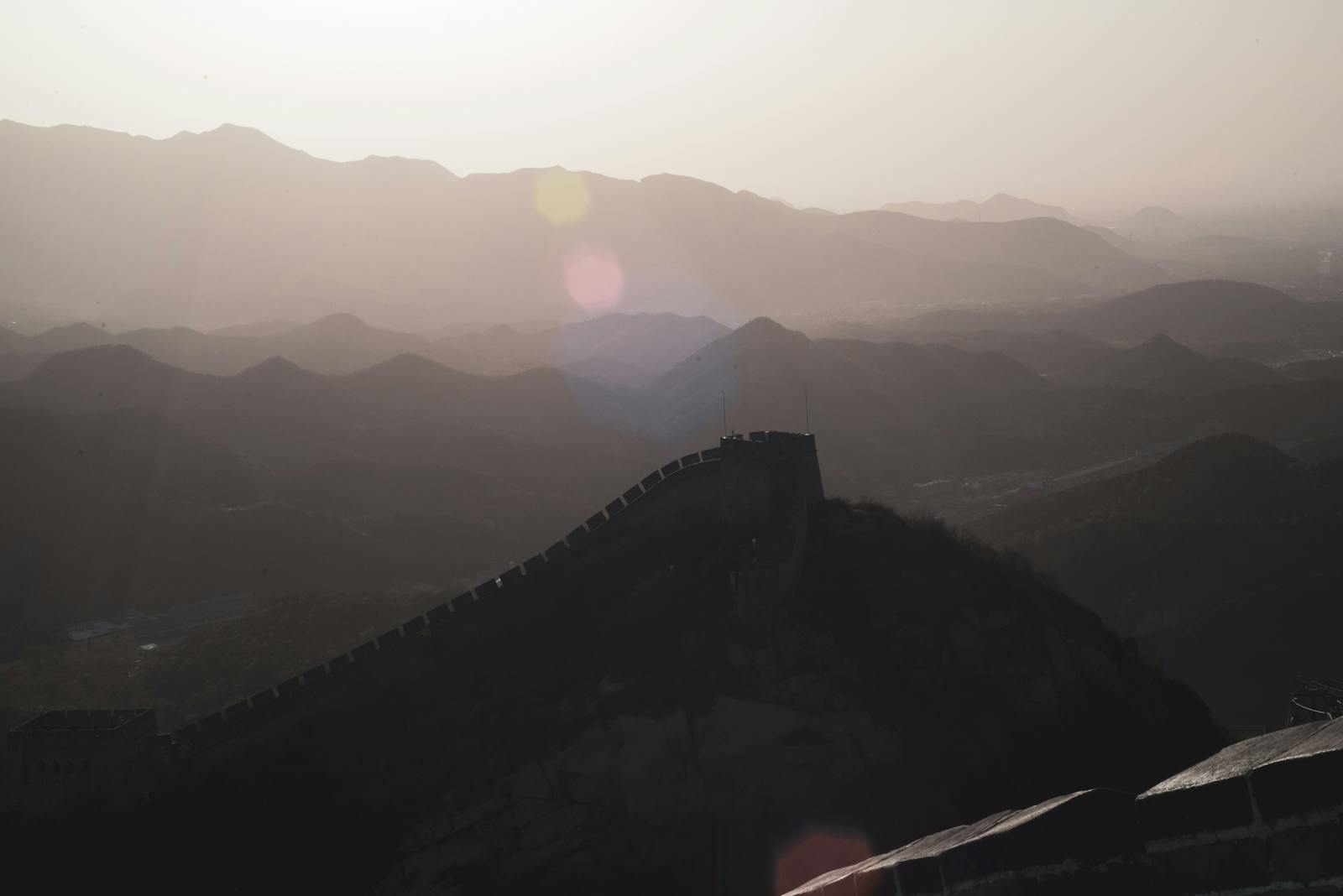
Most Great Wall visits last three hours. You arrive, walk a few watchtowers, take photos, and head back to Beijing. That’s a fine way to see the wall. But a Great Wall overnight changes the equation entirely. You’re there for the afternoon light when the tour groups thin out, through the quiet of the night with the wall to yourself, and at dawn when the sun crests the eastern ridges and the stones go from grey to gold in about four minutes. No day-tripper ever sees that. This guide explains how to do a Great Wall overnight stay — legally, safely, and without the planning anxiety that comes with attempting it on your own.
Officially, camping on the Great Wall is restricted — but the reality is more nuanced than a flat prohibition. Several legal arrangements exist: guided operators with local permissions on permitted sections, farmhouse stays in villages right at the wall’s base, and hotel properties within walking distance of wall access. This guide covers all of it. For the hiking logistics that get you to and between camping sections, see our rundown of the wall’s main walking routes. For transport from Beijing to these sections, see our Great Wall transport guide.

Great Wall camping at a glance
- Officially camping on wall
- prohibited at Mutianyu, Badaling, Simatai, Jinshanling (in restricted zones).
- Camping permitted
- by guided operator on certain Jiankou and Gubeikou sections; via specific resort properties near wall.
- Overnight farmhouses
- legal and popular near Jiankou (Xizhazi Village), Gubeikou, and other rural wall areas.
- Cost
- ¥800–¥3,000 per person for guided overnight experiences depending on operator and amenities.
- Best season
- April–June, September–November.
- Best for
- experienced campers, photographers (sunrise/sunset), adventurers wanting the most distinctive wall experience.
What a wall overnight actually feels like
The moment tour groups leave in the afternoon, the wall empties. By 5pm on a weekday at Gubeikou or the watchtowers above Jinshanling, you may be the only person visible in either direction. That silence — after a day of occasional tour group noise — is itself part of the experience.
Sunset from a 600-year-old watchtower looking west over forested ridges is not subtle. The light gets orange fast, the shadows deepen into the valleys, and the wall itself seems to glow briefly before the dark sets in. As darkness falls, Beijing’s glow appears on the southern horizon — close but completely out of reach, the city you left this morning now just a smear of light twenty or thirty kilometres away. The wall stones are still warm from the day’s sun when you sit against them in the first hour of darkness. They hold the heat longer than you’d expect.
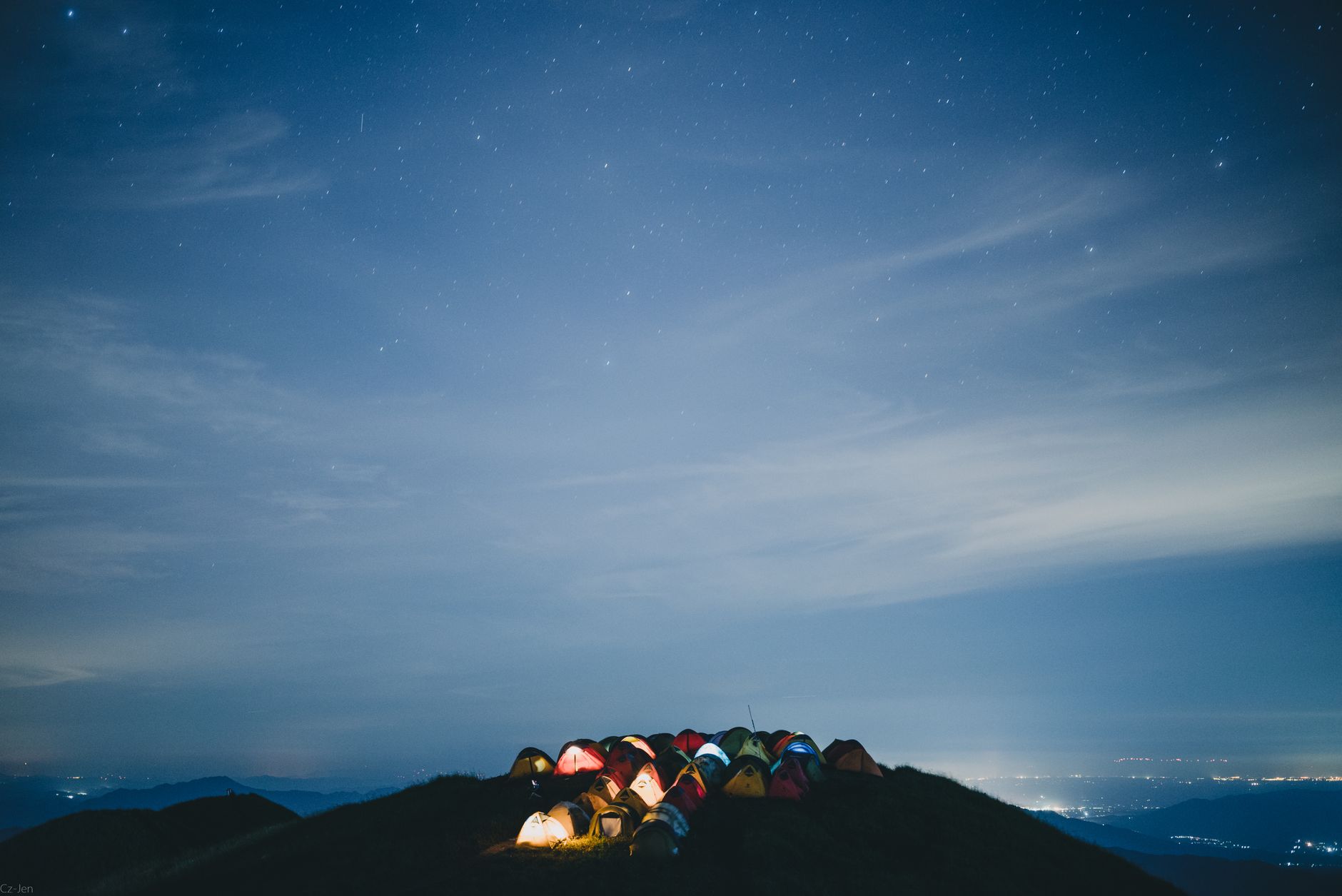
Stars appear gradually. If you’ve timed the trip near a new moon and the sky is clear, the Milky Way is visible above the ridgeline by around 10pm. This is not a minor thing. At 70–130 km from central Beijing, the light pollution drops enough to produce genuinely dark skies — darker than anything most urban visitors have seen in years. Waking at 5am and being in position on a watchtower for sunrise is the other bookend. The light changes from grey to pink to orange to gold in about fifteen minutes. By 7am the wall is still entirely yours. This is what makes the considerable extra logistics worth it.
The legal reality in plain language
The legal picture is genuinely nuanced, and anyone who tells you it’s simple is oversimplifying:
- Officially restricted (camping prohibited): Badaling, Mutianyu, and Jinshanling — all restored sections with wardens who patrol and will ask campers to leave. Fines are possible for repeat violations.
- Authorised watchtower camping: a small number of licensed operators — notably Great Wall Adventure Club and certain Beijing Hikers partners — have arrangements to camp in specific watchtowers on unrestored sections, typically around Gubeikou and adjacent areas. This is the only genuinely legal “sleep on the wall” option.
- Wild sections (parts of the wild wall at Jiankou, Gubeikou, lesser-known sections): self-organised camping sits in grey area — locally tolerated in many places but not officially permitted. Guides with established local relationships significantly reduce friction and the chance of being moved on.
- Farmhouses near the wall: completely legal and the most reliable way to overnight near the wall.
Chinese authorities have been tightening camping rules at the wall since 2022, particularly after incidents at Jiankou. Solo and self-organised camping at wild sections is increasingly likely to attract attention from local security or police patrols. The safest description of the current situation for guided wall camping is “tolerated with local permission” rather than “officially authorised.” That’s different from prohibited — but it means using operators matters more now than it did five years ago.
Recommendation: book through experienced operators. They handle the local relationships and know the practical realities. Don’t self-organise a wall overnight without a local contact.
Farmhouse stays — the underrated option
Farmhouse accommodation (农家乐, nóngjia lè) near wild wall sections is completely legal, significantly cheaper than hotels, and gives an experience that no commercial property can replicate. You stay with a local family, sleep on a kang (a traditional heated stone bed platform), eat food cooked in the family kitchen, and wake up five minutes’ walk from a wall section that most Beijing visitors have never heard of.
What you pay: ¥100–300 per night, typically including dinner and breakfast. What you get: a simple room, often with a shared bathroom, meals that will be the best food you eat on your Beijing trip, and immediate access to the wall section at whatever hour you want to be there for sunrise.
Where to find them: Xizhazi Village near Jiankou has approximately 10–12 properties — this is the most established farmhouse cluster near any wild wall section. Gubeikou village has 6–8 options. Simatai village has a smaller selection. None of these appear on Booking.com or similar platforms. Your guide or operator can arrange them with a phone call; if you’re doing a fully self-organised trip, your Beijing hotel concierge can often help with the call. Arrive with cash.
Best operators offering Great Wall overnights
Beijing Hikers
Established operator with regular overnight wall experiences. Combines hiking with farmhouse stays at Xizhazi (Jiankou base). Trip lengths 1–3 nights. ¥1,200–¥3,000 per person. Book 1–2 weeks ahead for popular slots; October dates sell out early.
Wild Great Wall Adventure
Specialised in wild wall overnight experiences. Camping on permitted sections; farmhouse stays available. Multi-day treks combining sections. Good for experienced hikers who want less structured trips.
Great Wall Hiking
Multi-day trekking specialist with overnight farmhouse arrangements. Combines Gubeikou, Jinshanling, and Simatai over 2–3 days. Strong logistics for the connecting hike routes.
Great Wall Adventure Club
Best option for the closest thing to legally sanctioned watchtower camping. Long-established local relationships. Worth the premium if you want to actually sleep inside a watchtower.
Best sections for Great Wall overnight experiences
Jiankou + Xizhazi Village (most authentic)
Stay at a farmhouse in Xizhazi Village — the established base for Jiankou overnight trips. Hike the wild wall in the afternoon with a guide for sunset. Return to the farmhouse for dinner, then back up for stargazing or sunrise. ¥800–¥1,500 per person for guided overnight package including farmhouse stay and meals.
Gubei Water Town + Simatai (most comfortable)
Stay at Gubei Water Town hotels (¥600–¥3,000/night) with built-in access to Simatai — the only officially sanctioned night wall experience in Beijing’s area. This is the most comfortable wall overnight available. Book 2–4 weeks ahead for peak season weekends; 1 week is usually sufficient midweek.
Gubeikou farmhouse + wall hike (best value)
Stay at a Gubeikou village farmhouse for ¥150–300/night. Hike the Gubeikou section in the late afternoon and early morning. Quiet, authentic, dark skies. ¥800–¥1,200 per person including guide and meals. The connecting hike to Jinshanling the next day makes this the best multi-day base.
Jinshanling sunrise package
Camp or stay at a farmhouse near the Jinshanling base. Pre-dawn hike for sunrise photography on the ridge. The main gate opens at 04:00 in peak season, early enough for sunrise on the ridge. Ask your operator about guided package prices when you book. See our Jinshanling guide for full logistics. Our Wall photography guide covers what that light actually gives you.
Stargazing on the Great Wall
Beijing’s light pollution is significant in the city itself, but the wall sections at 70–130 km distance offer dramatically darker skies. At Jiankou (70km from Beijing centre), the sky reaches Bortle Class 4–5 — faint Milky Way visible to the naked eye under good conditions. At Jinshanling and Gubeikou (both around 130km), you’re looking at Bortle Class 3–4 — Milky Way clearly visible with structure, dark nebulae apparent. Simatai (120km) is slightly compromised by Gubei Water Town’s lighting but still far better than the city.
Best star photos from the wall: position yourself inside or just outside a watchtower arch so you get ancient stonework as foreground. A 24mm lens at f/2.8, ISO 3200, 20-second exposure captures the Milky Way above the battlements — one of the more unusual astrophotography compositions available anywhere. North-facing shots capture Polaris and the circumpolar stars in clean dark sky; south-facing shots pick up Beijing’s glow on the horizon, which is actually visually interesting in long exposures — the city as a ghost below the stars.
Moon phase matters. For maximum star visibility, plan your trip around the new moon or the few days immediately before and after it. A full moon washes out the Milky Way and most of the dimmer stars. Check PhotoPills for Milky Way position planning by date and location; SkySafari or Stellarium for detailed sky charts; Sky Map for casual real-time star identification while you’re actually there.
- Best stargazing months: late spring (April–May) and autumn (September–October) for clear, dry nights. Summer humidity reduces atmospheric transparency. Winter has dry but cold conditions — excellent skies but challenging camping temperatures.
Great Wall camping gear — climate-specific notes
Sleeping bag temperature rating
Beijing mountain nights vary enormously by season, and they run considerably colder than anything a season-by-season packing list for the city allows for. Spring (April–May) nights drop to 5–10°C. Autumn (September–November) drops to 0–5°C. Winter can reach -10°C or below in the mountains. Under-rate your sleeping bag and you won’t sleep — and a bad night on a cold stone watchtower floor is memorable for the wrong reasons. Buy or rent one rated at least 5°C lower than the expected nighttime low for your dates.
Ground insulation
Watchtower floors are stone. Cold radiates up fast, even in summer. A 3-season sleeping pad is not optional — it’s the difference between sleeping and not sleeping.
Condensation
Watchtower interiors collect condensation on walls and floors in spring and autumn. The moisture soaks into sleeping bag fill and kills its insulation overnight. A tent pitched inside the watchtower (if your operator permits) or a bivy bag around your sleeping bag keeps it dry. Don’t assume the interior will be dry.
Water and food
Carry 3L per person per overnight minimum. There are no refill options on wild wall sections — none. For cooking, a lightweight gas stove or no-cook cold meals (dry food, nuts, energy bars) are the practical options. Open fires are absolutely prohibited on and near the wall — fire risk in the dry mountain forests is extreme, and the consequences of an accidental fire would be severe.
Essential gear
- Tent (only if actually camping rather than farmhouse staying)
- Sleeping bag rated to 5°C lower than expected nighttime low
- Sleeping pad
- Headlamp + spare batteries — essential for moving on the wall at night
- 3L+ water per person for overnight
- Layered clothing — temperature drops sharply at night even in summer
- Rain gear
- First-aid kit
- Hiking boots
Photography gear for overnight shooting
- Tripod: essential for night photography — absolutely worth carrying for an overnight shoot
- Wide-aperture lens: f/2.8 or wider for Milky Way shots
- Spare batteries: cold drains lithium fast; bring two fully charged
- Filters: polarizing for daytime; ND for sunrise shots
- Memory cards: night RAW files are large — more capacity than you think
What to book and when — lead times
Beijing Hikers scheduled overnight trips: book 1–2 weeks ahead for popular slots. October is consistently sold out 3–4 weeks in advance — don’t leave it late if autumn is your target.
Gubei Water Town hotels: book 2–4 weeks ahead for weekends in peak season (May, October); 1 week is usually fine for midweek stays. The better rooms in the higher-end properties go early.
Farmhouses near Jiankou and Gubeikou: arrange through your guide or operator. Walk-in is possible but not reliable — the better places fill up on weekends. Call or have your guide call at least 3–4 days ahead.
Simatai night tour + hotel package: book 1–2 weeks ahead in October, 3–5 days ahead at other times. Simatai’s night wall has a daily visitor cap, so the evening slots do fill.
Jinshanling sunrise: the main gate opens at 04:00 in peak season, and no separate sunrise permit is needed on top of standard entry.
What to do the morning after
This is the best part. Set an alarm for 30 minutes before sunrise — the exact time varies by month but is typically between 5am and 6:30am during spring and autumn. Pack a thermos of coffee or tea from the farmhouse the night before; ask the family when you arrive. Be in position on a watchtower — east-facing for the full effect — before first light appears.
The light changes from grey to pink to orange to gold over about fifteen minutes as the sun clears the eastern ridges. By 7am you’re probably the only person on that section of wall. The air is cool, the shadows are long, and the wall looks completely different from how it looked yesterday afternoon. Pack up and hike out before the day-trippers arrive — typically 9–10am. You’ll be back in Beijing by lunchtime with a very different morning behind you than a hotel breakfast provides.
Best season for Great Wall camping
- Best: April to early June. Mild temperatures, dry, manageable nights. Spring green on the mountain slopes.
- Best: September to early November. Cool, dry, dramatic autumn colours on the hillsides. The best season by most measures, and the strongest stretch of the year in Beijing generally.
- Avoid: July–August. Heat, humidity, summer thunderstorms make camping uncomfortable and potentially dangerous on exposed ridges.
- Avoid: December–March. Sub-zero overnight temperatures; frost on wall stones makes movement in the dark risky.
Alternatives to camping for wall overnights
Gubei Water Town
The most accessible wall-adjacent overnight option. Hotels ¥600–¥3,000/night, walk-distance to Simatai, including night wall access. The most comfortable option available.
Boutique courtyard hotels near Mutianyu
Several boutique properties sit at the base of the Mutianyu stretch of wall. ¥800–¥2,500/night. Comfortable option close to the wall without the logistics of camping.
Farmhouses near Jiankou and Gubeikou
The best-value option and genuinely more authentic than any hotel. ¥150–¥400/night including dinner and breakfast. Simple rooms, family-cooked food, five-minute walk to the wall. Not for travellers who require air conditioning and a power shower — for everyone else, the right choice.
One caveat on ages, since it comes up often: a night in a watchtower is superb with teenagers and a poor idea with anyone much younger. The walk in with kit is long, the temperature drops sharply after dark, and there are no facilities to speak of. Families with primary-school children are far better served by a day section with a cable car and a route back to a hotel — our guide to taking children to the Wall compares the sections on exactly that basis, including child ticket rules and the toboggan.
A night on the ramparts is rarely a first-trip decision; it tends to happen on a return, once the restored sections have been walked and the appetite is for something rougher. That is where it sits in our itinerary for a second trip to Beijing.
Great Wall camping FAQ
Is Great Wall camping legal?
It depends on the section and your arrangement. Restored sections (Mutianyu, Badaling, Simatai) prohibit camping. Wild sections are grey-area but locally tolerated, especially with guided operators. Farmhouse stays are universally legal. The safest option is always a farmhouse or operator-arranged experience.
Is Great Wall camping suitable for beginners?
The camping itself is straightforward — it’s not technically demanding. The challenge is that camping sections require hiking to reach, often on uneven terrain. Start with a guided farmhouse experience near Jiankou or Gubeikou before attempting multi-night wild camping. The Gubei Water Town option near Simatai is the most accessible for first-timers.
What about mobile signal and emergency services?
Signal is weak to non-existent on most wild wall sections. Download offline maps before you leave mobile coverage — Maps.me or downloaded Google Maps work well. Emergency services take 1–2 hours to reach remote wall sections even when you can call them — check that your the policy you travel on covers emergency evacuation before you book anything. This is the primary reason solo camping is strongly discouraged. Go with at least one other person and have an operator or guide contact who knows your plan.
Can I just bring my own tent and show up?
Practically and legally, no. Official sections prohibit camping and have wardens. Wild sections require local navigation, some knowledge of which areas tolerate camping and which don’t, and ideally a local contact. Book through operators or arrange with local guides — they handle the complexity that makes self-organised attempts frustrating and sometimes unsuccessful.
What temperature should I expect overnight?
Spring (April–May): 5–12°C. Autumn (September–November): 0–8°C. Winter (December–February): -5 to -15°C in the mountains. Summer (June–August): 15–22°C but with high humidity. Wind chill at altitude adds a noticeable 3–5°C to the effective temperature, particularly on exposed watchtower tops.
What’s the best Great Wall overnight experience?
For comfort: Gubei Water Town plus Simatai. For authenticity: Jiankou plus Xizhazi farmhouse. For photography: either of those two, with the Jinshanling sunrise option a strong third. The answer depends on what you want out of the night.
How much does Great Wall camping cost?
¥800–¥3,000 per person via guided operators. Farmhouse stays: ¥150–¥400/night including meals. Gubei Water Town hotels: ¥600–¥3,000/night. Add guide fees if arranging independently.
Are there bathrooms when camping?
Farmhouse stays have basic bathrooms — often simple but functional. Camping on the wall itself is wilderness camping; bring appropriate supplies. Operators running watchtower camps will brief you on facilities (typically: there are none).
What about wildlife?
Wasps and bees in summer; venomous snakes are possible but rare in wall sections; wild boar and smaller mammals exist in the surrounding mountains. Stay away from beehives on watchtower walls (look before touching stone ledges), wear long pants and sleeves, carry basic first aid including antihistamine.
Can I bring kids?
Farmhouse stays near the wall: yes, for children 6 and above. Camping on the wall itself: better suited to adventurous teenagers and adults. The hiking required to reach camping sections is the main limiting factor for younger children.
Planning your wall overnight within a Beijing trip
A Great Wall overnight fits naturally into a 5–7 day Beijing itinerary as a 1–2 night excursion. For day-trip alternatives and how to combine wall visits with other Beijing activities, see our day trips from Beijing guide. For the full overview of which wall sections suit which travellers, start at our main Great Wall visitor guide.
The bottom line on Great Wall camping
Great Wall camping delivers the most distinctive wall experience available — sunset on watchtowers when the crowds are gone, stargazing in 600-year-old fortifications, sunrise at dawn with nobody else in sight. The legal complexity means most travellers should book through experienced operators or stay at wall-adjacent farmhouses (near Jiankou or Gubeikou) rather than attempting self-organised camping. Plan a 24-to-48-hour experience with proper gear preparation. Best in April–May or September–October.
For specific wall sections, see our guides to Jiankou, Gubeikou, Jinshanling, and Simatai. For multi-day hiking experiences that connect these sections, see our Great Wall hiking guide. For getting there from Beijing, see our transport guide.