Beijing Hutongs
Beijing Hutong Rickshaw Rides: What to Expect & Best Routes
Take a classic Beijing hutong rickshaw ride. Best routes, fair prices, what's included, and tips to avoid tourist traps.
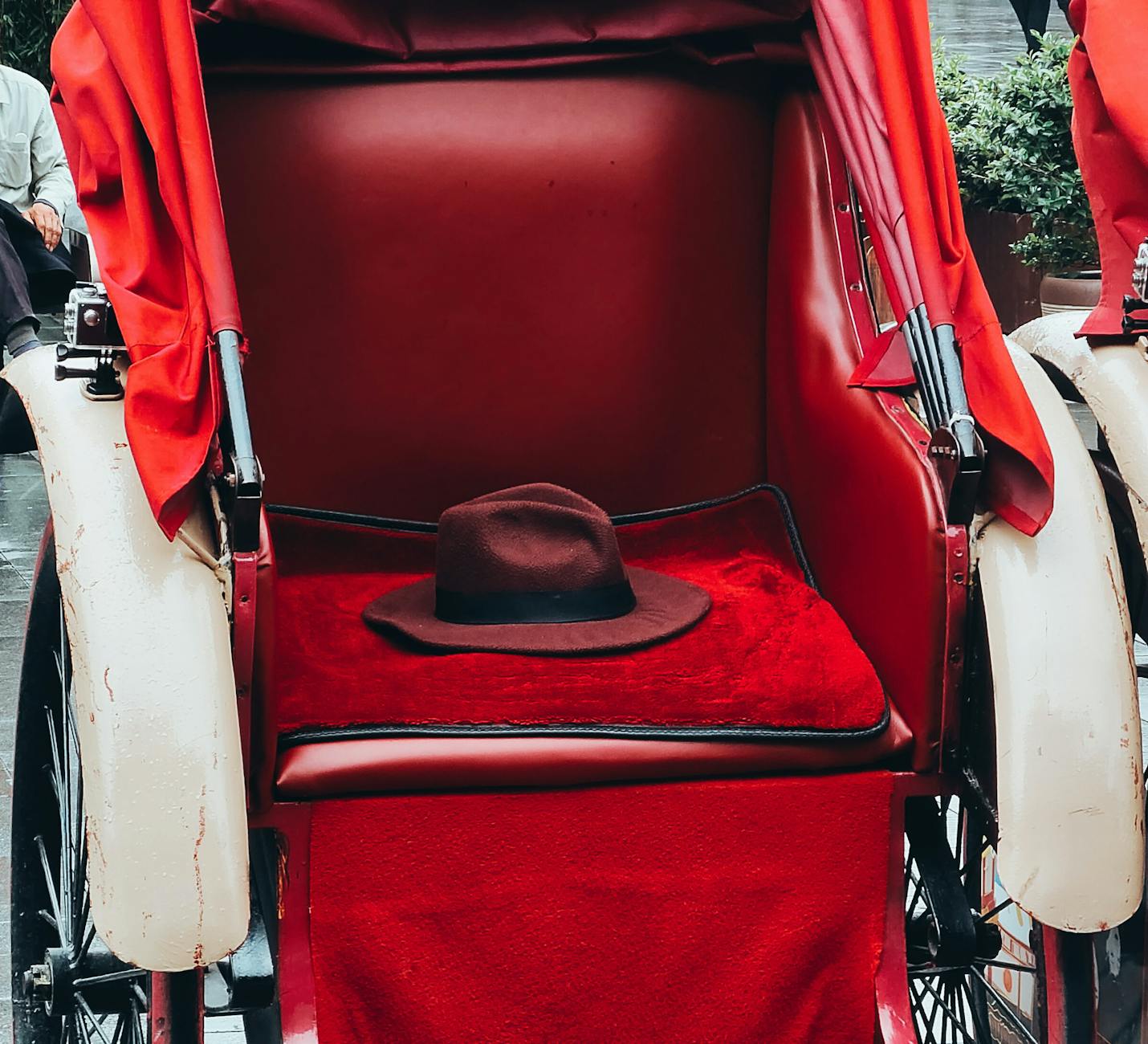
A rickshaw (pedicab) ride through Beijing’s hutongs is one of the city’s classic experiences — gliding through narrow grey-brick lanes too small for cars, with a driver-guide pointing out courtyards, former residences and snippets of history along the way. Done well, it’s a relaxing, atmospheric way to cover the alleys and learn their stories without wearing out your feet; done badly, with an unlicensed freelance driver, it’s a notorious source of overcharging scams. The key is to use the regulated Shichahai rickshaw station, where uniformed, numbered drivers run fixed routes at set prices: roughly ¥120 for 30–40 minutes, ¥150 for an hour, ¥180 for 90 minutes. This guide covers what to expect, the best routes, fair prices, exactly how to avoid being ripped off, and whether a rickshaw or a self-guided walk is right for you.
I’ll be straight with you: a rickshaw ride is touristy, and you can see the hutongs perfectly well on foot for free. But there’s a real, undeniable charm to being slowly pedalled through the car-free lanes, and for travellers short on time or energy — or anyone who wants a guide’s commentary and a route picked out for them — it’s a genuinely worthwhile experience, provided you do it right. This guide tells you exactly how: where to book, what it should cost, what’s included, the specific scams to dodge, and how to get real value from your ride through the lanes.
Beijing hutong rickshaw at a glance
- Where
- the regulated Shichahai rickshaw station is the safest, best-managed option.
- Prices
- ~¥120 (30–40 min), ¥150 (60 min), ¥180 (90 min) per person on official routes.
- What’s included
- the ride, driver commentary, often stops at Prince Gong’s Mansion and a courtyard for tea.
- Duration
- 30–90 minutes depending on the route.
- Scam risk
- high with freelance drivers; near-zero with the official Shichahai station.
- Tipping
- not expected — gratuity is included in the fare.
- Best for
- short-on-time travellers, those wanting commentary, or anyone who’d rather not walk far.
What to expect
A hutong rickshaw is a three-wheeled cycle pedicab with a covered two-person passenger seat behind the driver. On a typical tour, the driver pedals you through the warren of lanes around the Shichahai lakes — the most picturesque, historic and well-managed hutong district — pointing out notable courtyards, former residences and historical sites as you go. The recently upgraded Shichahai tours combine the ride with local commentary, a stop at Prince Gong’s Mansion, a visit to a local family’s siheyuan for tea, and sometimes a taste of traditional snacks. The pace is gentle and the experience genuinely atmospheric: the lanes are far too narrow for cars, so you glide past carved courtyard gates, old men playing chess, caged songbirds and daily hutong life unfolding at eye level. It’s a window into old Beijing that’s especially appealing if you’d rather not walk for hours in the heat or cold, and a good driver’s commentary adds context that a self-guided walk simply can’t.
The best routes and prices
The official Shichahai station runs set routes at fixed, posted prices. As of 2026, expect roughly:
- Route 1 — about 30–40 minutes, ~¥120 per person: a loop through the core lakeside hutongs.
- Route 2 — about 60 minutes, ~¥150 per person: adds more lanes and usually a stop at Prince Gong’s Mansion or a courtyard for tea.
- Route 3 — about 90 minutes, ~¥180 per person: the fullest tour, taking in major sights like Prince Gong’s Mansion, the Former Residence of Soong Ching-ling, the Yinding (Silver Ingot) Bridge and the Drum Tower, often with a tea stop and snacks.
Routes pass time-honoured restaurants and historic spots and weave through the most scenic lanes around the lakes, away from the traffic. Confirm exactly what’s included (entrance fees, tea, snacks) before you set off, as some stops may carry separate admission. For context on the area’s sights, see our Shichahai & Houhai guide.
How to avoid the scams
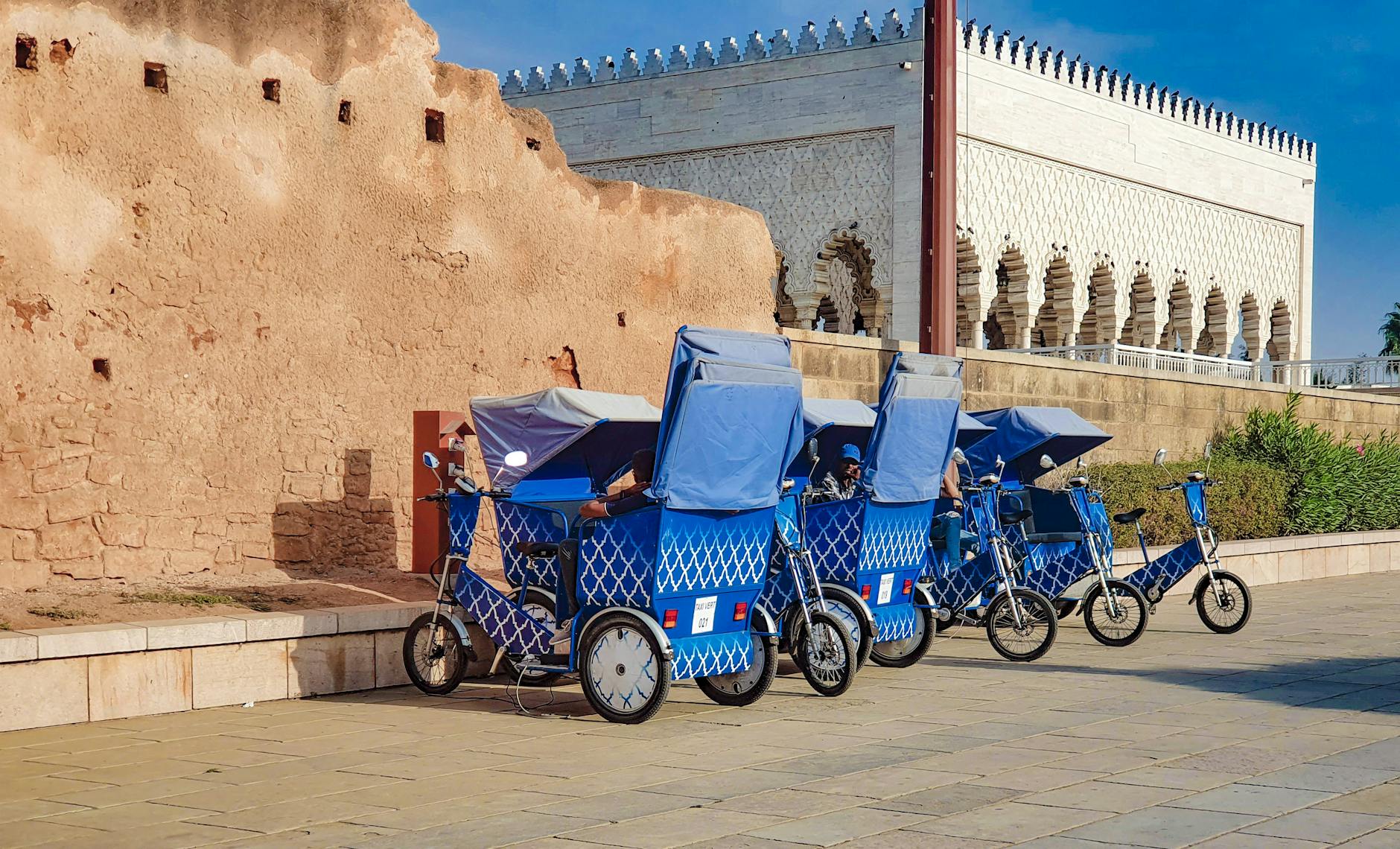
This is the most important section, because the hutong rickshaw is one of Beijing’s classic tourist traps when done wrong. The danger comes from unlicensed freelance drivers who tout for business near tourist areas, quote a low price (sometimes per the ride), then demand a vastly inflated sum at the end — claiming the quote was per person, per minute, or that extras weren’t included. To avoid all of this:
- Use only the official Shichahai rickshaw station, where drivers wear numbered uniforms, follow set routes, and charge posted prices under unified management.
- Avoid drivers who approach you on the street offering cheap rides — these are the freelancers most likely to overcharge.
- Confirm the total price, the route, the duration and exactly what’s included before you get on, ideally pointing at the posted price list.
- Agree whether the price is per person or per rickshaw — a common point of “misunderstanding.”
- Don’t hand over money upfront beyond any official booking, and keep small notes for the agreed fare.
Stick to the regulated station and the experience is safe, pleasant and fairly priced. Booking through a reputable tour operator or your hotel is another reliable route. The same firm approach that works when haggling in Beijing’s markets applies here: settle the number first. For more on staying street-smart, see our rundown of the scams and safety issues worth knowing about.
Rickshaw or self-guided walk?
Honest advice: both have their place. A rickshaw is best if you’re short on time, don’t want to walk far, want a driver’s commentary and a curated route with tea and sights, or simply fancy the classic experience. A self-guided walk is best if you prefer to explore freely, set your own pace, go off the beaten track, and spend nothing — and it lets you linger wherever you like. Many travellers do both: a short rickshaw ride for the novelty and the commentary, then a wander on foot to explore at leisure. To cover more ground under your own steam, a rented share bike handles the wider lanes between hutong districts well. Neither is “better”; it depends on your time, energy and budget. If you lean toward walking, our hutong walking tours guide maps out the best self-guided routes.
A short history of the Beijing rickshaw
The rickshaw has a long and layered history in Beijing. The original hand-pulled rickshaw arrived from Japan in the late 19th century and became the defining form of urban transport in early-20th-century Beijing — immortalised in Lao She’s classic novel Rickshaw Boy, a portrait of a puller’s hard life that every Chinese schoolchild reads. Those hand-pulled carts gave way to the pedal-powered cycle pedicab (sanlunche), which served as everyday transport and goods-hauling for decades. As cars and the subway took over, the pedicab faded from practical use — but it found a second life as a way to tour the hutongs, lanes that modern vehicles can’t navigate. So today’s tourist rickshaw is both a nostalgic nod to old Beijing and a genuinely practical solution to the alleys’ narrowness. Knowing that the humble pedicab carries this much history — from Lao She’s struggling puller to today’s uniformed guide — adds a layer of meaning to the ride.
It’s a nice irony that the very thing that makes the hutongs special — their narrow, car-free intimacy — is what has kept the rickshaw alive. In an age of ride-hailing apps and high-speed trains, being slowly pedalled through a 700-year-old lane is a deliberately, charmingly old-fashioned pleasure, and one that connects you, however lightly, to the Beijing of a century ago.
When to go and what to wear
Rickshaw tours run year-round, but the experience changes with the weather. Spring and autumn are ideal — mild temperatures and beautiful light in the lanes, with autumn’s golden trees especially photogenic from the open pedicab. Summer rides are pleasant in the morning or evening but can be hot and humid at midday, so aim for cooler hours; the covered seat offers some shade. Winter rides are cold — you’re sitting still in an open vehicle — so bundle up in layers, a hat and gloves, though the crisp air and quiet, crowd-free lanes have their own appeal, and the frozen Houhai lake is a bonus sight. Whatever the season, late afternoon is a lovely time, with soft light on the grey walls and the lanes coming alive as residents return home. Bring your camera (the open sides make for great shots), sunscreen in summer, and warm clothes in winter.
Combining a ride with the area’s sights
A rickshaw ride works beautifully as one part of a fuller day around the Shichahai lakes, which are ringed with attractions. Many tours already build in a stop at Prince Gong’s Mansion, the city’s best-preserved princely compound and garden — a highlight well worth the time. After your ride, you’re perfectly placed to stroll the Houhai lakeshore, browse the antique shops and teahouses of Yandai Xiejie, climb the nearby drum and bell towers that once kept the city’s time for rooftop views, wander east to the cafés and boutiques of Nanluoguxiang, or go further still to the less-crowded Dongsi lanes if the crowds have worn you down. In the evening, the lakeside bars and restaurants beckon. A classic plan is a morning or midday rickshaw tour, lunch in the hutongs, an afternoon exploring on foot, and sunset drinks by the lake — a full, varied day in the most atmospheric corner of old Beijing, with the rickshaw as its charming centrepiece.
If you have older travellers or young children in your group, the rickshaw is especially handy — it lets everyone experience the lanes without a long walk, and kids tend to love the novelty of being pedalled through the twisting alleys, and grandparents appreciate not having to walk. It’s also a good option on a day when you’ve already done a lot of walking at the big sights and want a more restful way to see the hutongs.
More tips for a great ride
- Book at the official station or through your hotel, not with street touts — this single choice avoids almost all problems.
- Get the price and inclusions in writing or confirmed clearly before boarding, and clarify per-person vs per-rickshaw.
- Choose a longer route (60–90 min) if you want the Prince Gong’s Mansion and tea stops — the shortest loop is just a quick spin.
- Have small notes ready for the exact agreed fare, plus your phone for WeChat Pay/Alipay.
- Ask your driver questions — a good one is a mine of local stories, though English levels among drivers vary widely, so a guided tour with a dedicated English speaker is worth it if the commentary matters to you.
- Combine it with a walk to get both the curated overview and the freedom to explore.
- Mind residents’ privacy when photographing homes and people from the rickshaw.
Manage your expectations and you’ll enjoy it more: a rickshaw tour is a pleasant, scenic, slightly touristy overview, not a deep cultural immersion. Treat it as a charming way to glide through the lanes and hear a few stories, and it delivers exactly that. Pair it with time on foot and you’ll come away with a rounded sense of the hutongs.
Is it worth the money?
At ¥120–180 per person, a rickshaw tour isn’t the cheapest hutong experience — after all, walking the same lanes costs nothing — so it’s fair to ask whether it’s worth it. For most travellers, the answer is: yes, once, if you value the convenience and the commentary. What you’re paying for isn’t really transport (the distances are short) but the package: a curated route through the prettiest lanes, a driver-guide’s stories, the novelty of the ride itself, and often a visit to Prince Gong’s Mansion and a courtyard tea you might not arrange on your own. If your time in Beijing is limited and you want a satisfying overview of the hutongs in under an hour, that’s good value. If you’re a budget traveller, an avid walker, or you have several days in the city to explore, you may well prefer to save the money and simply wander on foot. There’s no wrong answer — it comes down to how you like to travel, how much time you have, and how it fits into your wider Beijing travel budget.
One thing that does reliably add value is choosing a tour with a genuine English-speaking guide rather than just a pedalling driver with limited English. The hutongs are far more interesting when someone can explain the history of a gate, the story behind a former residence, or the meaning of a spirit wall as you pass. If commentary is what you’re after, it’s worth seeking out a reputable operator who pairs the ride with proper guiding, even if it costs a little more than the bare station fare.
Hutong rickshaw FAQ
How much should a hutong rickshaw ride cost?
On the official Shichahai routes, roughly ¥120 for 30–40 minutes, ¥150 for an hour, and ¥180 for 90 minutes per person. Always confirm the total and whether it’s per person before boarding.
Are hutong rickshaws a scam?
They can be, if you use unlicensed freelance drivers who quote low and demand more at the end. The regulated Shichahai station — uniformed drivers, set routes, posted prices — is safe and fairly priced. Avoid drivers who tout for business on the street.
What’s included in a rickshaw tour?
The ride and driver commentary, and on longer routes usually a stop at Prince Gong’s Mansion, a visit to a local courtyard for tea, and sometimes snacks. Confirm whether entrance fees are included before you set off.
Do I need to tip the driver?
No — tipping isn’t expected in Beijing, and the official tour price includes any gratuity. Just pay the agreed, posted fare.
Is a rickshaw ride worth it?
If you want commentary, a curated route and to save your legs, yes — it’s a charming, classic experience. If you’d rather explore freely and for free, a self-guided walk is just as rewarding. Many do a bit of both.
How long does a rickshaw tour last?
Official Shichahai routes run from about 30 minutes (a quick loop) up to 90 minutes (the fullest tour with Prince Gong’s Mansion, a courtyard tea stop and the main lakeside sights). Choose a longer route if you want the stops and commentary rather than just a short spin through the lanes.
The bottom line on hutong rickshaw rides
A hutong rickshaw ride is a classic, atmospheric way to glide through old Beijing’s narrowest lanes with a guide’s commentary — as long as you use the regulated Shichahai station, confirm the price and route upfront, and steer well clear of the freelance street touts who give the whole trade its scammy reputation. Expect ¥120–180 for a 30–90 minute tour, often with a stop at Prince Gong’s Mansion and a courtyard tea. Whether you ride or walk, the lanes around the Shichahai lakes are the place to do it.
Pair your ride with our Shichahai & Houhai guide, explore on foot with our hutong walking tours, or learn what you’re seeing in our siheyuan guide. For the full picture, see our overview of the hutong districts and how to visit them.