Tea is woven into the very fabric of Chinese life, and Beijing’s tea houses offer one of the most rewarding cultural experiences in the city — a chance to slow right down, taste superb teas you’ll never find at home, and witness the quiet, absorbing artistry of a traditional gongfu tea ceremony. The capital’s tea scene spans the full range: grand variety-show teahouses like the famous Lao She Teahouse, where tea comes with Peking Opera and acrobatics; intimate hutong tea hideaways where the owner serves you personally in a courtyard; and the vast Maliandao Tea Street, with over a thousand shops for tasting and buying. Whether you want a polished cultural show, a serene ceremony, or to shop for quality tea like a local, this guide covers the best tea houses, what to expect from a ceremony, the teas to try, and how to experience Beijing’s tea culture authentically.
A good tea house is my favourite antidote to a busy day of sightseeing — somewhere to sit, sip and feel the unhurried side of Chinese culture. This guide covers the different kinds of tea house and which suits you, the gongfu ceremony explained, the major teas to know, where to buy tea, and the etiquette that makes the experience richer. Pour yourself a cup and settle in.
Beijing tea houses at a glance
- For a show: Lao She Teahouse (near Qianmen) — tea with Peking Opera, acrobatics and folk performances.
- For serenity: independent hutong tea houses, especially around the Lama Temple — intimate, design-led, owner-served.
- For buying tea: Maliandao Tea Street — 1,000+ shops for tasting, haggling and buying quality tea.
- The experience: a gongfu tea ceremony — multiple short infusions in small cups, focused on aroma and flavour.
- Teas to try: jasmine (a Beijing favourite), longjing green, tieguanyin oolong, pu’er, and fine black teas.
- Cost: from a few yuan for a simple cup to ¥100+ per person for a ceremony or show.
- Best for: a cultural break, a rainy afternoon, tea lovers, and gift shopping.
The three kinds of tea house
The variety-show teahouse: Lao She Teahouse
The most famous is Lao She Teahouse, established in 1988 and named after the celebrated author Lao She and his classic play Teahouse. Located near Qianmen, southwest of Tiananmen Square, it’s a Beijing institution that combines tea with a full programme of traditional performances — Peking Opera, acrobatics, cross-talk comedy, folk music and tea-ceremony demonstrations. The atmospheric building spreads over several floors: a ground floor recreating old Beijing’s “big bowl tea” stalls, a performance floor for the shows, and quiet private rooms above. It’s frankly touristy and theatrical rather than intimate or hushed, but it’s a genuinely fun, one-stop cultural evening, especially if you want to sample several Chinese performing arts alongside your tea. Book ahead for the evening shows.
The hutong tea hideaway
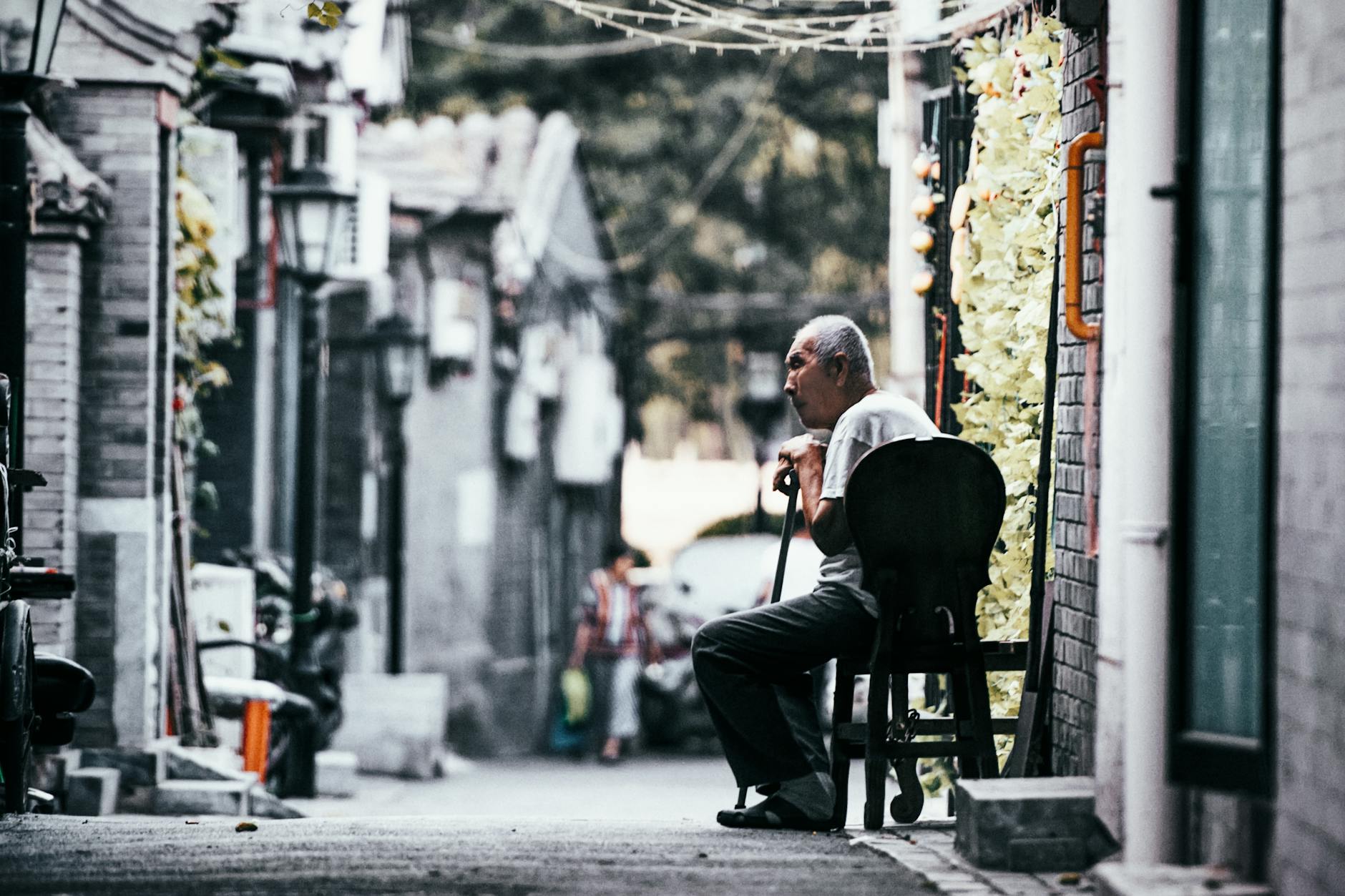
For a quieter, more authentic experience, seek out the independent tea houses tucked into the hutongs, especially in the lanes around the Lama Temple (Yonghegong) and in areas like Wudaoying. These are small, design-conscious spaces — often a restored courtyard or a cosy room — where the owner or a skilled tea master serves you personally, guiding you through a proper gongfu ceremony and explaining each tea. Some offer “stove-side tea,” where you sit around a small charcoal stove as the water gently simmers. This is tea as meditation: calm, focused and deeply personal, a world away from the bustle of the lanes outside. It’s my favourite way to experience Beijing’s tea culture, and a perfect pause on a hutong walk. Pair it with our hutong food tour or a wander through Nanluoguxiang.
Maliandao Tea Street
If you’re serious about buying tea, head to Maliandao Tea Street in the city’s southwest — northern China’s largest tea market, with over 1,000 shops selling every kind of Chinese tea and tea-ware. Vendors will happily sit you down for a tasting, brewing samples for you to try before you buy, and haggling is part of the game. It’s less a tourist attraction than a working market, but it’s a fascinating, immersive place to learn about tea, taste widely across the varieties, and buy quality leaves and teapots at far better prices than any tourist shop. Go with a little knowledge (or a local friend) and an afternoon to spare.
The gongfu tea ceremony explained
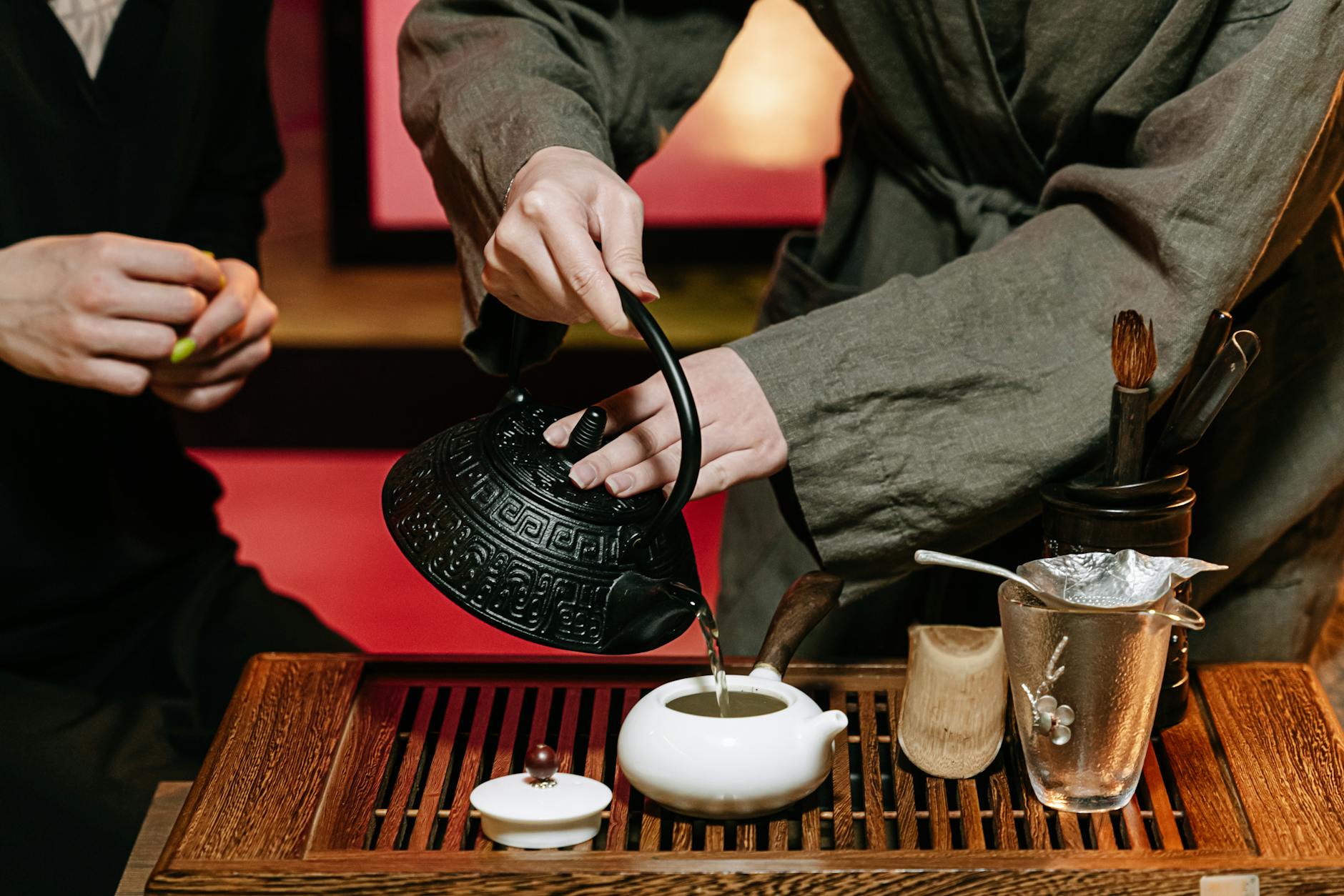
The heart of a tea-house visit is the gongfu cha (功夫茶) ceremony — “tea made with skill.” Unlike simply steeping a mug, gongfu brewing uses a small clay or porcelain pot (or a gaiwan lidded bowl), a high ratio of leaves to water, and a series of multiple short infusions, each lasting seconds. The first “rinse” infusion is often discarded to awaken the leaves; subsequent steepings are poured into tiny cups, and a good tea reveals subtly different flavours and aromas with each successive pour, the best leaves lasting a dozen infusions or more. The ritual has its own choreography — the warming of the cups, the careful pouring, the appreciation of the aroma from a tall “sniffing cup” before tasting. It’s unhurried and quietly meditative, designed to focus your full attention on the tea itself rather than on conversation or hurry. Watching a skilled tea master perform it, and then tasting the results, is a genuinely lovely experience and a real window into a centuries-old Chinese art.
The teas to know
China is the birthplace of tea, and the variety is vast. A few to seek out: jasmine tea (huacha), scented with fresh jasmine blossoms, is the traditional Beijing favourite and a wonderfully fragrant introduction for newcomers; longjing (Dragon Well), a delicate pan-fired green tea from Hangzhou, is among China’s most prized greens; tieguanyin, a fragrant oolong, balances green freshness with deeper roasted notes; pu’er, a fermented, aged tea from Yunnan, is earthy, complex and collectible (some aged cakes fetch extraordinary sums); and fine black teas (hongcha) like Keemun are rich and smooth. A good tea master will happily help you taste across these categories and find the styles you love. Don’t be shy about saying what you enjoy — sweeter, lighter, floral or earthier — and they’ll steer you to the right pot.
Tea in Chinese culture
To appreciate a Beijing tea house, it helps to understand how deeply tea runs through Chinese life. Tea was first cultivated in China thousands of years ago, and over the centuries it became far more than a drink — it’s a cornerstone of hospitality, a medium of social ritual, a subject of poetry and painting, and even, traditionally, a part of medicine. Offering tea is the universal gesture of welcome; in old Beijing, the teahouse was the community’s living room, where neighbours gathered to gossip, do business, listen to storytellers and watch opera. Lao She’s famous play Teahouse uses one such establishment as a stage on which to tell the story of modern China itself, precisely because the teahouse was where all of society passed through. When you sit for tea in Beijing, you’re taking part in a ritual of hospitality and contemplation that has shaped Chinese social life for millennia — which is part of what makes even a simple cup feel meaningful here.
It’s a nice counterpoint, too, to the city’s booming modern coffee scene. Beijing today is a city where centuries-old tea culture and trendy third-wave cafés coexist, often on the same hutong lane — and trying both gives you a feel for how the traditional and the contemporary sit side by side in the capital. But tea came first, and it remains the deeper, more characteristically Chinese ritual of the two.
A word of warning: the tea-ceremony scam
One important caution. Beijing (like Shanghai) has a well-known tea-ceremony scam targeting tourists, and it’s worth knowing about so you can enjoy real tea houses with confidence. The scam typically unfolds like this: friendly, English-speaking “students” or “tourists” approach you in busy areas like Wangfujing or near Tiananmen, strike up a conversation, and invite you to join them at a traditional tea ceremony nearby. After a pleasant tasting, you’re presented with an outrageous bill — hundreds or even thousands of yuan — and pressured to pay. The “new friends” are in on it. To avoid this entirely: be wary of strangers who approach you and suggest going for tea, never follow them to an unfamiliar venue, and only visit tea houses you’ve sought out yourself — established places like Lao She Teahouse, reputable hutong tea houses with reviews, or the Maliandao market. A genuine tea house will always have clear, posted prices. Choose where you go, rather than letting someone lead you there, and you’ll never have a problem. For more on staying street-smart, see our Beijing safety tips.
Tea ware and the art of the brew
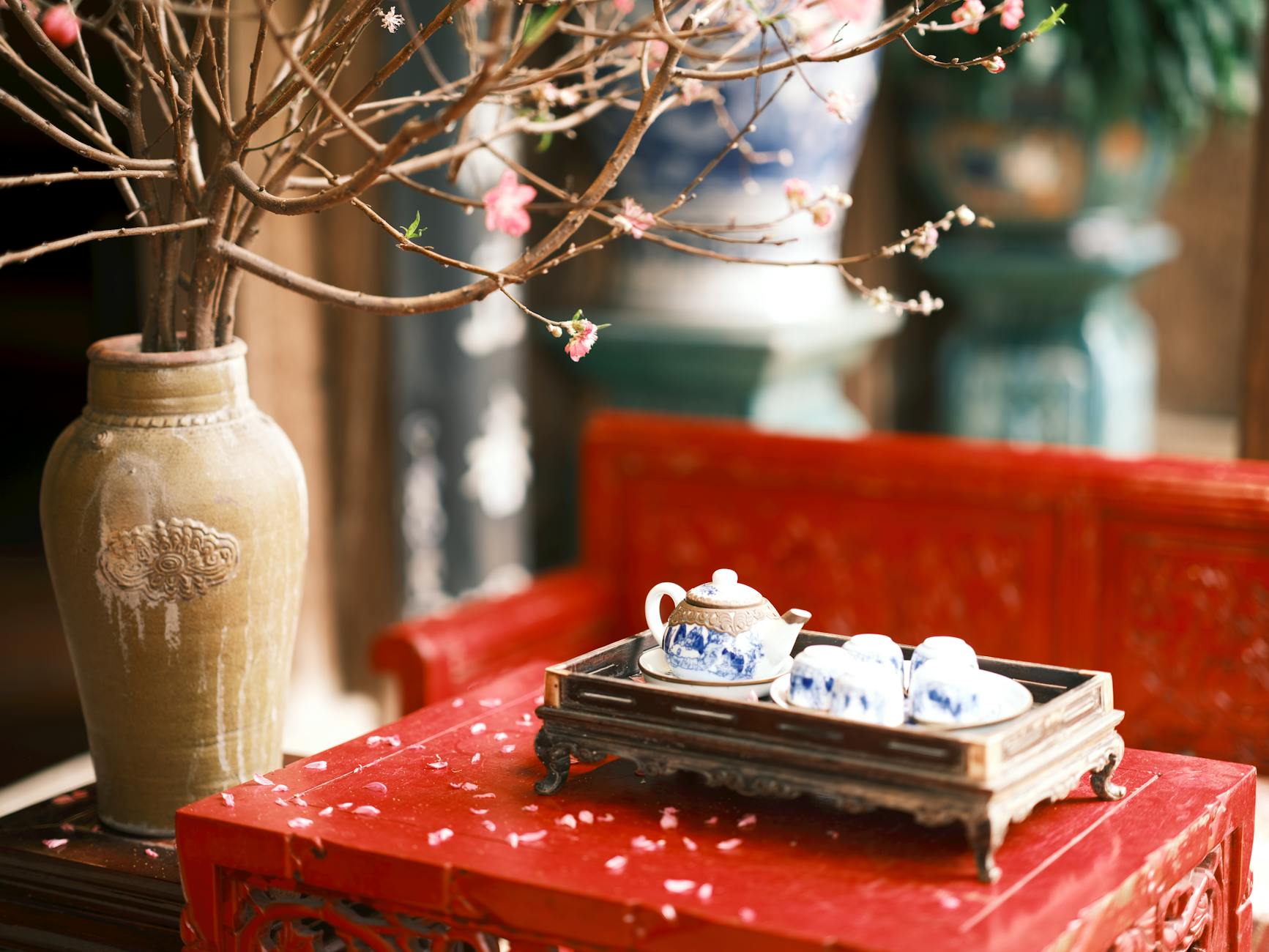
Part of the pleasure of tea culture is the beautiful objects that surround it. In a gongfu ceremony you’ll encounter the gaiwan (a lidded brewing bowl), small Yixing clay teapots (prized because the unglazed purple clay absorbs and enhances the flavour of the tea brewed in it over years of use), tiny tasting cups, tall aroma cups for appreciating the fragrance, a “tea pet” (a small clay figure “fed” with tea for luck), and the wooden or bamboo tea tray that catches the water. Quality tea ware makes a wonderful, distinctive souvenir, and Maliandao is the place to find it at fair prices. If you buy an Yixing pot, the tradition is to dedicate it to a single type of tea, so its character develops over time — a lovely ongoing connection to your trip. Even a simple gaiwan and some good loose-leaf tea will let you recreate a little of the ceremony at home.
When to go and how to fit it in
A tea house slots beautifully into a Beijing itinerary as a deliberate pause. An afternoon tea ceremony is the classic move — a calm, civilised break between a morning of sightseeing and an evening meal, and a welcome rest for tired feet. A hutong tea house makes a perfect mid-walk stop; the Lama Temple area conveniently combines temple-visiting, the trendy Wudaoying cafés and tea houses, and nearby hutong wandering into one rich half-day. Tea houses are also an ideal rainy-day or extreme-weather refuge — warm and contemplative in winter, cool and shaded in summer. And a Lao She Teahouse show makes a fine evening of culture, especially if you want a gentle, family-friendly alternative to the bar scene. However you fit it in, don’t rush it: the whole point of tea culture is to slow down, so allow at least an hour to do it justice.
A little tea etiquette
A few small customs will help you feel at home and show respect during a ceremony. When someone pours you tea, a traditional gesture of thanks is to tap two fingers gently on the table beside your cup — a silent “thank you” said to date from an emperor travelling incognito whose companions couldn’t bow without giving him away. Hold the small cup with both hands as a sign of respect, take time to smell the aroma before sipping (using the tall aroma cup if provided), and sip slowly rather than gulping. It’s polite to let your host or the tea master pour for you rather than serving yourself, and to keep others’ cups topped up before your own. None of this is rigid — tea houses are welcoming and won’t expect a foreigner to know every nicety — but observing these gentle courtesies deepens the experience and tends to delight your host, who may then share even more about the teas. Above all, slow down and savour: rushing a gongfu ceremony rather misses the point.
Beijing tea house FAQ
What’s the best tea house in Beijing?
It depends what you want. For a cultural show with performances, the famous Lao She Teahouse near Qianmen. For a serene, authentic ceremony, an independent hutong tea house around the Lama Temple. For buying tea, Maliandao Tea Street.
What is a gongfu tea ceremony?
A traditional way of brewing tea “with skill” — using a small pot or gaiwan, lots of leaves, and many short infusions poured into tiny cups. It’s a meditative ritual focused on the tea’s evolving aroma and flavour across multiple steepings.
How much does a tea house experience cost?
From a few yuan for a simple cup to ¥100 or more per person for a full ceremony or a Lao She Teahouse show. Hutong tea houses vary; tastings at Maliandao are often free if you’re buying.
What tea should I try in Beijing?
Jasmine tea is the classic Beijing choice. Also try longjing green, tieguanyin oolong, earthy pu’er, and fine Chinese black teas. A tea master will guide you across the categories to find your favourite.
Can I buy tea to take home?
Yes — tea makes an excellent, lightweight gift. Maliandao Tea Street is the best place for quality and price, and many tea houses also sell their leaves. Loose-leaf tea and a small teapot or gaiwan make a lovely souvenir.
Is it touristy or authentic?
Both exist. Lao She Teahouse is a polished, touristy show; the hutong tea hideaways and Maliandao market are far more authentic. Choose according to whether you want entertainment or a genuine tea experience.
How do I avoid the Beijing tea-ceremony scam?
Be wary of friendly strangers in tourist areas who invite you to join them for tea, and never follow them to an unfamiliar venue — this is the classic setup for an inflated bill. Only visit tea houses you’ve chosen yourself, such as established names, well-reviewed hutong tea houses, or the Maliandao market, all of which have clear posted prices.
Do I need to know about tea to enjoy a tea house?
Not at all. A good tea master will guide you through the ceremony and help you taste across different teas to find what you like — just tell them your preferences. Part of the pleasure is learning as you sip, so come curious rather than knowledgeable.
The bottom line on Beijing tea houses
A tea house visit is one of the most rewarding and relaxing cultural experiences in Beijing — a chance to slow down and taste the artistry of Chinese tea. Choose the Lao She Teahouse for a lively show of opera and acrobatics, an intimate hutong tea house for a serene gongfu ceremony, or Maliandao Tea Street to taste and buy like a local. Try the jasmine, let a tea master guide you, and embrace the unhurried ritual. It’s the perfect, civilised counterpoint to a long day on your feet — and a window into a ritual that has shaped Chinese life for thousands of years.
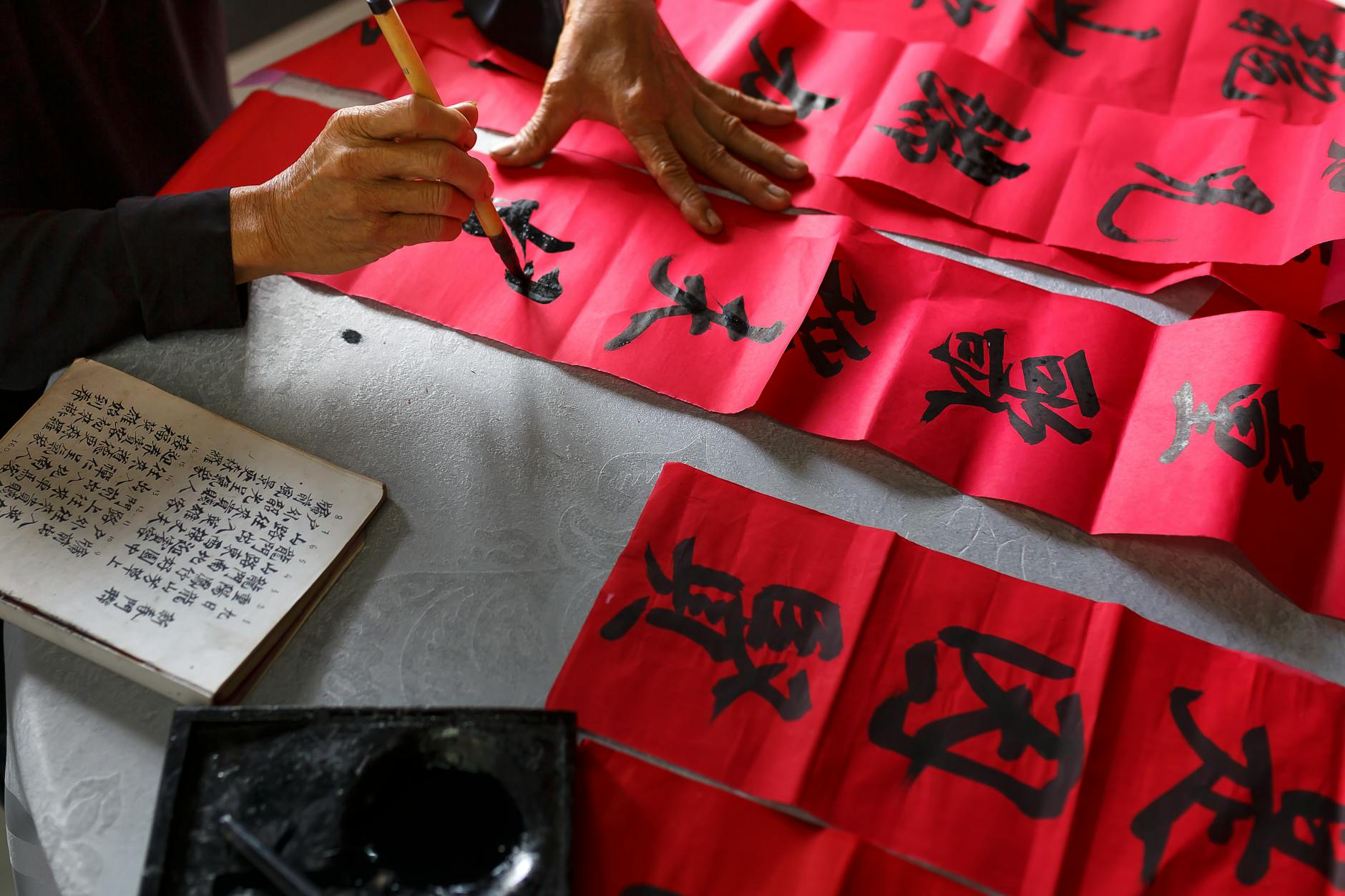
Pair it with a hutong food tour, a wander through Nanluoguxiang, or a hands-on calligraphy workshop for a full day of traditional culture. For the full picture, see the Beijing hutongs guide.