Of all the hands-on cultural experiences in Beijing, a calligraphy or traditional-art workshop might be the most quietly rewarding. Chinese calligraphy (shūfǎ) is revered as the very highest of the visual arts — a discipline that fuses writing, painting and a kind of moving meditation — and learning to hold the brush, grind the ink and form even a few characters gives you a profound and lasting new appreciation for it. Beyond calligraphy, workshops across the city teach ink-brush painting, paper-cutting and seal carving, often in atmospheric hutong studios with an English-speaking teacher, tea, and all materials provided. For around ¥380–900 (roughly $55–130) for a 2–3 hour class, you get expert instruction, the famous “four treasures of the study,” and your own artwork to take home. This guide covers what you’ll learn, the best workshops, what it costs, and why it’s such a worthwhile experience.
I always recommend a calligraphy or art workshop to travellers who want to do something with their hands and come away with a deeper understanding of Chinese culture — it’s calm, absorbing, and genuinely enlightening. This guide covers the art forms you can try, the format and cost of a typical class, where to find good workshops, and the meaning behind this most esteemed of Chinese arts. Pick up the brush.
Beijing calligraphy & art workshops at a glance
- What you can learn: calligraphy (brush writing), ink-brush painting, paper-cutting, and seal carving.
- Cost: ~¥380–900 ($55–130) for a 2–3 hour class; materials, tea and instruction usually included.
- Format: small groups or private, with English or bilingual instruction; you keep your artwork.
- Where: hutong studios and cultural centres, often around the old city and Dongcheng.
- The tools: the “four treasures of the study” — brush, ink, paper and inkstone — plus a personal seal.
- Best for: culture lovers, families, a calming change of pace, and a meaningful souvenir.
- Pairs well with: a tea house visit, a hutong walk, or the 798 art district.
What you’ll learn
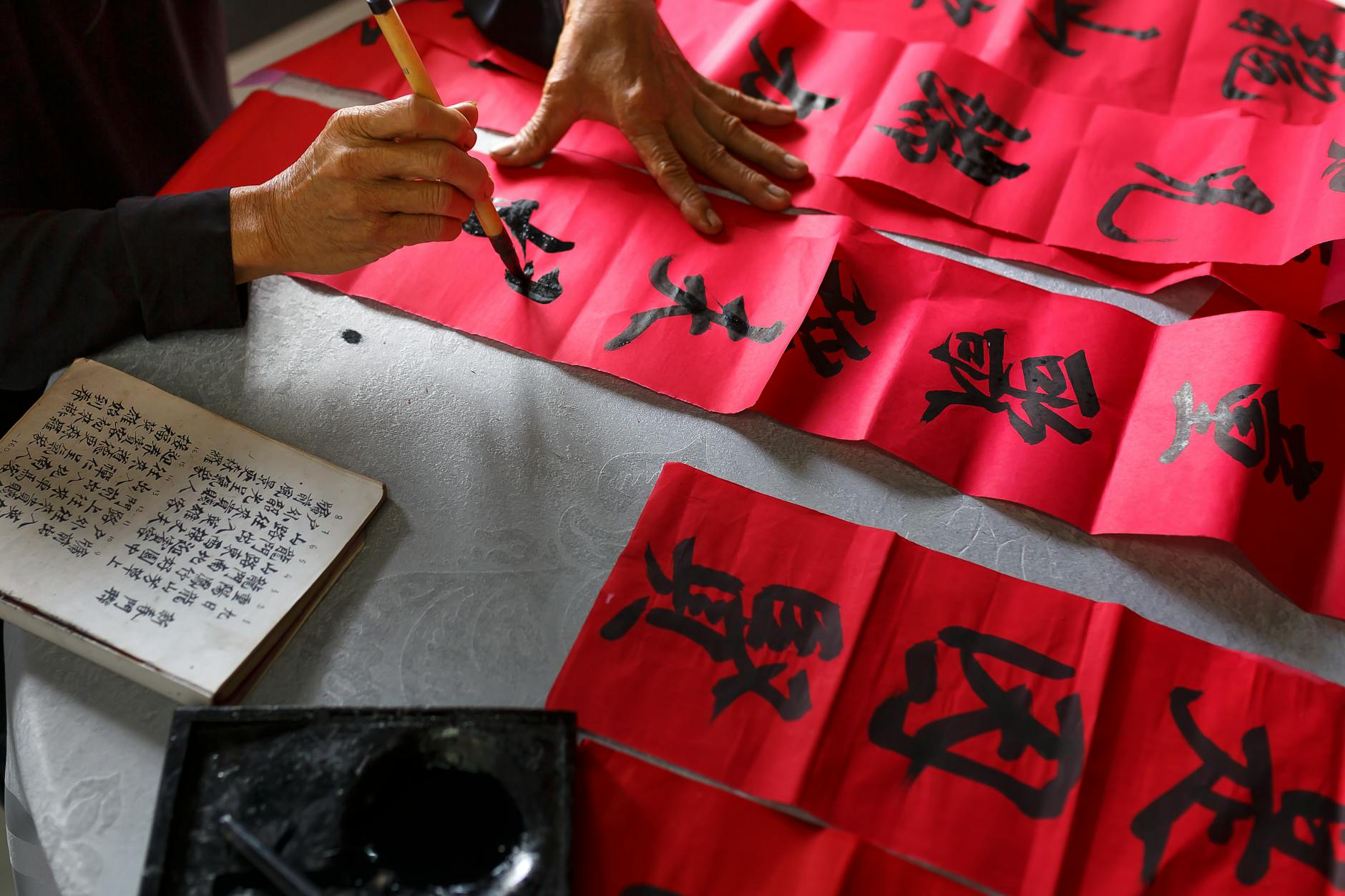
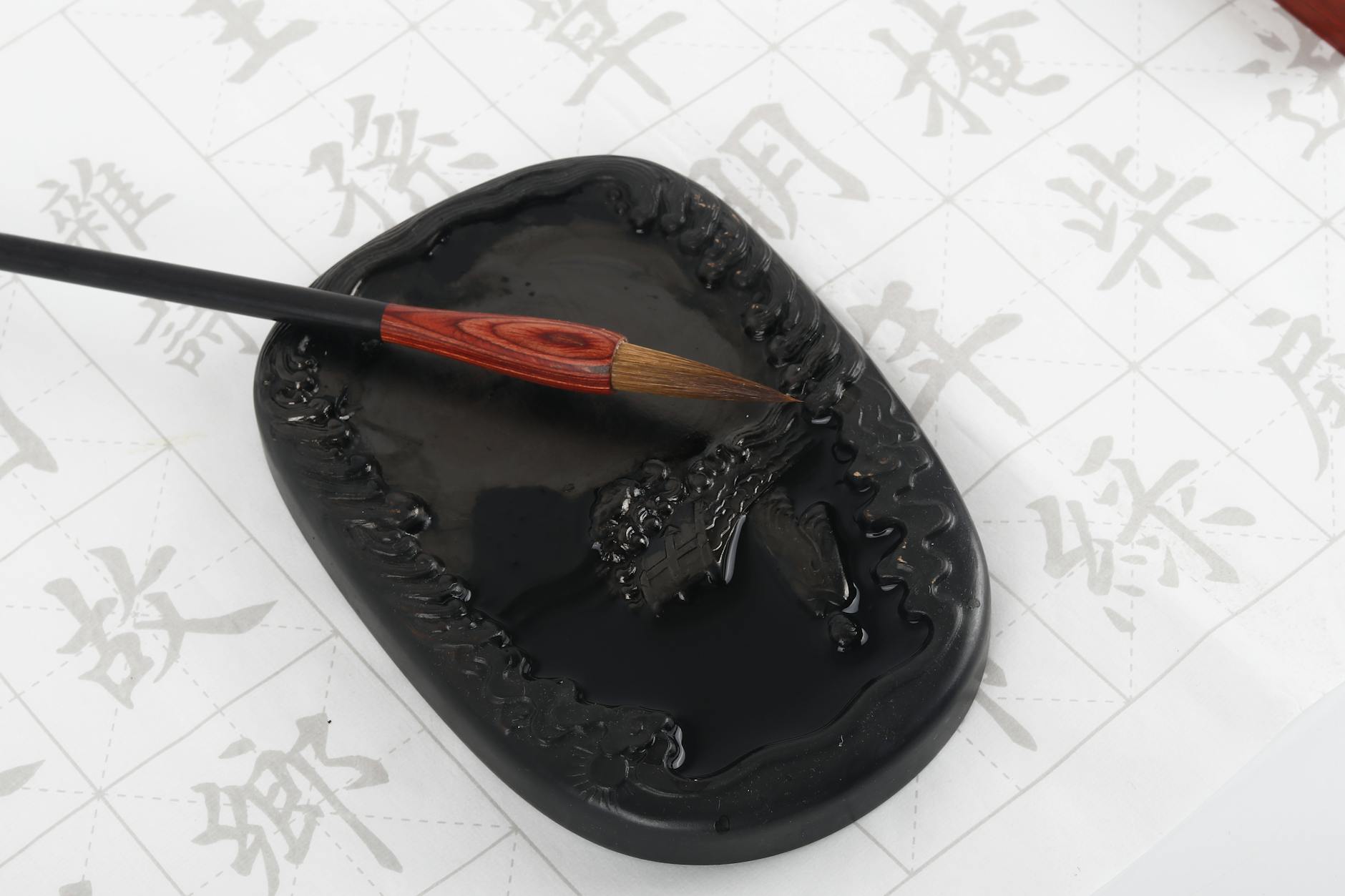
Most workshops centre on calligraphy, and a typical class begins with an introduction to the “four treasures of the study” (wénfáng sìbǎo) — the brush (bǐ), ink (mò), paper (zhǐ) and inkstone (yàn) that are the soul of the art. You’ll learn how to grind the ink stick on the stone with a little water, how to hold the brush upright in the proper grip, and how to control pressure, angle and speed to produce the swelling and tapering strokes that give Chinese characters their living, breathing quality. The teacher will guide you through basic strokes and then a few simple, auspicious characters — perhaps your own name rendered in Chinese, or auspicious words like “happiness,” “fortune,” “harmony” or “dragon.” Many workshops also branch into traditional ink-brush painting (bamboo, plum blossom, landscapes), paper-cutting (jianzhi) — the intricate, delicate folk art of cutting symmetrical designs from red paper — and sometimes seal (chop) carving. You won’t master any of these in a few hours, of course, but you’ll gain real insight into the technique and discipline behind them, and the meditative, almost trance-like focus that the brush demands is a deep pleasure in itself.
Why calligraphy matters in China
To appreciate the workshop, it helps to understand how exalted calligraphy is in Chinese culture. For millennia it has been considered the highest of all the visual arts — above even painting — and a direct measure of a person’s education, character, taste and inner cultivation. A scholar-official was expected to write beautifully; great calligraphers are revered like great masters of any art, their finest works treasured, copied and studied for centuries. Calligraphy and painting share the same brush and ink and are seen as sister arts, which is why so many Chinese paintings carry elegant inscriptions. There’s a meditative, almost spiritual dimension to it: the calligrapher must be calm, focused and present, each brushstroke an unrepeatable expression of a single passing moment. When you pick up the brush yourself, you feel this immediately — just how much control, breath and stillness a single confident, unrepeatable stroke actually requires. That’s precisely why even a short workshop changes how you see the scrolls in museums and the written characters all around you in the city. For more on Chinese art, our Palace Museum treasures guide covers the imperial calligraphy and painting collection.
The format and what’s included
A typical workshop runs two to three hours and follows a satisfying arc: a short introduction to the history and tools, a guided demonstration of technique, hands-on practice of strokes and characters under the teacher’s eye, and finally the creation of your own piece to keep. Classes are usually small groups (often capped around 8–10) or private, ensuring personal attention, and many are taught in English or bilingually — confirm this when booking. The price almost always includes all materials — brush, ink, paper, sometimes a personal stamp with red seal-paste — plus tea and snacks at the better studios, and you take home both your artwork and, at some workshops, the brush. Expect to pay roughly ¥380–900 ($55–130) depending on the studio, duration and group size; private and premium cultural-centre classes sit at the higher end, simpler group sessions lower. It’s a calm, screen-free couple of hours and a genuinely welcome contrast to the noise and bustle of a day’s sightseeing.
Where to take a workshop
Beijing has plenty of options, from intimate hutong studios to established cultural centres. Look for workshops run by experienced calligraphy teachers — some have decades of experience and run dedicated classes for visitors — often set in atmospheric hutong studios or courtyard spaces that add to the experience. Reputable cultural-experience providers offer private, English-language calligraphy and painting classes that include a proper introduction to the language and history of the art, with small group sizes. Many are clustered in the old city and Dongcheng, convenient to combine with a hutong walk or a tea house. You can find and book workshops through travel platforms, cultural centres, or by searching review apps; reading recent reviews helps you pick a teacher and style that suit you. For the creative side of the city more broadly, the 798 Art District — covered in our Beijing shopping guide — is full of galleries and occasionally hosts art workshops too.
The scripts and styles of calligraphy
Part of what makes calligraphy so deep is that it isn’t a single style but a family of scripts developed over more than three thousand years, and a good teacher will introduce you to them. The major scripts include seal script (zhuanshu), the ancient, rounded forms seen on old seals and bronzes; clerical script (lishu), the broad, flattened style of the Han dynasty; regular script (kaishu), the clear, balanced standard form that beginners usually learn first and that’s easiest to read; running script (xingshu), a flowing, semi-cursive style; and cursive script (caoshu), the wild, abbreviated “grass script” where characters dissolve into sweeping gestures and legibility gives way to pure expressive energy. In a workshop you’ll most likely start with regular script, since its clear structure teaches the fundamentals, but seeing the range — from the disciplined to the ecstatic — helps you understand calligraphy as an art of personal expression, not just neat handwriting. Each master develops a recognisable hand, and connoisseurs can identify great calligraphers by their brushwork alone, much as one might recognise a painter’s style.
This is why calligraphy rewards a lifetime of practice and why even a famous single character can be a treasured work of art. You won’t get far up that mountain in one class, of course — but you’ll understand what the mountain is, and gain a real respect for the apparently simple strokes you’ll see everywhere from temple plaques to shop signs.
Painting, paper-cutting and seal carving
Many workshops extend beyond pure calligraphy into the related traditional arts, and these are well worth trying. Ink-brush painting (guóhuà) uses the same brush, ink and paper to render subjects like bamboo, orchids, plum blossom and landscapes in expressive, economical strokes — the famous “four gentlemen” plants are classic beginner subjects, each loaded with symbolic meaning. The skills overlap with calligraphy, so a single class often touches on both. Paper-cutting (jianzhi) is the beloved folk art of cutting intricate symmetrical designs — flowers, animals, the zodiac, lucky characters — from red paper with small scissors or a knife; it’s accessible, fun and especially good for children and families, and your creations make charming flat souvenirs to slip into a book. Seal (chop) carving is the more specialised art of carving a name or phrase into a small stone seal that, stamped in red paste, traditionally signs a work of calligraphy or painting; some studios let you carve or commission a personal seal as a lasting memento. Trying two or three of these in one session gives a rounded taste of China’s brush-and-paper arts.
Getting the most from your workshop
- Come relaxed and patient — calligraphy rewards a calm, unhurried mind; don’t expect perfection, and enjoy the meditative process.
- Choose a small group or private class with an English-speaking teacher for the most personal instruction.
- Ask to write something meaningful — your name, a favourite word, or an auspicious character — so your finished piece has personal resonance.
- Wear something you don’t mind getting ink on; the ink stains, though studios usually provide a smock.
- Take photos of the demonstration so you can remember the stroke order and grip to practise at home.
- Buy a starter set — a brush, ink and paper make an inexpensive, lightweight souvenir that lets you keep practising.
- Combine it with a tea house for a full, calming afternoon of traditional culture.
When to go and how to fit it in
A calligraphy or art workshop is one of the most flexible activities in Beijing — it’s indoors, weather-proof, and runs year-round, making it an ideal choice for a rainy day or to escape the summer heat or winter cold. It slots naturally into a day of traditional culture: pair a morning workshop with an afternoon tea house visit and a hutong walk for a beautifully calm, screen-free day that contrasts with the big-sight sightseeing. It’s also a thoughtful activity for families, couples or solo travellers alike, and a lovely way to spend a final day in the city, taking home both new skills and a piece of your own art. Allow a relaxed half-day rather than squeezing it between major sights — like the art itself, the experience is best unhurried. Book a few days ahead, especially for private classes and in peak season, and confirm the language and what’s included so there are no surprises.
The best souvenir you can make
One of the loveliest things about a calligraphy or art workshop is that you leave with something you made yourself — a far more meaningful keepsake than anything bought in a shop. Your finished calligraphy scroll, ink painting or paper-cut becomes a personal memento of your trip, and because the pieces are flat and light, they travel home easily, slipped between the pages of a book or rolled in a tube. Framed back home, a character you brushed yourself in a Beijing hutong studio makes a striking and personal piece of wall art, and a far better story than a mass-produced fridge magnet. Many travellers also pick up an inexpensive starter set — a brush, an ink stick and some paper — so they can keep practising after the trip, turning a one-off holiday experience into a small ongoing hobby. In a city full of things to buy, the workshop offers something rarer: the chance to take home not just an object, but a new skill and a deeper understanding of one of China’s greatest art forms.
Calligraphy & art workshop FAQ
Do I need any experience or to know Chinese?
None at all. Workshops are designed for complete beginners, and you don’t need to read or speak Chinese — teachers guide you through the strokes and characters step by step, often in English. Part of the fun is learning from scratch.
How much does a workshop cost?
Roughly ¥380–900 ($55–130) for a 2–3 hour class, usually including all materials, instruction, and often tea. Private and premium cultural-centre classes cost more; simple group sessions less.
What will I make?
You’ll practise basic strokes and then create your own calligraphy piece — often an auspicious character or your name in Chinese — to take home. Painting and paper-cutting workshops produce your own artwork too. Many include a personal seal stamp.
Are workshops good for kids and families?
Yes — they’re hands-on, creative and engaging for children, and paper-cutting in particular is fun for all ages. Confirm the workshop welcomes kids when booking. See our Beijing with kids guide for more.
What are the “four treasures of the study”?
The brush, ink (ink stick), paper and inkstone — the four essential tools of Chinese calligraphy and painting, revered as the scholar’s most prized possessions. You’ll use all four in a workshop.
How do I book?
Through travel platforms, cultural-experience providers, or review apps. Read recent reviews to find a good teacher and confirm the language of instruction, group size and what’s included. Book ahead, as small classes fill up.
Is a calligraphy workshop worth it?
For travellers interested in culture, very much so — it’s a calm, hands-on couple of hours that gives genuine insight into China’s most revered art, plus your own artwork and often a brush to take home. It’s also a refreshing, screen-free change of pace from sightseeing, and a meaningful, lightweight souvenir of your trip.
What’s the difference between calligraphy and painting classes?
They share the same brush, ink and paper, and many workshops cover both. Calligraphy focuses on writing characters with expressive brushstrokes; ink-brush painting applies the same techniques to subjects like bamboo, blossom and landscapes. Trying both in one session gives a rounded taste of the brush arts.
The bottom line on calligraphy & art workshops
A calligraphy or traditional-art workshop is one of Beijing’s most quietly rewarding experiences — a calm, hands-on few hours that leave you with real insight into China’s most revered art form and a piece of your own work to take home. Learn to grind the ink and wield the brush, try your hand at painting or paper-cutting, and you’ll never look at a Chinese scroll, a temple plaque or a shop sign the same way again. Choose a small-group or private class with an English-speaking teacher in an atmospheric hutong studio, and pair it with a tea house or a hutong walk for a perfect, restorative day of traditional culture.
Combine it with a serene tea house visit, a wander through the hutongs, or the imperial art of the Palace Museum treasures. New to the city? Start with the complete Beijing travel guide.