Beijing Food Guide
Beijing Craft Beer & Coffee Scene: Modern Food Culture
Discover Beijing's thriving craft beer and specialty coffee scene. Best breweries, roasters, and cafes for modern tastes.
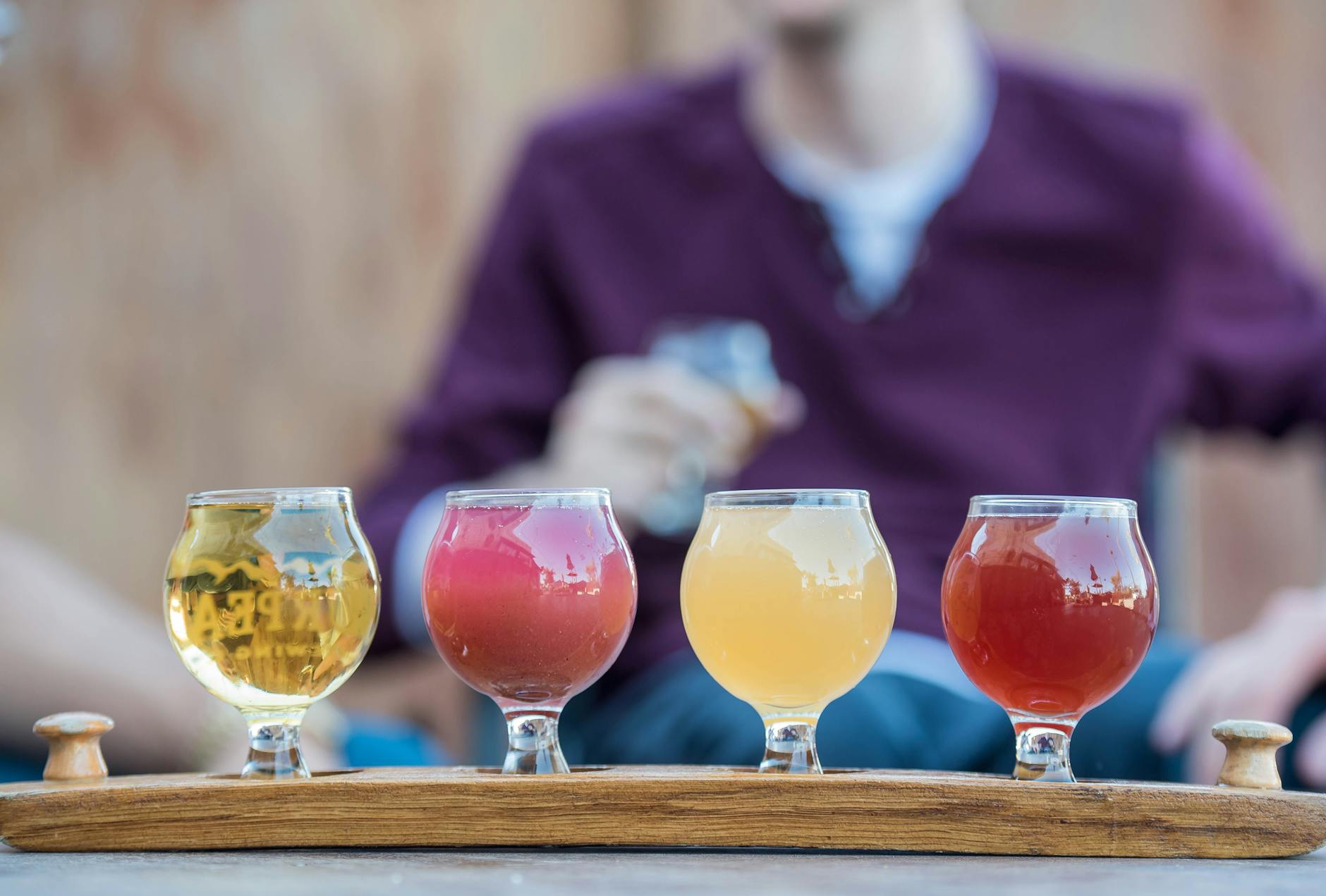
Beijing isn’t all imperial palaces and ancient noodles — it also has one of Asia’s most exciting craft beer scenes and a fast-growing specialty coffee culture, much of it hidden in the grey-brick hutongs of the old city. Over the past decade, pioneering breweries like Great Leap, Jing-A and Slow Boat have turned the capital into the heavyweight of Chinese craft beer, brewing world-class ales infused with local ingredients like Sichuan peppercorns, jasmine tea and mandarin orange. Alongside them, a wave of independent coffee roasters and third-wave cafés has transformed a traditionally tea-drinking city into a place where you can get a genuinely excellent flat white. This guide maps Beijing’s modern drinking culture — the best breweries, the coffee scene, where to find them, and how it all fits into a day of exploring.
This is the Beijing that surprises people — contemporary, creative and cosmopolitan, tucked into the same hutongs that hold the old teahouses. This guide covers the craft beer scene and its key breweries, the specialty coffee boom, the best neighbourhoods for both, and how to weave a brewery or café crawl into your trip. Whether you want a hop-forward IPA after a long day on the Great Wall or a careful pour-over before the morning sights, here’s exactly where to go and what to order.
Beijing craft beer & coffee at a glance
- Craft beer heartland
- the Gulou/Drum Tower hutongs (Fangjia, Andingmen) and Sanlitun in Chaoyang.
- Key breweries
- Great Leap (est. 2010), Jing-A (2012), Slow Boat (2011), plus Arrow Factory and newer players.
- Signature brews
- local-ingredient beers like Sichuan-peppercorn ales, jasmine-tea IPAs and Jing-A’s Worker’s Pale Ale.
- Coffee scene
- a booming third-wave culture of independent roasters and hutong cafés, strongest around Gulou, Wudaoying and Sanlitun.
- Typical cost
- craft pints ¥45–70; specialty coffee ¥30–50.
- Best for
- a relaxed evening, a break between sights, or a window into the modern, creative side of Beijing.
Beijing’s craft beer scene
By 2026, Beijing has firmly established itself as the capital of China’s craft beer movement — a remarkable transformation for a country long synonymous with light, mass-market lagers like Yanjing and Tsingtao. The scene began in the hutongs around 2010 and has grown into a thriving network of breweries, taprooms and beer bars. What makes Beijing’s craft beer special is its embrace of local Chinese ingredients: you’ll find ales brewed with Sichuan peppercorns, stouts with Chinese black tea, sours with hawthorn and saisons with jasmine — flavours you simply won’t taste anywhere else in the world. The result is a genuinely distinctive beer culture, not just a copy of American or European craft.
Great Leap Brewing
Founded in 2010, Great Leap Brewing is Beijing’s craft pioneer and a perfect first stop. Its original taproom is set in a beautifully restored courtyard down a hutong near the Drum Tower — the atmosphere alone is worth the visit. Great Leap is known for using Chinese ingredients, like its Honey Ma Gold (with Sichuan peppercorns) and teas, and now has several locations across the city, each with its own character. Drinking a hop-forward ale in a 100-year-old courtyard is about as quintessentially modern-Beijing as it gets.
Jing-A Brewing
Jing-A (est. 2012) is the city’s most innovative brewery, famed for creative, high-quality brews — the Worker’s Pale Ale has become a citywide staple poured in bars across town, the Black Velvet Vanilla Stout has a devoted following, and seasonal specials like the cucumber-tinged “Beijing Bikini” and mandarin wheat ale show off its playful, local-leaning style. Its taprooms in Sanlitun and elsewhere are lively, design-led and a great night out.
Slow Boat, Arrow Factory and beyond
Slow Boat Brewery (est. 2011) rounds out the big three, with a popular taproom culture and a solid, approachable range. Beyond them, Arrow Factory Brewing (named after the hutong it started in) and a growing roster of smaller, newer breweries keep the scene fresh and experimental. The beauty of Beijing’s beer culture is that much of it lives in atmospheric hutong taprooms, so a brewery crawl doubles as a tour of the old city’s most charming lanes.

The specialty coffee boom
Beijing was, for centuries, a tea city — and tea culture remains vital — but over the last decade specialty coffee has exploded. The city now has a serious third-wave coffee scene: independent roasters sourcing single-origin beans (including increasingly respected coffee from China’s own Yunnan province), skilled baristas, pour-overs and flat whites to rival any global capital, and beautifully designed cafés tucked into hutong courtyards and converted industrial spaces. Alongside the international chains, you’ll find homegrown specialty shops where the coffee is taken very seriously indeed. For travellers craving a proper morning coffee — something traditional Beijing breakfast doesn’t offer — this scene is a welcome discovery, and the cafés themselves are lovely, characterful spots to rest between sights.
Where to find it: the best neighbourhoods
Two areas dominate Beijing’s modern drinking culture. The Gulou / Drum Tower hutongs — especially Fangjia Hutong, Andingmen and the lanes around the towers — are the soul of the craft scene, dense with breweries, taprooms, cocktail bars and indie cafés in atmospheric courtyard settings. It’s the best area for a relaxed, walkable crawl, and it pairs perfectly with our Drum & Bell Towers guide. Sanlitun, in Chaoyang, is the other hub — more polished and international, with brewery taprooms, rooftop bars and the city’s densest nightlife, covered in our rundown of bars, shows and late nights. Beyond these, Wudaoying Hutong near the Lama Temple is a coffee-and-café hotspot, and the 798 Art District blends galleries with stylish cafés — see our guide to the city’s markets, malls and galleries for that creative quarter.
How Beijing became a craft beer capital
Beijing’s craft beer story is barely fifteen years old, but it’s been a remarkable rise. For most of modern history, Chinese beer meant light, inexpensive lager — refreshing with a hot-pot dinner, but hardly the stuff of enthusiasm. That began to change around 2010, when a handful of expat and local brewers started experimenting in the hutongs, importing equipment and ideas and adapting them to Chinese tastes and ingredients. Great Leap Brewing opened its first courtyard taproom in 2010, Slow Boat followed in 2011, and Jing-A in 2012 — and within a few years a genuine scene had taken root. What could have been a derivative copy of Western craft beer instead developed a distinctly Chinese identity, as brewers reached for the flavours around them: Sichuan peppercorns, jasmine and chrysanthemum tea, hawthorn, Chinese hops, salted plums and more.
Today that scene is mature and confident. Beijing breweries win international awards, run their own bottle shops and festivals, and have helped seed craft scenes across China. For a visitor, the appeal is twofold: the beer is genuinely excellent and unlike anything back home, and the settings — converted courtyards, hutong storefronts, rooftop terraces — are atmospheric in a way few beer cities can match. Drinking craft beer in Beijing isn’t a consolation prize for missing your local taproom; it’s a destination experience in its own right.
A brewery and coffee crawl
Here’s how to experience the best of it in a day. Afternoon: start with coffee in the Gulou hutongs — pick a third-wave café around Fangjia or Wudaoying Hutong for a pour-over and a sit-down among the courtyards. Late afternoon: as you walk the lanes (perhaps after climbing the Drum and Bell Towers), drop into Great Leap’s original courtyard taproom for a first pint in a beautiful old setting. Evening: move on to a Jing-A or Slow Boat taproom, sampling the local-ingredient specials and pairing them with bar snacks. Later: if you want to keep going, head to Sanlitun for rooftop bars and the city’s livelier nightlife, or stay in the hutongs for a quieter cocktail, or wind down with a browse through one of the city’s night markets instead. It’s a relaxed, walkable circuit that shows off modern Beijing, and because the breweries cluster in the old lanes, you’re sightseeing and drinking at the same time.
If beer isn’t your thing, the same areas work as a café crawl: the hutongs around Gulou and Wudaoying, and the converted factories of the 798 Art District, are full of design-led coffee shops perfect for a slow afternoon of people-watching and caffeine. Either way, this is a side of Beijing that rewards wandering with no fixed agenda.
Cocktail bars and the wider scene
Beijing’s modern drinking culture extends well beyond beer and coffee. The hutongs hide a celebrated crop of speakeasy-style cocktail bars — intimate, inventive spots, some regularly ranked among Asia’s best, often behind unmarked doors — where bartenders riff on Chinese ingredients and traditions. Sanlitun offers everything from slick hotel rooftop bars to raucous clubs, while the Shichahai/Houhai lakeside has a more touristy but scenic bar strip. There’s also a growing natural wine and baijiu cocktail scene for the adventurous (baijiu being China’s potent national spirit, increasingly used in creative mixing). For the full after-dark picture, including bar districts and clubs, see our Beijing nightlife guide — but the craft beer and coffee scenes are the most distinctive and most accessible entry points into the city’s contemporary culture.
Coffee, tea and a cultural note
It’s worth remembering that for all the buzz around coffee and craft beer, Beijing remains at heart a tea city, and the two cultures now sit side by side. The same hutongs that house third-wave coffee roasters also hold centuries-old teahouses, and you’ll find young Beijingers as devoted to a perfect gongfu tea service as to a single-origin espresso. Many cafés thoughtfully bridge the two, offering Chinese teas and tea-infused drinks alongside the coffee. If you have any interest in tea, it’s well worth pairing a coffee crawl with a visit to a traditional teahouse or the tea market at Maliandao — a reminder that Beijing’s drinking culture spans both the very old and the very new. This blend of ancient and contemporary, often within the same alley, is exactly what makes the city’s modern food-and-drink scene so rewarding to explore.
Practical tips
- Pay by phone — WeChat Pay and Alipay (with linked foreign cards) work everywhere; some smaller spots are cashless.
- Plan your ride home — the subway stops around midnight, so hail a car through DiDi after a late session.
- Tipping isn’t expected at bars or cafés.
- Try the local-ingredient beers — the Sichuan-peppercorn ales and tea-infused brews are the ones you can’t get at home.
- Combine with sightseeing — the Gulou breweries are steps from the Drum Tower and hutongs, so build them into your day rather than a separate trip.
- Go for the courtyard settings — half the magic is drinking craft beer in a restored hutong courtyard.
Pairing beer with Beijing food
One of the best things about Beijing’s craft beer is how well it pairs with the city’s food. A crisp pale ale or pilsner is a fine match for smoky lamb skewers, cutting through the cumin and fat. A hoppy IPA stands up to the spice of Sichuan hot pot and the chilli of Ghost Street crayfish. A malty amber or a roasty stout is surprisingly good with the rich, crispy skin of Peking duck. Many taprooms serve their own kitchen food designed to go with the beer, and an increasing number of restaurants stock local craft on their lists. If you’re planning a food-focused trip, think of the breweries not just as a separate night out but as drinking partners for the meals you’re already excited about.
The same goes for coffee and the daily rhythm of sightseeing. Because a traditional Beijing breakfast is tea- and soy-milk-based, the specialty cafés fill a real gap for visitors who need a proper morning coffee before hitting the sights — and a well-placed café makes an ideal mid-afternoon recharge between palaces, parks and hutong wanders. Scouting a good coffee spot near your hotel on arrival is a small move that pays off every morning of your trip.
When to go and what to expect
Beijing’s breweries and cafés run year-round, but the experience shifts with the seasons. In the warm months, the hutong taprooms spill out into their courtyards and the rooftop bars of Sanlitun come into their own — balmy evenings are perfect for outdoor drinking. In winter, the cosy indoor taprooms and snug cafés become welcome refuges from the cold, ideal for warming up with a stout or a flat white after a frosty morning of sightseeing. Most taprooms open from late afternoon into the night; cafés tend to open mid-morning. Weekends are livelier (and busier) than weekdays. Prices, while higher than mass-market lager or instant coffee, remain reasonable by international standards, and the quality and settings more than justify them. Above all, expect a scene that feels genuinely local and contemporary — not a tourist construction, but the everyday culture of young, creative Beijing.
Beijing craft beer & coffee FAQ
Is Beijing good for craft beer?
Yes — it’s the leading craft beer city in China, with pioneering breweries like Great Leap, Jing-A and Slow Boat brewing world-class ales, many using local ingredients. The hutong taprooms are atmospheric and the quality is genuinely high.
Where’s the best area for breweries?
The Gulou/Drum Tower hutongs (Fangjia, Andingmen) for atmospheric courtyard taprooms, and Sanlitun in Chaoyang for a more polished, international scene with rooftop bars.
Does Beijing have good coffee?
Increasingly, yes. A booming third-wave scene of independent roasters and hutong cafés serves excellent pour-overs and flat whites, including beans from China’s own Yunnan province. Gulou, Wudaoying and Sanlitun are the best areas.
How much does craft beer cost?
A craft pint runs roughly ¥45–70, more than mass-market lager but in line with craft beer worldwide. Specialty coffee is around ¥30–50. Both are reasonable for the quality.
Can I do a brewery crawl on foot?
Absolutely — the Gulou hutongs pack several breweries, bars and cafés into a small, walkable area, so a self-guided crawl works beautifully. Plan a DiDi home, as the subway stops around midnight.
The bottom line on Beijing’s modern drinking culture
Beijing’s craft beer and coffee scenes are the city’s modern, creative side — and a brilliant counterpoint to its ancient sights. Spend an evening crawling the hutong taprooms of Gulou, where breweries like Great Leap and Jing-A pour distinctive, locally inspired ales in century-old courtyards, or while away an afternoon in a third-wave café over a Yunnan pour-over. It’s contemporary Beijing at its most appealing and most surprising, and it proves that this ancient capital is also one of Asia’s most exciting cities to drink in — a place where a thousand-year-old hutong can hide a world-class taproom or a meticulous third-wave café.
Combine it with a night out via our Beijing nightlife guide, fuel up first with our run-through of the city’s best eating, or explore the creative 798 quarter in our shopping guide. New to the city? Start with the big-picture guide to visiting Beijing.