Hot pot is the most social, interactive and warming meal in China — a bubbling pot of broth set into your table, around which you cook paper-thin meat, fresh vegetables, tofu and noodles exactly to your own taste, dipping each morsel in a sauce you’ve mixed yourself. In Beijing it comes in two great styles: the city’s own instant-boiled mutton (shuàn yángròu) in a charcoal-fired copper pot, and the fiery, numbing Sichuan málà hot pot that has conquered the whole country. It’s a meal that can baffle first-timers — so much choosing, ordering and cooking — but once you understand how it works, it’s one of the most fun dinners you’ll have in the city. This guide covers the best hot pot restaurants, the two main styles, how to order and cook, the all-important dipping sauce, and the etiquette that makes it sing.
Hot pot is my go-to recommendation for a group dinner in Beijing — it’s communal, customisable and endlessly fun, and it suits everyone from spice fiends to cautious eaters. This guide covers the styles, the top restaurants across budgets, a step-by-step ordering and cooking walkthrough, the sauce bar, etiquette, and the questions beginners ask. Pull up a stool, gather your group, and get the broth bubbling.
Beijing hot pot at a glance
- Two main styles: Beijing instant-boiled mutton (mild, clear broth, copper pot) and Sichuan málà (spicy, numbing, oily red broth).
- Best for service: Haidilao — famous for over-the-top free perks and 24-hour branches.
- Best traditional: Donglaishun — Beijing-style mutton hot pot since 1903.
- How it works: choose broth(s), order raw ingredients, cook them yourself, dip in your own sauce.
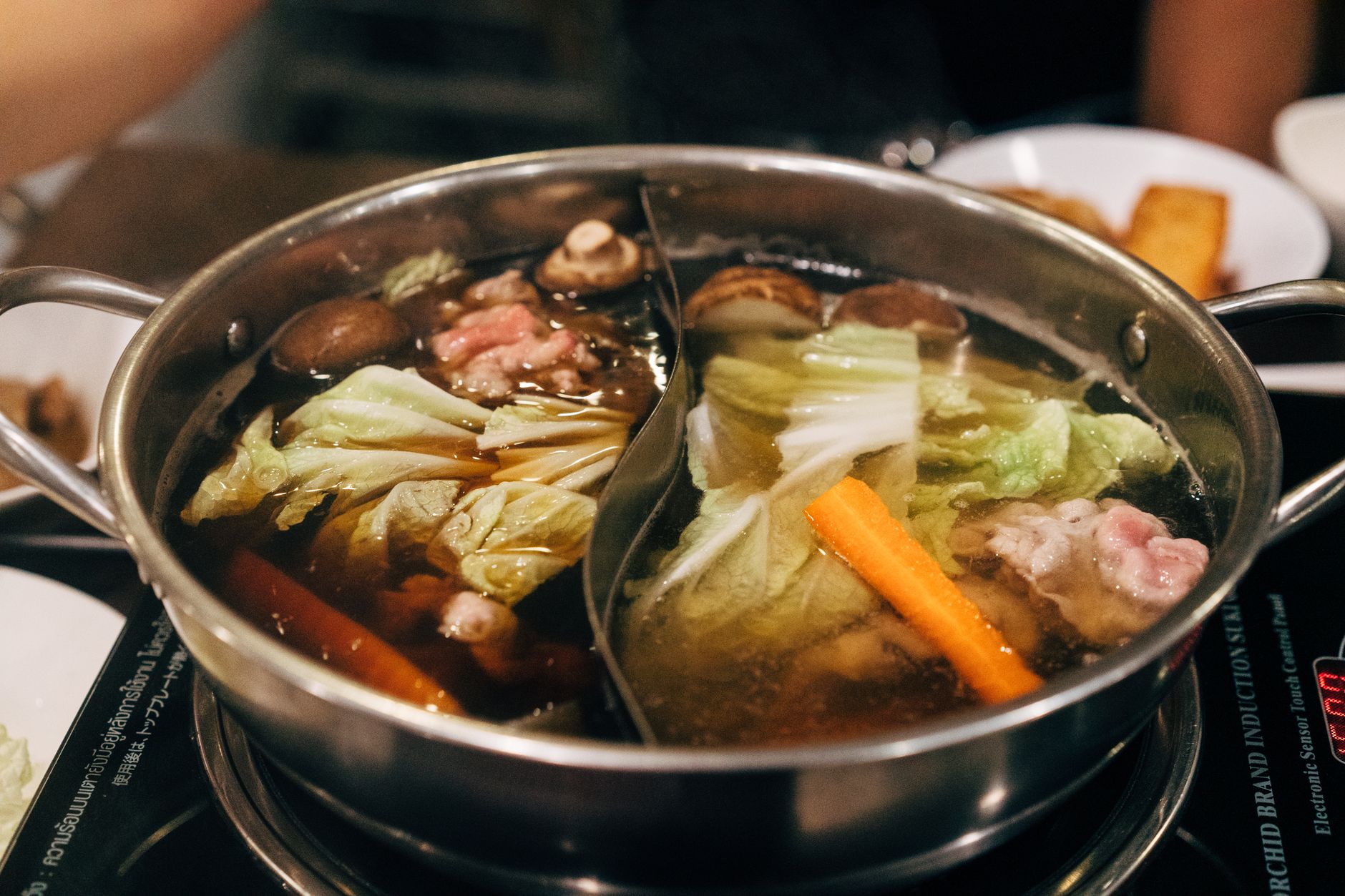
- Split pot: order a divided pan to have both spicy and mild broths — ideal for mixed groups.
- Cost: ¥80–200 per person depending on restaurant and ingredients.
- Best season: year-round, but especially beloved in Beijing’s cold winters.
The two great styles
Beijing-style instant-boiled mutton (涮羊肉) is the local classic and a must-try. A tall copper pot with a charcoal chimney holds a clear, light broth — often just water with ginger, scallion and dates — into which you swish paper-thin slices of tender mutton for a few seconds until just cooked, then dip in a rich sesame-paste sauce. It’s elegant, mild and lets the quality of the mutton shine; the focus is on the meat and the sauce rather than a powerful broth, a study in elegant restraint. This is the old Beijing tradition, perfected by century-old houses like Donglaishun.
Sichuan málà (麻辣) hot pot is the fiery counterpoint that has swept across China. The broth is a deep-red, oily cauldron loaded with dried chillies, Sichuan peppercorns (which deliver the tongue-tingling má numbing sensation), garlic and spices. It’s intense, addictive and gloriously not for the faint-hearted — though you can dial down the heat or order a split pot with a mild broth on one side. Where the Beijing style is about subtlety, Sichuan hot pot is about bold, layered, lip-buzzing flavour. Both are widely available across the city, and trying each is well worth it.
The best hot pot restaurants
Haidilao (海底捞) — for service and spectacle
Haidilao is China’s most famous hot pot chain, and dining there is an event. The Sichuan-style broth is reliably good, but the legend is the service: free snacks, fruit and drinks while you wait, hot towels, even complimentary manicures and shoe-shines, plus the famous noodle-dancing show where a chef stretches a single piece of hand-pulled noodle into a ribbon tableside, twirling it like a performance. Multiple branches across Beijing, several open 24 hours, with picture menus and tablet ordering that make it very beginner-friendly. Expect to pay around ¥120–200 a head.
Donglaishun (东来顺) — for tradition
For the authentic Beijing experience, Donglaishun has been serving instant-boiled mutton since 1903. It holds its mutton to exacting standards and serves it in beautiful cloisonné copper pots that are works of art in themselves. This is the place to understand why the simple Beijing style — clear broth, perfect mutton, sesame sauce — has endured for over a century. Several branches around the city, and the flagship is an experience in itself.
More options worth knowing
Beyond the big two: Julong Zhai and other old-Beijing mutton houses serve the traditional style; numerous Chongqing and Sichuan chains (such as Xiaolongkan and Banu, the latter famous for its tripe) bring serious málà credentials; and the hutongs hide cosy, atmospheric copper-pot spots, some with rooftop views of the Bell Tower. For a special setting, look for hot pot in a restored courtyard. Wherever you go, a place busy with locals is your best guide to quality.
How to order and cook: a step-by-step
Hot pot can overwhelm first-timers, but the process is simple once you know the steps:
- 1. Choose your broth. Pick a broth base — spicy málà, mild mushroom or tomato, the clear Beijing style, or a split pot with two broths. The split pot is the smart choice for mixed spice tolerances.
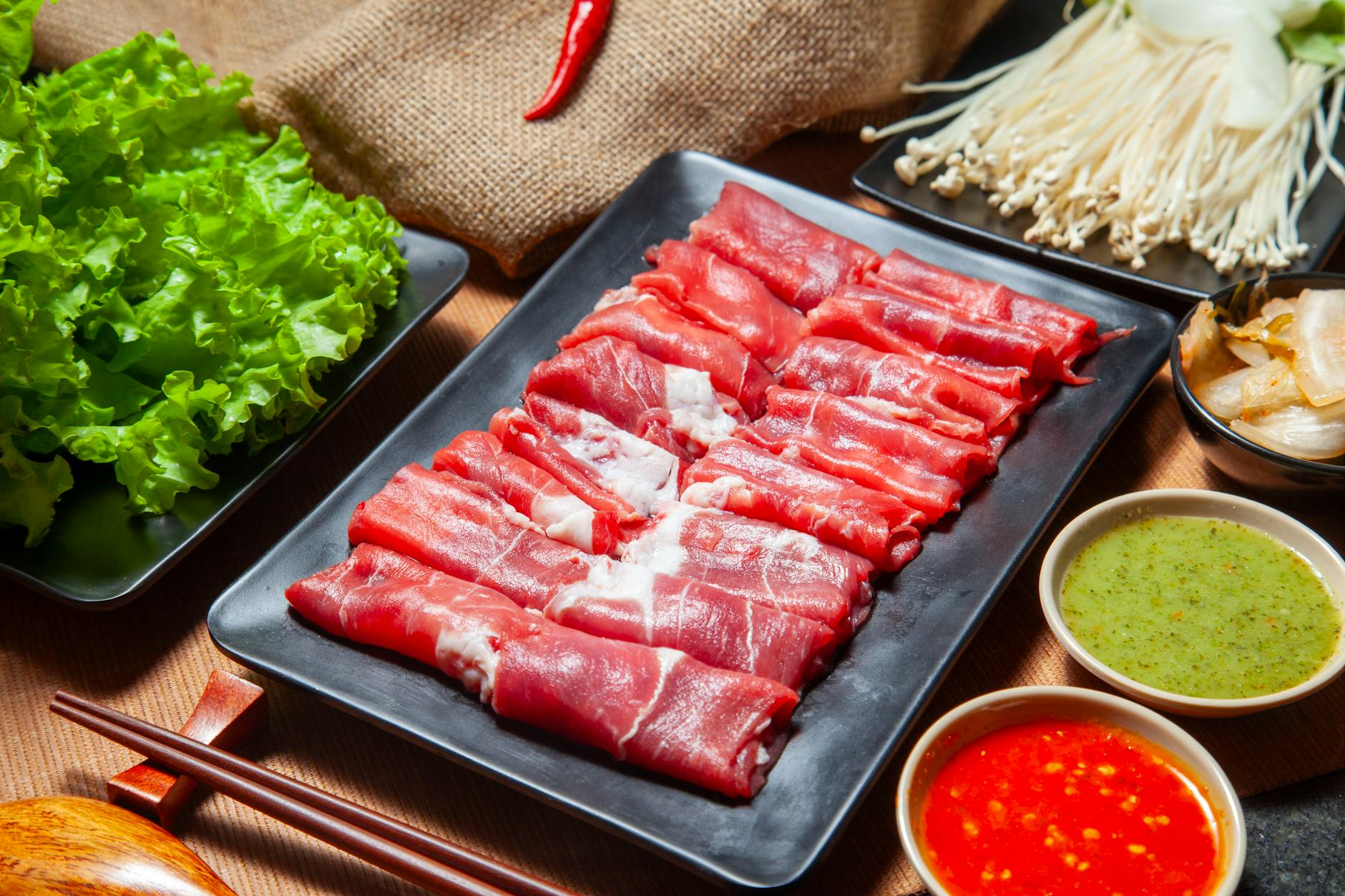
- 2. Order ingredients. Select raw items to cook: thinly sliced beef, lamb or mutton; fish and seafood; tofu and tofu skin; mushrooms; leafy greens; potato and lotus root; noodles; and more. Order a few things at a time and add as you go.
- 3. Mix your sauce. Head to the sauce bar (or order a sauce) and build your dipping sauce — more on this below.
- 4. Cook. Drop ingredients into the simmering broth. Thin meat takes just 10–20 seconds; vegetables, tofu and noodles take longer. Fish out with chopsticks or the provided ladle.
- 5. Dip and eat. Dip the cooked morsel in your sauce, let it cool a second, and enjoy. Repeat for a long, leisurely, sociable meal.
A safety note: keep raw-meat chopsticks separate from the ones you eat with where possible, and make sure meat and seafood are fully cooked before eating. Most restaurants provide picture menus or tablets, so pointing and tapping gets you a long way even without Chinese — see navigating Beijing without Chinese.
The all-important dipping sauce
The sauce is where hot pot becomes personal. For Beijing-style mutton, the classic is a rich sesame paste sauce, often mixed with fermented tofu, chive flower paste, coriander and a little chilli oil — it’s thick, nutty and the perfect partner to the clean mutton. For Sichuan hot pot, the traditional dip is simpler: sesame oil with minced garlic, which cools and tames the fiery broth, sometimes with coriander and oyster sauce. At the sauce bar you can mix your own from a spread of ingredients — sesame paste, soy, chilli oil, garlic, scallion, coriander, peanut, vinegar, fermented tofu and more. There’s no wrong answer; experiment until you find your blend. This DIY ritual is half the fun and a big part of what makes hot pot endlessly customisable.
The history and culture of hot pot
Hot pot is one of China’s oldest communal foods, with roots going back well over a thousand years to nomadic peoples of the north who cooked sliced meat in pots of simmering water over a fire — a practical way to feed a group quickly in the cold. Beijing’s instant-boiled mutton tradition is often traced to the Mongol and Manchu influences on the imperial capital, and by the Qing dynasty it had become a refined court favourite as well as a popular winter meal. The copper pot with its central charcoal chimney, still used today, is a direct link to that history. Sichuan’s spicy version evolved separately along the Yangtze, where boatmen and labourers cooked offal and vegetables in fiery, numbing broths — peasant food that has since become a national obsession. When you sit down to hot pot in Beijing, you’re taking part in a ritual that has fed Chinese families and gathered friends for many centuries.
That communal spirit is the whole point. Hot pot is never a solo, hurried meal; it’s a long, sociable gathering where the cooking is shared, conversation flows around the bubbling pot, and everyone tends their own morsels at their own pace. It’s the meal Beijingers choose for reunions, birthdays, and cold-weather catch-ups with friends — which is exactly why it’s such a good choice for travelling groups and families. The table becomes the entertainment, and a meal can happily stretch over two or three hours.
What to order: an ingredients glossary
Hot pot menus can run to dozens of items. Here’s what to look for. Meats: thinly sliced lamb or mutton (the Beijing classic), beef, and beef tripe (a Sichuan favourite, cooked just seconds for crunch). Seafood: shrimp, fish fillets, squid and clams. Tofu family: fresh tofu, fried tofu puffs, tofu skin (yuba) and the wonderfully spongy “frozen” tofu that soaks up broth beautifully. Mushrooms: enoki, shiitake, oyster and king oyster — they add depth and soak up flavour. Vegetables: Chinese cabbage, spinach, lettuce, watercress, lotus root, potato, winter melon and daikon. Starches: hand-pulled noodles, sweet-potato glass noodles, and rice cakes, best added near the end to soak up the now-flavourful broth. Extras: quail eggs, meatballs, fish balls and tofu skin rolls. A good order for two or three people might be two meats, two or three vegetables, a tofu item, a mushroom and a portion of noodles — then top up with whatever you’re enjoying.
The key to great hot pot is timing: add ingredients in the right order so nothing overcooks. Start with items that flavour the broth and take longer (corn, daikon, mushrooms, hardy vegetables), add meat in small batches and fish it out the moment it changes colour, and save the noodles and leafy greens for the end, when the broth has become rich and concentrated. Don’t dump everything in at once — that’s the rookie mistake that leaves you fishing for overcooked scraps.
Hot pot etiquette and tips
- Use the serving chopsticks or a separate set for raw meat where provided, to avoid cross-contamination with what you eat.
- Cook in rounds, adding a little at a time, rather than crowding the pot.
- Order a split pot for groups with different spice tolerances — it’s the single best tip for a happy table.
- Pace yourself — hot pot is a marathon, not a sprint; the meal is meant to last.
- Mind the splatter — spicy broth spits, so many places offer aprons and even phone bags; take them.
- Tipping isn’t expected, as everywhere in Beijing.
- Have a sweet drink handy — sweet soy milk or a cold beer tames the chilli better than water.
One more cultural note: at traditional Beijing mutton houses, the meal is reverently simple — clear broth, top-quality mutton, sesame sauce, perhaps some cabbage and frozen tofu, finished with noodles. Resist the urge to over-order; the restraint is the point, letting the quality of the mutton speak. At a Sichuan place, by contrast, abundance and intensity are the spirit of the thing. Matching your approach to the style is part of eating hot pot well.
When and where to go
Hot pot is a year-round pleasure, but it comes into its own in Beijing’s bitter winters, when there’s nothing better than huddling around a bubbling copper pot as the temperature outside drops below freezing — it’s the ultimate cold-weather comfort meal. That said, locals happily eat fiery Sichuan hot pot in the height of summer too, sweating it out in air-conditioned dining rooms. For atmosphere, seek out a hot pot place in a hutong courtyard or one of the spots with rooftop views near the Drum Tower; for convenience and beginner-friendliness, the big chains in malls and on main streets are open late and easy to navigate. The subway runs until around midnight, so for a late hot pot dinner, line up a DiDi home. Whatever you choose, book ahead or expect a wait at the popular spots, especially on winter weekends.
Beijing hot pot FAQ
What’s the difference between Beijing and Sichuan hot pot?
Beijing-style is mild instant-boiled mutton in a clear broth and copper pot, focused on the meat and a sesame dipping sauce. Sichuan málà hot pot has a spicy, numbing, oily red broth loaded with chillies and Sichuan peppercorns. Both are worth trying.
Is hot pot good for beginners?
Yes — it’s interactive and forgiving. Start at a beginner-friendly place like Haidilao with picture menus and helpful staff, order a split pot so you can control the spice, and cook at your own pace.
How much does hot pot cost in Beijing?
Around ¥80–200 per person depending on the restaurant and how much meat and seafood you order. It’s great value for a long, social meal, and easy to keep cheaper by loading up on vegetables, tofu and noodles.
Can vegetarians eat hot pot?
Yes — choose a mushroom or tomato broth (confirm it’s meat-free) and cook tofu, greens, mushrooms, potato and noodles. Order a split or separate pot if sharing with meat-eaters. See our vegetarian and vegan guide.
How do I handle the spice?
Order a split pot with one mild broth, ask for a lower spice level, and use a sesame-oil-and-garlic dip to cool things down. Have plenty of cold drinks or a sweet soy milk on hand. Build up your tolerance across the meal.
What should I order first?
Start with thinly sliced lamb or beef (the signature), plus tofu, mushrooms, leafy greens and a portion of noodles for the end. Order in rounds rather than all at once so nothing overcooks.
Is hot pot a good choice for a group?
It’s arguably the best group meal in Beijing. The communal pot, the shared cooking and the long, relaxed pace make it perfect for friends and families, and a split pot keeps everyone happy whatever their spice tolerance. Larger restaurants like Haidilao cater well to groups and even keep you entertained while you wait. Just book ahead for bigger tables, especially on winter weekends.
The bottom line on Beijing hot pot
Hot pot is the most fun you’ll have at a Beijing dinner table — social, customisable and deeply satisfying, especially on a cold night. Try the local instant-boiled mutton at a traditional house like Donglaishun for the authentic Beijing experience, and a fiery Sichuan málà pot at a place like Haidilao for the spice and spectacle. Order a split pot for mixed groups, mix your own sesame or garlic-oil sauce, cook in rounds, and take your time. Once you’ve got the rhythm, you’ll understand why hot pot is the meal Beijingers return to again and again — and why a single dinner can happily fill an entire evening.
Pair it with the city’s other great meat feast, Peking duck, or a late-night spread on Ghost Street. For the full scene, see the Beijing food guide, and to plan your trip, the complete Beijing travel guide.