Taking a cooking class in Beijing is one of the most rewarding things you can do in the city — you go home not just with photos but with the skills to recreate dumplings, hand-pulled noodles, kung pao chicken or even Peking duck in your own kitchen. The best classes start with a guided local market tour, where you learn to pick ingredients and decode the spices and sauces that define Chinese cooking, then move to a courtyard or studio kitchen for hands-on instruction with an English-speaking chef in a courtyard or studio kitchen. As of 2026, expect to pay around ¥380–600 (roughly $55–85) for a 2–4 hour class, often including the market visit and a feast of everything you’ve made. This guide covers what you’ll learn, the best types of class, what they cost, and how to choose the right one.
I always recommend a cooking class to travellers who want to connect with Beijing’s food on a deeper level — it’s hands-on, social, and you eat extremely well at the end. This guide covers the dishes you’ll master, the class formats (from dumpling workshops to market-tour-plus-cooking experiences), realistic prices, dietary options, and how to pick a class that suits you. Roll up your sleeves and dust off your apron.
Beijing cooking classes at a glance
- What you’ll make: dumplings (jiaozi), zhajiang noodles, kung pao chicken, stir-fries, and sometimes Peking duck.
- Format: 2–4 hours, often with a market tour, hands-on cooking, and a meal of your dishes.
- Cost: roughly ¥380–600 per person (~$55–85); online classes from ~$20.
- Group size: usually small (6–12), sometimes private.
- Languages: many classes are in English or bilingual; confirm when booking.
- Dietary: most offer vegetarian/vegan adaptations — ask in advance.
- Best for: food lovers, families, couples, and anyone wanting a hands-on cultural experience.
What you’ll learn to cook
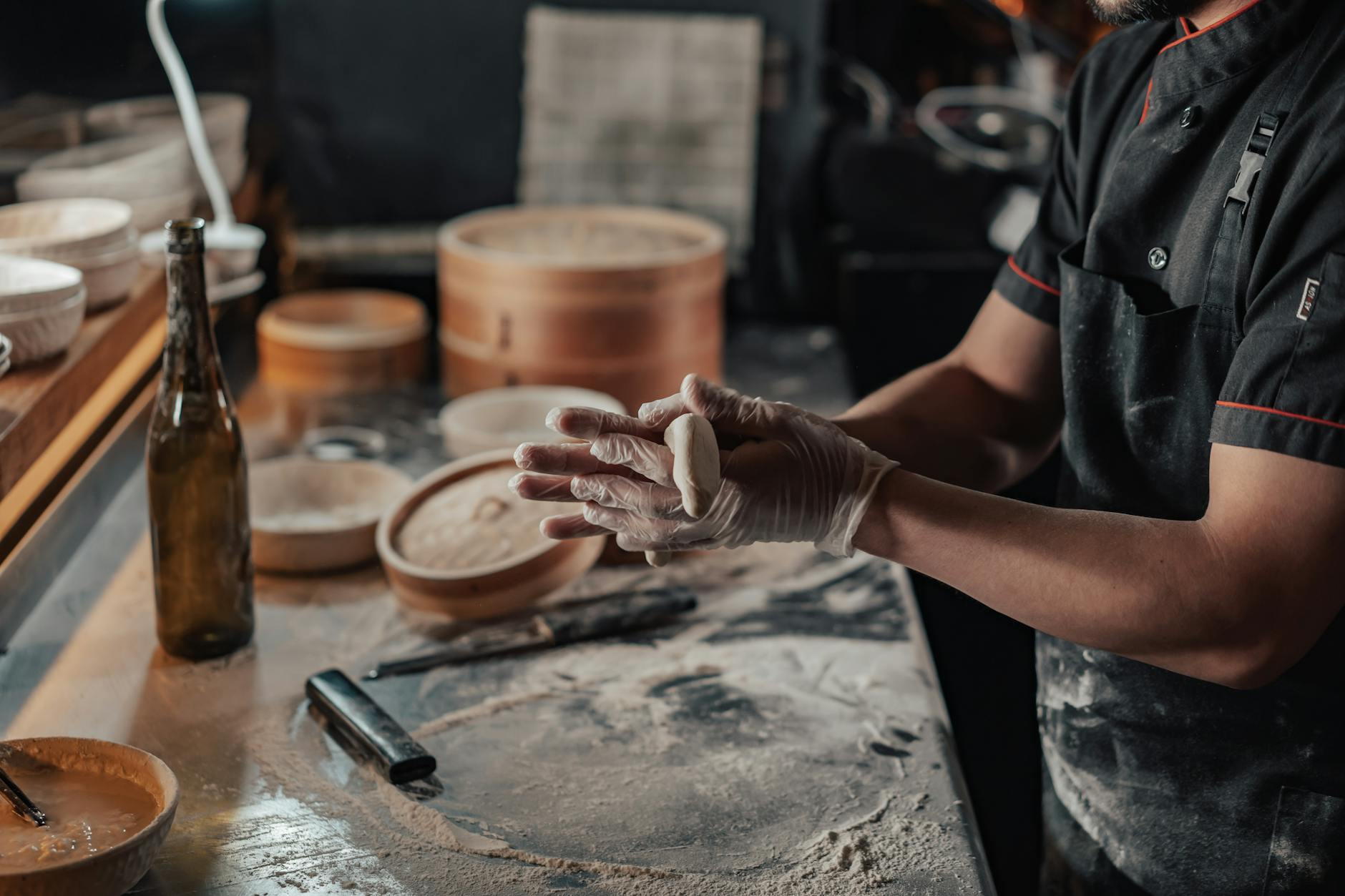
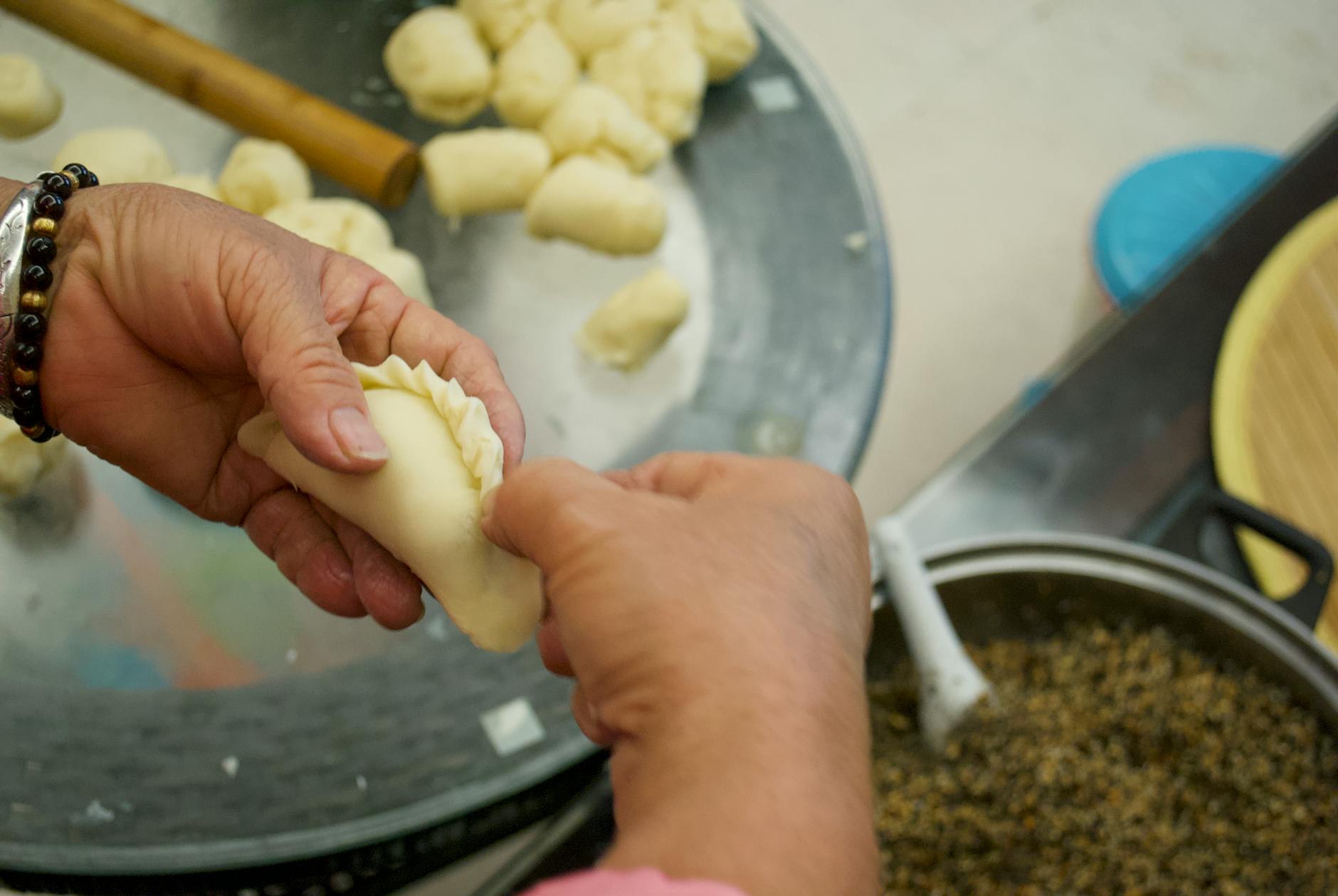
Most Beijing classes focus on northern Chinese home cooking — the approachable, satisfying dishes you can actually recreate back home. Dumplings (jiaozi) are the near-universal centrepiece: you’ll learn to knead and roll the dough, mix fillings, and master the pleating that turns a flat circle of dough into a plump, sealed parcel — harder than it looks, and deeply satisfying once it finally clicks. Beyond dumplings, classes commonly cover zhajiang noodles (Beijing’s signature noodle dish), kung pao chicken, mapo tofu, egg and tomato stir-fry, and other home-style staples. Some specialist classes teach hand-pulled or knife-cut noodles, and a few even tackle Peking duck, though that’s more demonstration than DIY given the roasting involved. The emphasis is on technique you can take home: knife skills, the order of adding ingredients, balancing the “wok hei” heat, and the soy-vinegar-sesame-ginger-garlic flavour foundations that underpin so much of the cuisine.
The types of cooking class
Market tour + cooking class
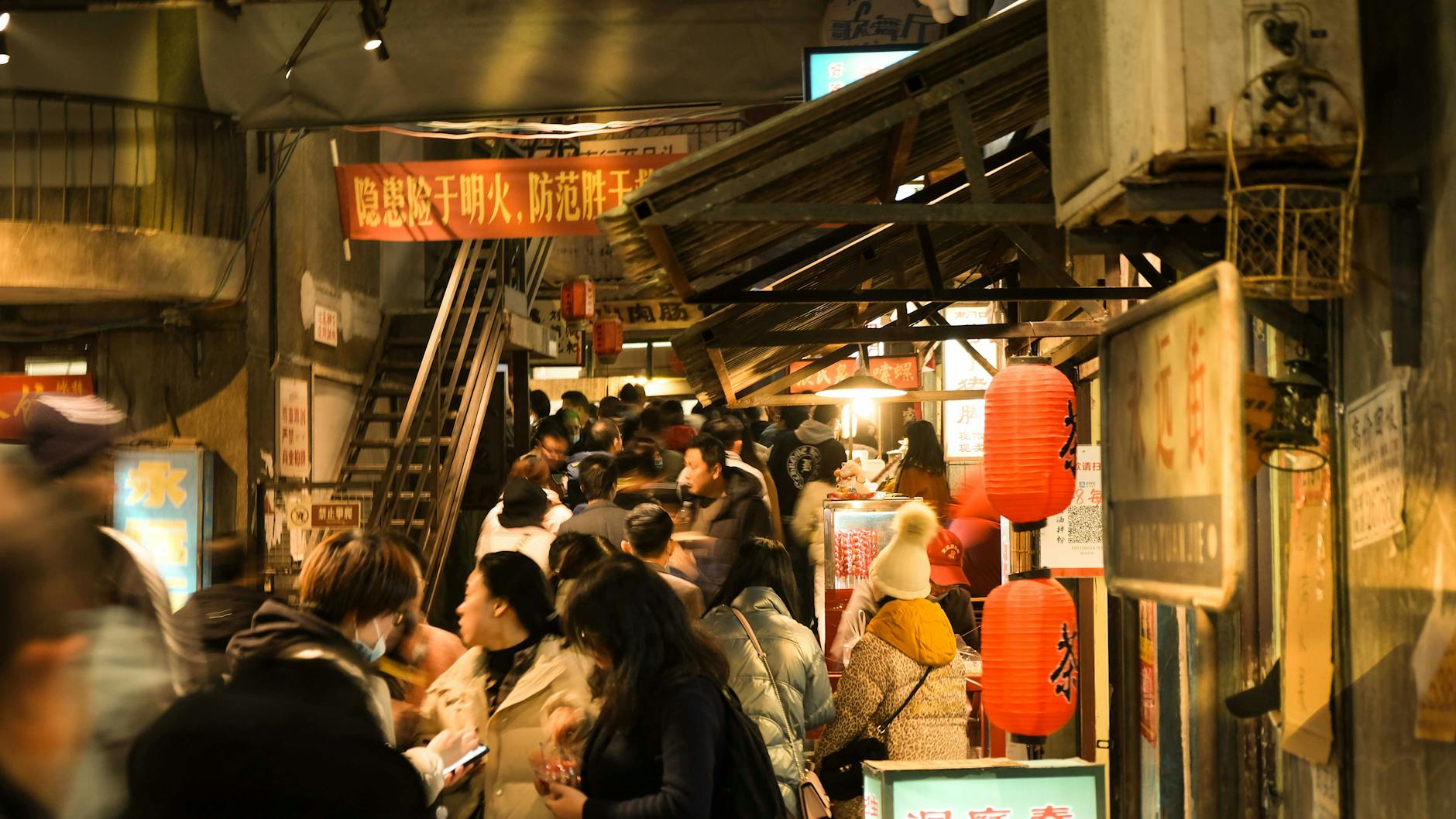
The most rewarding format pairs a local wet-market tour with the cooking. A guide walks you through a Beijing market, explaining the vegetables, tofu varieties, sauces, spices and fresh ingredients, and you shop for what you’ll cook. Then you head to the kitchen to prepare a multi-dish meal. This format (often 3–4 hours, around ¥400–600) gives you context as well as skills, and the market visit alone is a fascinating window into how ordinary Beijingers shop and eat day to day. It’s my top recommendation for a first class.
Dumpling workshops
Shorter, focused dumpling classes (around 2 hours) are perfect if you’re short on time or travelling with kids — dumpling-folding is hands-on, forgiving and fun for all ages. You’ll make and eat a feast of dumplings, often learning a couple of fillings and the art of the pleat. These are usually the most affordable and family-friendly option.
Courtyard and specialist classes
Several cooking schools operate in atmospheric hutong courtyards, adding charm to the experience, while others are run by established culinary studios with structured programmes. There are also specialist and themed classes — vegetarian cooking, regional cuisines, noodle-making masterclasses, even baijiu-and-food pairings. Private classes are widely available for couples, families or anyone wanting one-on-one attention.
What it costs and what’s included
Pricing varies by format and group size. A group dumpling workshop might run ¥300–400; a market-tour-plus-cooking class typically ¥400–600 (around $55–85), with the well-known hutong schools at the upper end. Private classes cost more, often with a minimum spend. Online classes start as low as $20 if you want to learn before you travel. Most in-person classes include all ingredients, equipment, instruction, recipes to take home, and — best of all — a full meal of everything you’ve cooked, often with tea or a drink. Market-tour classes include the guided market visit. Always confirm what’s included, the language of instruction, and the group size when you book.
Why take a cooking class in Beijing
Of all the things you can do in Beijing, a cooking class is among the most personal and lasting. Sightseeing fills your camera roll; a cooking class fills your kitchen repertoire for years. There’s something uniquely satisfying about learning to make a dish in the city where it originated, from someone who grew up cooking it — and then being able to recreate that taste at home, conjuring up the trip every time you fold a dumpling or fry an aromatic. It’s also a wonderfully social, hands-on experience: you’re not passively watching but actively kneading, chopping, pleating and stir-frying, usually alongside a small group of fellow travellers, with plenty of laughter (and a few comically misshapen first dumplings). For families, couples and solo travellers alike, it’s a highlight that breaks up the rhythm of monuments and museums with something active and creative.
A class also deepens your appreciation of everything else you eat on the trip. Once you’ve struggled to pleat your own dumpling or balance the flavours of a kung pao sauce, you taste the city’s restaurant and street food with new eyes, understanding the skill behind the simplest bowl of noodles. It turns eating in Beijing from passive enjoyment into informed appreciation — and that, more than any single recipe, is the real value.
What a typical class looks like
Here’s how a classic market-tour-plus-cooking class unfolds. You’ll meet your guide (often near a metro station or the cooking studio) and head first to a local market, where you’ll spend 30–45 minutes learning to identify vegetables, tofu products, fresh noodles, sauces and spices, and perhaps buying some of the ingredients you’ll cook with. The guide explains how Beijingers shop and what to look for — a genuinely eye-opening introduction to the building blocks of the cuisine. Then it’s on to the kitchen, usually a courtyard home or a dedicated studio, where the chef demonstrates each dish before you make it yourself: mixing and rolling dumpling dough, preparing fillings, mastering the pleat, then moving on to a stir-fry or noodle dish. Finally — the best part — you sit down and eat everything you’ve made, often with tea or a beer, the table groaning with the fruits of your labour. The whole experience runs three to four hours and ends with full bellies and a stack of recipe cards to take home.
Shorter dumpling-only workshops compress this into a focused couple of hours, skipping the market and concentrating on the folding and feasting. Either way, the pace is relaxed, the atmosphere friendly, and no prior cooking experience is needed — instructors are used to complete beginners and the dishes are chosen to be achievable.
How to choose the right class
A few questions help you pick well. Do you want the market tour? If yes, choose a class that includes it — it adds real depth (and time). How much time do you have? A 2-hour dumpling workshop suits a packed itinerary; a 4-hour market-and-cook class is for a more leisurely day. Group or private? Group classes are social and cheaper; private ones offer flexibility and personal attention, ideal for families or special diets. What language? Confirm English or bilingual instruction. What’s the setting? A hutong courtyard adds atmosphere; a modern studio may be more comfortable. And check what’s included — ingredients, recipes, the meal, drinks — so there are no surprises. Reading recent reviews is the best way to gauge quality, and booking a few days ahead secures your spot, especially in peak season. For help getting to the meeting point and around, see our Beijing subway guide.
Recreating the dishes at home
The lasting value of a class is what you take home. To recreate your Beijing dishes, stock a few pantry staples: light and dark soy sauce, Chinese black vinegar (Chinkiang), Shaoxing wine, sesame oil, doubanjiang (fermented bean paste) and the fermented soybean paste for zhajiang noodles, plus dried chillies and Sichuan peppercorns if you like heat. Most ingredients are available at Asian grocers or online back home. Dumplings freeze beautifully — make a big batch, freeze them raw on a tray, then bag them up to boil or pan-fry straight from frozen, so a single class can pay off for months. Keep the recipe cards your class gives you, and don’t be discouraged if your first home attempt isn’t perfect; like the chef told you, the pleating gets easier every time. Many travellers find that a Beijing cooking class becomes a genuine, lasting addition to their cooking, long after the holiday photos are filed away.
The cultural side of cooking together
Food is central to Chinese culture, and a cooking class offers a window into that world that few other activities match. Dumplings, for instance, aren’t just a dish — they’re eaten at Chinese New Year for luck (their shape echoes ancient gold ingots), made communally by families gathered around the table, and freighted with symbolism and tradition. A good instructor shares these stories as you cook, so you come away understanding not just how to make the food but what it means — the festivals, the family rituals, the regional pride. That context transforms a cooking lesson into a cultural exchange, and it’s often the part travellers remember most fondly. In a city full of grand monuments, there’s something quietly profound about sitting in a courtyard kitchen, flour on your hands, learning a recipe that has been passed down through generations of Beijing families.
When to take a class in your trip
Timing your class within your itinerary makes a difference. Taking one early in your trip is rewarding because it primes you for everything you’ll eat afterwards — you’ll recognise dishes, understand techniques, and order with more confidence at restaurants and street stalls for the rest of your stay. On the other hand, saving it for later lets you build on the dishes you’ve discovered and loved, asking the chef about the specific things you’ve eaten and want to recreate. Either works; what matters is leaving a relaxed half-day for it rather than squeezing it between major sights, since the best classes are unhurried and end with a leisurely meal. Morning classes that include a market tour are especially pleasant, catching the market at its liveliest and finishing with a late lunch of your own cooking.
A cooking class also makes a brilliant rainy-day or extreme-weather option. When Beijing’s summer heat or winter cold makes a full day of outdoor sightseeing unappealing, a few hours in a warm courtyard kitchen — chopping, folding and eating — is a perfect indoor alternative that still feels quintessentially local. It’s the kind of flexible, weather-proof activity worth keeping in your back pocket for the day the forecast turns against you.
Beijing cooking classes FAQ
What will I learn to cook?
Most commonly dumplings (jiaozi), plus dishes like zhajiang noodles, kung pao chicken, mapo tofu and stir-fries. Some classes teach hand-pulled noodles, and a few demonstrate Peking duck. The focus is on home-style dishes you can recreate.
How much does a cooking class cost?
Roughly ¥380–600 (about $55–85) for a 2–4 hour in-person class, usually including ingredients, instruction, recipes and a meal. Dumpling-only workshops can be cheaper; private and premium classes cost more. Online classes start around $20.
Are classes taught in English?
Many are taught in English or bilingually, especially those aimed at travellers. Some are in Mandarin with interpreters available. Always confirm the language when you book.
Are cooking classes good for kids?
Yes — dumpling workshops in particular are hands-on, forgiving and fun for children. Confirm the class welcomes kids when booking. See our Beijing with kids guide for more family ideas.
Can vegetarians take a cooking class?
Most classes offer vegetarian or vegan adaptations using tofu, mushrooms and vegetables — just request it when booking. See our vegetarian and vegan guide.
Should I book in advance?
Yes — classes have limited spots and the popular ones fill up, especially in peak season. Book a few days ahead, and confirm the meeting point, inclusions and language.
Do I need any cooking experience?
None at all. Classes are designed for complete beginners, and instructors are used to first-timers. The dishes are chosen to be achievable, and you’ll get hands-on guidance through every step, from rolling dough to balancing a stir-fry sauce. Even nervous cooks finish with a meal they’re proud of.
How long does a class take?
Dumpling workshops run about 2 hours; market-tour-plus-cooking classes typically 3–4 hours, including the market visit and the meal at the end. Allow a relaxed half-day rather than rushing it between other activities.
One last thought: a cooking class pairs beautifully with the rest of a food-focused trip. Do it alongside a hutong food tour to see both how the pros cook and how to do it yourself, and after a Peking duck dinner or a session grazing the street food stalls, the techniques you learn in class will make every other meal more meaningful. Together they turn a Beijing trip into a proper culinary education — one you’ll be drawing on in your own kitchen for years to come.
The bottom line on Beijing cooking classes
A cooking class is the souvenir that lasts: long after the trip, you’ll be folding dumplings and stir-frying kung pao chicken in your own kitchen at home, remembering the Beijing market where you bought the ingredients. Choose a market-tour-plus-cooking class for the full experience, a dumpling workshop if you’re short on time or travelling with kids, and book a few days ahead. It’s hands-on, delicious, sociable, and one of the most genuine cultural experiences the city offers — you don’t just eat Beijing’s food, you learn to make it — and carry a piece of the city home with you.
Build on it with a hutong food tour, taste the master version of the dish at the best Peking duck restaurants, or explore the whole scene in our Beijing food guide. New to the city? Start with the complete Beijing travel guide.