Beijing Shopping
Silk Market (Xiushui): Bargaining Tips & What to Buy
Master the Silk Market. Floor-by-floor guide, bargaining strategies, what to buy, and how to spot quality goods.
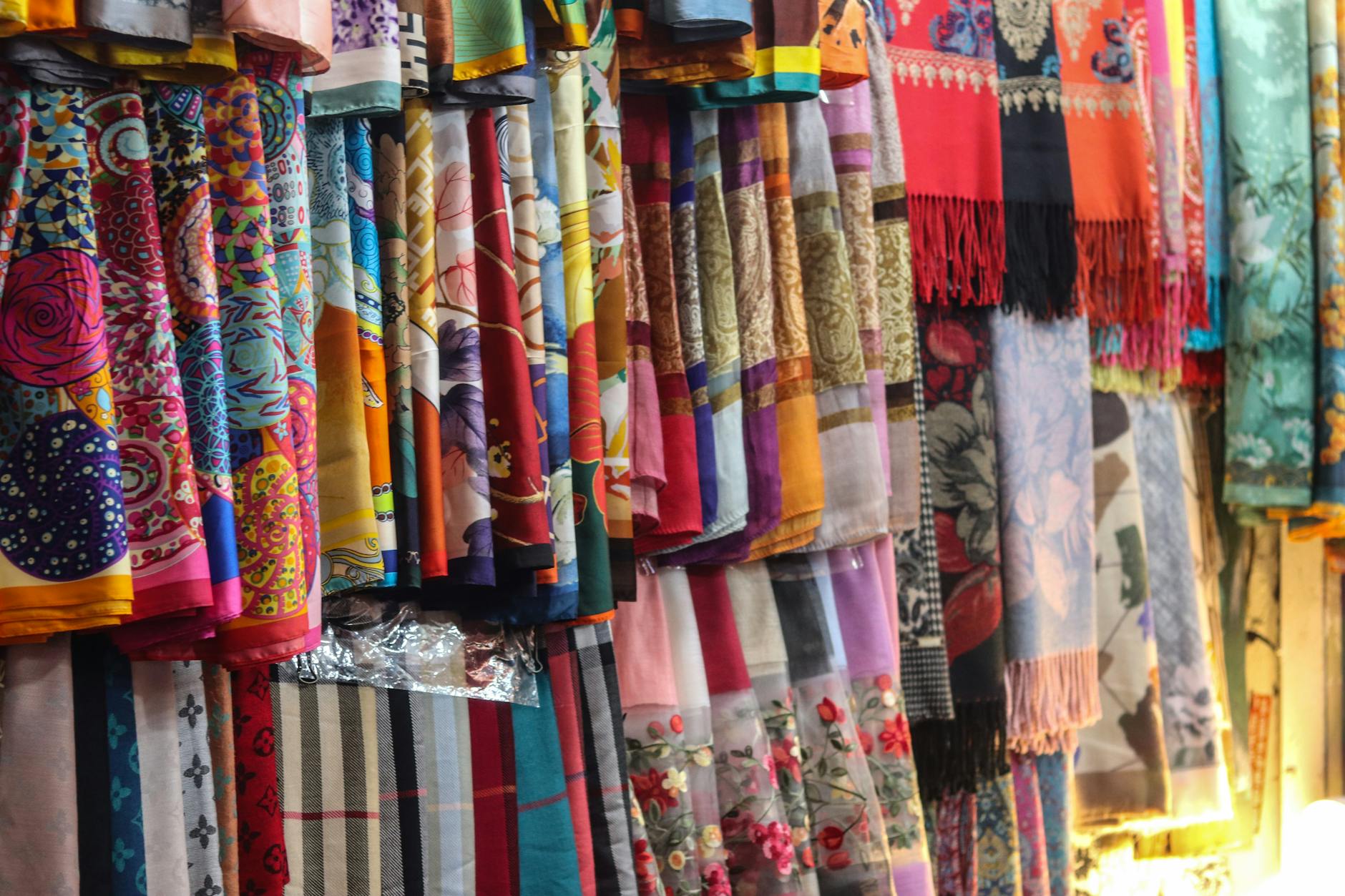
The Silk Market (Xiushui Street) is Beijing’s most famous shopping bazaar for tourists — a seven-storey, air-conditioned warren of hundreds of stalls selling silk, clothing, tailoring, knock-off “brand” goods, electronics accessories, pearls, tea and souvenirs, all at prices that are pure negotiation. It’s a sensory whirlwind where vendors call out and beckon in a dozen languages, and where the sticker price can be five to ten times what you should actually pay. Loved and loathed in equal measure, it’s either a thrilling bargaining playground or a high-pressure tourist trap — and which one you get depends almost entirely on how prepared and confident you are. As of 2026 the golden rules are simple: assume everything is overpriced and many “brands” are fakes, bargain ruthlessly but cheerfully, and aim to pay perhaps 20–30% of the first quote. This guide gives you a floor-by-floor breakdown, what’s worth buying, and the bargaining strategy to win.
The Silk Market isn’t for everyone — if you hate haggling and hard-sell, you may prefer the calmer markets — but approached with the right mindset it’s genuinely fun, and a place where you can pick up tailored silk, cashmere, scarves, pearls and gifts at genuinely good prices once you’ve negotiated well. This guide covers the floor-by-floor layout, what’s actually worth buying, how to spot quality, the all-important bargaining tactics, and how to handle the pressure. Sharpen your haggling skills and dive in.
Beijing Silk Market at a glance
- What
- a seven-storey indoor market (Xiushui) packed with clothing, silk, tailoring, accessories, pearls and souvenirs.
- The deal
- prices are negotiable; expect to pay roughly 20–30% of the first quote.
- Best buys
- tailored silk and cashmere, scarves, custom suits and qipao, pearls, tea, gifts.
- Beware
- most “designer brands” are imitations; quality varies hugely, so inspect carefully.
- Atmosphere
- high-energy, multilingual hard-sell — fun if you’re up for it, exhausting if not.
- Nearest metro
- Yong’anli station (Line 1), right at the market.
- Best for
- confident bargainers, gift shoppers, anyone wanting tailored silk or a haggling adventure.
A floor-by-floor guide
The Silk Market is laid out over several floors, each with its own focus, which helps you target your shopping:
- Basement (B1): shoes, bags, leather goods and luggage, plus leather-care products.
- Floors 1–2: the heart of the bargaining action — clothing, jackets, knitwear, ties, accessories and the famous “boutique corridors” where the haggling is fiercest.
- Floor 3: silk and tailoring — this is the floor to come for authentic Chinese silk clothing, Tangzhuang jackets, qipao (cheongsam) dresses, and bespoke tailoring, where you can have a suit or dress custom-made.
- Floor 4: traditional Chinese goods — tea, porcelain, jade, paintings, calligraphy and souvenirs.
- Upper floors: pearls and jewellery, plus tailors and specialty stalls.
If your time is limited, the silk-and-tailoring floor and the traditional-goods floor are where the genuinely worthwhile, more authentic buys are to be found; the lower clothing floors are more about the haggling sport and the cheap imitation goods than about quality.
What’s worth buying
Despite the reputation for fakes, there are genuinely good buys here if you know where to look. Tailoring is a highlight — you can have a silk or cashmere suit, dress, qipao or shirt custom-made, often within a day or two, at a fraction of Western prices; bring a photo of what you want and allow time for a fitting. Silk scarves, ties and pyjamas make excellent gifts (check it’s real silk — see below). Cashmere and pashmina scarves and sweaters, pearls (the upper-floor pearl stalls can string a custom necklace), tea and porcelain, and Chinese-style gifts are all worth a look. The “branded” clothing, bags, watches and electronics accessories are overwhelmingly imitations — fine if you knowingly want a cheap copy and bargain accordingly, but don’t pay genuine-brand money for them. For ideas on the best authentic keepsakes, see our best Beijing souvenirs guide.
The bargaining strategy
Bargaining at the Silk Market is a contact sport, and the vendors are seasoned professionals who haggle all day, every day — so you need a clear plan before you start. The first quote is wildly inflated, often five to ten times the real price, so don’t anchor to it. The proven approach: when they show you a number (often on a calculator), counter with something around 10–20% of it, then negotiate slowly upward in small increments. Aim to settle at roughly 20–30% of the original asking price; if you pay more than about a third, you’ve likely overpaid. Your most powerful tools are patience and the walk-away — start to leave and the price almost always tumbles, often with the vendor chasing you down the aisle, calculator in hand. Stay friendly and good-humoured throughout; it’s a game, not a fight, and smiling gets better prices than scowling. Other tactics: decide your maximum before you start and stick to it; don’t show how much you want something; bundle items for a better deal; and have the cash ready in the amount you want to pay. Our full bargaining in Beijing guide goes deeper on the psychology and phrases.
Spotting quality (and fakes)
Since quality varies enormously, a little knowledge protects you. For real silk, the fabric should feel smooth, cool and slightly textured, with a soft pearly sheen rather than a harsh shine; genuine silk is surprisingly warm to hold and its threads are very fine and even. For cashmere, look for softness without excessive fuzz, and be sceptical of “100% cashmere” at rock-bottom prices. For pearls, real ones feel slightly gritty when gently rubbed against each other and carry tiny natural imperfections rather than being flawlessly uniform. As for the “designer” labels — assume they’re all fakes, because they almost certainly are; buy them only as knowing, cheap copies, never at prices implying authenticity. The honest framing: come for the genuine silk, tailoring, scarves, pearls and gifts, enjoy the imitation goods as cheap, knowing fun if you like, and never for a moment believe a “brand-name” bargain is the genuine article.
Getting there and surviving the hard-sell
The Silk Market sits right above Yong’anli station on Line 1, in the Jianguomenwai embassy/CBD area, making it very easy to reach. A word on the atmosphere: the vendors are aggressive and persistent, grabbing arms, calling out, and pushing hard — it’s all part of the show, but it can overwhelm. Stay relaxed, keep your sense of humour, and don’t feel obliged to engage or buy; a firm but smiling “bú yào, xièxie” (no thanks) while you keep walking is perfectly fine and expected — more phrases like this are in our guide to getting around when you don’t speak the language. Keep valuables secure in the crowds, and only start bargaining for something you genuinely intend to buy (it’s considered bad form to haggle hard and then walk for no reason). With the right attitude it’s a buzzy, entertaining couple of hours; if the hard-sell isn’t your thing, the quieter Panjiayuan market or the malls may suit you better. The full network is in our breakdown of the subway system.
From outdoor alley to shopping landmark
The Silk Market has a colourful history. It began in the 1980s as an outdoor street market in the Xiushui area near the foreign embassies — a cluster of open-air stalls that grew, thanks to its location and its cheap silk and clothing, into one of Beijing’s most popular tourist haunts, drawing diplomats, expats and visitors for decades. By the early 2000s it had become so crowded and chaotic (and so notorious for counterfeits) that the authorities moved it, in 2005, into the purpose-built multi-storey indoor complex you visit today. The move cleaned up the chaos but kept the spirit: the same fierce bargaining, the same vast range of goods, the same astonishingly multilingual vendors who can switch from English to Russian to Spanish to Arabic mid-sentence to close a sale. Over the years it has hosted a remarkable roll-call of famous visitors, and it remains firmly on the tourist trail. Knowing this backstory helps explain the market’s split personality — part legitimate silk-and-tailoring emporium with genuine heritage, part cheerful counterfeit bazaar — and why it inspires such strongly divided opinions among travellers.
The counterfeit side has long made the Silk Market a flashpoint in debates over intellectual property, and there have been periodic crackdowns over the years. For the shopper, the practical takeaway hasn’t changed: the fakes are abundant and obvious, so buy them (if at all) knowingly and cheaply, and reserve your real money for the genuine silk, tailoring and crafts that give the market its name and its lasting value.
Making the most of the tailoring
For many visitors, the custom tailoring is the single best reason to come, so it’s worth knowing how to do it well. The tailors on the silk floor can run up a suit, shirt, dress, qipao or coat in silk, wool, cashmere or linen, often with a turnaround of a day or two — invaluable if you’re in Beijing for several days. To get a good result: bring a clear reference photo (or a favourite garment to copy), agree the fabric, price and delivery time in writing before paying, and insist on a fitting before final collection so adjustments can be made. Bargain on the price as you would anywhere in the market, but don’t push so hard that quality suffers — good tailoring is worth paying a fair rate for. A made-to-measure silk qipao or a cashmere coat at a fraction of the home price can be a genuinely special, lasting souvenir, far more memorable, and far more worth your money, than a fake handbag. Just leave enough days in your trip for the work and a fitting, and don’t leave it to the last minute.
Payment, timing and the area
A few practicalities round out a successful visit. Payment is increasingly by WeChat Pay or Alipay (both accept linked foreign cards now, and setting them up is one of the things worth sorting before you land), though some stalls still like cash, and having cash in the exact amount you want to pay is itself a bargaining tactic. The market is indoor and air-conditioned, making it a good rainy-day or hot-afternoon option, and it’s open daily into the evening. It sits in the Jianguomenwai / CBD area, so you can easily combine it with the gleaming malls of the central business district — China World Mall and the luxury SKP are nearby — for a contrast between hard-haggle bazaar and fixed-price luxury. If you’re based in this part of town, see our pick of places to stay around the CBD and Chaoyang. Allow a couple of hours; rather longer if you’re having clothes tailored or stringing a custom pearl necklace. And pace yourself: the relentless sales energy is tiring, so it’s fine to take a break at one of the market’s cafés or step out for air. Approached with a plan and a thick skin, the Silk Market is one of Beijing’s most entertaining shopping experiences — and you’ll likely leave with a few genuine bargains among the banter.
Silk Market vs the other markets
It helps to know how the Silk Market compares to Beijing’s other shopping options so you can pick the right one for your mood. The Silk Market is indoor, central, tourist-focused and built around hard bargaining for clothing, silk and copies — the most intense haggling experience in the city. Panjiayuan is the opposite end of the spectrum: open-air, antiques and curios, a treasure-hunt vibe and a more relaxed (if still negotiable) pace. The Hongqiao Pearl Market across from the Temple of Heaven grounds is the specialist for pearls and jewellery, with similar bargaining. Dashilar and Qianmen offer historic, fixed-price traditional brands. And the city’s modern malls provide fixed-price global luxury with no haggling at all. Many visitors enjoy hitting two contrasting spots — say, the Silk Market for tailoring and gifts, then Panjiayuan for curios — to experience the full range. Whichever you choose, the bargaining markets reward preparation, while the malls and time-honoured shops reward those who’d rather just pay a set price and skip the negotiation entirely.
If you only have time for one bargaining market and you’re after wearable goods — silk, scarves, a tailored suit, cashmere, pearls — the Silk Market is the most efficient choice, with everything under one air-conditioned roof and tailors on hand. If you’re after character, curios and a more atmospheric hunt, choose Panjiayuan instead. Knowing what you want before you go is half the battle won.
Silk Market FAQ
What is the Beijing Silk Market?
Also called Xiushui Street, it’s a famous seven-storey indoor tourist market selling silk, clothing, tailoring, accessories, pearls, tea and imitation “brand” goods, all at negotiable prices. It’s known for fierce bargaining and a high-energy atmosphere.
How much should I pay?
Aim for about 20–30% of the first quote; counter their opening number with 10–20% and negotiate up. If you pay more than a third of the asking price, you’ve probably overpaid. Walking away usually drops the price fast.
Is the Silk Market worth visiting?
If you enjoy bargaining and want tailored silk, scarves, cashmere or gifts, yes — it’s fun and good value once you negotiate. If you dislike hard-sell and haggling, you may prefer Panjiayuan or the malls.
Are the goods fake?
The “designer brand” clothing, bags and watches are overwhelmingly imitations. But there’s genuine value in real silk, tailoring, cashmere, pearls, tea and souvenirs — just inspect quality carefully and assume any famous label is a copy.
Can I get clothes tailored there?
Yes — the silk/tailoring floor has tailors who can make suits, dresses, qipao and shirts, often within a day or two. Bring a reference photo, allow time for a fitting, and agree the price and fabric upfront.
How do I get there?
Take Line 1 to Yong’anli station — the market is right there in the Jianguomenwai area. It’s central and easy to combine with the CBD malls or the embassy district.
Is it okay to walk away if I don’t want to buy?
Yes — you’re never obliged to buy, and a polite, smiling refusal as you keep moving is perfectly acceptable. The one bit of etiquette to observe: don’t haggle hard for an item, agree a price, and then walk away for no reason, as making a serious offer is treated as a commitment to buy. Browse freely, but only start negotiating in earnest for something you actually intend to purchase.
The bottom line on the Silk Market
The Silk Market is Beijing’s ultimate bargaining arena — overwhelming, energetic, and genuinely rewarding if you come prepared. Assume everything is overpriced and many brands are fake, counter the first quote with a fraction of it, use the walk-away, and stay cheerful. Head to the silk, tailoring and traditional-goods floors for the real value, get a suit or qipao made, and pick up scarves, pearls and gifts. Win the haggle and you’ll leave with a bag of genuine bargains and a good story to tell; just keep your wits — and your sense of humour — firmly about you.
Sharpen your technique with our bargaining in Beijing guide, browse calmer options at Panjiayuan, and see what’s worth buying in our best Beijing souvenirs guide. For the full overview, see our complete look at shopping in Beijing.