Beijing Shopping
Dashilar Shopping Street: Traditional Shops & Old Beijing Brands
Walk one of Beijing's oldest commercial streets. Traditional herbal medicine shops, silk stores, and centuries-old brands.
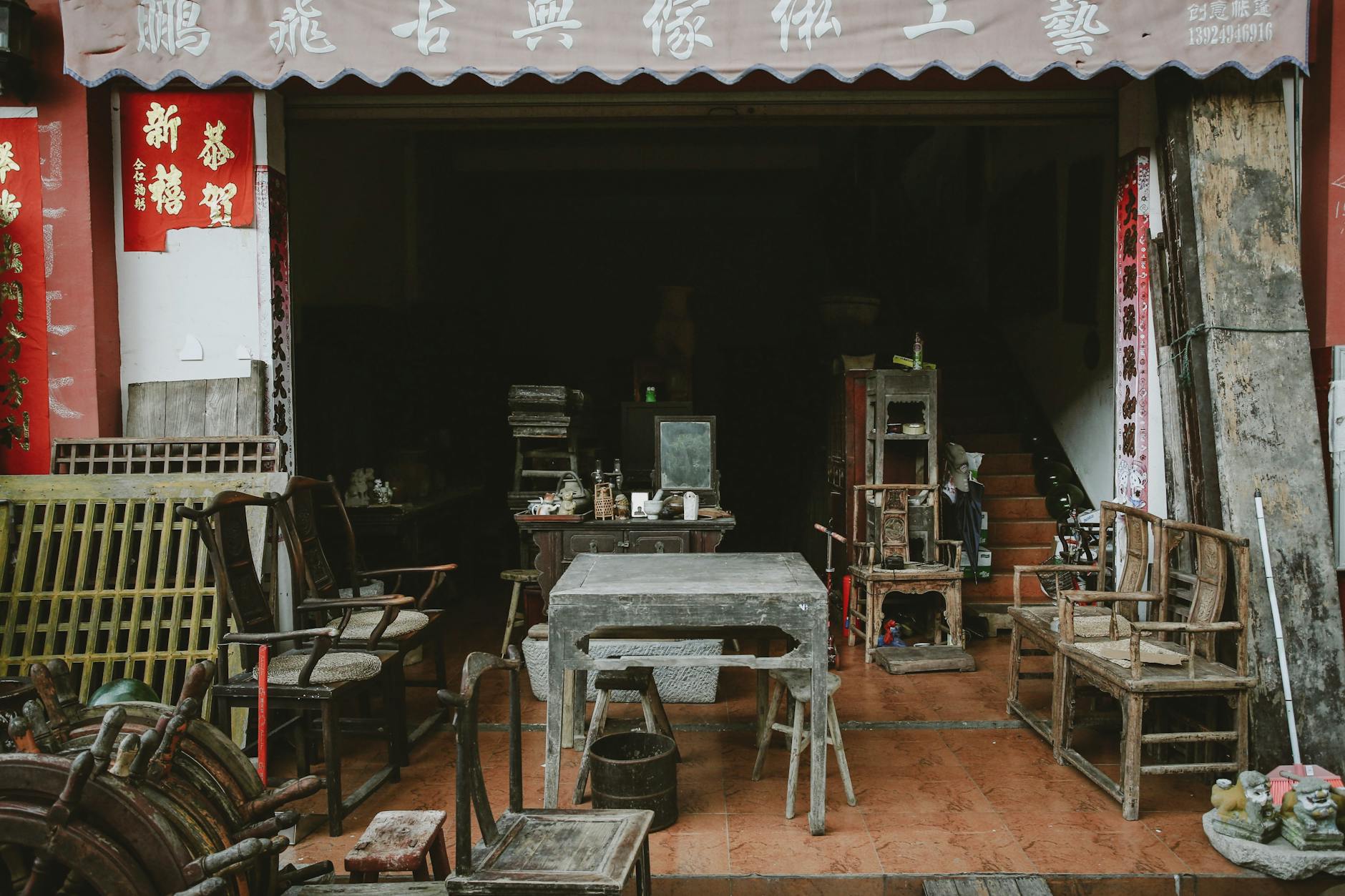
Dashilar (Dazhalan) is one of Beijing’s oldest and most atmospheric shopping streets — a nearly 600-year-old commercial lane just southwest of Tiananmen, packed with century-old “time-honoured” brands selling silk, traditional medicine, cloth shoes, tea and pickles much as they have for generations. Where Wangfujing is all modern malls and the Silk Market all haggling, Dashilar is the place to experience old commercial Beijing: the heady herbal fragrance of the Tongrentang pharmacy (founded in 1669), the bolts of fine silk at Ruifuxiang, the craftsmen hand-stitching cloth shoes in the window at Neiliansheng, and the atmospheric warren of historic hutong lanes spreading out around it. It’s both a living, breathing piece of history and one of the best spots in the city for authentic, quality souvenirs at fixed and fair prices. This guide covers the famous old shops, the history, what to buy, and how to explore this fascinating slice of the old city.
Dashilar is one of my favourite corners of Beijing for a wander — it has genuine, deep history, characterful old shops you simply can’t find anywhere else, and far fewer of the gimmicks and crowds of the main tourist drags. This guide covers the time-honoured brands worth visiting, the area’s remarkable past as Beijing’s commercial and entertainment hub, what makes a genuinely good buy here, and how to combine it with the surrounding sights and lanes. Step back a few centuries into old commercial Beijing.
Dashilar at a glance
- What
- a ~600-year-old commercial street and hutong district just southwest of Tiananmen/Qianmen, famous for time-honoured brands.
- Famous shops
- Tongrentang (medicine, 1669), Ruifuxiang (silk, 1893), Neiliansheng (cloth shoes, 1853), Zhangyiyuan (tea), Liubiju (pickles/sauces).
- Vibe
- historic, atmospheric, less touristy than Wangfujing; mostly fixed prices.
- Also here
- the Daguanlou (China’s first cinema), old Peking Opera theatres, and a maze of hutongs.
- Best buys
- silk, tea, traditional medicine, hand-made cloth shoes, pickles and old-Beijing crafts.
- Nearest metro
- Qianmen (Line 2) — walk south from Tiananmen, then west into Dashilar.
- Time needed
- 1–2 hours, more to explore the surrounding hutongs.
Six centuries of commerce
Dashilar has been a commercial hub for nearly 600 years, since the Ming dynasty. Its curious name (大栅栏, “big fence”) comes from the wooden gates or fences that were once erected at the ends of the lane and locked at night for security. Located just outside the old inner-city wall at Qianmen — and thus outside the zone where commerce and entertainment were restricted — Dashilar flourished as the city’s busiest quarter for business and pleasure. In the late Qing and Republican eras it was famous not just for shops but for entertainment: it was home to grand Peking Opera theatres (Guangdelou and others) crucial to the art form’s development, raucous brothels, teahouses, and the Daguanlou, which screened China’s first-ever film (“Dingjun Mountain,” 1905) and is now a film museum. Walking Dashilar today, restored but still characterful, you’re treading one of the most historically rich and storied commercial streets in all of China. For more on the area’s lanes, see how the old hutong neighbourhoods fit together.
The time-honoured brands
The soul of Dashilar is its cluster of “China Time-Honoured Brands” (lǎo zìhao), shops that have traded for a century or more, several over 300 years. The essential ones to seek out:
- Tongrentang (同仁堂) — the most famous traditional Chinese medicine house in the country, founded in 1669 and once the official supplier of medicines to the Qing imperial court. Even if you buy nothing at all, the herbal-scented hall lined with countless wooden drawers is a sensory time capsule worth stepping into.
- Ruifuxiang (瑞蚨祥) — Beijing’s premier silk store, trading since 1893, which famously provided the silk for the first national flag raised over Tiananmen in 1949. The place to buy quality silk and tailoring with confidence.
- Neiliansheng (内联升) — the celebrated cloth-shoe maker founded in 1853, where you can watch craftsmen hand-stitching the multi-layered cloth soles and buy beautifully made traditional shoes once worn by emperors and officials.
- Zhangyiyuan (张一元) — a beloved old tea house, famous for jasmine tea, the perfect spot to pick up quality leaves as a gift.
- Liubiju (六必居) — a pickle and sauce shop dating back centuries, for an edible, authentically local — and very inexpensive — souvenir.
These shops sell genuine, time-tested quality at fixed, fair prices — a refreshing change from the relentless haggling of the markets — and offer some of the most authentic souvenirs in Beijing. For more gift ideas and where to find them, see our best Beijing souvenirs guide.
What to buy at Dashilar
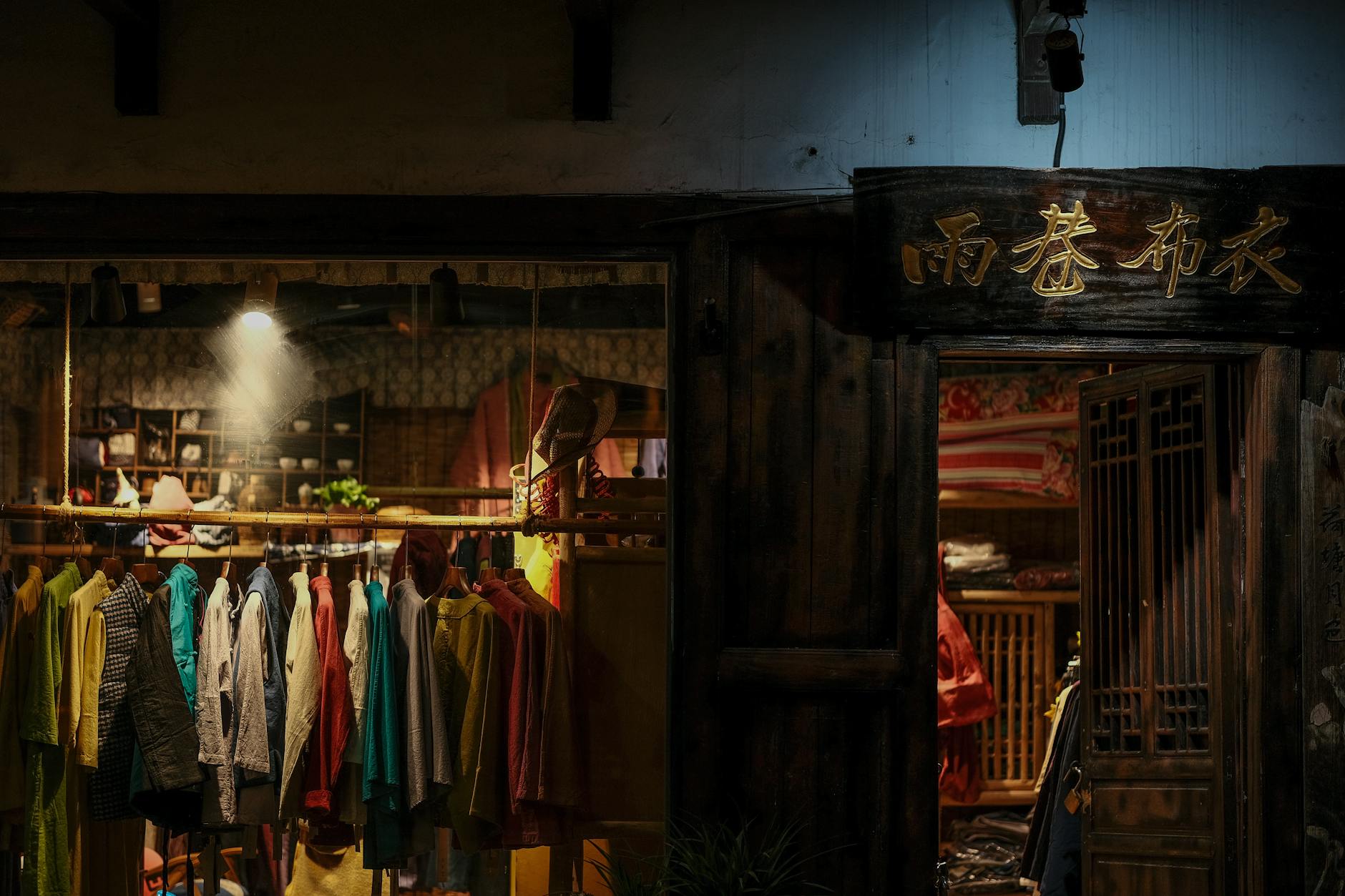
Dashilar is the place for authentic, quality traditional goods rather than cheap trinkets. Top buys: silk (scarves, fabric or tailoring from Ruifuxiang); tea (jasmine and more from Zhangyiyuan); traditional Chinese medicine and herbal tonics from Tongrentang (a fascinating and very local gift, though do check your home country’s customs rules on herbal products before stocking up); hand-made cloth shoes from Neiliansheng; and pickles and sauces from Liubiju for the adventurous foodie. The surrounding lanes and the nearby Liulichang cultural street also offer calligraphy supplies, ink paintings, antiques and crafts. Because the famous brands are fixed-price and reputable, you can buy here with confidence about quality and authenticity — the welcome opposite of the buyer-beware markets across town. It’s arguably the best place in Beijing to pick up a souvenir with genuine craftsmanship and centuries of history behind it.
Getting there and combining your visit
Dashilar runs west off the southern end of Qianmen Street, just southwest of Tiananmen Square. Take Line 2 to Qianmen station, then walk south down the pedestrianised Qianmen Street and turn west into Dashilar. It pairs perfectly with a proper look around Tiananmen Square and the Qianmen area, and with the warren of historic hutongs south of Dashilar — once the city’s old entertainment quarter — which reward a wander. The restored Qianmen Street itself, with its old-style shopfronts and trundling tram, is worth strolling too, though it’s more commercial. A good plan: see Tiananmen, walk down Qianmen Street, then lose yourself in Dashilar, Liulichang and the surrounding lanes for a couple of hours of historic, cultured shopping. The full network is laid out in our guide to riding the metro.
When Dashilar was Beijing’s Broadway
Dashilar wasn’t only about shops — for a long stretch of its history it was the entertainment heart of Beijing, and that legacy is part of what gives the area its character. During the late Qing and early Republican periods, the lanes around Dashilar were crammed with opera theatres, teahouses, restaurants and brothels. Five grand theatres once stood here, including Guangdelou, and they were crucial to the development of Peking Opera — many of the art form’s legendary performers made their names on these stages. The Daguanlou, at the western end of the street, holds a special place in Chinese cultural history: it was the country’s first cinema and the place where China’s very first film, “Dingjun Mountain” (a recording of a Peking Opera performance), was screened in 1905. It still operates today and houses a small film museum displaying stills and artefacts from that pioneering history. So as you browse the silk and tea shops, remember that you’re walking through what was once the buzzing nightlife and cultural district of the whole of old Beijing — a kind of historic theatreland and red-light district layered over the busy commercial street.
This rich blend of commerce and culture is exactly why Dashilar feels so different from any modern shopping street: it carries the weight of centuries of Beijing life, from the medicine hall that served emperors to the very stages that helped shape Peking Opera into a national art form. Taking a moment to notice the old theatre facades and the Daguanlou among the shops turns a shopping stroll into a walk through living history.
The hutongs around Dashilar
Don’t confine yourself to the main pedestrianised lane — the real magic of the area lies in the warren of hutongs that fans out south and west of Dashilar. This was historically a dense, lively and somewhat raffish quarter, and while parts have been restored and gentrified, many of the surrounding lanes retain a genuine, lived-in old-Beijing feel, with small shops, local eateries, grey-brick courtyard homes and the unhurried rhythm of everyday Beijing life. It’s a wonderful area to simply wander and get a little lost, away from the polish of Qianmen Street. The contrast between the smart restored main street and the rougher, more authentic back lanes is part of the experience. If you enjoy this kind of exploring, our hutong walking tours guide has more routes, and the area connects to the broader story in our Beijing hutongs guide.
The neighbourhood has also become a quiet hub for design and creativity in recent years, with some of the old courtyards repurposed as boutiques, cafés, galleries and design studios as part of a sensitive regeneration of the Dashilar area. So alongside the centuries-old brands, you’ll also find pockets of contemporary Beijing creativity — a nice reflection of the way the city layers old and new, much as it does in the hutongs and the 798 Art District.
Tips for visiting Dashilar
- Come for authenticity, not bargains — the time-honoured brands are fixed-price and reputable, which is the point.
- Visit Tongrentang even if you buy nothing — the herbal-scented hall is a sensory experience in itself.
- Explore the back lanes, not just the main street, for the genuine old-Beijing atmosphere.
- Combine with Tiananmen and Qianmen for an efficient, walkable half-day.
- Check customs rules before buying herbal medicines or large quantities of tea to take home.
- Watch for the Daguanlou and old theatre facades as you walk — they’re easy to miss but full of history.
- Go on a weekday if you can, for a calmer, more atmospheric wander.
Above all, slow down and soak it in. Dashilar rewards the visitor who treats it as a stroll through living history rather than a quick shopping dash — pausing in the old shops, noticing the craftsmanship and the heritage, and wandering the lanes. It’s one of the few places in fast-changing, fast-modernising Beijing where you can still genuinely feel the texture of the old commercial city, and that lingering sense of history, as much as anything you might actually buy, is the real souvenir you take away.
Dashilar vs Beijing’s other shopping streets
It helps to understand where Dashilar fits among Beijing’s shopping options. Compared to Wangfujing, its more famous neighbour, Dashilar is older, more historic and far less mall-dominated — fewer global brands, more century-old Chinese institutions, and a more authentic atmosphere (though Wangfujing wins for modern convenience and air-conditioning). Compared to the bargaining markets like the Silk Market and the Panjiayuan flea market, Dashilar is fixed-price and reputable, so you trade the thrill (and risk) of haggling for the reassurance of quality and authenticity. And compared to the luxury malls, it’s a world apart — heritage and craft rather than international glamour. For travellers who want to buy meaningful, genuine Chinese goods while experiencing a slice of old Beijing, Dashilar arguably offers the best balance of any shopping area in the city. Many visitors enjoy pairing it with one of the markets — Dashilar for trustworthy quality buys, a market for affordable curios and the bargaining experience — to get the full range.
A detour to Liulichang
While you’re in the Dashilar–Qianmen area, it’s well worth extending your wander a little west to Liulichang (琉璃厂), Beijing’s famous “culture street.” This restored, antique-styled lane has been the centre of the city’s trade in calligraphy and painting supplies, ink stones, brushes, books, antiques and art for centuries, and it’s where scholars and collectors have long come to browse. The shops here — including venerable names like Rongbaozhai, famous for its woodblock prints and art reproductions — make it the place to buy quality “four treasures of the study,” classical paintings, seals and scholarly objects, as well as to admire the elegant grey-brick, traditional-style architecture. It’s noticeably quieter and more refined than Dashilar’s commercial bustle, and a natural complement for anyone interested in Chinese art and calligraphy (pair it with our calligraphy workshops guide). Together, Dashilar and Liulichang make a wonderful half-day of historic, cultured shopping just south of Tiananmen — old-Beijing commerce and scholarship side by side.
Dashilar FAQ
What is Dashilar?
Dashilar (Dazhalan) is one of Beijing’s oldest commercial streets, nearly 600 years old, just southwest of Tiananmen. It’s famous for its cluster of century-old “time-honoured” brands selling silk, medicine, tea, cloth shoes and more, and for its rich history as old Beijing’s commercial and entertainment hub.
What are the must-visit shops?
Tongrentang (traditional medicine, 1669), Ruifuxiang (silk, 1893), Neiliansheng (hand-made cloth shoes, 1853), Zhangyiyuan (tea) and Liubiju (pickles and sauces). Each is a living piece of Beijing history.
Is Dashilar touristy?
It’s restored and does get visitors, but it’s far more authentic and less gimmicky than Wangfujing, with genuine historic shops and atmospheric hutongs around it. The surrounding lanes in particular feel like real old Beijing.
Can I bargain at Dashilar?
The famous time-honoured brands are fixed-price and reputable — no bargaining needed, and you can buy with confidence about quality. Small stalls in the surrounding lanes may be negotiable; see our guide to bargaining in Beijing if you want to test your haggling there or save it for the markets.
How do I get to Dashilar?
Take Line 2 to Qianmen station, walk south down Qianmen Street, and turn west into Dashilar. It’s a short walk from Tiananmen Square, making it easy to combine.
How long should I spend?
One to two hours for the main street and shops, more if you explore the surrounding historic hutongs and Qianmen Street. It combines well with Tiananmen for a half-day.
What else is near Dashilar?
Plenty. Tiananmen Square and the restored Qianmen Street are right next door, the antique-and-art culture street of Liulichang is a short walk west, and the historic hutongs south of Dashilar reward an unhurried wander. It’s an easy area to combine sightseeing, shopping and old-Beijing atmosphere into a single rewarding half-day.
The bottom line on Dashilar
Dashilar is where you shop in old Beijing’s footsteps — a 600-year-old street of time-honoured brands where you can buy genuine silk, tea, medicine and hand-made shoes with confidence, and soak up the atmosphere of the city’s historic commercial heart. Skip the haggling and the gimmicks of the bigger tourist streets and come here instead for authenticity, deep history, craftsmanship and dependable quality. Pair it with Tiananmen, Liulichang and the surrounding hutongs, and you’ll discover one of the most rewarding, atmospheric and genuinely characterful shopping experiences in the entire city.
Combine it with nearby Wangfujing and the art street of Liulichang, decide exactly what to buy with our best Beijing souvenirs guide, and see the whole scene in our tour of the city’s markets and shopping streets. New to the city? Start with our big-picture guide to visiting Beijing.