The 798 Art District (Dashanzi) is Beijing’s coolest neighbourhood — a sprawling complex of 1950s Bauhaus-style factories transformed into the city’s hub of contemporary art, design boutiques, indie cafés and creative culture. Where so much of the rest of Beijing is imperial and ancient, 798 is industrial-chic, edgy and forward-looking: world-class galleries like UCCA and Pace fill cavernous former workshops, giant sculptures and street art line the lanes, and stylish shops and coffee bars occupy the raw brick-and-pipe spaces in between. Best of all, the district itself is free and open around the clock — you only pay for individual ticketed exhibitions — making it a wonderfully relaxed, browse-as-you-please day out with no pressure or fixed route. This guide covers the best galleries, the shopping and cafés, what to see, opening hours, and how to get the most from Beijing’s creative heart.
798 is where I send anyone who wants a break from temples and palaces — it’s a completely different, contemporary side of Beijing, and a brilliant place to wander freely, gallery-hop, shop for design and art, and linger over good coffee for an afternoon. This guide covers the major galleries, the creative shopping and dining, the art and architecture, practical visiting info, and how it fits into a Beijing trip. Bring a camera, comfortable shoes and a curious, open eye.
798 Art District at a glance
- What: a contemporary art district in converted Bauhaus-era factories in northeast Beijing (Dashanzi).
- Cost: free to enter and wander; individual galleries/exhibitions may charge (typically ¥30–120).
- Top galleries: UCCA Center for Contemporary Art, Pace Beijing, Galleria Continua, the Hive Center.
- Also here: design boutiques, bookshops (Time Zone 8), cafés, restaurants, street art and sculptures.
- Hours: the district is open 24/7; most galleries run roughly 10am–6pm, many closed Mondays.
- Nearest metro: Line 14 to Wangjing South or Dongfeng Beiqiao, then a short walk or bus.
- Time needed: 2–4 hours (2 for highlights, half a day for art lovers).
From factory to art hub
798’s story is one of the most striking transformations in modern Beijing. The complex was built in the 1950s as a state electronics factory (Factory 798 among them), designed by East German architects in a clean, functional Bauhaus style — all sawtooth roofs, exposed brick, soaring workshop halls and overhead pipework. As state industry declined in the 1990s, the cheap, characterful, light-filled spaces began attracting artists and galleries, who moved into the abandoned workshops. By the 2000s a fully fledged art district had emerged, and despite periodic tensions, rising rents and creeping gentrification it has grown into one of Asia’s most important contemporary-art zones, a powerful symbol of China’s cultural opening and restless creative energy. Walking the lanes today, you’ll see the industrial heritage everywhere — old slogans still painted on factory walls, machinery left as sculpture, the raw concrete and brick now framing cutting-edge art. That striking fusion of socialist-era heavy industry and cutting-edge contemporary creativity is exactly what gives 798 its singular, unmistakable atmosphere.
The best galleries
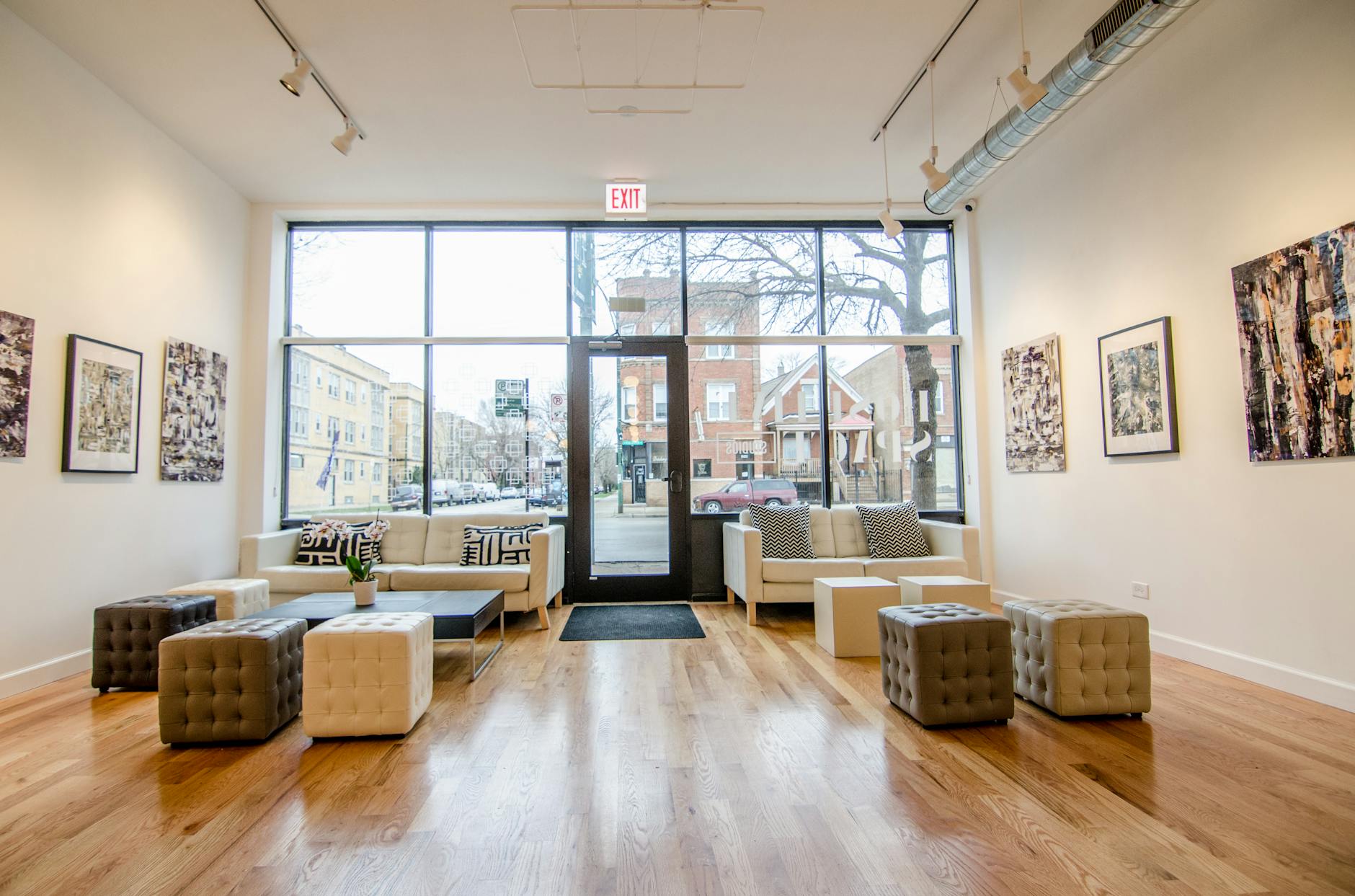
798 is, first and foremost, about the galleries, and you could spend a whole day gallery-hopping. The anchor is the UCCA Center for Contemporary Art (尤伦斯), the district’s flagship institution, housed in a vast Bauhaus hall and mounting major, world-class exhibitions of Chinese and international artists — always check what’s on, as it’s usually the headline show. Nearby, international heavyweights Pace Beijing and Galleria Continua occupy dramatic industrial spaces, and the Hive Center for Contemporary Art showcases a dozen exhibitions a year of emerging and established Chinese artists across its galleries. Beyond these, dozens of smaller galleries, project spaces and studios fill the district, ranging from blue-chip to experimental — so simply wandering and dipping into whatever catches your eye is part of the fun. Many galleries are free; the big-name exhibitions (especially UCCA’s) charge admission. It’s quite simply the best place in Beijing to take the pulse of contemporary Chinese and international art under one (sawtooth) roof.
Shopping, cafés and street art
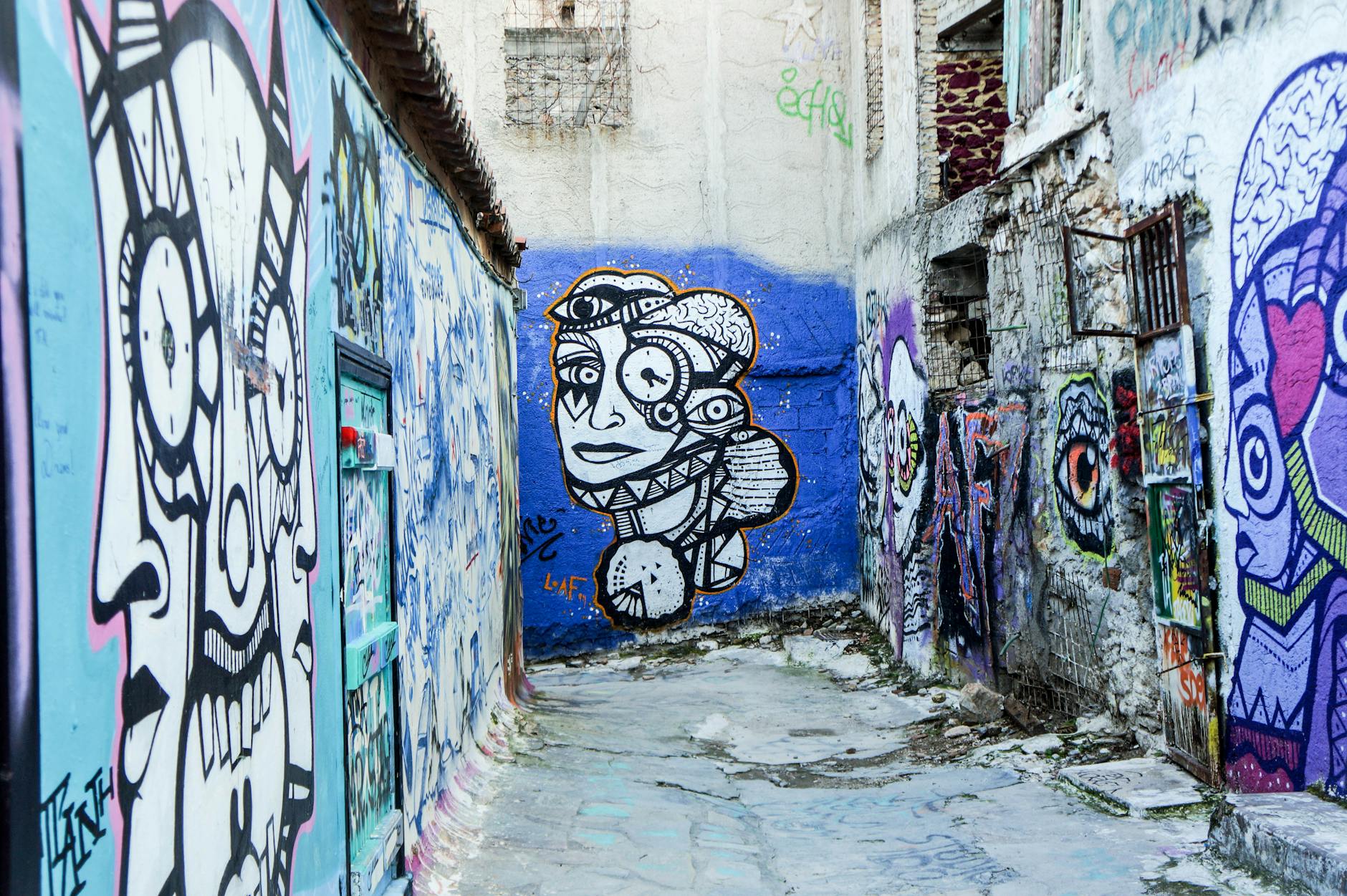
798 is much more than galleries — it’s a brilliant place for creative shopping and lingering. The lanes are dotted with design boutiques and concept stores selling original clothing, jewellery, ceramics, prints, posters and quirky homeware from independent Chinese designers — perfect for the kind of unique, contemporary souvenirs and gifts you simply won’t find in the tourist markets across town. Bookshops like the renowned Time Zone 8 specialise in art, design and photography titles. And the district is full of stylish, characterful cafés and restaurants set in the old industrial spaces, making it an ideal, characterful place to refuel — Beijing’s increasingly strong specialty coffee scene is very well represented here. Everywhere, the public spaces double as an open-air gallery: large-scale sculptures, murals and street art fill the lanes and courtyards (including some famous pieces among the old factory infrastructure), so the walking between galleries is every bit as visually rich as the art hanging inside them. It is, in short, wonderfully photogenic at every turn.
Practical visiting info
A few practicalities make for a smooth visit. The district is open 24/7 and free to enter and wander, but the galleries keep their own hours — typically around 10am–6pm or 11am–7pm — and a significant number are closed on Mondays, so avoid Monday if galleries are your focus. Getting there: take Line 14 to Wangjing South or Dongfeng Beiqiao, then a short bus ride (routes 403, 445 or similar) or a 10–15 minute walk; a taxi or DiDi is easy too, as 798 is in the northeast near the airport expressway. Plan 2–4 hours — two for a highlights wander, half a day or more for serious gallery-hopping. There’s a visitor map at the entrances to help you navigate the maze of lanes. Wear comfortable shoes for all the walking, and note that 798 is a standalone destination a fair way out from the central sights, so it works best planned as its own dedicated half-day rather than squeezed in. The full network is in our Beijing subway guide.
What to expect as you wander
Part of 798’s appeal is that it rewards aimless wandering as much as targeted gallery visits. The district is a genuine maze of lanes threading between the old factory buildings, and half the pleasure is turning a corner to find a giant sculpture, a mural, a quirky boutique or a hidden café you weren’t expecting. You’ll pass preserved industrial relics — old boilers, gantries, painted Mao-era slogans left on the brickwork as a deliberate counterpoint to the contemporary art — alongside playful public installations and ever-changing street art. The crowd at 798 is young, creative and refreshingly international, with art students, street photographers, fashionable young locals and curious tourists all mingling among the lanes. It’s a place to slow down, follow your curiosity, and let the visual richness wash over you, rather than to tick off a fixed list. Bring a camera (it’s one of the most photogenic spots in Beijing), comfortable shoes, and a willingness to get a little lost among the lanes — that’s exactly how you’ll stumble on the district’s best surprises.
Do grab a map at one of the entrances or save an offline one, though, because the layout genuinely is confusing and the most famous galleries and installations can be easy to miss otherwise. Beyond the core 798 area, the neighbouring 751 D·Park (a former gasworks, now a design and event space with dramatic industrial structures) is worth exploring too, and serious art-lovers can venture out to the nearby Caochangdi art village for more cutting-edge, experimental and less commercial galleries.
When to go and seasonal notes
798 is enjoyable year-round, but timing affects the experience. Spring and autumn are ideal, with mild weather perfect for wandering between the indoor galleries and the outdoor sculptures and cafés. In summer the galleries offer welcome air-conditioning, though the open lanes can be hot; in winter, dress warmly for the walks between buildings but enjoy the cosy cafés. As for the day of the week: weekdays are calmer and better for unhurried gallery-viewing, while weekends bring a livelier buzz, more pop-up events and markets, but bigger crowds — and remember that many galleries close on Mondays. The district sometimes hosts art festivals, design weeks and special events, particularly in the warmer months, which can be a highlight if your visit coincides with one — it’s worth checking what’s on. Aim to arrive late morning so galleries are open, leaving time to wander, see a show or two, shop, and settle into a café as the afternoon winds down.
Who 798 is for (and how it fits your trip)
798 is a wonderful change of pace, but it suits some travellers more than others. It’s a near-essential stop for art and design lovers, photographers, creative types and younger travellers, and a refreshing half-day for anyone suffering “temple fatigue” after days of imperial sights. It’s also great for unique, contemporary souvenir shopping, for photographers chasing striking industrial-chic backdrops, and for relaxed coffee-and-culture downtime away from the crowds. It’s less essential if your interests are purely historical or if your time in Beijing is very short — in which case the ancient sights take priority. Because it’s out in the northeast of the city, away from the main cluster of attractions, treat it as its own dedicated outing rather than something to squeeze between palaces; it pairs naturally with the nearby Sanlitun area, a short ride away, for dinner, drinks or more shopping afterwards. For most visitors with three or more days in Beijing, though, 798 earns its place: it shows you a side of the city — young, creative, contemporary, cosmopolitan — that the Forbidden City and the Great Wall simply can’t, and rounds out a fuller picture of what modern Beijing is really like.
One small planning tip worth repeating: because the galleries (rather than the district) are the main draw for most visitors, and because so many close on Mondays, it really does pay to schedule 798 for a Tuesday-to-Sunday and to glance at the major galleries’ current shows before you go. A quick check of what’s on at UCCA in particular can transform a pleasant wander into a genuinely memorable encounter with a world-class exhibition — and there’s nothing more disappointing than arriving on a Monday to find the headline spaces shuttered.
798 Art District FAQ
What is the 798 Art District?
It’s Beijing’s main contemporary art district, set in a complex of converted 1950s Bauhaus-style factories in the northeast of the city. It’s full of galleries, design shops, cafés, street art and sculpture — the creative, modern counterpoint to Beijing’s ancient sights.
Is 798 free to visit?
Yes — the district is free to enter and open 24/7, and many galleries are free too. The big-name exhibitions (like those at UCCA) charge admission, typically ¥30–120.
What are the best galleries at 798?
UCCA Center for Contemporary Art is the flagship and a must; Pace Beijing, Galleria Continua and the Hive Center are also excellent. Beyond these, dozens of smaller galleries reward wandering. Check what’s on before you go.
When should I avoid visiting?
Mondays, when many galleries are closed. The district itself is always open, but for art you’ll want a Tuesday–Sunday visit during gallery hours (roughly 10am–6pm).
How do I get to 798?
Take Line 14 to Wangjing South or Dongfeng Beiqiao, then a short bus (403/445) or 10–15 minute walk. A taxi or DiDi is also easy. It’s in the northeast of the city, away from the central sights.
Is 798 good for non-art-lovers?
Yes — even if you skip the galleries, the industrial architecture, street art, design shops, cafés and photogenic lanes make it an enjoyable, relaxed wander. It’s a great change of pace from the historic sights.
The Bauhaus architecture
Even setting the art aside, 798 is worth visiting for its architecture. The factories were built in the 1950s with East German and Soviet assistance in a austere, functional Bauhaus-influenced style rarely seen elsewhere in China — and rarely seen anywhere else in Beijing, a city otherwise defined by imperial and contemporary buildings. The defining feature is the dramatic sawtooth roofline, with angled north-facing windows designed to flood the workshops with even, glare-free natural light (ideal, as it turns out, for displaying art). Inside, the soaring halls, exposed steel trusses, overhead pipework and raw brick create exactly the kind of vast, light-filled “white cube” spaces that contemporary galleries love. The deliberate preservation of industrial details — the old machinery, the painted slogans, the gantries — set against sleek modern art makes for a constant, fascinating dialogue between China’s socialist industrial past and its creative present. For anyone interested in architecture, design or photography, the buildings themselves are as much of a draw as anything hanging on their walls, and they’re a big part of why the district has the distinctive, atmospheric character that’s made it so beloved.
How much time should I spend at 798?
Two hours for a highlights wander taking in a couple of galleries, the street art and a café stop; half a day or more if you’re a keen art-lover wanting to explore the major galleries and the wider district properly. It’s easy to lose a whole relaxed afternoon here.
Can I buy art and souvenirs at 798?
Yes — alongside the galleries (some of which sell works), the district is full of design boutiques and concept stores selling original prints, ceramics, jewellery, clothing and homeware from independent Chinese designers, plus excellent art and design bookshops. It’s one of the best places in Beijing for distinctive, contemporary souvenirs and gifts.
Is 798 suitable for families?
It can be — the open lanes, big outdoor sculptures, street art and space to roam appeal to many children, and some exhibitions are interactive. It’s a relaxed, stroller-friendly environment, though the focus is contemporary art rather than kid-specific attractions. See our Beijing with kids guide for more family ideas.
The bottom line on the 798 Art District
The 798 Art District is the coolest, most contemporary corner of Beijing — a creative playground of world-class galleries, design boutiques, indie cafés and striking street art set in atmospheric old Bauhaus factories. Free to wander and endlessly photogenic, it’s the perfect antidote to temple fatigue and a vivid window into modern China’s cultural energy and creativity. Check the gallery hours (avoid Mondays), head to UCCA for the headline show, browse the independent design shops for unique souvenirs, and linger over good coffee among the industrial-chic lanes and sculptures.
Pair it with Beijing’s craft beer and coffee scene, try a hands-on calligraphy or art workshop, and see the full retail picture in the Beijing shopping guide. New to the city? Start with the complete Beijing travel guide.