Beijing Food Guide
Beijing Food Guide: What & Where to Eat (2026)
Beijing is one of the greatest places on Earth to eat. That’s not hyperbole — it’s the conclusion you’ll reach after your first week here. As China’s capital for over 800 years, the city has pulled in cooking traditions from every province, every dynasty, every immigrant community that passed through its gates. The result is a food scene that runs from imperial-grade Peking duck to a ¥10 breakfast crepe eaten standing on a pavement corner, and both experiences can be extraordinary. This guide covers the essential dishes, the best places to eat them, and the practical knowledge to navigate it all — from the first jianbing of the morning to the last crayfish on Ghost Street at midnight.
Peking Duck: Beijing’s Defining Dish
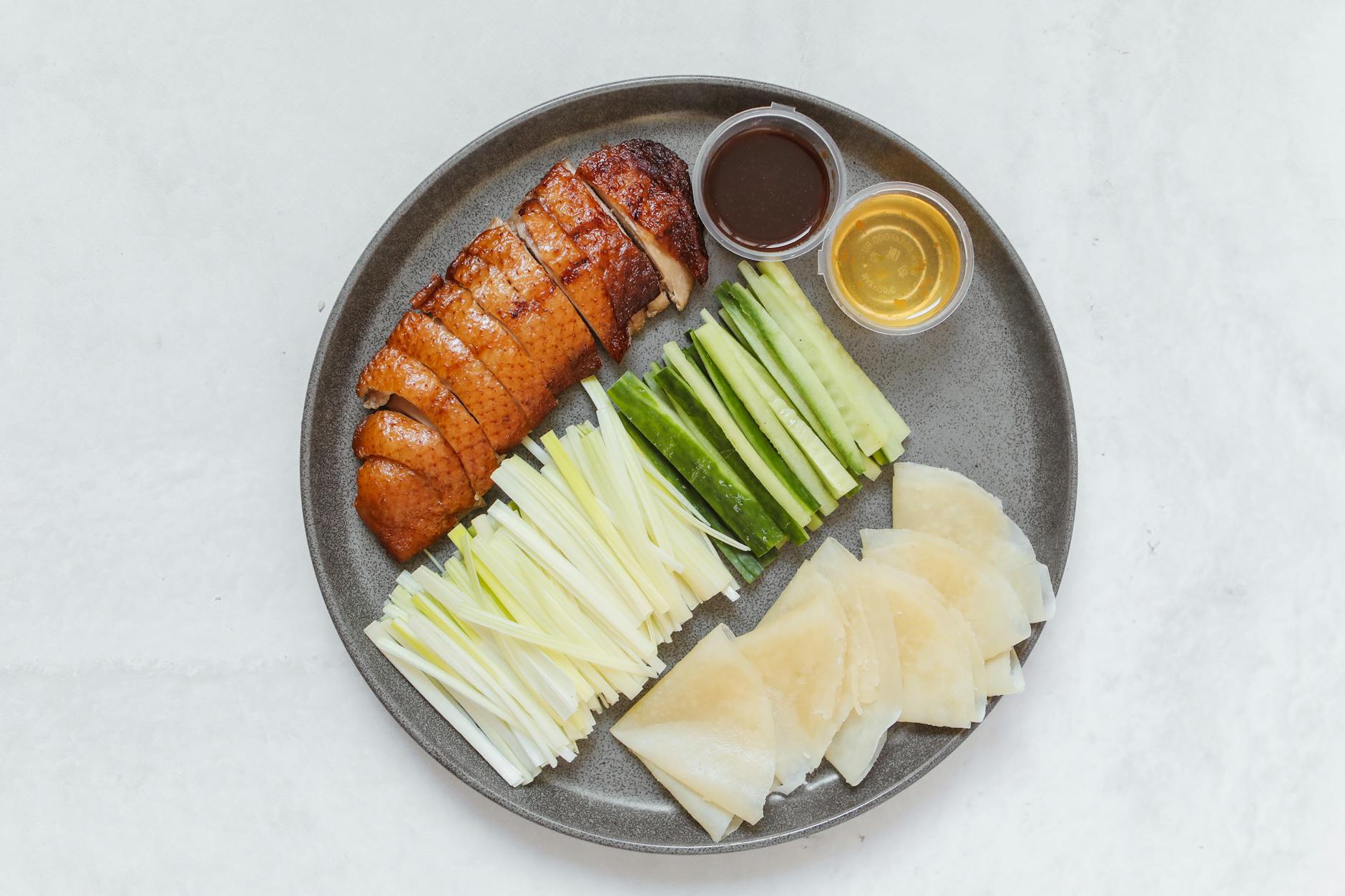
Peking duck (北京烤鸭, Běijīng kǎoyā) dates back to the imperial kitchens of the Ming Dynasty, where it was perfected for emperors before the restaurants opened to the public. The preparation is methodical and slow: the duck is air-dried for up to 48 hours, then roasted in a wood-fired oven until the skin crisps to a lacquered mahogany shell while the meat stays tender. It’s a dish that rewards the effort, which is why the best versions are still made by specialists who’ve been doing this for decades.
The traditional way to eat it: thin slices of crispy skin and juicy meat wrapped in delicate flour pancakes with julienned scallions, cucumber strips, and sweet bean sauce (tianmianjiang). Most restaurants bring the duck in courses — the prized skin first, then the meat, and finally a rich soup from the bones. Don’t skip the soup. For the full breakdown of which restaurant to choose and why, see the best Peking duck restaurants in Beijing.
Where to Eat Peking Duck
Quanjude (全聚德) — Founded in 1864, Quanjude is the most famous Peking duck institution in Beijing. Their flagship on Qianmen Street uses the traditional open-flame fruitwood roasting technique, unchanged for 160 years. Tourists dominate the dining room, but the quality earns its reputation. Around ¥200–300 per person.
Da Dong (大董) — Widely regarded as Beijing’s finest Peking duck. Da Dong’s “super-lean” roasting method produces extraordinarily crispy skin with less fat than traditional approaches. The restaurant provides a handbook on different ways to enjoy the duck — use it. Michelin-quality presentation. Budget ¥300–500 per person.
Siji Minfu (四季民福) — The locals’ top pick, and for good reason. The branch near the Donghua Gate of the Forbidden City offers exceptional quality at sensible prices, with views of the palace walls while you eat. Arrive 30 minutes before opening or accept a queue. Around ¥150–250 per person.
Bianyifang (便宜坊) — Dating to 1416, older than Quanjude, using a distinctive closed-oven technique now listed as National Intangible Cultural Heritage. The flavor profile is subtler than open-flame versions — connoisseurs notice the difference. ¥150–200 per person.
Li Qun Roast Duck (利群烤鸭) — Deep in a hutong alley, no frills, genuinely good. The intimate setting and traditional preparation feel like eating in someone’s home. ¥120–180 per person.
Essential Beijing Dishes You Need to Try
Jiaozi (饺子) — Dumplings
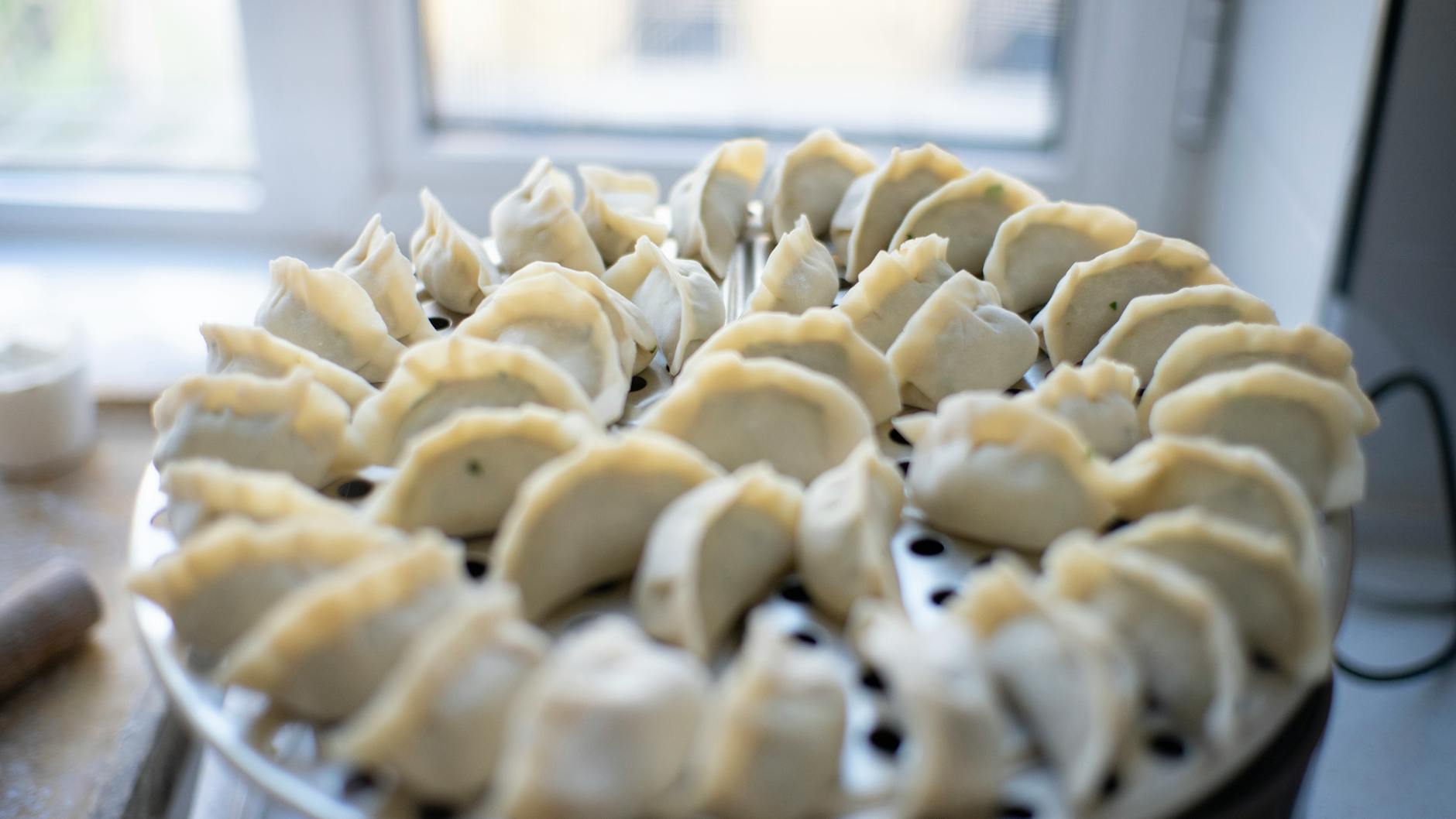
Eating dumplings in Beijing is non-negotiable. Beijing-style jiaozi come in pork and chive, lamb and carrot, shrimp and egg, or seasonal vegetable varieties, and they’re served boiled (shuǐjiǎo), steamed (zhēngjiǎo), or pan-fried (guōtiē, the pot stickers). Family-run dumpling shops hand-fold each one to order, and watching the process is worth arriving early. Baoyuan Jiaozi Wu near the Workers’ Stadium makes colorful dumplings with natural vegetable dyes; Xian’er Lao Man Jiaozi Guan offers over 100 varieties. Both are excellent.
Zhajiangmian (炸酱面) — Fried Sauce Noodles
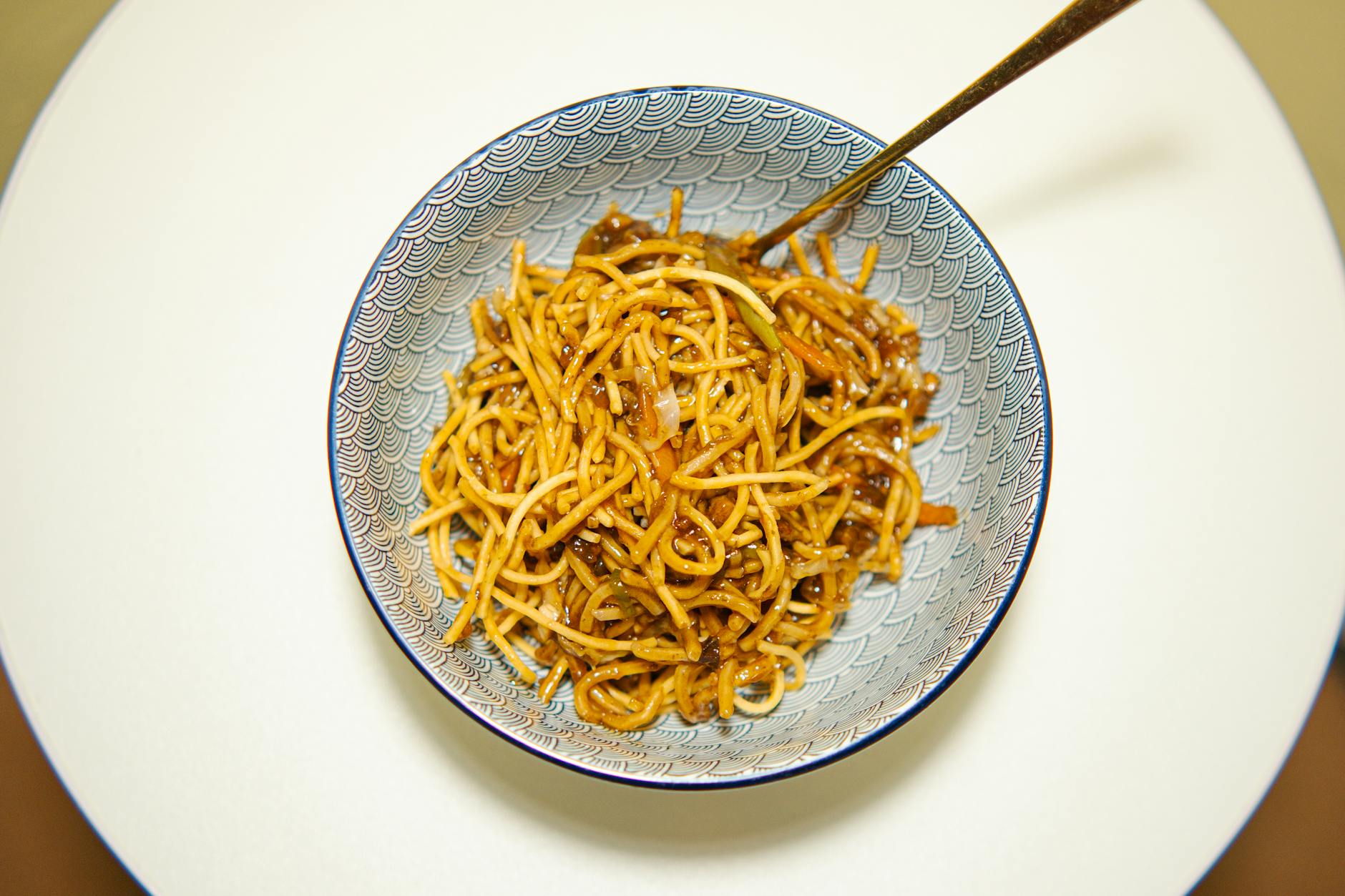
If Beijing has a single signature comfort dish, this is it. Thick, chewy hand-pulled noodles topped with a deep, savory sauce made from fermented soybean paste stir-fried with diced pork, then garnished with shredded cucumber, radish, edamame, and bean sprouts. Mix everything together thoroughly before eating — the dish is designed to be combined. A bowl costs ¥15–30 at most local restaurants, making it one of the best-value meals in the city. Hai Wan Ju is a popular local chain that does a reliable version, but you’ll find excellent zhajiangmian at countless neighborhood spots throughout the hutongs.
Beijing Hot Pot (涮羊肉) — Instant-Boiled Lamb
Beijing’s hot pot is a different animal from the fiery Sichuan version. The traditional approach uses a copper pot filled with clear, mild bone broth, heated by a central charcoal chimney. Paper-thin slices of high-quality lamb are the star — you swish them briefly in the bubbling broth until just cooked, then dip them in rich sesame paste (zhīmájiàng) blended with fermented tofu, chili oil, and cilantro. It’s slow, social, genuinely warming. In winter, it’s arguably the best meal in Beijing. The full hot pot guide covers the best restaurants and how to navigate the sesame sauce situation.
Best Hot Pot Restaurants
Dong Lai Shun (东来顺) — Established in 1903, the gold standard for traditional Beijing copper-pot hot pot. Their hand-sliced lamb is legendary — thin enough to see light through. The Wangfujing branch is most convenient. ¥100–200 per person.
Nan Men Shuan Rou (南门涮肉) — A local favorite for premium lamb and authentic charcoal copper pots. No-frills atmosphere, serious hot pot. ¥80–150 per person.
Hai Di Lao (海底捞) — For first-timers, this is the right choice. Exceptional service, individual pot options, English touchscreen menus, and tableside entertainment. ¥120–200 per person.
Beijing Street Food: The Snacks Worth Seeking Out
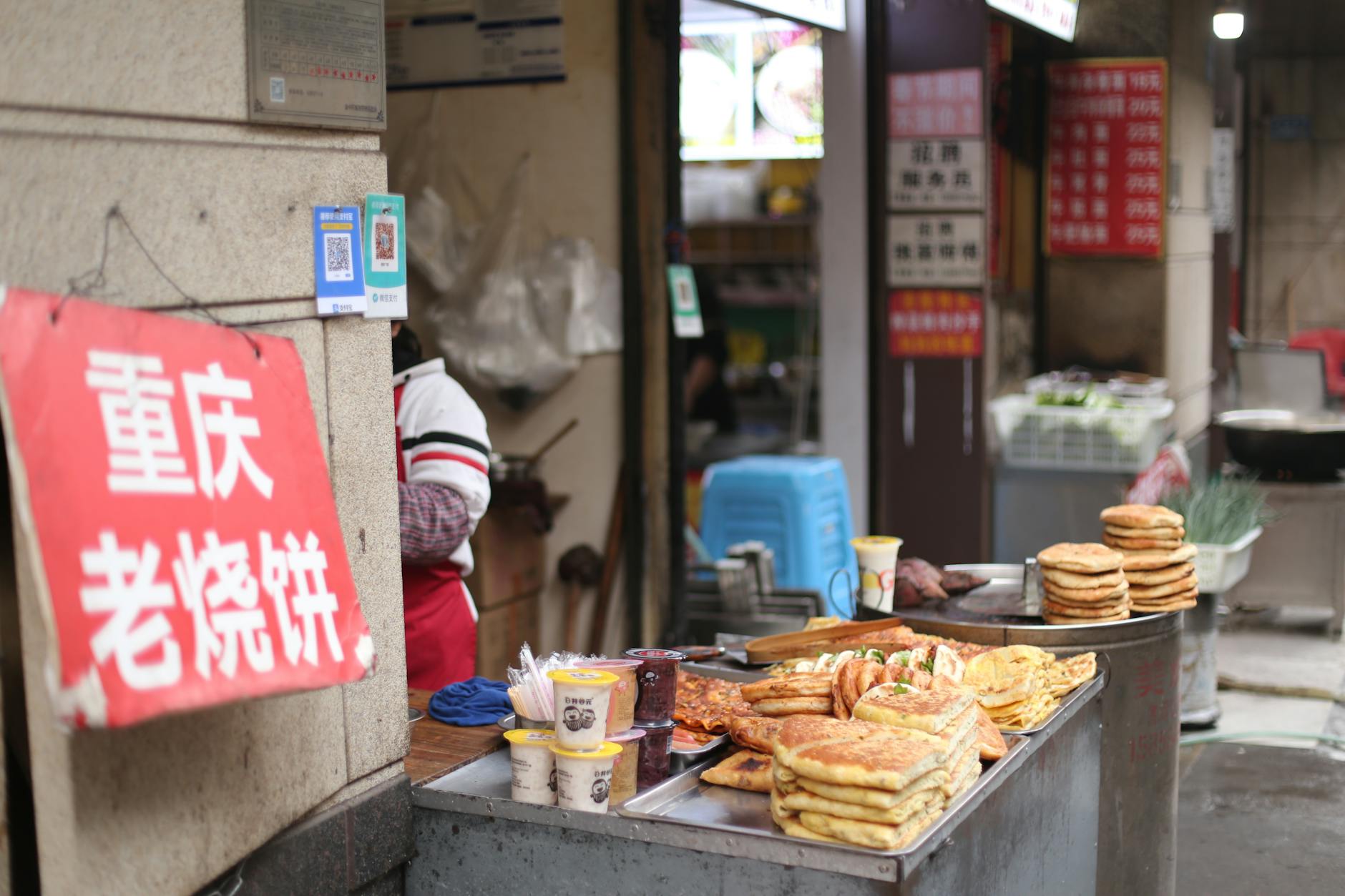
Street food is where Beijing’s food personality really shows. The snacks here have centuries of refinement behind them — not fusion experiments, not trends, just good food that people have been eating every morning for generations. The dedicated street food guide goes deeper on locations and what to order, but here are the ones to know first.
Jianbing (煎饼) — Savory Breakfast Crepes
Jianbing is the quintessential Beijing breakfast — and one of the most satisfying street foods anywhere. On a hot circular griddle, a thin mung bean and wheat flour batter is spread into a crepe, topped with a cracked egg, sprinkled with scallions and cilantro, brushed with savory bean paste and chili sauce, then folded around a crispy fried cracker. The combination — silky crepe, crunchy cracker, soft egg — is genuinely addictive. You’ll find vendors outside almost every subway station between 6–10 AM for ¥8–15. Follow the longest line of commuters. Vendors who’ve been there for years consistently outperform the newcomers.
Tanghulu (糖葫芦) — Candied Fruit Skewers
These candied fruit skewers are particularly good in autumn and winter. The classic version uses hawthorn berries dipped in a crackly sugar glaze; modern variations now include strawberries, grapes, kiwi, and cherry tomatoes. The tart fruit against the sweet shell is a combination that earns its popularity. ¥10–20 per skewer throughout tourist areas. Nanluoguxiang has creative versions with chocolate and yogurt coatings.
Lamb Skewers (羊肉串 — Yángròu Chuàn)
Cumin-spiced lamb grilled over open charcoal — brought to Beijing by Xinjiang and Hui Muslim communities, and now the city’s unofficial late-night snack. The best versions feature generous chunks of tender lamb seasoned liberally with cumin, chili flakes, and salt. After dark, follow the smoke rising from hutong streets. ¥5–10 per skewer.
More Street Snacks Worth Knowing
Baozi (包子) — Steamed buns stuffed with pork, vegetables, or sweet red bean paste. Qingfeng Baozi Pu is a beloved chain. ¥2–6 per bun. Roujiamo (肉夹馍) — Crispy flatbread pockets stuffed with slow-braised spiced meat, originally from Xi’an but everywhere in Beijing now. ¥10–15 each. Malatang (麻辣烫) — Build-your-own spicy soup: pick your ingredients from a display, they cook them in a numbing broth. Filling meal for ¥20–40. Lǜdòu Gāo (绿豆糕) — Delicate mung bean cakes that dissolve on your tongue. Traditional, subtly sweet, excellent with tea.
Where to Find Beijing’s Best Street Food
Wangfujing Snack Street (王府井小吃街)
Beijing’s most famous food street attracts millions of visitors yearly with over 100 stalls offering everything from tanghulu to fried scorpions and starfish. Some locals dismiss it as a tourist trap — fair enough — but it’s genuinely fun as a sensory introduction to street food culture. Prices start at ¥5–10 per snack. Steps from Wangfujing subway station (Line 1).
Nanluoguxiang (南锣鼓巷)
This 800-meter hutong blends traditional snack shops with craft cafes and creative food vendors. Excellent jianbing, artisanal tanghulu with modern coatings, craft ice cream in unusual flavors, and authentic Beijing yogurt served in ceramic pots (Běijīng suānnǎi). The surrounding hutong alleys hide some excellent small restaurants worth exploring. Nearest subway: Nanluoguxiang (Line 6/8).
Qianmen Street (前门大街)
This historic pedestrian street south of Tiananmen Square combines old Beijing architecture with vendors selling roasted chestnuts, baozi, tanghulu, and traditional snacks. Several heritage restaurants including Quanjude’s original branch are here. Ideal for combining sightseeing and eating near the historical attractions of central Beijing.
Jiumen Xiaochi (九门小吃)
This curated food court gathers many of Beijing’s traditional snack vendors under one roof, preserving recipes passed down for generations. A practical place to sample a wide variety of old Beijing snacks in an organized setting. Try the lǜdòu gāo (mung bean cakes), àiwōwō (sticky rice balls), and dòuzhīr (fermented mung bean juice — an acquired taste, but authentically Beijing).
Ghost Street (Guijie): Late-Night Beijing at Its Best
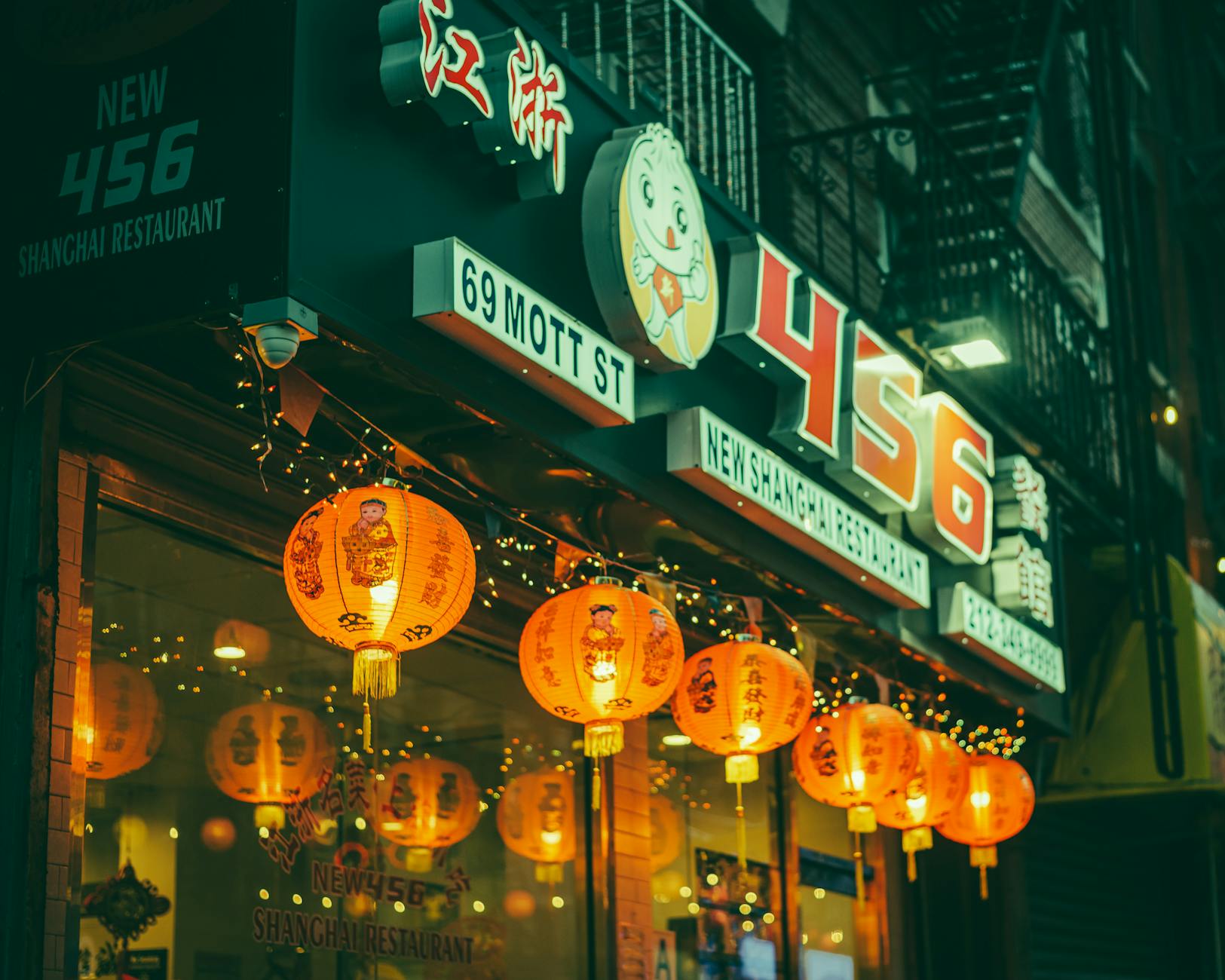
Guijie (簋街) is a kilometer-long stretch of over 150 restaurants in Dongcheng District, lit by thousands of red lanterns and open well past midnight — many serve until 2–4 AM. This is where Beijingers eat when hunger hits after hours. The street is known above all for málà xiǎolóngxiā (spicy crayfish), piled high on tables across the strip. Hu Da Restaurant is the local institution for crayfish — expect queues, but the tender, spiced crustaceans are worth it. Beyond crayfish, you’ll find Wanzhou grilled fish, spicy bullfrog, lamb skewers, and Sichuan-style dishes. A meal runs ¥50–100 per person. Come from 8 PM onward. The full Ghost Street guide maps out the best restaurants and what to order. Nearest subway: Beixinqiao (Line 5).
Beijing Night Markets: Where to Eat After Dark
Beijing’s after-dark food culture goes well beyond Ghost Street. The city has several night markets and late-night food areas where the atmosphere is excellent and the eating is serious. The Beijing night markets guide covers all of them in detail — including which vendors are worth the queue and which to skip. In brief: Wangfujing comes alive after dark, Sanlitun has solid late-night options for international food, and the area around Houhai lake has dozens of spots that stay open past midnight. The hutong food scene at night is its own reward — quiet noodle shops, small restaurants with communal tables, and the kind of casual cooking that doesn’t need a sign to find its customers.
Beijing Breakfast: Start Your Day Like a Local
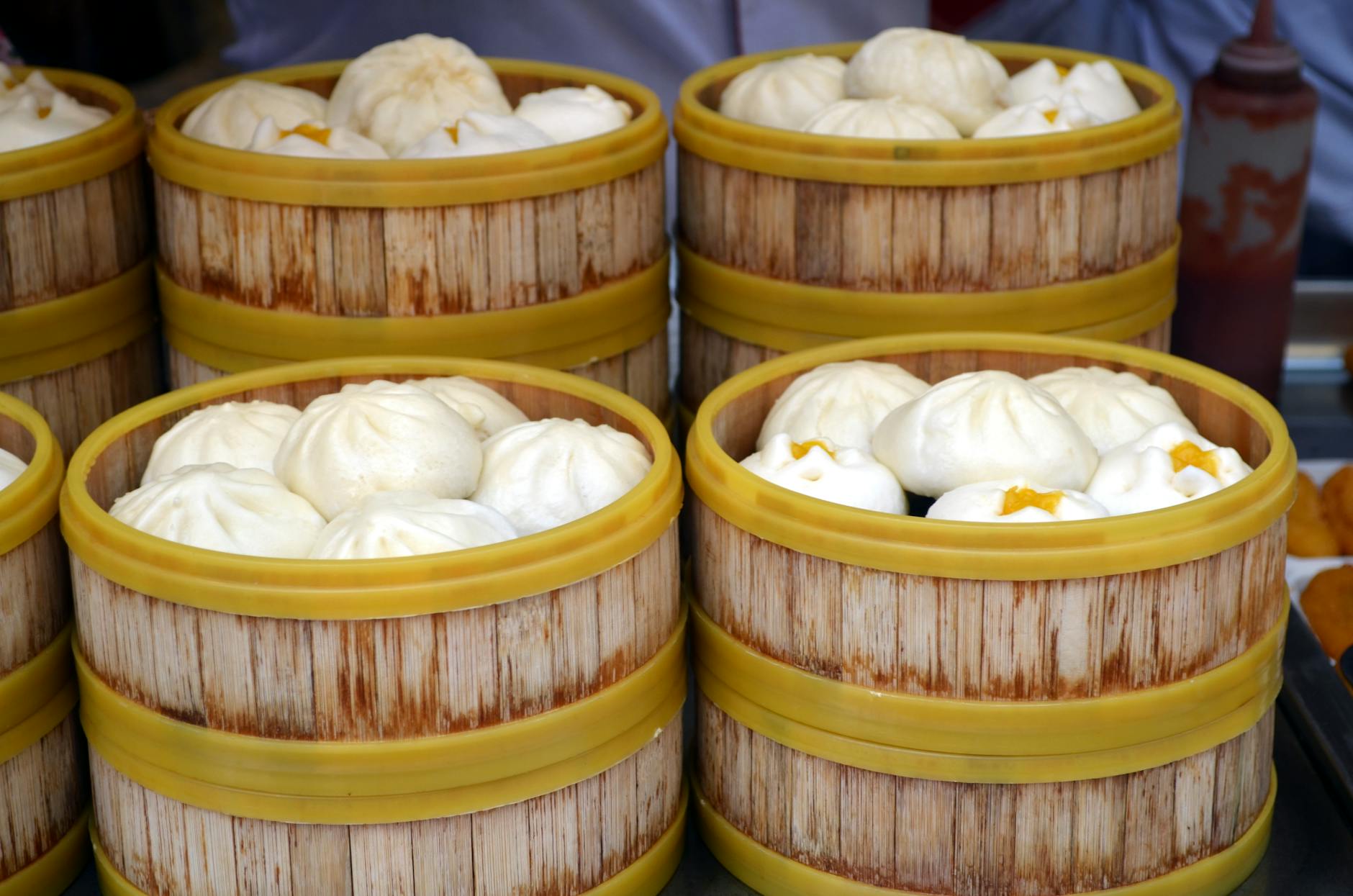
The breakfast scene here is genuinely one of the best things about Beijing. Locals eat between 6–9 AM at street vendors or small neighborhood shops — not hotel buffets. The Beijing breakfast guide goes deep on every option, but here’s what you need to know:
Doujiang + Youtiao (豆浆 + 油条) — Hot, fresh soy milk paired with golden fried dough sticks. Dip the crispy youtiao into the warm doujiang. ¥5–8 for both. Baozi (包子) — Steamed buns stuffed with pork, beef, or vegetables from neighborhood shops. ¥2–6 each. Douzhir (豆汁儿) — Fermented mung bean drink, polarizing, beloved by old Beijingers. The sour, pungent flavor is challenging. Usually served with jiāoquān (fried dough rings) and pickled vegetables. Consider it a rite of passage. Jīdàn Guànbǐng (鸡蛋灌饼) — Egg-stuffed flatbread, crispy outside, fluffy within, served with lettuce and sauces. ¥6–10. For the most authentic experience: find a residential neighborhood, not a tourist area, and look for the stall with the longest line of commuters.
Hutong Food Tours: Eating Beijing’s Old Neighborhoods
Some of the best food in Beijing isn’t in restaurants — it’s in the hutong alleys, where tiny shops serve a single dish perfected over decades and breakfast vendors set up before dawn. A morning spent eating your way through the alleys is one of the most rewarding ways to eat here, combining the architecture of old Beijing with the cooking that grew up in its courtyards. Guided tours typically run 3–4 hours and include half a dozen tastings — dumplings, noodles, street snacks, local sweets — with commentary on the neighborhood history. Private tours can be tailored to specific neighborhoods or dietary preferences. The Dongcheng hutong area is the most popular route, but the Xicheng hutongs near Niujie have excellent halal food worth seeking out independently too.
Vegetarian and Vegan Dining in Beijing
Beijing’s vegetarian scene is considerably better than most visitors expect. The city has a long Buddhist culinary tradition, and dedicated plant-based restaurants (素食餐厅, sùshí cāntīng) offer creative, satisfying menus that go well beyond mock meat. King’s Joy (京兆尹), a Michelin Two-Star restaurant near the Lama Temple, serves refined vegetarian cuisine in a courtyard setting — one of the best vegetarian fine-dining experiences in Asia. For budget options, Buddhist temple restaurants near the major temples offer simple, clean food at very reasonable prices. The vegetarian and vegan Beijing guide covers restaurant recommendations across all budgets, as well as the Chinese phrases you need to communicate dietary restrictions clearly.
Fine Dining: Michelin-Starred Restaurants in Beijing
Beijing’s fine dining scene has transformed dramatically in recent years. The 2025 MICHELIN Guide Beijing recognizes 33 starred restaurants. Two hold Three Stars — Chao Shang Chao and Xin Rong Ji — both offering extraordinary tasting menus at ¥1,500–3,000 per person. Four restaurants hold Two Stars, including King’s Joy (also a Green Star for sustainability). For more accessible Michelin-quality meals, Beijing has 21 Bib Gourmand restaurants where you can eat superbly for under ¥100 per person. These represent some of the best-value serious dining anywhere in China.
Craft Beer and Coffee in Beijing
The craft beer and specialty coffee scenes in Beijing have grown significantly over the past decade. Sanlitun and Wudaoying hutong are the centers of both — you’ll find well-regarded local breweries like Great Leap Brewing and Beijing-roasted specialty coffee within walking distance of each other. The craft beer and coffee guide covers the best spots by neighborhood, including which hutong cafes are worth a detour and where to find excellent Beijing-made beer on tap. If you’re planning to explore the city’s nightlife, knowing the beer scene helps — the best craft beer bars in Sanlitun are also strong evening destinations.
Beijing Cooking Classes: Learn the Dishes Yourself
Taking a cooking class is one of the most useful things you can do in Beijing. You’ll learn techniques and flavor combinations that make every Chinese meal you cook at home better — and you’ll understand the food you’re eating for the rest of the trip differently. Beijing cooking classes range from quick dumpling workshops to half-day sessions covering dumplings, noodles, and stir-fries. Many are held in hutong courtyards, which adds considerably to the experience. Most classes include a market visit to source ingredients and end with eating what you’ve made. Prices typically run ¥300–600 per person for a group class, or ¥800–1,500 for a private session.
Practical Tips: How to Navigate Beijing’s Food Scene
How to Order
Most Beijing restaurants use QR code ordering via WeChat — scan the table code, browse the menu (usually with photos), select items, pay from your phone. For tourists without a Chinese number, this can be tricky. Alternatives: many restaurants in tourist areas have picture menus, so pointing works. Ask for an English menu: “Yǒu yīngwén càidān ma?” Google Translate’s camera feature can translate menu items in real time — download the app and Chinese offline pack before you arrive. International credit cards are accepted at mid-range and upscale restaurants; small street vendors prefer cash or Alipay/WeChat Pay.
Dietary Restrictions
Carry a card in Chinese stating your restrictions. Useful phrases: “Wǒ chī sù” (I eat vegetarian), “Wǒ bù chī zhūròu” (I don’t eat pork), “Wǒ duì huāshēng guòmǐn” (I’m allergic to peanuts). For halal dining, look for Arabic script and green signage — Beijing has an established Muslim community with strong halal restaurants, particularly around the Niujie (Ox Street) Mosque area. For gluten-free diets: soy sauce in China typically contains wheat, and many sauces use flour-based thickeners. Rice dishes and hot pot (where you control your ingredients) are the safest options. Our guide for Muslim travellers goes through the whole system.
Etiquette Worth Knowing
Don’t tip — it causes confusion. Tea is usually free — most restaurants serve complimentary tea; leave the lid ajar to signal a refill. Sharing is the default — order several dishes for the table, not individual plates. Peak hours are 11:30 AM–1 PM for lunch and 6–8 PM for dinner; arrive early at popular spots. Food safety is generally good at established restaurants and busy street vendors — high turnover means fresh food.
Beijing Food by Neighborhood
Dongcheng District — Ghost Street, Wangfujing Snack Street, and Nanluoguxiang make this Beijing’s food epicenter. You’ll also find Siji Minfu’s famous Forbidden City branch and numerous hutong restaurants here. Ideal for food-focused travelers. Combine food exploration with a hutong walk through the surrounding alleys.
Xicheng District — The Niujie area has Beijing’s best halal and Muslim cuisine. Qianmen Street has heritage restaurants and traditional snacks. Several old Beijing zhajiangmian shops are here too.
Chaoyang District — Beijing’s modern dining hub: Michelin-starred restaurants, international cuisine, upscale hot pot. The Sanlitun area is the place for craft beer and modern Chinese fusion. Da Dong’s flagship is here.
Haidian District — Near the universities, so excellent budget dining and authentic regional Chinese restaurants. Good for adventurous eaters who want to eat where students from across the country actually eat.
What It Costs to Eat Well in Beijing
One of the genuinely great things about Beijing is that extraordinary food is available at every price point. Budget (¥50–100/day) — Jianbing for breakfast (¥10), noodles or dumplings for lunch (¥20–30), street snacks through the day (¥10–20), a basic restaurant dinner (¥30–40). You’ll eat well. Mid-range (¥150–300/day) — Add a proper Peking duck meal, a hot pot dinner, or a Bib Gourmand restaurant. This is the sweet spot for experiencing Beijing’s food scene properly. Splurge (¥500+/day) — Michelin dining, premium Peking duck at Da Dong, upscale hot pot, cocktails afterward. Beijing’s fine dining offers remarkable value compared to equivalent restaurants in London, Tokyo, or New York.
The single most reliable rule: eat where locals eat. If a restaurant is packed with Chinese families, the food is almost certainly good. Empty restaurants near tourist sites are usually overpriced and forgettable. Use Dianping (大众点评, China’s equivalent of Yelp) to find top-rated spots — even without reading Chinese, the star ratings and photos are useful.
Seasonal Foods: What to Eat and When
Spring (March–May) — Fresh spring rolls, shepherd’s purse dumplings (荠菜饺子), and fragrant Chinese toon (xiāngchūn) dishes appear on menus. Outdoor dining begins. Summer (June–August) — Cold noodles (liángmiàn), chilled cucumber salads, iced doujiang, and Beijing yogurt in ceramic pots are everywhere. Crayfish season peaks on Ghost Street. Autumn (September–November) — The best season for food. Roasted chestnuts fill the air with their smell, tanghulu season begins, hairy crabs (dàzháxiè) arrive on restaurant menus as a seasonal delicacy. Winter (December–February) — Hot pot at its peak. Candied sweet potatoes (báshī dìguā), lamb spine stew (yángxiēzi), and warming mutton soup become cold-weather staples. Winter has an argument for being Beijing’s best eating season.
Getting Around to Eat
Beijing’s best food is spread across the city, but the subway makes multi-neighborhood eating days easy. Most food streets are within walking distance of a station. A logical approach: Peking duck near the Forbidden City at Siji Minfu, jianbing from your hotel-area vendor in the morning, Nanluoguxiang for snacks after visiting the hutongs, Ghost Street for a late dinner. If you’re visiting the Great Wall, eat a solid breakfast beforehand — restaurant options near the wall can be limited and overpriced, especially at the quieter sections like the lakeside stretch at Huanghuacheng. For a curated introduction to the food scene, a guided hutong food tour will show you places that are genuinely difficult to find solo. For broader trip planning, our full walkthrough of the city covers transportation, neighborhoods, and logistics.
Detailed Food Guides
These guides go deeper on each topic covered above:
- Best Peking Duck in Beijing — every major restaurant compared, with honest assessments of what you get for the price
- Beijing Street Food Guide — what to eat, where to find it, and which vendors are worth the detour
- Beijing Hutong Food Tour — guided and self-guided options for eating through the old city
- Beijing Night Markets — the best after-dark food spots beyond Ghost Street
- Vegetarian and Vegan Beijing — restaurant recommendations and menu navigation for plant-based diners
- Beijing Breakfast Guide — the full picture of how Beijing starts its mornings
- Beijing Hot Pot Guide — copper pot vs. Sichuan, best restaurants, how to order the sesame sauce
- Beijing Craft Beer and Coffee — the best local breweries and specialty cafes by neighborhood
- Ghost Street (Guijie) — the complete guide to Beijing’s most famous late-night dining strip
- Beijing Cooking Classes — where to learn dumplings, noodles, and more from local chefs