Beijing Itineraries
4 Days in Beijing: The Core Three, Then a Day of Your Own
Four days done well: the standard three-day core kept tight, then five honest options for the fourth day compared on time, cost and whether they are worth it.
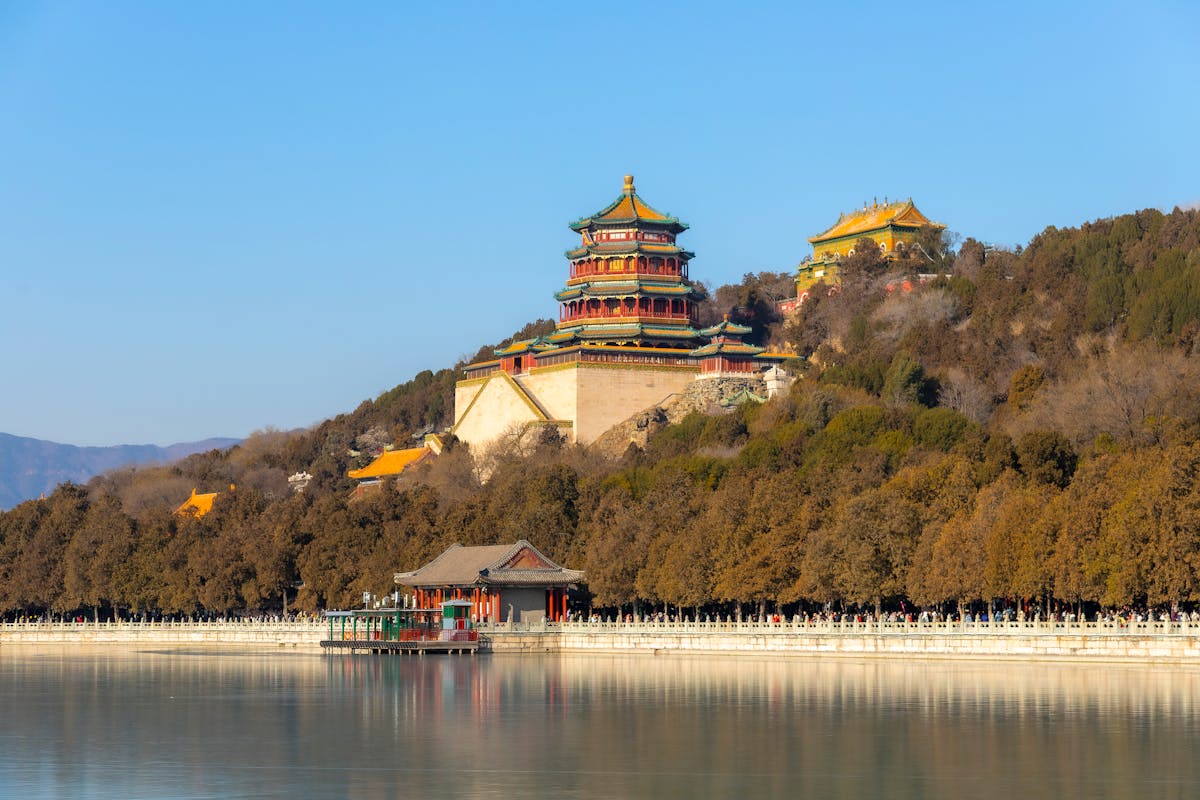
Three days in Beijing covers the four things everyone comes for. The fourth day is the first one you actually get to choose, and that makes it the most interesting day of the trip — and the easiest to waste. This 4 days in Beijing itinerary keeps the first three days tight so the fourth can be spent deliberately, and it sets out the five realistic ways to spend it with an honest verdict on each.
What follows: the three-day core in compressed form, then the fourth day compared option by option — a wilder stretch of Wall, the ruined Old Summer Palace and the 798 galleries, the Ming Tombs, Gubei Water Town, or a high-speed train to Tianjin. Plus the reordering that a spare day lets you do, which is worth more than any single sight. Prices checked September 2026; treat them as the right order of magnitude.
What the fourth day actually buys
Two things, and the second matters more than the first.
The obvious one is another destination. The less obvious one is slack. With three days, every one of them is load-bearing: a bad-air morning, a booking that did not release, a stomach that disagreed with the hotpot, and something falls out of the trip entirely. With four, you can move the Great Wall to whichever day has the best forecast, put the Forbidden City wherever its ticket landed, and still finish with everything seen. If you take one thing from this page, take that — build the fourth day as a floating day, not as a fixed fourth item on a list.
The four days at a glance
| Day | Plan | Cost | Effort |
|---|---|---|---|
| One | Tiananmen, Forbidden City, Jingshan, Beihai, Shichahai, duck | ~¥180 plus dinner | 9–11 km, flat |
| Two | Mutianyu Great Wall, evening at the Lama Temple or a show | ~¥370 | 3 h of steps |
| Three | Temple of Heaven at opening, Summer Palace all afternoon | ~¥95 | 8–10 km |
| Four | Your choice — see below | ¥25–800 | Varies wildly |
Days one to three, compressed
These three days are the standard first-visit sequence and they are written out hour by hour elsewhere on the site, so here is only what changes when you have a fourth day in hand.
Day one — the central axis
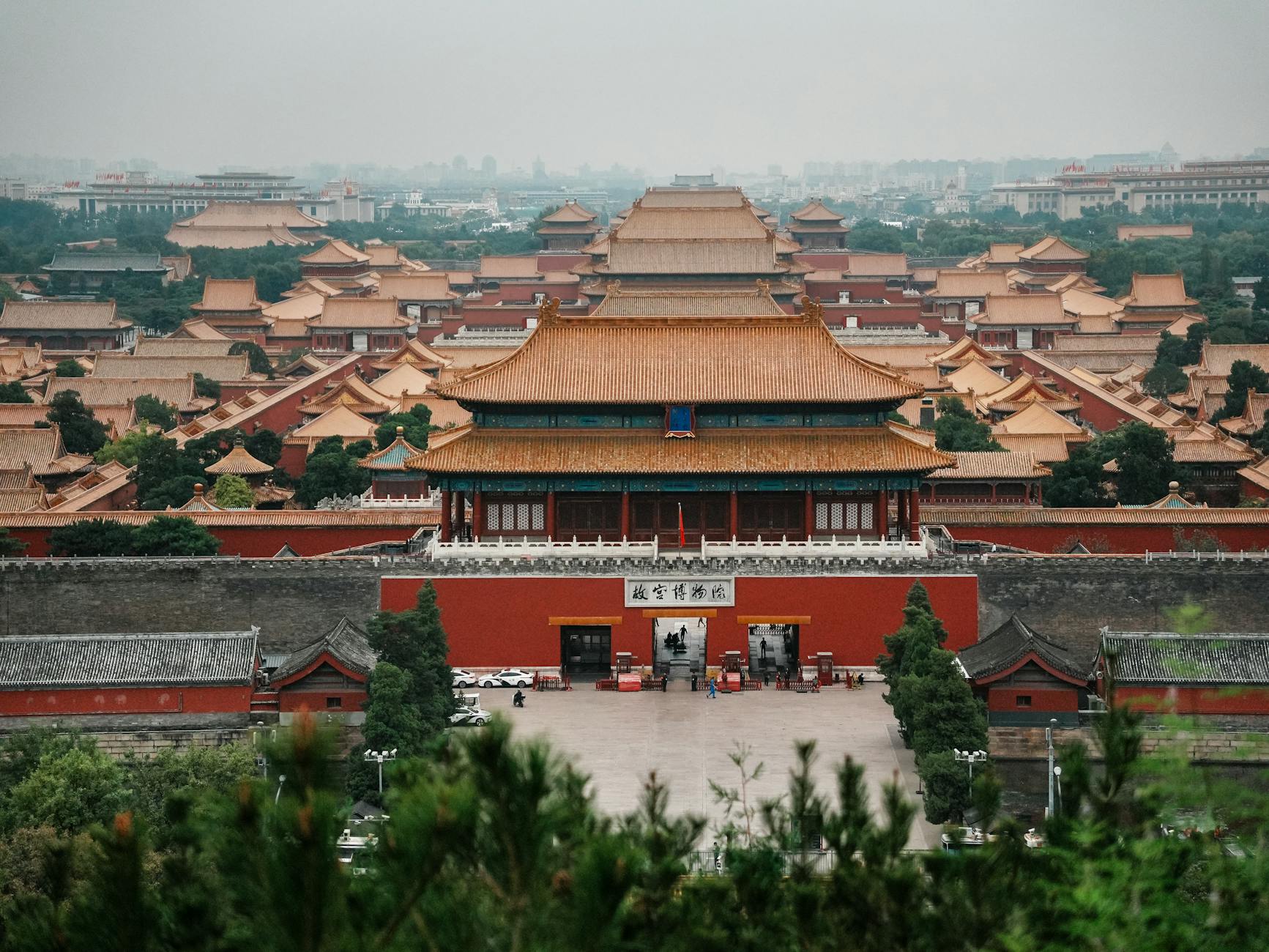
Tiananmen Square on a booked morning slot, into the Forbidden City at the Meridian Gate for three hours, out at the north gate, lunch, Jingshan for the view back over the roofs, Beihai, then Shichahai and the Drum Tower before dark, and Peking duck. With four days you can afford the Treasure Gallery’s extra ¥10 and a slower hour in the eastern palaces, because you are no longer racing the clock to fit the Summer Palace in somewhere. The hour-by-hour version is in the two-day route, which runs this exact day as its first.
Day two — Mutianyu
The 08:00 tourist bus from Dongzhimen, ¥80 return, 90 minutes. Shuttle ¥20, entry ¥45, cable car ¥100 up. Walk east from tower 14 to tower 20 where the restoration ends, back west to tower 6, toboggan down for ¥100. Last bus back at 17:00, 16:00 in winter. All the transport options and Mutianyu in detail.
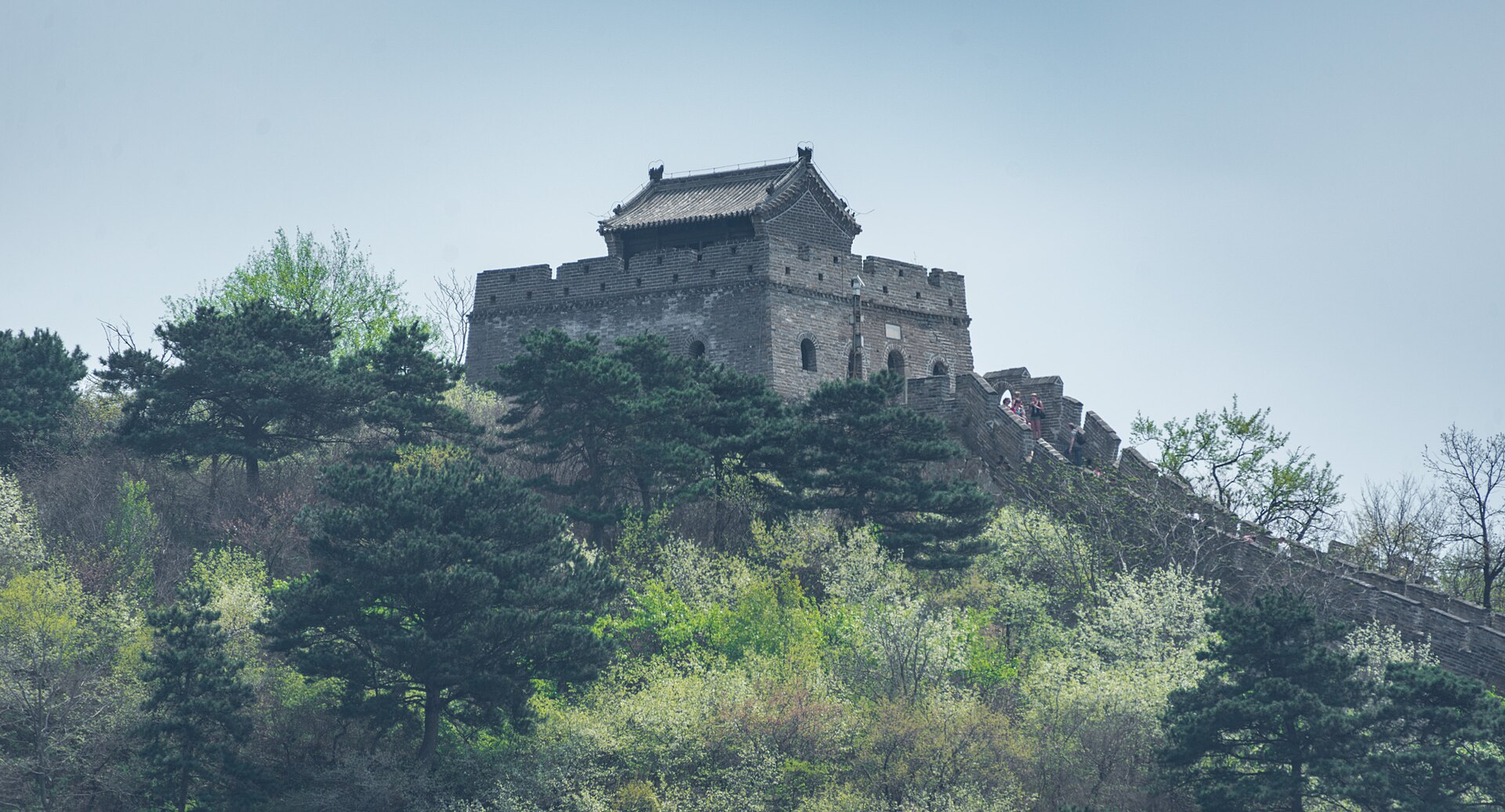
What changes with a spare day is that you can walk further. On a three-day trip most people do the ninety-minute highlights stretch and rush the return bus; with four days you can take the 08:00 out, do the full tower 6 to tower 20 traverse at a walking pace rather than a marching one, sit on a parapet for half an hour, and still make the 17:00 back with time to eat at the base.
Day three — the two gardens
The Temple of Heaven at opening for the park life before the halls, ¥34 through ticket in peak season, then across town on Line 5 and Line 4 to the Summer Palace’s north gate for the afternoon, ¥60 through ticket. The three-day plan has the full sequence, including the alternative version that keeps day three inside the second ring road.
Day four, option by option
| Option | Time out | Cost | Best for | Verdict |
|---|---|---|---|---|
| Yuanmingyuan and 798 | Full day, in city | ~¥60 | Anyone | The strongest default |
| Jinshanling Great Wall | 10–11 hours | ¥400–700 | Walkers | Best if the Wall moved you |
| Gubei Water Town | 11–12 hours | ~¥400 plus transport | Photographers, couples | Good evening, mixed daytime |
| Ming Tombs and Sacred Way | 7–8 hours | ~¥140 | History readers | Underwhelming for most |
| Tianjin by high-speed rail | 9–10 hours | ¥110 return plus entries | Repeat visitors | Fun, and not Beijing |
Option one — Yuanmingyuan and 798, the city day
This is the option most four-day visitors should take, and the one they are least likely to have heard of.
The Old Summer Palace — Yuanmingyuan — sits directly north-east of the intact Summer Palace, one stop on Line 4 to Yuanmingyuan Park, Exit B. It cost ¥25 for adults, ¥10 for children over 1.2 metres and nothing below that, and it is open 08:00 to 19:00 from April to October and 08:00 to 17:30 in winter. What survives is mostly not buildings. The Qing emperors’ vast garden palace was looted and burned by British and French troops in 1860, burned again in 1900, and quarried for stone for decades afterwards. What you walk through now is lakes, causeways, planting and, at the eastern end, the marble wreckage of the Western Mansions — a set of baroque European pavilions designed by Jesuits at the Qianlong court, now a field of carved white blocks lying where they fell.
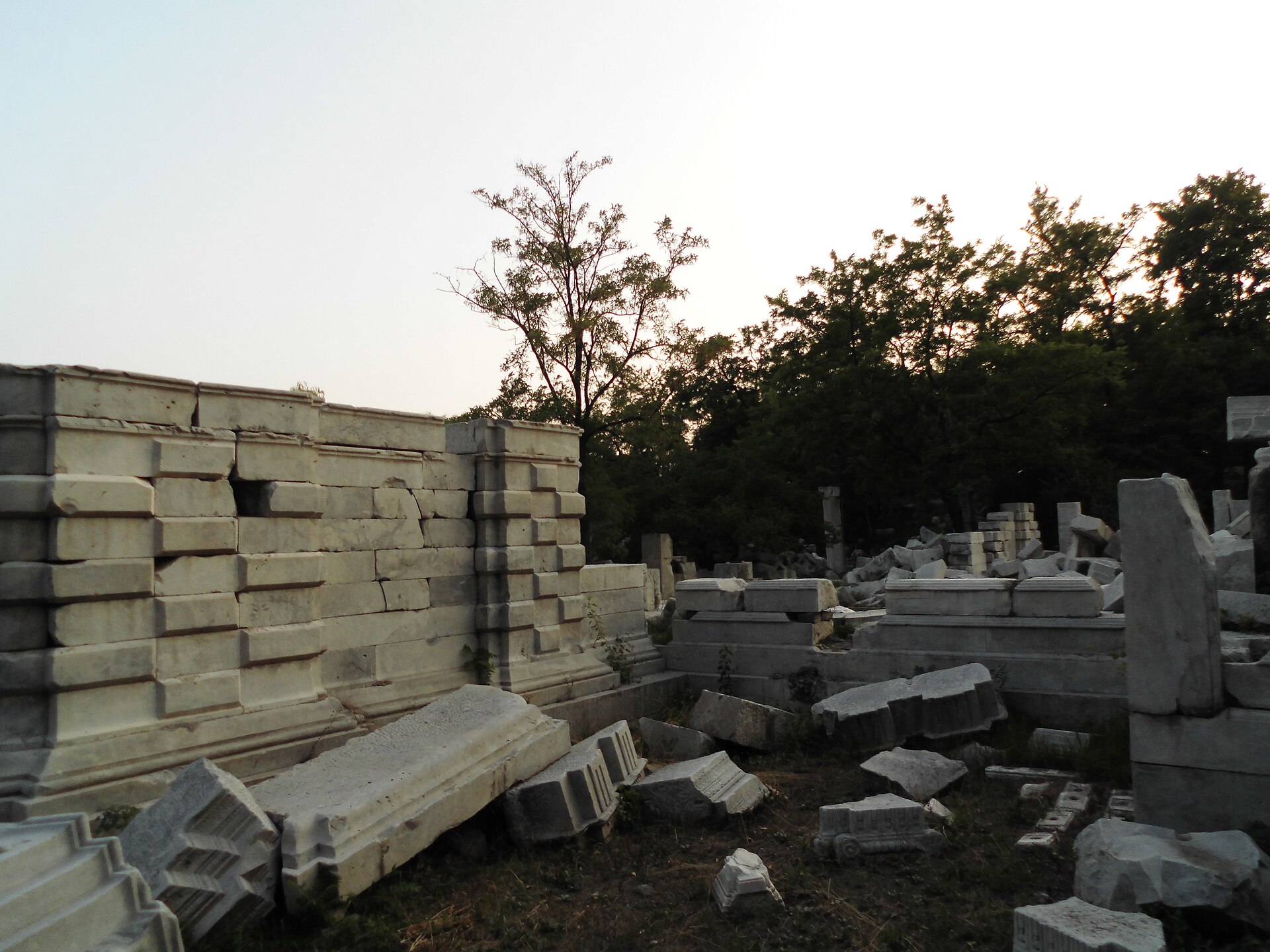
Three hours. It is quieter than anything else on this itinerary, it is the one place in Beijing that deals directly with the nineteenth century rather than the fifteenth, and it is a genuinely affecting couple of hours if you read anything about it first. The honest caveat: if you want intact architecture, it is a park with rubble in it, and you will prefer option two.
Then cut east across the city to 798 for the afternoon. The old East German-designed electronics factory in Dashanzi is now several dozen galleries in Bauhaus sheds with the original Maoist slogans still painted along the vaults. Walking it is free; individual exhibitions charge ¥30–120, and the big ones at UCCA are usually worth it. Most galleries shut around six, so arrive by three.
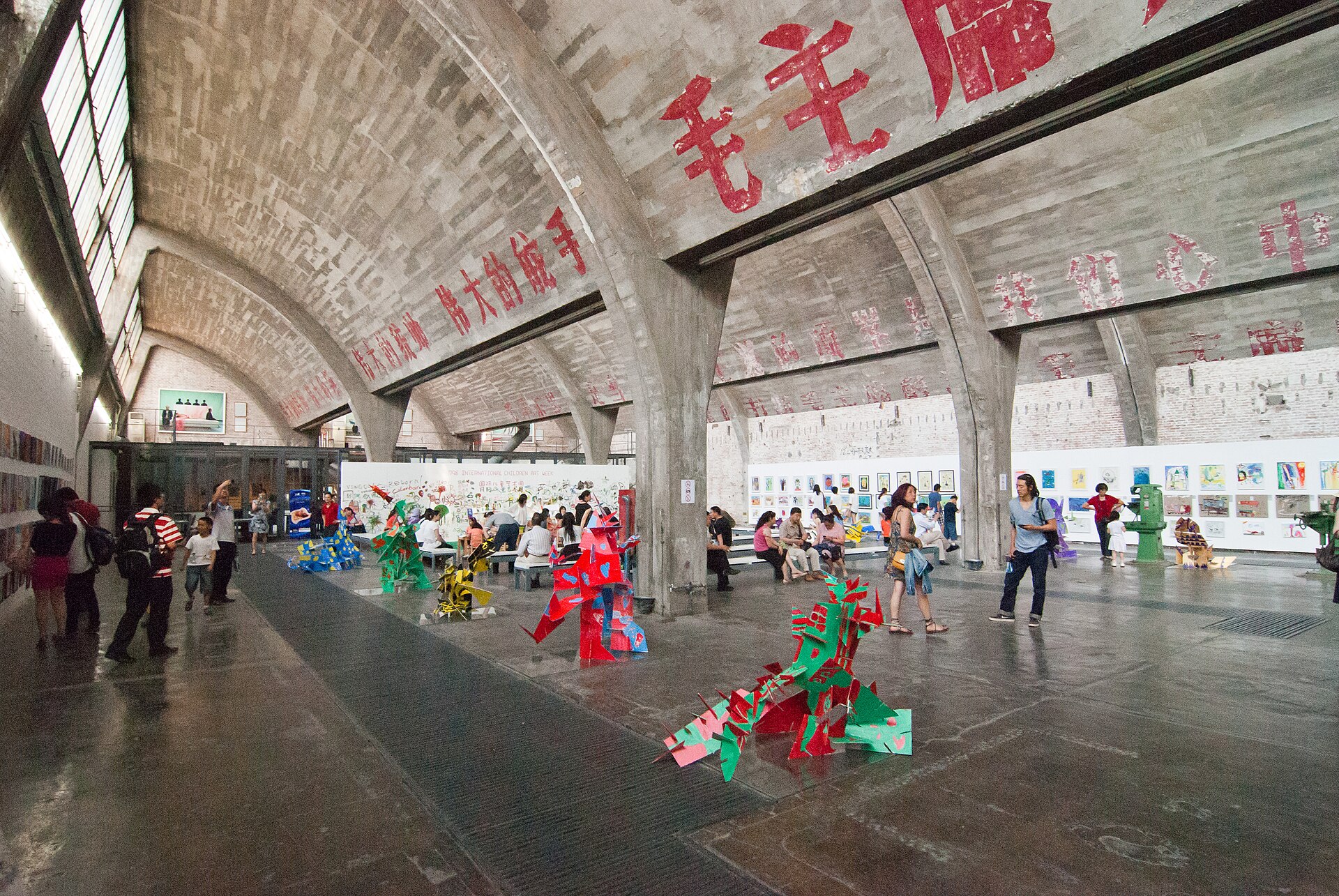
That day costs about ¥60 in entries, involves no coach, and gives you the two centuries the first three days skip. It is also the easiest day to abandon halfway through if you are tired, which after three hard days matters.
Option two — a wilder Wall at Jinshanling
If Mutianyu made an impression, a second Wall day at Jinshanling is the best use of a fourth day, full stop. Jinshanling is about two and a half hours out, has a long stretch of partly restored and partly wild rampart, far fewer people, and a walk that goes on as long as you want it to. It is also a real hike — steep, uneven, exposed — and not the place to discover that your shoes are wrong.
Budget ¥400–700 depending on whether you take a tour bus, a shared car or a private one; a private car for the day runs ¥800–1,500 for the vehicle, which is the sensible option for three or four people. Leave by seven, be back by six. Jinshanling, and for the quieter alternatives Gubeikou and Jiankou, which is unrestored and genuinely dangerous in places. The hiking guide compares the routes properly.
Option three — Gubei Water Town and the Simatai night Wall
Gubei is a purpose-built resort village below the Simatai section of the Wall — stone lanes, canals, lanterns, all of it constructed in the last fifteen years. Judged as an old town it is a reconstruction and reads like one in daylight. Judged as an evening, it is one of the most photogenic places within reach of Beijing, and Simatai is the only section of the Great Wall you can walk after dark.
Town entry is around ¥150. The night Wall is a separate capped package — town, Wall and return cable car for about ¥160 — and must be booked at least a day ahead through the operator, because numbers are limited. Getting there is a private car or DiDi at ¥800–1,200 and about two hours, or bus from Dongzhimen to Miyun with a transfer. It is a long day for a day trip and a much better overnight. Gubei Water Town, Simatai.
Option four — the Ming Tombs
Thirteen Ming emperors are buried in a valley about 50 kilometres north-west, approached along a Sacred Way lined with stone animals and officials. Admission runs about ¥60 per site in peak season and ¥20 off-season, with an internal shuttle at ¥10 a ride or ¥30 for a day pass between the Sacred Way, Changling and Dingling; hours are 08:30 to 17:30 in peak season.
The honest verdict: the Sacred Way is a lovely 45-minute walk, Changling is a large hall, and Dingling is an excavated underground chamber that is emptier and colder than the photographs suggest. Most visitors come away thinking it was fine. Go if imperial burial practice interests you, or if you are combining it with Badaling on the same trip out, which is what most tours do. Otherwise take option one. Ming Tombs, running it as a day trip.
Option five — Tianjin by high-speed train
Thirty minutes and ¥55 each way from Beijing South, seventy-plus departures a day. Tianjin gives you a European concession quarter, an enormous riverfront, the Porcelain House and a genuinely different city, and the travel is so quick that it barely counts as a day trip. It is the option for a repeat visitor or for someone who has had enough of imperial architecture. It is the wrong option on a first visit with only four days, because Beijing has more left in it than Tianjin does. Tianjin day trip, high-speed rail from Beijing.
And one for families
Universal Studios Beijing is a full day and dynamically priced at roughly ¥418–748 for a one-day ticket, with express passes on top. With children who have been marched round three days of imperial architecture, it buys a great deal of goodwill. With adults, it is a theme park, and you can visit a theme park at home. Universal Studios Beijing, Beijing with children.
Option one, hour by hour
Since it is the recommendation, here it is properly timed.
| Time | Where | Detail |
|---|---|---|
| 08:30 | Line 4 to Yuanmingyuan Park, Exit B | About 40 minutes from Dongcheng, ¥4–5 |
| 09:00 | Yuanmingyuan, west and central lakes | ¥25; the planted, unruined half |
| 10:30 | The Western Mansions | The marble field at the eastern end |
| 12:00 | Lunch near Wudaokou | Student district, cheap and good |
| 13:30 | Cross to Dashanzi | Line 13 and a short taxi, or one DiDi at ¥35–45 |
| 14:30 | 798 Art District | Free to walk; shows ¥30–120 |
| 18:00 | Galleries close | Stay for dinner in the district, or on to Sanlitun |
The stretch between Yuanmingyuan and 798 is the one weak link — it is a genuine cross-city move of 40 minutes or so, and it is worth spending ¥40 on a DiDi rather than doing it on two subway lines with a walk at each end. If that hop puts you off entirely, run Yuanmingyuan as a half day and pair it with the Summer Palace on day three instead, since they are one stop apart, then give the whole of day four to 798, Sanlitun and the modern city.
Arrival and departure days
Four days on the ground is not the same as four days in Beijing, and the difference is usually two half-days.
If you land in the morning, the Airport Express from Capital is ¥25 and about 30 minutes to Dongzhimen; from Daxing it is ¥35 and 19 minutes non-stop. Immigration typically runs 30–60 minutes at Capital and 20–40 at Daxing. That puts a morning arrival in the city by early afternoon with an evening to spend — enough for Jingshan, the lakes and a duck dinner, which is a good, low-stakes half-day and gets the jet lag out of the way somewhere pleasant.
If you fly out in the evening of day four, keep that day inside the city and near a subway line; do not put Jinshanling or Gubei on a departure day, because a delay on a mountain road is not a delay you can absorb with a flight to catch. Getting back out is covered in the airport transfer guide, with terminal detail for Capital and Daxing.
How to use the spare day as slack
The reordering is the real prize. Three fixed constraints shape any Beijing itinerary: the Forbidden City closes on Mondays and its ticket is fixed seven days ahead; the Wall is much better on a clear day; and the Temple of Heaven is much better early. A fourth day lets you satisfy all three instead of two.
- Book the Forbidden City first, for whichever of your four days its tickets release for. Everything else moves around it.
- Keep the Wall day floating until the night before. Check the forecast and the air reading at about eight the evening prior and commit then. Beijing’s air is far better than its reputation — 2025 averaged 27 µg/m³ of PM2.5 and had a single heavy-pollution day in the whole year — but visibility on the ridge is what makes or breaks the day. Air quality in practice.
- Put the Temple of Heaven on whichever morning you are least jet-lagged. Day three is the usual answer. Day four works fine if you would rather sleep on your first morning.
- Leave the city day (option one) as the flexible one. Yuanmingyuan and 798 are both fine in light rain and both can be cut in half without ruining anything.
What four days costs
| Line | Cost per person |
|---|---|
| Entries, days one to three | ¥300–330 |
| Mutianyu transport, entry, cable car, toboggan | ¥345 |
| Day four, option one (Yuanmingyuan and 798) | ¥25–145 |
| Day four, option two (Jinshanling) | ¥400–700 |
| Subway, four days | ¥70–90 |
| Food, four days, one duck dinner | ¥450–800 |
| Total, city fourth day | ¥1,200–1,700 (about US$170–245) |
| Total, second Wall day | ¥1,600–2,250 (about US$230–320) |
Hotels are on top. A mid-range couple’s trip in Beijing runs about ¥800–1,200 per person per day all in, which is a useful sanity check against the figures above. The full budget breakdown.
Where to base yourself for four days
Still one hotel, still no moving. Four days is not long enough to justify splitting your stay, and the hour you lose changing hotels is an hour of Yuanmingyuan. Dongcheng around Wangfujing is the efficient choice; a courtyard hotel in the Shichahai hutongs is the pleasant one and costs you ten minutes at each end of the day. If your fourth day is Jinshanling or Gubei, being near Dongzhimen for the early pickup is worth a little more than being near the palace. Our neighbourhood comparison weighs that up, and courtyard hotels and Dongcheng cover the two obvious choices.
What four days still leaves out
Chengde, which is a genuine overnight and about ¥65 to get into the Mountain Resort. Cuandixia, the stone village in the western hills. The Fragrant Hills in leaf season, at ¥10–15 entry plus about ¥80 for the cable car one way. Any of the western temples — Tanzhe, Jietai, Fayuan — which are among the quietest good things in the municipality. A cooking class, a calligraphy workshop, an afternoon of nothing in a tea house. And Xi’an, Shanghai or Datong, all of which are four or five hours away by train and all of which need a trip of a week or more before they stop breaking the shape of it.
Four days is a properly complete first visit. It is also the length at which people start noticing how much is left, which is the point at which you either book a fifth day or accept you are coming back. Both are reasonable. The full itinerary hub lays out what each additional day adds.
A fifth day is where the trip stops being a list of sights and starts being a stay — enough room for a second Wall day at Jinshanling, an overnight at Gubei, or a morning in a hutong with nowhere to be. The five-day plan costs out all three and argues for the one most people skip.
Past this point the trip changes character rather than content: a full week stops being about adding sights and starts being about adding rest. With children, the four-day family plan covers similar ground at roughly half the speed.
Frequently asked questions
Is 4 days enough for Beijing?
Comfortably, for a first visit. Four days covers the Forbidden City, the Great Wall, the Temple of Heaven and the Summer Palace, plus one full day of your choosing and enough slack to move the Wall to the clearest morning. It does not stretch to Chengde, to another Chinese city, or to more than one day trip.
What is the best thing to do with a fourth day in Beijing?
For most people, Yuanmingyuan in the morning and 798 in the afternoon: about ¥60 in entries, no coach, and the two centuries the imperial sites skip. If the Great Wall was the highlight of day two, a second Wall day at Jinshanling beats everything else on the list.
Should I do a second Great Wall day?
Only if the first one moved you and you are a confident walker. Jinshanling is steeper, wilder and much quieter than Mutianyu, takes ten to eleven hours door to door, and costs ¥400–700. If Mutianyu felt like enough Wall, it was enough Wall.
Can I do a day trip on my fourth day?
Yes, and the shortlist is Jinshanling, Gubei Water Town, the Ming Tombs or Tianjin. Tianjin is 30 minutes and ¥55 each way by high-speed train, which makes it the least punishing. Gubei is the longest day and the best evening. The Ming Tombs are the one most people find underwhelming.
How much does four days in Beijing cost?
About ¥1,200–1,700 per person excluding hotels if the fourth day stays in the city, or ¥1,600–2,250 with a second Wall day. That is roughly US$170–320. Checked September 2026.
What has to be booked before I arrive?
The Forbidden City, seven days ahead, online only, real-name against a passport, no gate sales, closed Mondays. Tiananmen Square, free but compulsory and slot-specific, one to nine days ahead. The Simatai night Wall at Gubei, at least a day ahead, if that is your fourth day. The Mutianyu bus in peak season.
Which day should the Great Wall be?
Whichever has the clearest forecast. That is the specific advantage a fourth day gives you — with three days the Wall is locked to day two, and with four you can check the air the evening before and swap it with the city day.
Is Yuanmingyuan worth visiting if I have already seen the Summer Palace?
Yes, and they are not the same experience at all. The Summer Palace is an intact imperial garden; Yuanmingyuan is a very large park containing the marble wreckage of one, burned in 1860 and left as it fell. It costs ¥25, takes three hours, and is the quietest major site in Beijing.
Can I add Xi’an or Shanghai to four days?
Not sensibly. Xi’an is 4 hours 17 minutes and ¥515–565 each way; Shanghai is 4 hours 18 minutes and ¥553–663. Either one costs you two travel half-days out of four, which leaves Beijing incomplete and the other city rushed. Split a trip from a week upwards.
How much walking is four days?
Around 35 kilometres in total, plus about three hours of steep steps on the Wall. Day three is the longest flat day; day two is the hardest. Build the easiest of the fourth-day options in after the two hardest days rather than before them.
Do I need cash, or will my cards work?
Foreign contactless Visa, Mastercard, JCB and Amex tap in at subway gates directly. Everywhere else, Alipay or WeChat Pay with a foreign card added after in-app passport verification; the single-transaction limit for verified foreign users is now around US$5,000. Keep ¥200 in notes for rural stalls near the Wall.
When is the best time of year for a four-day trip?
Late September to early November — avoiding 1 to 7 October, when Golden Week roughly doubles hotel prices — or April to mid-May. October runs 21–22°C early and under 20°C later, with about five wet days in the month and autumn colour from mid-month. When to visit.