Beijing Itineraries
2 Days in Beijing: The Axis One Day, the Wall the Next
An hour-by-hour two-day route: the central axis on foot on day one, Mutianyu on day two, with the bookings to make before you fly, 2026 costs, and the Monday and bad-air versions.
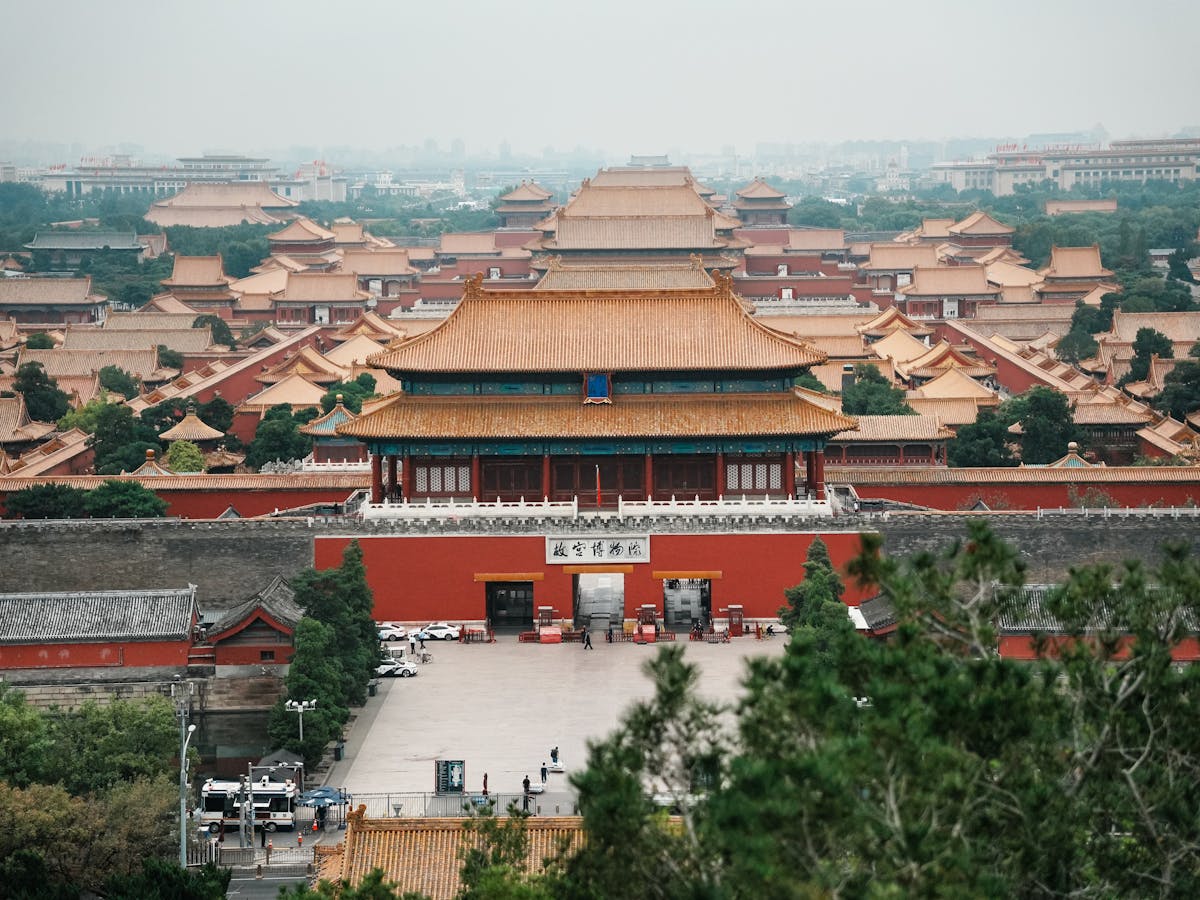
Two days is the length most people actually get in Beijing — a weekend bolted onto a work trip, a stopover on the way to Shanghai, the front half of a fortnight in China. It is also the length that goes wrong most often, because the city’s two headline sights sit 70 kilometres apart and both want most of a day. This 2 days in Beijing itinerary gives the imperial centre one day and the Great Wall the other, and it does not pretend you can fold in the Summer Palace on the way home.
What follows is an hour-by-hour route for both days, in the order that the walking, the subway and the opening times actually allow, with the bookings that have to be made before you land, the costs, and the versions to use if one of your two days falls on a Monday or the air is bad. Prices were checked in September 2026; treat them as the right order of magnitude rather than a quote.
The shape of it, in one paragraph
Day one runs north up the central axis on foot: Tiananmen Square, the Forbidden City, Jingshan for the view back over the roofs, then the lakes and the hutongs behind the Drum Tower, finishing with duck. Day two leaves the city for Mutianyu, gets back by late afternoon, and spends the evening on whatever day one had to skip. That is the whole plan. Everything below is detail, and the detail is where two days is won or lost.
The single most common mistake is to reverse the effort curve — a gentle first day and an ambitious second — and then find that the Wall bus leaves at 08:00 and you are still jet-lagged. Put the Wall on day two only if you are landing the night before day one. If you arrive on the morning of day one, do the Wall first and the axis second, because a Wall day tolerates a late start far better than the Forbidden City does.
What two days costs
Per person, excluding accommodation, assuming you use the subway and the tourist bus rather than a private car.
| Item | Cost | Note |
|---|---|---|
| Forbidden City entry | ¥60 (Apr–Oct) / ¥40 (Nov–Mar) | Online only, released 7 days ahead |
| Tiananmen Square | Free | Reservation still mandatory |
| Jingshan Park | ¥2 | ¥10 during the peony festival |
| Beihai Park | ¥10 peak / ¥5 off; ¥20 through ticket | Through ticket adds Jade Island |
| Mutianyu entry | ¥45 | Plus ¥20 shuttle to the base |
| Mutianyu cable car | ¥100 one way / ¥140 return | Toboggan down ¥100, or ¥140 combo |
| Tourist bus to Mutianyu | ¥80 return | From Dongzhimen, about 90 minutes |
| Subway, two days | ¥30–45 | Most single rides ¥3–6 |
| Peking duck dinner | ¥160–400 per duck (serves 2–4) | Add ¥30–60 a head for sides |
| Other meals, two days | ¥120–250 | Noodles ¥18–25 at a chain shop |
| Realistic total | ¥600–850 | Roughly US$85–120 at 2026 rates |
A private car to the Wall instead of the bus adds ¥800–1,500 for the vehicle, which is worth it for four people and a poor trade for two. A group tour at ¥350–500 per person buys you a guide and a lunch you did not ask for, and usually a stop at a jade factory or a tea house that exists to sell you something. On a two-day trip that stop costs you an hour you cannot spare — go independently.
Book these before you fly
Three of the things on this itinerary cannot be bought at the gate, and one of them sells out in minutes.
- The Forbidden City. Tickets release seven days ahead on bookingticket.dpm.org.cn or the WeChat mini-program, real-name, one passport number per visitor, five people maximum per booking. Popular dates go in minutes. There are no gate sales at all, and it closes on Mondays.
- Tiananmen Square. Free, but a real-name passport reservation is compulsory and you book a time slot — dawn, morning, afternoon or evening — one to nine days ahead through the official WeChat mini-program. Book the morning slot for day one. People are turned away at the security perimeter every day for not having it.
- Mutianyu. The Wall itself rarely sells out, but the Dongzhimen tourist bus is worth booking a day ahead in summer and over holidays. Walk-up is fine in shoulder season.
Set up Alipay before you leave home — the English interface is better than WeChat Pay’s and the card onboarding is smoother. Add your passport in-app for verification. WeChat is still worth installing, because the museum and square booking mini-programs live inside it. Both should be on your phone and working before you cross the border, along with a map that functions in China. Our guide to getting around without Chinese covers which apps do what.

Day one — the central axis on foot
You will walk somewhere between eight and eleven kilometres. Nearly all of it is flat, most of it is on paving, and the only climb is the small hill in Jingshan. Wear something you can stand up in for nine hours.
07:30 — Breakfast near the square
Eat before the security queues. A bowl of douzhi is an acquired taste that most visitors do not acquire; jianbing from a street cart, or baozi and soy milk from a shop, costs ¥8–15 and takes ten minutes. The breakfast guide has the specifics if you want to be deliberate about it.
08:30 — Tiananmen Square
Arrive for your booked slot with the physical passport you booked with. Expect two or three layers of ID and X-ray checks; the queue moves, but it moves at the speed of the slowest scanner. The square itself is a vast, flat, deliberately overwhelming rectangle, and forty minutes is honestly enough unless you are going inside the Mausoleum or the museum. Read it as the twentieth century’s answer to the fifteenth century’s palace directly behind it, and walk north. The Tiananmen Square guide covers the flag-raising ceremony, which is a dawn slot and a different day’s decision.
09:30 — The Forbidden City
Enter at the Meridian Gate on the south side and exit at the Gate of Divine Prowess on the north. It only runs one way, which is good news for a two-day trip: you cannot double back, so you cannot dither. Give it three hours. That is enough for the three great halls on the central spine, one detour into the eastern palaces where the smaller courtyards are, and the Treasure Gallery if you paid the extra ¥10.
The honest advice on the Clock Gallery: it is a genuinely remarkable collection of European automata, and on a two-day trip it is also twenty-five minutes you could spend in the imperial garden. Skip it this time. Which of the Palace Museum’s collections are worth the extra ticket goes into it properly, and the palace guide has the route through the halls.
12:45 — Lunch
You come out of the north gate onto Jingshanqian Street with nothing much in front of you but tour-group restaurants. Walk five minutes east or west and the prices halve. Anything in the ¥30–50 range here is fine and nothing is memorable — save the appetite for dinner.
13:45 — Jingshan Park
Straight across the road from the Forbidden City exit. ¥2, a ten-minute climb up an artificial hill built from the earth dug out of the palace moat, and the single best view in central Beijing: the entire Forbidden City in one frame, roofs stepping away south, the axis running dead straight through the middle of it. Forty minutes including the climb. If you only had one photograph of Beijing to take, you would take it here in the late afternoon rather than at midday — but on a two-day trip you take it now. Jingshan Park in detail.
14:45 — Beihai Park, or straight to the lakes
Beihai’s north-west gate is a fifteen-minute walk from Jingshan. The White Dagoba on Jade Island is the landmark, the lake is the point, and in summer you can put a boat on it for around ¥100–200 an hour plus a refundable deposit. Ninety minutes here is comfortable. If you are flagging — and after the Forbidden City most people are — skip Beihai entirely and walk north to Shichahai instead. You lose a dagoba and gain an hour of daylight in the hutongs, which on a two-day trip is the better swap. Beihai Park guide.
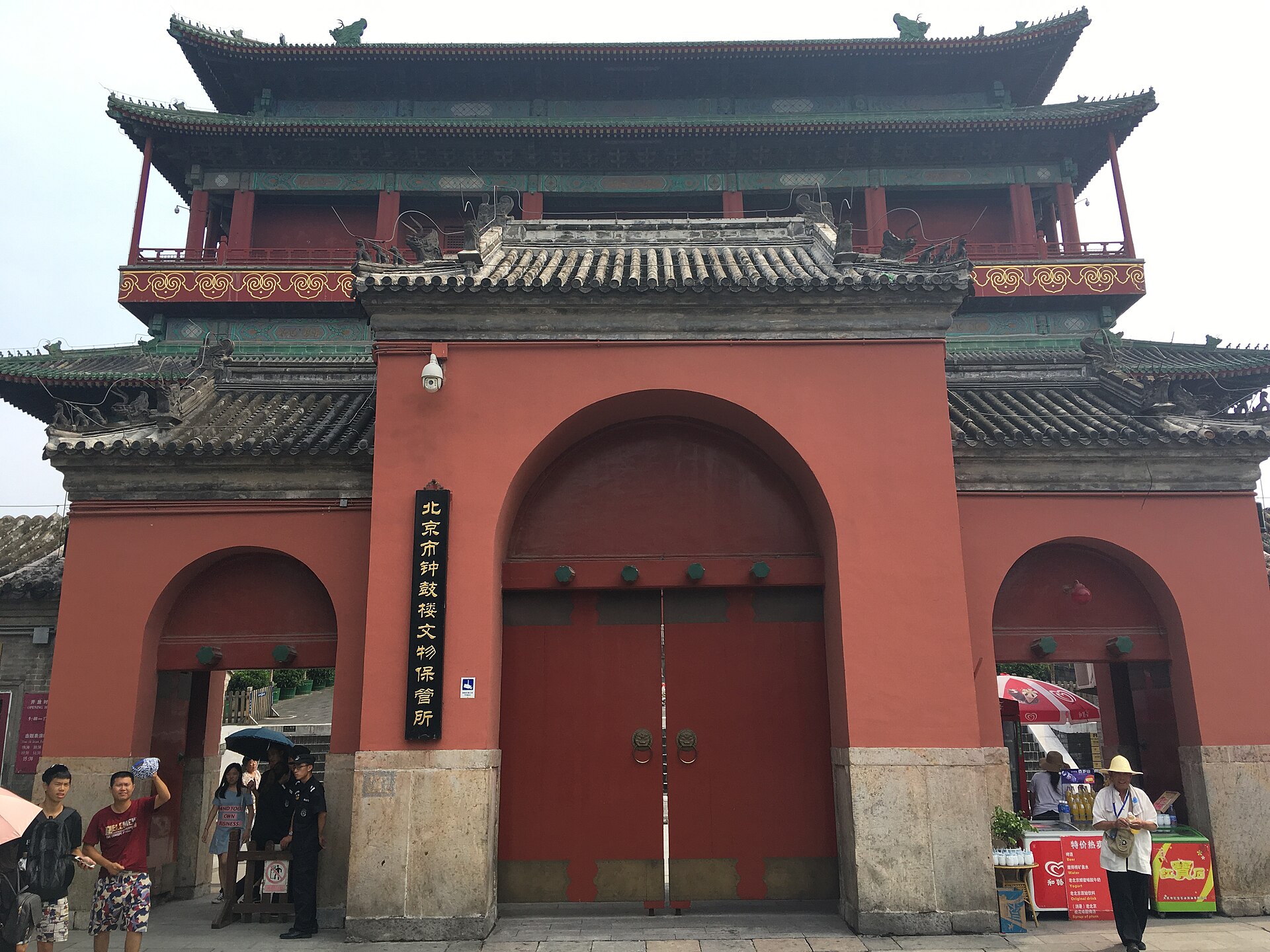
16:30 — Shichahai, Houhai and the Drum Tower
This is the part of day one that people remember. The lakes at Shichahai and Houhai are ringed by willows, swimmers in summer, skaters in winter, and a slightly excessive number of bars; the hutongs behind them are the real thing, still lived in, laundry and cabbages and old men playing cards. Walk it rather than taking a rickshaw — the rickshaw circuits are a fifteen-minute loop sold as an hour, and you cover more on foot.
The Drum and Bell Towers sit at the top of the axis a few minutes north. Climbing the Drum Tower means a steep, narrow staircase and a drum performance every half hour or so; it is worth it if you want the view down over the grey-tiled roofs, and skippable if your legs have already gone. Details on both towers, and the Shichahai and Houhai area.
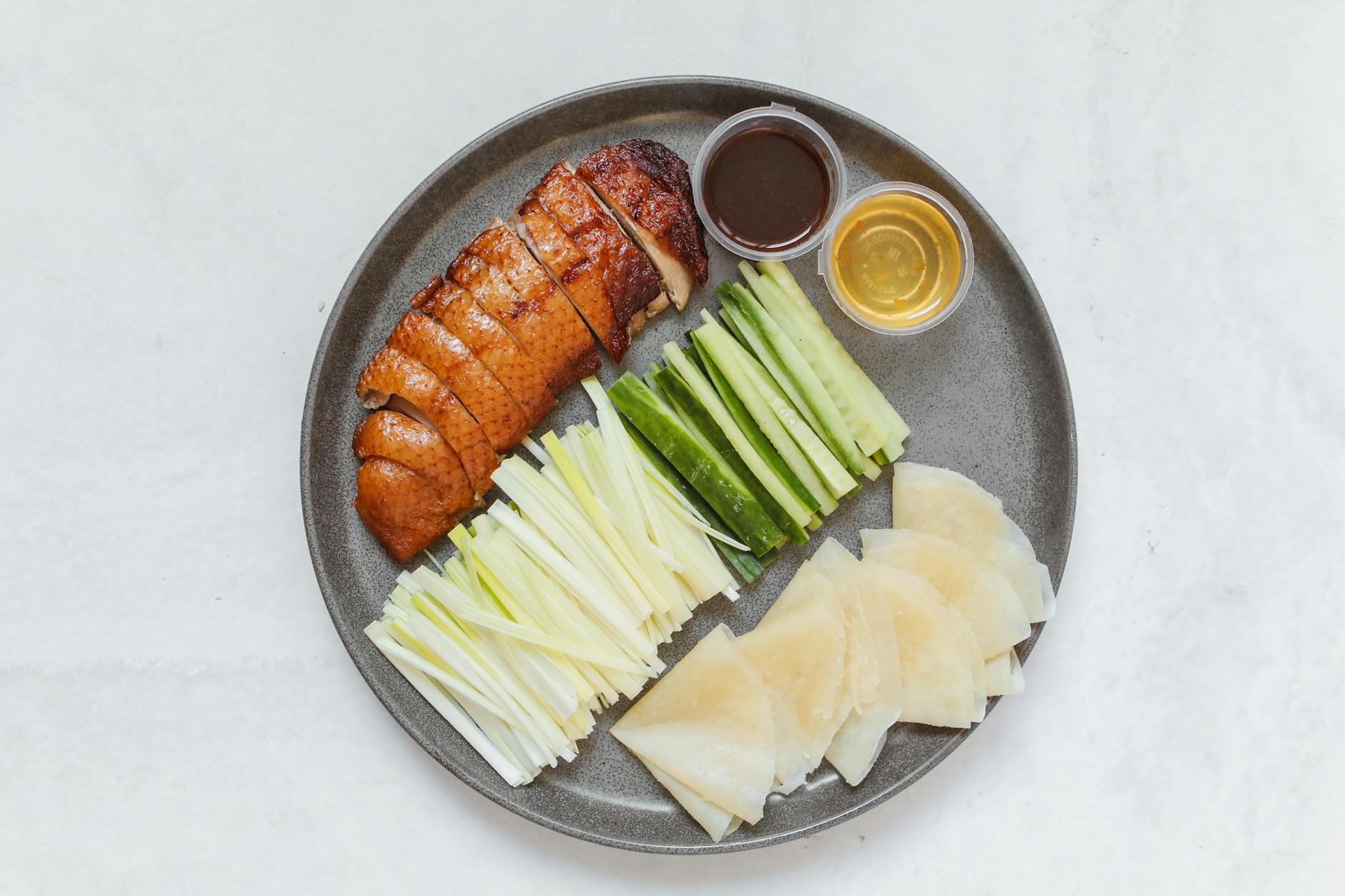
18:30 — Peking duck
You have one duck dinner in two days, so do not waste it on Quanjude. It is the famous one, it is the one your hotel will book, and the quality has not matched the reputation for years — expect around ¥300 a head and a coach party at the next table. Siji Minfu is the sensible choice at about ¥259 a whole duck, ¥159 a half, consistently crisp, and busy enough that you should either arrive at 17:30 or take a ticket and wait. Li Qun is the hutong option at about ¥298 and rougher around the edges in a way some people love. The full ranking is here.
20:30 — Optional
Ghost Street — Guijie — runs red-lanterned and open late along Dongzhimennei Street, a twenty-minute walk or one subway stop from Houhai. It is spicy crayfish and hotpot territory and it does not need you to be hungry to be worth walking down. Otherwise go to bed: day two starts early. Ghost Street.
Day two — the Great Wall at Mutianyu
Mutianyu rather than Badaling, and on a two-day trip this is not a close call. Badaling is nearer and better connected — the G-train from Beijing North does it in 27 minutes for ¥30–80 — and it is the section that receives the coach fleets, the state visits and, on a public holiday, a queue up the ramparts. Mutianyu takes 90 minutes each way and rewards you with restored wall, forested hills, a cable car, a toboggan run and a fraction of the crowd. If you have never seen the Wall, see it somewhere you can hear it.
07:15 — Get to Dongzhimen
The tourist bus leaves at 08:00 and 10:00, with a 12:00 departure added in peak season. Take the 08:00. It is ¥80 return for transport alone, or ¥220–280 bundled with entrance and the cable car, and the last bus back leaves Mutianyu at 17:00, 16:00 in winter. Miss it and you are negotiating with a taxi driver in a car park.
The cheaper route is bus 916 Express from Dongzhimen to Huairou, then local bus h23, at ¥35–40 return. It works, it costs half as much, and it adds about 45 minutes each way plus a transfer you have to get right in Chinese. On two days, pay the ¥80. Every option is compared in getting from Beijing to the Great Wall.
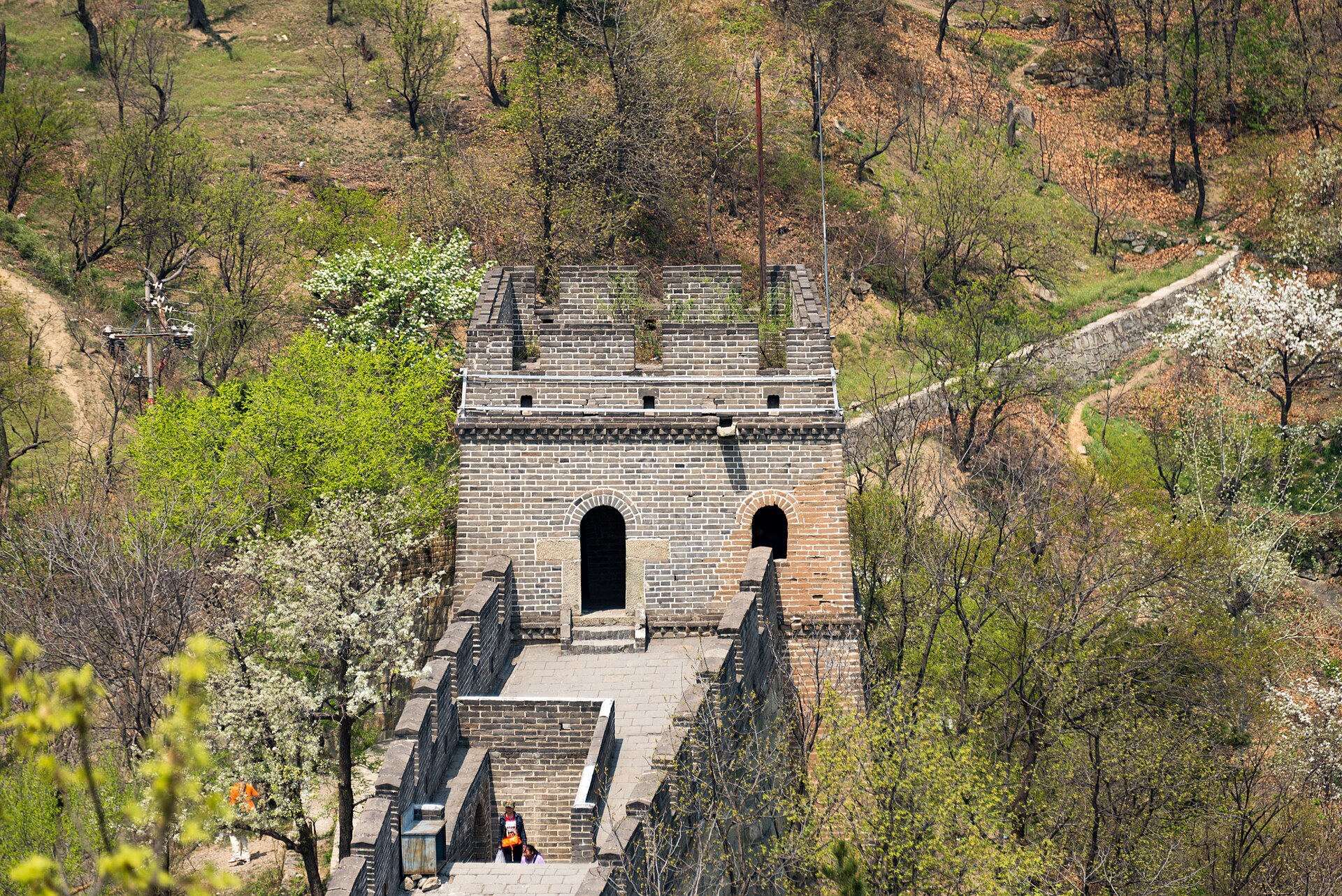
09:45 — On the Wall
From the car park a shuttle takes you to the base for ¥20; entry is ¥45. Then a decision. The cable car is ¥100 one way, ¥140 return, and lands you at tower 14. The chairlift-plus-toboggan combo is ¥140 and puts you at tower 6. Walking up is free, takes 40 minutes of steps, and on a day that also involves a three-hour round trip on a bus, it is a worse use of your legs than it looks.
Do this: cable car up to tower 14, walk east to tower 20 where the restoration stops and the wall goes wild and steep, turn around, walk back west as far as tower 6, toboggan down. That is roughly three hours of walking, covers the best-preserved stretch and the most dramatic gradients, and gets you the silly luge ride at the end. If three hours is too much, tower 14 to tower 20 and back is the highlights version in ninety minutes.
| Wall option | Up | Down | Cost | Verdict |
|---|---|---|---|---|
| Cable car return | Tower 14 | Tower 14 | ¥140 | Easiest; skips the fun descent |
| Cable car up, toboggan down | Tower 14 | Tower 6 | ¥200 | The best version of the day |
| Chairlift and toboggan combo | Tower 6 | Tower 6 | ¥140 | Cheaper, less wall |
| Walk both ways | Tower 6 | Tower 6 | Free | Only if the Wall is your whole trip |
Lunch on the Wall is a packed lunch or nothing much; the restaurants at the base are fine and unremarkable at ¥50–80. Bring water — there are vendors on the ramparts and they charge what you would expect. If you are travelling with children, the family version of a Wall day is worth reading first, and if crowds are the worry, avoiding them at Mutianyu comes down mostly to arriving on the 08:00 bus, which you already are.
15:00 — Bus back
You are at Dongzhimen by about 16:30. This is the hinge of the whole two days: you have an evening, you are tired, and there are three sensible things to do with it.
- The Lama Temple. Two subway stops from Dongzhimen on Line 2, ¥25, free incense at the gate, and the eighteen-metre Maitreya carved from a single sandalwood trunk. Last entry is mid-afternoon, so this only works if you catch an earlier bus — check the closing time on the day. Lama Temple.
- Nanluoguxiang and the Dongsi hutongs. Free, open, and best in the early evening. Nanluoguxiang itself is now a snack street with a queue outside every second shop; the alleys running east and west off it are what you actually came for. Nanluoguxiang and the Dongsi hutongs.
- A show. Peking opera runs ¥120–380 and the tourist-circuit versions are 70 to 90 minutes with English subtitles — a fair introduction, not the real thing. Acrobatics is the safer bet with tired legs and children. Peking opera, acrobatics.
The versions you may need
If one of your days is a Monday
The Forbidden City is closed on Mondays, and there is no workaround. Move the axis day to your other day and put the Wall on the Monday. If your two days are Monday and Tuesday, do the Wall on Monday and the axis on Tuesday; if you have somehow landed with only a Monday, replace the palace with the Temple of Heaven — ¥34 for the through ticket in peak season — plus Jingshan and the hutongs, and accept that you will be back.
If the air is bad
Beijing’s air is genuinely much better than its reputation. 2025 averaged 27 µg/m³ of PM2.5 and recorded a single heavy-pollution day all year, but bad days still happen. Above an AQI of 150, move the Wall day indoors: the National Museum of China is free, with a compulsory passport reservation released seven days ahead at 17:00 Beijing time, and it will absorb three hours easily. Under 100, go and enjoy it. Compare µg/m³ rather than AQI numbers, because Chinese and US scales use different breakpoints for the same reading. Air quality in practice.
If you are here in winter
Everything above still works, with three changes: the Wall bus turns round at 16:00 rather than 17:00, the toboggan may be closed after snow, and the lakes at Houhai freeze into an ice rink that is one of the better things to do in Beijing in January. Sunset comes before 17:00, so day one loses its late-afternoon hour — cut Beihai and go straight from Jingshan to the lakes. Beijing in winter.
If you arrive on the morning of day one
Swap the days. Land, get to the hotel, do the axis in the afternoon at half pace — Jingshan, the lakes, duck — and give the Wall your fresh, complete second day. You will miss the Forbidden City on the shortened day, so either book its ticket for day two morning and run a compressed Wall afternoon, or accept that the palace is what a two-day trip with a morning arrival gives up. Getting in from either airport is straightforward: the Airport Express from Capital is ¥25 and 30 minutes to Dongzhimen, and Daxing’s is ¥35 and 19 minutes. Airport to city centre.
Where to sleep for two days
Base yourself once and do not move. For this itinerary the two sensible areas are Dongcheng around Wangfujing — walking distance to the square, the palace and the subway lines you need — and the hutongs around Shichahai, which are less convenient and considerably more atmospheric. Sanlitun and the CBD are perfectly good places to stay and wrong for two days, because you spend the difference in taxi time. Where to stay, by neighbourhood and hutong courtyard hotels.
What two days cannot include
This is the honest part. Two days in Beijing means giving up, in roughly this order: the Summer Palace, which needs half a day of its own and sits out in the north-west; the Temple of Heaven, unless you swap it for Beihai; the 798 Art District; Yuanmingyuan; the Ming Tombs; and any day trip at all. It also means the Forbidden City gets three hours instead of the five it deserves, and that you see the hutongs in the evening rather than the morning, which is when they are best.
None of that is a disaster. It is what two days is. If your dates are still flexible and you can find a third, a longer plan adds the Summer Palace and the Temple of Heaven and changes the trip more than any other single day you could add. If you cannot, do the two properly rather than four badly — the version of this trip that fails is the one that tries to bolt the Summer Palace onto the end of the Wall day.
Ten things that go wrong, and the fixes
- No Forbidden City ticket. There is no gate sale. Set an alarm for the release, seven days out.
- Wrong Tiananmen time slot. The reservation is slot-specific. Book morning for day one.
- A digital passport copy. Museums and the square want the physical document you booked with.
- Arriving at Mutianyu at midday. The 10:00 bus puts you on the Wall at the hottest, busiest hour and leaves you rushing for the 17:00 return.
- Assuming a taxi can wait at the Wall. Getting out is easy; getting back at 16:00 without a booked ride is not.
- Booking a group tour to save hassle. The hassle it saves costs you the jade-factory stop.
- Trying to add the Summer Palace. It is 45 minutes each way from the centre plus three hours inside.
- No payment app. Cash is legal and increasingly awkward. Set up Alipay before you fly.
- Underdressing on the Wall. It is exposed and several degrees colder than the city, all year round.
- Booking dinner at the famous duck restaurant. See above.
The third day is the one that changes this trip most, and it changes it in a specific way: the Temple of Heaven at opening and the Summer Palace all afternoon, neither of which fits into two. If you can find the extra day, the three-day version of this route keeps days one and two exactly as they are above.
Two days that fall on a Saturday and Sunday are a slightly different problem: palace tickets are scarcer, the Wall is busier, and a Sunday evening flight eats the end of the trip. The weekend version of this route reorders the days around those constraints and adds the Friday-night arrival.
Two days is a choice about as often as it is a constraint. If it is really one, the single-day route makes the cut for you; if it turns into four, the four-day plan adds the Summer Palace and a day trip without rushing anything. And if the two days are bracketed by flights rather than hotel nights, the layover guide does that subtraction properly.
Frequently asked questions
Is 2 days enough for Beijing?
Enough for the Forbidden City and the Great Wall done properly, with an evening in the hutongs — which is the version of Beijing most people picture. Not enough for the Summer Palace, the Temple of Heaven or a day trip. It is a real trip rather than a compromise, as long as you accept the shape of it.
Should I do the Great Wall on the first or second day?
Second, if you arrive the night before day one and can start early. First, if you land on the morning of day one — a Wall day tolerates a late start; the Forbidden City, with a timed ticket and a one-way route, does not.
Which Great Wall section suits a two-day trip?
Mutianyu. Badaling is faster to reach by train but takes the crowds; Jinshanling and Jiankou are better walls and eat too much of a short trip. Mutianyu is 90 minutes each way and has the cable car and the toboggan, which matters when you have one Wall day and tired legs.
What do I have to book in advance?
The Forbidden City, seven days ahead, online only, real-name, no gate sales. Tiananmen Square, free but compulsory, one to nine days ahead, with a specific time slot. The Mutianyu tourist bus in summer and over holidays. Everything else on this itinerary you can walk up to.
How much does two days in Beijing cost?
About ¥600–850 per person for entries, transport and food, roughly US$85–120, excluding your hotel. A private car to the Wall adds ¥800–1,500 for the vehicle. Prices checked September 2026.
What happens if one of my days is a Monday?
The Forbidden City is closed. Do the Wall on the Monday and the axis on the other day. If both days are difficult, the Temple of Heaven, Jingshan and the hutongs make a good Monday and the palace waits for the next trip.
Can I fit the Summer Palace into two days?
Not without breaking something else. It is 45 minutes out on Line 4, wants three hours minimum, and the only slot that could hold it is the day-two evening, by which time it has closed. It is the first thing a third day buys you.
How much walking should I expect?
Eight to eleven kilometres on day one, almost all of it flat, plus a ten-minute climb at Jingshan. Day two is three hours of steep, uneven steps on the Wall itself if you do the full tower 6 to tower 20 stretch, or ninety minutes for the highlights version. Two pairs of comfortable shoes is not a joke.
Is the subway workable for a visitor?
Yes, and it is the best thing about getting around Beijing. Signs and announcements are bilingual, single rides are ¥3–6, and a foreign contactless Visa, Mastercard, JCB or Amex taps in directly at the gate with no app and no card to buy. The subway in detail.
Do I need cash?
Barely, but carry a couple of hundred yuan for street vendors and the odd rural stall near the Wall. Alipay and WeChat Pay both take foreign cards after in-app passport verification, and the single-transaction limit for verified foreign users is now around US$5,000, so nothing on this trip will trouble it.
Is a guide worth it for two days?
For the Forbidden City, a guide or a good audio guide genuinely changes what you see — the halls do not explain themselves. For the Wall, no: you walk on it and look at it, and the ¥350–500 group tour buys a lunch stop you would not have chosen. Hire a private guide for the palace morning if you hire one at all, and budget ¥50–100 a day in tips on top of the fee.
Where should I stay for this itinerary?
Dongcheng near Wangfujing for convenience, or a courtyard hotel in the Shichahai hutongs for character. Both put you within walking distance or one subway change of everything on day one, and a short ride from the Dongzhimen bus on day two.