Beijing nightlife guide — your complete resource for discovering what this incredible city has to offer after dark. Far from winding down at sunset, Beijing transforms into an entirely different city once the lights come on. From the pulsing clubs of Sanlitun and the mellow jazz bars along Houhai lake to centuries-old Peking Opera performances and gravity-defying acrobatics shows, the Beijing nightlife guide covers every way to spend an unforgettable evening in China’s capital.
Sanlitun: Beijing’s Premier Nightlife District
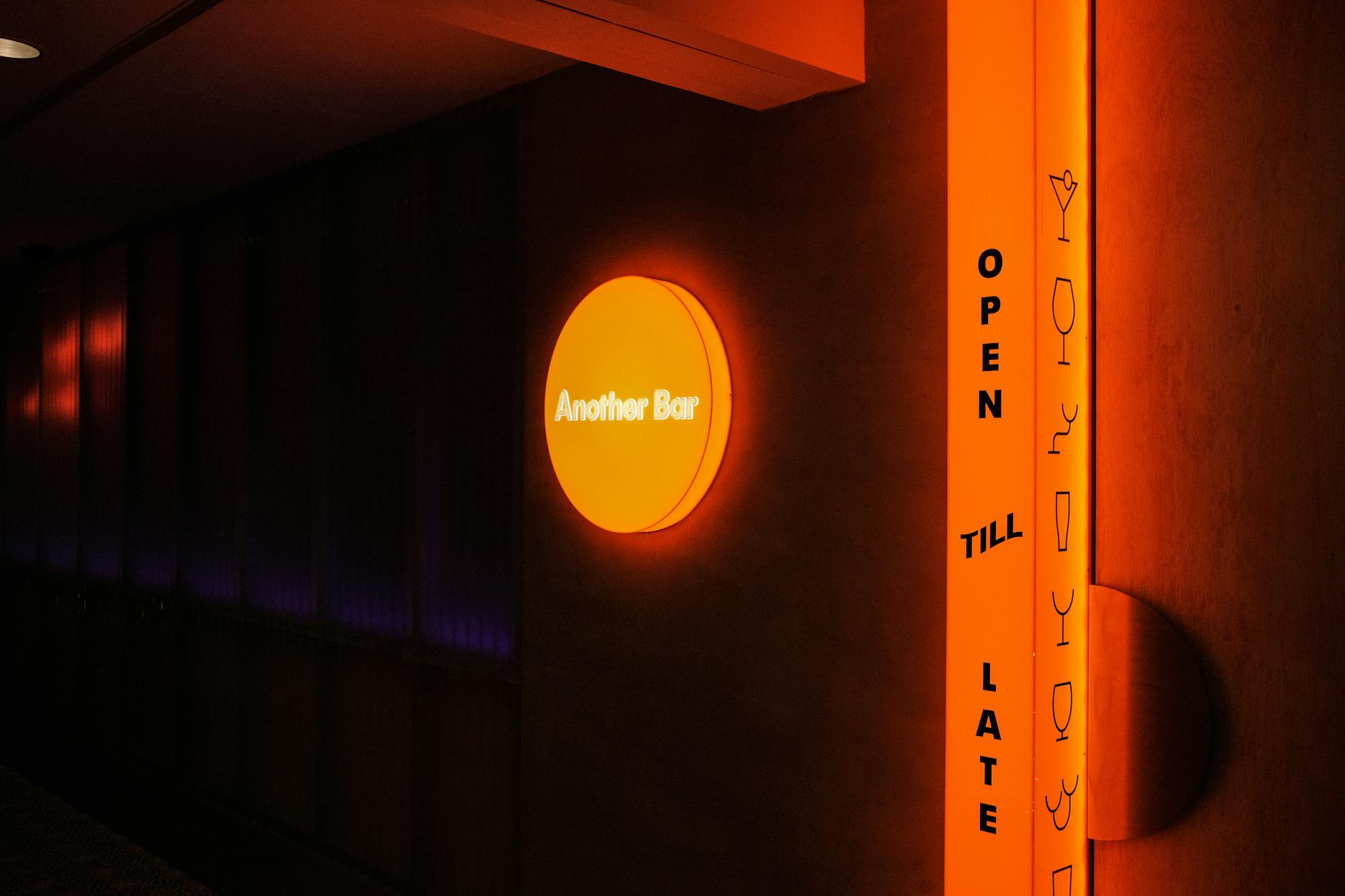
Sanlitun is the beating heart of Beijing’s modern nightlife scene, where over 80 bars, clubs, and lounges pack into the streets surrounding the Workers’ Stadium and the stylish Taikoo Li shopping complex. There’s a local saying: “Sanlitun has the longest nights in Beijing,” and it’s absolutely true — the energy here doesn’t peak until well past midnight and carries on until dawn.
Bar Street (酒吧街) — The 260-meter Sanlitun Bar Street is Beijing’s most concentrated nightlife strip, housing roughly 60% of the city’s bars. Venues range from casual open-air beer gardens to sophisticated cocktail lounges and thumping dance clubs. Popular spots include Long Jing (a modern tea-house cocktail lounge blending Chinese and Western drinking culture), KOKOMO (rooftop views and tropical cocktails), and Swing 58 (relaxed wine bar). Drinks typically cost ¥40–80, with weekend covers at clubs running ¥50–100. Workers’ Stadium (工人体育场) — The stadium area is Beijing’s megaclub zone, with venues like Club MIX drawing massive crowds with international DJs and spectacular light shows. These clubs operate Thursday through Saturday nights, with things getting started around 11 PM. Cover charges range from ¥50–200 and often include a drink. Getting there: Subway Line 10, Tuanjiehu Station, or Line 2, Dongsishitiao Station. Taxis are the easiest option late at night.
Houhai Lake: Atmospheric Waterside Nightlife
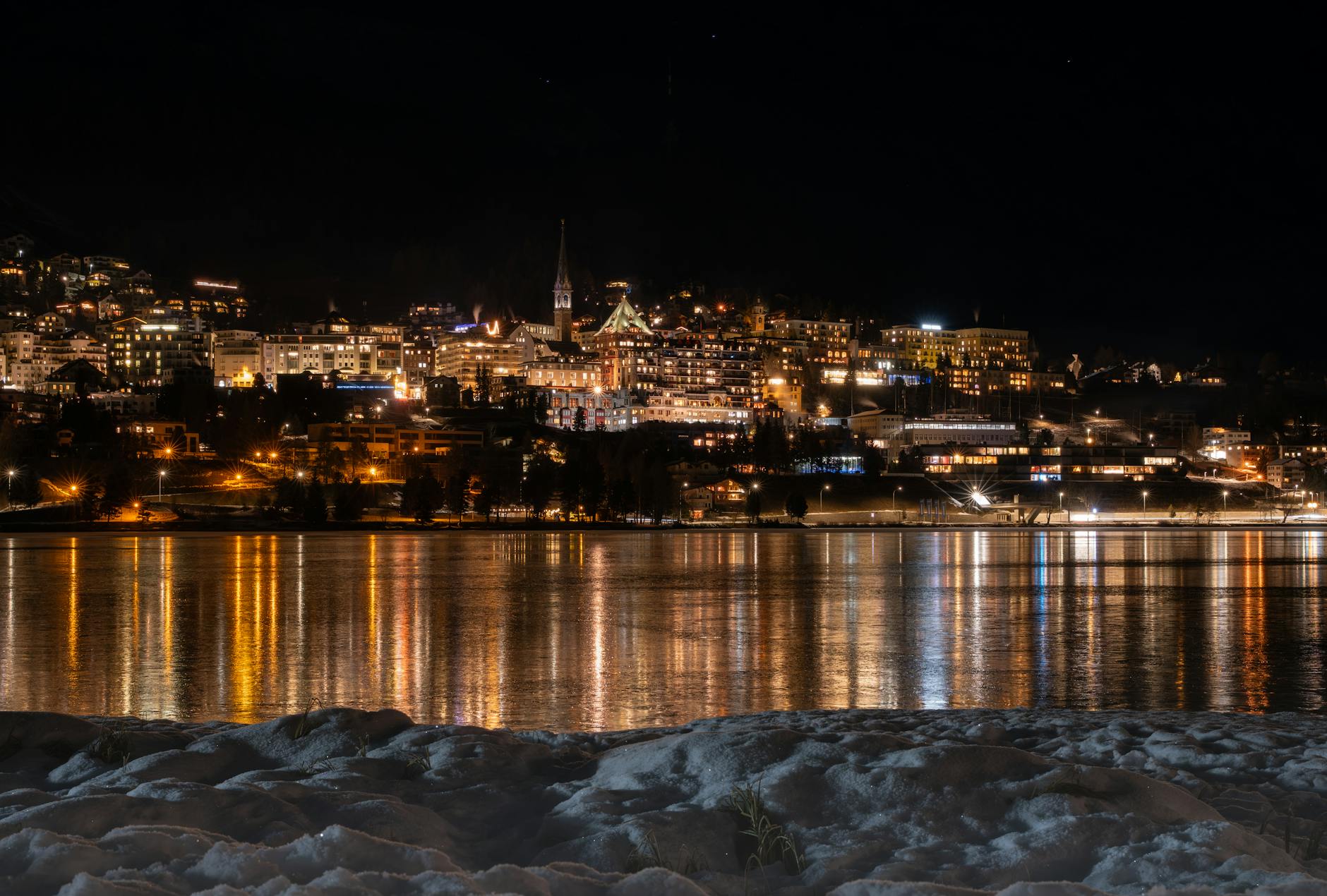
If Sanlitun is Beijing’s high-energy nightlife hub, Houhai is its mellow, atmospheric counterpart. The bars lining the shores of Houhai lake offer one of the most uniquely beautiful nightlife experiences in any city — drinks in hand, lakeside breezes, and live music floating across the water, all surrounded by the ancient hutong neighborhoods that make Beijing so special.
Houhai’s bar scene is famous for live music — most venues host bands every evening playing everything from Chinese folk and pop to jazz, blues, rock, and Western classics. The atmosphere is far more relaxed than Sanlitun, making it ideal for couples, groups who prefer conversation over clubbing, and anyone who wants to experience Beijing’s nightlife without the intensity. Drinks average ¥40–80, and most bars have outdoor lakeside terraces with stunning views. The best time to arrive is around 7–8 PM to secure a lakeside table before the crowds build. See our hutongs guide for more on the Shichahai area. Getting there: Subway Line 8, Shichahai Station, Exit A.
Peking Opera: Beijing’s Greatest Cultural Performance
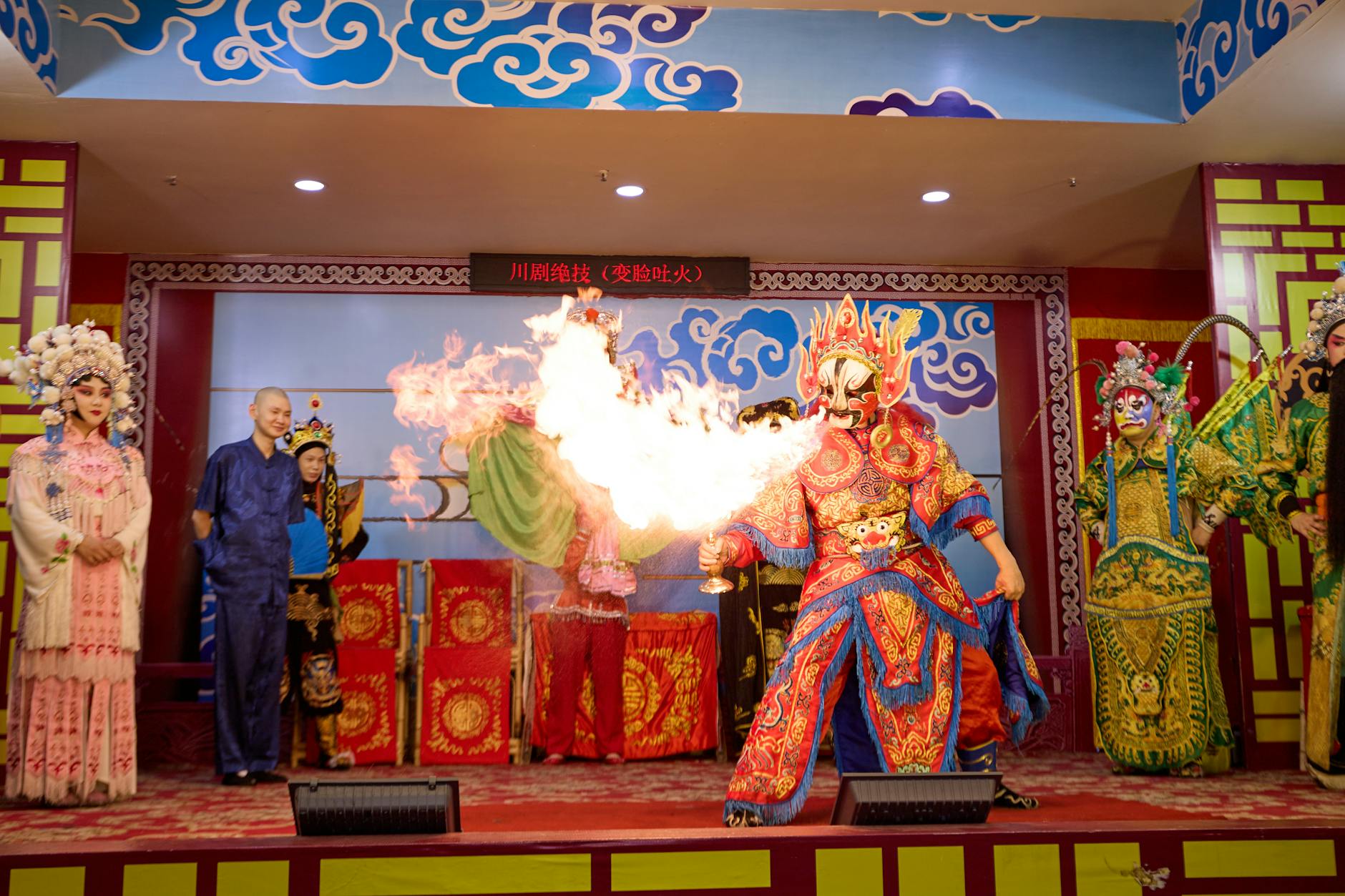
Watching a Peking Opera (京剧, jīngjù) performance is one of the most quintessentially Beijing nightlife experiences you can have. This 200-year-old art form combines singing, dialogue, acrobatics, martial arts, and elaborate costumes into a theatrical spectacle unlike anything in Western culture. Even if you don’t understand Mandarin, the visual splendor, incredible athleticism, and emotional intensity of Peking Opera transcend language barriers — and most tourist-oriented venues provide English subtitles or program notes.
Liyuan Theatre (梨园剧场) — Located inside the Jianguo Hotel Qianmen, Liyuan is the most popular venue for tourists, offering nightly performances with English subtitles displayed beside the stage. You can watch performers apply their elaborate makeup before the show and enjoy tea while watching. Tickets: ¥180–580. Chang’an Grand Theatre (长安大戏院) — A grand, purpose-built opera house on Chang’an Avenue offering high-quality full-length performances. This is where serious opera fans come — productions are longer and more authentic than tourist-oriented shows. Tickets: ¥80–680. Zhengyi Temple Theatre (正乙祠戏楼) — Built in 1667, this is one of the oldest surviving wooden theatres in Beijing and arguably the most atmospheric venue to see Peking Opera. The intimate setting in a beautifully preserved temple creates an unforgettable experience. Tickets: ¥200–800. Huguang Guild Hall (湖广会馆) — A 200-year-old venue that stages nightly opera performances in a stunning historic building. The pre-show exhibition of Peking Opera costumes and instruments is worth arriving early for. Tickets: ¥150–580.
Acrobatics Shows: Jaw-Dropping Athletic Performances
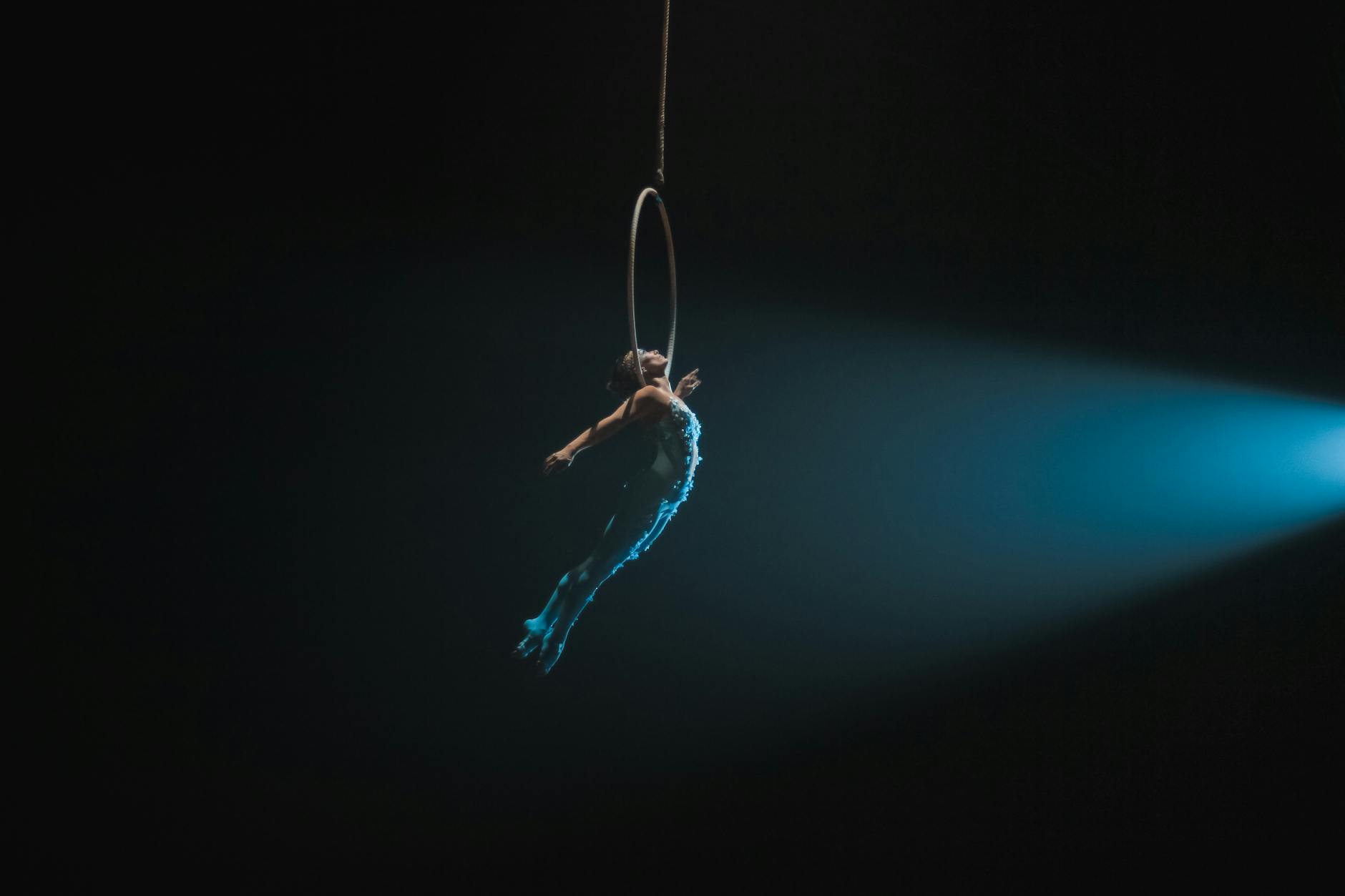
Beijing’s acrobatics shows are among the most popular nighttime activities for visitors — and for good reason. These 90-minute spectacles feature incredible feats of human flexibility, strength, balance, and coordination that leave audiences gasping. Unlike Peking Opera, acrobatics shows require zero language skills to enjoy, making them perfect for families and anyone looking for pure entertainment.
Chaoyang Theatre (朝阳剧场) — Beijing’s most famous acrobatics venue, designated as a special tourist performance site. Shows run nightly and feature acts including aerial silk performances, plate spinning, hoop diving, contortion, and the hair-raising motorcycle globe act. Tickets: ¥180–580. Subway: Line 6, Hujialou Station. Red Theatre (红剧场) — Home to “The Legend of Kung Fu,” which combines martial arts, acrobatics, and dance into a narrative show telling the story of a boy’s journey to become a kung fu master. This show is particularly popular with families. Tickets: ¥180–680. Located at 44 Xingfu Street, Dongcheng District. Tianqiao Performing Arts Center (天桥艺术中心) — A modern arts complex in the historic Tianqiao area that hosts rotating acrobatics productions alongside other performances. Check current listings for show schedules.
Live Music Scene
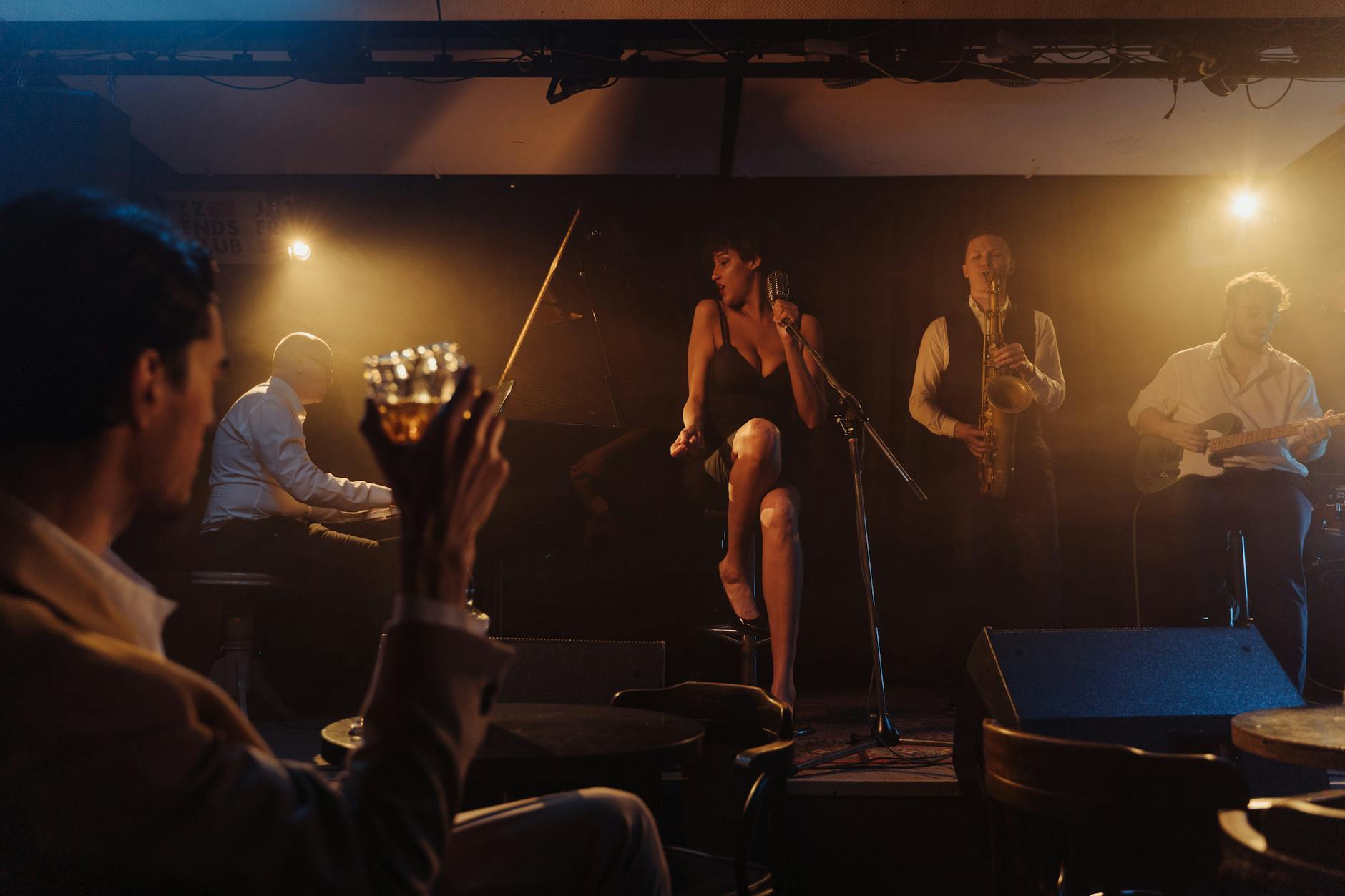
Beijing has China’s most vibrant live music scene, nurtured by decades of underground rock, punk, and indie culture. From intimate hutong jazz clubs to massive concert halls, there’s live music every night of the week somewhere in the city.
Dusk Dawn Club (DDC) — One of Beijing’s best small live music venues, tucked in a Gulou hutong. Features indie, electronic, jazz, and experimental acts nightly. Intimate atmosphere, cheap drinks. ¥50–100 cover. Yugong Yishan — Beijing’s premier mid-size live music venue, hosting both Chinese and international touring acts. Named after the Chinese fable of the Old Man Who Moved Mountains. Check listings for shows. Blue Note Beijing — The Beijing outpost of the legendary New York jazz club, offering world-class jazz performances in an elegant setting. An upscale experience with dinner and show options. ¥200–500. School Bar — A beloved Wudaoying Hutong institution for experimental and indie music in an impossibly tiny space. The epitome of Beijing’s underground music culture. ¥30–50 cover. Arrow Factory Brewing — Near Liangmaqiao, this craft brewery has a relaxed outdoor terrace beside the river with regular live music events, hearty food, and some of Beijing’s best locally brewed beers.
Night Markets and Late-Night Food
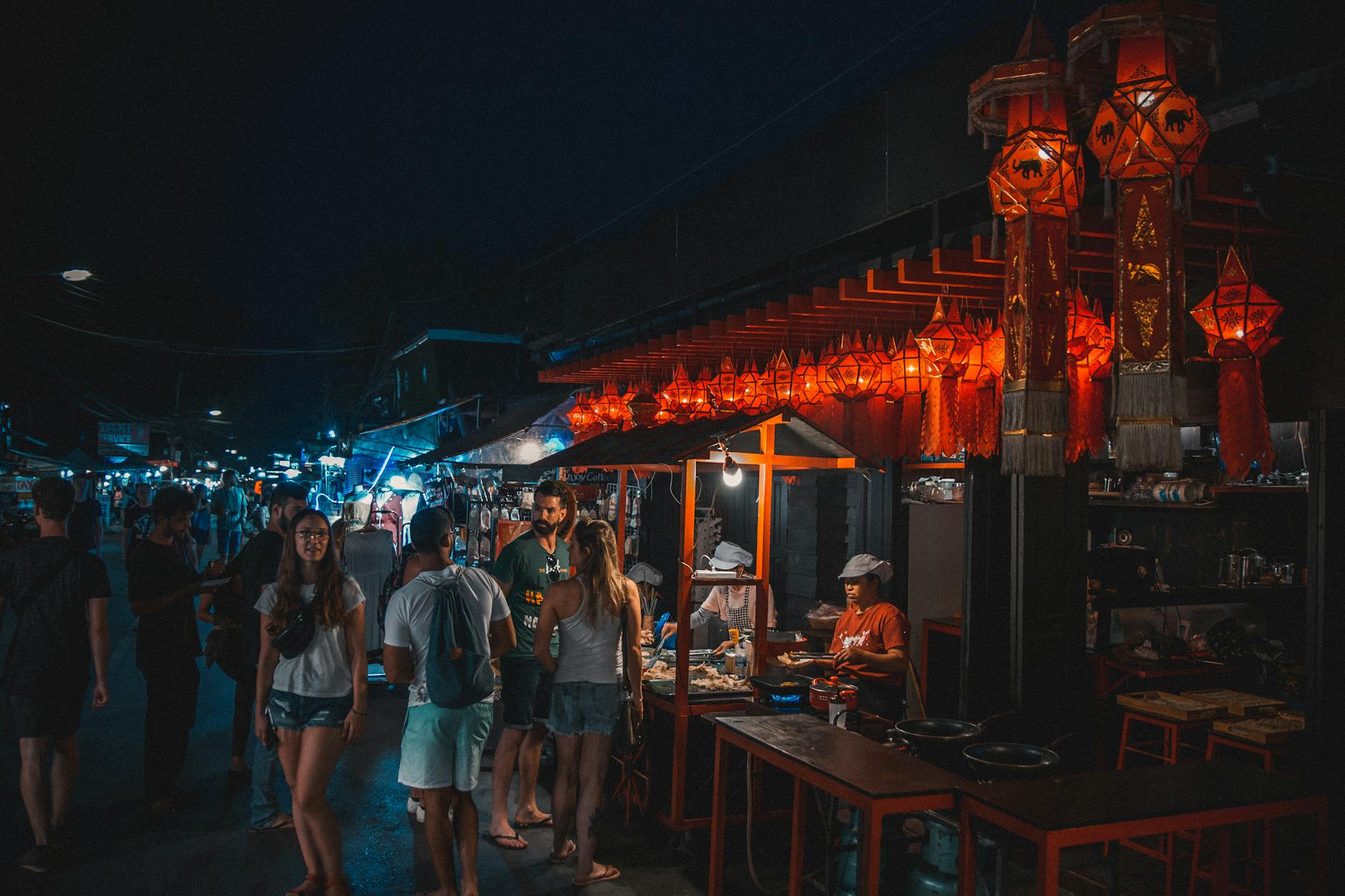
Some of Beijing’s best nightlife doesn’t involve bars at all — the city’s late-night food scene is legendary. Ghost Street (Guijie 簋街) — Beijing’s most famous late-night dining strip stays buzzing until 2–4 AM with spicy crayfish, grilled fish, and fiery Sichuan dishes under thousands of red lanterns. Read our complete Beijing food guide for restaurant recommendations. Wangfujing Night Market — The tourist-friendly night market near Wangfujing Street offers adventurous snacks (scorpions, starfish, silkworms) alongside traditional Beijing treats. Open evenings until around 10 PM. Donghuamen Night Market — Similar to Wangfujing but slightly less crowded, with a wider variety of street foods. 簋街 Late-Night Hot Pot — Several 24-hour hot pot restaurants throughout Beijing cater to the after-midnight crowd. Hai Di Lao’s 24-hour branches are popular for post-club hot pot runs.
Traditional Evening Performances
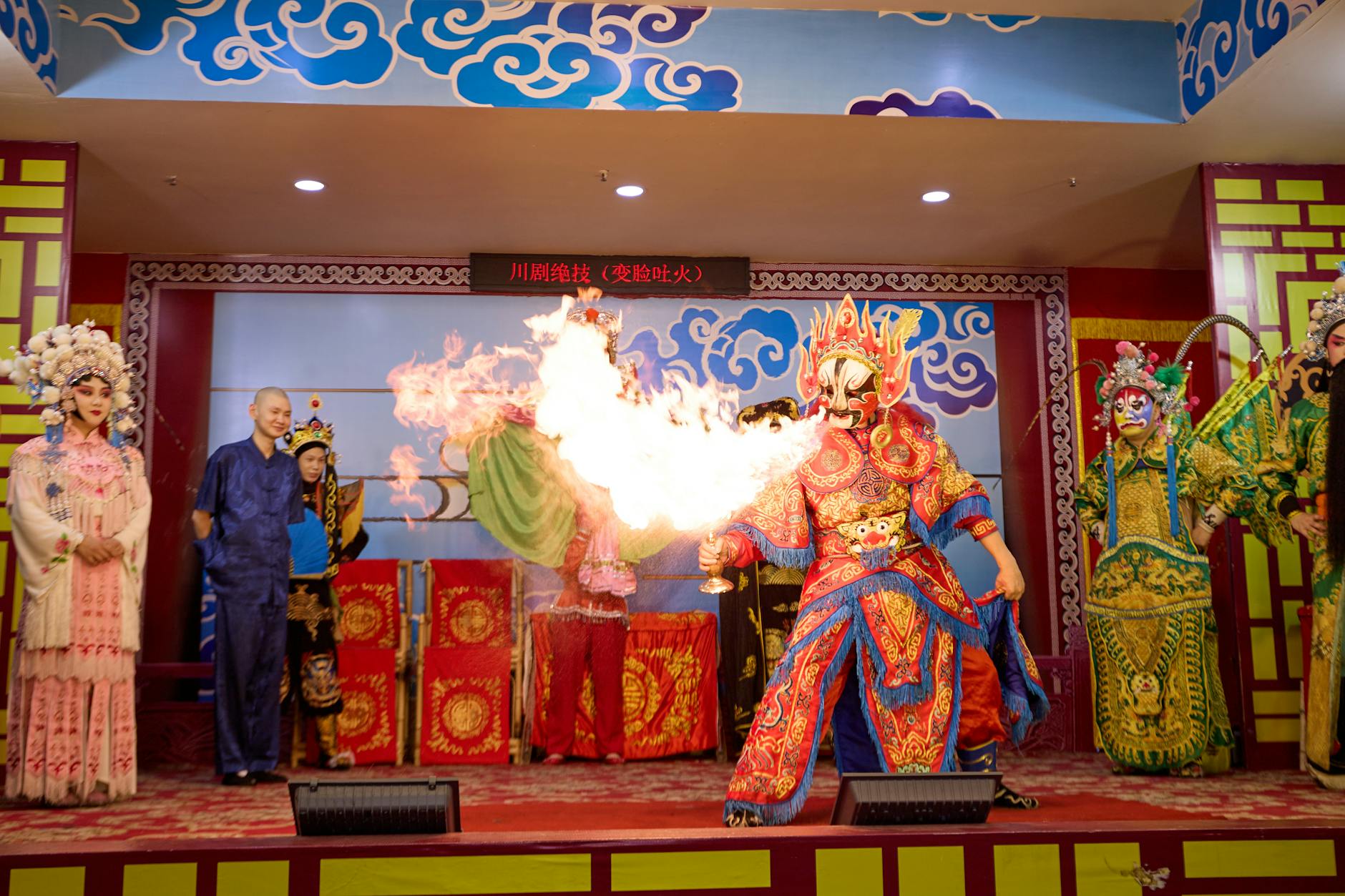
Beyond Peking Opera and acrobatics, Beijing offers several other traditional evening performances. Chinese Shadow Puppetry — This ancient art form uses intricately carved leather puppets projected onto a lit screen, accompanied by traditional music. Several hutong theaters offer intimate performances. Teahouse Shows (老舍茶馆) — Lao She Teahouse near Qianmen offers nightly variety shows combining Peking Opera excerpts, acrobatics, magic tricks, folk music, and comedy in a traditional teahouse setting with unlimited tea. A fantastic sampler of Chinese performing arts. Tickets: ¥60–180. Beijing Comedy Scene — For English speakers, several venues host English-language standup comedy nights featuring local and visiting comedians. Check the Beijinger magazine listings for current shows.
Practical Beijing Nightlife Tips
Safety: Beijing is remarkably safe at night by global standards. Violent crime targeting tourists is extremely rare. The main concerns are drink-spiking at clubs (watch your drinks) and taxi overcharging late at night (use ride-hailing apps like Didi instead of street taxis). Getting around: The Beijing subway closes around 10:30–11:00 PM, so plan your return trip via taxi or Didi ride-hailing. Didi is China’s Uber equivalent and works well with international phone numbers. Dress code: Sanlitun clubs enforce dress codes (no shorts, sandals, or sportswear). Bars and other venues are generally casual. Costs: Budget ¥100–200 for a moderate bar evening, ¥200–500 for clubbing, and ¥150–600 for shows. Best nights: Thursday through Saturday for clubbing. Bars and live music venues are good any night. Shows typically run Tuesday through Sunday. Where to stay: If nightlife is a priority, see our accommodation guide for hotels near Sanlitun and Houhai.
Beijing’s nightlife is as diverse as the city itself — from the millennia-old traditions of Peking Opera to cutting-edge electronic clubs, from lakeside cocktails to fiery midnight crayfish feasts. Whatever your evening style, this Beijing nightlife guide has you covered for an unforgettable night in China’s capital.