Day trips from Beijing open up a world beyond the capital’s bustling streets — from the colonial elegance of Tianjin reached in just 30 minutes by bullet train, to ancient mountain villages frozen in time for centuries, and imperial summer retreats surrounded by pristine wilderness. Beijing’s position as a transportation hub, with its extensive high-speed rail network and modern highways, makes it remarkably easy to escape the city for a day and discover the diverse landscapes, history, and cultures of northern China. This complete guide covers the best day trips from Beijing with practical transportation details, costs, and itineraries for every type of traveler.
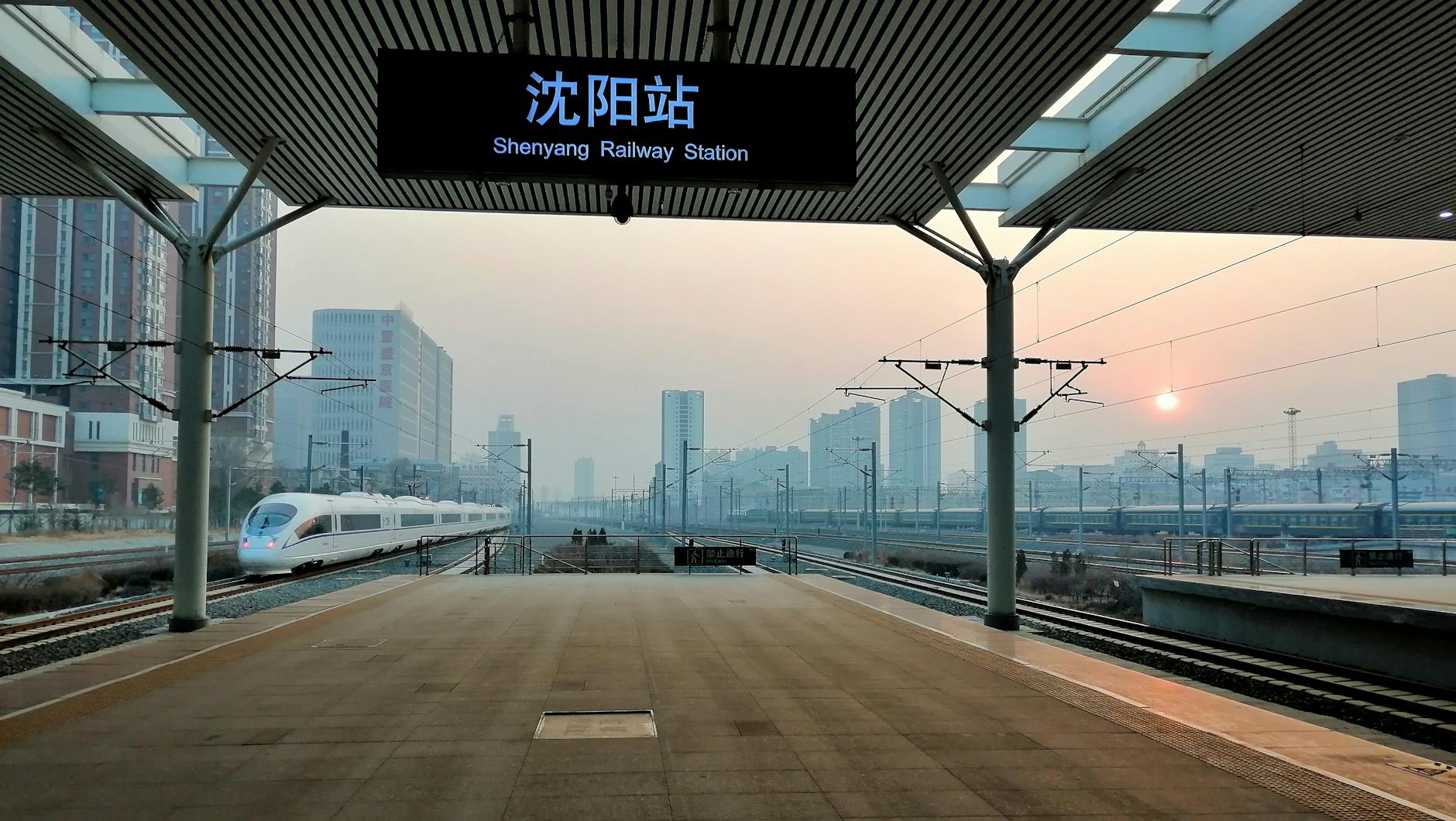
Tianjin: Colonial Architecture and Port City Culture
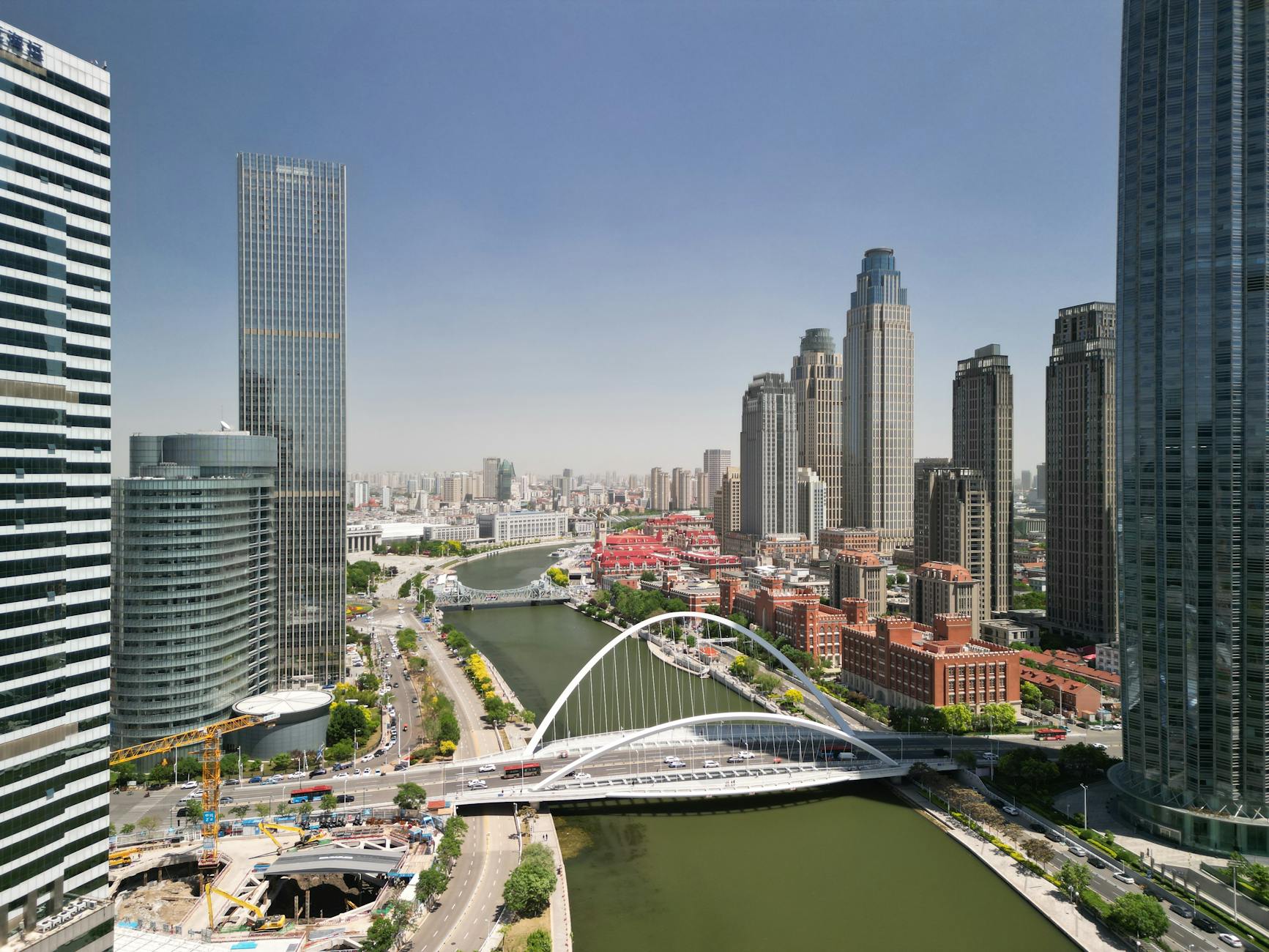
Tianjin is the easiest and most rewarding day trip from Beijing — China’s fourth-largest city is just 120 kilometers southeast and connected by frequent bullet trains that take only 30–40 minutes (¥55 second class). The city’s unique charm comes from its history as a treaty port, which left behind one of China’s most impressive collections of European colonial architecture — Italian, French, British, German, and Japanese concession areas each with their own distinctive character. Start your day on the Ancient Culture Street (古文化街) for traditional handicrafts and Tianjin’s famous goubuli baozi (steamed buns). Walk the Italian-Style District with its European piazzas and cafes, then stroll along the beautiful Haihe River lined with illuminated bridges. Don’t miss the Tianjin Eye — a giant Ferris wheel built directly over a bridge, unique in the world. The Porcelain House (瓷房子), a building covered entirely in porcelain and antique fragments, is one of China’s most remarkable architectural curiosities. Getting there: Beijing South Station to Tianjin Station, trains every 5–15 minutes. Budget: ¥200–400 including transport, food, and sightseeing.
Chengde: Imperial Summer Retreat and Mountain Temples
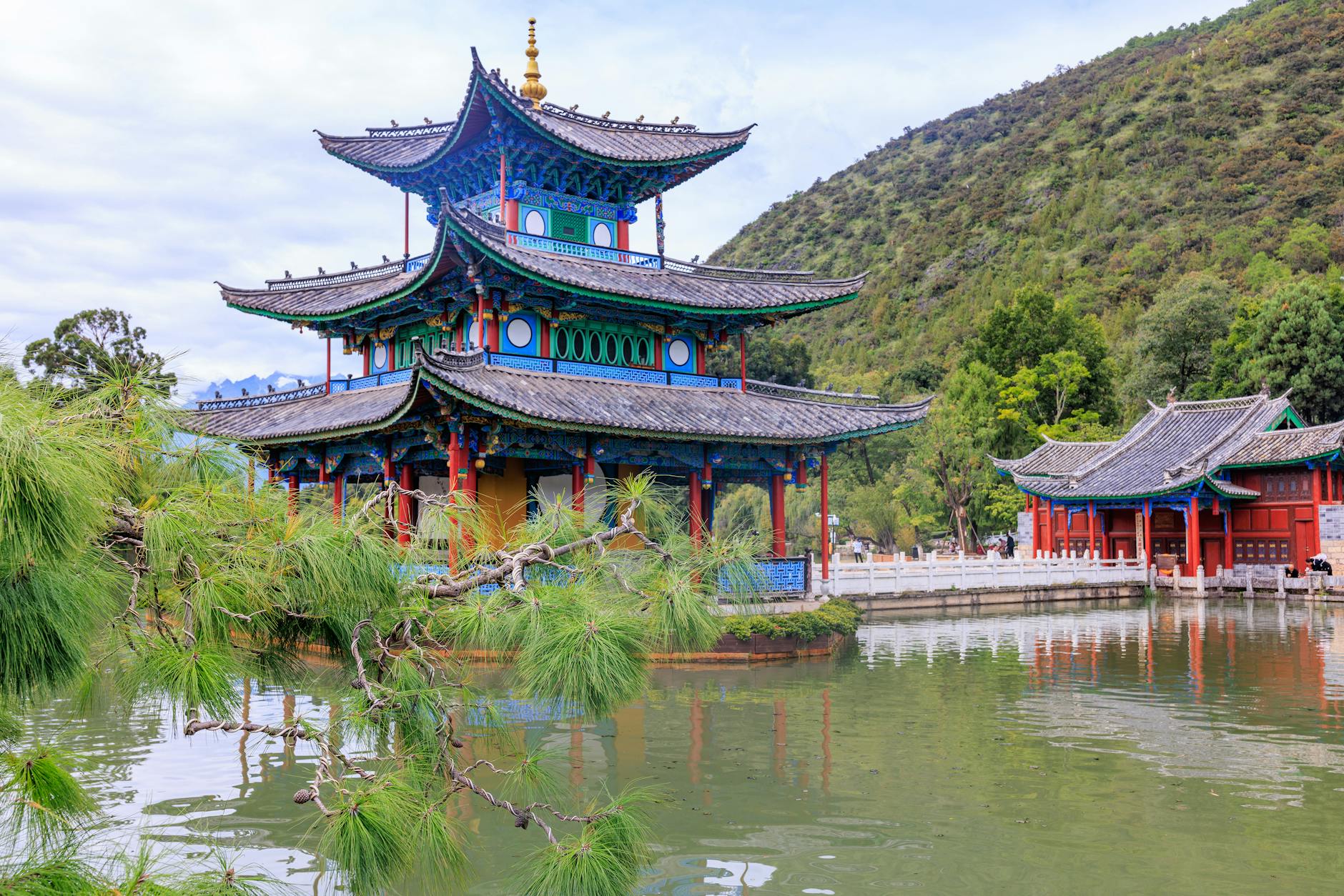
Chengde, 230 kilometers northeast of Beijing, was the Qing Dynasty emperors’ summer escape from Beijing’s oppressive heat. The UNESCO World Heritage-listed Mountain Resort (避暑山庄) is China’s largest imperial garden — a 5.6-square-kilometer complex of palaces, temples, lakes, and forested hills that rivals the Forbidden City in grandeur. Surrounding the resort are the Eight Outer Temples (外八庙), a remarkable collection of Tibetan Buddhist, Mongolian, and Han Chinese architectural styles built to impress visiting dignitaries from across the empire. The Putuo Zongcheng Temple, modeled after the Potala Palace in Lhasa, is particularly spectacular. Getting there: High-speed train from Beijing North Station to Chengde (approximately 1.5–2 hours, ¥80–130). Regular trains are cheaper but take 4–5 hours. Best timing: Start early (7 AM train) to maximize your day. The resort alone requires 3–4 hours; add 2 hours for temples. Budget: ¥300–500 including transport and admission (Mountain Resort ¥130, temples ¥40–80 each).
Cuandixia: A Ming Dynasty Village Frozen in Time
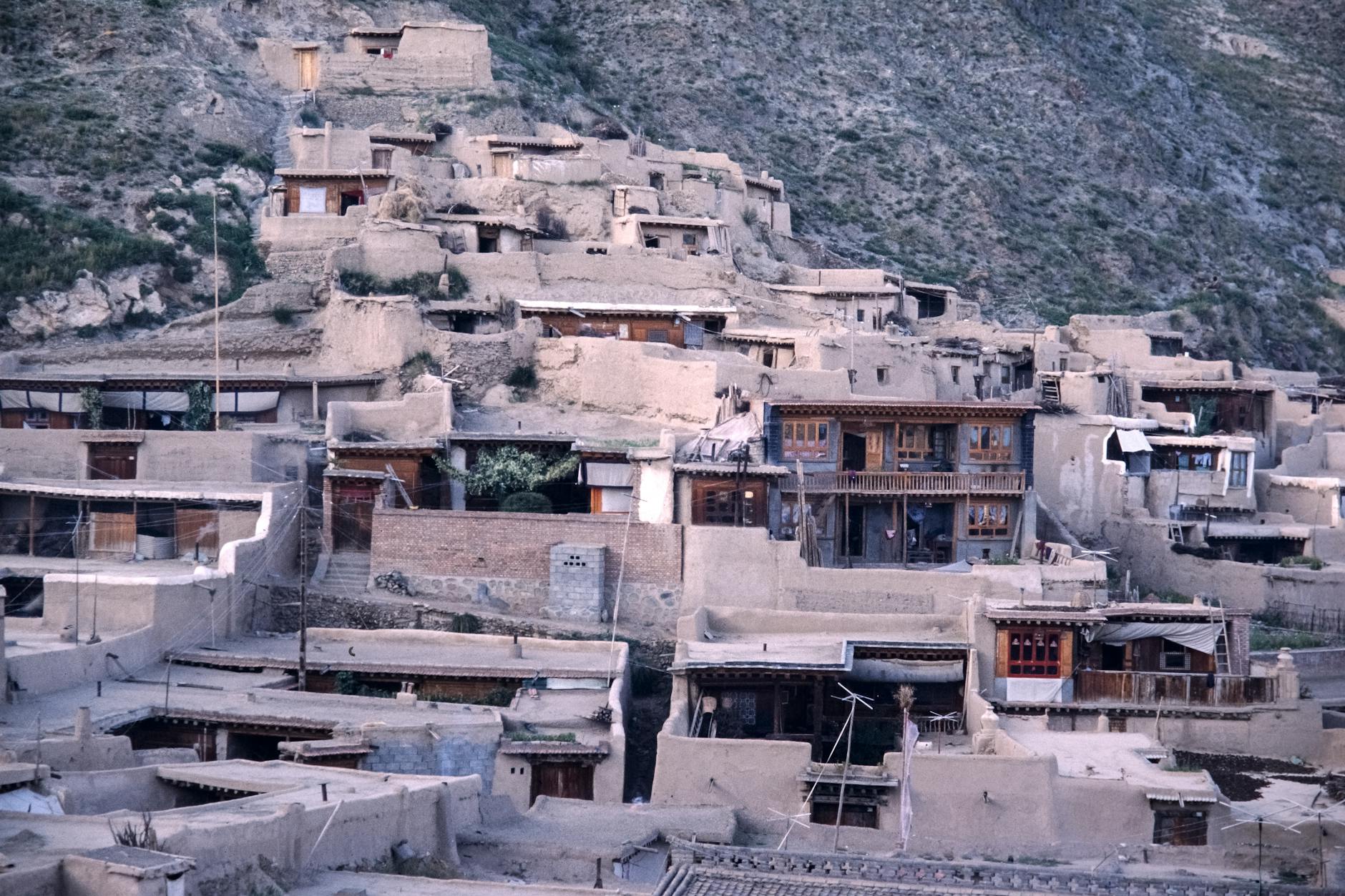
Cuandixia (爨底下) is a breathtaking ancient village nestled in the mountains 90 kilometers west of Beijing, where over 70 beautifully preserved Ming and Qing Dynasty courtyard houses cascade down a terraced hillside. This 400-year-old village once thrived as a trading post on the ancient road connecting Beijing to the western provinces. Today, its stone-paved lanes, weathered gates with Cultural Revolution-era slogans still visible on courtyard walls, and dramatic mountain backdrop make it one of the most photogenic destinations near Beijing. Wander the village lanes, hike to the hilltop for panoramic views, and enjoy a traditional farmhouse lunch (nongjiafan 农家饭) of fresh mountain vegetables, corn bread, and home-raised chicken. Getting there: Take subway to Pingguoyuan (Line 1), then bus 892 to Zhaitang, then local transport (3 hours total). A private car or organized tour is much easier (1.5–2 hours direct). Admission: ¥35. Tip: Stay overnight in a converted courtyard guesthouse (¥100–200) for the magical experience of sunset and sunrise over the valley.
The Great Wall: Best Sections for Day Trips from Beijing
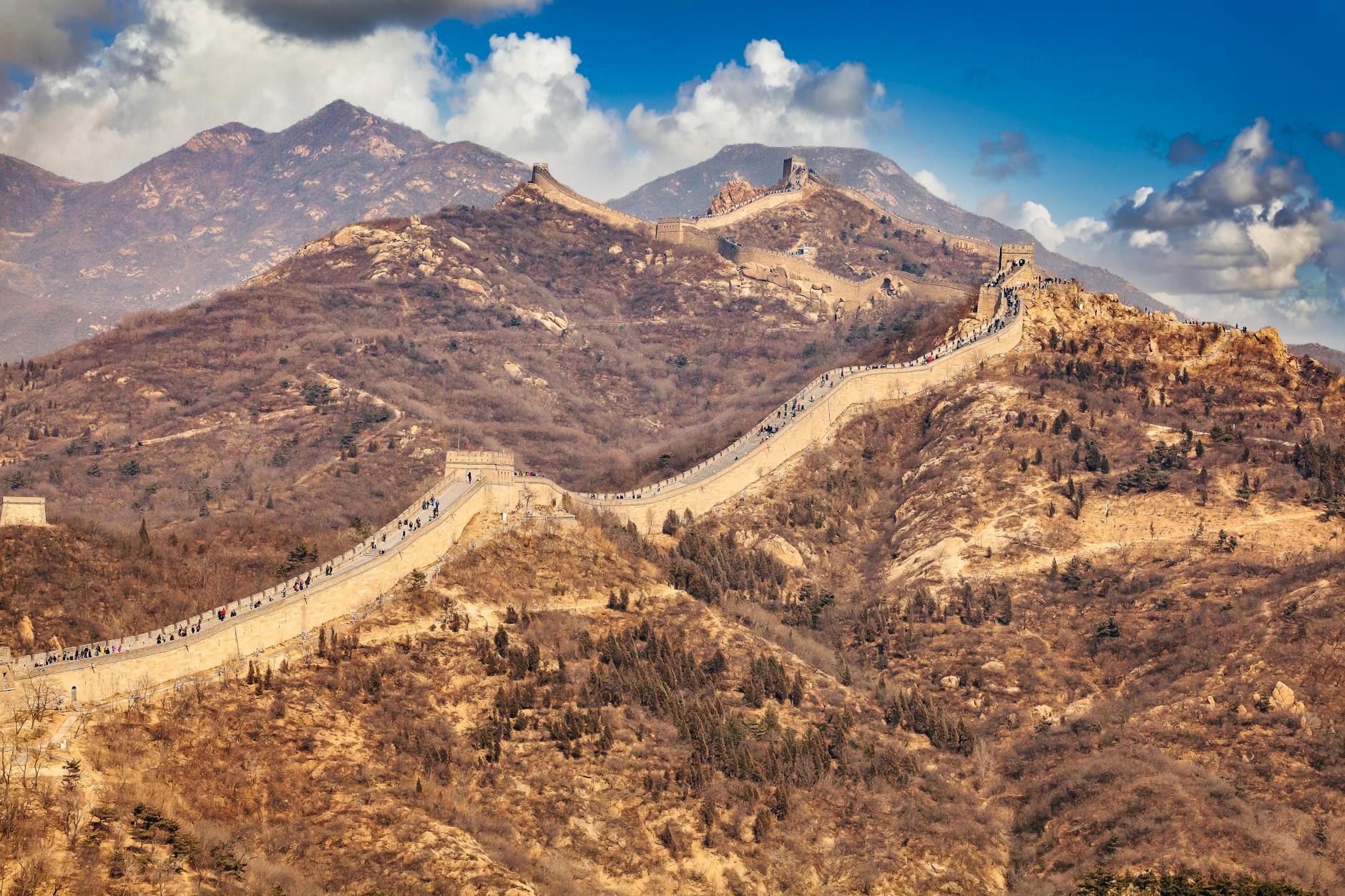
While the Great Wall deserves its own comprehensive guide, it’s worth noting the best sections for day trips from Beijing. Mutianyu (慕田峪) — The most recommended section for most visitors, offering stunning scenery, well-restored walls, a cable car, and toboggan ride down, with fewer crowds than Badaling. 90 minutes from central Beijing. Badaling (八达岭) — The most famous and accessible section, now reachable by high-speed train in just 20 minutes from Beijing North Station. Most crowded but best infrastructure. Jinshanling (金山岭) — For serious hikers, this partially restored section 2.5 hours from Beijing offers dramatic scenery and solitude. The hike from Jinshanling to Simatai is one of China’s greatest walks. Huanghuacheng (黄花城) — The “lakeside Great Wall” where the wall meets a reservoir, creating unique photo opportunities. 90 minutes from Beijing.
More Day Trips from Beijing Worth Considering
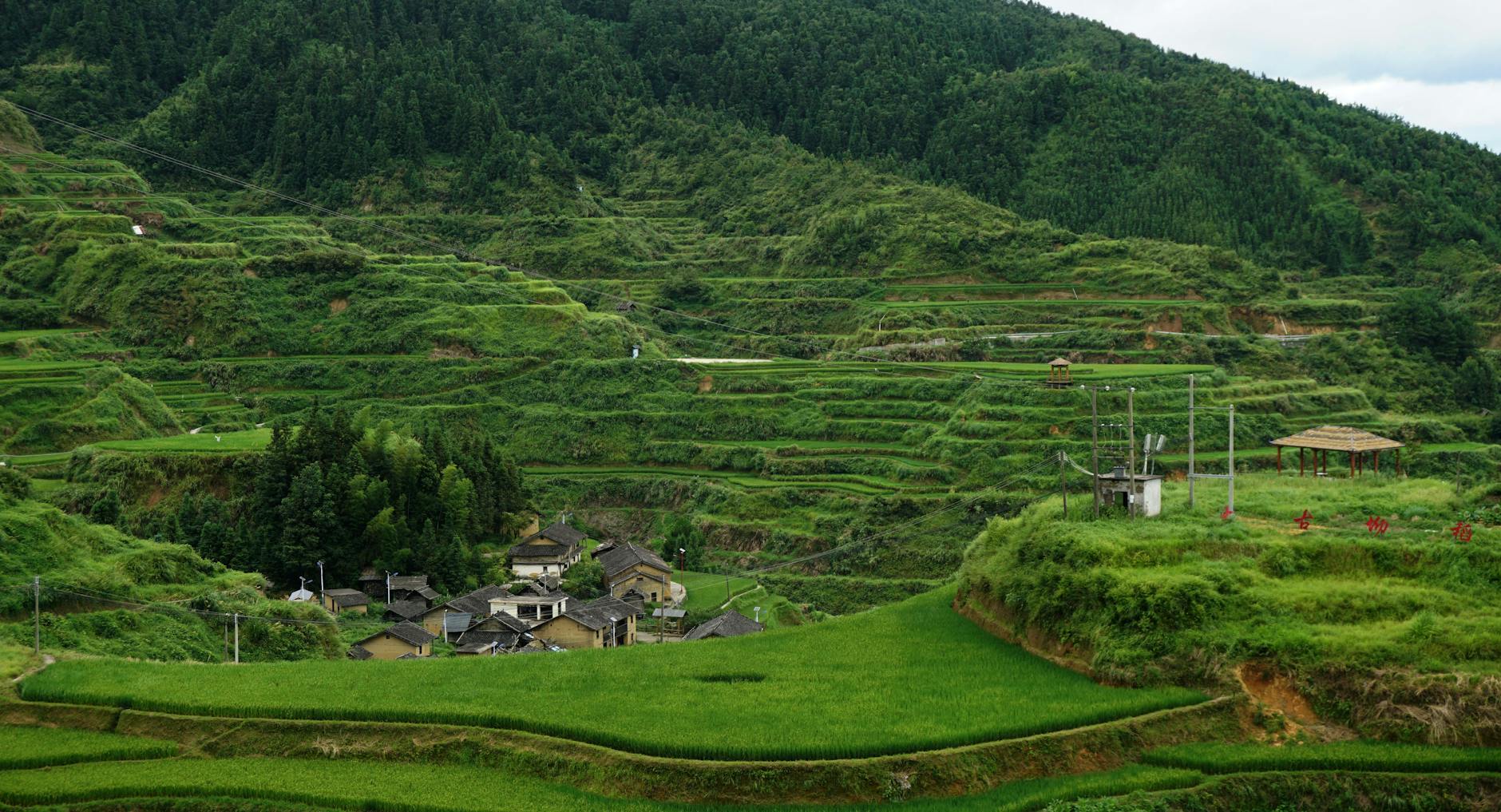
Ming Tombs (明十三陵) — The burial site of 13 Ming Dynasty emperors, set in a scenic valley 50 kilometers north of Beijing. The Sacred Way, lined with stone animal and official statues, is the highlight. Often combined with a Great Wall visit. Admission: ¥45–65 per tomb. Tanzhe Temple and Jietai Temple — Two of Beijing’s most atmospheric ancient Buddhist temples, nestled in the western mountains. Tanzhe Temple dates to the Jin Dynasty (265–420 AD), making it older than Beijing itself. Stunning autumn foliage. Bus 931 from Pingguoyuan subway. Longqing Gorge (龙庆峡) — Called “the Little Three Gorges,” this stunning river canyon 85 kilometers north of Beijing features boat cruises through towering cliffs, bungee jumping, and in winter, the spectacular Ice Lantern Festival. Shidu (十渡) — “Ten Crossings” — a scenic river valley 100 kilometers southwest of Beijing offering rafting, bungee jumping, glass walkways, and zip-lining over dramatic karst landscapes. Perfect for adventure seekers. Gubei Water Town (古北水镇) — A beautifully reconstructed water village at the foot of the Simatai Great Wall section, offering boutique hotels, hot springs, night-lit Great Wall views, and romantic canal-side dining. Best as an overnight trip.
Practical Tips for Day Trips from Beijing
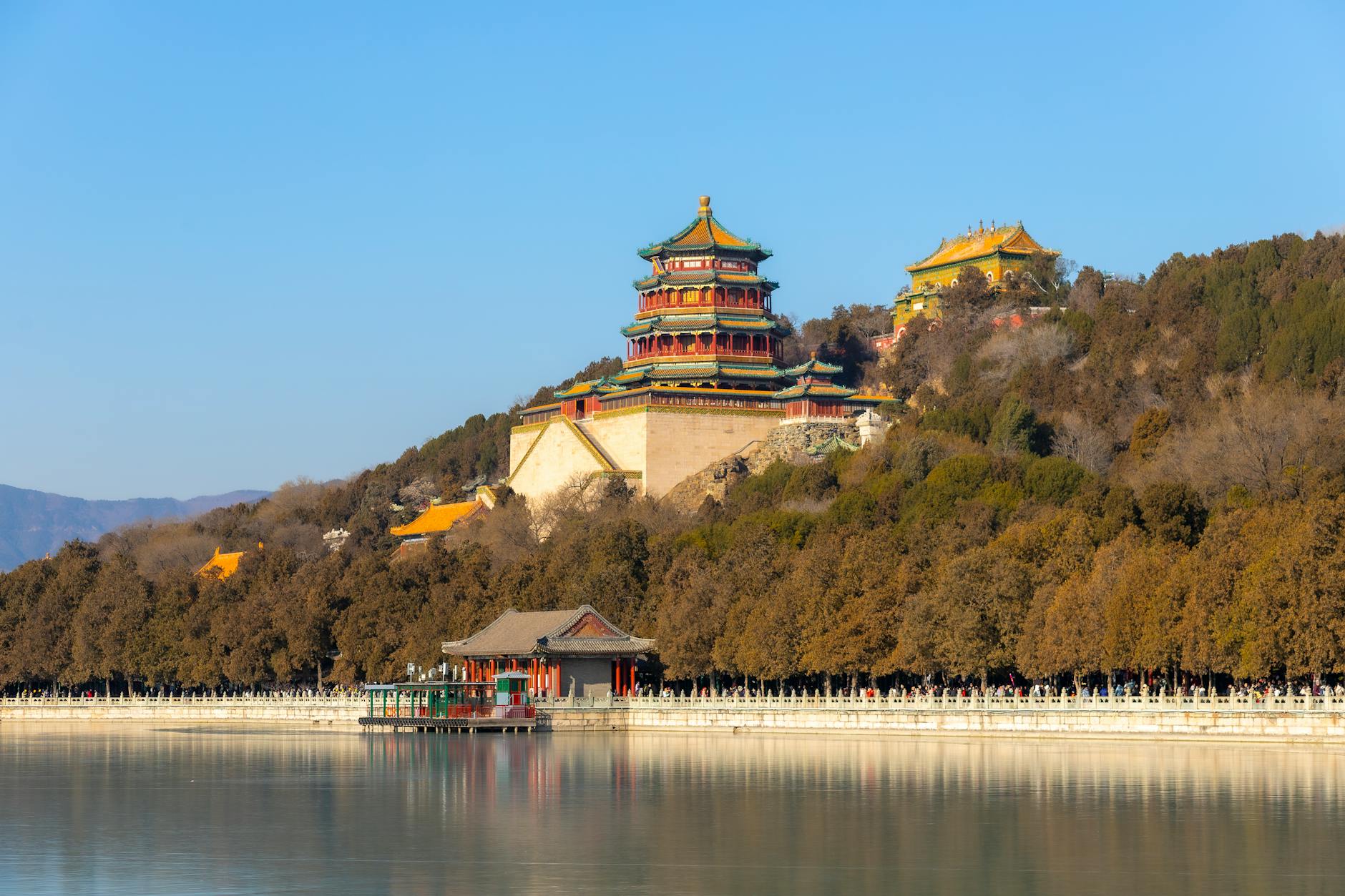
Transportation: China’s high-speed rail is the best option for cities like Tianjin and Chengde — book tickets via the 12306 app or Trip.com. For mountain villages and Great Wall sections, organized tours, private drivers (¥500–800/day via hotel), or a combination of subway and local buses are your options. Didi ride-hailing works for destinations within 100 kilometers. Timing: Start early to maximize your day. Most destinations require departure by 7–8 AM for a comfortable pace. Avoid Chinese public holidays (Golden Week in October, Chinese New Year) when destinations are extremely crowded. What to bring: Comfortable walking shoes, water, snacks, sunscreen, a portable charger, and cash (rural areas may not accept mobile payments). Combining trips: Several destinations pair well — Ming Tombs with the Great Wall, Tanzhe Temple with Jietai Temple, or Gubei Water Town with Simatai Great Wall. Use the Beijing transportation guide for detailed transit information. Where to stay: Most day trips from Beijing work best when you’re based in central Beijing near major subway stations. See our accommodation guide for the best hotel neighborhoods.
The region surrounding Beijing offers an extraordinary diversity of experiences — from ultramodern cities to ancient villages, from imperial palaces to wild mountain scenery. These day trips from Beijing reveal dimensions of Chinese culture, history, and landscape that the capital alone cannot show, and they’re all remarkably accessible thanks to China’s world-class transportation infrastructure.