Beijing temples represent some of the most magnificent spiritual architecture in all of China. As the imperial capital for over 800 years, Beijing attracted the finest temples, monasteries, and shrines from every major Chinese spiritual tradition — Buddhism, Taoism, and Confucianism. Today, these Beijing temples remain active places of worship while welcoming visitors to experience their extraordinary art, architecture, and tranquil atmospheres. From the incense-filled halls of the Lama Temple to the ancient Taoist rituals at White Cloud Temple, this guide covers every major temple worth visiting in Beijing.
Buddhist Beijing Temples
Lama Temple (雍和宫 Yonghegong)
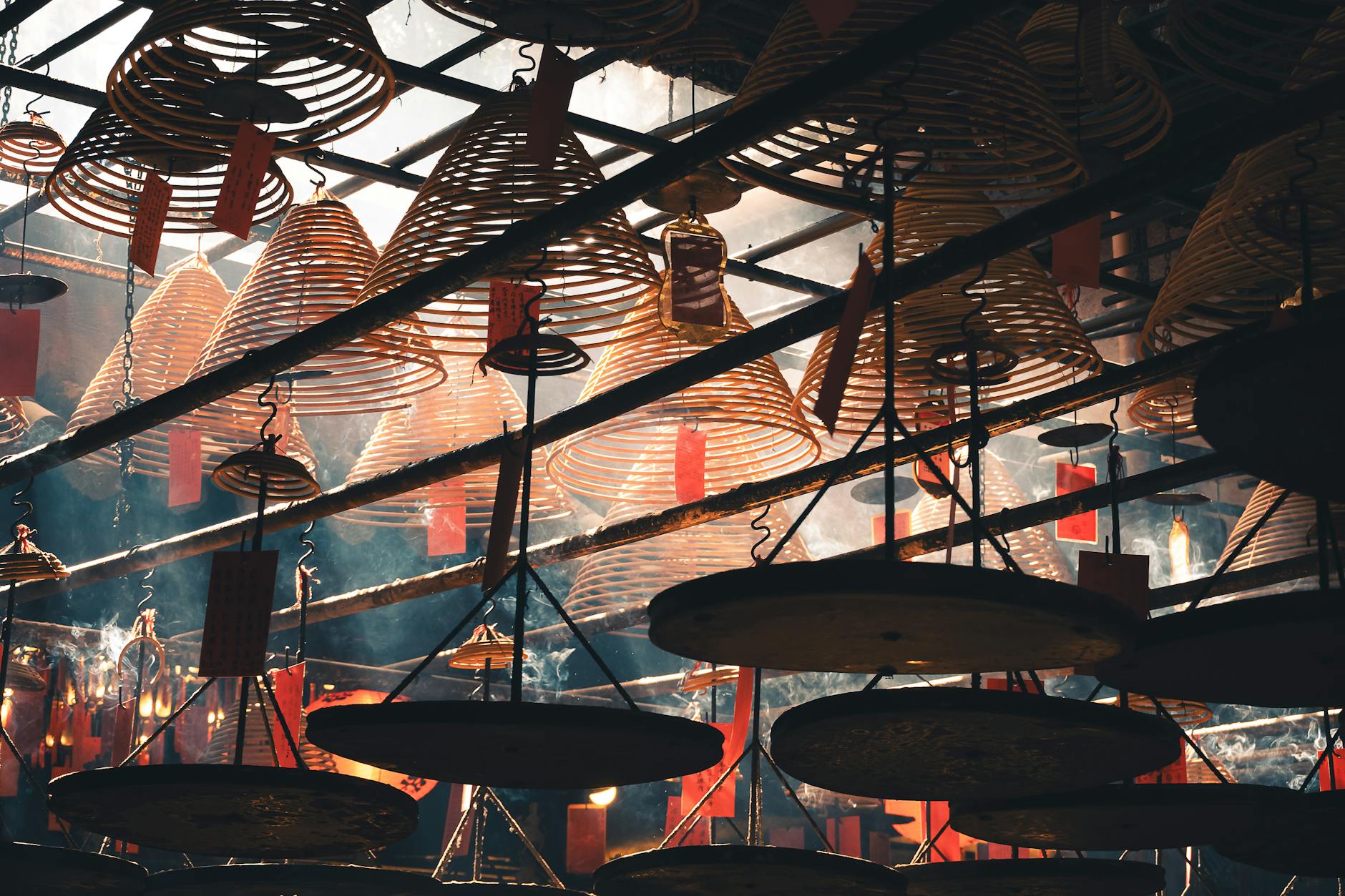
The Lama Temple is Beijing’s most magnificent and popular temple — a Tibetan Buddhist masterpiece that began life as an imperial residence before Emperor Yongzheng converted it into a lamasery in 1744. The temple’s five main halls progress from south to north with increasingly impressive Buddhist statuary, culminating in the awe-inspiring 18-meter Maitreya Buddha carved from a single trunk of Tibetan sandalwood — recognized by Guinness World Records as the world’s largest wooden Buddha statue. The rich scent of incense, the sound of monks chanting, and the spectacular Tibetan-Mongolian-Han architectural fusion make this an unforgettable experience. Hours: 9:00 AM – 4:00 PM (last entry 3:30 PM). Admission: ¥25. Getting there: Subway Line 2/5, Yonghegong Lama Temple Station. Time needed: 1.5–2 hours. Tip: Visit early morning to see monks performing their daily rituals. Purchase incense at the temple entrance (free bundle provided with ticket) rather than from vendors outside.
Tanzhe Temple (潭柘寺)
Tanzhe Temple holds a special place among Beijing temples — it’s actually older than Beijing itself, founded in the Jin Dynasty (265–420 AD), over 1,700 years ago. Nestled in the western mountains 40 kilometers from central Beijing, this sprawling complex features over 600 buildings set against a backdrop of ancient trees (some over 1,000 years old), mountain streams, and bamboo groves. The atmosphere here is profoundly peaceful — far removed from the tourist crowds at city-center temples. The autumn foliage surrounding the temple is spectacular. Admission: ¥55. Getting there: Bus 931 from Pingguoyuan subway station (Line 1 terminus). Time needed: 2–3 hours. Combine with nearby Jietai Temple for a full day trip from Beijing.
Fayuan Temple (法源寺)
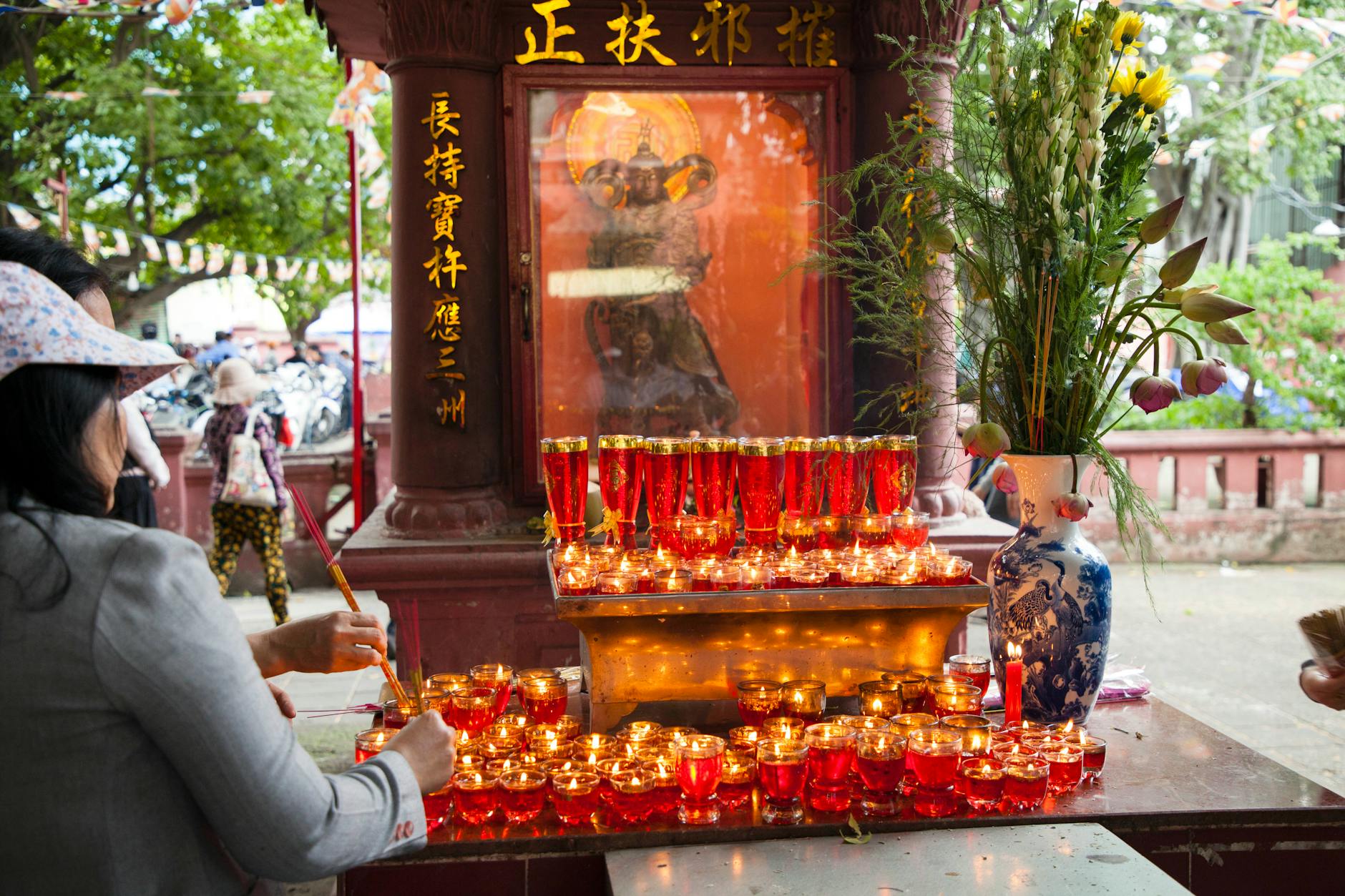
Fayuan Temple is Beijing’s oldest surviving temple within the city, founded in 645 AD during the Tang Dynasty. As the home of the China Buddhist Academy, it remains an active center of Buddhist study and practice, giving it an authenticity that more tourist-oriented temples sometimes lack. The temple is famous for its lilac trees, which bloom spectacularly in April, and its collection of Buddhist artifacts spanning centuries. Admission: ¥5. Getting there: Near Caishikou subway station (Line 4/7). Time needed: 1 hour.
Confucian Beijing Temples
Confucius Temple and Imperial Academy (孔庙和国子监)
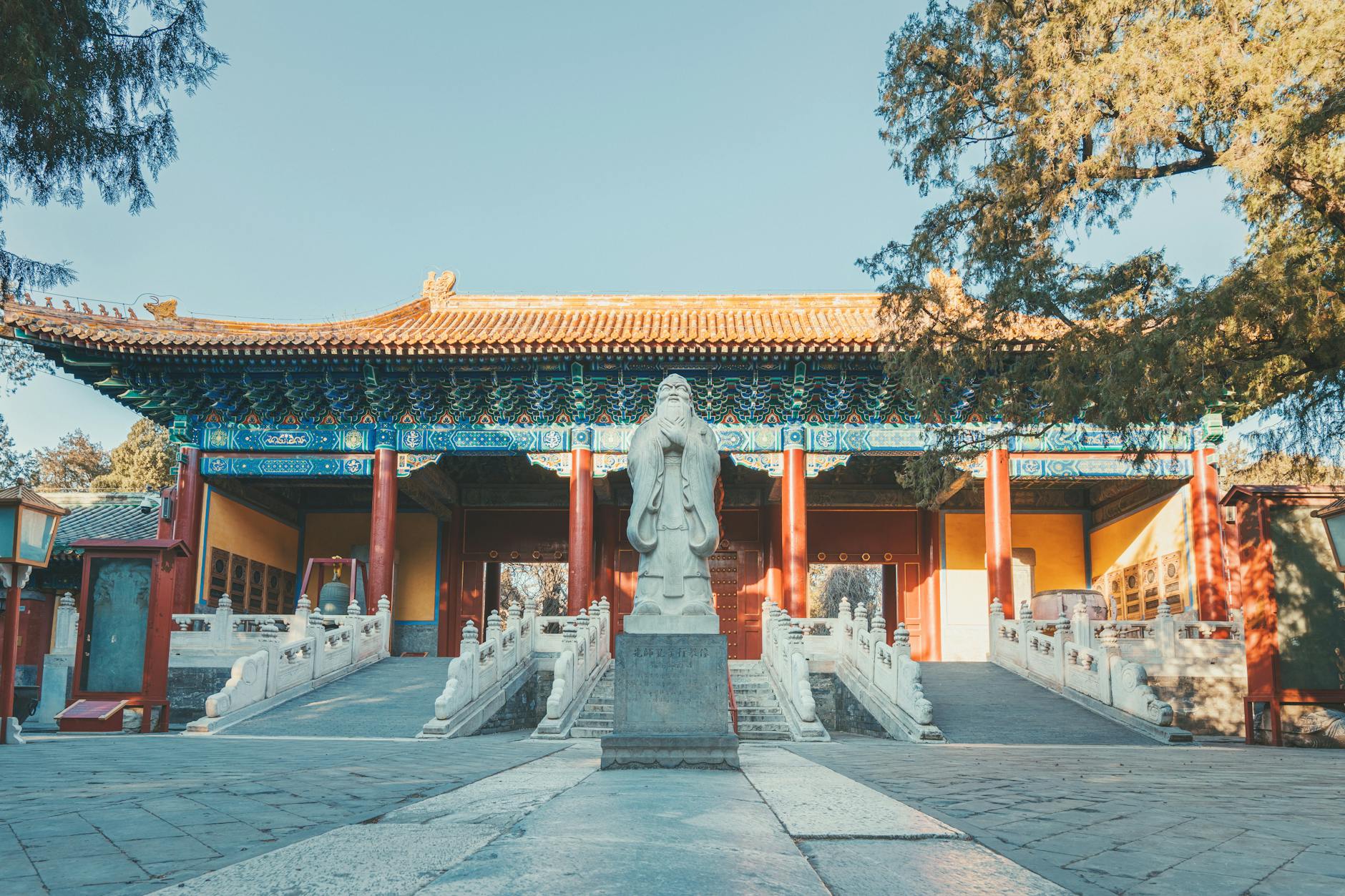
The Beijing Confucius Temple, China’s second-largest (after Qufu in Shandong), has been a center of scholarly worship and imperial examination culture since 1302. The temple grounds feature 198 stone stelae inscribed with the names of 51,624 scholars who passed the imperial examinations during the Yuan, Ming, and Qing dynasties — China’s equivalent of Ivy League graduation records spanning 700 years. The adjacent Imperial Academy (国子监 Guozijian) was China’s highest educational institution for over seven centuries. Don’t miss the hourly performance of Confucian ritual music (dacheng 大成) in the Chong-Sheng Memorial Hall — a free 15-minute performance of ancient ceremonial music. The beautiful Guozijian Street connecting the temple to the Lama Temple is one of Beijing’s few surviving pailou (decorative archway) streets, making the walk between the two a highlight of any hutong exploration. Hours: 8:30 AM – 5:00 PM. Admission: ¥30. Getting there: Yonghegong Lama Temple Station (Line 2/5), walk west along Guozijian Street. Time needed: 1–1.5 hours.
Taoist Beijing Temples
White Cloud Temple (白云观 Baiyun Guan)
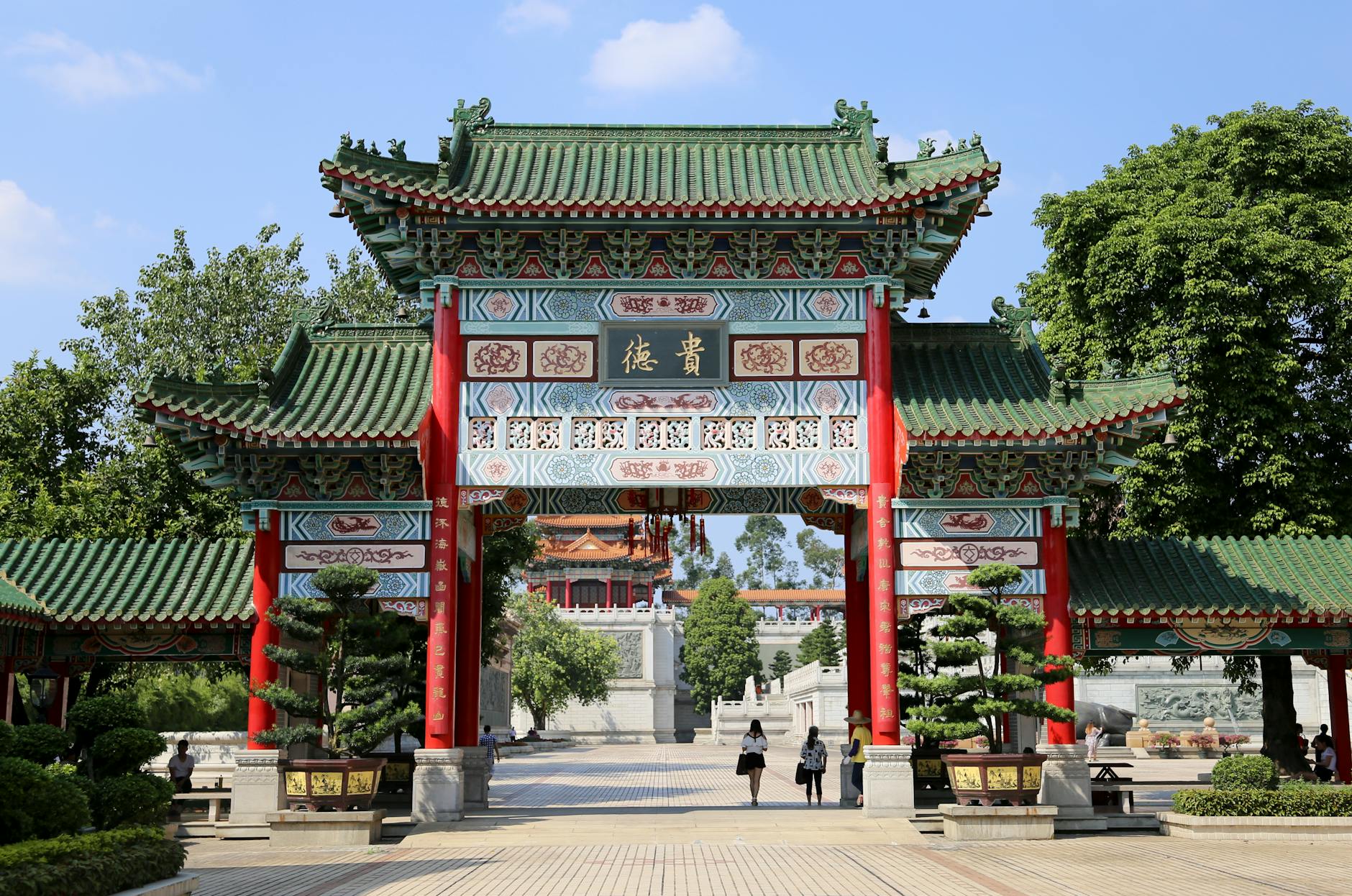
White Cloud Temple is Beijing’s most important Taoist temple and the headquarters of the Chinese Taoist Association — making it to Taoism what the Vatican is to Catholicism. Founded during the Tang Dynasty (739 AD), the temple has served as a center of Taoist practice, study, and governance for over 1,200 years. The temple complex houses over 50 buildings arranged around multiple courtyards, where resident Taoist monks in traditional robes maintain daily rituals and ceremonies. Visitors can observe Taoist practices including morning and evening chanting, tai chi, and meditation. The temple is especially lively during the Spring Festival (Chinese New Year) when a major temple fair draws hundreds of thousands of visitors. Hours: 8:30 AM – 4:30 PM. Admission: ¥10. Getting there: Near Nanzhimen subway station (Line 7). Time needed: 1.5 hours.
Imperial Ceremonial Beijing Temples
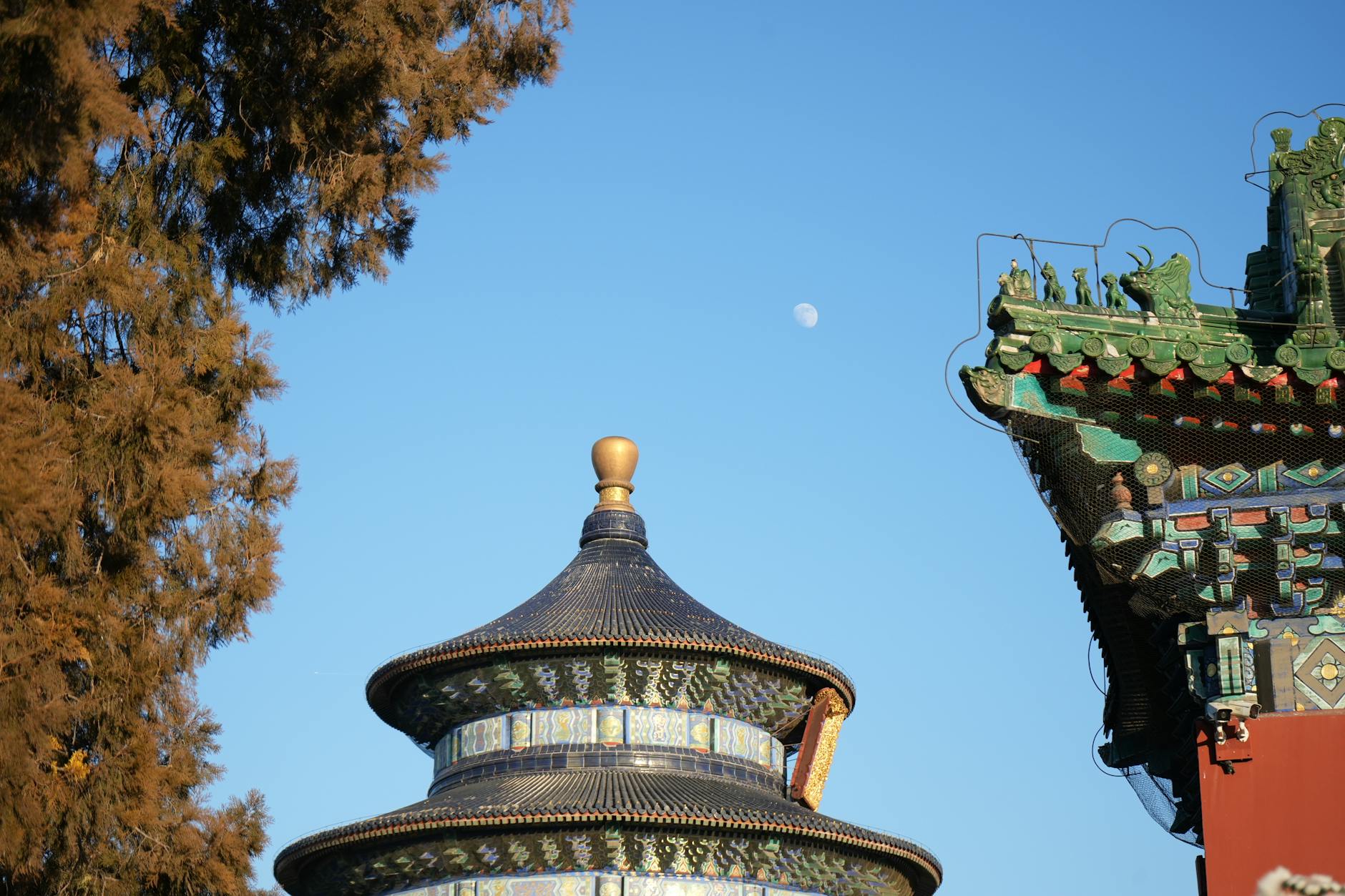
Temple of Heaven (天坛 Tiāntan)
The Temple of Heaven is Beijing’s most architecturally stunning temple complex — a UNESCO World Heritage Site where Ming and Qing Dynasty emperors performed elaborate rituals to pray for good harvests and seek heaven’s favor. The iconic Hall of Prayer for Good Harvests (祈年殿), with its triple-tiered circular roof of blue glazed tiles, is one of the most recognized buildings in all of China. The complex covers 273 hectares — nearly four times the size of the Forbidden City — and includes the magnificent Circular Mound Altar, the Imperial Vault of Heaven with its famous Echo Wall, and a vast park of ancient cypress trees where locals gather for morning exercise, singing, and dancing. For detailed visitor information, see our Beijing historical attractions guide. Hours: Park 6:00 AM – 9:00 PM; buildings 8:00 AM – 5:30 PM. Admission: ¥15 (park only) / ¥34 (all buildings). Getting there: Tiantan Dongmen Station (Line 5). Time needed: 2–3 hours.
Temple Visiting Etiquette and Practical Tips
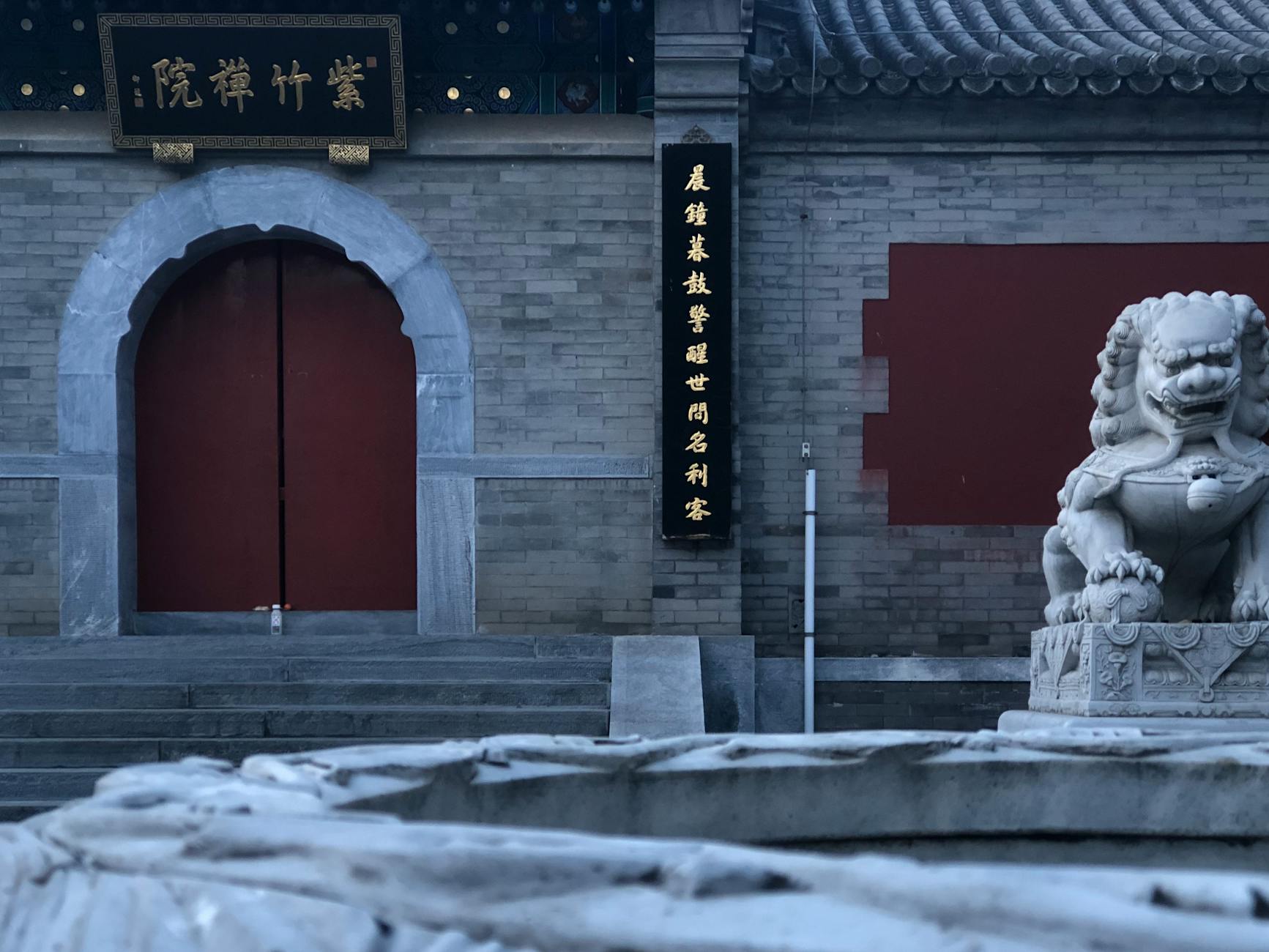
Dress modestly — cover shoulders and knees, especially at active temples. Remove hats when entering prayer halls as a sign of respect. Photography: Usually allowed outdoors but often prohibited inside main halls — check for signs. Never photograph monks without permission. Incense: Many temples provide free incense with admission. Hold incense with both hands, bow three times in each cardinal direction, then place in the designated burner. Threshold: Step over (never on) the raised wooden thresholds at temple doorways — stepping on them is considered disrespectful. Donations: Donation boxes are available at most temples; contributions are voluntary and appreciated. Shoes: Remove shoes when entering certain halls (look for shoe racks at the entrance). Best timing: Early mornings offer the most atmospheric temple visits — fewer tourists, active monks, and beautiful morning light. Combining temples: The Lama Temple, Confucius Temple, and Guozijian are all within walking distance and make a perfect half-day itinerary. Use the transportation guide to plan efficient routes between temples across the city.
Beijing temples offer far more than architectural beauty — they are living windows into the spiritual traditions that have shaped Chinese civilization for millennia. Whether you’re a devoted practitioner, a cultural enthusiast, or simply seeking a moment of tranquility amid the bustle of modern Beijing, the city’s temples welcome all who enter with reverence and curiosity.