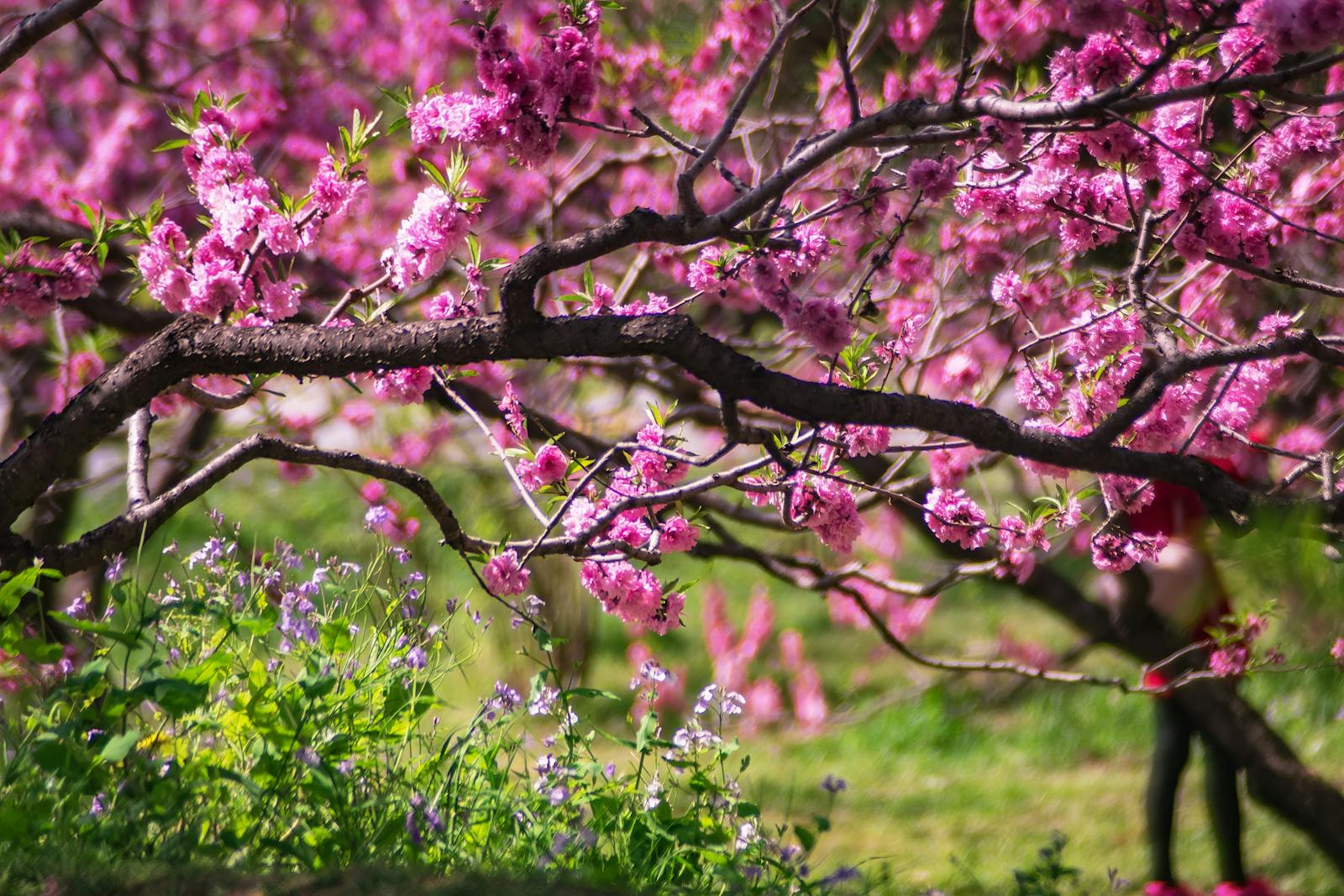
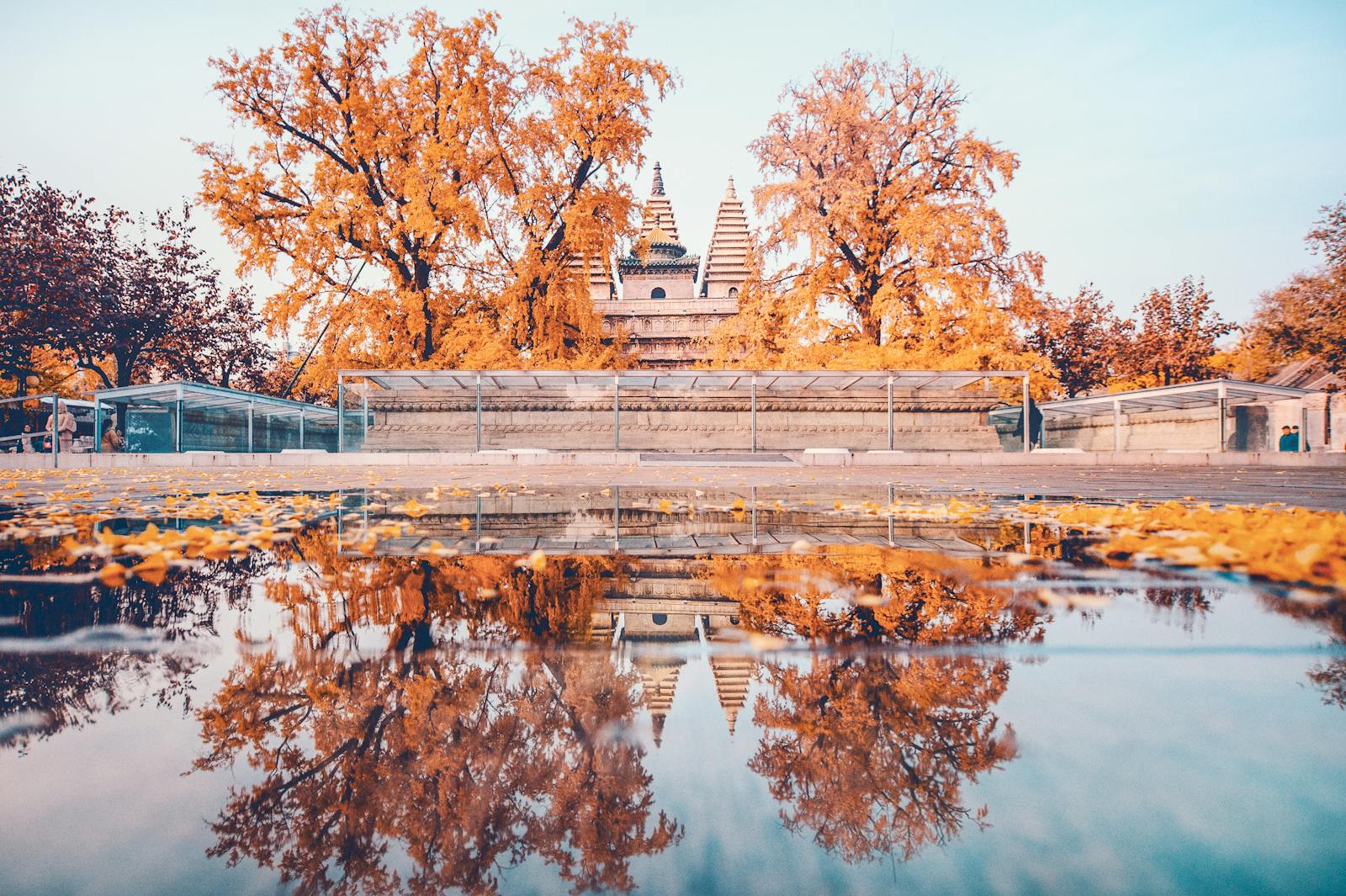
The best time to visit Beijing is from mid-April to mid-May in spring or mid-September to mid-October in autumn. These two windows deliver the city’s mildest temperatures, lowest rainfall, longest stretches of clear blue sky, and a lighter tourist load than the summer peak. Spring brings cherry and plum blossoms across the parks; autumn paints the Fragrant Hills, Summer Palace, and Imperial Garden brilliant gold and crimson — both seasons photograph beautifully and walk comfortably.
That said, every season in Beijing has trade-offs and rewards. Summer is hot, humid, and crowded but the lotus ponds at Beihai and the night markets at full intensity are part of the experience. Winter is cold and dry but the snow-dusted Forbidden City and an empty Great Wall are unforgettable — and hotel prices drop by 30% to 50%. This guide breaks down Beijing weather month by month, explains what to do (and avoid) in each season, and helps you choose the dates that match your priorities.
Quick answer: when is the best time to visit Beijing?
- Best overall: mid-April to mid-May (spring) or mid-September to mid-October (autumn). Mild temperatures, blue skies, low rainfall, manageable crowds.
- Best for budget: November to early March. Hotel rates drop 30–50%, but expect cold and possible smog.
- Best for photography: Late October for autumn leaves; mid-April for blossoms; January for snowy palace and wall scenes.
- Worst times: Avoid the May Day holiday (1–5 May) and Chinese National Day “Golden Week” (1–7 October) when domestic crowds explode and prices spike. Skip late February and March 15–April 5 for sandstorm season.
- Best for festivals: Lunar New Year (late January or February) for temple fairs; mid-Autumn Festival (September or October) for lantern displays.
If you only need the headline: book April 15 to May 5, or September 20 to October 15, and you’ll experience Beijing as it’s meant to be experienced.
Beijing climate at a glance
Beijing has a continental monsoon climate — meaning four sharply distinct seasons, with the bulk of annual rainfall concentrated in July and August. Annual rainfall is around 545 mm (21.5 inches), but more than 60% of that falls in just two summer months. Winters are dry, sunny, and cold; springs are short, windy, and warming fast; summers are hot, humid, and rainy; autumns are dry, sunny, and the most pleasant weather of the year.
Air quality has improved substantially over the past decade thanks to coal-burning bans and emissions controls, but Beijing still has occasional smog episodes — typically late autumn and winter when northern coal heating and weather inversions combine. Sandstorms from the Gobi Desert occasionally hit the city in March and early April. The good news: official air quality alerts are accurate, hotel staff will warn you, and a basic N95 mask handles the worst days.
Month-by-month Beijing weather guide
January: cold, dry, and quiet
Average high: 1.8°C (35°F) | Low: –8.4°C (17°F) | Rainfall: 3 mm | Sunny days: 24+
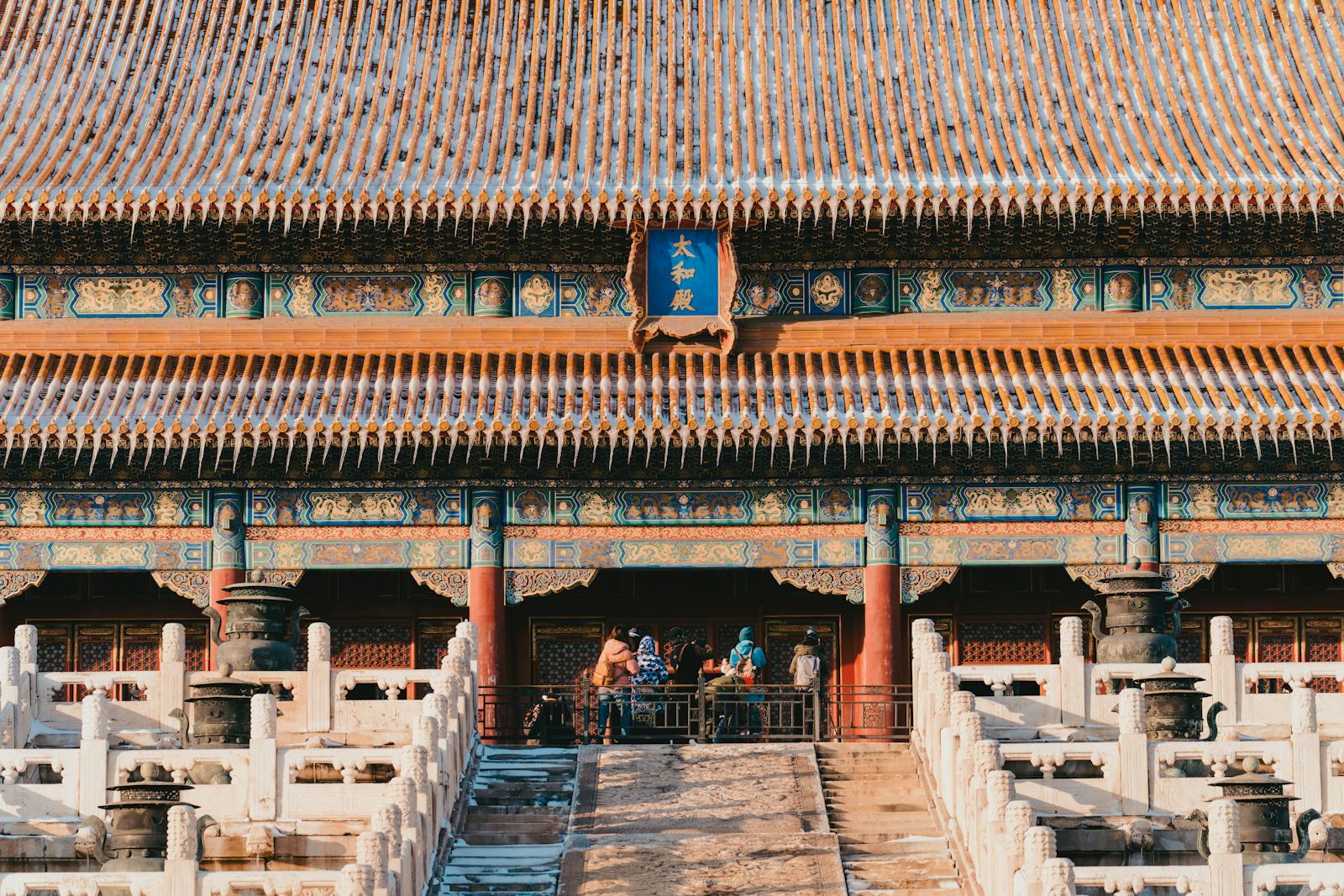
January is Beijing’s coldest month. Daytime highs hover near freezing, nights drop to –8°C or lower, and the wind chill makes it feel colder. The upside: skies are crisp and blue most days, the Forbidden City and Great Wall look magical under a dusting of snow, and hotel prices are at their annual low. The lakes at Beihai and Houhai freeze over and locals come out for ice skating and sledding — a uniquely Beijing winter scene.
Lunar New Year often falls in late January (date varies). If it does, expect temple fairs at Ditan, Longtan, and Changdian to be packed, and most small shops closed for several days. Major attractions stay open. Pack thermals, a heavy down coat, gloves, hat, and waterproof boots; layering is essential.
February: cold, but lengthening days
Average high: 4.3°C (40°F) | Low: –5.9°C (21°F) | Rainfall: 6 mm | Sunny days: 22+
February still feels deep winter, with snow possible early in the month. Spring Festival usually falls here. If your dates land in the first week (or coincide with Lunar New Year if it shifts to February), book hotels early — domestic travel surges. The second half of February is one of Beijing’s quietest tourist windows, with low prices, short queues at the Forbidden City, and dramatic clear cold light for photography.
March: transitional and unpredictable
Average high: 11.8°C (53°F) | Low: –0.5°C (31°F) | Rainfall: 9 mm | Sunny days: 22+
March is Beijing’s least predictable month. Temperatures swing from sub-freezing to 20°C+ in a week. Wind picks up, and this is sandstorm season — typically late March through early April. When a sandstorm hits, the sky turns yellow-brown, visibility drops, and even short outdoor walks require a mask and goggles. Sandstorms usually clear within 24–48 hours.
The trade-off: prices remain low, plum blossoms (Beijing’s earliest bloom) appear in late March, and you’ll have major sights largely to yourself. We’d suggest March only for budget-conscious returning visitors who can shift their schedule around weather.
April: spring arrives — start of high season
Average high: 20°C (68°F) | Low: 7.5°C (46°F) | Rainfall: 20 mm | Sunny days: 22+
April is when Beijing genuinely shines. By mid-April, days are reliably warm, evenings cool, and the city’s parks erupt in cherry, peach, and plum blossoms. Yuyuantan Park hosts the famous Cherry Blossom Festival in early to mid-April; Jingshan Park’s peony beds bloom toward month-end. The Great Wall is at peak hiking comfort. Forbidden City queues build but remain manageable on weekdays.
Avoid the last week of April through the May Day holiday, when domestic travel surges. Otherwise April 15 to April 28 is arguably Beijing’s single best two-week window of the year.
May: warm, blooming, and busy
Average high: 26.4°C (80°F) | Low: 13.6°C (56°F) | Rainfall: 36 mm | Sunny days: 21+
May is warm, sunny, and one of the most popular months for tourism. The May Day Golden Week (officially 1–5 May) brings massive domestic crowds and price spikes — Forbidden City tickets sell out, hotels go up 50–100%, and Mutianyu Wall crowds rival the worst summer days. Plan around it: visit either before April 30 or after May 7.
Mid-to-late May is excellent. Roses bloom across Beijing’s parks, ginko trees are in full leaf, and weather is warm but not yet humid. By the last week of May, daytime highs occasionally hit 30°C and humidity creeps up — pre-summer warning signs.
June: hot and humid begins
Average high: 30.6°C (87°F) | Low: 18.8°C (66°F) | Rainfall: 70 mm | Sunny days: 19+
June marks the start of Beijing’s summer — hot, increasingly humid, with the rainy season ramping up in the second half. The first two weeks of June are still pleasant and a good shoulder option if April–May didn’t fit your schedule. By late June, daytime humidity makes the Forbidden City stone courtyards genuinely uncomfortable midday, and afternoon thunderstorms become regular.
Plan early-morning sightseeing (8 AM–11 AM), an indoor lunch break, and resume from 4 PM onward. June is also when Beijing’s beer gardens and rooftop bars open, and the lotus ponds at Beihai begin blooming — a quiet payoff for the heat.
July: peak heat and rain
Average high: 30.9°C (88°F) | Low: 22°C (72°F) | Rainfall: 185 mm | Sunny days: 13
July is hot, humid, and the rainiest month — 185 mm of rain falls over an average 14 rainy days. Thunderstorms typically arrive late afternoon. The combination of heat (highs of 32°C+) and humidity (frequently 70–90%) means active sightseeing requires planning. Air quality, however, is often excellent thanks to rain washing pollution out of the air.
Strategy: book a hotel with a strong shower and AC, plan Great Wall hikes for the earliest possible morning slot (Mutianyu’s first cable car at 7:30 AM), use afternoons for museums and indoor attractions, and embrace the Beijing summer evenings — outdoor markets and beer streets come alive after dark.
August: still hot, slightly drier
Average high: 29.7°C (85°F) | Low: 20.8°C (69°F) | Rainfall: 161 mm | Sunny days: 16
August is similar to July but slightly cooler and drier as the month progresses. The first two weeks are still peak summer; the last week of August often sees the first hint of autumn cool. Domestic school-holiday travel keeps crowds high — Universal Studios, the Forbidden City, and Mutianyu are all very busy. Expect afternoon storms.
September: autumn begins — the best month
Average high: 25.8°C (78°F) | Low: 14.8°C (59°F) | Rainfall: 51 mm | Sunny days: 22+
September is, alongside late April, the consensus best month to visit Beijing. The first two weeks transition from summer warmth to autumn crispness; rainfall drops sharply; humidity falls; skies clear. Mid- to late September into early October is the period locals consider the most beautiful weather of the year.
The major caveat: Mid-Autumn Festival typically falls in September or early October, and the Chinese National Day Golden Week (1–7 October) follows. The week of National Day is the worst tourism crush of the year — hotel rates triple, queues stretch for hours, and you should plan around it. The two weeks before Golden Week (mid-September to September 30) are arguably the perfect time to visit Beijing.
October: peak autumn beauty
Average high: 19.1°C (66°F) | Low: 7.7°C (46°F) | Rainfall: 21 mm | Sunny days: 24+
October is glorious — bright blue skies, cool dry air, and the foliage at the Fragrant Hills (Xiangshan), Summer Palace, and the Forbidden City moats turning brilliant red and yellow. Mid-October to early November is the best autumn-leaf window. Daytime is comfortable in long sleeves; evenings need a light jacket.
Skip the first seven days (National Day Golden Week). October 8 onward through early November is exceptional. Weekends at the Fragrant Hills get crowded for autumn-leaf viewing — go on a weekday morning if possible.
November: cool, clear, and uncrowded
Average high: 9.7°C (49°F) | Low: –0.5°C (31°F) | Rainfall: 9 mm | Sunny days: 22+
November is an under-rated month for Beijing visitors. The first half retains autumn’s golden foliage but with most domestic tourists gone home; the second half cools sharply and feels pre-winter. Hotel prices drop, queues are short, and the sky is regularly clear and blue. Forbidden City entry switches to its winter rate (¥40 instead of ¥60) on November 1.
You’ll want a real coat, gloves, and possibly a hat by mid-November. Indoor heating starts in Beijing around November 15 — until then, some hutong restaurants and older buildings can feel chilly even when outdoor temperatures are mild.
December: cold, dry, festive lights
Average high: 3.3°C (38°F) | Low: –5.6°C (22°F) | Rainfall: 3 mm | Sunny days: 24+
December is firmly winter. Days are short (sunset around 4:55 PM), nights cold, and outdoor sightseeing requires layered gear. The trade-offs are excellent: empty Forbidden City courtyards, deeply atmospheric snowfalls (when they happen — Beijing averages about 7 snow days a year), low hotel prices, and Christmas/New Year illuminations across major shopping districts. The Great Wall in winter is genuinely spectacular if you’re prepared for the cold.
Best time to visit Beijing by priority
Best for first-time visitors
Book either April 15 to April 28 (spring blossoms, mild temperatures) or September 15 to October 30, avoiding 1–7 October (autumn weather, golden foliage). Both windows offer the best combination of comfortable walking weather, clear skies for photography, and manageable but not desolate crowds.
Best for budget travellers
November to early March, excluding Lunar New Year week. Hotel rates drop 30–50% versus peak season; flights are cheaper; mid-week Forbidden City visits feel like you have the place to yourself. Bring serious cold-weather gear and accept that some outdoor experiences (long Great Wall hikes, hutong street food evenings) are less comfortable.
Best for photography
Late October for autumn leaves at Fragrant Hills, Summer Palace, and Yiheyuan; April 5–18 for cherry, peach, and plum blossoms; after a January or February snowfall for Forbidden City and Great Wall winter scenes. Blue-hour photography is best in winter — the sky’s deeper blues and earlier sunsets give you more usable golden hour.
Best for festivals and cultural events
Lunar New Year (late January or February): temple fairs, lion dances, and Beijing’s most distinctive festival atmosphere. Mid-Autumn Festival (September or October): mooncakes everywhere, lantern displays, family-focused warmth. Beijing International Film Festival (mid-April). Beijing Design Week (late September). See our Beijing festivals and events guide for full details.
Best for the Great Wall
Spring (April–May) for greening hillsides and wildflowers; autumn (mid-September to early November) for golden foliage and crystal visibility; after fresh snow in winter for spectacular but cold experiences. Avoid July–August midday hikes — the heat on exposed wall segments is brutal. Fog can dramatically reduce Wall visibility, particularly in summer; check forecasts the day before.
Best for kids and families
Spring and autumn windows again — comfortable temperatures and dry weather make multi-attraction days easier with kids. Avoid winter (kids fade fast in –5°C) and the wettest stretch of summer. Universal Studios Beijing is most enjoyable in late April–May or late September–October.
When to avoid visiting Beijing
The two Golden Week holidays
Avoid May Day Holiday (May 1–5) and especially Chinese National Day Golden Week (October 1–7). Domestic Chinese tourism explodes — hundreds of millions of people on the move. Hotel rates double or triple, attractions cap visitor numbers (you may not get into the Forbidden City at all without booking weeks ahead), and Beijing’s famous sights become uncomfortably crowded. If your only window is one of these weeks, redirect to a less-touristed Chinese destination instead, or fly out of Beijing for the week and return after.
Sandstorm season (mid-March to early April)
Beijing gets occasional heavy sandstorms when northern Mongolian winds carry Gobi Desert dust over the city. Sandstorms reduce air quality dramatically and tint the sky orange-yellow. They typically last 1–2 days and clear quickly, but if your trip is short, getting hit by a sandstorm can ruin a day. The risk window is roughly March 15 to April 5; April 10 onward the risk drops sharply.
Smog episodes
Air quality issues are most common in late autumn (early November to mid-December) and mid-winter (January to early February), when northern coal heating combines with weather inversions. Severe episodes are now relatively rare (a few days per winter at worst), and the city issues red, orange, and yellow alerts that you can monitor. Pack a basic N95 mask just in case.
Lunar New Year (Spring Festival) week
Not so much “avoid” as “plan accordingly.” Most state-run attractions stay open, but small hutong restaurants and family-run shops close for 5–10 days. Train and flight prices spike, beds are scarce, and the city’s mood shifts toward family-only celebrations. If you’d like to experience temple fairs and Lunar New Year fireworks, plan for it. If you’d rather see normal everyday Beijing, choose another date.
What to pack for each season
For spring (March–May): layered clothing, light jacket or windbreaker, a mid-weight sweater for evenings, comfortable walking shoes, sunglasses, sunscreen, and a basic mask for occasional sandstorms.
For summer (June–August): light breathable cottons, a sun hat, strong sunscreen, a compact umbrella or rain jacket, comfortable walking sandals or shoes, and a refillable water bottle. Hotels and most public buildings have strong AC — bring a light cardigan for indoor cooling.
For autumn (September–November): layered clothing, light jacket for September, mid-weight coat for October, heavier coat for November, comfortable walking shoes, scarf, sunglasses. Beijing’s autumn light is golden — pack a camera.
For winter (December–February): thermal base layers, heavy down or insulated coat, hat, gloves, scarf, waterproof boots, hand warmers, lip balm and moisturiser (Beijing winters are very dry). See our complete Beijing packing list for season-by-season checklists.
Recent climate trends
Beijing’s climate has shifted measurably in the past two decades. Winters are warmer and shorter; summers are slightly hotter and wetter; spring and autumn are squeezed at both ends. Heatwaves in July reached 40°C+ in 2023 and 2024, the hottest on record. Air quality, however, has improved dramatically — official measurements show PM2.5 levels roughly halved between 2013 and 2024. Rainfall has become more variable, with both wetter summers and drier winters relative to historical averages.
Practical takeaway: don’t rely solely on long-term climate averages. Check the 7- and 14-day forecast through services like AccuWeather or the China Meteorological Administration before finalising packing, and build flexibility into your daily schedule for surprise heatwaves, downpours, or sandstorms.
Frequently asked questions about Beijing seasons
What is the rainy season in Beijing?
July and August. Roughly 60% of Beijing’s annual rain falls in these two months, mostly as afternoon and evening thunderstorms. May and June are typically dry; September clears quickly.
Is it cold in Beijing in March?
Yes, especially the first half. Daytime highs reach 12°C but nights drop close to freezing, and wind chill makes it feel colder. The second half of March warms up significantly — typically 15–18°C daytime by month-end.
Does it snow in Beijing?
Yes, but lightly. Beijing averages around 7 snow days per year, mostly in December, January, and February. Heavy accumulating snow is unusual; light snow that quickly melts is typical. The Great Wall under fresh snow is one of Beijing’s most photographed scenes — but plan flexibly because it’s unpredictable.
Is Beijing humid in summer?
Yes. July and August humidity often reaches 70–90% during the day. Combined with 30°C+ heat, summer days can feel oppressive. The good news: it’s not tropical-level constant; cooler, drier days do happen.
What’s the worst weather month in Beijing?
By most travellers’ assessment, late July to mid-August (peak heat, humidity, and rain) or January (peak cold). Both are doable, but they’re less comfortable than spring or autumn.
Can you visit the Great Wall in winter?
Yes — and it’s spectacular. Mutianyu and Badaling stay open year-round. Crowds are minimal, snow scenes are extraordinary, and the cable cars run on regular schedules. Pack serious cold-weather gear and check trail conditions before going. Some less-developed sections (Jiankou, Gubeikou) close after heavy snow.
The bottom line on Beijing timing
The single best time to visit Beijing is April 15 to May 5 for spring, or September 15 to October 30 (avoiding October 1–7) for autumn. These windows give you the city’s mildest weather, longest stretches of clear blue sky, and the most photographic landscapes. If your dates can’t fit those windows, late October to early November is a close runner-up, and June or November both offer reasonable weather with smaller crowds.
Avoid the May Day and National Day Golden Weeks at all costs, plan around the sandstorm risk window in mid-March to early April, and treat the deep summer (July–August) as workable but not optimal. Once you’ve picked your dates, work backward from there: book Forbidden City tickets one week ahead, secure your Great Wall transfer, and pin down your length of stay using our how many days in Beijing guide. Then, as you move closer to departure, return to our Beijing festivals guide to see what’s happening during your specific dates — even off-season weeks often have a reason to celebrate in this city.
Also useful: our complete Beijing travel guide for the full picture, and the Beijing packing list once you’ve picked your season.