Wondering about the typical Beijing travel cost? A daily Beijing travel cost in 2026 ranges from $38 (¥260) per day for budget travellers to $94 (¥650) per day for mid-range comfort and $236 (¥1,624)+ per day for luxury. A 5-day Beijing trip therefore costs roughly $190 backpacker, $470 mid-range, or $1,180+ luxury — excluding international flights. Beijing is significantly cheaper than comparable major capitals like Tokyo, London, or New York, but it’s no longer the rock-bottom destination it was a decade ago. This Beijing travel cost guide breaks down every category — accommodation, food, transport, and attractions — with current 2026 prices.
This guide breaks every Beijing expense into the categories that actually matter — accommodation, food, transport, attraction tickets, day trips, and incidentals — with current 2026 prices in both yuan (¥) and US dollars. We’ll show you a budget itinerary and a comfortable mid-range itinerary side-by-side, plus the practical money-saving tactics that locals and frequent visitors swear by.
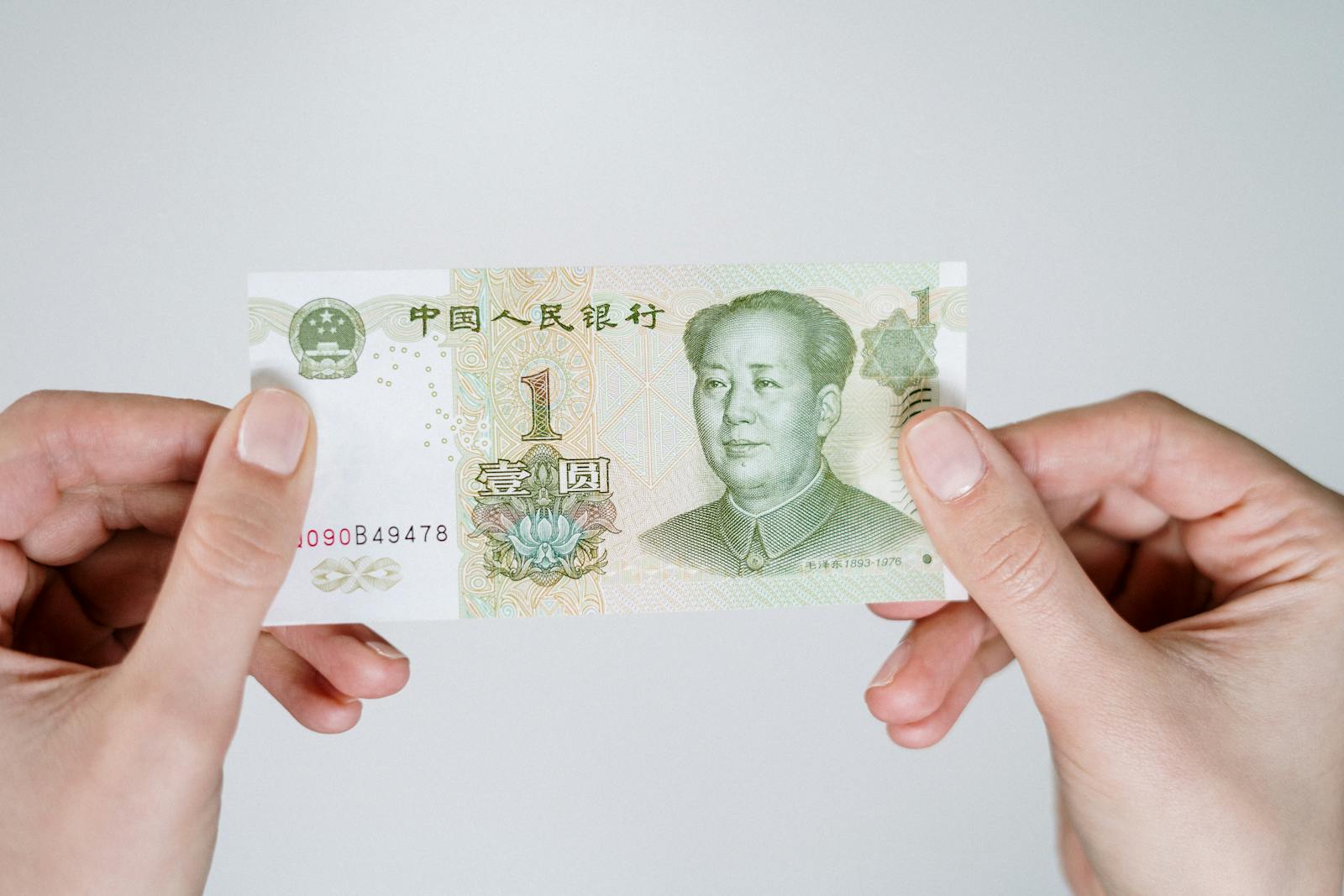
Beijing daily budget summary
- Backpacker / shoestring: ¥260–¥350 ($38–$50) per day. Hostel dorms, street food, subway, free or cheap attractions.
- Budget independent traveller: ¥400–¥600 ($55–$85) per day. 3-star hotels or private hostel rooms, casual restaurants, occasional taxi, paid attractions.
- Mid-range / comfort: ¥650–¥1,000 ($95–$140) per day. 4-star hotels, mix of local and international restaurants, taxis and DiDi, all major attractions including a Great Wall day tour.
- Upper mid / boutique: ¥1,200–¥1,800 ($170–$255) per day. Boutique hotels, fine dining, private guides, premium attraction options (e.g., private Forbidden City tour).
- Luxury: ¥1,800–¥2,800+ ($255–$400+) per day. 5-star international hotels, fine dining, private cars and guides, exclusive experiences.
Most independent first-time visitors land somewhere between mid-range and upper mid-range — call it ¥800–¥1,200 per day, or roughly $115–$170 daily — and that’s a comfortable, well-fed Beijing experience.
What to budget for: full cost breakdown
Accommodation: ¥150 to ¥2,000+ per night
Beijing accommodation is your largest variable expense. The range is enormous:
- Hostel dorms: ¥80–¥150 ($11–$21) per bed per night. Options like Leo Hostel, Beijing Downtown Backpackers, and Drum Tower Youth Hostel.
- Hostel private rooms: ¥250–¥400 ($35–$55) per night.
- Budget hotels (2-3 star): ¥280–¥500 ($40–$70) per night off-season, rising 30% in peak season. Chains like Hanting, 7 Days Inn, and Home Inn are clean and reliable.
- Mid-range hotels (3-4 star): ¥500–¥900 ($70–$125) per night. Many international chains operate in this range with breakfast included.
- Boutique courtyard hotels: ¥800–¥2,000 ($115–$285) per night. Hutong locations like the Orchid, Layered Courtyard, and 161 Lama Temple Hotel.
- Luxury (5-star): ¥1,500–¥4,000+ ($215–$570+) per night. The Peninsula, Mandarin Oriental Wangfujing, NUO, and Rosewood Beijing.
For most travellers, a comfortable mid-range hotel near the Wangfujing or Qianmen area runs ¥600–¥800 per night and offers a strong central location. Booking through Trip.com (formerly Ctrip) or directly through hotel chains usually beats Booking.com prices for Beijing properties. See our Where to Stay in Beijing guide for neighbourhood-by-neighbourhood recommendations.
Food: ¥50 to ¥600+ per day
Beijing food costs are flexible. You can eat well on very little, or spend serious money on tasting menus and Peking duck — the choice is entirely yours.
- Street food and small bites: ¥5–¥20 ($0.70–$2.85) per item. Baozi (steamed buns), jianbing (savoury crepes), roujiamo (pork sandwiches), grilled skewers.
- Local noodle/dumpling restaurants: ¥20–¥40 ($2.85–$5.70) per meal. Beef noodles, dumplings, fried rice — proper sit-down meals at neighbourhood places.
- Casual mid-range restaurants: ¥80–¥150 ($11–$21) per person per meal. Cantonese, Sichuan, hotpot — fully featured restaurants with English menus.
- Peking duck (the iconic experience): ¥250–¥500 ($35–$70) per person at famous restaurants like Quanjude, Da Dong, or Siji Minfu (the latter being the best value).
- International cuisine: ¥150–¥400 ($21–$55) per person. Italian, Japanese, French, and Western at expat-favourite spots in Sanlitun.
- Fine dining tasting menus: ¥800–¥3,000+ ($115–$430+) per person. TRB Hutong, King’s Joy, Capital M, and the Michelin-starred set.
- Coffee: ¥18–¥45 ($2.50–$6.50) per cup at cafés. Bottled water from convenience stores: ¥2–¥4 ($0.30–$0.55).
Realistic daily food budgets:
- Backpacker: ¥60–¥100 ($8–$15) eating mostly street food and noodle shops.
- Mid-range mix: ¥150–¥250 ($21–$35) with one nicer dinner per day.
- Comfort: ¥350–¥600 ($50–$85) with one Peking duck or fine-dining meal per trip.
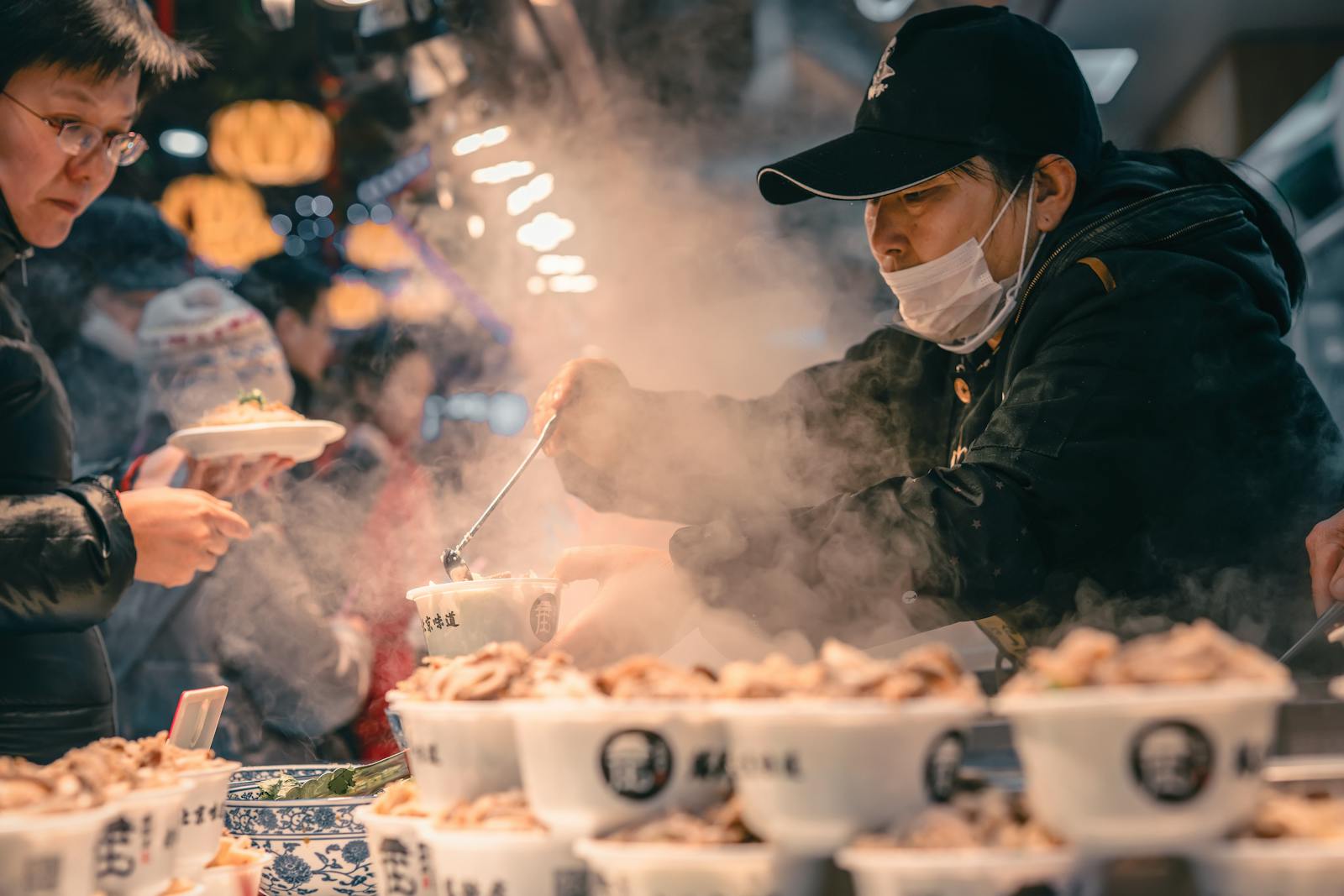
Transport: ¥20 to ¥200 per day
Beijing’s transport is excellent and cheap — one of the best deals in any major capital.
- Subway: ¥3–¥10 ($0.42–$1.40) per ride based on distance. The starting fare is ¥3 for the first 6 km, with small increments after that. A typical tourist day costs ¥15–¥30 in subway fares.
- Yikatong (Beijing transport card): ¥20 deposit + however much you load. Auto-deducts on the subway, buses, and many taxis. Recommended for any visitor staying 2+ days.
- Buses: ¥2–¥4 per ride. Cheaper than the subway but slower and harder to navigate without Chinese.
- DiDi (Chinese Uber): ¥30–¥60 ($4.30–$8.60) for a typical 8–10 km cross-town ride. Surge pricing during rush hours and rain. Foreign cards now work via DiDi’s English app.
- Regular taxis: ¥13 base fare + ¥2.30/km. A typical 8 km ride is ¥35–¥45 ($5–$6.50). Always use the meter; refuse drivers who quote a flat fee for tourists.
- Airport Express (PEK): ¥25 ($3.55) one-way — excellent value for the 30-minute ride to/from Beijing Capital Airport.
- Daxing Airport Express: ¥35–¥45 ($5–$6.45) depending on station.
- High-speed rail to nearby cities: Beijing to Tianjin ¥55 ($8); Beijing to Chengde ¥69 ($10); Beijing to Datong ¥184 ($26).
A comfortable budget for tourist transport in Beijing is ¥40–¥60 per day (mostly subway with one or two DiDi rides), or ¥100–¥150 per day if you take taxis or DiDi for everything. See our Beijing transportation guide for full instructions on Yikatong cards, app setup, and which lines you’ll actually use.
Attraction tickets: ¥0 to ¥200 per attraction
Most major Beijing attractions cost between ¥40 and ¥80. Here’s the rundown for the must-see sights, with seasonal variations noted:
- Forbidden City: ¥60 (April–October) / ¥40 (November–March). Treasure Gallery extra ¥10. Clock Gallery extra ¥10.
- Mutianyu Great Wall: ¥45 entry + ¥120 round-trip cable car/toboggan + ¥20 round-trip shuttle to gate. Total: ~¥185 ($26).
- Badaling Great Wall: ¥40 entry + ¥140 round-trip cable car. Total: ~¥180 ($26).
- Jinshanling Great Wall: ¥65 entry + ¥80 cable car. Total: ~¥145 ($21).
- Temple of Heaven: ¥35 (April–October) / ¥30 (November–March). Combo ticket ¥50 includes Hall of Prayer interior.
- Summer Palace: ¥30 (April–October) / ¥20 (November–March). Combo ticket ¥60 includes Tower of Buddhist Incense and Garden of Virtue and Harmony.
- Lama Temple: ¥25.
- Beihai Park: ¥10 (April–October) / ¥5 (November–March).
- Jingshan Park: ¥2.
- 798 Art District: Free entry (individual gallery exhibitions ¥30–¥100).
- National Museum of China: Free (online booking required).
- Capital Museum: Free.
- Universal Studios Beijing: ¥438–¥748 ($63–$107) depending on day type.
- Peking Opera (Liyuan Theatre): ¥180–¥780 ($26–$112).
- Beijing Acrobatic Show: ¥180–¥380 ($26–$54).
Realistic attraction budget: ¥250–¥350 per day if you’re hitting one major paid sight per day plus park entries. Universal Studios or a multi-attraction day tour spikes this significantly higher.
Day trips: ¥100 to ¥1,500 per day
Day trips are usually the biggest single-day expense. Options range from cheap-and-cheerful to elaborate:
- Mutianyu DIY: Tourist bus ¥30 each way + ¥45 entry + ¥120 cable car = ~¥240 ($34).
- Mutianyu group tour: ¥350–¥500 ($50–$70) including transport, lunch, and English guide.
- Mutianyu private car/guide: ¥1,200–¥1,800 ($170–$255) for the day.
- Jinshanling + Gubei Water Town day trip: ¥600–¥900 ($85–$130) group; ¥2,500+ ($360+) private.
- Chengde day trip (DIY): ¥69 train + ¥90–¥240 entries + meals = ~¥350–¥500 ($50–$70).
- Tianjin day trip (DIY): ¥55 train + minimal entries = ~¥150–¥250 ($21–$35).
Incidentals: ¥30 to ¥150 per day
Don’t forget to budget for everything you’ll buy that doesn’t fit the categories above: SIM card or eSIM (¥80–¥200 for a tourist eSIM with VPN-friendly data), bottled water (¥30–¥50 per day), tea house visits (¥80–¥200 per person), the inevitable Peking duck souvenir, the impulse market purchase, and tips for guides (typically ¥50–¥100 per half-day in cash). Add ¥100–¥150 per day for incidentals to be safe.
Sample 5-day Beijing budgets
Backpacker 5-day budget
| Category | Cost (¥) | USD |
|---|---|---|
| Hostel dorm × 5 nights | ¥600 | $85 |
| Street food and noodle shops × 5 days | ¥350 | $50 |
| Subway and bus × 5 days | ¥150 | $21 |
| Major attractions (Forbidden City, Temple of Heaven, Summer Palace, Lama Temple) | ¥160 | $23 |
| Mutianyu DIY day trip | ¥240 | $34 |
| SIM card and incidentals | ¥250 | $36 |
| 5-day total | ¥1,750 | $249 |
Mid-range 5-day budget
| Category | Cost (¥) | USD |
|---|---|---|
| 3-star hotel × 5 nights | ¥3,000 | $430 |
| Mix of restaurants × 5 days | ¥1,250 | $180 |
| Subway and DiDi × 5 days | ¥350 | $50 |
| All major attractions including Peking duck dinner | ¥600 | $86 |
| Mutianyu group day tour | ¥450 | $64 |
| Peking opera or acrobatic show | ¥280 | $40 |
| Incidentals and souvenirs | ¥600 | $86 |
| 5-day total | ¥6,530 | $936 |
Luxury 5-day budget
| Category | Cost (¥) | USD |
|---|---|---|
| 5-star hotel × 5 nights | ¥12,000 | $1,720 |
| Fine dining × 5 days | ¥3,500 | $500 |
| Private car and DiDi Premier × 5 days | ¥2,500 | $360 |
| Private guide × 3 days + premium attractions | ¥4,500 | $645 |
| Private Mutianyu / Jinshanling day | ¥2,200 | $315 |
| VIP Peking opera + spa + tea ceremony | ¥1,500 | $215 |
| Incidentals and shopping | ¥2,000 | $285 |
| 5-day total | ¥28,200 | $4,040 |
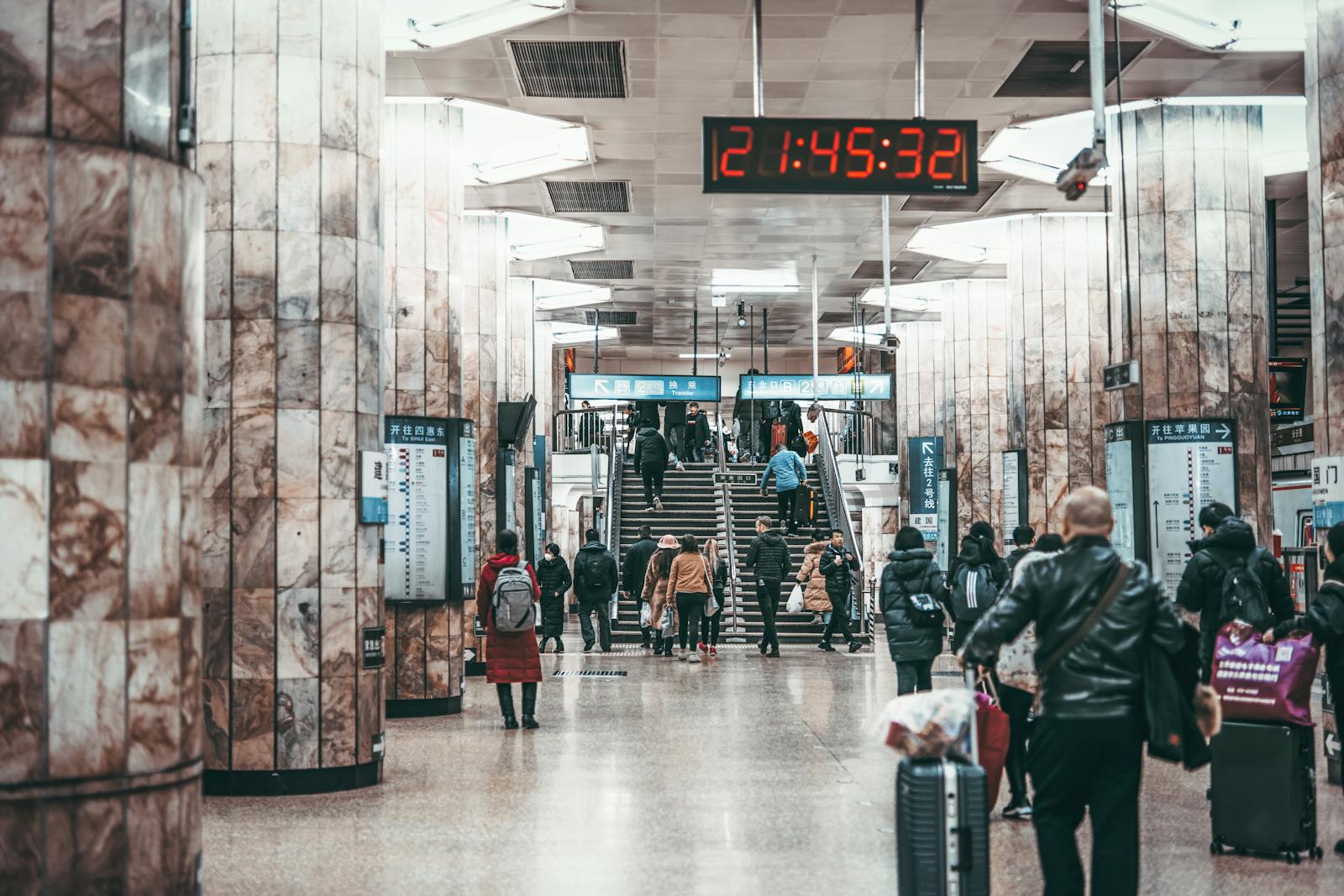
Hidden Beijing travel costs to watch for
Beyond the obvious daily Beijing travel cost categories above, several hidden costs can blow up your Beijing budget if you’re not prepared. Here’s what experienced visitors watch for:
Tourist tea ceremony scams
The classic Beijing scam: friendly English-speakers near Wangfujing or Tiananmen invite you to “experience a traditional tea ceremony” and then present you with a bill of ¥1,500–¥5,000 for what should cost ¥80. Don’t go to tea ceremonies suggested by strangers on the street — book reputable places yourself. We cover this and more in our Beijing safety tips guide.
Inflated taxi prices at airports and train stations
Touts at Beijing airports and train stations may quote ¥300–¥500 for a taxi to central Beijing — the actual metered fare is around ¥110–¥130 from PEK. Always head to the official taxi queue, never go with a tout offering rides.
Forbidden City “tour packages”
Online sellers often bundle a Forbidden City ticket with overpriced “skip-the-line” or “audio guide” packages. The official Palace Museum site sells timed-entry tickets for ¥40–¥60. Buy direct, then rent the official audio guide (¥40 deposit + ¥40 fee) on-site.
Currency exchange and ATMs
Avoid airport currency-exchange counters — rates are typically 5–8% worse than bank rates. The best option for most travellers in 2026 is using a fee-free debit card (Wise, Revolut, Charles Schwab) at any major Chinese bank ATM (ICBC, Bank of China, China Construction Bank). Withdraw enough yuan in one or two ATM trips to avoid repeat fees.
Mobile payment fees
Alipay and WeChat Pay now allow foreign cards. Each transaction over ¥200 may incur a ~3% fee. Below ¥200, no fee. To minimise fees, top up an Alipay tour pass with $200–$500 USD upfront — the conversion rate is competitive and you’ll avoid per-transaction fees.
Practical money-saving tips for Beijing
Visit in the off-season
November to early March (excluding Lunar New Year week) sees hotel rates drop 30–50%. The Forbidden City and major sights also charge lower winter prices. If you’re flexible, this is the single biggest budget saver.
Eat where Beijingers eat
The price difference between a tourist-oriented restaurant and a neighbourhood place is enormous. A bowl of beef noodles costs ¥18–¥25 at a chain noodle shop, ¥40–¥60 at a tourist restaurant, and ¥120 at a hotel. Walk one or two blocks off the main tourist drags and prices drop 60%+.
Use the subway, not taxis
Beijing subway is one of the most efficient in the world. Even rush hour, the time difference between subway and taxi is small, and the cost difference is huge — a typical cross-city subway journey is ¥6 versus ¥40 by taxi.
Buy attraction tickets directly
Skip third-party “skip-the-line” sellers and book Forbidden City, Mutianyu, and other attractions through their official websites or in-app (most accept WeChat Pay). Savings: 20–40% over resellers.
Group tours for the Great Wall, DIY for everything else
For Mutianyu and Jinshanling, group tours are competitive (¥350–¥500) and remove transport headaches. For everything else in Beijing (Forbidden City, Temple of Heaven, Summer Palace, hutongs, food), DIY is much cheaper and arguably more enjoyable.
Free attractions are excellent
Beijing has dozens of high-quality free attractions: National Museum of China (free), Capital Museum (free), 798 Art District (free entry, paid exhibitions), the Olympic Park outdoor area (free), and many parks and temples (¥2–¥10). A budget-conscious itinerary leaning into these can save ¥600+ over a 5-day trip.
Drink tap water — boiled
Tap water in Beijing is unsafe to drink raw, but every hotel room has a kettle. Boiling tap water is the standard — and free — alternative to ¥3–¥4 bottled water. Bring a refillable bottle.
Book hotels via Trip.com or hotel direct
For Chinese hotels, Trip.com (Ctrip’s English platform) usually has the best rates and the cleanest cancellation policies. Booking.com and Hotels.com sometimes offer 5–10% better rates on international chains, but Trip.com has more local properties.
How to pay in Beijing in 2026
Beijing is essentially a cashless society, but the situation for foreign visitors has improved dramatically since 2024. Here’s the current state:
- Alipay International / Tour Pass: Now accepts most major Visa, Mastercard, JCB, Diners, and Amex cards. Use the “Tour Pass” function for short visits or link your foreign card directly. Works at 95%+ of Beijing merchants.
- WeChat Pay: Foreign card linking is now supported, similar to Alipay. The fees are similar (~3% on transactions over ¥200).
- Visa/Mastercard at point of sale: Still rare. Major hotels accept; most restaurants and shops don’t.
- Cash: Always accepted, but increasingly inconvenient. Carry ¥500–¥1,000 in small notes for taxis, market vendors, and tips.
- ATM withdrawals: Major banks accept foreign cards. Withdrawal limits typically ¥2,500 per transaction; daily limit ¥10,000.
The recommended setup: install Alipay before you fly and link your card to Tour Pass. Carry ¥1,000 cash as a backup. You’ll rarely need anything else.
Beijing budget FAQ
Is Beijing expensive?
No, by major-capital standards. Beijing is roughly half the cost of Tokyo, a third of London or New York, and similar to Bangkok or Mexico City. Hotels, food, and transport are all reasonable; only luxury options approach Western prices.
How much cash should I bring to Beijing?
Bring ¥500–¥1,000 cash for arrival incidentals (taxi, food on day one) and use ATM withdrawals or Alipay for everything else. Don’t carry large amounts of cash — Beijing is safe but unnecessary.
What’s the cheapest time to visit Beijing?
Mid-November to early March, excluding Lunar New Year week. Hotel prices drop most sharply, attractions charge lower winter rates, and flights from Europe and North America are at their cheapest.
How much do I tip in Beijing?
Tipping isn’t customary in China. Don’t tip at restaurants, taxis, or hotels. Exception: tour guides and drivers on private day trips appreciate ¥50–¥100 per person per day; high-end international hotels accept tips for porters at ¥10–¥20.
Can I visit Beijing on $50 a day?
Yes, comfortably. ¥350 per day in 2026 covers a hostel dorm, three meals at street food and noodle shops, subway transport, and one paid attraction per day. The catch: you skip Peking duck dinners, fancy restaurants, and most premium experiences.
Can I visit Beijing on $200 a day?
Yes, very comfortably. ¥1,400 daily affords a 4-star hotel, mid-range restaurants including one fancy dinner per day, all major attractions, taxis when needed, and a Great Wall day tour. This is a comfortable upper-mid-range trip.
The bottom line on Beijing costs
Beijing offers exceptional value for a major world capital. Most independent travellers spend $100–$150 per person per day for a comfortable trip with all the major sights, good food, and a Great Wall day tour. Budget travellers can do it for $40–$60. Luxury travellers can spend $400+ without trying. Across all budgets, the city delivers an outsized experience for the money — your spend buys 5,000 years of history, world-class food, and one of the world’s great metropolises.
Once you have a budget number, choose your length of trip (see how many days in Beijing), pick your dates around weather and crowds (see best time to visit Beijing), and start booking. For where to actually stay within budget, our Beijing accommodation guide covers neighbourhood trade-offs and specific hotel recommendations across all price ranges. The pillar Beijing travel guide ties it all together if you’re starting from scratch.