Beijing Tours & Tickets
Beijing Tours, Tickets and Passes: What Is Worth Paying For
Which Beijing sights need booking ahead, which tours earn their price, how to choose a private guide, the passes worth buying, and the scalpers and shopping-stop tours to avoid.
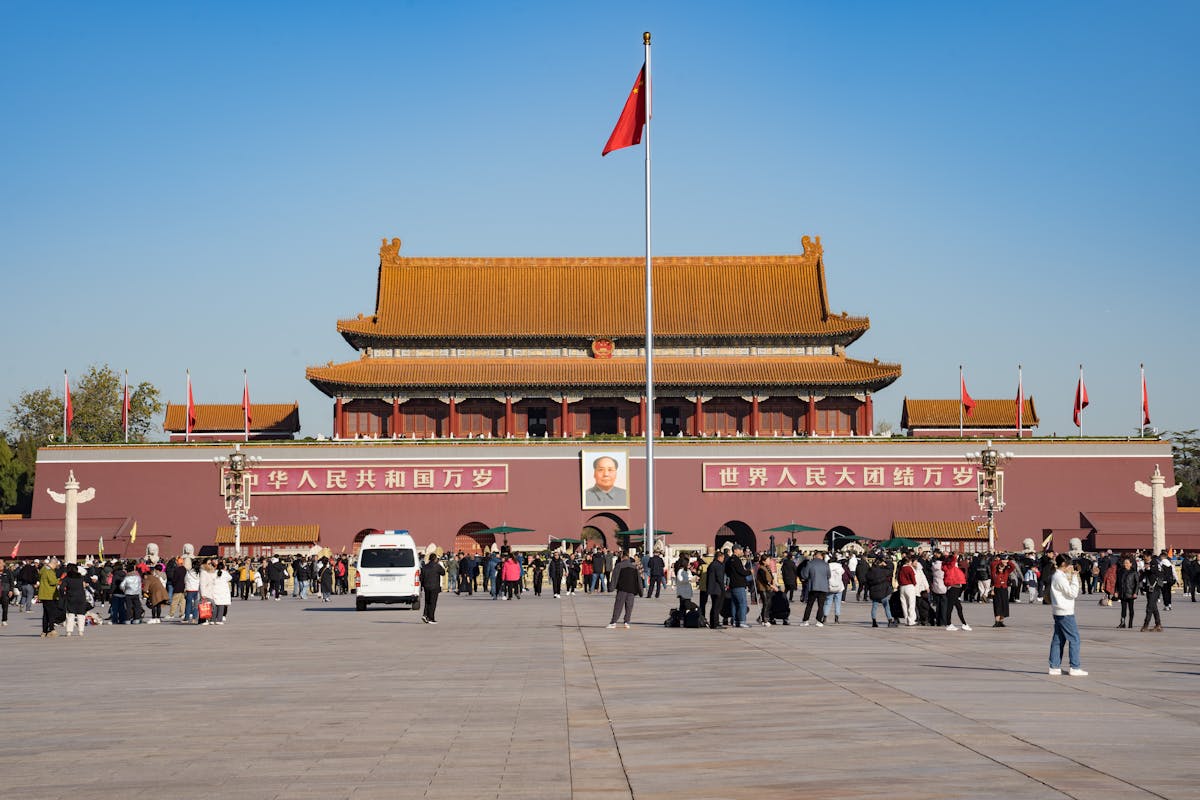
On a summer morning on Chang’an Avenue, a man with a lanyard will offer to get you into the Forbidden City today. Sometimes he can, for a markup of a few hundred yuan on a ¥60 ticket; sometimes he takes your money and your passport number and you never see either again. In 2026 scalpers like him were the single biggest source of tourist complaints in Beijing. They exist because the city’s best sights are cheap, popular and sold online only, and they are the clearest example of a rule that runs through all Beijing tours and tickets: the official route is almost always the cheapest, and the hard part is knowing what it is.
This guide is the overview. It covers what the main sights cost and which need booking ahead, the tours that are worth paying for and the ones that are not, what a private guide costs, the passes and combination tickets, where to book, and the traps to avoid, with a sight-by-sight verdict on whether to go it alone or with a guide. Prices were checked in September and October 2026; treat them as the right order of magnitude, since many sights charge more in the April–October peak season.
What the main sights cost
| Sight | Ticket (peak season) | Book ahead? | Tour worth it? |
|---|---|---|---|
| Forbidden City | ¥60 (¥40 Nov–Mar); Treasure and Clock galleries +¥10 each | Yes, online only, 7 days ahead; sells out | A good guide transforms it |
| Tiananmen Square | Free | Yes, free real-name reservation, 1–9 days ahead | No |
| National Museum of China | Free | Yes, 7 days ahead at 17:00 | Rarely |
| Temple of Heaven | ¥15 park; ¥34 through ticket | Not usually | No; go early on your own |
| Summer Palace | ¥30; ¥60 through ticket | Not usually | Optional |
| Mutianyu Great Wall | ¥40 (¥45 with the postcard ticket); cable car ¥100 one way, ¥140 return; toboggan extra | Advisable at weekends | Only a good one; the bus is easy |
| Badaling Great Wall | ¥40 peak, ¥35 off season; cable car extra | Advisable at weekends | No; take the train |
| Lama Temple | Small fee; check when you book | Not usually | No |
| Ming Tombs | Varies by site; Dingling ¥60 April to October, ¥40 November to March | No | Usually combined with the Wall |
| Universal Studios Beijing | ¥418–748, dynamic pricing | Yes | No |
| Acrobatics or kung fu show | Varies by show and seat | A day or two ahead for better seats | No |
| Hutong food tour | Guided: varies by operator; self-guided: whatever you eat | A few days ahead | Yes, if you like food |
The pattern is clear enough. Beijing’s great sights are inexpensive by international standards, and even a week of serious sightseeing, Wall included, adds up to a modest sum in tickets. Where the money goes is in the extras: guides, cars, cable cars, shows and the tours that bundle them. Some of those extras are excellent value. Others are expensive ways of doing something the subway does better.
What needs booking, and how far ahead
The single most important thing to know about tickets in Beijing is that the most famous sights do not sell at the gate. The Forbidden City has not sold a ticket at the door for years: you buy online, up to seven days ahead, with a passport number for each visitor, and popular dates in the summer and the holidays sell out in minutes. Tiananmen Square needs a free real-name reservation of its own, made one to nine days ahead, and the National Museum on its east side releases its free tickets seven days ahead at 17:00 Beijing time. Miss those windows and no amount of money at the gate will get you in through the official route.
Most other sights are easier. The big imperial parks, from the Temple of Heaven to the Summer Palace and Beihai, sell through an official platform called Visiting Beijing Parks, which has an English website, and outside public holidays you can buy on the day. The Great Wall sections sell online and at the ticket offices; book ahead for weekends and holidays. Shows and classes are best booked a day or more ahead, partly for seats and partly because advance online prices are usually lower than the door. Universal Studios uses dynamic pricing, so the earlier you commit to a date, the more choice you have.
Almost everything runs on real-name booking with a passport, usually through WeChat. The museum booking guide walks through the system in detail, the Tiananmen Square guide covers the square’s reservation, and the Forbidden City guide covers what to see once you are inside.
A booking timeline for a first trip
Because each sight releases tickets on its own schedule, the bookings for a trip are spread over the weeks before you fly. A workable order:
- Three or four weeks out: set up WeChat, Alipay and a roaming eSIM, and make sure they work. Decide how you will do the Great Wall, and book a private car or a guide if that is your plan, since the good ones fill up in peak season.
- Nine days before each date: the Tiananmen Square reservation window opens.
- Seven days before each date: book the Forbidden City as soon as that day’s tickets appear, and the National Museum at 17:00 Beijing time.
- Three to five days ahead: food tours, cooking classes and anything else with limited places.
- A day or two ahead: shows, for the better seats and the online price.
- On the day: the parks, the temples and the smaller museums, most of which you can buy at the gate or on your phone outside it.
If you are reading this after you have arrived, do not panic. Book whatever is still open, plan the Forbidden City for the end of your stay, and fill the first days with the sights that sell on the day.
Tours worth paying for, and the ones that are not
Great Wall day trips
This is where most visitors spend the most money, and where the gap between a good choice and a bad one is widest. There are four ways to do it.
- The public tourist bus. Official tourist buses run to Mutianyu from Qianmen in central Beijing, leaving in the morning; check the current fare and timetable on bjbus.com, the Beijing Public Transport site. It is the best-value way to see the Wall, and it is easy.
- The train to Badaling. The S2 suburban train, which now runs from Nankou station, and the high-speed train from Beijing North both serve Badaling; check the current timetables and fares before you go. Badaling is the most crowded section, but you cannot beat the price.
- A group tour. A good one includes transport, entry and a guide, and saves you the logistics. A bad one stops at a jade factory, a tea house or a silk shop on the way, and gives you less time on the Wall than the bus would have.
- A private car. The day rate depends on the section, the vehicle and whether a guide comes along. For a family or a small group, a car is often better value than four group-tour seats, and it lets you choose your own hours, which is the best way to beat the crowds.
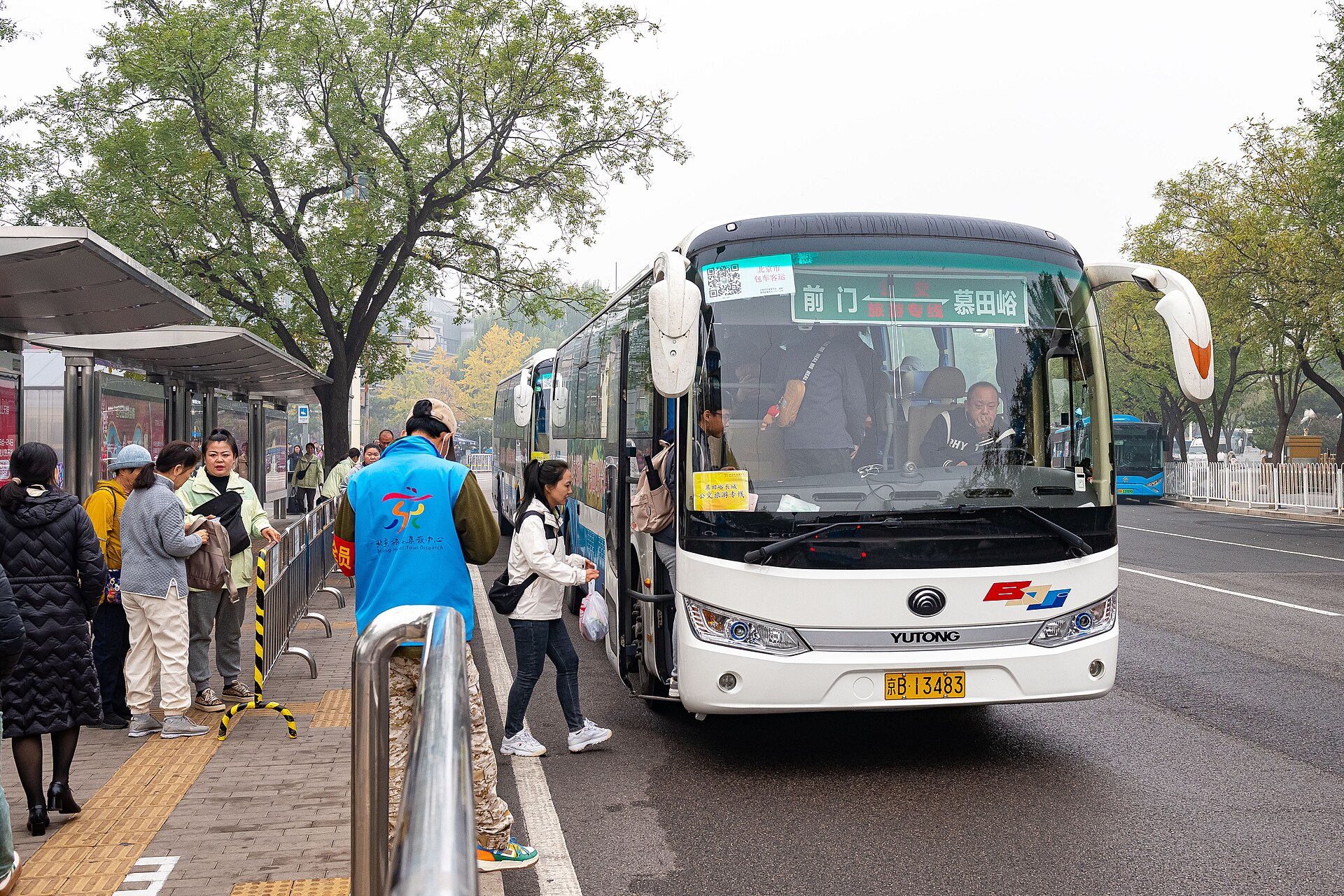
The honest verdict: for independent travellers, the public bus to Mutianyu is excellent and a group tour adds little except company. For families, groups of three or more, or anyone heading to the wilder sections such as Jinshanling or Jiankou, a private car is worth the money. Avoid any tour that is suspiciously cheap or lists shopping stops; it will cost you more in time than it saves in money. The Great Wall guide compares the sections, and getting to the Great Wall covers every route in detail.
What a good Great Wall tour includes
If you do book a tour, read the listing for these before you pay:
- The section, named. “Great Wall” is not a destination. Mutianyu, Badaling, Jinshanling and Simatai are very different days.
- Time on the Wall. Three hours is a reasonable minimum; some cheap tours leave you barely an hour after a long drive.
- What is included. Entry, the cable car or chairlift, the toboggan at Mutianyu, lunch and water. At Mutianyu, entry alone is ¥40 (¥45 for the postcard ticket) and the cable car ¥100 one way or ¥140 return, so check which items the price covers, lunch and water included.
- Pick-up time. Early, ideally before 07:30, to arrive ahead of the crowds.
- No shopping stops, stated in writing.
- Group size and the guide’s role. Some guides walk the Wall with you; others stay with the bus.
The full comparison of group tours, private cars and doing it yourself, section by section, is in the guide to avoiding the crowds on the Wall and the section guides linked from the Great Wall hub.
A guide for the Forbidden City
The Forbidden City is the one sight in Beijing where a guide makes the biggest difference. It is enormous, its signage explains what a building is called rather than why it matters, and its history is a story of emperors, eunuchs, concubines and rituals that is far better told than read. A good guide turns a long walk past red walls into one of the best mornings of your trip.
A licensed private English-speaking guide in Beijing charges by the day or the half-day, before tickets, transport and lunch, and the booking platforms also sell shared small-group walking tours; compare the hours and what each includes. That is a lot of money next to a ¥60 ticket, but split between two or three people for the palace and Jingshan, it is money well spent. If you would rather not pay, the palace’s official audio guide and a little reading beforehand get you a good part of the way, and the Palace Museum treasures guide tells you which galleries to prioritise.
Where a guide matters much less: the Temple of Heaven, where the morning park life is the main event and a guide’s commentary competes with the dancers; the Summer Palace, which is a garden to wander; and the Lama Temple, which explains itself.

Hutong tours
The hutongs are best on foot and for free; the hutong walking routes give you three self-guided options. Two paid versions are worth knowing about. A guided food tour is one of the best-value paid experiences in the city if you like food, because a good guide gets you into places and dishes you would never find; a self-guided crawl costs whatever you choose to eat and is fun too. The hutong food tour guide covers both.
Rickshaw tours are the other. Use only the regulated station at Shichahai, where uniformed, numbered drivers run fixed routes at set prices; agree the route and the price before you climb in. Freelance rickshaw drivers elsewhere are the source of most of Beijing’s hutong overcharging stories. The rickshaw guide explains how to tell the difference.
Evening shows
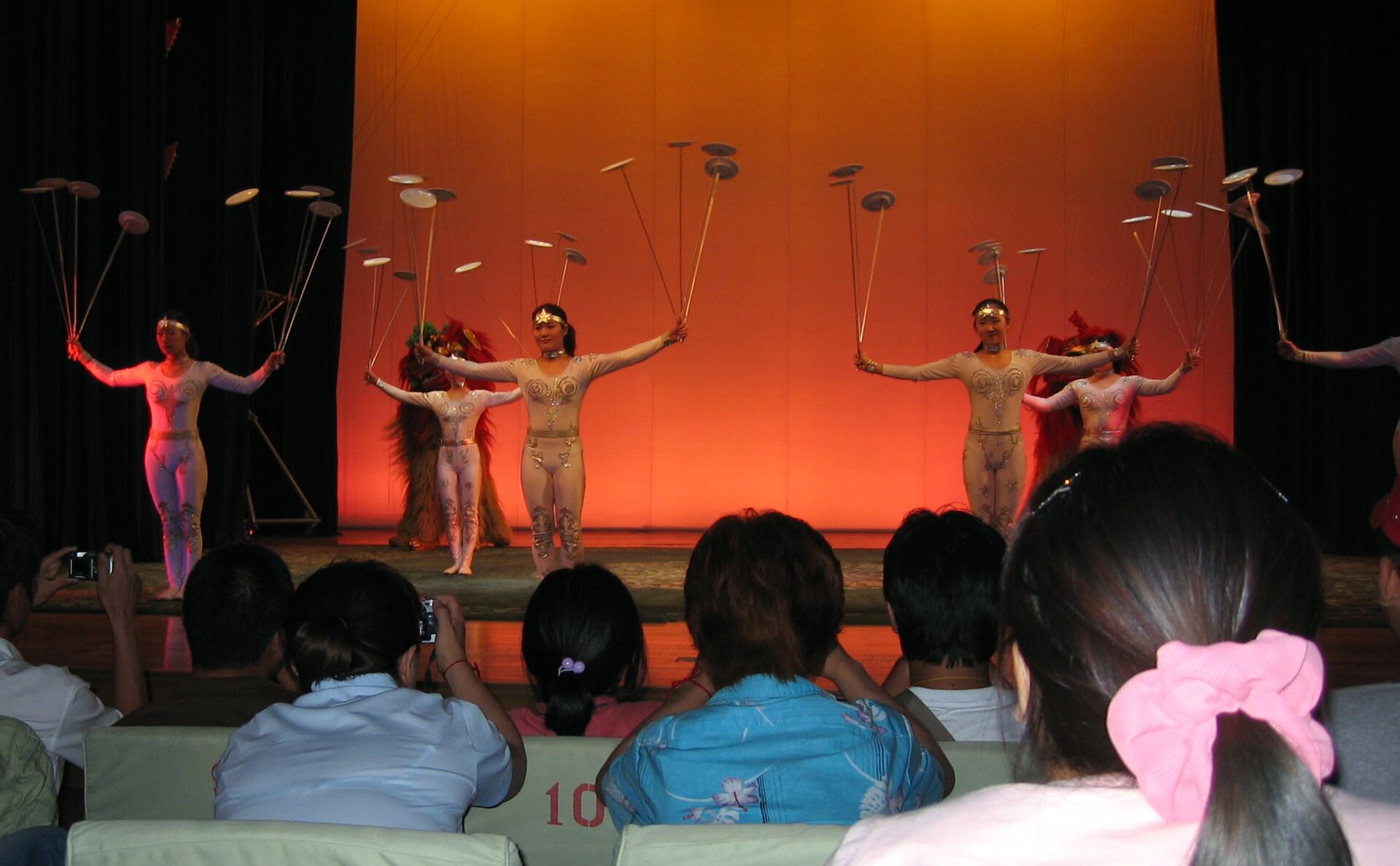
Beijing’s evening shows are straightforward value. An acrobatics show needs no language at all, which makes it the safest choice for families. Kung fu shows are the other big draw, and with Peking opera the right theatre makes all the difference to a first-timer. Prices depend on the show and the seat. Book online a day or two ahead for better seats and lower prices than the door. The acrobatics guide, the kung fu show guide and the Peking opera guide compare the venues.
Classes and experiences
A cooking class is good value and a memorable afternoon: at The Hutong, a public class costs ¥350 a head (¥300 for members) and lasts 2.5 hours, followed by a meal, while private classes are ¥380 a head with a ¥1,520 minimum. Hanfu rental is enormously popular for photographs at Jingshan and the Temple of Heaven; packages with hair and make-up, and the deposit, vary from shop to shop. Calligraphy workshops are short and gentle. All three are better booked a few days ahead. The cooking classes guide, the hanfu guide and the calligraphy guide have the details.
Night tours
Organised night tours vary widely in price and itinerary, so read what each includes. Most of what they show you is easy to do on your own by subway and on foot: Qianmen and Dashilar in the early evening, the lakes at Shichahai after dark, Wangfujing late. A night tour makes most sense on a first evening, when you are jet-lagged and would rather be driven. The night tours guide compares the options.
Day trips beyond the Wall
For the Ming Tombs, Chengde, Gubei Water Town or Tianjin, the arithmetic is the same as for the Wall: high-speed trains and public buses are cheap and reliable where they exist, private cars make sense for groups and awkward destinations, and group tours earn their price only when they save you a genuinely difficult journey. The day trips guide covers how to reach each one.
Layover tours
If you are passing through Beijing on a long layover, a short tour can be a sensible way to see the Wall or the Forbidden City without the stress of finding your own way, provided it fits the visa-free transit rules and leaves a generous margin for getting back through the airport. The layover itinerary sets out what is realistic in a given number of hours, and the 240-hour visa-free transit guide explains who qualifies.
Passes and combination tickets
Beijing has no official all-in-one tourist pass of the kind some European cities sell, and for most visitors that is no loss, because the major sights are cheap and the passes that do exist rarely pay back.
- Through tickets at the big parks are the one combination ticket almost always worth buying. At the Temple of Heaven, the ¥34 through ticket includes the Hall of Prayer for Good Harvests, which the ¥15 park ticket does not; at the Summer Palace the ¥60 through ticket adds the Tower of Buddhist Incense, Suzhou Street and other extras to the ¥30 entry; at Beihai, ¥20 adds Jade Island.
- The Beijing Museum Pass costs ¥120 for 2026 and covers 140 venues with free or discounted entry. It is good value for residents and long stays, but since the big museums are free already, it rarely pays back on a short trip.
- The Beijing park annual pass is restricted to residents, students and retirees in the city, so it is not an option for visitors.
- Commercial “Beijing passes” sold on international booking sites bundle a few attractions, transfers or tours at a discount on the combined price. Do the arithmetic against the official ticket prices before you buy; the saving is often smaller than it looks, and the bundle may not include the sights that are hard to book.
- Universal Studios express passes cost extra on top of the ticket, priced by date, and are only worth it on a busy day when you have a limited time in the park.
Peak, off-peak and holiday prices
Many of Beijing’s sights charge two prices: a peak price from 1 April to 31 October and a lower one from 1 November to 31 March. The differences are small in absolute terms but add up over a trip:
| Sight | Peak (Apr–Oct) | Off-peak (Nov–Mar) |
|---|---|---|
| Forbidden City | ¥60 | ¥40 |
| Temple of Heaven through ticket | ¥34 | ¥28 |
| Summer Palace | ¥30; ¥60 through ticket | ¥20; ¥50 through ticket |
| Beihai Park | ¥10 | ¥5 |
| Ming Tombs (Dingling) | ¥60 | ¥40 |
The bigger cost of travelling at the wrong time is not the ticket but the crowd. The three Golden Weeks, around the Spring Festival, at the start of May and from 1 to 7 October, are the busiest weeks of the year: the Forbidden City and the museums are booked out days ahead, the Wall is packed, and hotel prices climb steeply. The Chinese school summer holidays in July and August are busy too. If your dates are flexible, the quieter stretches of spring and autumn give you the best of both: good weather, easier bookings and peak prices that are still low.
Children, students and seniors
Concessions are common but inconsistent, so check each attraction’s own age and height rules. At the UCCA art centre, for example, children under 1.2 metres go free with an adult. Students often pay half, but some sights accept only Chinese student cards, so bring an international student card and expect a mixed reception. Seniors get reduced or free entry at many sights; UCCA discounts tickets for visitors aged 60 and over with valid ID, and other venues publish their own policies. In every case, the person claiming the concession needs their passport, and on real-name bookings the concession has to be selected when you book.
Where to book
The order of preference is simple. For the Forbidden City, the museums, Tiananmen Square and the parks, use the official channels: they are cheapest, they hold the real inventory, and they are what the gates check against. The official platforms work in WeChat and on the operators’ own websites, some of which have English versions.
Trip.com, which is widely used in China and has a good English app, sells tickets for many sights, shows and the Great Wall, and mirrors official inventory for trains with a small service fee. For many travellers it is the easiest way to book the things that are not on official English platforms. For tours, the international booking platforms list licensed guides and small-group tours with reviews, cancellation policies and a currency you understand; the reviews are your best protection, so read the recent ones, and read what is and is not included.
Your hotel can book shows, cars and guides too, at a markup that buys you convenience and someone to complain to if it goes wrong. What you should never do is buy a tour or a ticket from someone who approaches you in the street.
Whichever channel you use, read the cancellation and change rules before you pay, because official tickets, platform bookings and private guides all have their own. For anything outdoors, the Great Wall above all, ask what happens if the weather turns or a section closes at short notice, and get the answer in writing.
Traps to avoid
Beijing is a safe city for visitors, and serious trouble is rare. The common problems are about money, and they cluster around the most famous sights. In 2026 the city ran a sustained crackdown on the tourist trade: by mid-August it had inspected more than 5,000 tourism businesses and opened more than 300 cases against unreasonably cheap tours, forced shopping, unlicensed guides and misleading online advertising. The traps are well known, which makes them easy to avoid.
- Ticket scalpers. Touts who “grab” Forbidden City and National Museum tickets were the top source of tourist complaints in 2026, typically charging ¥200 or more extra per person and up to ¥500 in peak season. Some deliver; some take your passport details and disappear. If the official tickets are gone, legitimate tours that include entry are a safer fallback.
- Cheap day tours with shopping. The classic Beijing tourist trap is the one-day tour to the Wall and the Ming Tombs sold for a fraction of the going rate, which makes its money by taking you to a jade factory, a tea house or a silk shop and keeping you there. If a tour is much cheaper than ¥350, ask what the catch is.
- The tea house invitation. Friendly young people practising their English near Tiananmen or Wangfujing invite you for tea or to an art exhibition; the bill runs to thousands of yuan. Decline politely.
- Unofficial rickshaws. Agree nothing with a freelance driver; use the regulated station at Shichahai.
- Fake helpers at the gates. Anyone outside a sight who tells you it is closed, or that you need to buy a ticket from them, is lying.
The safety tips guide covers these and the rest, and the bargaining guide explains how prices work in the markets, where haggling is expected.
Choosing a guide
Private guides range from superb to useless, and the price is not always a reliable signal. A few things help:
- Licensing. Guides working legally in China hold a national tour guide licence, now issued electronically. Ask to see it; a good guide will not mind.
- What is included. Get a written list: tickets, transport, lunch, hours, and an explicit statement that there will be no shopping stops.
- Reviews. Read recent ones, ideally from travellers like you. A guide who is wonderful with history buffs may be the wrong choice for a family with young children.
- Booking the tickets. For the Forbidden City, agree in advance who books the tickets and with whose passports; the guide cannot conjure tickets on the day.
- Tipping. Tipping is not customary in China, but private guides and drivers are the exception; any tip is your choice, so ask the agency that booked them what is normal.
Tours by type of traveller
Families. Children rarely want a guide’s history lecture, but they love the toboggan at Mutianyu, an acrobatics show, the pandas and the open spaces of the Olympic Park. A private car to the Wall is often cheaper than four group-tour seats and saves a lot of negotiation. The Beijing with kids guide, the Beijing Zoo pandas guide and the Universal Studios guide cover the family favourites.
First-timers on a short trip. Spend on one thing: a guide for the Forbidden City, or a car to the Wall. Do everything else yourself, and use the time you save to walk the hutongs.
Return visitors. The best paid experiences for a second trip are the ones that take you deeper or further: a hutong food tour, a private car to Jinshanling or Gubeikou, an overnight in Chengde. The second-visit itinerary has ideas.
Solo travellers. Small-group tours are a good way to share the cost of a car and a guide to the Wall, and food tours are as much about company as food. The solo travel guide covers the rest.
Travellers with limited mobility. A private car and a guide make the biggest difference here: Mutianyu and Badaling both have cable cars, the Forbidden City and the Temple of Heaven are flat, and a driver can drop you at the right gate. The accessibility guide covers which sights work and which do not.
Budget travellers. Beijing is one of the best big cities in the world for doing it yourself: the S2 train to Badaling for ¥6, the public bus to Mutianyu, free museums, ¥2 Jingshan and the hutongs for nothing. Spend the money you save on the food tour.
Do it yourself or take a tour? A sight-by-sight verdict
| Sight | Verdict | Why |
|---|---|---|
| Forbidden City | Guide, if you can | The history is the point, and signage explains little |
| Temple of Heaven | Do it yourself | Go at opening for the park life; a guide gets in the way |
| Summer Palace | Do it yourself | A garden to wander; take the through ticket |
| Great Wall at Mutianyu | Bus or private car | The public bus is easy; a car suits families and groups |
| Great Wall at Jinshanling or Jiankou | Private car or specialist tour | Hard to reach by public transport |
| Ming Tombs | Combine with the Wall by car or tour | Awkward by public transport, and better with context |
| Hutongs | Walk; pay for a food tour | The lanes are free; a good food guide earns the fee |
| Lama Temple and Confucius Temple | Do it yourself | Compact, well signed, opposite each other |
| Museums | Do it yourself | Free, with English labels in the main galleries |
| Chengde or Gubei | Train or private car, overnight | Too far for a comfortable day tour |
What a week of tickets costs
As a worked example, here are the core tickets for a busy first week in peak season for one adult: the Forbidden City with both galleries (¥80), Tiananmen Square and the National Museum (free), the Temple of Heaven through ticket (¥34), the Summer Palace through ticket (¥60), Jingshan (¥2), Beihai through ticket (¥20) and Mutianyu with the return cable car (¥40 + ¥140). That comes to ¥376. The Lama Temple, the bus to the Wall and an evening show add a little more. Add a private guide for the Forbidden City split between two, a food tour and a cooking class, and the week’s paid experiences climb well past the tickets, though they stay modest by the standards of most capital cities. The Beijing travel budget sets these costs alongside hotels, food and transport.
The best things in Beijing that cost nothing
Before paying for anything, it is worth knowing how much of Beijing is free, or close to it. Some of the city’s best experiences need nothing more than a subway fare:
- The great museums. The National Museum’s ancient galleries, the Capital Museum and the Military Museum are all free with a booking.
- Tiananmen Square, with its free reservation, and the flag-raising at dawn.
- The hutongs. Wandering the lanes around the Drum and Bell Towers, Nanluoguxiang and the Shichahai lakes costs nothing, and is many visitors’ favourite part of the trip.
- Morning park life. The dancing, singing, tai chi and water calligraphy start at dawn in parks that charge a few yuan at most; Jingshan costs ¥2 and has the classic view over the Forbidden City.
- The Olympic Green and the Forest Park, free and at their best at dusk; the Olympic Park guide explains why the outside of the stadiums beats the inside.
- 798’s galleries, many of them free to enter, in old factory halls.
None of these benefit from a tour, and together they could fill several days. A trip built around the free and nearly free sights, with money spent on one guided morning at the Forbidden City and one good day on the Wall, is not a budget compromise. For many visitors it is the best version of Beijing.
Paying for it
Almost everything in this guide is paid for by Alipay or WeChat Pay, both of which accept foreign Visa and Mastercard cards after passport verification. One thing to know: a single payment over ¥200 made with a foreign card in either app carries a 3% service fee on the whole amount, so a ¥250 ticket costs ¥257.50. Payments under ¥200 are free. Cash must legally be accepted at staffed tills, but online bookings need an app. The Alipay guide explains the set-up.
The honest verdict
Beijing rewards independent travellers more than most big cities. Its great sights are cheap, its subway reaches almost all of them, and its tours range from excellent to actively harmful to your trip. The things worth paying for are the things that are hard to do alone: a good guide at the Forbidden City, a private car to the wilder sections of the Wall, a food tour in the hutongs. The things not worth paying for are the things that pretend to be hard: tickets from touts, cheap bus tours with shopping stops, and anything sold to you on the street.
Book the Forbidden City the moment its seven-day window opens, sort out the museums and Tiananmen in the same week, and leave the rest to the day. That is most of what you need to know.
The Forbidden City is the booking that matters most, and the one most often missed. Our step-by-step guide to Forbidden City tickets covers the 20:00 release a week ahead, the English booking site and the WeChat mini-program, the refund and no-show rules, and what to try when your date sells out.
Behind almost every ticket in this guide is the same system of named, timed bookings. Our guide to booking Beijing attractions with a passport explains how it treats foreign visitors, which platforms work in English, and when each of the main sights releases its tickets.
The Wall is where the choice of tour matters most. Our comparison of Great Wall tours from Beijing sets the public bus, group coaches, small groups, private cars and guided hikes side by side, with a cost table for one, two and four travellers and the red flags to look for in a listing.
Frequently asked questions
Do I need to book Beijing tours in advance?
For the Forbidden City, Tiananmen Square and the National Museum, you need to book tickets in advance whether or not you take a tour. Guided tours, cooking classes and shows are best booked a few days ahead, especially in peak season. Most parks and temples can be bought on the day.
Are Beijing tours worth it?
Some are. A good private guide at the Forbidden City, a private car to the remoter Great Wall sections and a hutong food tour are all worth the money. Cheap group tours with shopping stops, and most tours of sights that are easy to reach by subway, are not.
How much does a private guide in Beijing cost?
Rates for a licensed private English-speaking guide vary by guide and agency, and are quoted by the day or half-day, before tickets, transport and lunch. Booking platforms also list half-day and small-group walking tours; compare the hours and inclusions before you book.
What is the cheapest way to see the Great Wall from Beijing?
The S2 train to Badaling, or the public tourist bus to Mutianyu; check both fares before you travel. Both are easy for independent travellers. Group tours and private cars cost more, and their prices depend on the operator, the section and what is included.
Can I buy Forbidden City tickets at the gate?
No. Tickets are sold online only, up to seven days ahead, with a passport number for each visitor, and popular dates sell out quickly. Avoid touts selling tickets outside; if the official tickets are gone, a legitimate tour that includes entry is a safer fallback.
Is there a Beijing tourist pass?
There is no official all-in-one tourist pass. The Beijing Museum Pass (¥120 in 2026) covers 140 venues but rarely pays back on a short trip. The ¥100 park annual pass is limited to eligible union members, retirees and students, but other visitors can buy the ¥200 combined annual pass. Through tickets at the big parks are the one combination worth buying.
How do I avoid tourist scams in Beijing?
Book through official channels, never buy tickets or tours from people who approach you in the street, decline invitations to tea houses or art shows from friendly strangers, use only the regulated rickshaw station at Shichahai, and avoid day tours that are much cheaper than the going rate or include shopping stops.
Should I tip tour guides in Beijing?
Tipping is not customary in China, but private guides and drivers are the exception. How much is up to you; the tour operator can tell you what its guides usually receive.