Beijing Capital International Airport (PEK) is the older of Beijing’s two major international airports and handles the majority of international long-haul arrivals — particularly from North America, Europe, and Australia. It’s also the busier of the two, with three terminals (Terminal 1, 2, and 3), an immigration process that takes 30–60 minutes for international arrivals, and a 30-minute Airport Express train ride to the city centre. This Beijing Capital Airport guide walks through everything from disembarkation to your hotel: immigration procedure, customs, baggage claim, ground transportation, terminal layout, SIM card and money exchange options, and what to expect using the 240-hour visa-free transit or 30-day visa-free entry policies on arrival.
If you’re flying out of Beijing, this guide also covers check-in, security, dining and lounge options, and the timing nuances that catch first-time international travellers off guard at PEK.
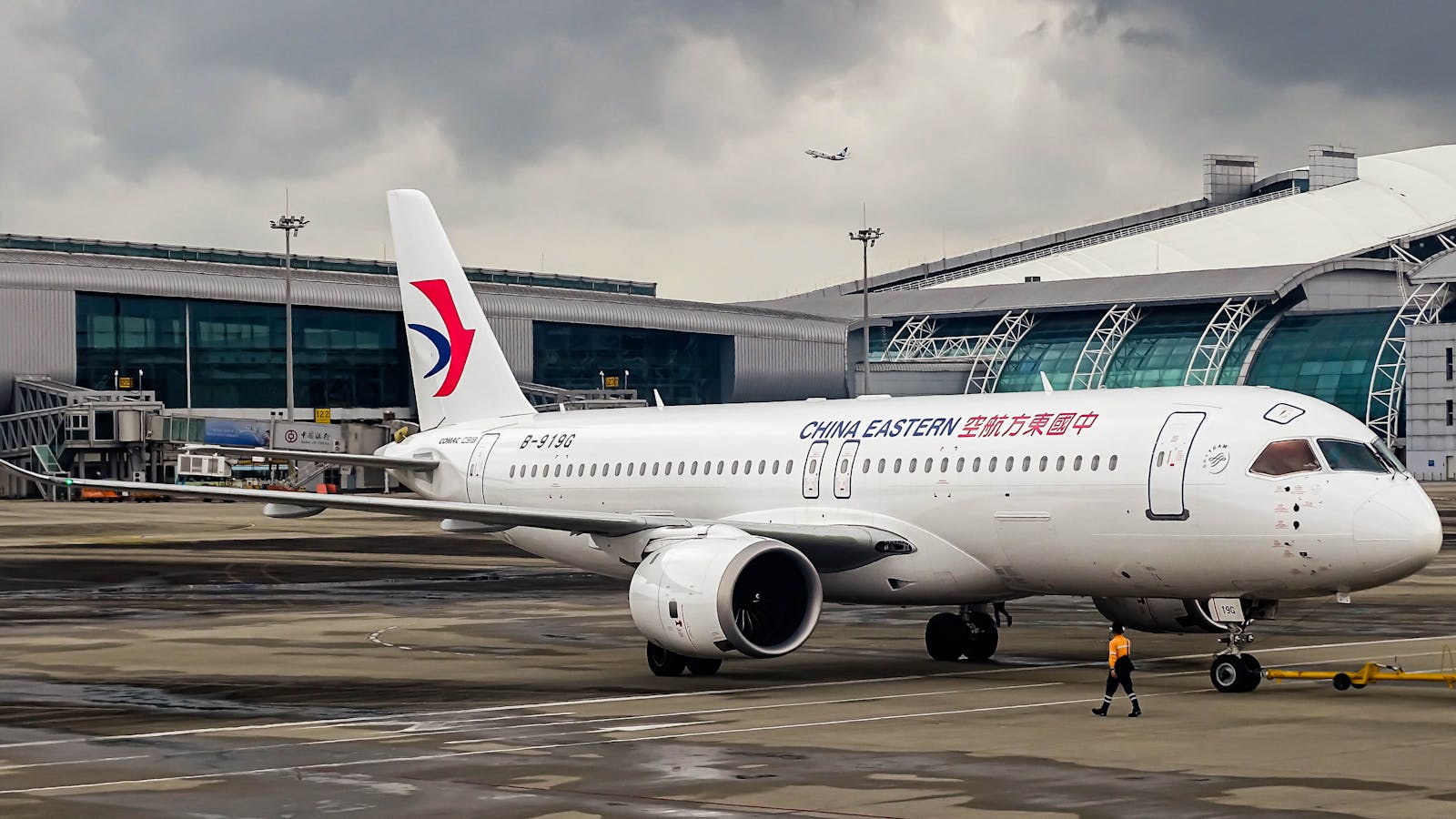
Beijing Capital Airport at a glance
- Code: PEK (IATA) / ZBAA (ICAO)
- Location: Shunyi District, 32 km northeast of Beijing city centre
- Terminals: 3 (Terminal 1, 2, 3)
- Annual passengers: ~67 million pre-2020; recovering toward that level
- International airlines: Air China (hub), Cathay Pacific, United, American, Delta, Lufthansa, BA, Air France, KLM, Qantas, Singapore Airlines, and most major global carriers
- Transit time to city: 30 minutes via Airport Express; 30–60 minutes by taxi/DiDi
- Best for visitors: Airlines based in PEK; long-haul flights from outside Asia
Beijing Capital Airport terminals
Terminal 1
The smallest and oldest terminal. Used primarily by Hainan Airlines for select domestic flights. Most international tourists do NOT use Terminal 1.
Terminal 2
Mid-size terminal handling international airlines other than Air China and SkyTeam carriers. Airlines using T2 include Singapore Airlines, Lufthansa, Cathay Pacific, JAL, ANA, Etihad, and others. Older but still functional.
Terminal 3 (T3) — main international terminal
Beijing Capital Airport’s flagship terminal, opened 2008 for the Olympics. T3 has three sub-terminals: T3-A (domestic Air China and Star Alliance), T3-B (domestic), and T3-C/E (international Air China and Star Alliance partners — including United, Lufthansa, Air Canada, and Asiana). Most major North American and European long-haul international flights arrive at T3-E.
If your booking shows Terminal 3, you’re at the international hub. Confirm your specific sub-terminal (3-A, 3-B, 3-C, 3-E) on your boarding pass — they’re connected by intra-airport people movers but the walks are significant if you misread the assignment.
Beijing Capital Airport arrival process
Step 1: Disembarkation and walk to immigration (10–20 minutes)
After landing at T3-E, you’ll disembark into a long underground walkway. Follow signs for “Arrivals / Immigration” (signed in Chinese, English, and pictograms). The walk to immigration takes 5–15 minutes depending on your gate.
Step 2: Health declaration and arrival card (5 minutes)
The traditional paper health declaration card is no longer routinely required as of late 2024 — but the standard Arrival Card is still distributed in flight or available at immigration. Fill it out before you reach the immigration counter. The card asks for:
- Full name and passport details
- Flight number and seat
- Address in Beijing (your hotel)
- Purpose of visit (tick “Tourism” for visa-free entry)
- Visa type (write “240-hour visa-free transit” or “30-day visa-free” if applicable)
Step 3: Immigration / fingerprinting (15–45 minutes)
Beijing Capital Airport has multiple immigration lanes. Look for:
- Foreign Passports / Visa-Free Entry for tourists (most common for English-speaking visitors)
- 240-hour visa-free transit for transit travellers
- Diplomatic / Crew if applicable
- Chinese Passport for citizens (rarely the right line for foreigners)
At the counter, present your passport, completed arrival card, and (if asked) printed onward ticket and hotel confirmation. You’ll be fingerprinted (over-14s) and photographed. The officer stamps your visa or visa-free entry into your passport.
Wait times vary dramatically by hour and day:
- Best: arrival 1–7 AM (15–25 minutes)
- Average: most other hours (30–45 minutes)
- Worst: peak afternoon arrival of multiple long-haul flights (60+ minutes)
Step 4: Baggage claim (10–20 minutes)
Follow signs to the baggage carousel matching your flight number (displayed on overhead screens). Beijing Capital Airport’s baggage delivery is reasonably fast — most bags arrive within 20 minutes of immigration completion.
Step 5: Customs (5 minutes typical)
Pass through one of two customs channels:
- Green channel (Nothing to Declare) — most tourists
- Red channel (Goods to Declare) — required if you carry over $5,000 USD cash, restricted goods, or items above duty-free limits
Customs officers occasionally spot-check Green channel travellers. Expect a brief X-ray scan of your bag. Beijing customs are generally relaxed for tourists.
Step 6: Exit to arrivals hall
You’ll emerge into the Arrivals Hall on Floor 2 (T3) where waiting friends, taxi drivers, and tour pickups wait.
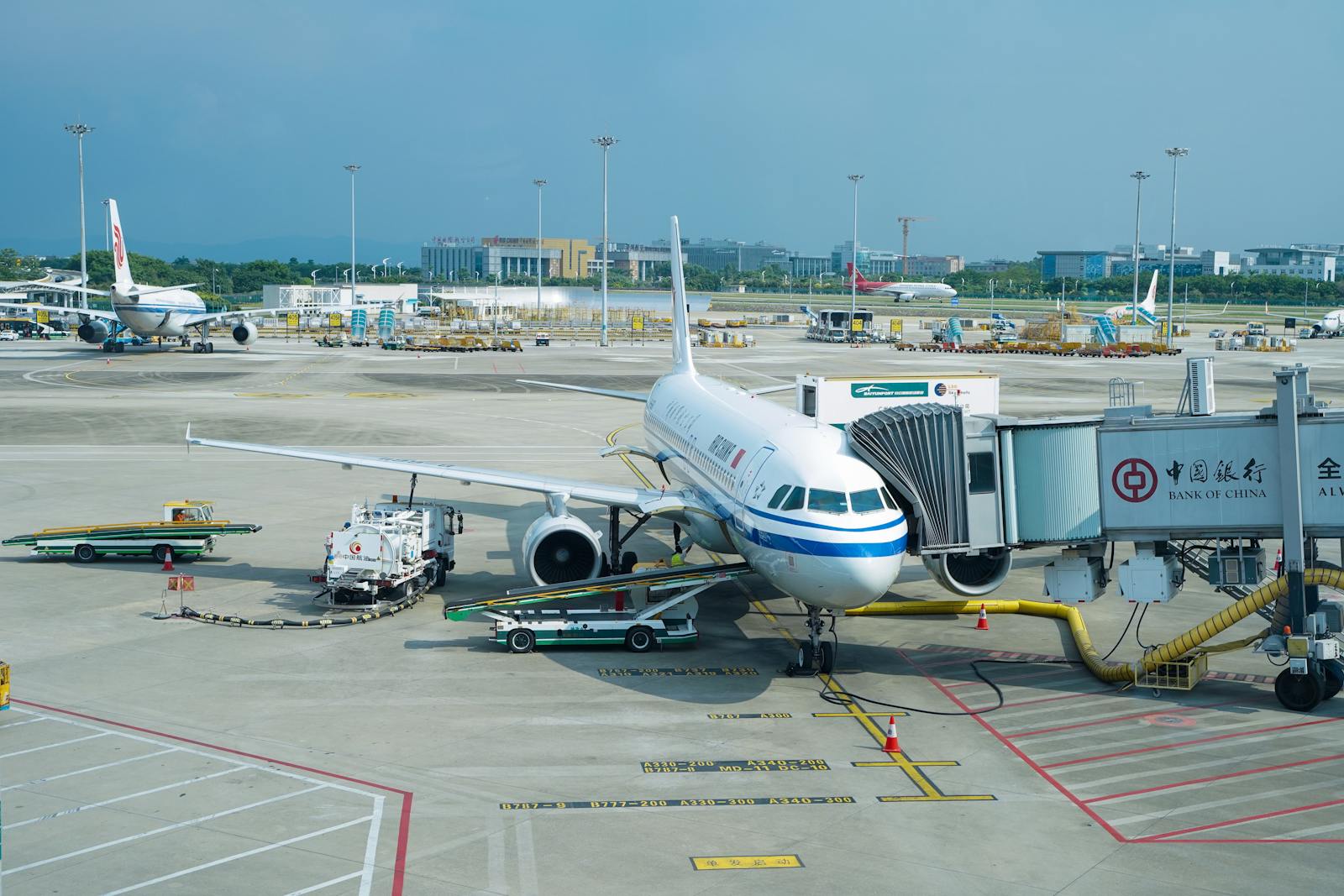
Getting from PEK to Beijing city centre
Beijing Capital Airport Express Train (recommended for most)
The fastest, most reliable, cheapest option for solo and pair travellers without much luggage.
- Cost: ¥25 ($3.55) one-way
- Duration: 21–25 minutes from Terminal 3 to Dongzhimen station; 28 minutes to Sanyuanqiao station
- Frequency: Every 8–10 minutes from 6:35 AM to 11 PM
- Stops: Terminal 3 → Terminal 2 → Sanyuanqiao (Line 10 metro interchange) → Dongzhimen (Line 2 + Line 13 metro interchange)
- Tickets: Buy at the Airport Express station inside the terminal, or use Alipay/WeChat QR code, or tap a foreign contactless credit card
- Wheelchair access: Yes, lifts at all stations
From Dongzhimen, transfer to Line 2 (loop line connecting central Beijing) or Line 13 (north). Total airport-to-hotel time is typically 45–60 minutes door-to-door for Wangfujing or Qianmen area hotels.
Taxi (recommended for groups, evening arrivals, heavy luggage)
- Cost: ¥110–¥130 to central Beijing (Wangfujing, Qianmen) plus ¥10 expressway toll
- Duration: 30–60 minutes depending on traffic; 90 minutes during rush hour
- Where to find: Official taxi queue outside Terminal 3 Arrivals (clearly marked)
- Important: Always use the official taxi queue. NEVER accept rides from individuals approaching you in the terminal — these are illegal touts charging 3-5x the metered rate
- Payment: Most taxis now accept Alipay or WeChat Pay; always use the meter (“打表” / dǎ biǎo)
DiDi (Chinese Uber)
- Cost: ¥120–¥180 typical to central Beijing; surge during rush hour
- Pickup: Designated DiDi pickup zones outside terminal
- Foreign credit cards: Now work directly through the English DiDi app
- Vehicle types: Express (cheapest), Premier (more comfortable, slightly more)
Private car / hotel transfer
Pre-arranged via Trip.com, your hotel concierge, or a tour operator. ¥250–¥500 for a sedan; ¥500–¥800 for a van. Useful for groups, late-night arrivals, or if you have heavy luggage.
Public bus
Slow and complex; not recommended for most tourists. Multiple bus lines connect PEK to various points in Beijing for ¥20–¥30, but they take 1.5–2 hours and require Chinese language skills.
Services and facilities at Beijing Capital Airport
SIM cards and connectivity
If you didn’t set up an international eSIM before flying, options at PEK:
- China Mobile / China Unicom counters in Arrivals Hall (T3) — offer tourist SIM cards from ¥80 (¥80 = $11) for 7 days of data. The catch: data is filtered through the Great Firewall (no Google, no Facebook, no WhatsApp).
- International eSIM activation — if you set up an Airalo, Holafly, or Nomad eSIM before flying, it activates automatically and bypasses the firewall.
- Free Wi-Fi — available throughout PEK; SMS verification often required (an active eSIM helps)
Currency exchange and ATMs
Skip the airport currency exchange counters — rates are typically 5–8% worse than bank rates. Use a fee-free debit card at any ICBC, Bank of China, or China Construction Bank ATM in the terminal — same rates as in-city ATMs. Withdraw enough to last 2–3 days; you can withdraw more later as needed.
Dining
T3 has a wide variety of restaurants and cafés on Levels 2 and 3. Mid-tier Chinese chains (Yoshinoya, Real Kungfu noodles), Western options (Burger King, Starbucks, Pizza Hut), and a few mid-range sit-down restaurants. Prices are 30–50% higher than in-city. Lounges (Air China First, Plaza Premium) offer better quality.
Showers and rest
Plaza Premium Lounge in T3 (international) offers showers, food, and rest for layover travellers. Day-rate hotels at the airport (Citic Hotel, Capital Airport InterContinental) are walking distance for transit travellers.
Wheelchair assistance
Available at PEK with 48-hour advance booking through your airline. Free service from check-in to gate (departures) or gate to arrivals hall (arrivals).
Departing from Beijing Capital Airport
Recommended timing
- International flights: Arrive 3 hours before departure
- Domestic flights: Arrive 2 hours before departure
Check-in process
Most international airlines use staffed check-in counters. Web check-in is available for most airlines but baggage drop must be done at the airport. Allow 15–30 minutes at check-in counters during peak times.
Security
Standard international airport security. Liquids restricted to 100ml per container, all in a clear plastic bag. Laptops must come out of bags. Power banks must be carry-on.
Exit immigration
Show your passport and boarding pass; the officer scans the entry stamp/visa and exit-stamps you. Fingerprinting on exit is becoming common but quick.
Duty-free shopping
Limited compared to other major Asian airports. T3-E has the best selection — Chinese tea, baijiu (rice spirit), traditional crafts, and major international brands. Prices are mid-range; better deals are typically available in Hong Kong or Singapore.
Beijing Capital Airport for layovers
Short layover (under 4 hours)
Stay airside. Use lounges if available (Plaza Premium, Air China First). Eat. Don’t risk going out — getting back through immigration can take 60+ minutes.
Medium layover (4–8 hours)
Consider showering at Plaza Premium Lounge, or sleeping in the dedicated rest pods near Gate E. Some travellers leave the airport on 240-hour visa-free transit (if eligible) — but only if you have at least 6 hours layover.
Long layover (8+ hours)
Use the 240-hour visa-free transit policy and explore Beijing. Even 8–10 hours gives you time for a quick taxi ride to the Forbidden City (1 hour from PEK) and a meal. The InterContinental Capital Airport hotel inside the terminal compound is convenient for sleep before re-entering for your next flight.
PEK vs Daxing Airport (PKX)
Beijing has two major international airports. Choose based on your airline:
| Feature | Beijing Capital (PEK) | Beijing Daxing (PKX) |
|---|---|---|
| Distance from city | 32 km northeast | 46 km south |
| Primary airlines | Air China, Star Alliance | China Eastern, China Southern, SkyTeam |
| Architecture | 2008 Olympic-era | Newer (2019), more modern |
| Immigration speed | 30–60 minutes typical | 20–40 minutes typical |
| Best for | North American/European long-haul | SkyTeam carriers, Asian routes |
| Airport Express | 21 min to Dongzhimen, ¥25 | 19 min to Caoqiao, ¥35 |
For a comparison-focused guide, see our Beijing Daxing Airport guide.
Beijing Capital Airport FAQ
How long does immigration take at Beijing Capital Airport?
30–45 minutes typical, ranging from 15 minutes (early morning) to 60+ minutes (peak afternoon). Allow 90 minutes from disembarkation to exiting the terminal.
Can I use my US/UK credit card at PEK?
Yes, increasingly. Major international credit cards work at airport restaurants, duty-free, hotels, and the Airport Express ticket machines. ATMs accept foreign cards. Apple Pay and Google Pay work at some merchants.
Is there free Wi-Fi at PEK?
Yes, throughout the terminals. SMS verification is sometimes required, which works with Chinese SIMs but can be challenging with foreign roaming. An international eSIM bypasses this.
Can I sleep at Beijing Capital Airport?
Yes, in dedicated rest areas (chairs without armrests, free) or paid lounges/pods. Heat and air-conditioning are reliable. Security is excellent.
Is the 240-hour visa-free transit available at PEK?
Yes. Both PEK and PKX are eligible entry ports for the 240-hour visa-free transit policy. See our 240-hour visa-free guide for full details.
Where do I find help if I have problems at PEK?
Information desks in T3 Arrivals and Departures halls have English-speaking staff. Police office (clearly marked) handles emergencies, lost passports, and customs disputes.
Are there day-rate hotels at PEK?
Yes. The Citic Hotel, Capital Airport InterContinental, and Capital Airport Hotel are walking distance from terminals. Day rates start around ¥400.
The bottom line on Beijing Capital Airport
Beijing Capital Airport is a large, well-organised airport that handles most international long-haul flights to Beijing efficiently. The arrival process — immigration, baggage, customs — is predictable in 30–60 minutes for most travellers. The Airport Express train at ¥25 to Dongzhimen is the cheapest, fastest route to the city; taxis/DiDi work well for groups and evening arrivals.
For practical pre-arrival prep, see our first-time visitors guide for the apps and eSIM you should set up before flying. For visa-related arrival questions, see our 240-hour visa-free guide and 30-day visa-free guide. For full Beijing trip planning, head to our complete Beijing travel guide.