Beijing Itineraries
5 Days in Beijing: Four Days of Sights and One of Your Own
Five days planned properly: the four-day core, then three costed versions of the fifth day — a Jinshanling hike, a day trip, or a slow day of hutongs, cooking and tea.
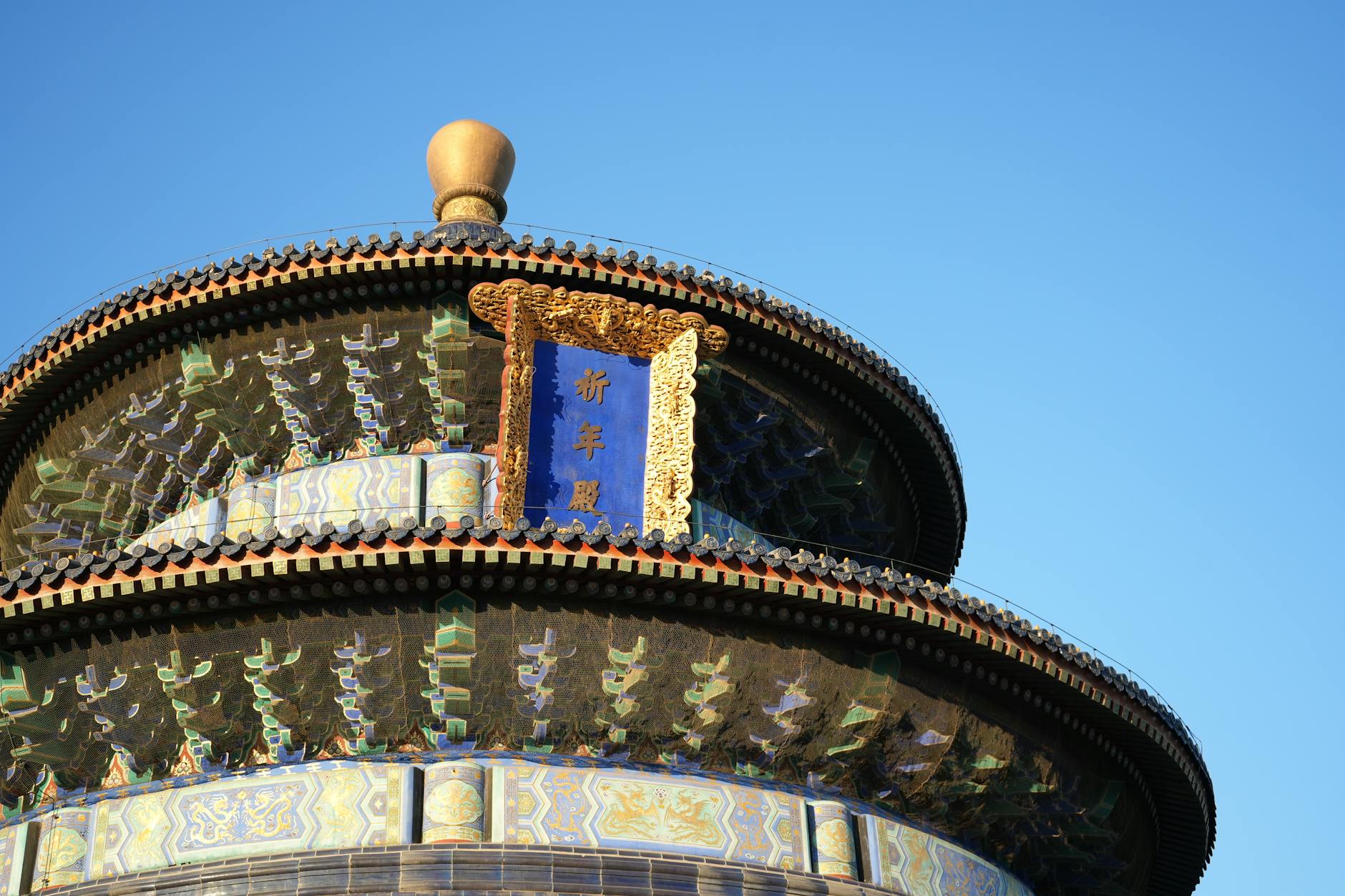
Five days is the point at which Beijing stops being a monument tour. The first four cover everything a visitor is supposed to see; the fifth is the one where you can spend a morning in a hutong that has nothing in it, take a cooking class, or walk a stretch of unrestored Wall for six hours because you felt like it. This 5 days in Beijing itinerary treats those first four days as the foundation and spends real effort on what the fifth should be — with three versions of it, costed and argued.
Also here: the reordering that five days makes possible, a budget and a comfortable version of the same trip, whether it is worth adding a second city (it is not, quite), and what a fifth day still leaves on the table. Prices were checked in September 2026 and should be treated as the right order of magnitude rather than a quote.
The five days at a glance
| Day | Plan | Effort | Entries |
|---|---|---|---|
| One | Tiananmen, Forbidden City, Jingshan, Beihai, Shichahai, duck | 9–11 km flat | ~¥95 |
| Two | Mutianyu Great Wall, evening at the Lama Temple | 3 h of steps | ~¥190 |
| Three | Temple of Heaven at opening, Summer Palace all afternoon | 8–10 km | ~¥95 |
| Four | Yuanmingyuan, then 798 for the afternoon | 7–8 km | ¥25–145 |
| Five | Jinshanling, Gubei, or a slow Beijing day | Your call | ¥0–400 |
That sequence puts the two hardest days — the Wall and the two gardens — second and third, when jet lag has worn off but the legs are still fresh, and leaves the two most flexible days at the end. It is deliberate. If you reverse it and put the soft days first, day five is a Great Wall hike on tired legs and you will not enjoy it.
What the fifth day actually adds
Four days already covers the Forbidden City, the Great Wall, the Temple of Heaven, the Summer Palace, Yuanmingyuan and 798 — which is a thorough first visit by any measure. The fifth day is not about adding a seventh headline sight, because Beijing does not really have one. It is about depth in one of three directions.
- More Wall. Mutianyu is a restored, cable-car-served introduction. Jinshanling is what the Wall is actually like: brick towers every few hundred metres over bare ridges, long sightlines, and hours of walking with almost nobody on it.
- A day trip. Gubei Water Town and the Simatai night Wall, the Ming Tombs, Chengde, Cuandixia in the western hills, or Tianjin in thirty minutes by train.
- Nothing in particular. A hutong morning without a destination, a cooking class, a tea house, an afternoon at Panjiayuan, an opera in the evening. This is the option people regret not taking.
Days one to four, in short
The core four days are written out hour by hour elsewhere. Here is the shape and what changes when there is a fifth day behind them.
Day one — the central axis
Tiananmen Square on a booked morning slot with the physical passport you booked with, three hours in the Forbidden City from the Meridian Gate to the north exit, lunch off Jingshanqian Street rather than on it, Jingshan for ¥2 and the best view in the city, Beihai’s ¥20 through ticket, then Shichahai and the Drum Tower before dark, then duck. Siji Minfu at about ¥259 a whole duck rather than Quanjude at about ¥300 a head. The hour-by-hour version.

Day two — Mutianyu
08:00 tourist bus from Dongzhimen, ¥80 return, 90 minutes each way. Shuttle ¥20, entry ¥45, cable car ¥100 up to tower 14, walk east to tower 20, back west to tower 6, toboggan down ¥100. Last bus 17:00, or 16:00 in winter. Transport options, Mutianyu.
Day three — the two gardens
The Temple of Heaven at opening, when the park belongs to tai chi groups, choirs and water calligraphers rather than to visitors; ¥34 through ticket in peak season, and the ¥15 park-only ticket does not include the Hall of Prayer. Then Line 5 and Line 4 to the Summer Palace’s north gate, ¥60 through ticket, four hours. The three-day plan.
Day four — Yuanmingyuan and 798
The burned Old Summer Palace at ¥25 for the morning — lakes, causeways, and the marble field of the Western Mansions at the eastern end — then across to Dashanzi for the galleries. Free to walk, ¥30–120 for the ticketed shows, most of it closed by six. The four-day plan has this day timed properly.
Day five, version one — Jinshanling
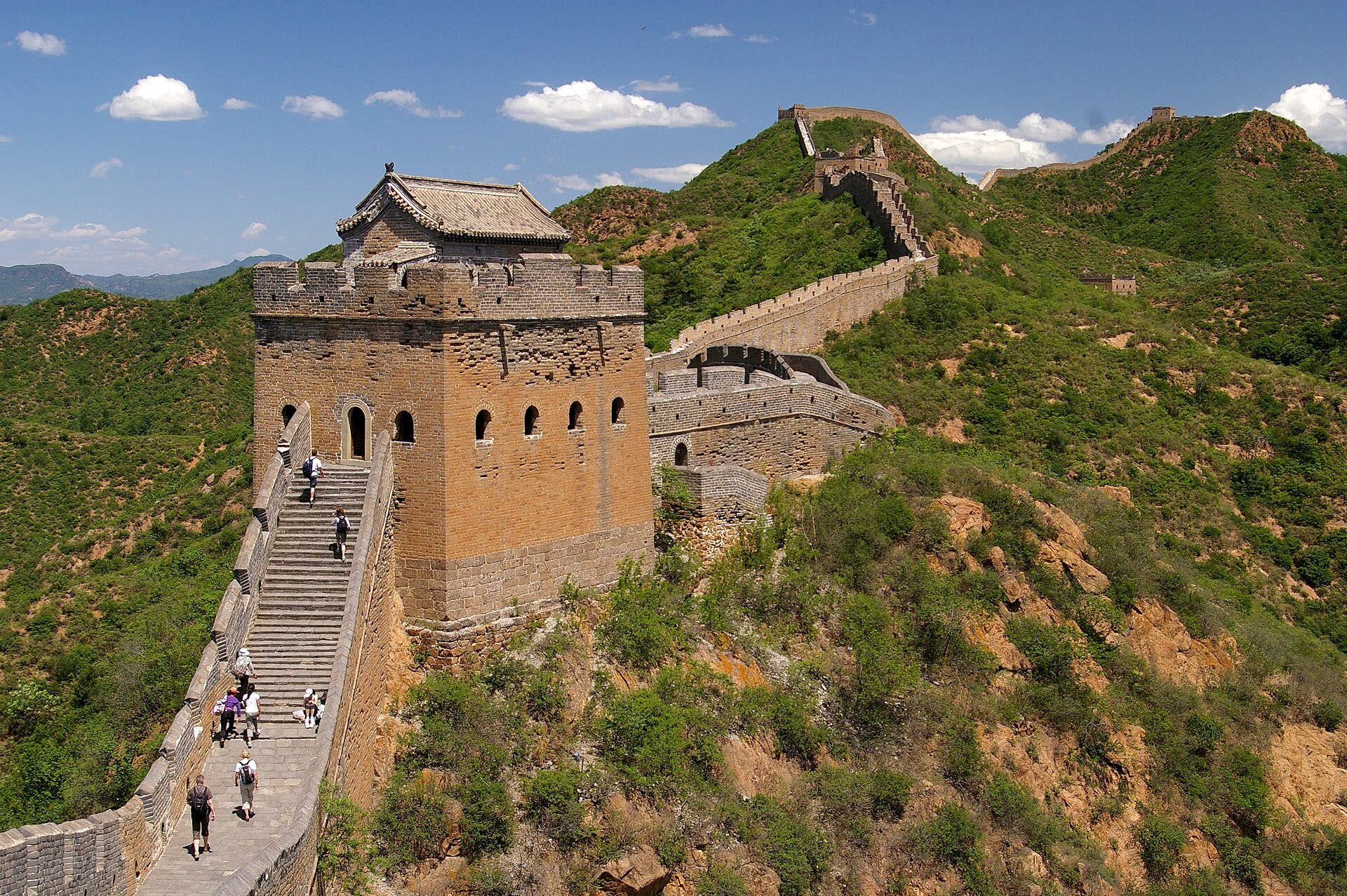
If the Wall was the best day of the trip, do it again properly. Jinshanling is about two and a half hours north-east, sits on the Beijing–Hebei boundary, and gives you roughly ten kilometres of rampart in varying states of repair — restored at the western end, weathered and partly collapsed as you go east, with brick towers close enough together that you are always walking towards one.
It is a real hike. Steep, uneven, exposed to sun and wind, with sections where the steps are half a metre high and no handrail. Allow four to five hours on the Wall itself, ten to eleven door to door. Budget ¥400–700 per person depending on transport: a shared tour bus at the lower end, a private car at ¥800–1,500 for the vehicle, which for three or four people is both cheaper per head and much more flexible about when you leave.
Two things worth knowing. First, the cable car saves a stiff forty-minute climb at the start and is worth taking. Second, the classic Jinshanling-to-Simatai traverse has been closed or restricted at various points in recent years, so check what is open before you build a one-way walk around it — an out-and-back on the Jinshanling side is the reliable plan. Jinshanling in detail, the hiking guide, and for the wildest option Jiankou, which is unrestored and genuinely hazardous.
Day five, version two — a day trip
| Trip | Time out | Cost | Verdict |
|---|---|---|---|
| Gubei Water Town and Simatai night Wall | 11–12 h | ~¥310 plus transport | The best evening near Beijing |
| Chengde Mountain Resort | Overnight | ~¥65 entry plus rail | Only as an overnight |
| Cuandixia village | 8–9 h | Modest | Quiet, stone, western hills |
| Tianjin | 9–10 h | ¥110 return by rail | Different city, easy travel |
| Ming Tombs | 7–8 h | ~¥140 | Fine, rarely memorable |
Gubei is the one to pick if you want a photograph rather than a hike. The town itself is a modern reconstruction — stone lanes, canals, lanterns, all built in the last fifteen years — and reads as one in daylight. After dark, lit, with the Simatai ramparts above it, it is genuinely striking, and Simatai is one of the Wall sections with authorised night visits. Town entry is around ¥150; the night Wall is a separate capped package at about ¥160 including the return cable car, and it must be booked at least a day ahead because numbers are limited. A private car is ¥800–1,200 and about two hours each way. Gubei Water Town, Simatai.
Chengde is the emperors’ summer retreat, a walled park of about ¥65 with a ring of Tibetan-style temples around it, and it is a poor day trip and an excellent overnight. If you have five days and are willing to sleep somewhere other than Beijing for one of them, it is the most interesting thing on this list. If not, skip it rather than rushing it. Chengde.
Cuandixia is a Ming-dynasty stone village terraced up a hillside in Mentougou, about two hours west, small enough to walk in an hour and quiet enough to be worth the drive. It is the closest thing to rural China within reach of the city. Cuandixia, and for more in that direction day trips from Beijing.
Day five, version three — the slow day
This is the version most five-day visitors should take and the one they talk themselves out of. Four days of imperial architecture is a lot of imperial architecture, and a fifth day of it produces diminishing returns fast. A day with two fixed points and a lot of nothing in between produces the opposite.
Morning — a hutong with no destination
Days one and four both touch the hutongs in the evening, when they are lit and busy. In the morning they are a working neighbourhood: deliveries, breakfast stalls, communal toilets, birdcages hung out on hooks, a man cutting hair on a stool. Start at Dongsi or in the alleys either side of Nanluoguxiang and walk without a route for two hours. It costs nothing. If you would rather have a structure, a walking tour is worth it here in a way the rickshaw circuits are not, and the courtyard houses explain what you are looking at.
Midday — learn to make something
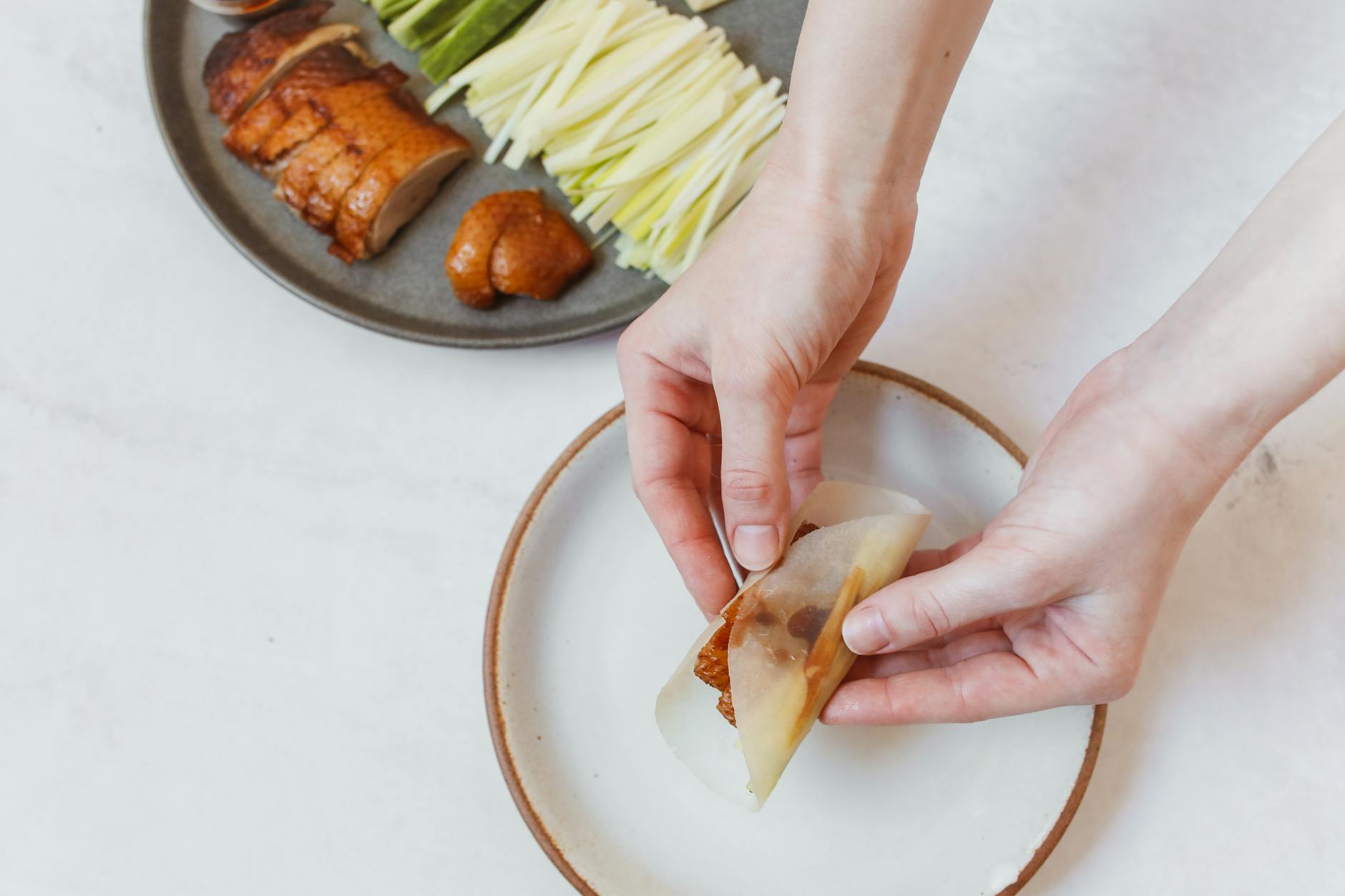
A dumpling or Peking-duck-pancake cooking class usually runs three hours including a market visit and lunch, and it is the single most useful souvenir available in the city. Calligraphy workshops are the quieter alternative. Either way you spend an afternoon indoors, which after four days outdoors is not a loss.
Afternoon — the markets, or a tea house
Panjiayuan is free to enter and most things sell for ¥10–500 after bargaining; it is at its best on a weekend morning, so if that fits your fifth day, move it earlier. Panjiayuan, how to bargain. Otherwise a tea house for two hours is a perfectly good use of a fifth afternoon and nobody will hurry you.
Evening — the last one
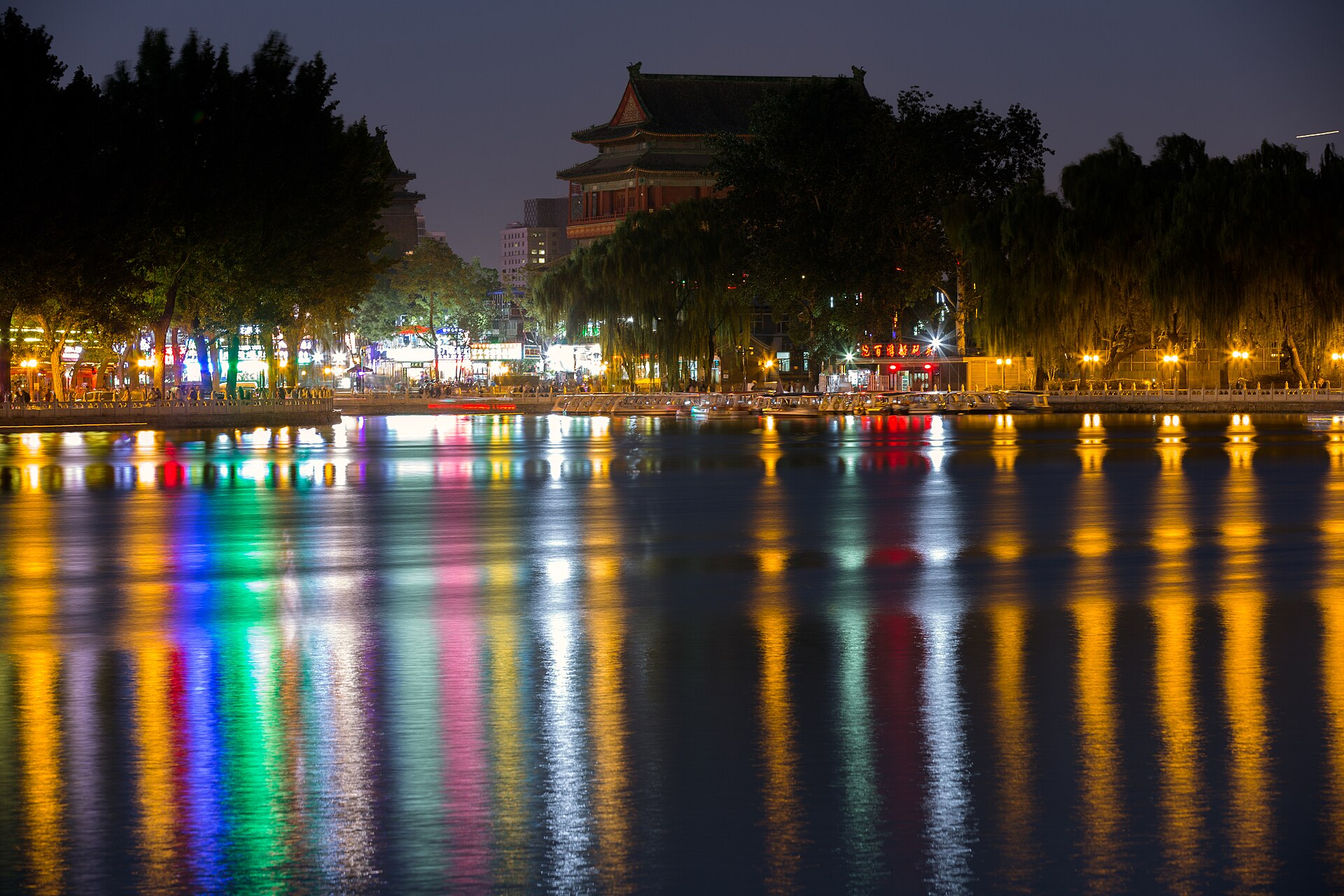
Peking opera at ¥120–380 for a 70 to 90 minute subtitled performance, which is an honest introduction rather than the real four-hour thing; a kung fu show; acrobatics; or Houhai and a beer by the water. On a five-day trip the last evening should not be an early night before an early start, which is the argument for putting the slow day last rather than the Wall.
Arrival and departure days
Five days on the ground and five days in Beijing are rarely the same thing. A morning arrival at Capital is roughly 30–60 minutes through immigration, then ¥25 and about 30 minutes on the Airport Express to Dongzhimen; Daxing runs 20–40 minutes at the border and ¥35 on the Daxing Airport Express, about 19 minutes to Caoqiao. Either way, a flight landing before about eleven gives you a usable afternoon.
Spend it on Jingshan, the lakes and a duck dinner — low commitment, no timed ticket, and it puts the jet lag somewhere pleasant. Then start the numbered days the following morning. On the way out, keep the last day inside the city and near a subway line. A mountain road on a departure day is a bad idea for the same reason it is always a bad idea: there is no slack in it. Airport to city centre, airport hotels if your flight is early.
Five days with children
The same five days work, with four changes. Cut Beihai on day one and go straight from Jingshan to the lakes. Keep the toboggan on day two, which is the thing they will actually remember. Halve the Summer Palace on day three — the north gate, Longevity Hill and the lake shore, then out. And spend day five at Universal Studios rather than on a ridge, at roughly ¥418–748 for a one-day ticket with dynamic pricing, or at Beijing Zoo, which is ¥15 in high season with the panda house as a combo add-on and free entry under 1.2 metres. If the trip is built around children, start with Beijing with children, then Universal Studios and the Wall with children.
Reordering, and the weather hedge
Five days gives you two floating days, which is enough to satisfy every fixed constraint the city imposes.
- The Forbidden City ticket is the anchor. Released seven days ahead, real-name, no gate sales, closed Mondays. Book it first and build around whichever day you get.
- Both Wall days float. Check the forecast the evening before and take the two clearest days. Beijing’s air is much better than its reputation — 2025 averaged 27 µg/m³ of PM2.5, a record low, with one heavy-pollution day in the year — but visibility on a ridge is the whole point. Compare µg/m³ rather than AQI, since Chinese and US scales read the same particulate differently. Air quality.
- The slow day is the rain day. A cooking class, a tea house and an opera are all indoors.
- Panjiayuan wants a weekend. If your five days include a Saturday or Sunday, put the slow day on it.
What five days costs
| Line | Budget | Comfortable |
|---|---|---|
| Entries, days one to four | ¥330 | ¥475 |
| Great Wall day two, all in | ¥190 (bus 916 and walk up) | ¥345 (tourist bus, cable car, toboggan) |
| Day five | ¥60 (slow day) | ¥600 (Jinshanling, shared car) |
| Local transport, five days | ¥90 | ¥250 with DiDi rides |
| Food, five days | ¥500 | ¥1,100 with one good duck dinner |
| Total excluding hotel | ~¥1,170 (US$165) | ~¥2,770 (US$395) |
For calibration: a comfortable mid-range couple’s trip in Beijing runs roughly ¥800–1,200 per person per day all in, including accommodation. Subway fares are ¥3–6 for most tourist journeys, a typical 8 km DiDi is ¥35–45, and a bowl of beef noodles is ¥18–25 at a chain shop against ¥40–60 in a tourist restaurant — the gap between the two columns above is mostly restaurants and cars, not sights. The full budget guide.
Should you add a second city?
Not at five days. The temptation is real, because the high-speed network makes it look easy: Xi’an is 4 hours 17 minutes and ¥515–565, Shanghai 4 hours 18 minutes and ¥553–663, Datong about an hour and three-quarters for the Yungang Grottoes. But each of those costs two half-days of travel, and five days minus two half-days is four — which means you have downgraded a thorough Beijing trip into a rushed one plus a rushed something else.
The honest threshold is seven days for Beijing plus one other city, and eight or nine if that city is Xi’an. At five, stay put. High-speed rail from Beijing, Beijing to Shanghai by train.
Where to stay, and whether to split
One hotel for five nights. Splitting a stay costs you a morning, and five days is not long enough to spend a morning on logistics. Dongcheng around Wangfujing is the efficient base — day one is on foot from it and everything else is one change away. A courtyard hotel in the Shichahai hutongs is the more atmospheric option and adds ten minutes at each end of the day, which over five days is worth it if the hutongs are why you came. Chaoyang and the CBD make sense if your fifth day is 798 and Sanlitun rather than the Wall. The neighbourhood comparison sets out the trade, and there is more on courtyard hotels, choosing a base and Chaoyang.
The one exception: if day five is Gubei or Chengde, sleeping out there for the night is better than either a very long day trip or a rushed one. Gubei has courtyard guesthouses and resorts from about ¥500 a night upwards, and the town is at its best in the evening and early morning, which a day trip misses entirely.
What five days still leaves out
The western temples — Tanzhe, Jietai, Fayuan — which are the quietest good things in the municipality. The Fragrant Hills in leaf season, at ¥10–15 plus about ¥80 for the cable car one way, and unmistakably a paved stepped path rather than a wilderness. Universal Studios, a whole day at ¥418–748. The Olympic Park. Longqing Gorge. Any serious hiking in the mountains west and north of the city, where Lingshan tops out at 2,303 metres. And an overnight on the Wall, which is a real and legal thing to arrange and one of the better experiences available near Beijing.
Five days is a generous first visit and a good length for a second one. What it does not give you is the country — China is very large, and Beijing is one city in it. The itinerary hub covers what each additional day adds beyond this. If you have been to Beijing before, the five-day plan for a second visit spends the same length on an entirely different set of places.
Stretch this to seven and two things change: the Wall becomes a pair of days rather than one, and the last day opens up to the western hill temples or an overnight in Datong for the Yungang Grottoes. The full week sets out how to space the hard days so the rest day is a choice rather than a collapse.
Frequently asked questions
Is 5 days enough for Beijing?
More than enough for a thorough first visit. Five days covers all four headline sites, the Old Summer Palace, 798, and a full day of your own choosing with room to move the Great Wall to the clearest morning. It is not enough to add another Chinese city without rushing both.
What should I do with the fifth day?
Three good answers: Jinshanling for a real Wall hike at ¥400–700 and ten to eleven hours; Gubei Water Town for the Simatai night Wall, booked at least a day ahead; or a slow day of a hutong morning, a cooking class and a tea house. Most people should take the slow day and most people book the day trip.
Should I do the Great Wall twice in five days?
If Mutianyu was the highlight, yes — Jinshanling is a different experience rather than more of the same, with long unrestored stretches and almost nobody on them. If Mutianyu felt like enough Wall, one visit was the right number and the fifth day should go elsewhere.
Can I add Xi’an or Shanghai to a five-day trip?
Not without damage. Xi’an is 4 hours 17 minutes and ¥515–565 each way; Shanghai is 4 hours 18 minutes and ¥553–663. Either costs two half-days out of five. Seven days is the sensible threshold for Beijing plus one more city, eight or nine if that city is Xi’an.
How much does five days in Beijing cost?
Roughly ¥1,170 per person on a budget footing and about ¥2,770 comfortably, excluding accommodation — about US$165 to US$395. Most of the difference is restaurants and cars rather than entry tickets. Prices checked September 2026.
What has to be booked before I arrive?
The Forbidden City, seven days ahead, online only, real-name against a passport, no gate sales, closed Mondays. Tiananmen Square, free but compulsory and slot-specific, one to nine days ahead. The National Museum if you want it, seven days ahead at 17:00 Beijing time. The Simatai night Wall at least a day ahead. The Mutianyu bus in peak season.
Is it worth staying overnight outside Beijing on a five-day trip?
For Gubei Water Town or Chengde, yes. Both are much better in the evening and early morning than in the middle of a rushed day trip, and Gubei has guesthouses from about ¥500. For everything else on this list, no — the round trip fits comfortably in a day.
How much walking is five days in Beijing?
Roughly 40 to 50 kilometres, plus three hours of steep steps on day two and, if you take the Jinshanling option, four to five more on day five. Almost everything else is flat. This is a trip that rewards broken-in shoes and punishes new ones.
What is the best time of year for a five-day trip?
Late September to early November, avoiding 1 to 7 October when Golden Week roughly doubles hotel prices, or April to mid-May. October runs 21–22°C early in the month and under 20°C later, with about five wet days and autumn colour from mid-month. Winter is cheaper, quieter and genuinely cold, with the Wall bus turning round an hour earlier. When to visit, Beijing in winter.
Do I need a guide for any of it?
For the Forbidden City, a guide or a good audio guide changes what you see. For a Jinshanling hike, a driver rather than a guide — you do not need anyone to explain a rampart, but you do need a car that waits. Tip private guides and drivers ¥50–100 a day; tipping is otherwise not customary in China and taxi drivers may refuse it.
Can I use my own cards, or do I need cash?
Foreign contactless Visa, Mastercard, JCB and Amex tap in directly at subway gates. Everywhere else, Alipay or WeChat Pay with a foreign card added after in-app passport verification; the single-transaction limit for verified foreign users is now about US$5,000. Carry ¥200 in notes for rural stalls near the Wall and for the market.
Is five days too long for Beijing?
No, but the fifth day has to be planned differently from the first four. A fifth day of imperial sites is a chore; a fifth day of a hutong morning and a cooking class is the one people remember. The mistake is treating day five as day four with a different palace in it.