Beijing Itineraries
Beijing Itinerary: Day-by-Day Plans for 1 to 10 Days
Routes for one to ten days in the order that actually works on the ground, with the bookings to make in advance, the Monday closures, and honest notes on what each version misses.
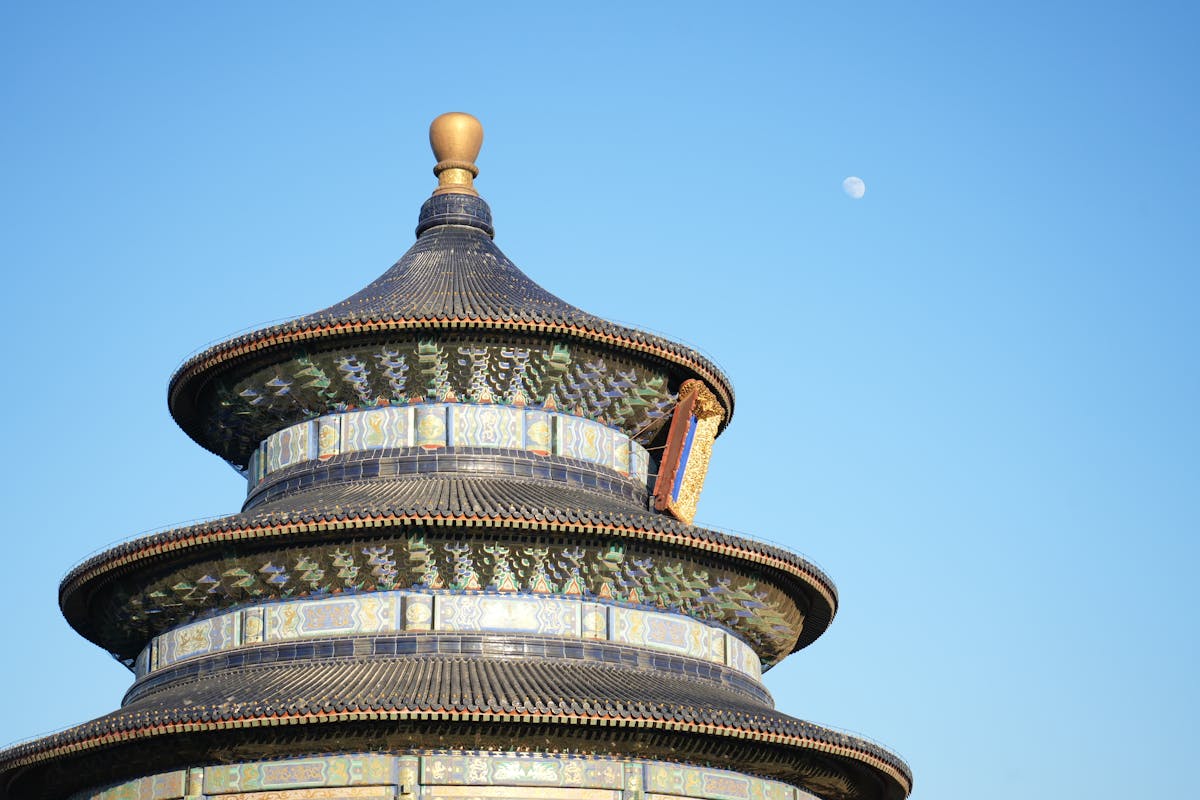
Beijing is laid out on a north–south axis about eight kilometres long, and almost every mistake visitors make is a failure to respect it. People book the Temple of Heaven for the afternoon and the Summer Palace for the morning, discover they are twenty-five kilometres apart in opposite directions, and lose two hours to the Fourth Ring Road. A good Beijing itinerary is really a sequence of neighbourhoods rather than a list of sights: do the axis, then the lakes, then the hills, and the city becomes manageable in a way it never is if you plan by ticking off names.
This page gives day-by-day routes for one to ten days, in the order that actually works on the ground, with the bookings you must make in advance, the closures that will otherwise wreck a morning, and honest notes about where each version falls short. Prices were checked in September 2026; treat them as the right order of magnitude rather than a quotation. If you are still deciding how long to give the city, the trip-length breakdown weighs that question separately.
How to use this page
Each itinerary below is cumulative: the two-day plan is the one-day plan plus a second day, and so on. If you have four days, read days one to four and ignore the rest. At the end there are variants for families, budget travellers, winter visitors and anyone on a second trip.
Three structural facts shape everything:
The city is enormous. Beijing’s built-up area is roughly the size of greater London and the ring roads are congested from 7am to 9pm. A cross-city taxi at 6pm can take an hour. The subway is fast, cheap at ¥3–8 a journey, and the only reliable way to move at peak times, but stations are far apart and you will walk more than you expect.
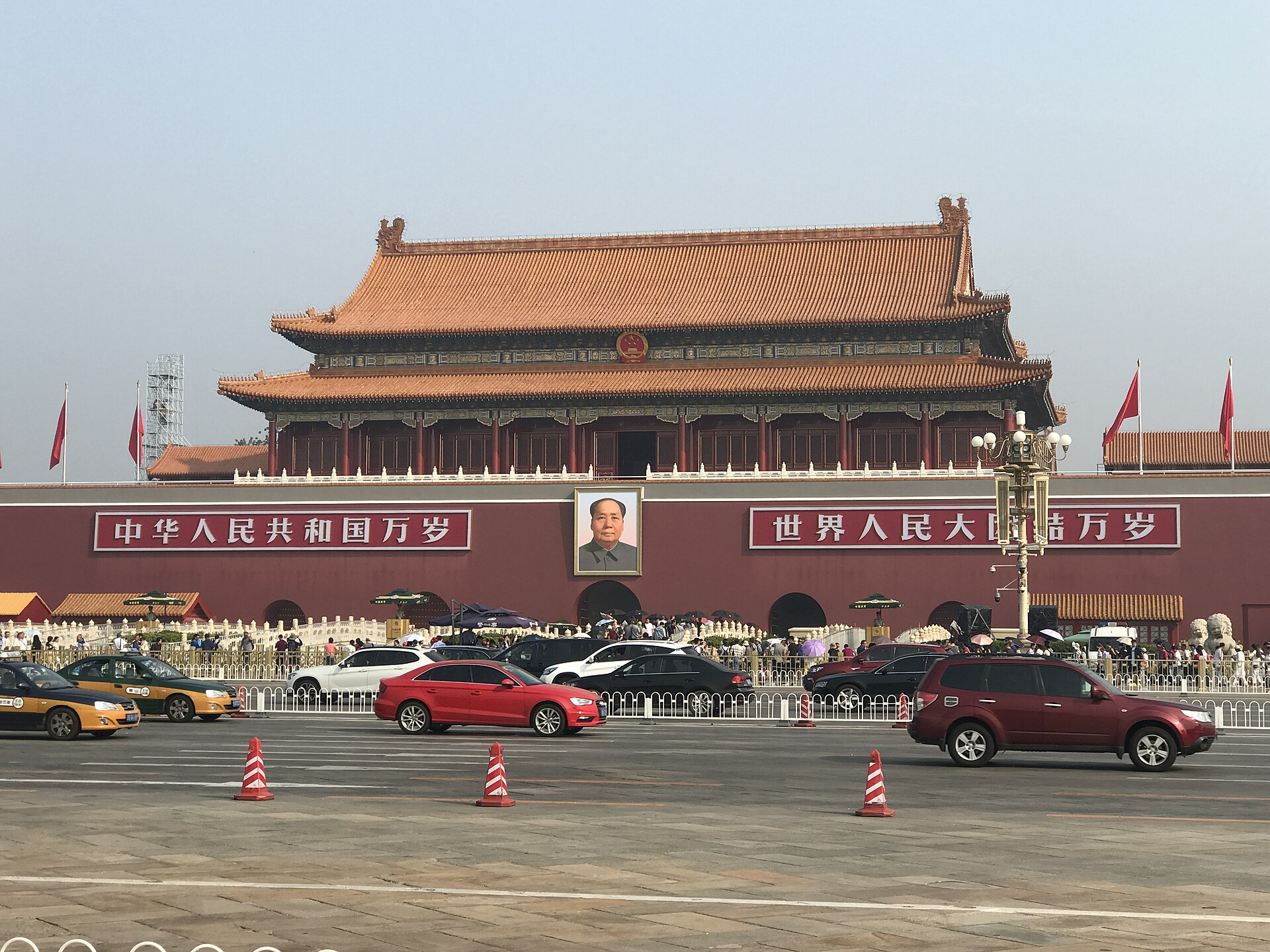
The sights cluster. Tiananmen, the Forbidden City, Jingshan, Beihai and the Temple of Heaven all sit on or near the central axis within walking distance of each other. The Summer Palace and the Old Summer Palace are together in the north-west. The lakes and hutongs are one area. 798 and the CBD are east. Plan a day per cluster and the travel time collapses.
Almost everything needs advance booking. The real-name reservation system means a passport number per person, booked days ahead, for the Forbidden City, Tiananmen Square, the state museums and several parks. This is not a formality — popular dates genuinely sell out.
Before you plan a single day
The bookings
- The Forbidden City releases tickets seven days ahead and popular dates disappear within minutes. ¥60 April–October, ¥40 November–March. Online only, through the Palace Museum’s booking site or WeChat mini-programme. Closed Mondays. Each visitor needs their own passport number; a maximum of five people per booking. Set an alarm for the release.
- Tiananmen Square requires advance booking, a passport and a security check to enter.
- State museums are mostly free but still need booking, and mostly close on Mondays.
- The Great Wall — Badaling and Simatai sell timed tickets online; Mutianyu you can generally buy on the day.
The closures that ruin mornings
Monday is the problem day: the Forbidden City and most state museums are shut. Build your Monday around parks, hutongs, the Great Wall, 798 or the Lama Temple, none of which close.
The apps
Install and verify Alipay and WeChat Pay before you fly — both take foreign Visa and Mastercard after in-app passport verification, no Chinese bank account needed, and Alipay’s single-transaction limit for verified foreign users is now around USD 5,000. Add Baidu Maps or Amap, DiDi and Pleco. Google, WhatsApp and Instagram are blocked, so a roaming eSIM bought before departure is the simplest fix. The guide to getting around without Chinese covers the workflow properly.
What each length of trip costs
Per person, mid-range, excluding flights. Accommodation assumes two sharing.
| Trip | Accommodation | Sights and transport | Food | Total per person |
|---|---|---|---|---|
| 1 day | — | ¥120–200 | ¥150–250 | ¥270–450 |
| 2 days | ¥300–500 | ¥250–400 | ¥300–500 | ¥850–1,400 |
| 3 days | ¥600–1,000 | ¥600–900 | ¥450–750 | ¥1,650–2,650 |
| 5 days | ¥1,200–2,000 | ¥900–1,500 | ¥750–1,250 | ¥2,850–4,750 |
| 7 days | ¥1,800–3,000 | ¥1,200–2,000 | ¥1,050–1,750 | ¥4,050–6,750 |
| 10 days | ¥2,700–4,500 | ¥1,800–3,000 | ¥1,500–2,500 | ¥6,000–10,000 |
Beijing is inexpensive by the standards of any comparable capital. The two things that move the total are the hotel and whether you hire a private car for the Great Wall. The daily budget breakdown sets out the backpacker, mid-range and comfortable tiers in full.
One day in Beijing
One day means the axis and nothing else. Do not attempt the Great Wall as well; people try, and they see a car park at each end of a very long drive.
- 07:00 — Temple of Heaven at opening. The park belongs to retired Beijingers at this hour: ballroom dancing under the cypresses, choirs, card schools, calligraphy written in water on the flagstones. Buy the ¥34 through ticket, not the ¥15 park-only one, because the park-only version does not include the Hall of Prayer for Good Harvests.
- 09:30 — Subway Line 5 north to Tiananmen. Security check, then the square and the Gate of Heavenly Peace.
- 10:30 — Into the Forbidden City on your pre-booked slot. Three hours. Walk the central axis quickly, then peel east into the Treasure Gallery courtyards and the consort palaces where the crowd thins by ninety per cent.
- 14:00 — Exit north, cross the road, climb Jingshan. Two yuan, ten minutes, and the best view in the city.
- 15:30 — Late lunch, then walk west into Beihai Park or north-west to Shichahai and the lakes.
- 18:30 — Peking duck. Book ahead; Siji Minfu and Duck de Chine both need it.
- 20:30 — The Drum and Bell Towers at night, or a drink in the alleys behind them.
Where this falls short: you will not have seen the Great Wall, which for most people is half the reason to come to Beijing at all, and you will have walked about fifteen kilometres. If your one day is a layover with a 24-hour visa-free transit, this is still the right plan.
Two days
Day one as above.
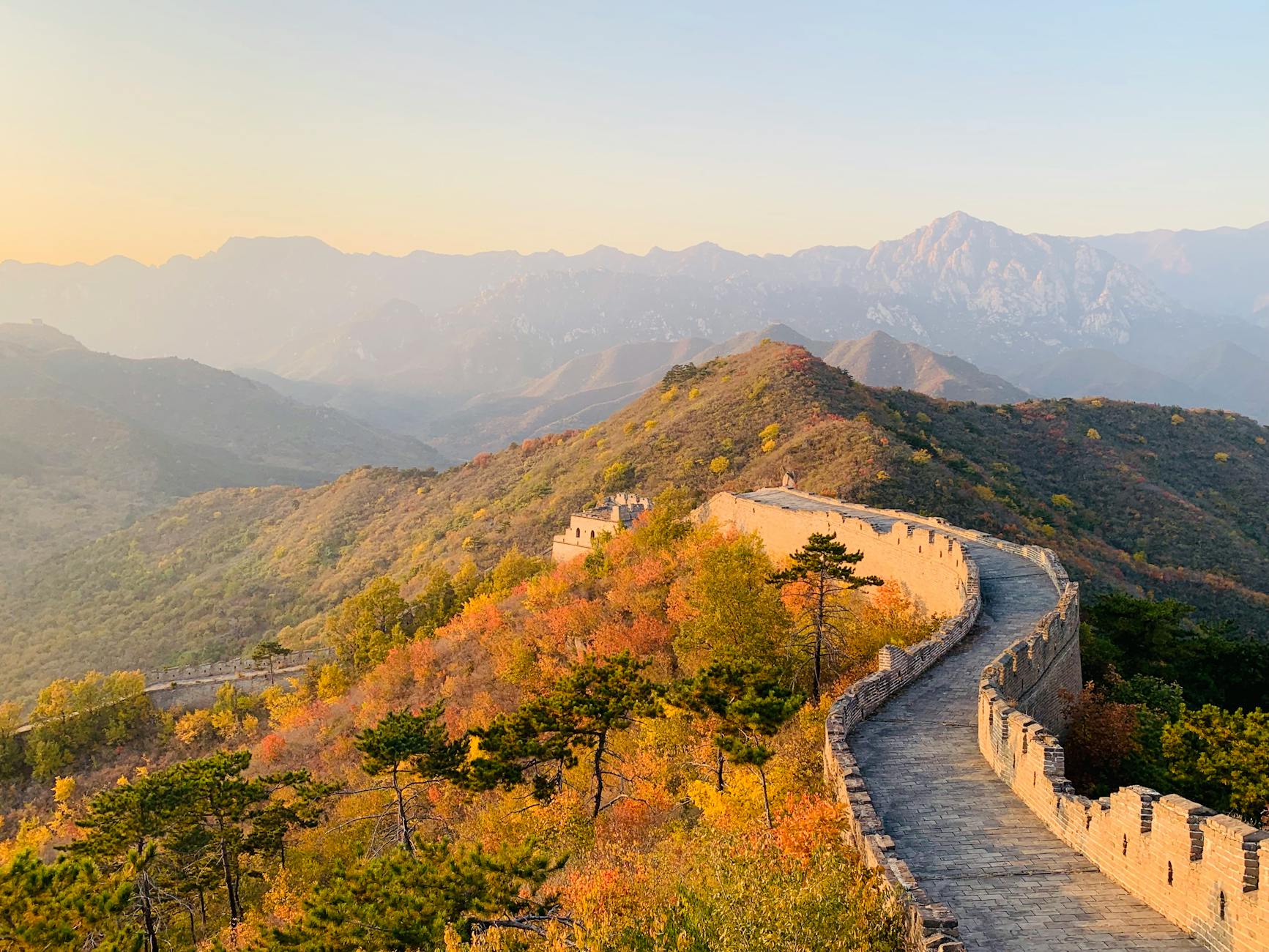
Day two — the Great Wall. Leave at 6.30am for Mutianyu: entry ¥45, shuttle ¥20, cable car ¥140 return, toboggan ¥100. Take the first gondola, walk east towards towers 20 to 23 where almost nobody goes, and be walking back down by 10.30 as the coaches arrive. Back in the city by two.
Use the afternoon for the hutongs — the Dongsi alleys or the lanes off Nanluoguxiang — and the evening for whatever you did not fit on day one.
Two days is the minimum for a trip that feels like it covered Beijing. It is tight but it is not absurd. If those two days happen to be a Saturday and a Sunday, the weekend version reorders them around the markets, which only really work at the weekend, and the crowds, which do not.
Three days
Days one and two as above.
Day three — the north-west. The Summer Palace is the one imperial site built for leisure rather than ceremony, and it needs half a day on its own. ¥30 in peak season, ¥60 for the through ticket. Enter at the North Palace Gate rather than the East, walk the back lake first for twenty minutes of relative quiet, then join the Long Corridor. Rowing boats hire from about ¥200 an hour and sales stop at 16:30, which is later than most people realise — a late-afternoon hour on Kunming Lake with the light going is one of the best things in Beijing and almost nobody does it.
Combine with the Lama Temple on the way back — Yonghegong is the most atmospheric interior in the city, and the incense smoke in the courtyards is the reason to come — or with 798 if you would rather have art than temples.
Three days is the point at which Beijing stops feeling like a race.
Four days
Days one to three as above.
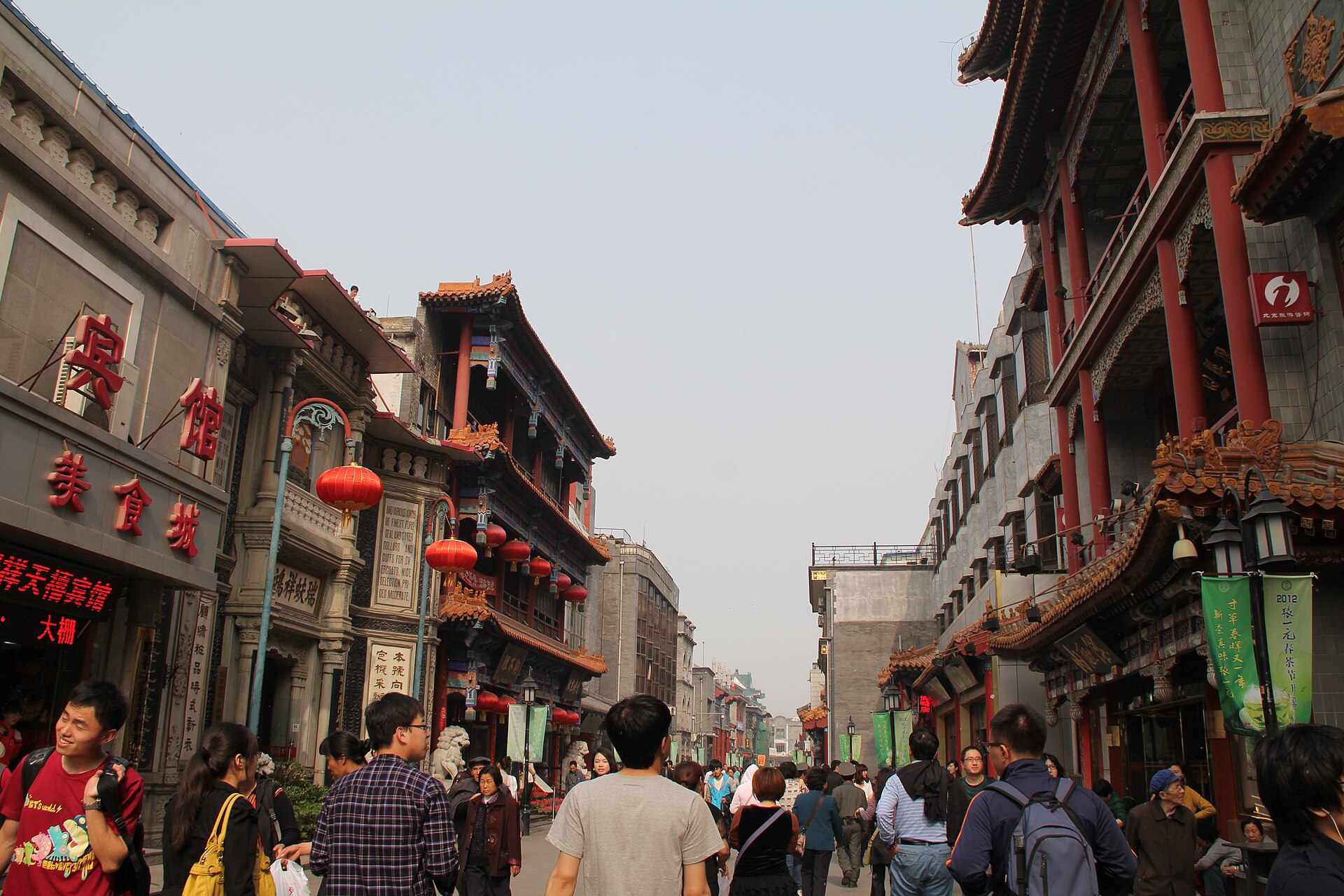
Day four — a whole day in the hutongs and lakes, slowly. This is the day most people would cut and the one most people remember.
- Morning — Shichahai on foot. Walk the western shore of Houhai, which is residential and quiet, rather than the eastern side, which is bars and hawkers. Cross at the Yinding Bridge where the lakes narrow.
- Midday — a rowing boat for an hour, ¥100–200 plus deposit, or a tea house for a proper gongfu service. Choose one with prices posted; the ones that do not post prices are where the tea-ceremony scam operates.
- Afternoon — the Drum and Bell Towers, then the alleys east towards Dongsi. Look at a siheyuan courtyard house properly rather than photographing gateways from the street.
- Evening — Ghost Street for málà crayfish under a kilometre of red lanterns, or a hutong food tour.
Alternatively, if you would rather have a second big sight than a slow day: the Ming Tombs and the Sacred Way, or Universal Studios if you are travelling with teenagers.
Five days
Days one to four as above.
Day five — the eastern city and the modern one. Beijing is not only imperial and most itineraries pretend otherwise.
- Morning — 798 Art Zone, a decommissioned East German-designed electronics factory turned into galleries. Vaulted concrete halls with Cultural Revolution slogans still painted across the beams. Galleries are free or ¥30–60. Weekdays are much better.
- Afternoon — Panjiayuan if it is a weekend, or the CBD and Galaxy SOHO if it is not. Almost nothing at Panjiayuan is actually old; go for the browsing and read the bargaining guide first.
- Evening — Sanlitun: rooftop drinks at ¥80–130, or the craft beer places in the lanes behind at ¥45–70 a pint.
Five days is, for most people, the right length for a first trip to Beijing. It covers everything essential without forcing anything. The five-day page runs the same route hour by hour, with the bookings in the order you need to make them.
A week
Days one to five as above, plus two of the following, depending on what you have enjoyed most. The seven-day plan sets all of it out day by day, rest afternoons included:
A second, wilder Wall day
Walk Gubeikou to Jinshanling, about ten kilometres of unrestored and then partly restored wall, four to five hours, and you may not see another walker for an hour. Or stay overnight at Gubei Water Town and see Simatai lit after dark, which is the only illuminated section.
A day trip out of the city
The Chengde Mountain Resort is the imperial summer capital, about ¥65 entry, and works better as an overnight than a day. Tianjin is thirty minutes by high-speed train and gives you a completely different city. Cuandixia is a preserved Ming stone village in the western hills. The day trips overview compares them.
The temple circuit
The Temple of Heaven is the famous one, but the quieter temples are better company: Fayuan in Xicheng, the Confucius Temple and Guozijian near Yonghegong, the White Cloud Temple, and Tanzhe and Jietai out in the western hills, which pair well as a single half-day. The etiquette guide covers what is expected.
Hills and air
Walking in the mountains — the Fragrant Hills for a half day, Yunmeng Mountain or Baihua Mountain for a full one. Save these for a day when the air is clear, since the long views are the point.
Learning something
Cooking classes at ¥300–500 usually start with a market walk. Calligraphy workshops in the hutongs are a quiet two hours that most people remember better than another palace. Hanfu rental and photography runs ¥200–600.
Six days
Days one to five as above, plus the day that most rewards the extra time: a second Wall day, done properly.
Rather than returning to a restored section, take the Gubeikou to Jinshanling traverse — roughly ten kilometres, four to five hours, starting on genuinely wild wall and finishing on partly restored towers. Part of the route drops off the wall through a valley because a section remains under military control; follow the marked detour rather than improvising. There is no serious exposure and moderate fitness is enough.
The alternative sixth day, if a second long walk sounds like too much: stay overnight at Gubei Water Town, see Simatai lit after dark from below, and come back the following morning. It converts the sixth day into a small trip of its own and removes two long drives.
Either way, this is the day that changes what people say about Beijing afterwards. The restored Wall is impressive; the wild Wall, with nobody on it, is the thing they describe.
Ten days, or Beijing and beyond
Ten days in Beijing alone is more than the city needs unless you are working, studying or deliberately going slowly. The usual approach is seven days in Beijing and three elsewhere, using the high-speed rail network, which is genuinely excellent and where the train beats flying door to door.
- Xi’an — the Terracotta Army, about ¥520 second class and four and a half hours. Two nights.
- Datong — the Yungang Grottoes and the Hanging Temple, roughly 08:20 from Beijing North arriving 10:06. An overnight beats a day trip.
- Shanghai — four and a half hours, a total contrast, and the train guide covers the options.
- Pingyao — a walled Qing city, reachable en route to Xi’an.
The high-speed rail guide explains booking, which requires your passport, and station logistics, which need more time than you think.
Arrival and departure days
The first and last days of a Beijing trip are usually written off, and they need not be.
Getting in from the airports
Beijing Capital (PEK) is the older and closer airport, about 45 minutes to the centre. The Airport Express train runs to Dongzhimen for ¥25 and connects to subway Lines 2 and 13, which is fast and easy with a small bag and awkward with three suitcases. A metered taxi is ¥90–130 depending on traffic; DiDi is similar and easier if you have no Chinese.
Daxing (PKX) is the newer airport, architecturally spectacular and much further south — about an hour to the centre. The Daxing Airport Express runs to Caoqiao and connects to Line 10; the whole journey is around ¥35–45. A taxi is ¥200–300 and can take ninety minutes at the wrong time of day. Check which airport your flight uses before booking a hotel, because the two are 70 kilometres apart and there is no quick way between them.
The airport transfer comparison sets out every option with times and costs.
Making the arrival day count
If you land before about 2pm, you have an afternoon. Do not attempt a ticketed sight — you will be tired and you may not have a booking. Instead: drop the bags, walk the hutongs near your hotel, climb Jingshan for ¥2 to orient yourself over the whole city, and eat early. Adjusting to the time zone is easier if you stay outside until dark.
If you land in the evening, a bowl of noodles near the hotel and an early night is not a wasted day. It is the difference between a good day two and a lost one.
The departure day
Allow three hours at Capital and three and a half at Daxing for an international flight, plus the transfer. That effectively removes the morning. What still fits: the Temple of Heaven at 7am if you are near it, a hutong breakfast, or an hour in a park. What does not fit: the Forbidden City, the Great Wall or anything requiring a booked entry slot.
If you are on a 24-hour visa-free transit, note that the exemption requires your onward flight to be to a different country from the one you arrived from, and that the clock is tight. Store bags at the airport rather than dragging them into the city. The layover page works through what six, twelve and twenty-four hours each realistically allow.
Variants
With children
Cut the Forbidden City to two hours and go straight to the eastern courtyards. Substitute the Beijing Zoo or the Old Summer Palace for one of the temples. Do the Great Wall at Mutianyu with the toboggan, which is the thing they will actually remember, and read the family Wall guide for the ticket rules. Build a rest afternoon into every three days. The family guide covers pacing, and the day-by-day family plan does the same job across a whole trip.
On a budget
Beijing is one of the cheapest major capitals to visit. Stay in a hostel or budget hotel at ¥100–250, eat at Lanzhou noodle shops and street stalls for ¥20–40 a meal, use the subway exclusively, and reach the Wall by public bus — 916快 from Dongzhimen plus a local bus, ¥12–20 each way. Jingshan is ¥2 and free parks are everywhere. A week is entirely feasible on ¥250–350 a day.
In winter
Cold, dry, clear and cheap. Hotel prices drop sharply, the sights are empty, and the frozen lakes open as ice rinks with bumper cars and chairs on runners. The Great Wall in winter has some of the best visibility of the year. Shorten outdoor stretches, take proper layers, and read the winter guide.
As a couple
Front-load the admin, then go slowly — the lakes, the alleys, Jingshan at sunset and an empty stretch of Wall are what the city does best for two people. The couples guide reorders the whole trip around that.
Second visit
Skip the Forbidden City. Do Gubeikou to Jinshanling, the western hills temples, Panjiayuan at dawn, the Dongsi hutongs properly, a night at Gubei Water Town, and eat your way through the street food and the hot pot houses rather than the famous duck restaurants. There is a whole itinerary built on that premise.
The order that works, and why
Axis first. Tiananmen, the Forbidden City, Jingshan and the Temple of Heaven are all within a short subway ride of each other, and doing them in one or two days gives you the mental map that makes the rest of the city legible.
Wall second, and early. Do it on your second or third morning while you still have energy, not on your last day when a delay costs you a flight. Leave the city by 6.30am; the difference between arriving at opening and arriving at eleven is the difference between two experiences.
North-west third. The Summer Palace and the Old Summer Palace together are a natural half or full day, and they are a long way from everything else.
Slow days interleaved. Do not put three monumental sights back to back. Beijing’s scale is exhausting and the hutong and lake days are what stop a trip becoming a march.
Keep one day loose. Air quality, weather and ticket availability all move. A day held in reserve lets you take the Wall on the clearest morning you get. The air quality guide explains what readings to react to; under AQI 100 do whatever you planned, over 150 move it indoors.
When to come
Late September to early November is the best window by a wide margin: dry, blue, around 20°C in the day, with autumn colour from mid-October. Avoid 1–7 October, which is Golden Week and the busiest travel period of the Chinese year — hotel prices roughly double. April and May are the other good stretch, interrupted occasionally by spring dust. July and August are hot, humid and wet. Winter is cold, clear and very cheap. The seasonal comparison goes month by month.
Where to base yourself
Neighbourhood matters more than star rating, because a bad choice adds forty minutes to the start of every day.
- Dongcheng — the default for a first trip. Walking distance to the Forbidden City, Jingshan, Shichahai and the alley restaurants.
- Courtyard hotels in the hutongs — ¥400–1,500, small rooms, real atmosphere. Check heating reviews for winter.
- Wangfujing — the most convenient address in the city for sightseeing on foot.
- Chaoyang and Sanlitun — better food and nightlife, further from the sights.
The neighbourhood overview compares them properly, and the district guide covers what each area is actually like to walk around.

What to leave out
An itinerary is as much about omission as inclusion, and Beijing has several sights that consume a disproportionate share of a day.
- Badaling on a weekend. The most accessible Wall section and the most crowded stretch of anything in China. Weekday and early, or go to Mutianyu instead.
- The Wangfujing snack street. Scorpions on sticks, priced for photographs, and poor food. Wangfujing itself is a useful shopping street; the snack alley is a prop.
- Nanluoguxiang as a destination. Now essentially a street of cheese-tea franchises. Walk it once for the roofline, then take a side alley.
- The Olympic Park after dark. The Bird’s Nest lit up is a photograph and twenty minutes, a long way out.
- Any tour with a jade, silk or tea “factory”. Commission showrooms, and the reason the tour left late.
- Two Great Wall sections in one day. Occasionally sold. Nobody enjoys it.
- The full Summer Palace circuit in high summer. It is 290 hectares with little shade. Do the back lake and the Long Corridor and take a boat rather than walking the whole perimeter.
Three more that are worth doing but not on a short trip: the Ming Tombs unless you are already going to Badaling, the Beijing Zoo unless you have children, and the Capital Museum unless you have a rainy day to fill.
Common mistakes
- Trying the Forbidden City and the Great Wall on the same day. It is technically possible and it ruins both.
- Not booking the Forbidden City early enough. Seven days ahead, and popular dates go in minutes. There are no gate sales at all.
- Arriving on a Monday and planning museums. Almost everything state-run is closed.
- Zig-zagging across the city. Group by cluster. A day that crosses the centre twice loses two hours.
- Booking a coach tour with a jade or silk “factory” stop. Forty to ninety minutes in a commission showroom, and it is usually why the tour starts late.
- Leaving the Wall until the last day. Weather, air and traffic all conspire, and there is no second chance.
- Underestimating walking distances. Tiananmen Square alone is 800 metres long. Fifteen to twenty kilometres a day on foot is normal here.
- Setting up payment apps on one phone only. If you split up, or that phone dies, neither of you can buy anything.
- Cross-city dinner reservations. An hour each way in traffic to eat somewhere marginally better is a bad trade.
The single-day version above is the compressed one. If one day is genuinely all you have — a layover, a business trip with a free Saturday, a stopover on the way somewhere else — our hour-by-hour route down the central axis expands it properly: the subway lines between each stop, the bookings that must be made before you arrive, a tighter version for a 24-hour transit, and a Monday alternative for when the Forbidden City is closed.
Two days is the length most visitors actually get, and it is the one worth planning to the hour. The expanded version of the two-day plan above — including the Mutianyu tower-by-tower route, the Monday workaround and what a bad-air day should replace the Wall with — is set out in the full two-day walkthrough.
Three days is the shortest stay that reaches all four of the headline sites without rushing any of them, and the sequencing matters more than the list does. The hour-by-hour three-day walkthrough covers the standard version, an alternative final day inside the second ring road, and the Monday workaround.
At four days the trip stops being a fixed sequence and starts being a choice, because the final day can go to a wilder Wall, the burned Old Summer Palace, a water town or a train to Tianjin. The four-day walkthrough compares those options on time, cost and whether they earn the day.
Frequently asked questions
What is the best Beijing itinerary for a first visit?
Five days: the central axis on day one, the Great Wall at Mutianyu on day two, the Summer Palace and Lama Temple on day three, a slow hutong and lakes day on day four, and 798 plus the eastern city on day five. That covers everything essential without forcing anything, and leaves room to swap a day for weather.
Can I see Beijing in one day?
You can see the central axis: Temple of Heaven at opening, Tiananmen, the Forbidden City, Jingshan and the lakes, finishing with Peking duck. You cannot add the Great Wall, and attempting it wastes the day. For a 24-hour visa-free transit this is the right plan.
How many days do I need for Beijing?
Five is the sweet spot for a first trip; three is the realistic minimum for the city plus the Wall; two is tight but not absurd. Beyond seven you are into day trips and second-tier sights, which is a good thing to do but a different kind of trip.
Should I do the Great Wall on my first or last day?
Neither. Do it on your second or third morning, while you have energy and before jet lag catches up, and with days in hand in case the air or the weather is bad. Leaving it to the last day means a single chance and a possible flight conflict.
Which Great Wall section fits an itinerary best?
Mutianyu, for almost everyone: 90 minutes from the city, fully restored, a cable car up and a toboggan down, and much less crowded than Badaling. Entry ¥45, cable car ¥140 return. Leave central Beijing by 6.30am and you will be back for a late lunch.
What do I need to book in advance?
The Forbidden City, seven days ahead, online only — there are no gate sales and it closes on Mondays. Tiananmen Square, which also needs a passport and a security check. Most state museums, which are free but still need booking. Badaling and Simatai Great Wall tickets. And Peking duck at the well-known houses.
What should I do on a Monday?
The Great Wall, the hutongs and lakes, the Lama Temple, 798, Panjiayuan, or the parks — none of which close. Avoid planning the Forbidden City or any state museum, which are shut.
Is it better to stay in one hotel or move around?
Stay in one, in Dongcheng or the central hutongs. Beijing’s sights radiate from the centre and the subway reaches all of them; moving hotels costs you half a day and gains nothing.
How much walking should I expect?
Fifteen to twenty kilometres a day on a full sightseeing itinerary. The Forbidden City alone is nearly a kilometre end to end and Tiananmen Square is 800 metres long. Comfortable shoes matter more here than in most cities.
Can I add another Chinese city to a Beijing trip?
Easily. High-speed rail makes Xi’an four and a half hours and about ¥520 second class, Shanghai four and a half hours, and Datong under two. Seven days in Beijing plus two or three elsewhere is the standard shape for a ten-day trip. Book with your passport and allow extra time at the stations.
What if the air quality is bad on a planned Wall day?
Swap it. Haze removes the ridgeline views that are the entire point, and there are plenty of indoor alternatives — the National Museum, the Palace Museum galleries, 798, a tea house. Under AQI 100 go; over 150 move it. This is the main reason to keep one day of your itinerary loose.