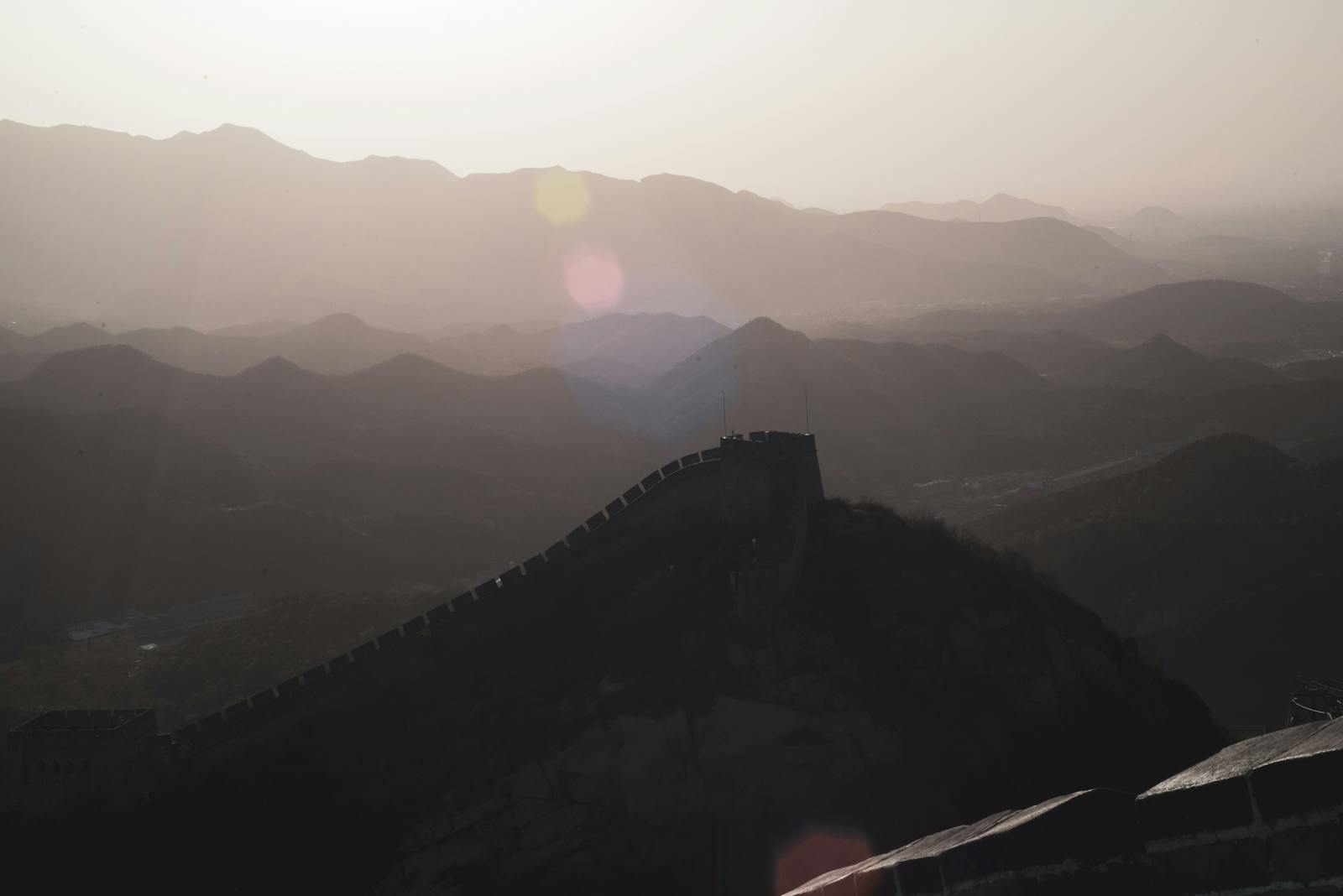
Great Wall camping — sleeping under the stars on watchtowers as the city lights of Beijing fade in the distance — is one of the most distinctive overnight experiences available in Asia. Officially camping on the Great Wall is restricted, but several legal arrangements exist via specialised operators who run guided overnight experiences on permitted sections, plus farmhouse-stay options near wild Wall sections like Jiankou and Gubeikou. The result: a Great Wall experience completely different from typical day-tour visits — sunset on the wall, stargazing in 600-year-old watchtowers, sunrise at dawn, all within 80–130 km of central Beijing.
This guide covers Great Wall camping realities — what’s legal vs. not, the best operators running overnight experiences, gear requirements, the most magical sections for stargazing, and the practical logistics of organising an overnight Wall experience. For dedicated Wall enthusiasts and adventure travellers, this is the ultimate Beijing experience.

Great Wall camping at a glance
- Officially camping on Wall: prohibited at Mutianyu, Badaling, Simatai, Jinshanling (in restricted zones).
- Camping permitted: by guided operator on certain Jiankou and Gubeikou sections; via specific resort properties near Wall.
- Overnight farmhouses: legal and popular near Jiankou (Xizhazi Village), Gubeikou, and other rural Wall areas.
- Cost: ¥800–¥3,000 per person for guided overnight experiences depending on operator and amenities.
- Best season: April–June, September–November.
- Best for: experienced campers, photographers (sunrise/sunset), adventurers wanting the most distinctive Wall experience.
Is Great Wall camping legal?
The legal picture is nuanced:
- Officially restricted (camping prohibited): Badaling, Mutianyu, and Jinshanling — all restored, popular sections. Wardens patrol and ask campers to leave; fines possible for repeat violations.
- Authorized watchtower camping: a small number of licensed operators (notably Great Wall Adventure Club and certain partners of Beijing Hikers) have arrangements to camp in specific watchtowers in unrestored sections — typically Gubeikou and adjacent areas. This is the only legal “sleep on the Wall” option.
- Wild/unrestored sections (parts of Jiankou, Gubeikou, lesser-known sections): self-organised camping is grey-area — locally tolerated but technically not permitted. A guide with local arrangements significantly reduces friction.
- Farmhouses near the Wall: completely legal. The most reliable way to overnight near the Wall, especially near Jiankou (Xizhazi Village), Gubeikou, and rural Jinshanling.
Recommendation: book through experienced operators rather than self-organising — they handle the legal complexity and local relationships.
Best operators offering Great Wall overnights
Beijing Hikers
Established operator with regular overnight Wall experiences. Combines hiking with farmhouse stays at Xizhazi (Jiankou base). Trip lengths 1–3 nights. ¥1,200–¥3,000 per person.
Wild Great Wall Adventure
Specialised in wild Wall overnight experiences. Camping on permitted sections; farmhouse stays available. Multi-day treks combining sections.
Great Wall Hiking
Multi-day trekking specialist with overnight farmhouse arrangements. Combines Gubeikou, Jinshanling, and Simatai over 2–3 days.
Trip.com / Klook tours
Various overnight Wall packages including Gubei Water Town accommodations with Wall access.
Best sections for Great Wall overnight experiences
Jiankou + Xizhazi Village (most authentic)
Stay at a farmhouse in Xizhazi Village (the Jiankou base). Hike the wild wall with guide. Sunset/sunrise from the wall. ¥800–¥1,500 per person for guided overnight package including farmhouse.
Gubei Water Town + Simatai (most luxurious)
Stay at Gubei Water Town hotels (¥600–¥3,000/night). Sunset and night Wall at Simatai (only legal night Wall). The most comfortable Wall overnight experience.
Gubeikou farmhouse + Wall hike
Stay at Gubeikou village farmhouse. Hike Gubeikou or connect to Jinshanling. Quiet, authentic, ¥800–¥1,200 per person.
Jinshanling sunrise package
Camp or farmhouse near Jinshanling base. Pre-dawn hike for sunrise photography. ¥1,200–¥2,000 per person.
Great Wall camping gear list
Essential gear
- Tent (only if camping rather than farmhouse)
- Sleeping bag rated to 5°C lower than expected nighttime low
- Sleeping pad
- Headlamp + spare batteries
- Water (3L+ per person for overnight)
- Cooking system if self-catering
- Food for 24 hours
- Layered clothing — temperature drops sharply at night even in summer
- Rain gear
- First-aid kit
- Hiking boots
Photography gear
- Tripod (essential for night/star photography)
- Wide-aperture lens (f/2.8 or wider)
- Spare batteries — cold drains lithium
- Filters (polarizing, ND for sunrise)
- Memory cards with capacity for night-photography RAW files
Stargazing on the Great Wall
Beijing’s light pollution is significant; the Wall sections at 130 km from city centre offer dramatically darker skies. Best stargazing sections:
- Jiankou: remote, dark, dramatic setting. Sky quality: excellent.
- Jinshanling: high-altitude, ridge-line, far from light pollution. Sky quality: excellent.
- Gubeikou: rural, dark, less developed. Sky quality: very good.
- Mutianyu: closer to Beijing, more light pollution. Sky quality: good.
Best stargazing months: late spring (April–May) and autumn (September–October) for clear, dry nights. Summer humidity reduces transparency. Winter has dry but cold conditions.
Moon phase matters: For maximum star visibility, plan your camping date to coincide with the new moon or the few days immediately before/after it. A full moon washes out the Milky Way and dimmer stars; a new moon reveals genuinely dark skies — Beijing’s surrounding mountain sections produce the closest “true dark” conditions to the city. Free apps like SkyView or PhotoPills show monthly moon phases for trip planning.
Best season for Great Wall camping
- Best: April to early June. Mild temperatures, dry, manageable nights.
- Best: September to early November. Cool, dry, dramatic autumn.
- Avoid: July–August. Heat, humidity, summer storms make camping uncomfortable.
- Avoid: December–March. Sub-zero overnight temperatures; risk of frost on Wall stones.
Alternatives to camping for Wall overnights
Gubei Water Town
The most popular Wall-adjacent overnight option. Hotels ¥600–¥3,000/night. Walk-distance to Simatai, including night Wall access.
Boutique courtyard hotels near Mutianyu
Several boutique properties at the base of Mutianyu. ¥800–¥2,500/night. Comfortable; not the wild experience of camping but still close to the Wall.
Aman Summer Palace
If you want luxury near a Wall section, the Aman is at the Summer Palace, not directly on the Wall. ¥4,000+/night.
Farmhouses (the budget authentic option)
Local village farmhouses near Jiankou, Gubeikou, and other rural sections. ¥150–¥400/night. Authentic, simple, Wall-adjacent.
Great Wall camping FAQ
Is camping on the Great Wall legal?
It depends on the section. Restored sections (Mutianyu, Badaling, Simatai) prohibit camping. Wild sections are grey-area but tolerated, especially with guided operators. Farmhouse stays are universally legal.
What’s the best Great Wall overnight experience?
For comfort: Gubei Water Town + Simatai. For authenticity: Jiankou + Xizhazi farmhouse. For photography: any of the above with sunrise/sunset Wall hiking.
How much does Great Wall camping cost?
¥800–¥3,000 per person via operators. Farmhouse stays: ¥150–¥400/night. Gubei Water Town hotels: ¥600–¥3,000/night.
Can I just bring a tent and camp?
Self-organised camping on the Wall is officially restricted. Use guided operators or farmhouse stays for legal arrangements.
Is it safe to camp on the Great Wall?
With experienced operators, yes. Self-organised camping carries risks including weather exposure, wildlife, and ranger removal. Always go with proper preparation and ideally a guide.
Are there bathrooms when camping?
Farmhouse stays have basic bathrooms. Wall camping is wilderness camping — bring necessary supplies.
What about wildlife?
Wasps and bees in summer; venomous snakes possible but rare; wild boar and small mammals. Stay away from beehives, wear pants and long sleeves, carry basic first aid.
Can I bring kids?
Farmhouse stays: yes, with kids 6+. Camping: best for adventurous teenagers and adults.
The bottom line on Great Wall camping
Great Wall camping delivers the most distinctive Wall experience available — sunset on watchtowers, stargazing in 600-year-old fortifications, sunrise at dawn. The legal complexity means most travellers should book through experienced operators or stay at Wall-adjacent properties (Gubei Water Town, farmhouses near Jiankou). Plan a 24- to 48-hour experience with full gear preparation. Best in April–May or September–October.
For specific Wall section details, see Jiankou, Gubeikou, Jinshanling, and Simatai. For multi-day hiking experiences, see Great Wall hiking. For Beijing trip planning, head to our complete Beijing travel guide.