The best meals in Beijing aren’t in glossy restaurants or hotel dining rooms — they’re hidden down the hutongs, the grey-brick alleys where the city has eaten for centuries. A hutong food tour, whether guided or self-led, takes you past the tourist menus to the family-run noodle joints, hole-in-the-wall dumpling houses, smoky skewer grills and century-old courtyards that locals actually love. It’s the single most rewarding way to eat in this city, and you don’t need a big budget: most hutong dishes cost ¥10–40, and a self-guided crawl through three or four spots makes a glorious, cheap afternoon. This guide shows you what to eat, where the best hutong food districts are, how to plan a self-guided route, and what a guided tour adds.
I’ve eaten my way through these alleys more times than I can count, and the magic is that the hutongs reward curiosity over planning — the unmarked doorway with three tables and a queue of regulars almost always beats the place with an English sign and a host out front. This guide covers the dishes worth hunting down, the best neighbourhoods, a ready-made self-guided route, guided-tour options, ordering and etiquette, and the questions first-timers ask. Bring an appetite and a sense of adventure.
Beijing hutong food at a glance
- What it is: eating at the small, local, family-run eateries tucked into Beijing’s historic alleys.
- Typical cost: ¥10–40 a dish; a self-guided crawl of 3–4 stops for ¥60–120 per person.
- Best districts: Gulou/Drum Tower & Baochao Hutong, Wudaoying, Fangjia Hutong, Nanluoguxiang’s side alleys, Dongsi.
- Must-eat: hand-pulled and zhajiang noodles, jiaozi dumplings, copper-pot mutton hot pot, spring pancakes, jianbing.
- Guided tours: typically 3–4 hours, 6+ stops, often with drinks included; ¥300–600 per person.
- Best time: late afternoon into evening; many small places close between lunch and dinner.
- Payment: WeChat Pay / Alipay (foreign cards accepted); carry some cash.
Why eat in the hutongs
The hutongs are where Beijing’s food culture lives at its most honest. These narrow lanes of grey-brick siheyuan courtyard homes have been the fabric of the city for some 700 years, and the eateries wedged into them have often been run by the same families for generations. There’s no marketing here, no fusion gimmicks — just a cook who has made the same bowl of noodles or plate of dumplings for thirty years, serving a neighbourhood of regulars. Prices are low because the rent is low and the customers are locals, not tourists. Eating here connects you to the real rhythm of the city in a way no restaurant on a main road can, and the surroundings — the alleys, the courtyards, the old men playing chess outside — are half the experience. To understand the neighbourhoods themselves, pair this with our Beijing hutongs guide.
What to eat in the hutongs
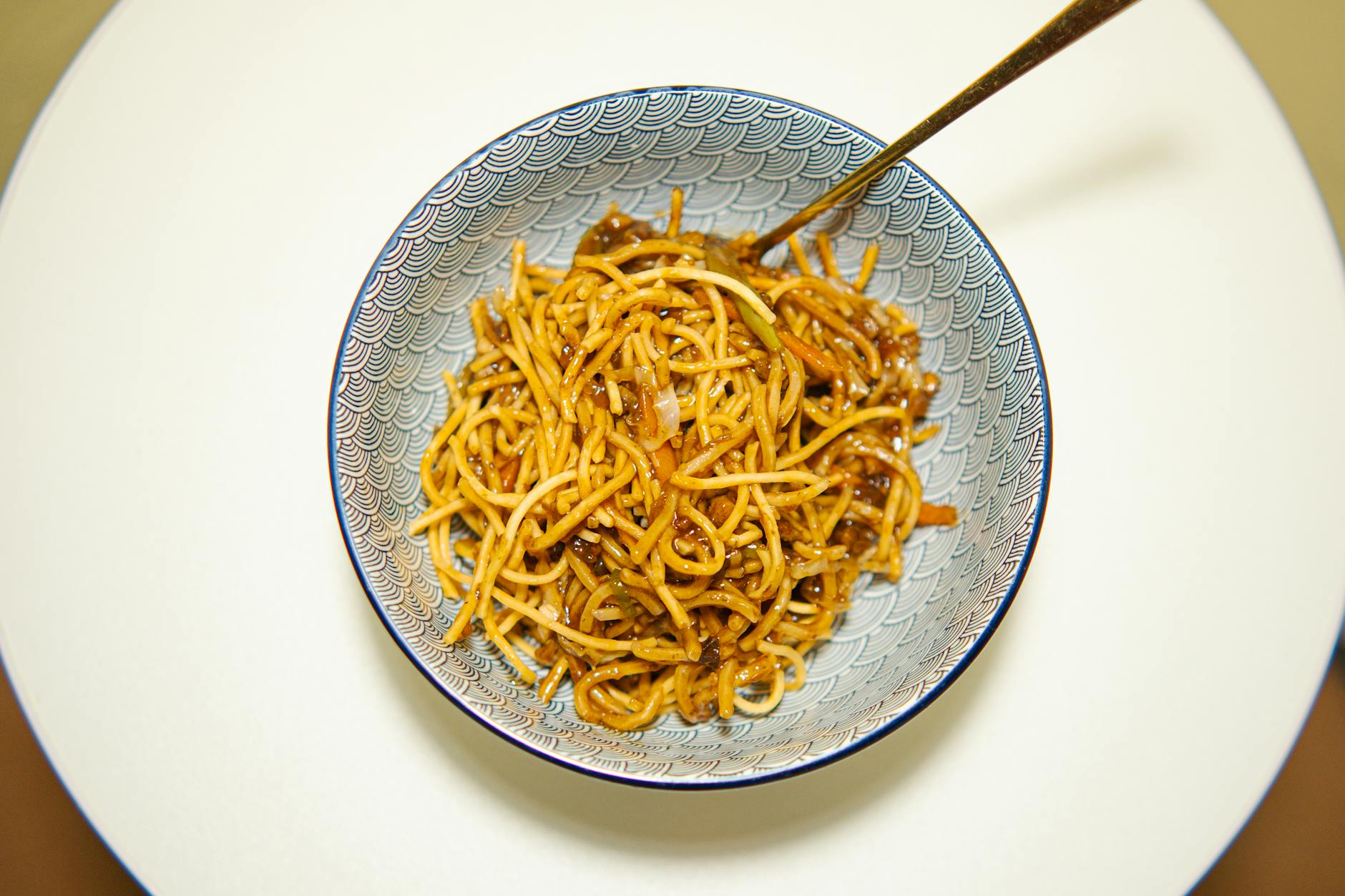
Noodles are the heart of hutong eating. Look for zhajiangmian (炸酱面), Beijing’s signature dish: thick wheat noodles topped with a rich, salty fermented-soybean-and-pork sauce and a scatter of fresh raw vegetables that you mix together at the table. Equally essential are hand-pulled noodles (lamian), stretched to order, and daoliang mian, knife-cut noodles in broth. A bowl runs ¥15–30 and is a meal in itself.
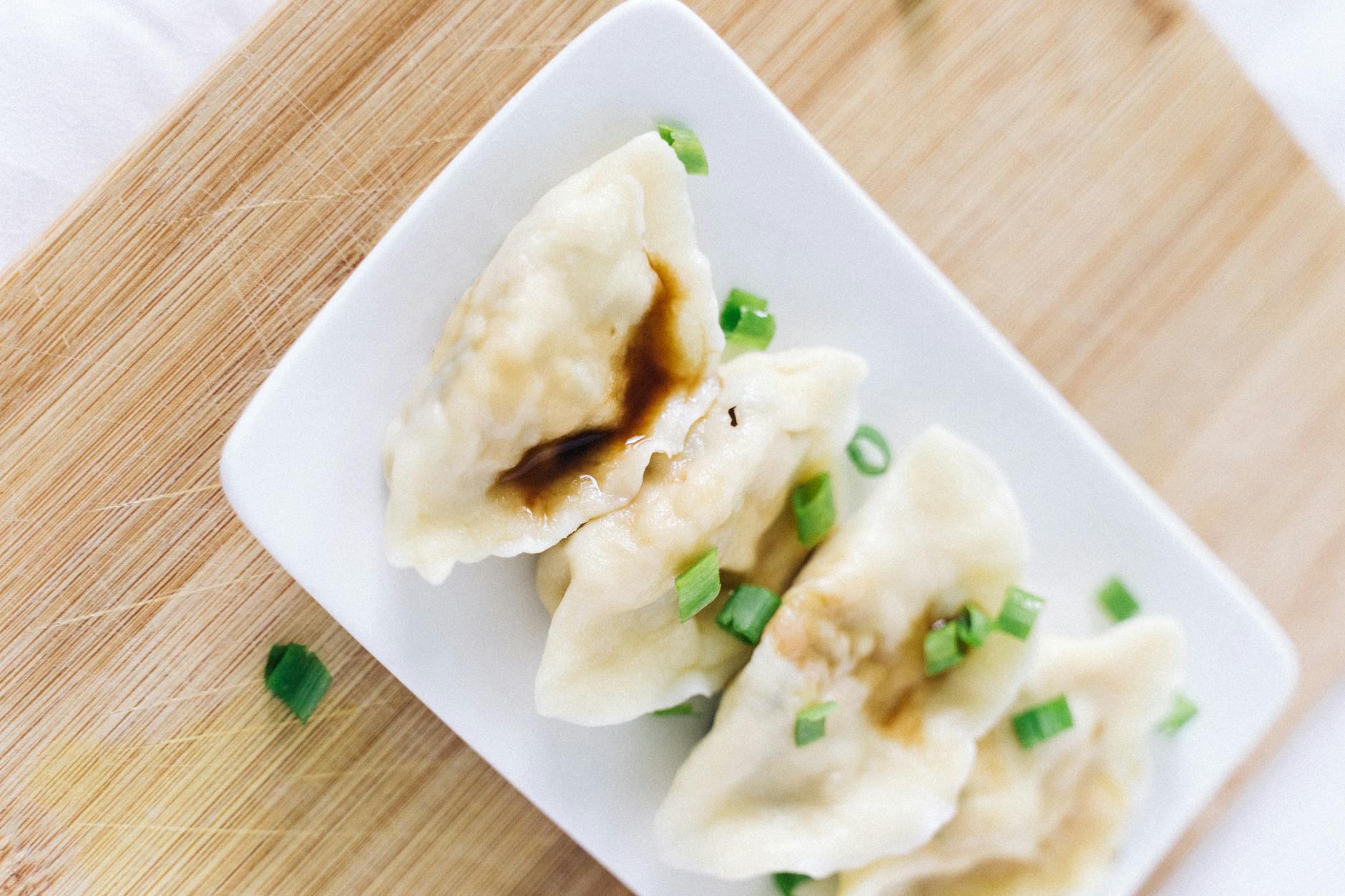
Jiaozi (饺子) — boiled or pan-fried dumplings stuffed with pork-and-chive, lamb-and-carrot, or egg-and-vegetable — are the other hutong staple, sold by weight or by the dozen and made fresh in the window. Then there’s copper-pot mutton hot pot (shuan yangrou), the old-Beijing way: a charcoal-fired brass pot of clear broth into which you swish paper-thin slices of mutton, then dip them in sesame sauce. Several beloved hutong institutions, some over a century old, specialise in it. Other treasures include spring pancakes (chunbing) wrapped burrito-style around shredded vegetables and meat, freshly griddled jianbing in the mornings, and smoky lamb skewers at the evening grills.
The best hutong food districts
Not all hutongs are equal for eating. These are the districts I’d point you to:
- Gulou & Baochao Hutong (around the Drum Tower) — the densest concentration of good small eateries, from famous dumpling houses to noodle joints and craft-beer bars. Start here. Combine with the Drum & Bell Towers.
- Fangjia Hutong — a hip, low-key lane of courtyard restaurants, bars and cafés, good for a relaxed evening.
- Wudaoying Hutong — near the Lama Temple, trendy but tasty, with vegetarian spots, cafés and small restaurants.
- Dongsi hutongs — quieter and more residential, with old-school local eateries and few tourists.
- Nanluoguxiang’s side alleys — the main drag is touristy, but the lanes branching off it (like Mao’er and Ju’er Hutong) hide good local food.
A self-guided hutong food crawl
You don’t need a tour to do this well. Here’s a self-guided route through the Gulou hutongs that works beautifully on an afternoon and evening. Start mid-afternoon near Shichahai or Gulou metro. Stop one: a bowl of zhajiangmian or hand-pulled noodles at a local noodle shop to anchor your stomach. Stop two: a dozen freshly made jiaozi at a dumpling house — order two fillings to compare. Stop three: as the light fades, find a copper-pot mutton hot pot place and swish a plate of mutton (this is the centrepiece). Stop four: round it off with skewers and a craft beer at one of the hutong breweries, or a tanghulu and a stroll. Walk it slowly, share dishes, and leave room between stops. The whole crawl costs a fraction of a single restaurant dinner back home and shows you a side of Beijing most visitors never see.
The golden rule for choosing where to stop: follow the locals. A place packed with Beijingers eating in plastic chairs under fluorescent light is almost always better than a quiet spot with a laminated English menu and photos of the food. Don’t be put off by basic surroundings — the best hutong food often comes from the roughest-looking rooms.
What a guided food tour adds
If it’s your first time, or you want the stories behind the food, a guided hutong food tour is well worth it. Reputable operators run small-group evening walks that hit six or more hidden eateries — places you’d never find or dare to order at on your own — over three to four hours, often starting at Shichahai metro and including unlimited soft drinks, local beers and a stop at a hutong brewery. A good guide does the ordering, explains each dish, and gets you into family-run spots like century-old noodle houses and rooftop hot-pot joints with views of the Bell Tower. Expect to pay roughly ¥300–600 per person. The value isn’t just the food — it’s the access and the context, which transform a meal into an education. It also makes a brilliant first-night activity that sets you up to explore solo afterwards.
Ordering and etiquette in small eateries
Hutong eateries are casual and unpretentious, and a few pointers smooth the way. Many have no English menu, so a translation app (photograph the menu and translate) or simply pointing at what others are eating works fine. You typically order and pay at a counter or via a QR-code menu at the table — scan with WeChat Pay or Alipay, both of which take foreign cards now; keep some cash for the most old-school places. Tipping isn’t expected anywhere in Beijing. Tables are often shared at busy times, chopsticks and napkins may be self-serve, and tea or hot water is usually free. Don’t expect quiet, polished service — expect speed, generosity and honest food. For help with the language barrier, see our guide to navigating Beijing without Chinese.
When to go
Timing matters more in the hutongs than in big restaurants. Many small family eateries close between lunch and dinner (roughly 2–5pm) and some shut early in the evening, so plan around meal times. Breakfast spots (jianbing, baozi, noodles) are busy from around 7am and may sell out by mid-morning. The skewer grills and hot-pot places come alive from early evening. The hutongs are atmospheric year-round, but spring and autumn are the most pleasant for walking between stops; winter is the season for copper-pot mutton hot pot, which is exactly the warming food the cold calls for. See the best time to visit Beijing for more.
The culture behind hutong eating
To eat in the hutongs is to step into a way of life that has all but vanished from Beijing’s modern districts. For centuries, the courtyard neighbourhoods functioned as tight-knit villages within the city, and the small eateries grew up to serve them — the noodle man who knew every regular’s order, the dumpling family whose recipe had passed down three generations, the hot-pot house where neighbours gathered through the long northern winters. Food here was never about novelty or presentation; it was about feeding people well, cheaply and reliably, day after day. That ethos survives in the surviving hutong eateries, and it’s why a ¥20 bowl of noodles in a scruffy alley can be more satisfying than a far pricier restaurant meal. You’re tasting food that has been refined by repetition, not by trend.
It’s worth knowing, too, that this world is shrinking. Decades of redevelopment have flattened many old hutongs, and rising rents and regulations have pushed out some of the most beloved hole-in-the-wall spots. The places that remain are, in a real sense, living heritage — which is part of why eating in them feels meaningful as well as delicious. Going there, ordering generously and tipping the experience forward by telling others is a small way of keeping that culture alive. It also explains why the food often hides down the quieter residential lanes rather than on the commercialised main drags: the real thing has retreated to where the rents and the regulars still are.
Combining food with hutong sightseeing
The beauty of a hutong food crawl is that the eating and the sightseeing are the same activity. The Gulou district, the densest for food, is also where you’ll find the Drum and Bell Towers and the willow-lined Shichahai lakes, so a single afternoon can blend a tower climb, a lakeside stroll and three or four food stops without ever getting in a taxi. Near Wudaoying Hutong sits the Lama Temple and the Confucius Temple; near Nanluoguxiang, the courtyards and former princely mansions of the old city. This is the great advantage of eating in the hutongs — the food is woven into the most atmospheric, walkable, history-rich part of Beijing, so you’re sightseeing and grazing in the same breath.
A practical way to structure it: spend the late afternoon wandering and snacking, climb a tower or walk the lake for sunset, then settle into a proper hot-pot or skewer dinner as the lanterns come on and the lanes fill with evening life. Rent a bike to cover more ground between stops — the flat hutong alleys are perfect for it, and our cycling in Beijing guide explains how. By the end you’ll have eaten brilliantly, seen some of the city’s best sights, and spent very little doing it.
If you only have one evening for this, make it count: a guided tour removes all the guesswork and packs the most variety into a few hours. If you have several days, do a guided crawl early in your trip and then return to your favourite alley on your own — you’ll quickly develop a sense of which unmarked doorways are worth pushing open. Either way, hutong eating rewards the time you give it.
One final tip: come hungry but pace yourself across several small stops rather than filling up at the first. The hutong style is to graze — a few dumplings here, a bowl of noodles there, a skewer or two as you walk — so order modestly at each place and keep moving. That way you taste far more, leave room for the hot pot that anchors the evening, and experience the alleys the way locals do: as one long, unhurried, moveable meal rather than a single sitting.
Hutong food tour FAQ
Do I need a guide, or can I explore on my own?
Both work. A guided tour gets you into hidden family-run spots with context and ordering done for you — ideal on a first visit. But a self-guided crawl through the Gulou hutongs, following the local queues, is cheap, easy and rewarding once you have a little confidence.
How much does a hutong food tour cost?
Guided small-group tours run roughly ¥300–600 per person for 3–4 hours and 6+ tastings, often including drinks. A self-guided crawl of three or four stops costs just ¥60–120 per person.
What should I eat first?
Start with a bowl of Beijing zhajiangmian noodles, then move to fresh jiaozi dumplings, and make copper-pot mutton hot pot your centrepiece if the weather’s cool. Finish with skewers and a local beer.
Will there be English menus?
Often not, in the most authentic places. Use a translation app to photograph and read menus, or point at what others are eating. It’s part of the adventure, and the food is worth it.
Which hutong area is best for food?
The Gulou/Drum Tower area, especially around Baochao and Fangjia Hutong, has the densest cluster of good local eateries. The side alleys off Nanluoguxiang and the Dongsi hutongs are also excellent and less touristy.
Is hutong food good for vegetarians?
There are options — vegetable dumplings, plain noodles, mushroom and tofu dishes, and trendy vegetarian spots in areas like Wudaoying. See our vegetarian and vegan guide for the best of them.
What’s the best time of day for a hutong food crawl?
Late afternoon into evening is ideal: you avoid the lunch-to-dinner closures that catch out many small eateries, the skewer grills and hot-pot houses are firing up, and the lanes are at their most atmospheric as the lanterns come on. Go early in the morning instead if your priority is breakfast snacks like jianbing and baozi, which sell out by mid-morning.
The bottom line on hutong food
Eating in the hutongs is the most authentic, affordable and rewarding way to experience Beijing’s food. Head to the Gulou alleys, follow the local queues, and work through noodles, dumplings, copper-pot mutton and skewers across an afternoon and evening. Take a guided tour on your first night for the hidden spots and the stories, then strike out on your own. Either way, you’ll eat better — and cheaper — than at any restaurant on a main road, and you’ll see the side of Beijing that visitors who never leave the big sights completely miss. It is, quite simply, the most delicious way to get under the skin of the city.
Pair it with the best Peking duck, graze the street food guide, or explore the lanes themselves with our Beijing hutongs guide. For the full scene, see the Beijing food guide.